Problem-Solving Skills Normal Addition & Subtraction Worksheets for Ages 3-8 - Page 2
33 filtered results
-
From - To
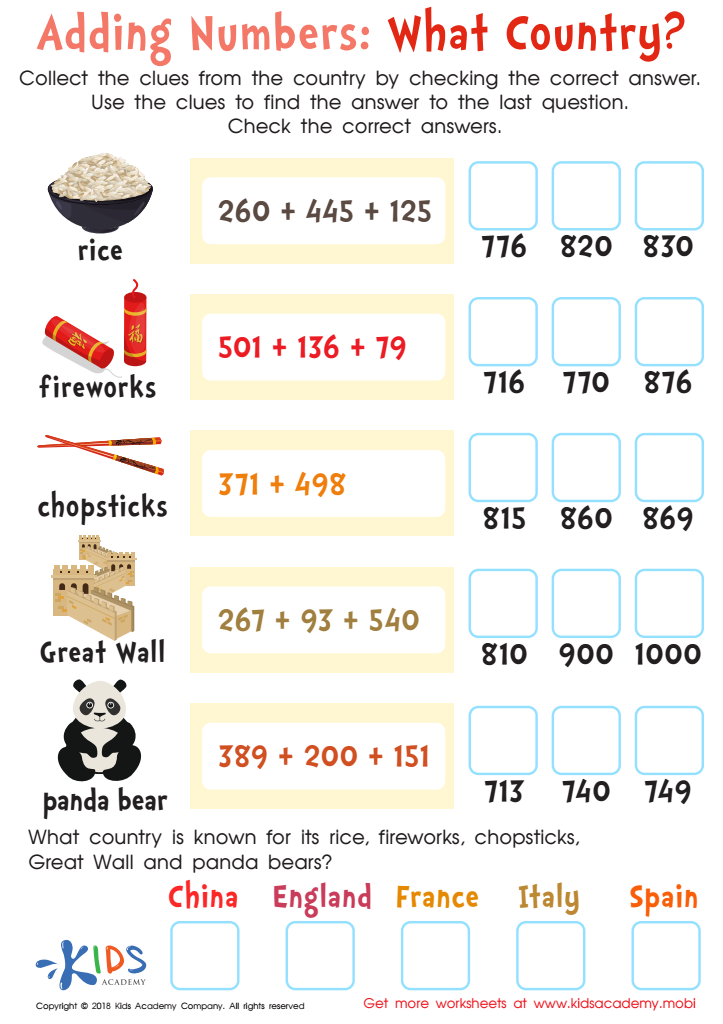
Adding Numbers: What Country Worksheet
 Assign to My Students
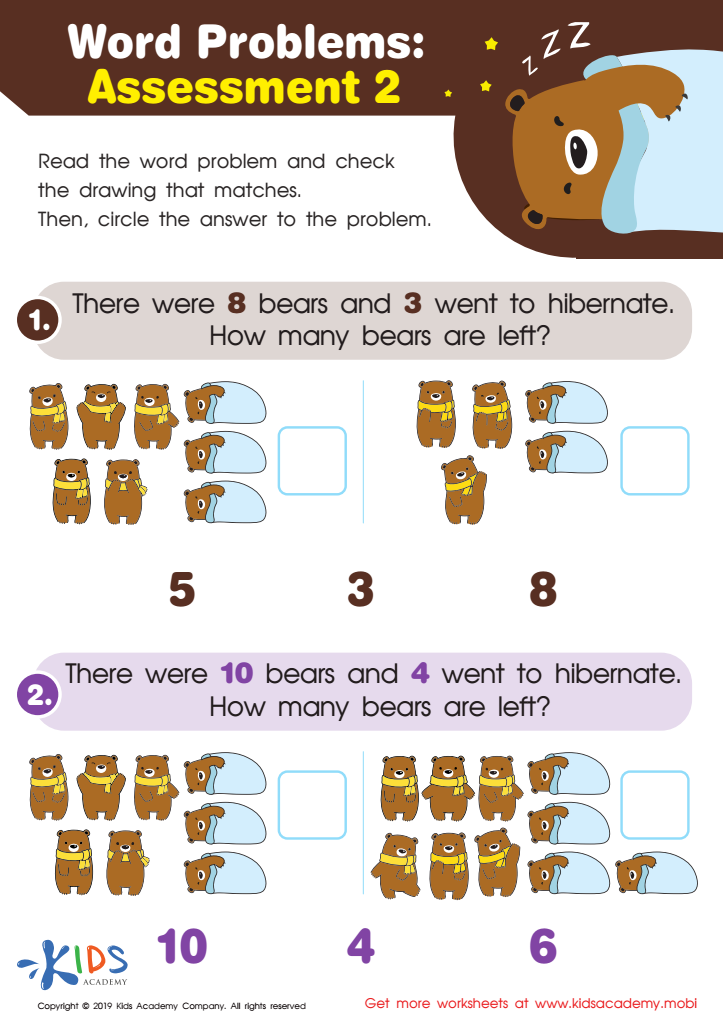
Word Problems: Assessment 2 Worksheet
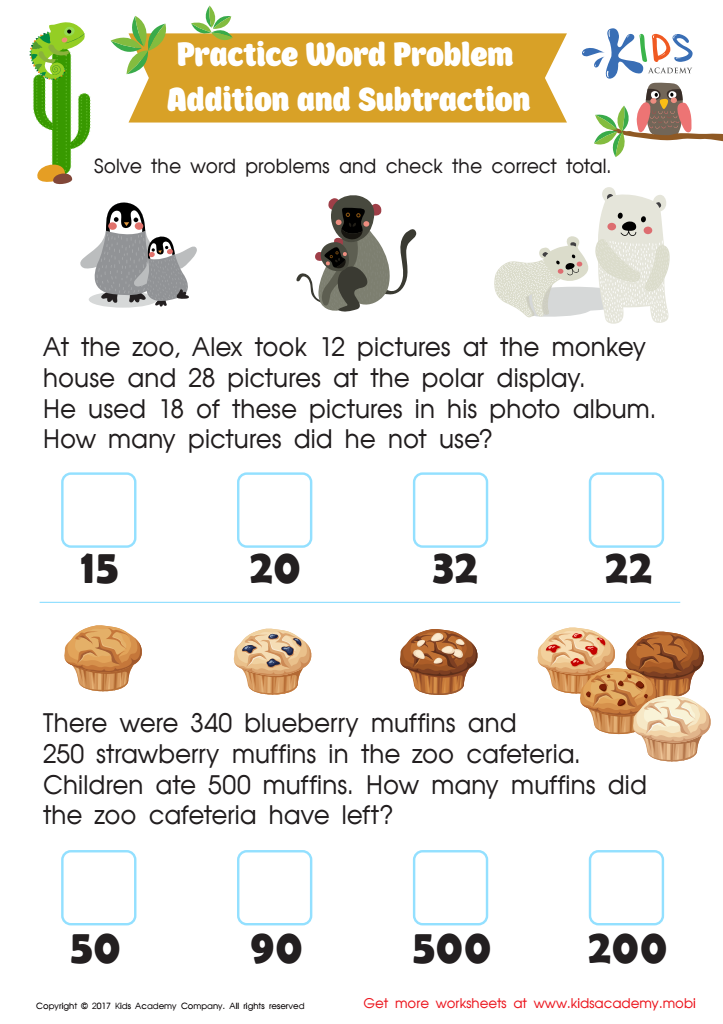
Addition and Subtraction: Word Problems Worksheet
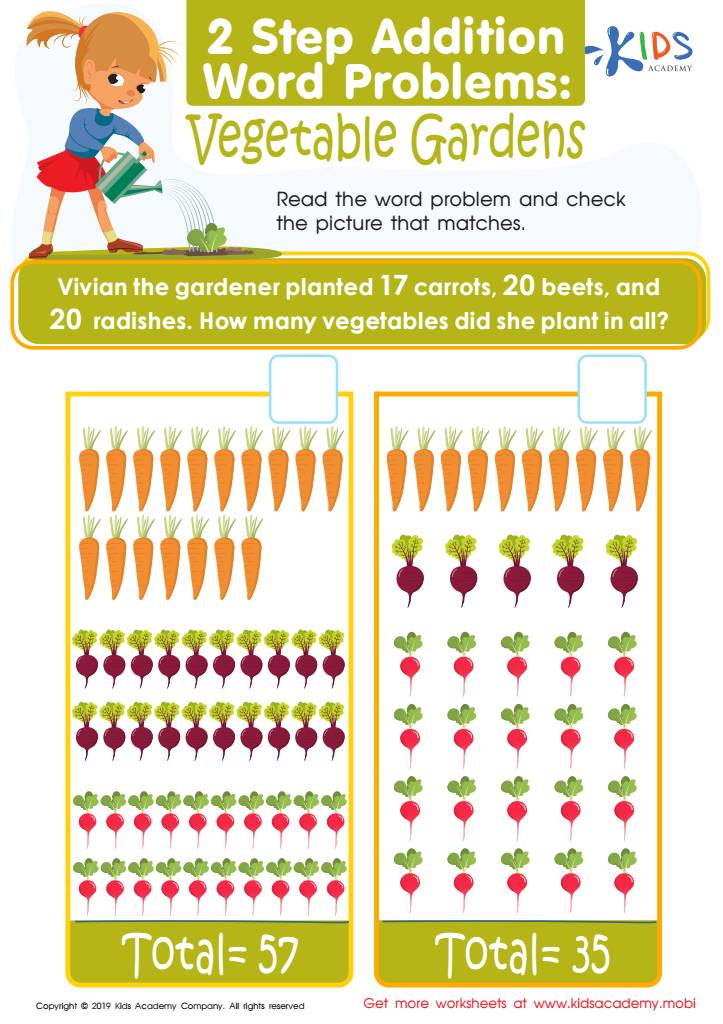
Vegetable Gardens Worksheet
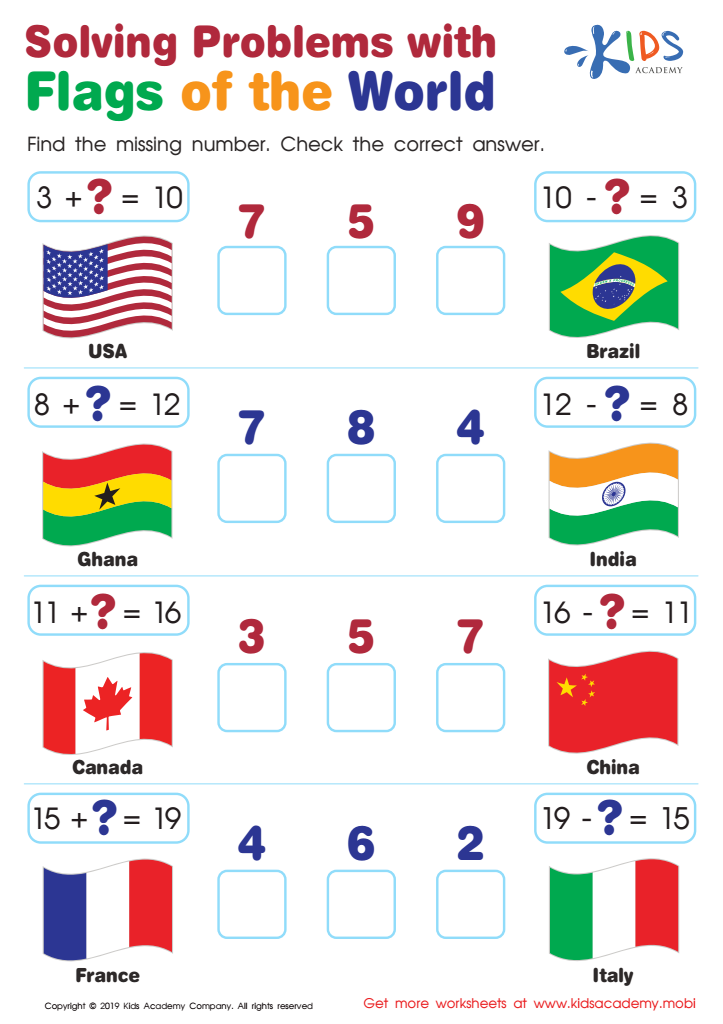
Solving Problems with Flags of the World Worksheet
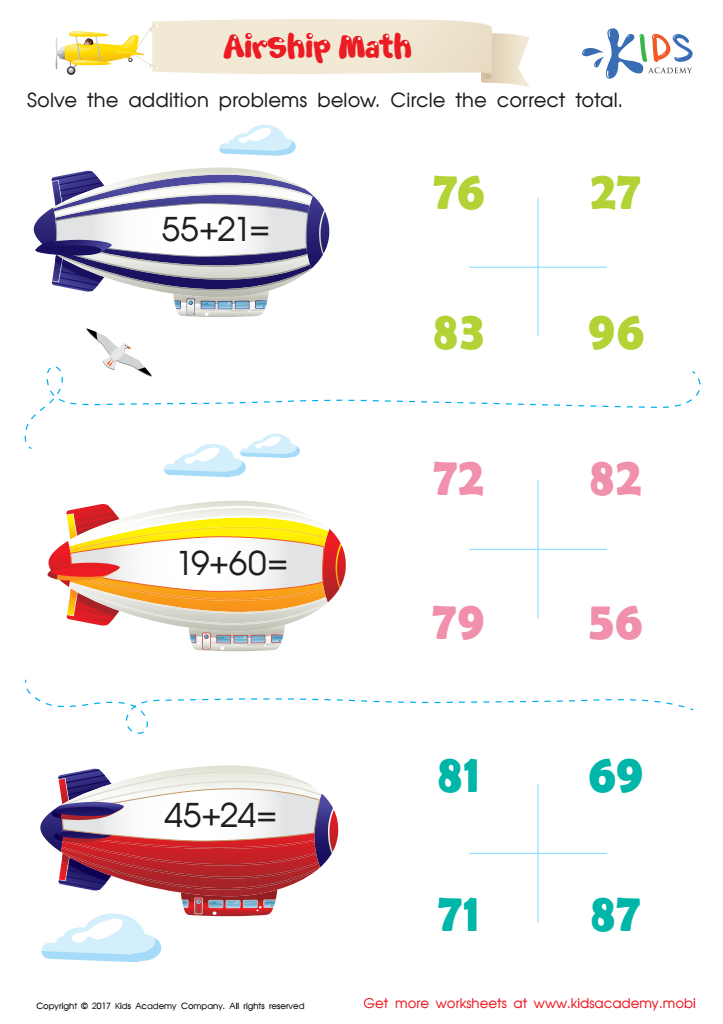
Airship Math Addition Printable
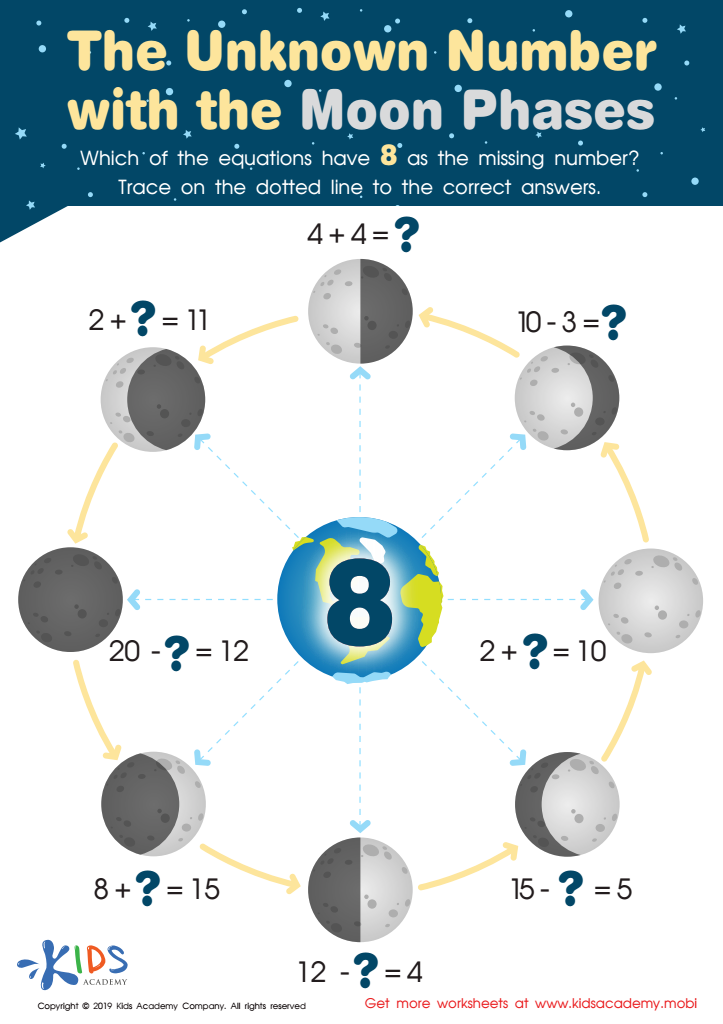
The Unknown Number with the Moon Phases Worksheet
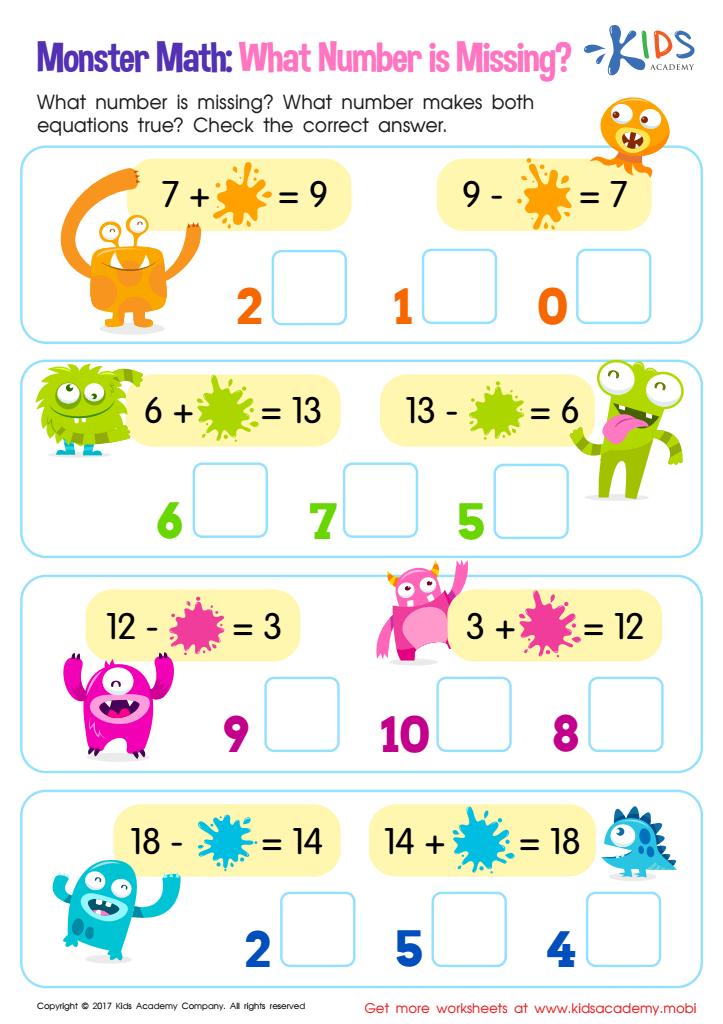
Missing Number: Monster Math Worksheet
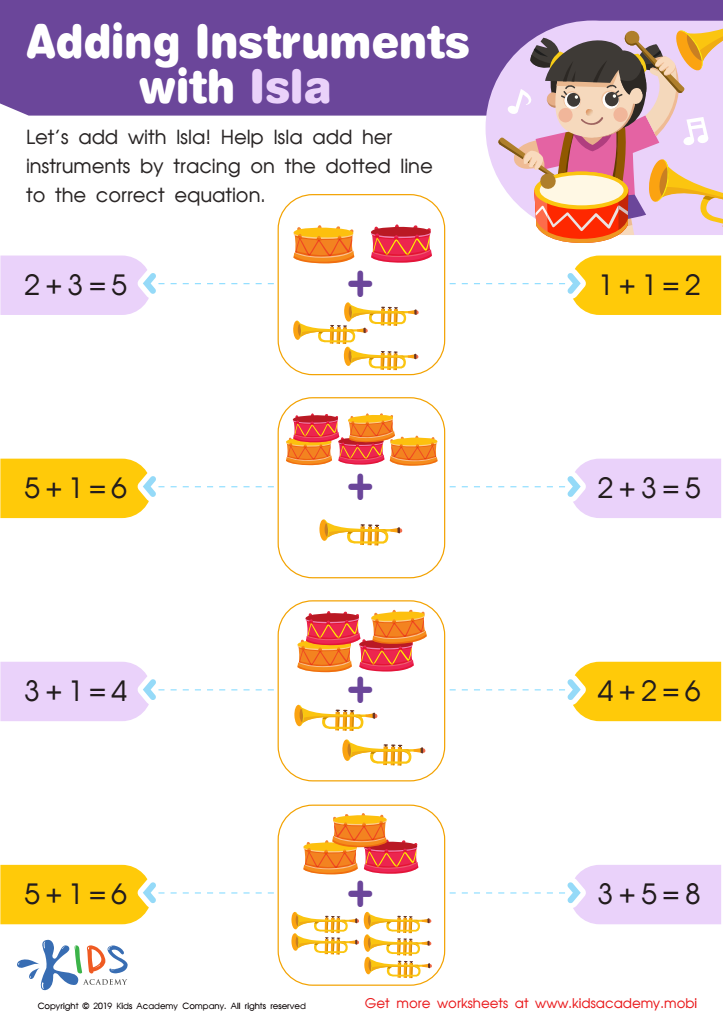
Adding Instruments with Isla Worksheet








Problem-solving skills in normal addition and subtraction are foundational for children aged 3 to 8, directly influencing their mathematical understanding and cognitive development. Parents and teachers should prioritize these skills because they cultivate critical thinking, enhance reasoning abilities, and foster independence. Mastery in basic math operations not only serves as a prerequisite for more complex concepts but also allows children to approach challenges systematically in various aspects of life.
Developing problem-solving skills through addition and subtraction enables children to visualize and manipulate numbers, nurturing their ability to analyze situations and devise solutions. This early foundational work also builds confidence that encourages a positive attitude towards math, reducing math anxiety that can stem later in life.
Furthermore, these skills support crucial learning in other subjects and everyday situations, such as identifying patterns, measuring, and making decisions. Collaborating while problem-solving enhances social skills and communication among peers, fostering teamwork. In essence, strong early mathematics skills shape a well-rounded, capable learner, enabling children to excel academically and navigate their world with competence. Therefore, investing in problem-solving skills in addition and subtraction is essential for children's long-term success.








