Normal Addition Worksheets for Ages 3-8 - Page 3
68 filtered results
-
From - To
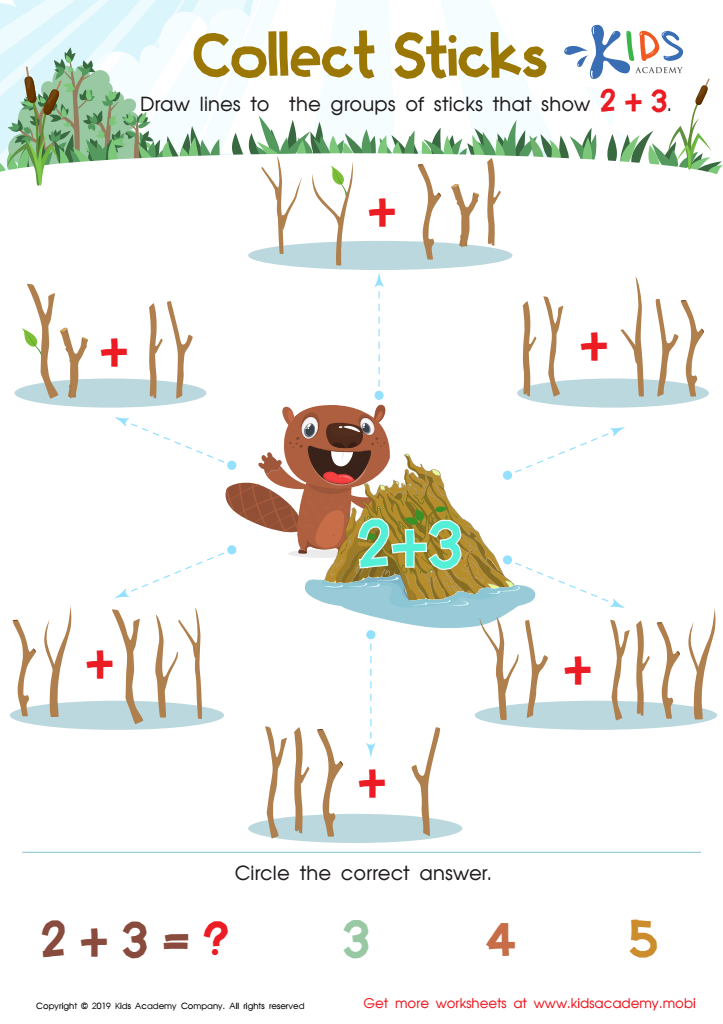
Collect Sticks Worksheet
 Assign to My Students
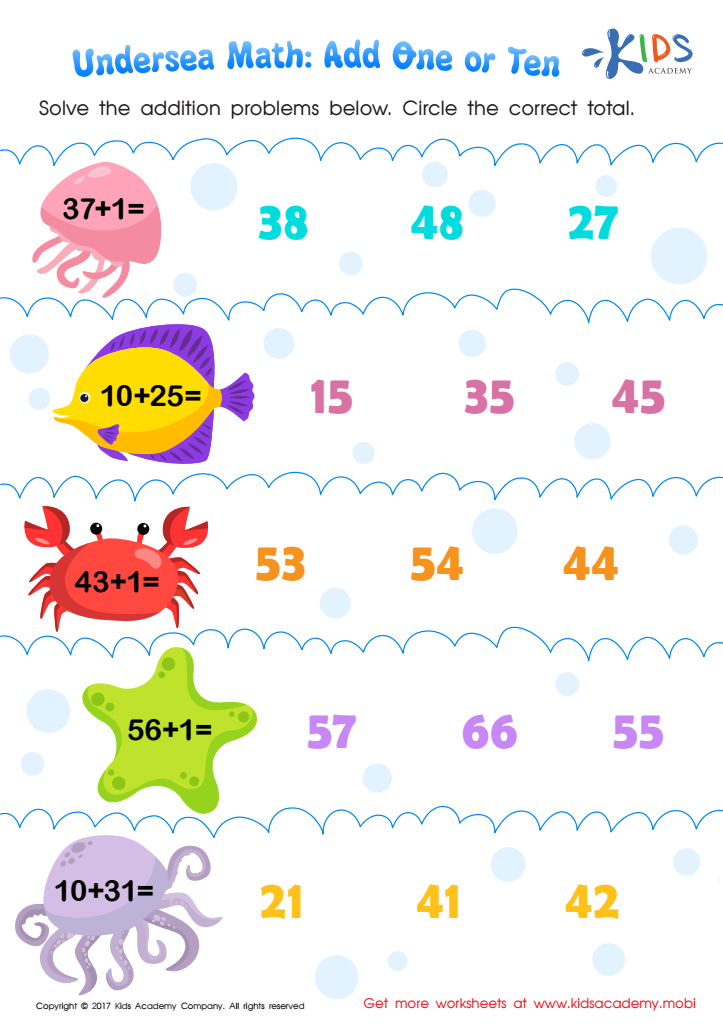
Undersea Math Worksheet
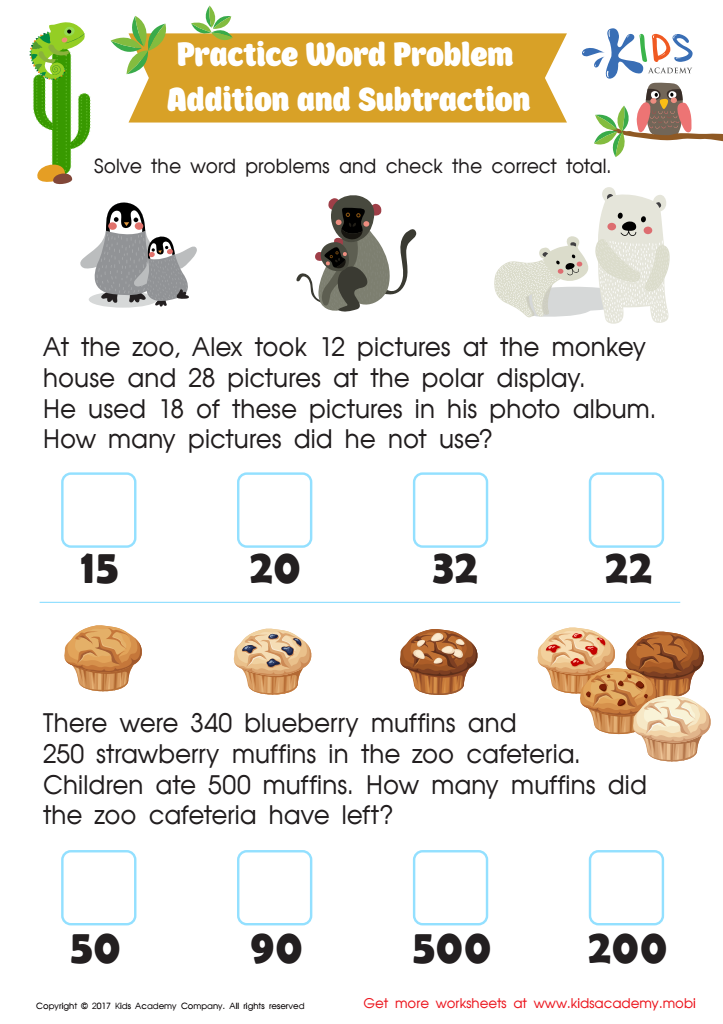
Addition and Subtraction: Word Problems Worksheet
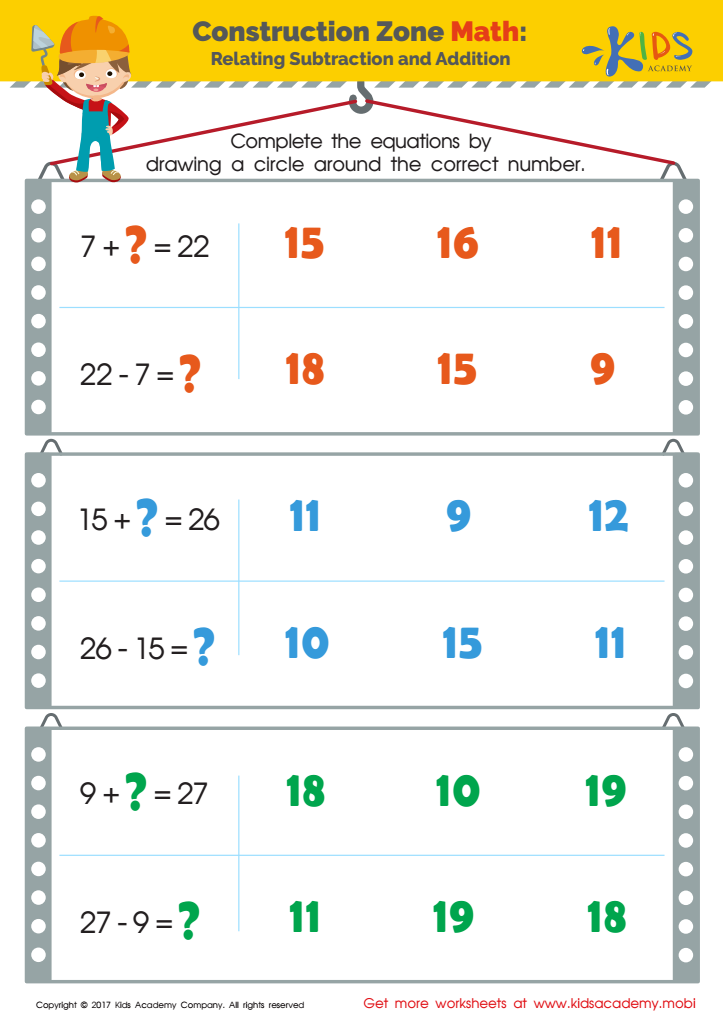
Related Addition and Subtraction Facts Worksheet
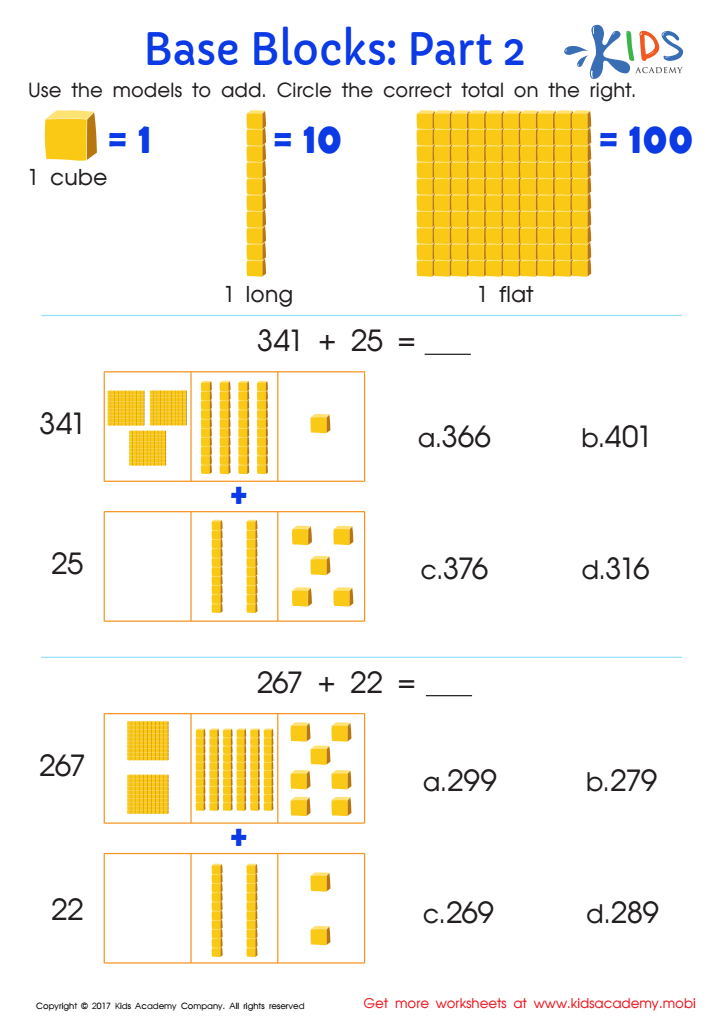
Base Ten Blocks Worksheet: Part 2
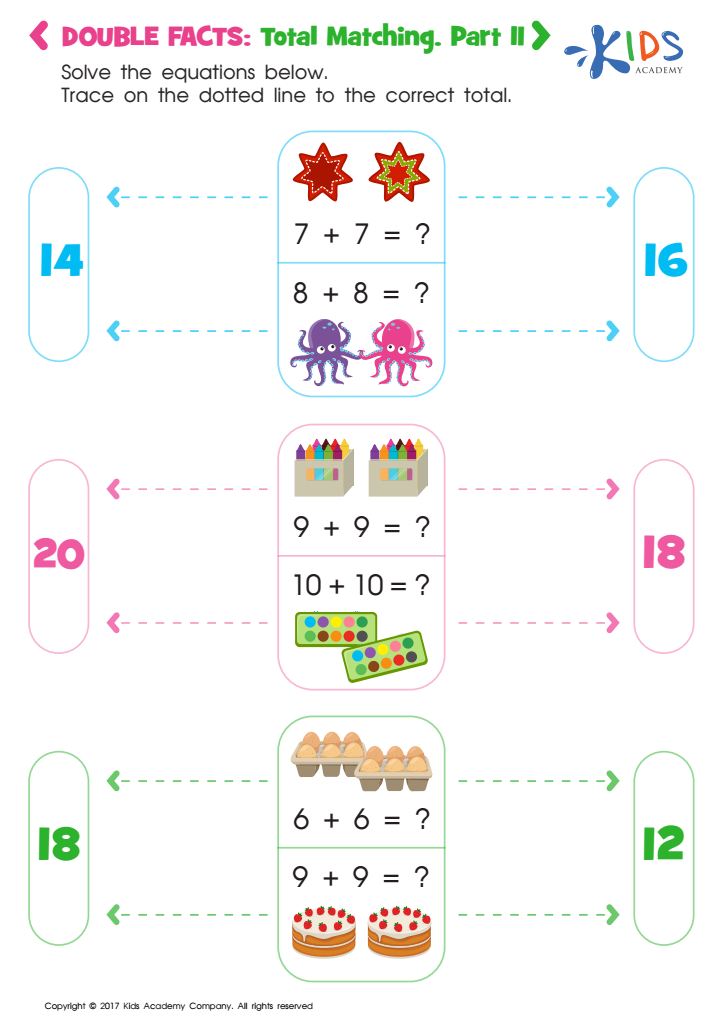
Double Facts: Total Matching 2 Worksheet
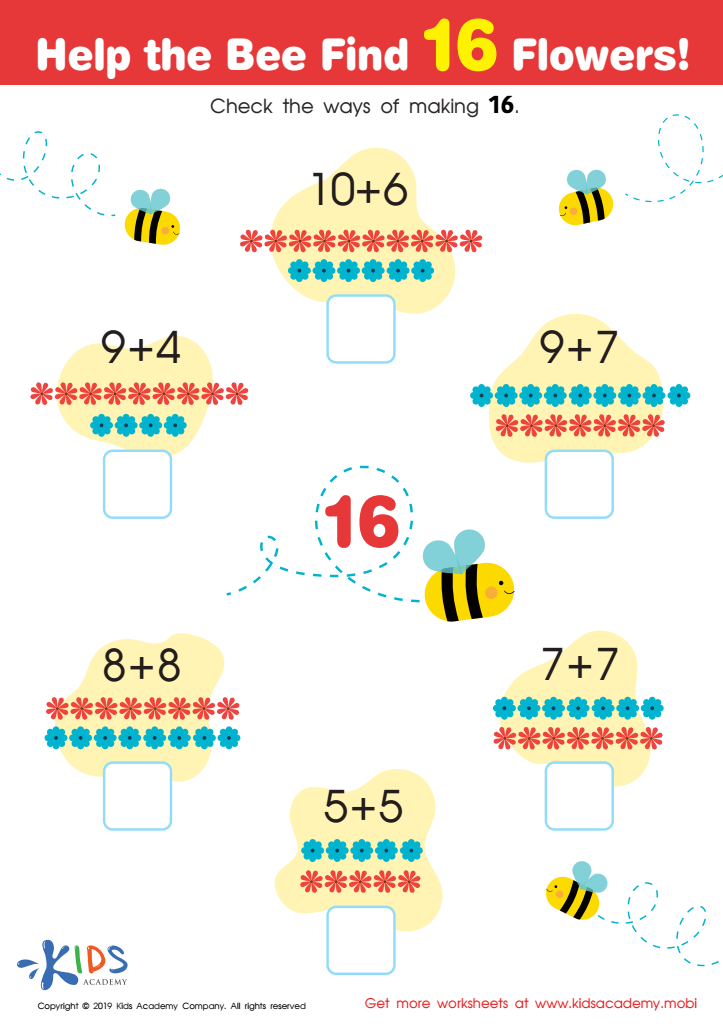
Help the Bee Find 16 Flowers Worksheet
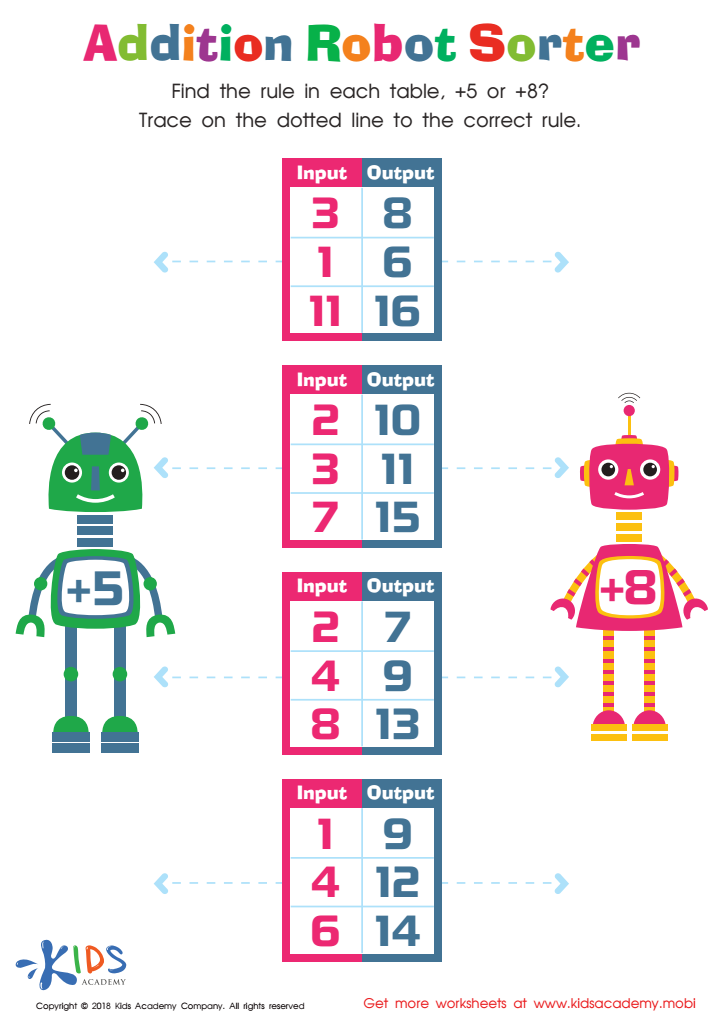
Addition Robot Sorter Worksheet
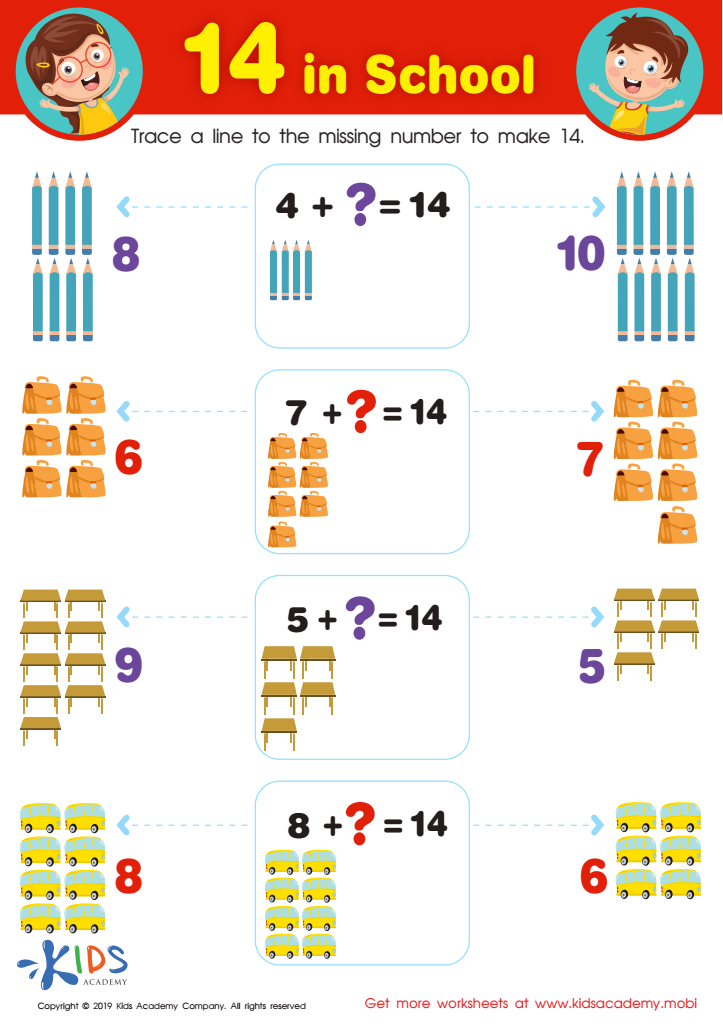
14 in School Worksheet
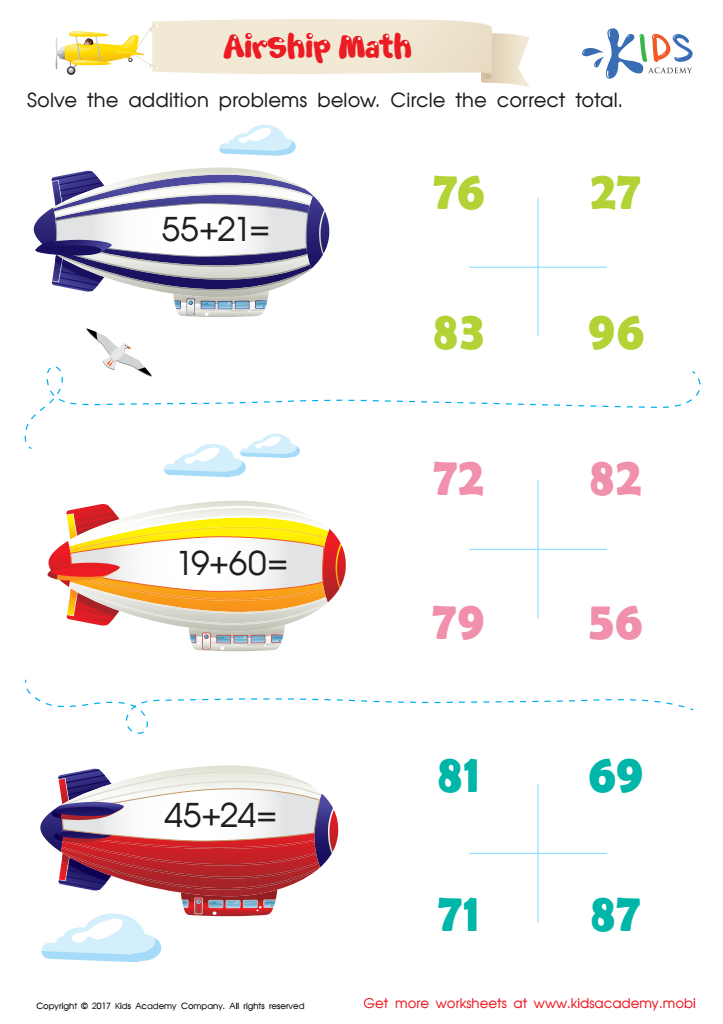
Airship Math Addition Printable
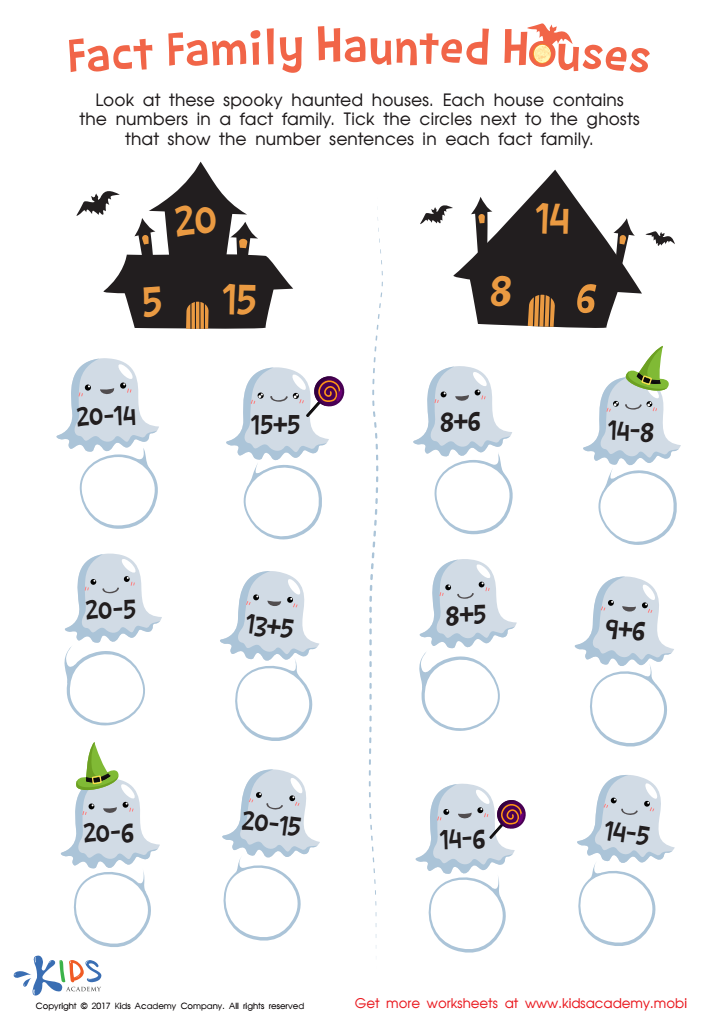

Adding Numbers: Cardinal Directions Worksheet
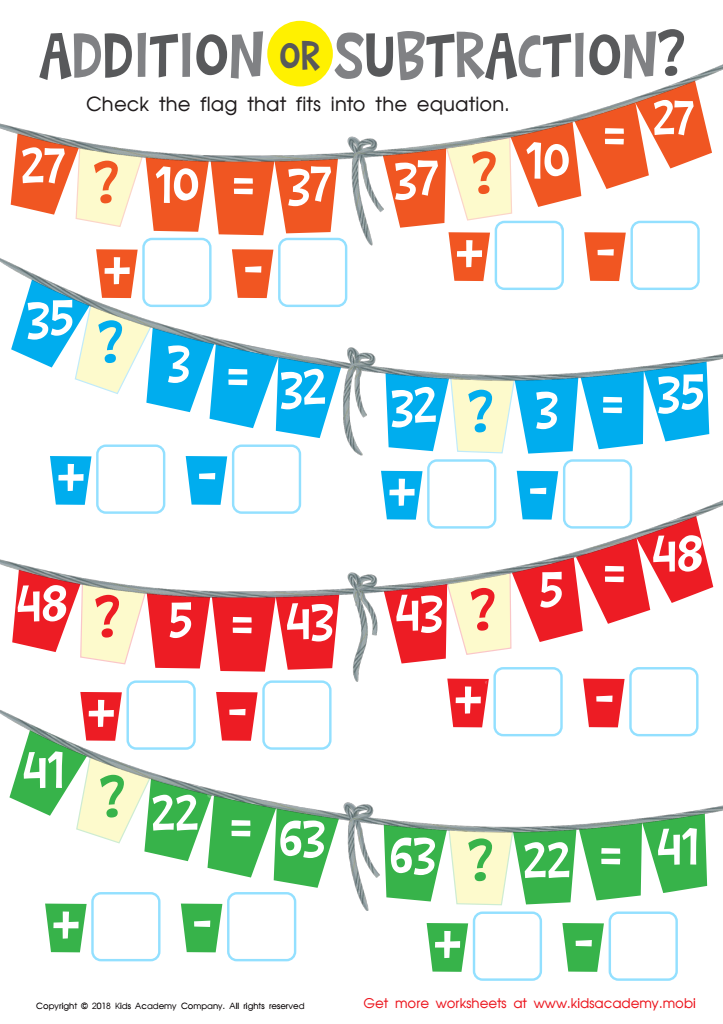
Addition or Subtraction? Worksheet
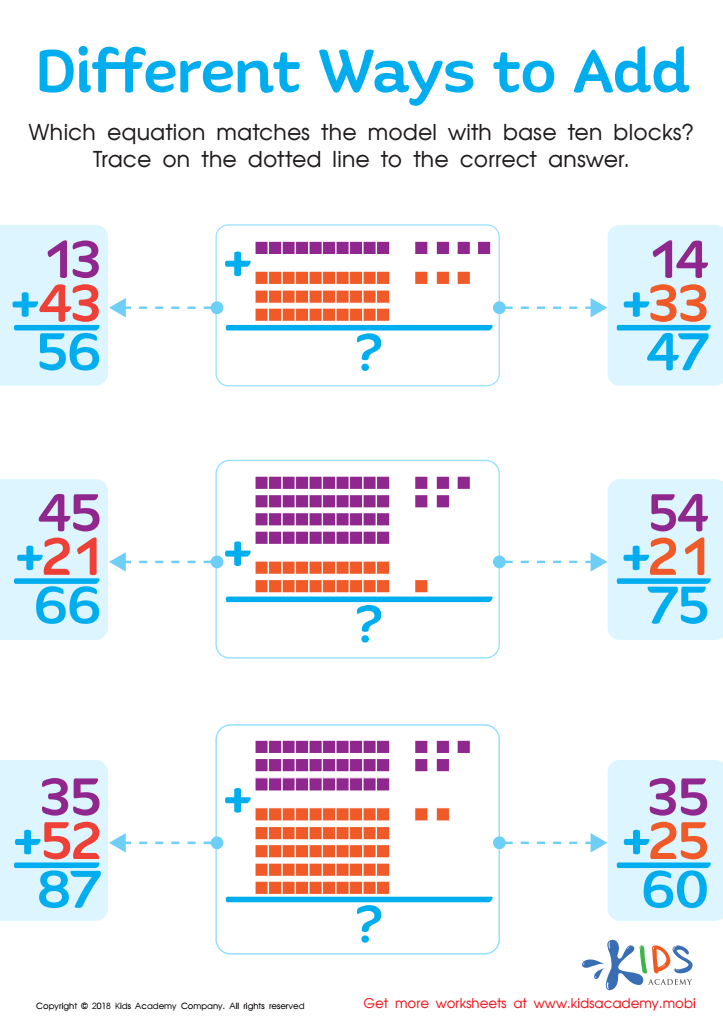
Different Ways to Add Worksheet
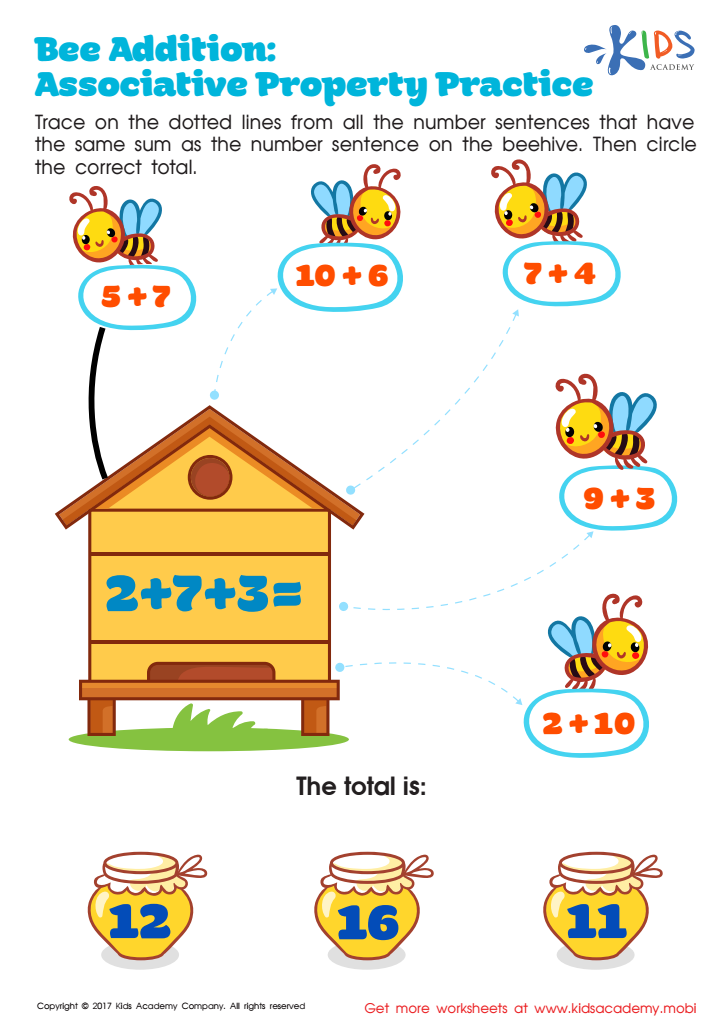
Bee Addition: Associative Property Practice Worksheet
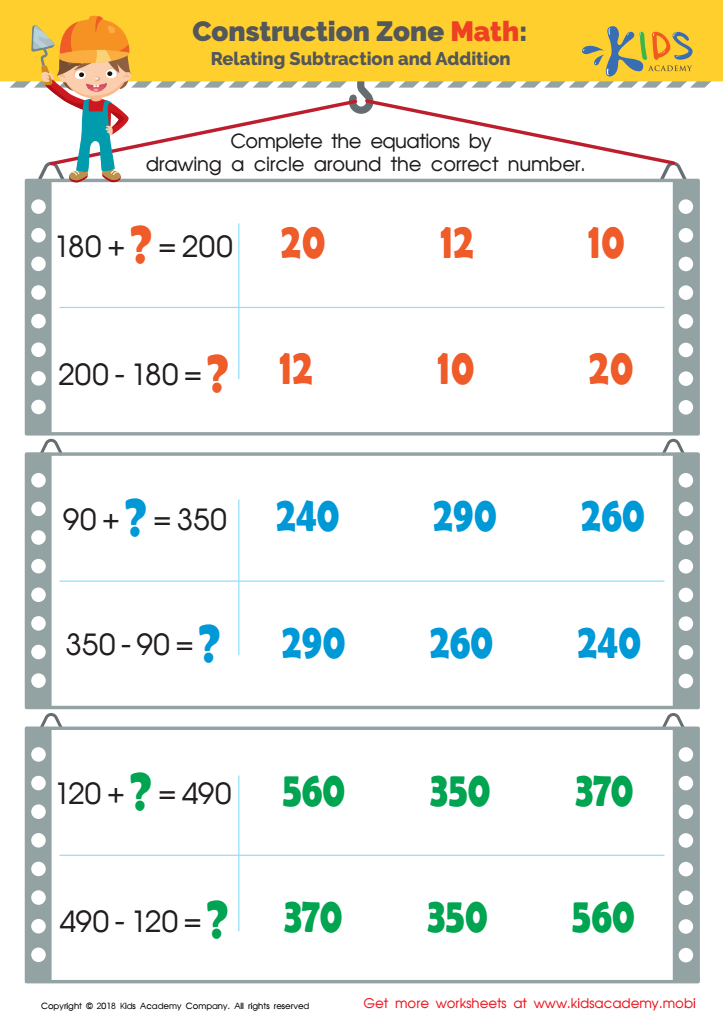
Construction Zone Math: Relating Subtraction and Addition Worksheet
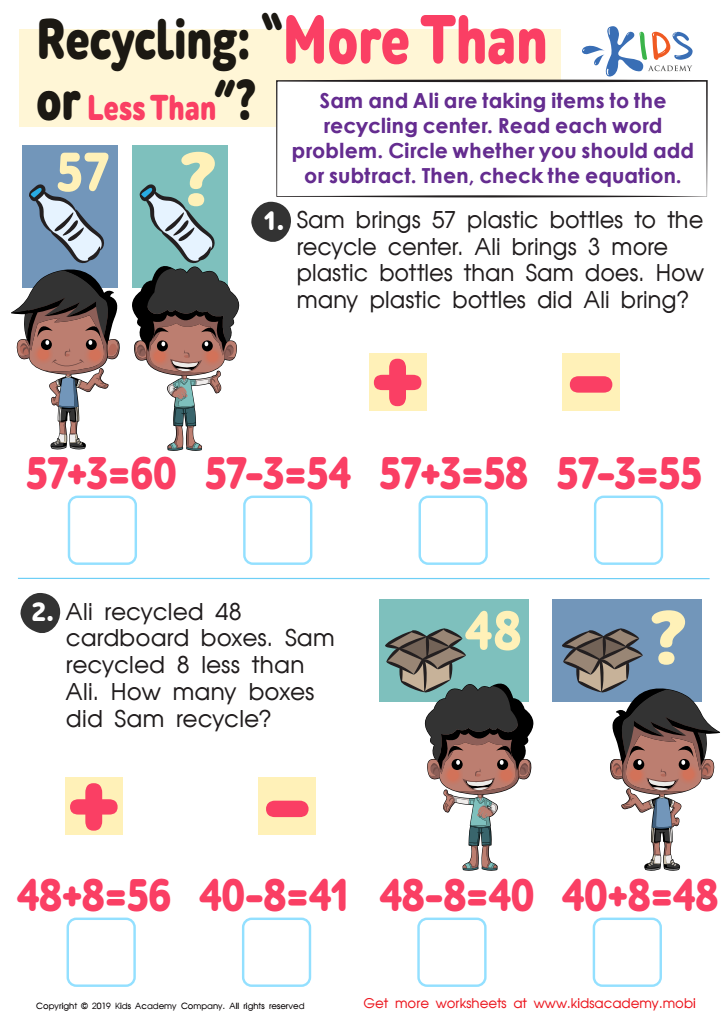
Recycling - More or Less Worksheet
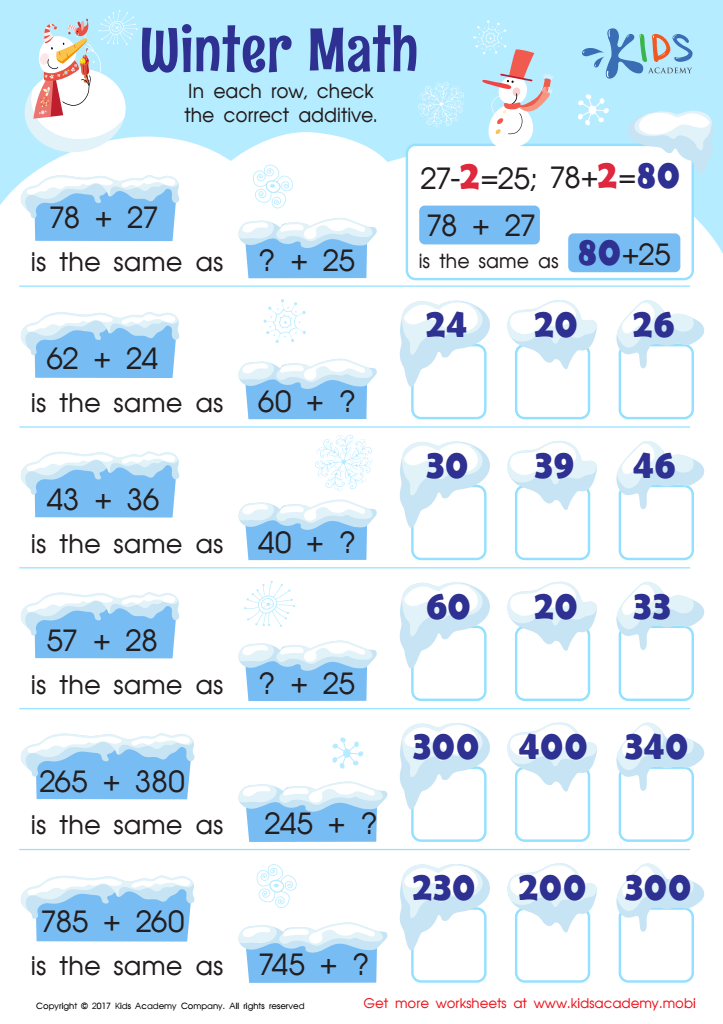
Free Addition Worksheet
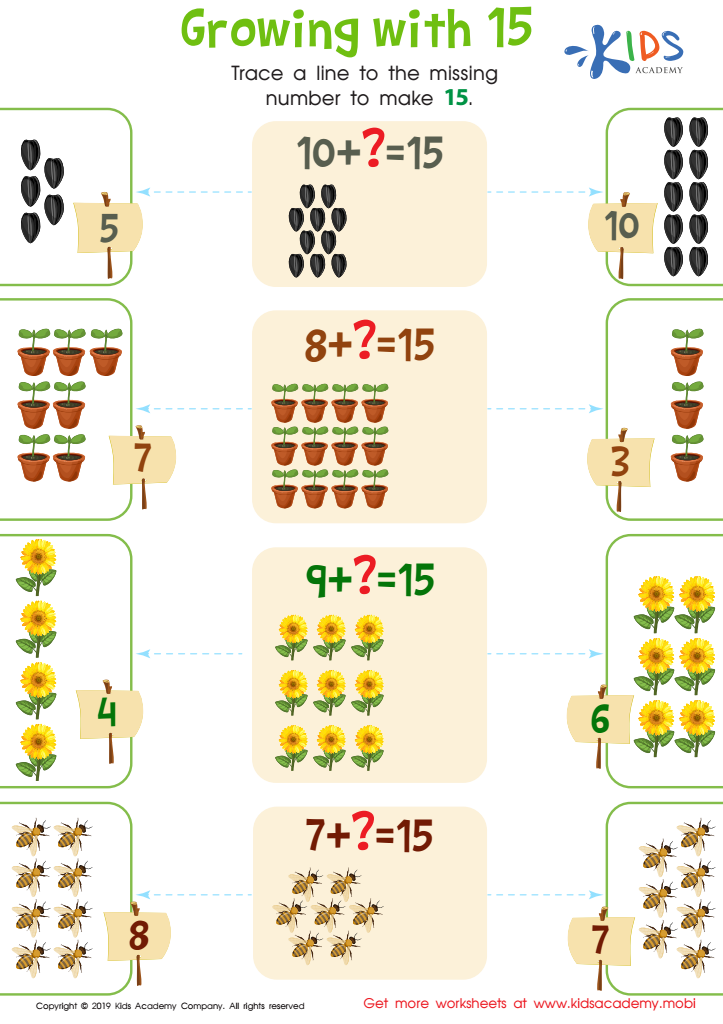
Growing with 15 Worksheet
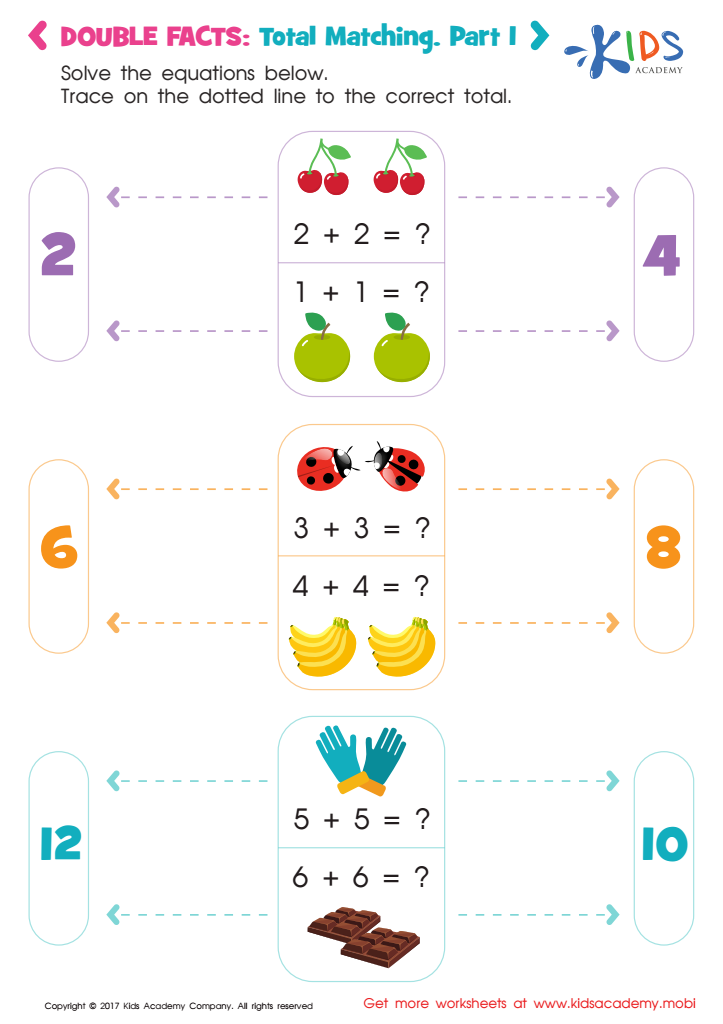
Double Facts: Total Matching Worksheet: Part 1








Normal addition is a fundamental mathematical concept that serves as the building block for more advanced arithmetic skills. For children aged 3-8, developing a strong understanding of normal addition is crucial because it lays the foundation for problem-solving and critical thinking abilities. During these early years, children’s cognitive skills are rapidly developing, and interactions around mathematics can significantly influence their attitude towards the subject.
Parents and teachers should care about normal addition because it fosters a child's ability to conceptualize quantities and understand relationships between numbers. Engaging with addition through hands-on activities, visual aids, and real-life scenarios makes learning fun and relatable, encouraging a positive attitude towards math. Additionally, normal addition promotes foundational skills such as counting, comparing quantities, and recognizing patterns, all of which are essential for overall academic success.
Moreover, a solid grasp of addition prepares young learners for future mathematical concepts, such as subtraction, multiplication, and division. When children feel confident in their ability to add, they develop resilience and persistence in their learning journey. Ultimately, prioritizing normal addition in early education ensures that children are well-equipped for both academic challenges and everyday problem-solving skills, setting them up for lifelong learning and achievement.