Number Sequencing Normal Math Worksheets for Ages 3-8
13 filtered results
-
From - To
Help your child develop essential math skills with our Number Sequencing Normal Math Worksheets, designed for ages 3-8. These engaging and educational worksheets introduce young learners to the concept of number sequences, enhancing their ability to recognize patterns and order numbers logically. Children will practice counting forwards and backwards, filling in missing numbers, and understanding number relationships in a fun, interactive way. Perfect for early learners, these printable worksheets provide an excellent foundation for future math success. Visit our webpage for a variety of worksheets tailored to different learning stages, ensuring each child progresses confidently.
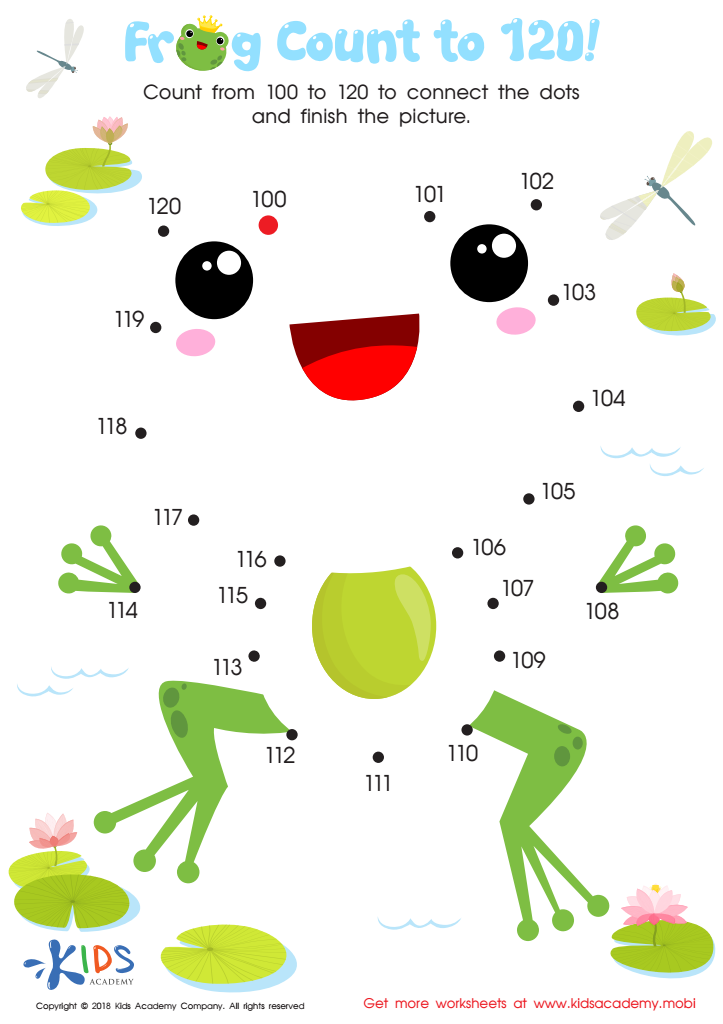
Frog Count to 120 Worksheet
 Assign to My Students
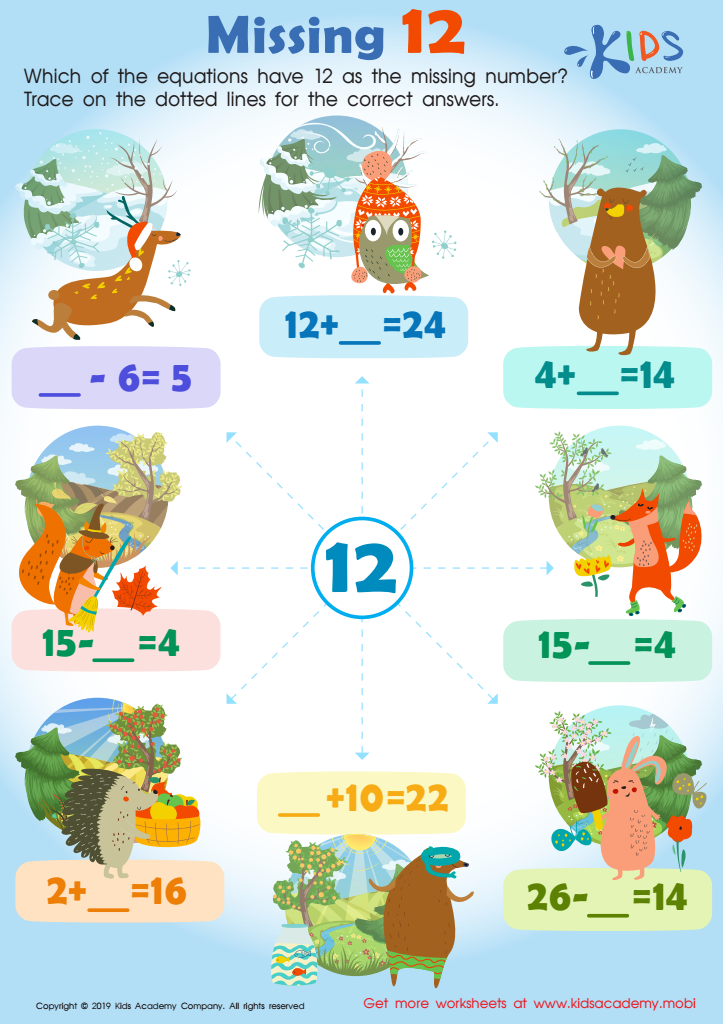
Missing 12 Worksheet
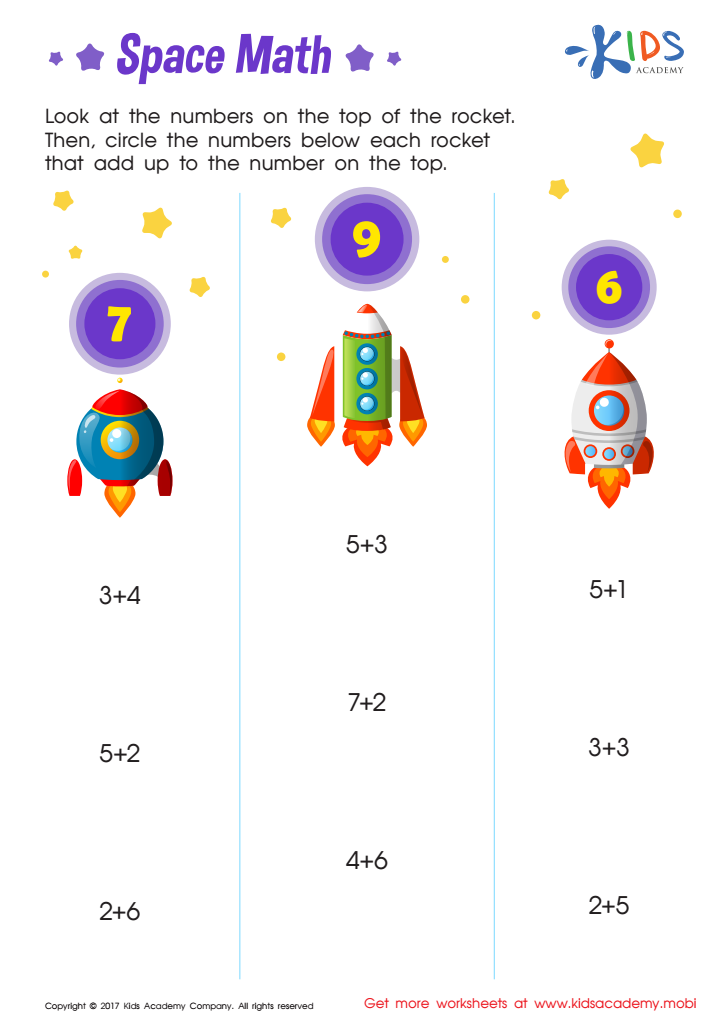
Addition: Space Math Worksheet
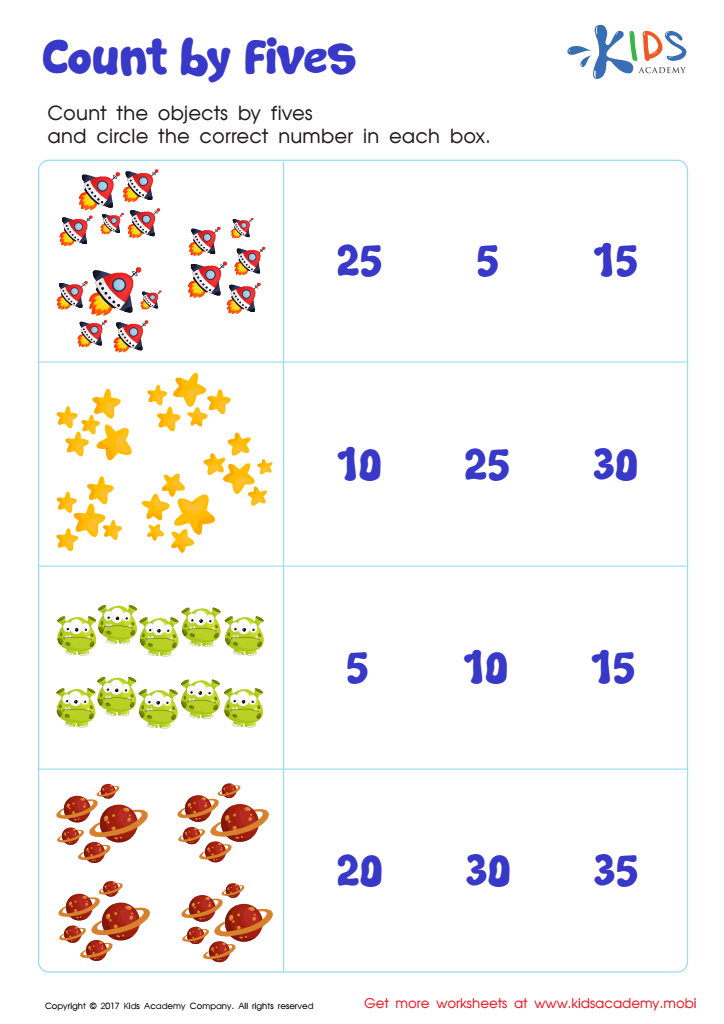
Skip Counting by 5s: Space Math Printable
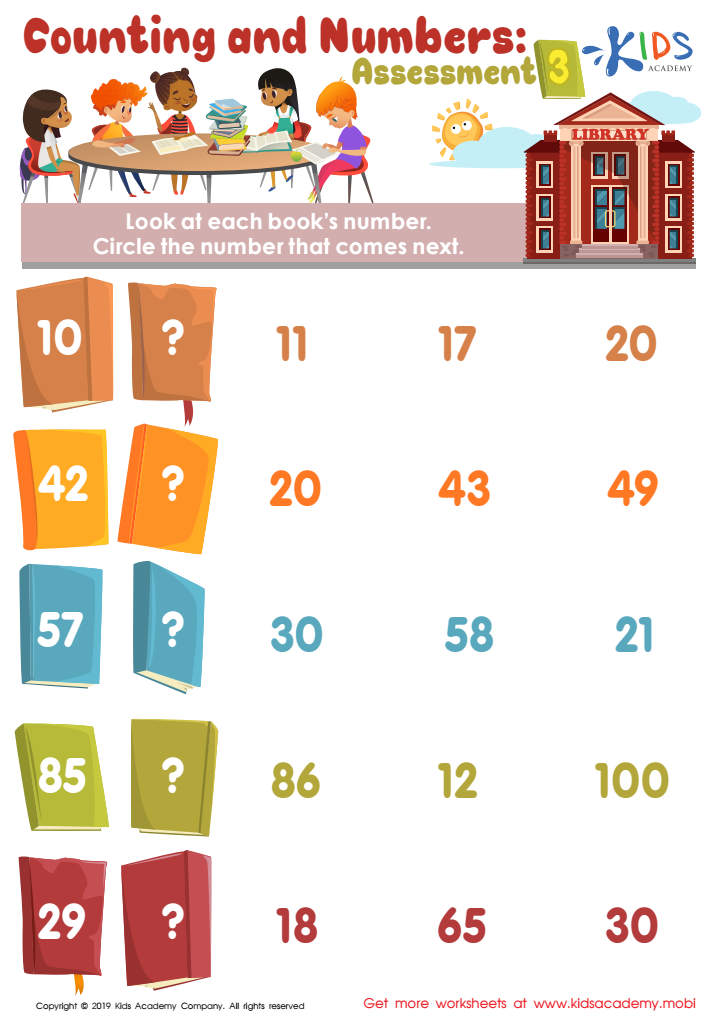
Counting and Numbers: Assessment Worksheet
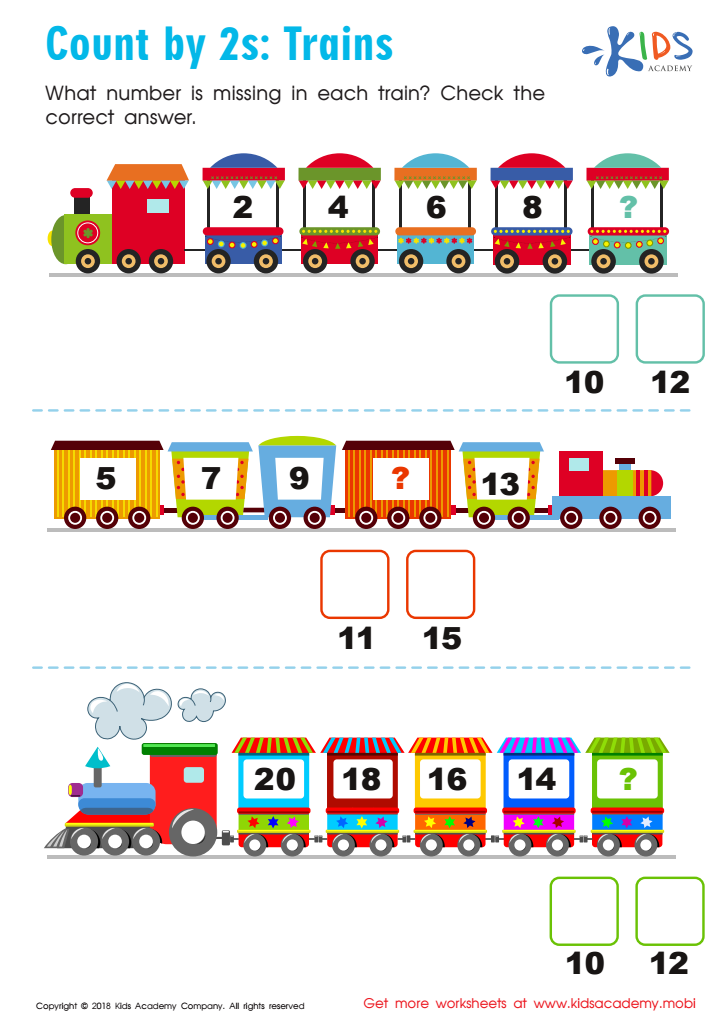
Count by 2's: Trains Worksheet
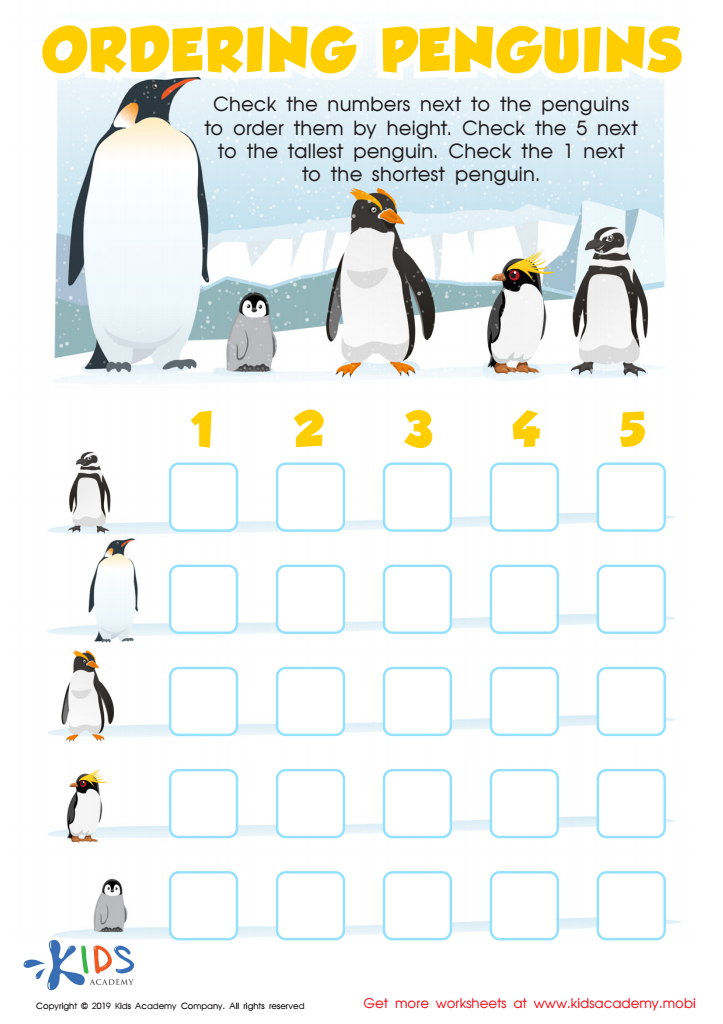
Ordering Penguins Worksheet
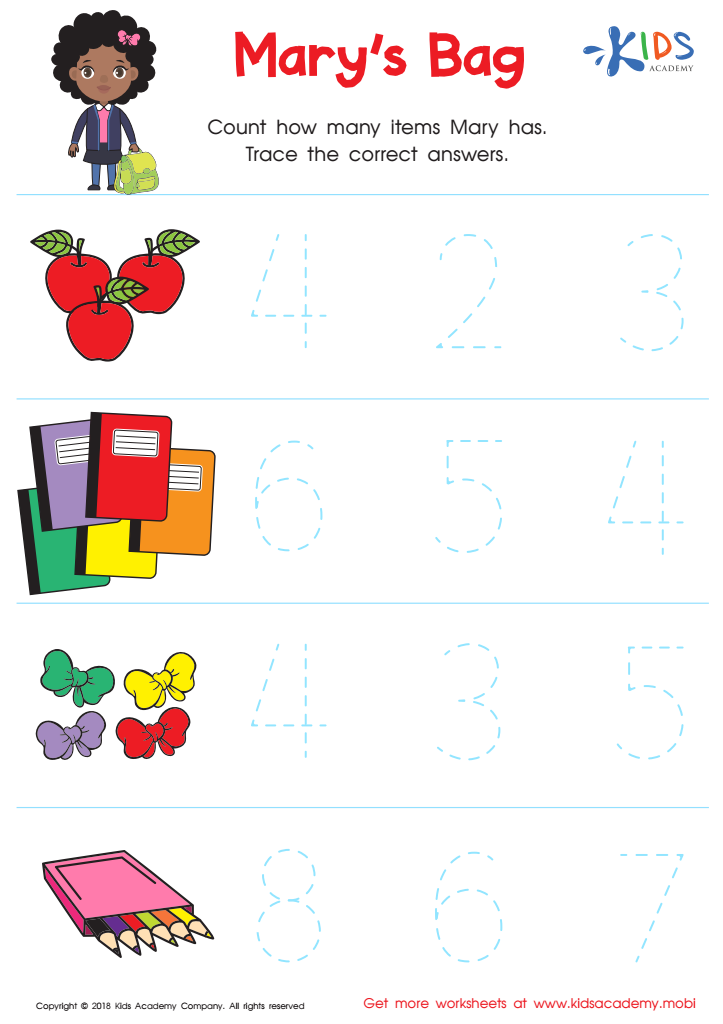
Kindergarten Number Tracing: Mary's Bag Worksheet
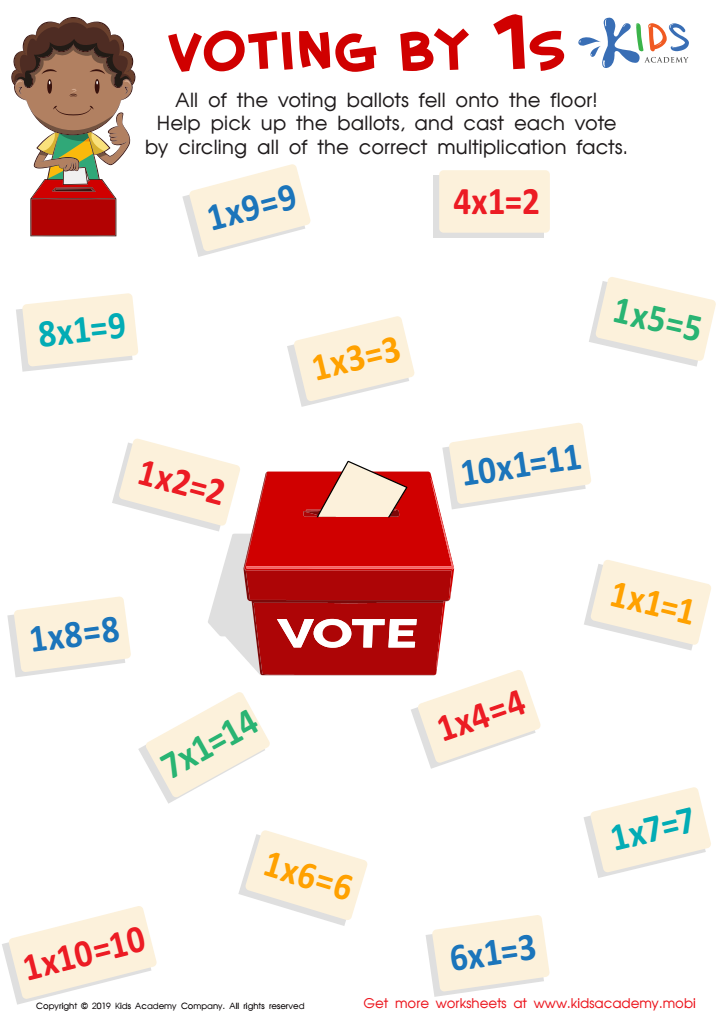
Voting by 1s Worksheet
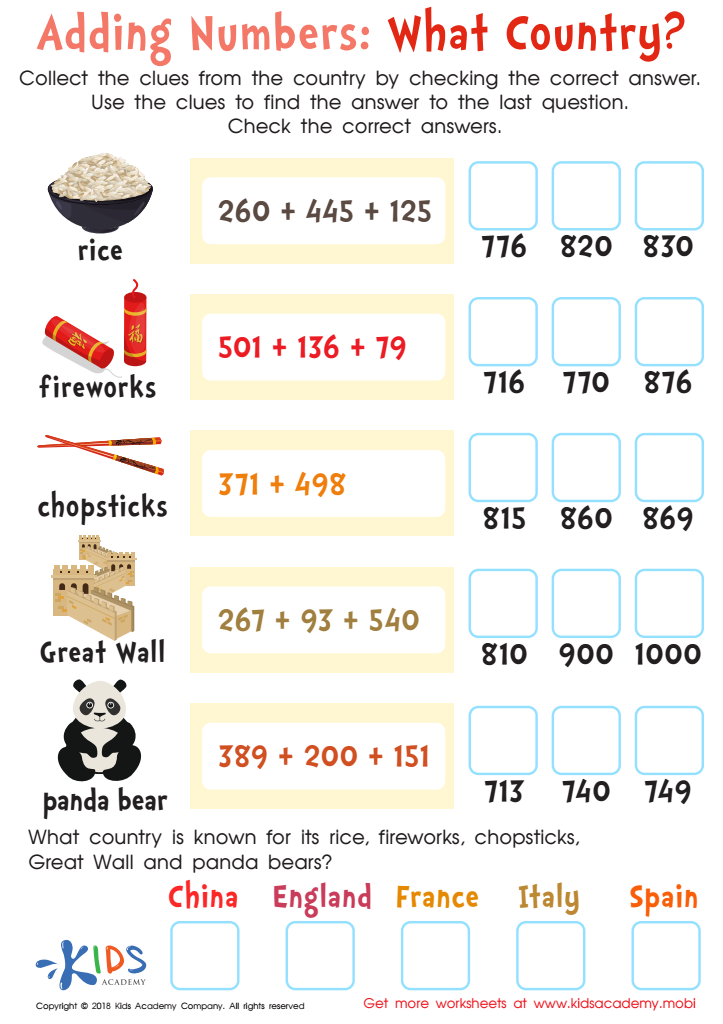
Adding Numbers: What Country Worksheet
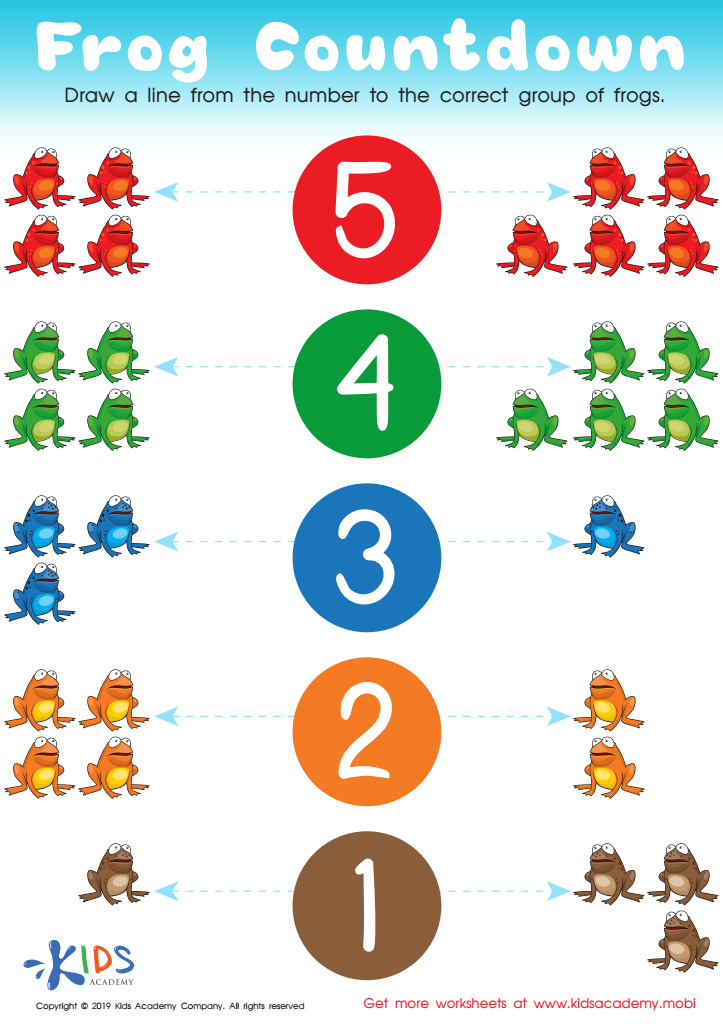
Frog Countdown Worksheet
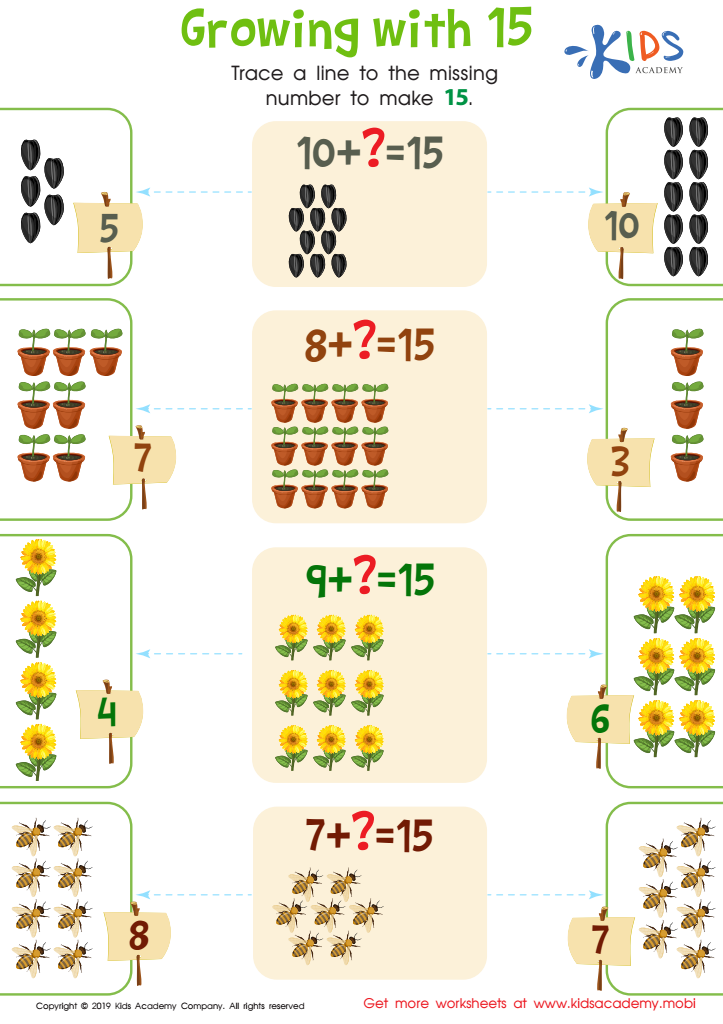
Growing with 15 Worksheet
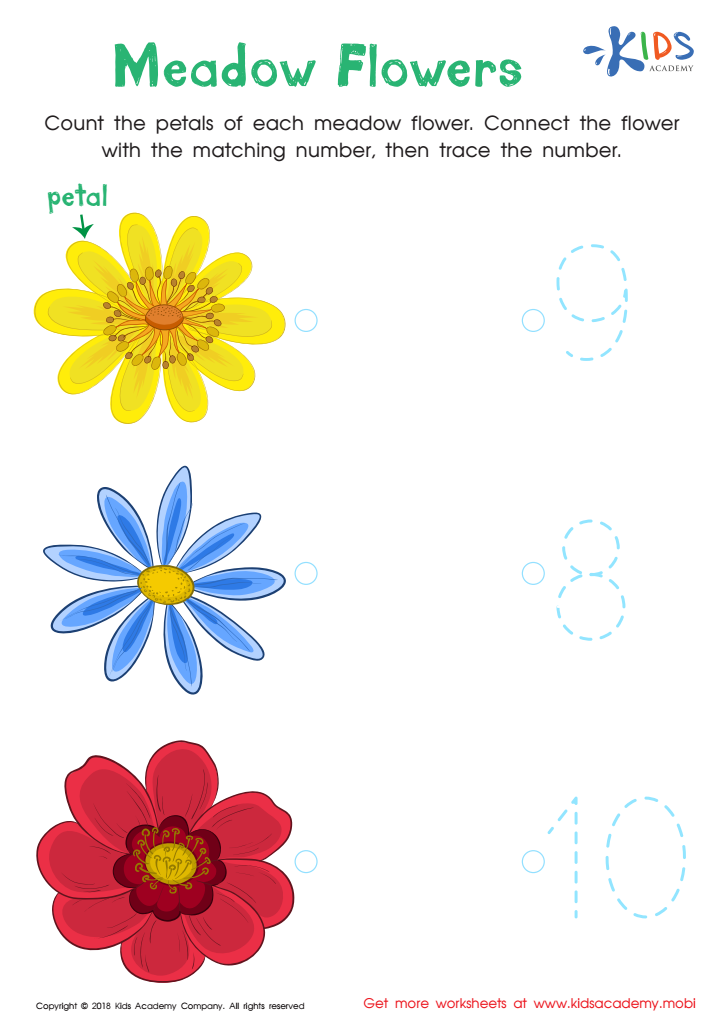
Kindergarten Number Tracing: Medow Flowers Worksheet







Number sequencing is a foundational mathematical skill that significantly influences a child's future success in math. For ages 3-8, understanding number sequencing means more than just being able to count in order; it develops crucial cognitive abilities, such as pattern recognition, logical thinking, and problem-solving skills. When children can easily sequence numbers, they gain confidence in handling more complex mathematical concepts like addition, subtraction, and even multiplication and division later on.
For parents and teachers, fostering number sequencing in early childhood lays a strong educational foundation. It improves a child's numerical fluency and comprehension, making it easier to grasp related concepts across various subjects. Sequencing also enhances memory skills, as children learn to remember and anticipate what comes next, promoting a structured, logical way of thinking.
Moreover, early familiarity with number sequences helps children perform better in daily activities requiring numerical knowledge, such as telling time and understanding patterns in nature or music. Supporting this skill at home and in the classroom through engaging activities, games, and practical examples forms an integral part of comprehensive childhood development, paving the way for academic success and critical life skills in their formative years and beyond.








