Normal Plants and Animals Worksheets for Ages 3-8 - Page 2
100 filtered results
-
From - To
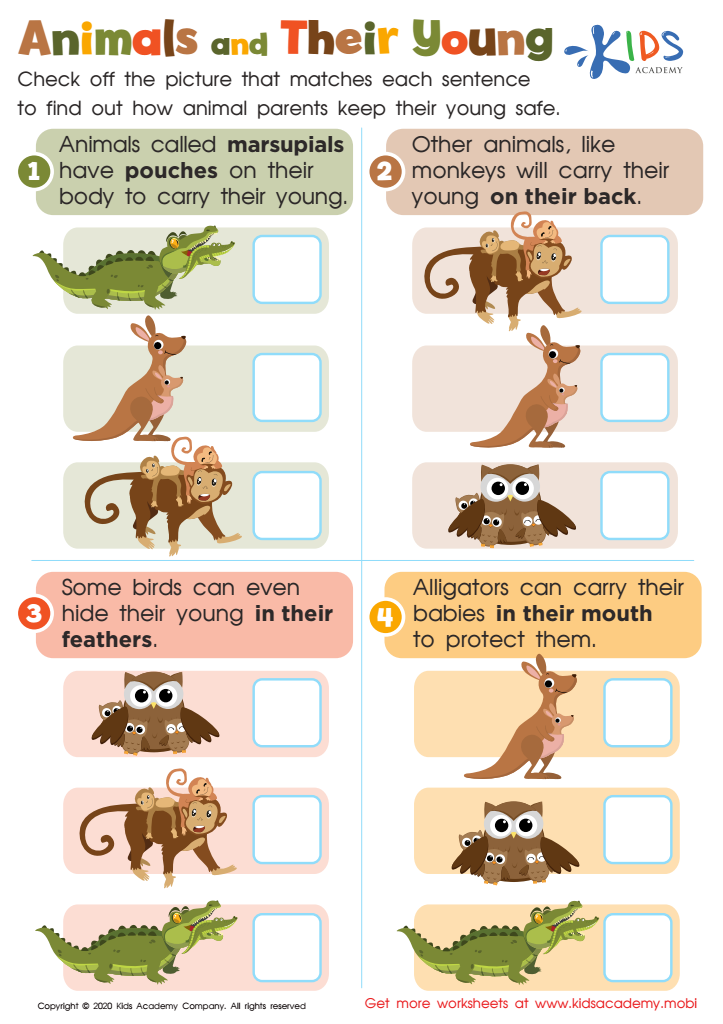
Animals and Their Young Worksheet
 Assign to My Students











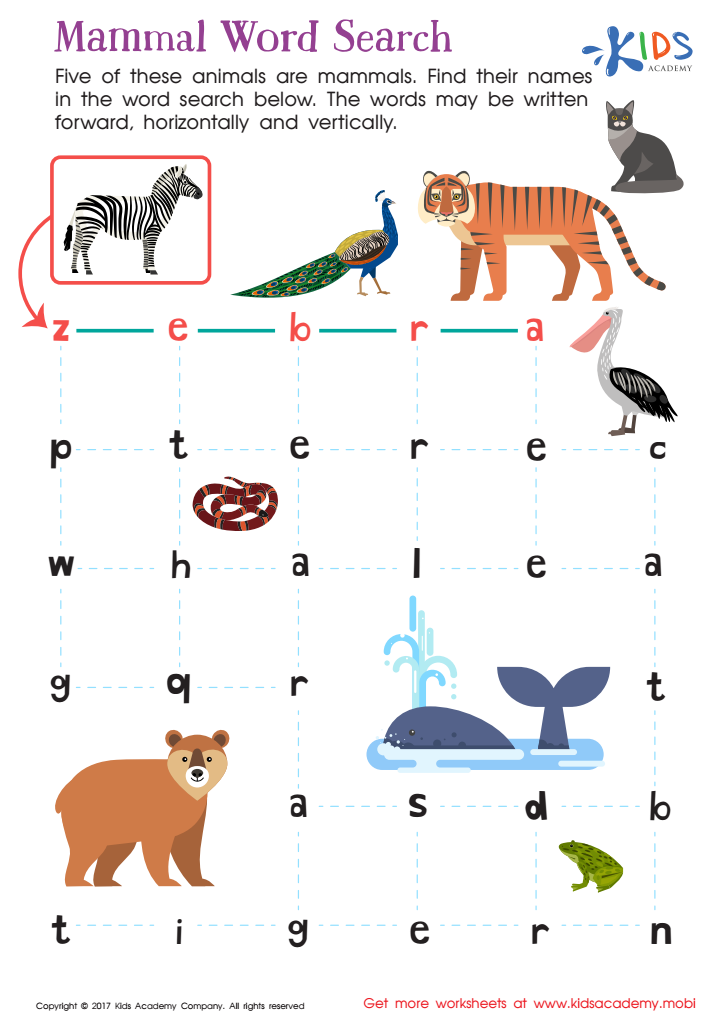
Printable Mammal Word Search
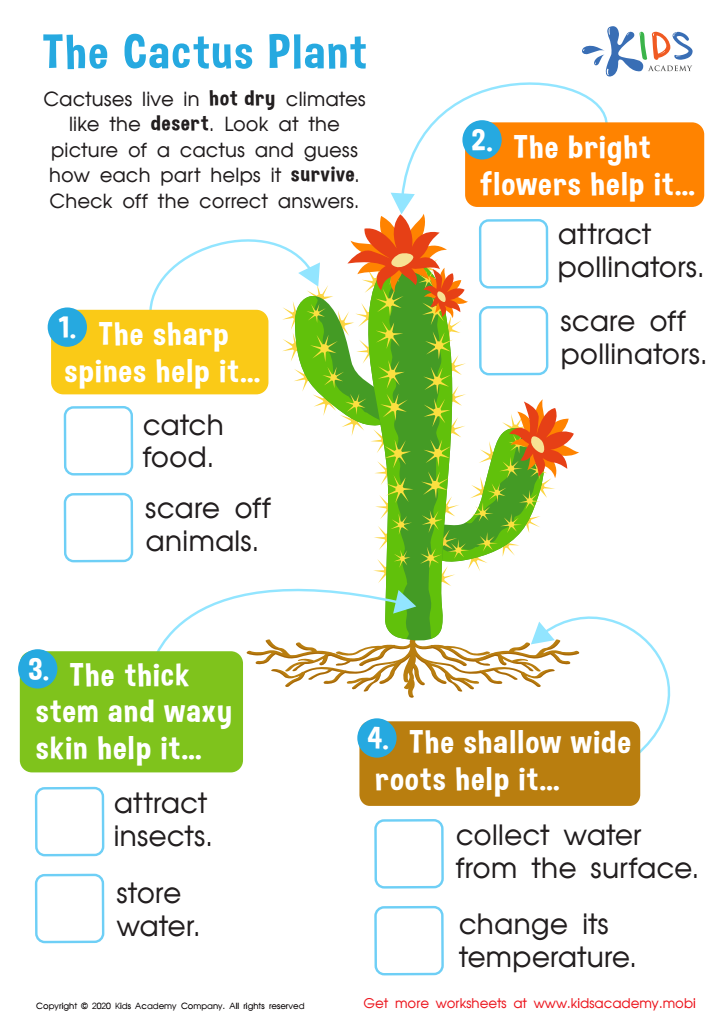
The Cactus Plant Worksheet
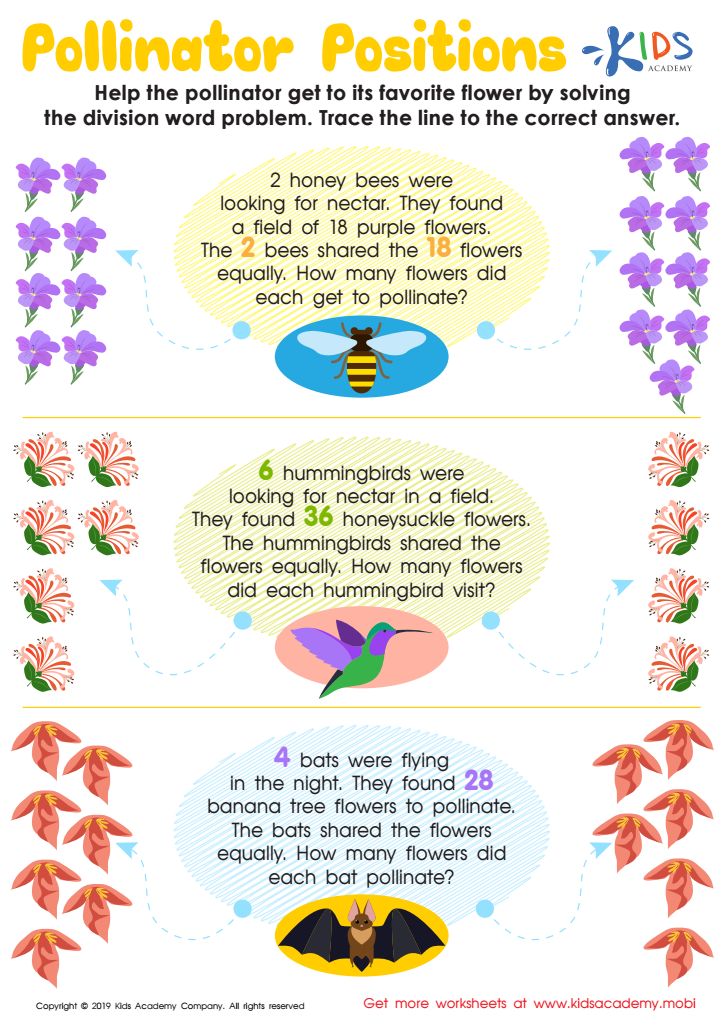
Pollinator Positions Worksheet
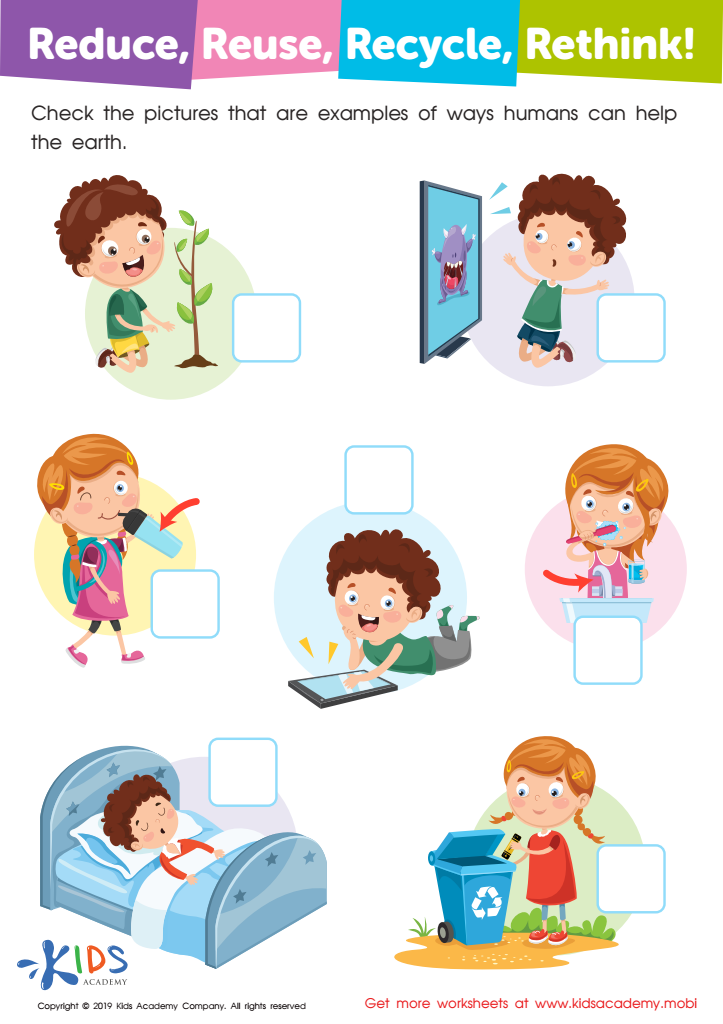
Reduce, Reuse, Recycle, Rethink Worksheet
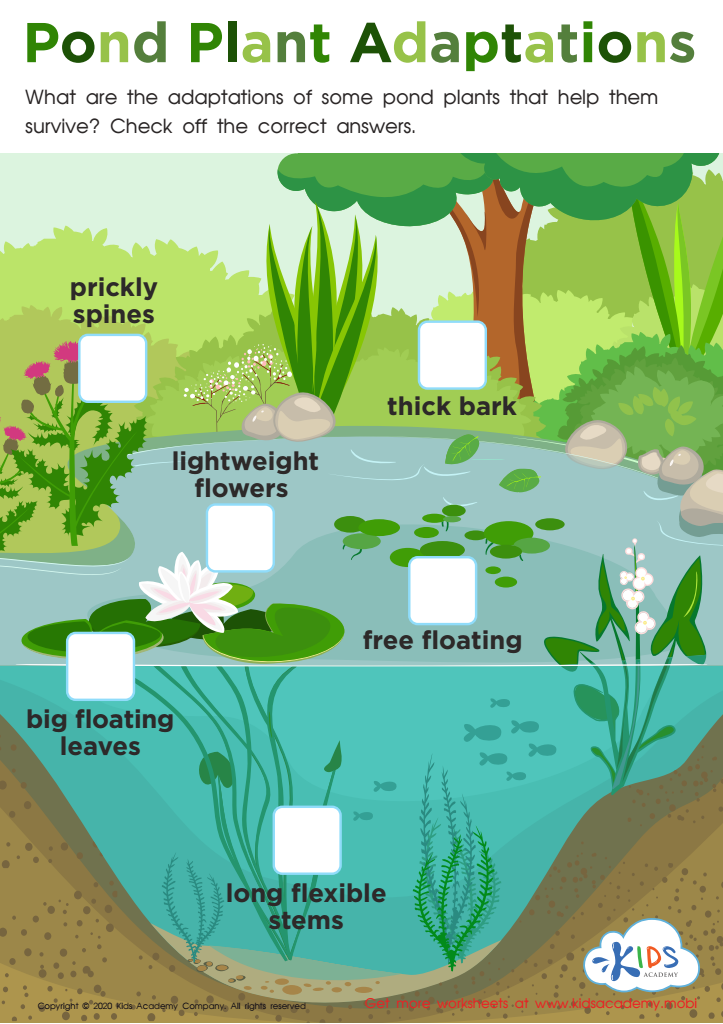
Pond Plant Adaptations
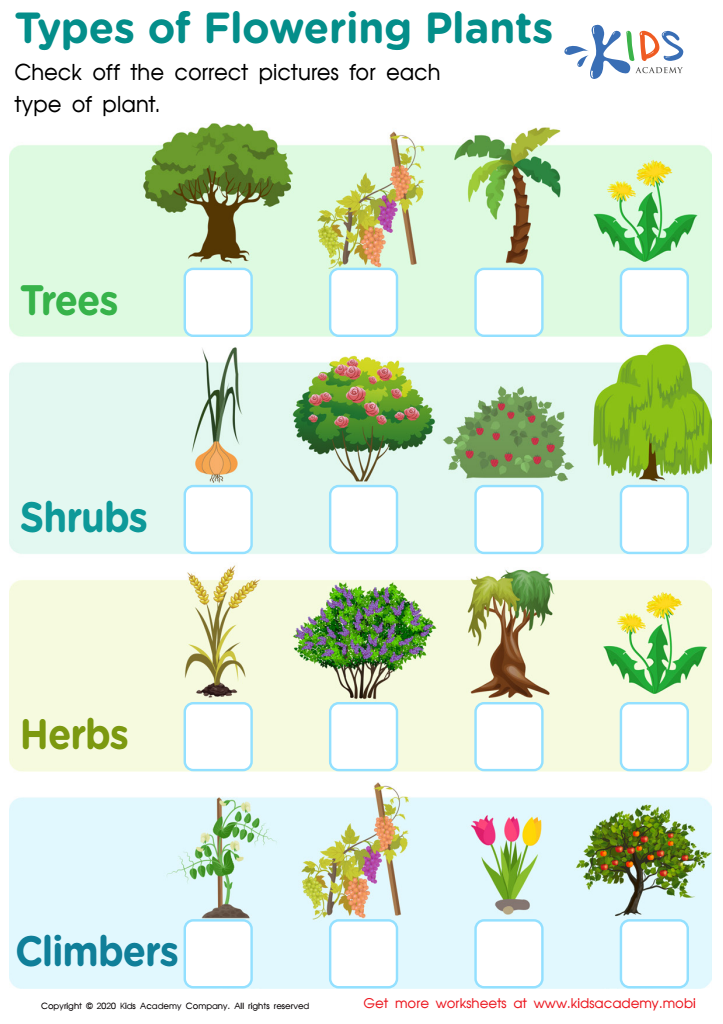
Types of Flowering Plants Worksheet
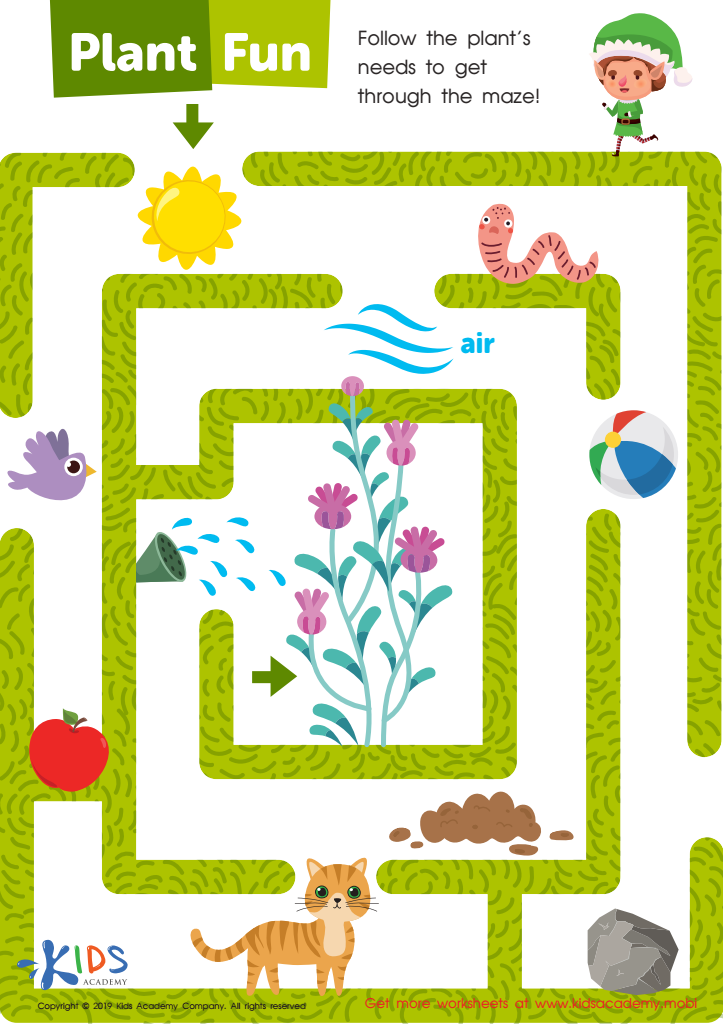
Plant Fun Worksheet
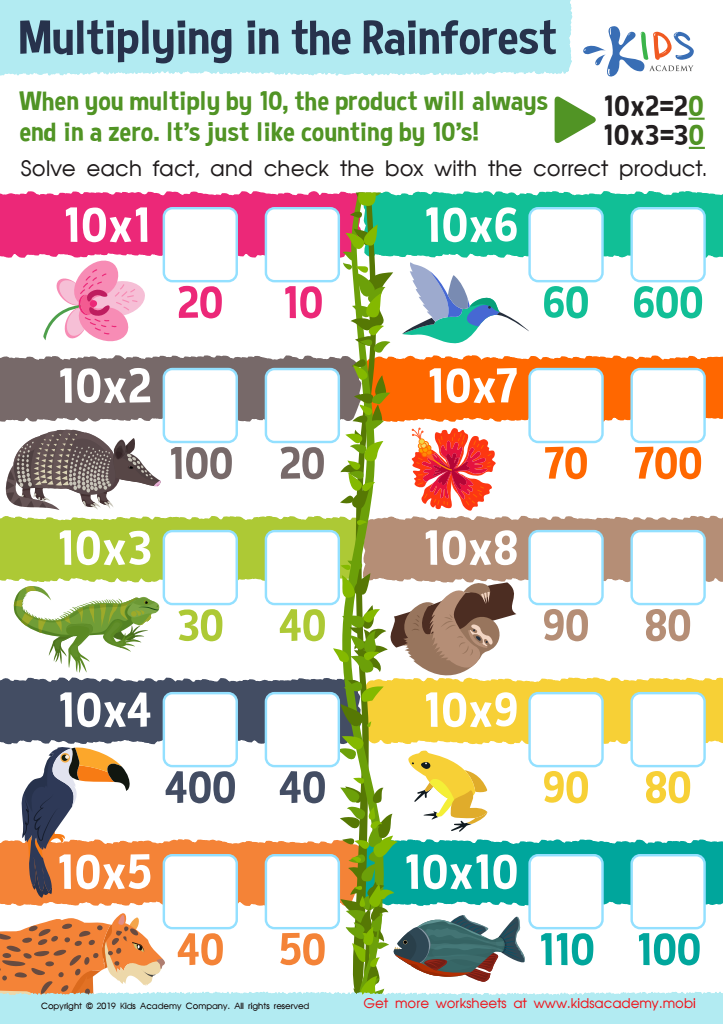
Multiplying in the Rainforest Worksheet
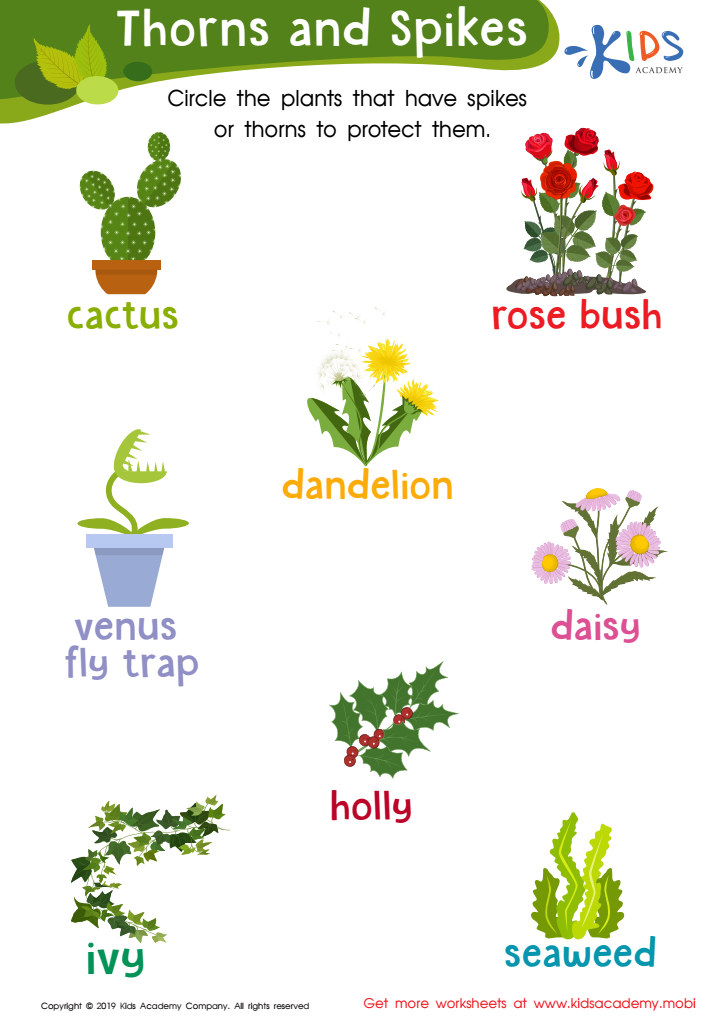
Thorns and Spikes Worksheet
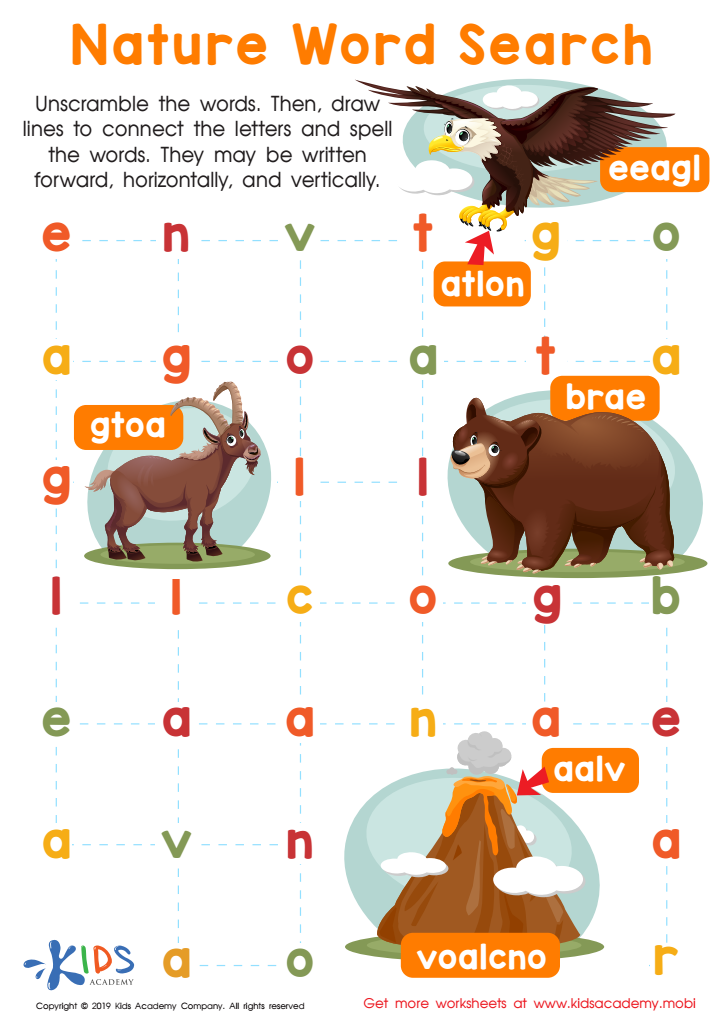
Nature Word Search Worksheet
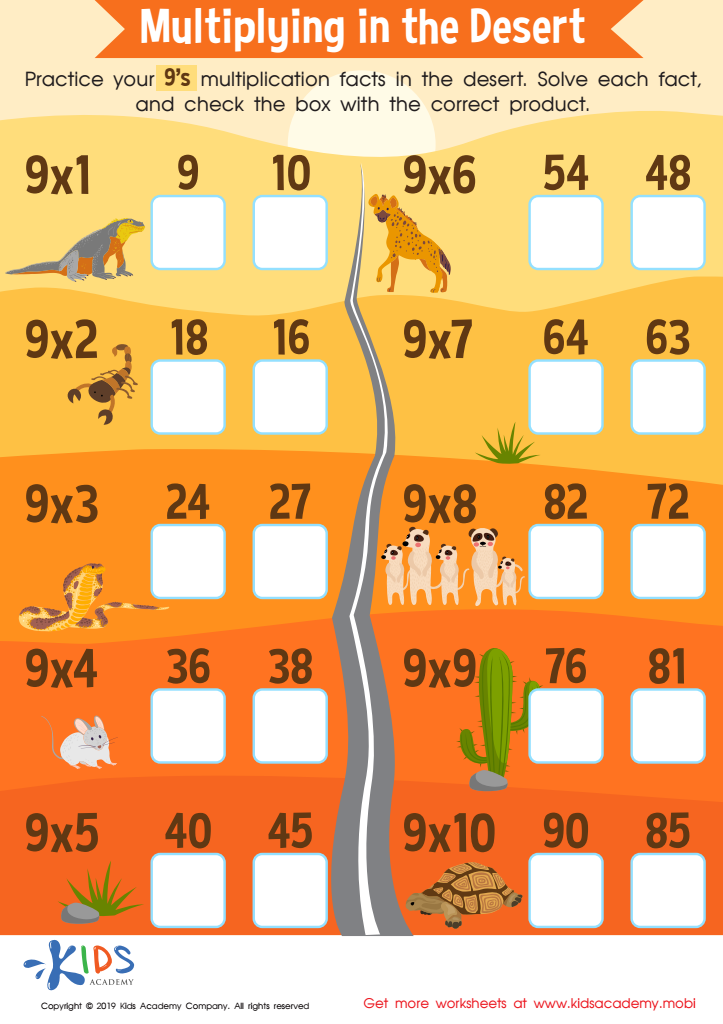
Multiplying in the Desert Worksheet
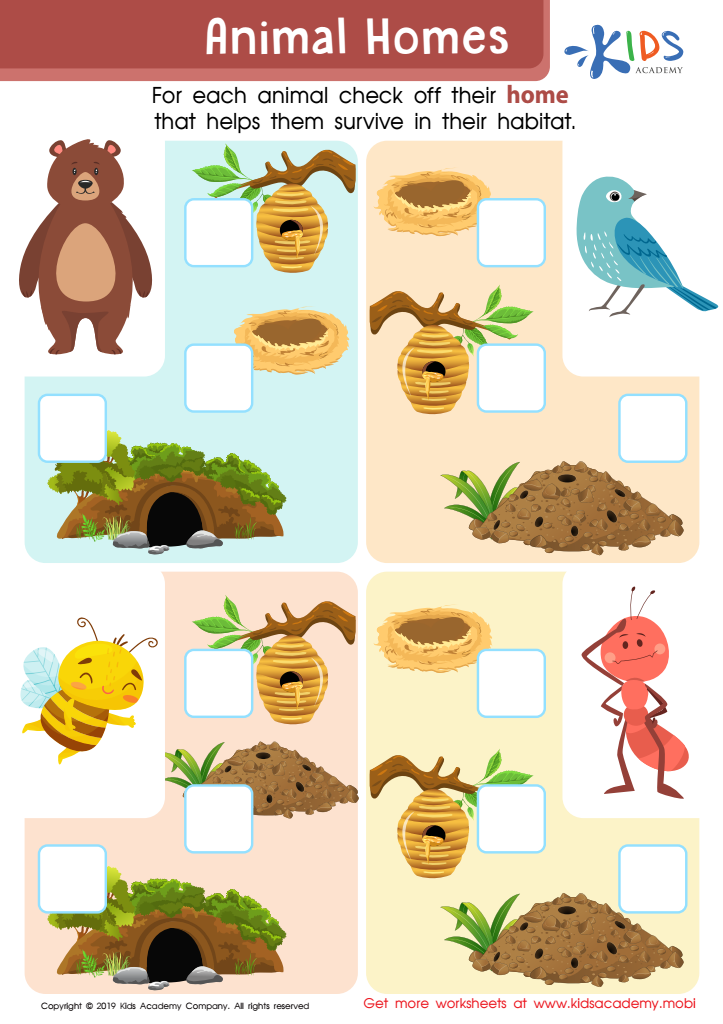
Animal Homes Worksheet
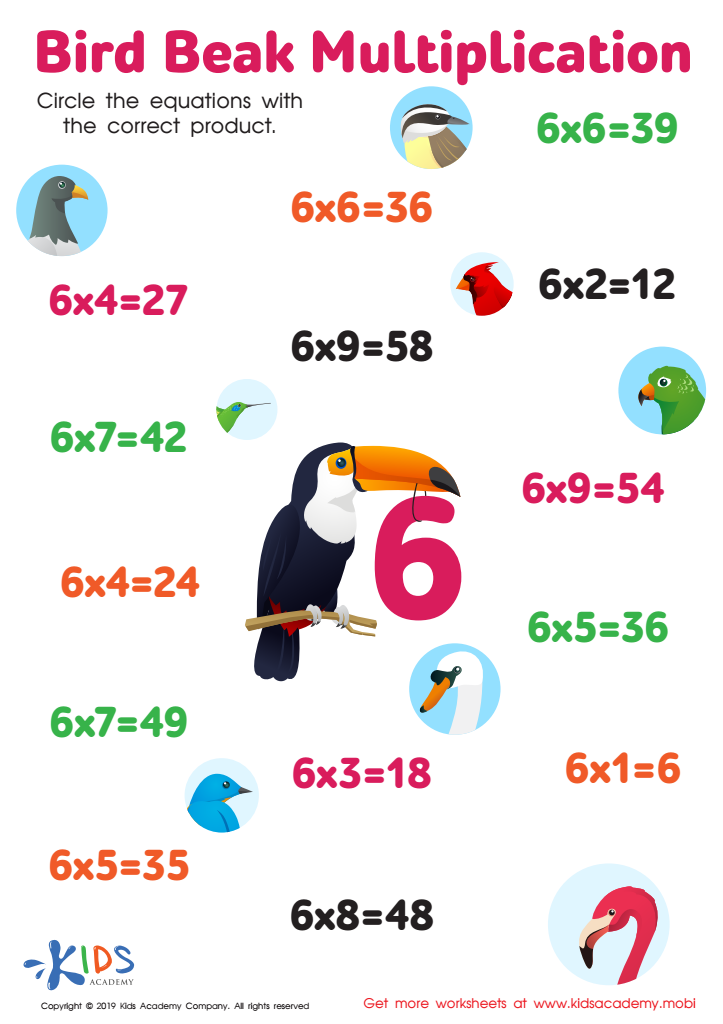
Bird Beak Multiplication Worksheet
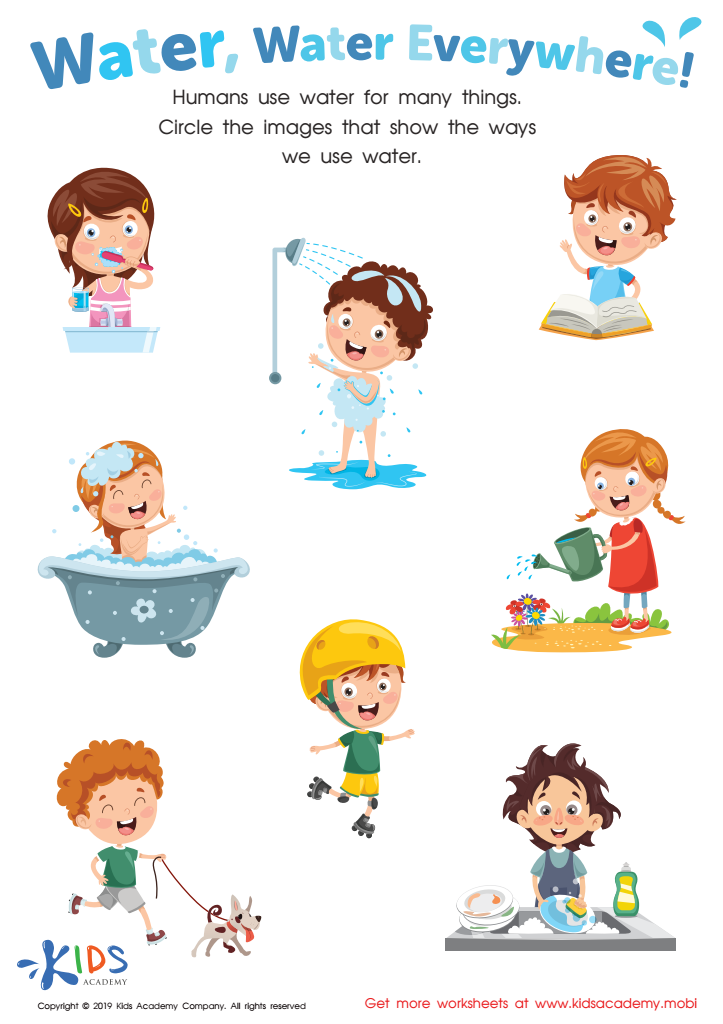
Water, Water Everywhere! Worksheet
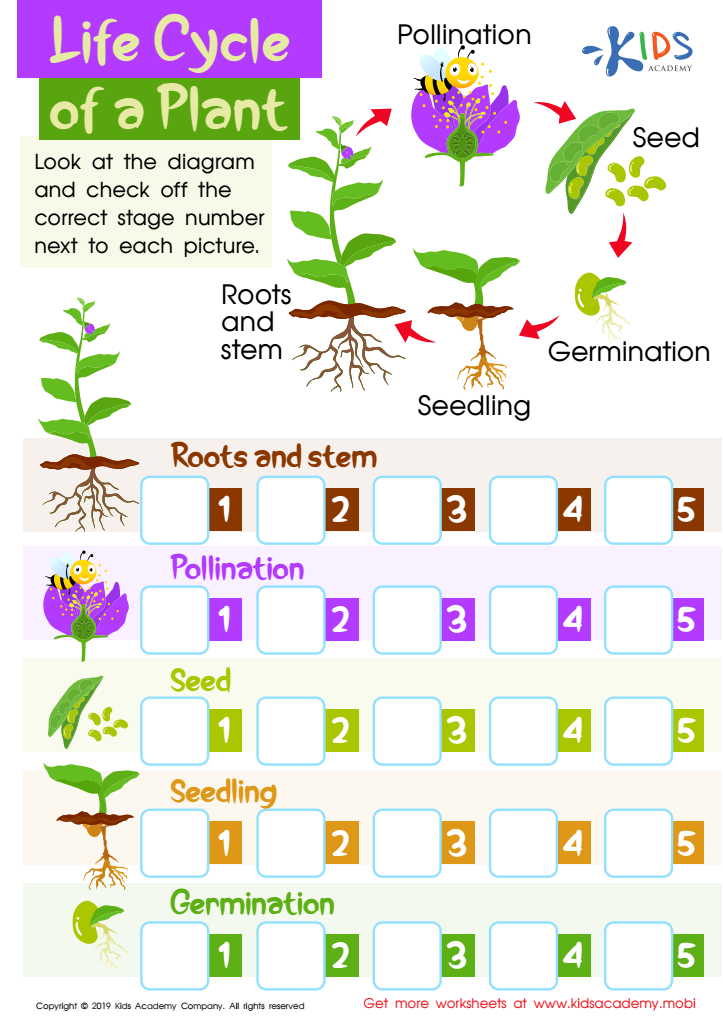
Life Cycle of a Plant Worksheet
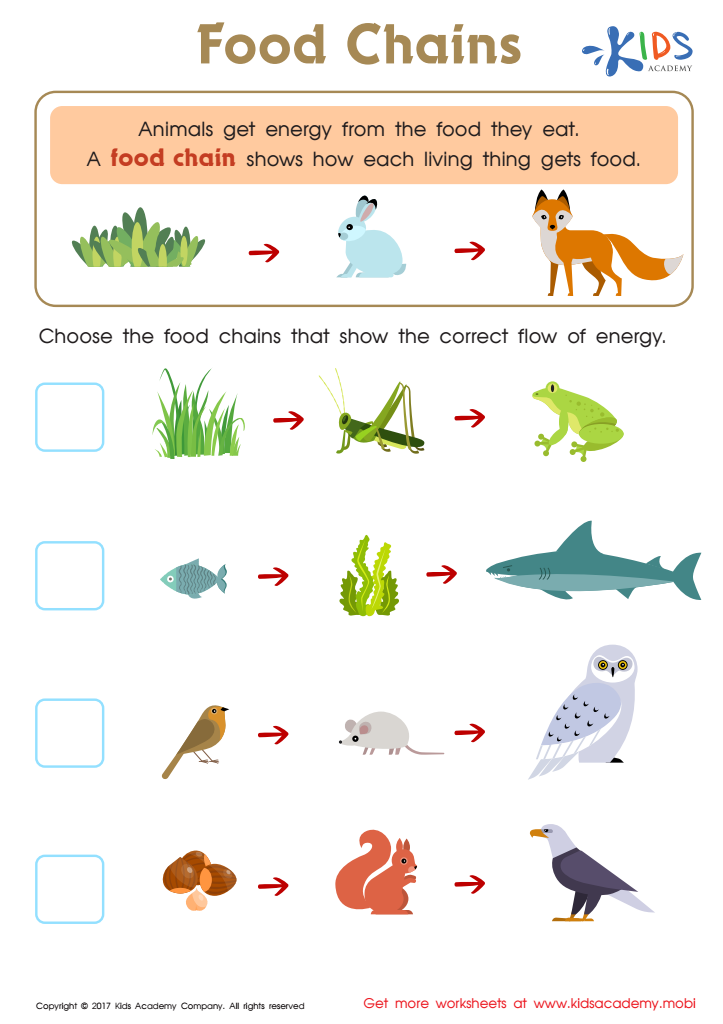
Food Webs and Food Chains Worksheet
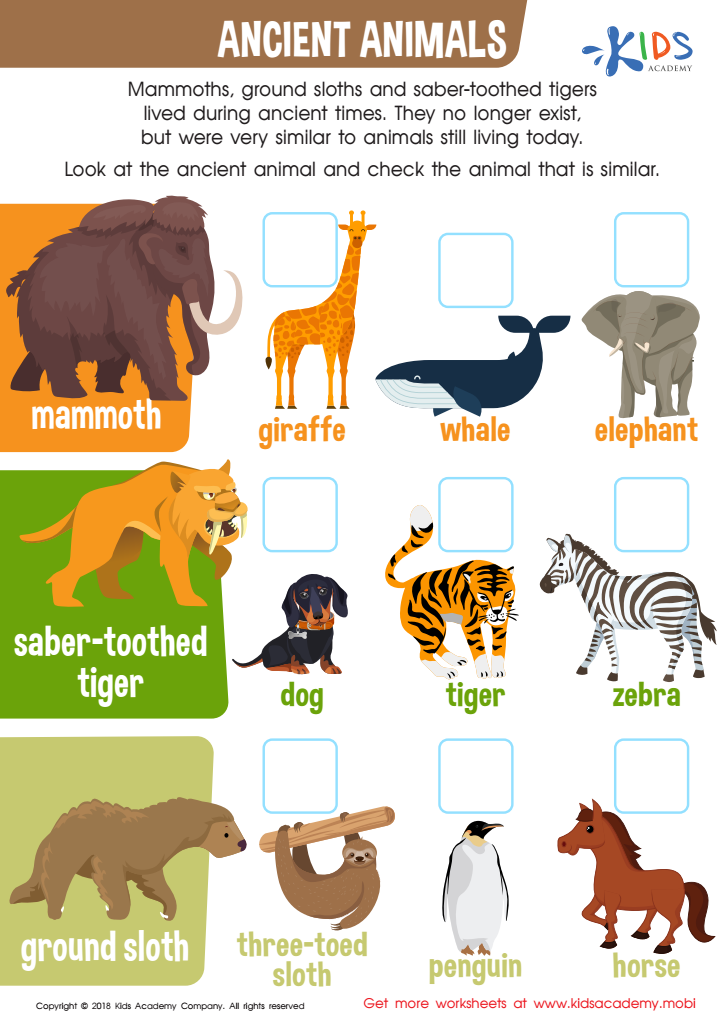
Ancient Animals Worksheet
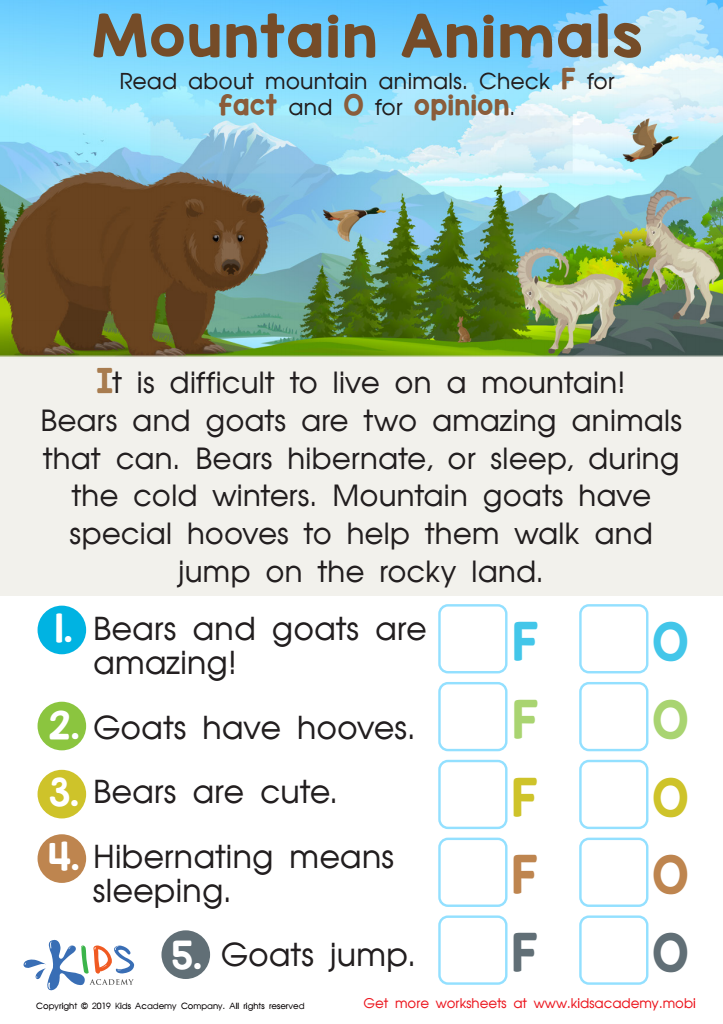
Mountain Animals Worksheet
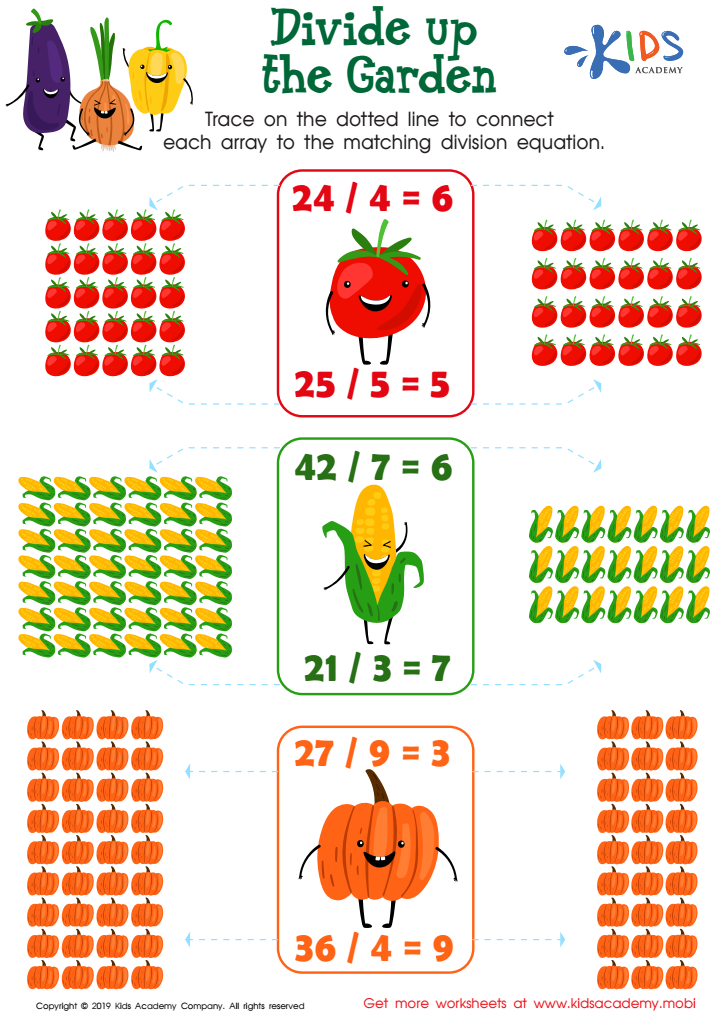
Divide up the Garden Worksheet
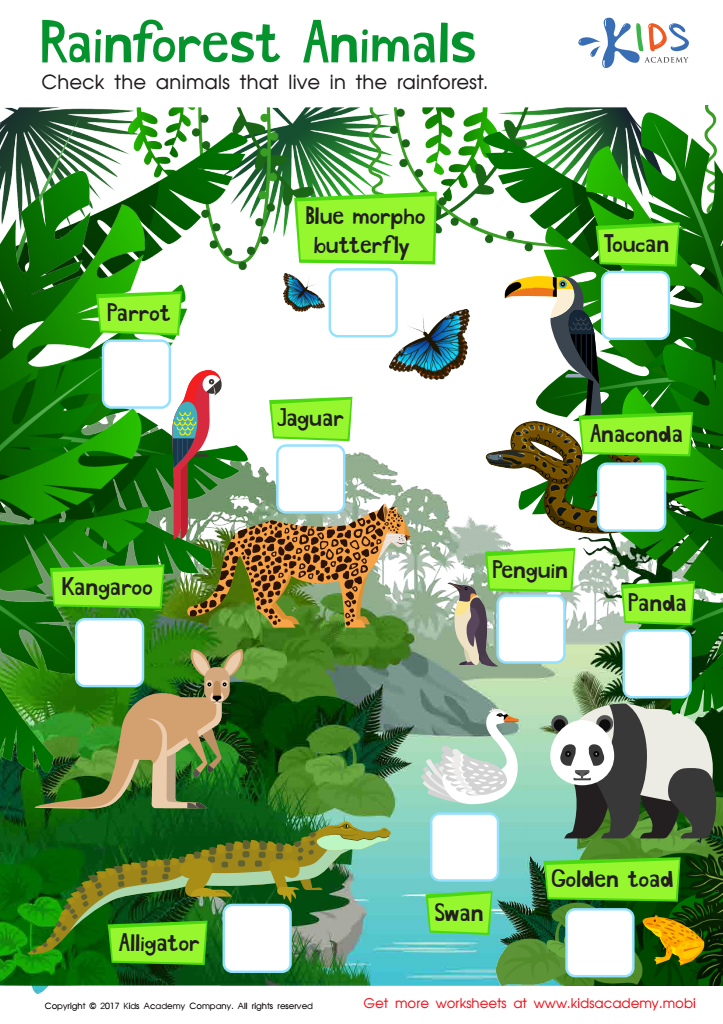
Rainforest Animals Worksheet
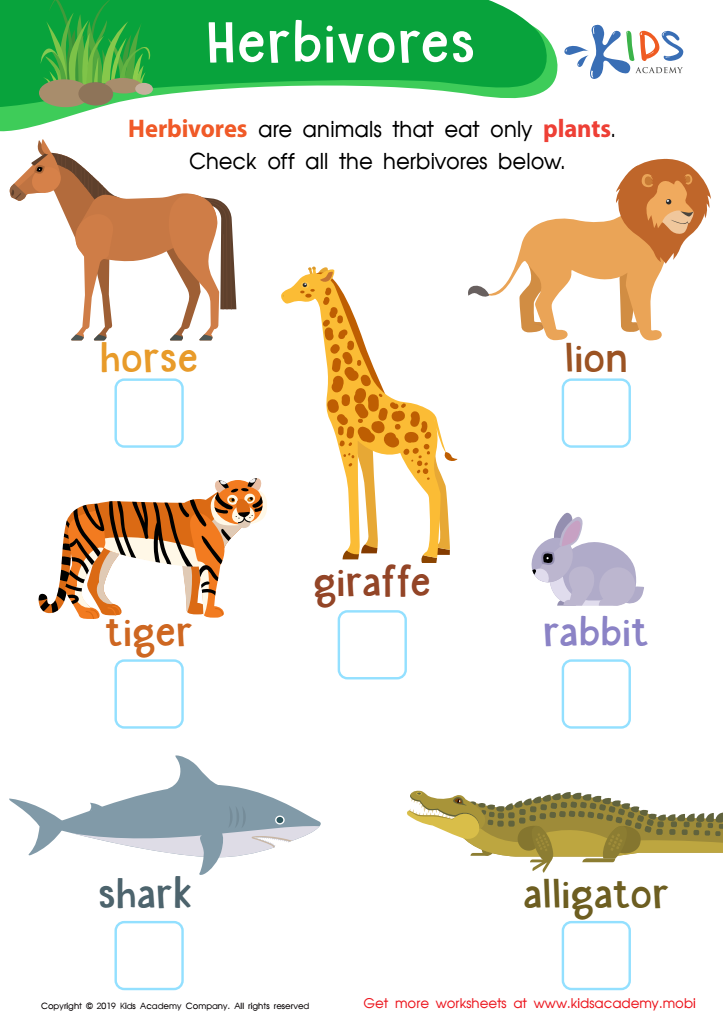
Herbivores Worksheet
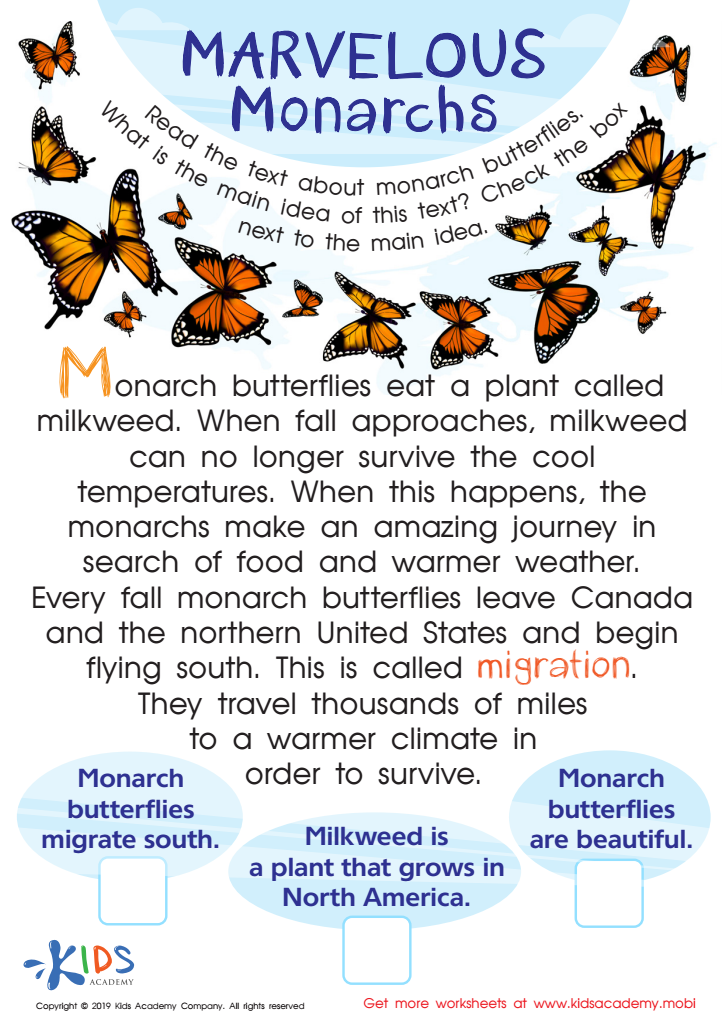
Marvelous Monarchs Worksheet
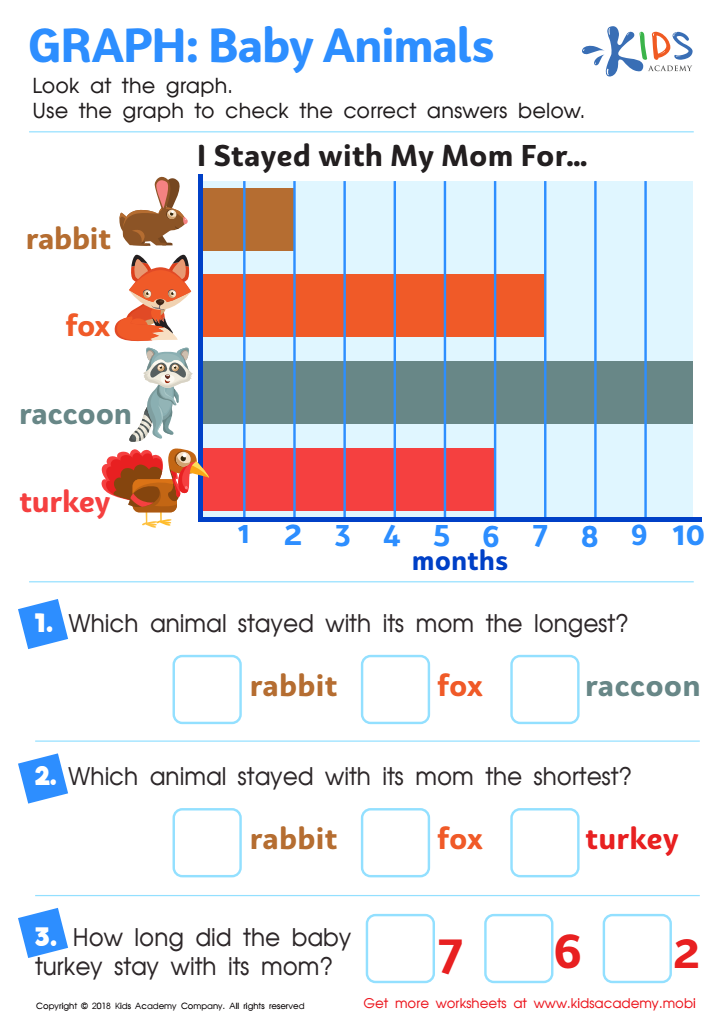
Graph: Baby Animals Worksheet








Parents and teachers should care about normal plants and animals for ages 3-8 because early exposure to nature fosters curiosity, environmental awareness, and respect for living things. At this age, children are particularly receptive to learning about their surroundings, making it an ideal time to introduce them to the importance of plants and animals in our ecosystem.
Understanding normal plants and animals can enhance a child's cognitive development. It promotes language skills as they learn new vocabulary associated with various species and their habitats. This knowledge also supports critical thinking as children begin categorizing, comparing, and contrasting different organisms, deepening their observational skills.
Moreover, engaging with plants and animals can instill values such as responsibility and compassion. Caring for a classroom plant or observing local wildlife teaches children empathy, understanding that all living beings have a place in our world. This foundation can lead to lifelong stewardship of the environment.
In a world increasingly separated from nature, fostering a connection with plants and animals can enhance emotional well-being, providing children with a sense of wonder and discovery. Ultimately, nurturing this interest enriches children's learning experiences and contributes to a more caring, informed generation that values biodiversity.







