Filters

1720 filtered results

Clear all filters
Favorites
With answer key
Interactive

1720 filtered results

Difficulty Level

Grade


Check out this FREE Trial Lesson for age 3-9!

Multiplication Facts 9

Favorites
With answer key
Interactive
  • 3-9
  • Normal
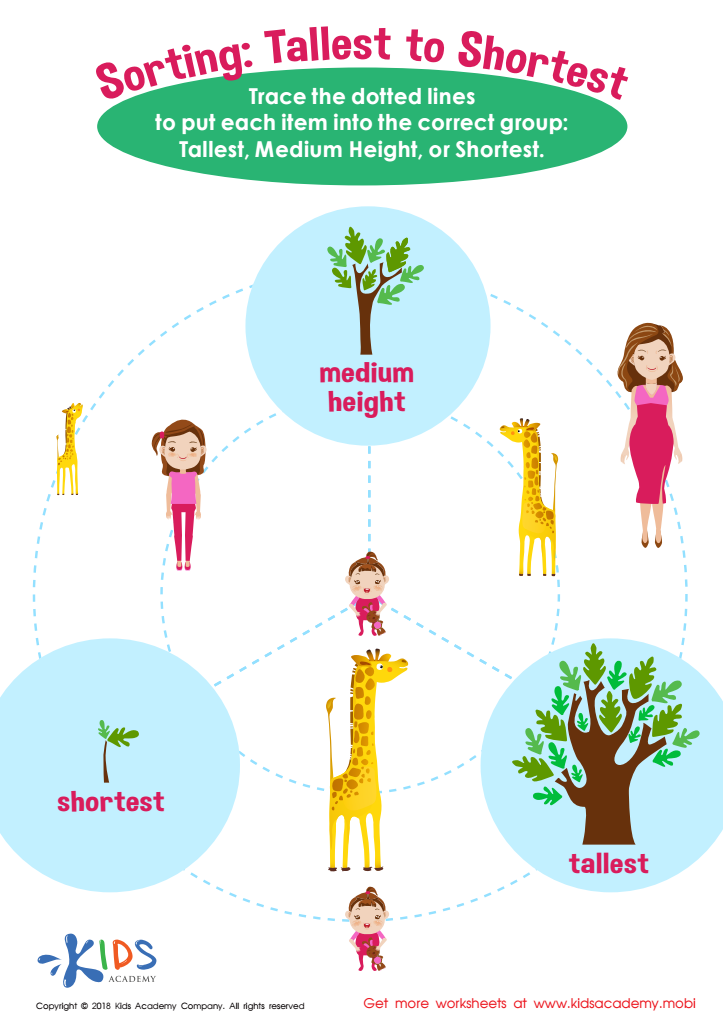
Sorting: Tallest to Shortest Worksheet

Sorting: Tallest to Shortest Worksheet

This worksheet is great for preschoolers to practice foundational measurement skills. Traceable lines help them sort pictures into Tallest, Shortest and Medium categories, giving them concrete examples to compare. Fine motor skills and understanding of relationships between sizes are also developed - perfect for preparing them for larger measurement concepts.
Sorting: Tallest to Shortest Worksheet
Worksheet
Craft and Structure of Informational Texts: Assessment 3 Worksheet

Craft and Structure of Informational Texts: Assessment 3 Worksheet

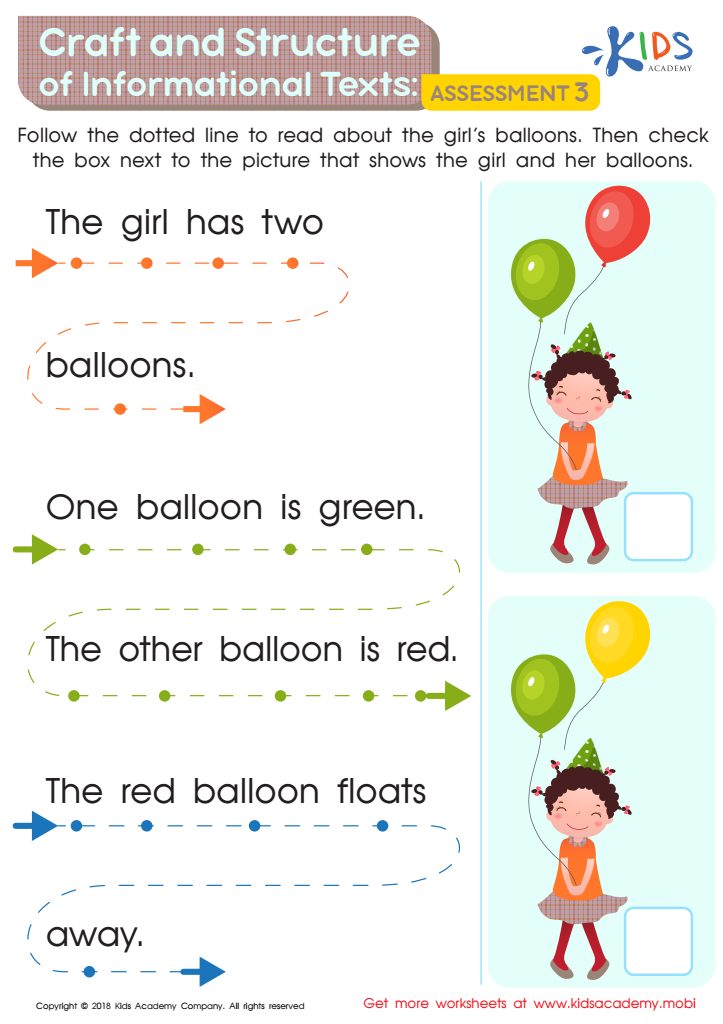
Test your beginning reader's understanding of left-to-right directionality and use of details from informational texts with this fun worksheet. Follow the traceable paths to find the right picture for each sentence. This will help your child gain confidence and be successful as a reader.
Craft and Structure of Informational Texts: Assessment 3 Worksheet
Worksheet
Multiplying 9’s Montgomery Bus Boycott Worksheet

Multiplying 9’s Montgomery Bus Boycott Worksheet

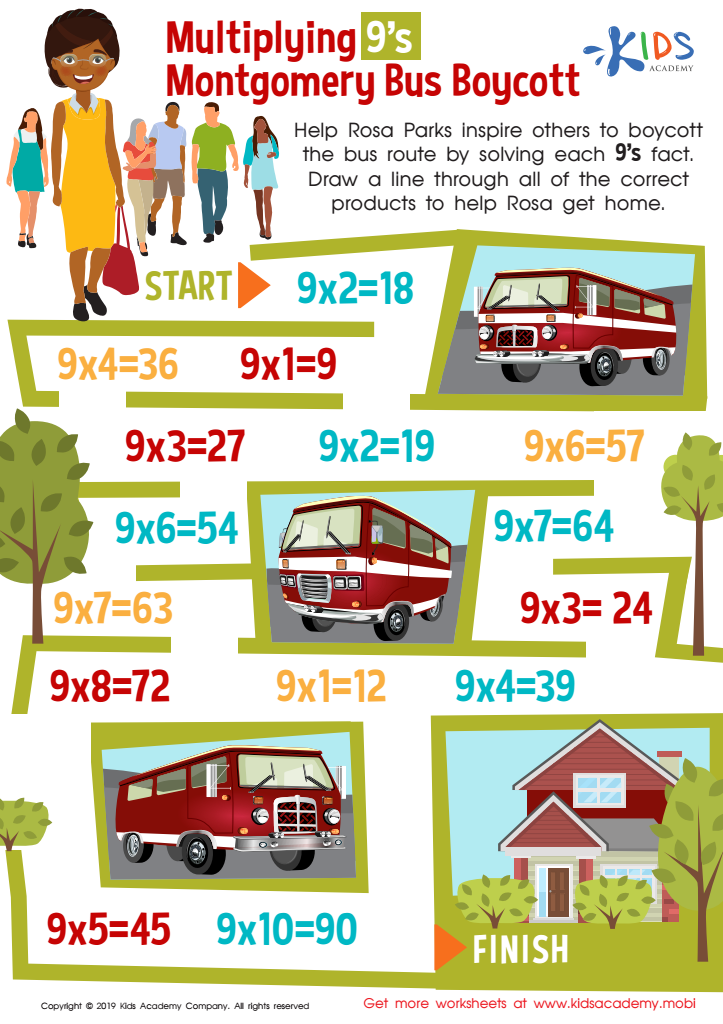
As your students learn math, the numbers get bigger. This worksheet is great for learning the nine times table. Help Rosa Park get home - ask them to solve each multiplication fact, then draw a line through the correct products. Encourage your students to stand up for what's right!
Multiplying 9’s Montgomery Bus Boycott Worksheet
Worksheet
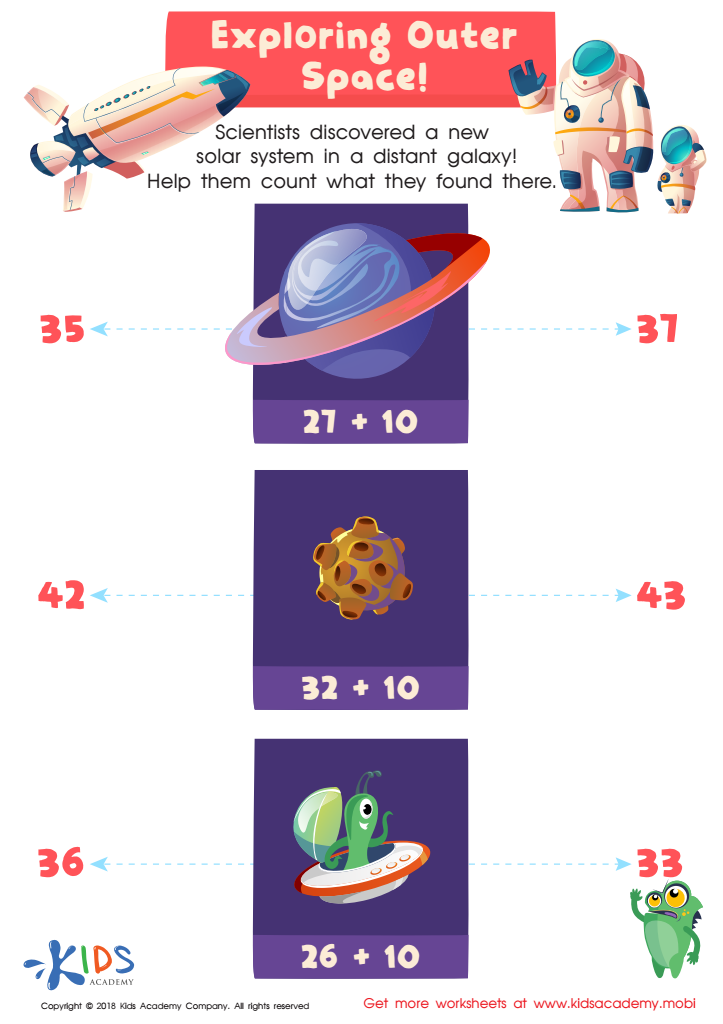
Exploring Outer Space Worksheet
Exploring Outer Space Worksheet
Outer space is an intriguing world. Physics behave differently than on Earth, and much remains to be uncovered. In this worksheet, scientists have located a new solar system in a distant galaxy. Explain to your kids what these two things are, then have them help count the findings. Solve the math problems, then link the lines to the right answer.
Exploring Outer Space Worksheet
Worksheet
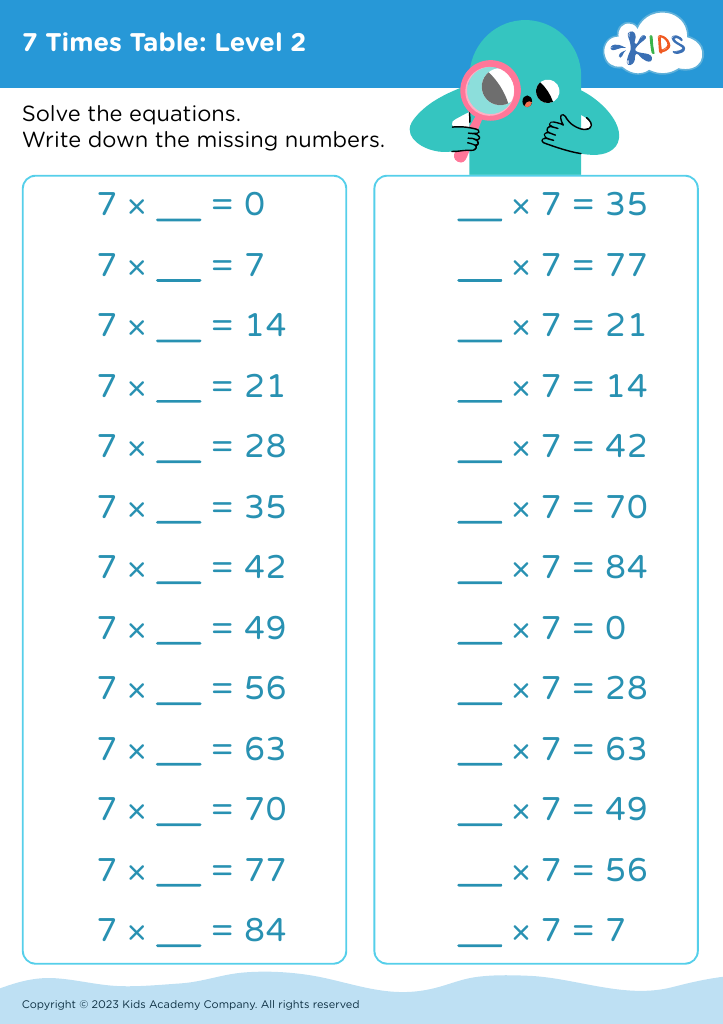
7 Times Table: Level 2

7 Times Table: Level 2

7 Times Table: Level 2
Worksheet
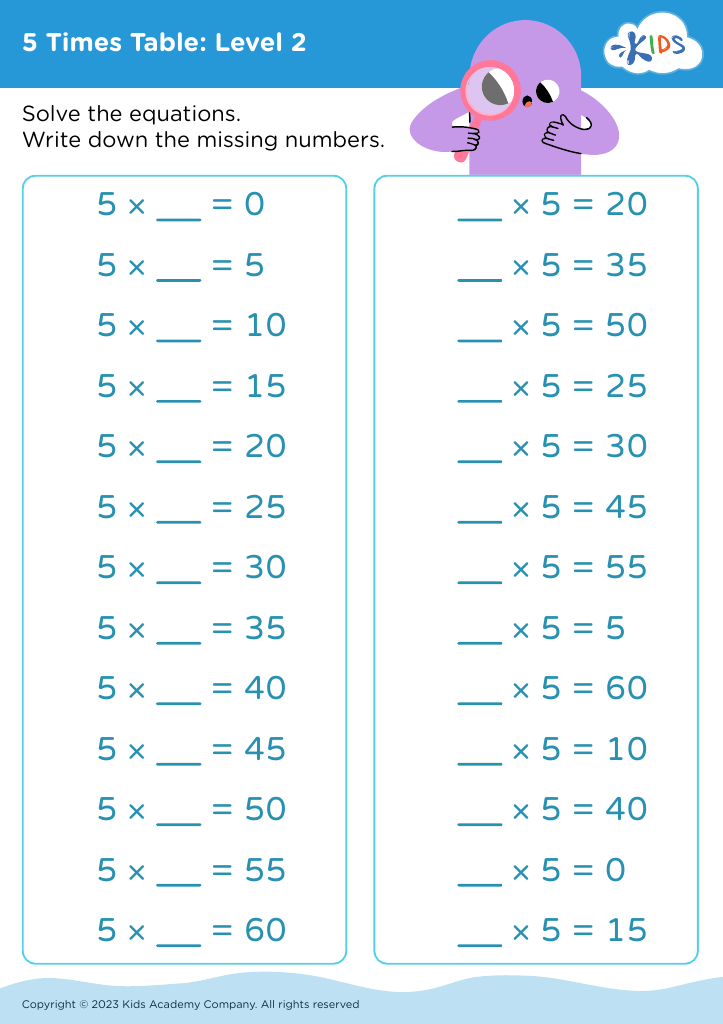
5 Times Table: Level 2

5 Times Table: Level 2

5 Times Table: Level 2
Worksheet
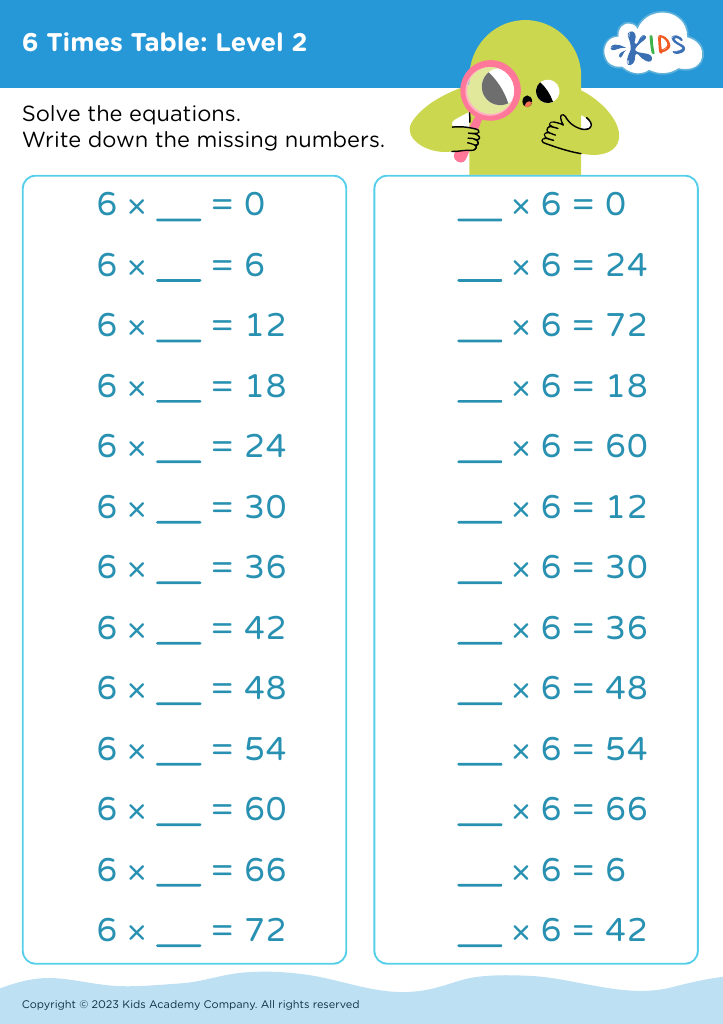
6 Times Table: Level 2

6 Times Table: Level 2

6 Times Table: Level 2
Worksheet
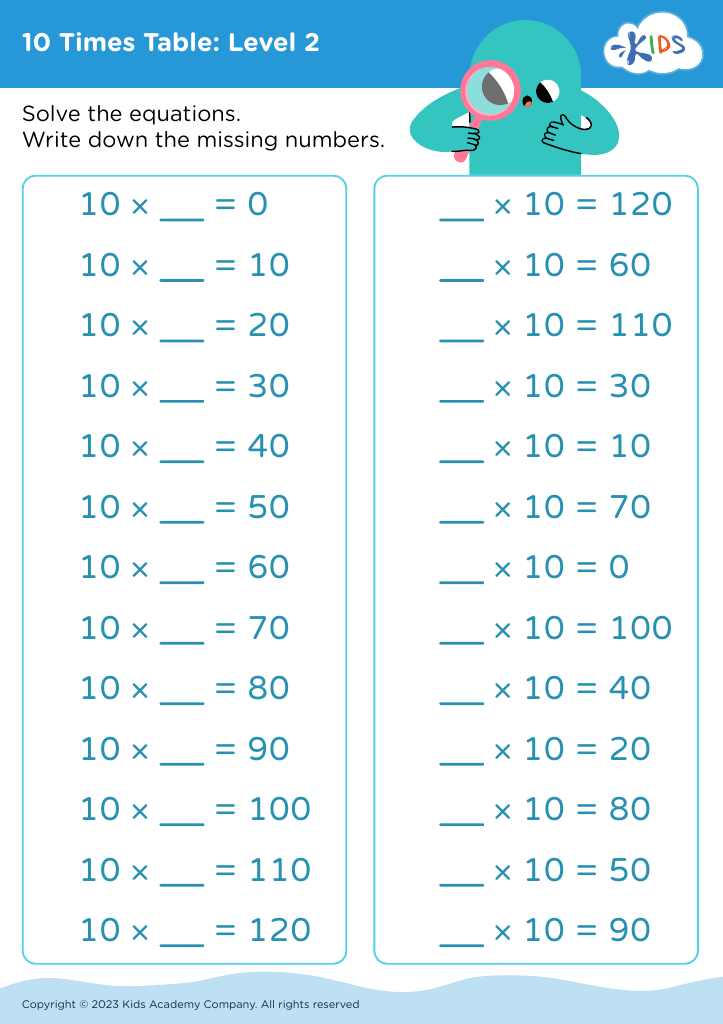
10 Times Table: Level 2

10 Times Table: Level 2

10 Times Table: Level 2
Worksheet
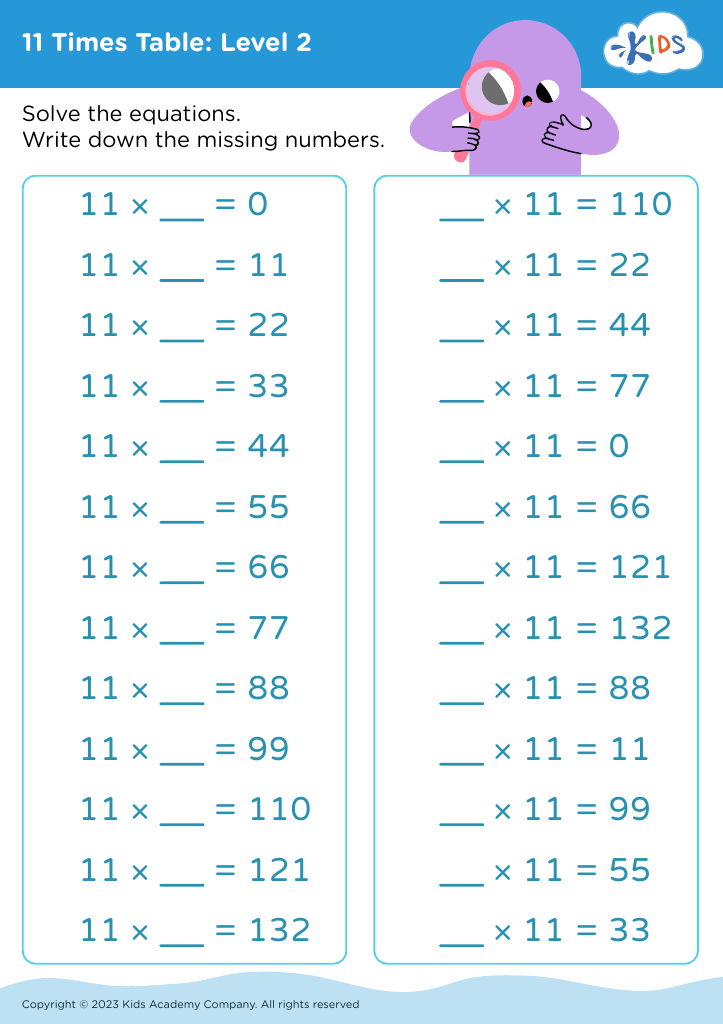
11 Times Table: Level 2

11 Times Table: Level 2

11 Times Table: Level 2
Worksheet
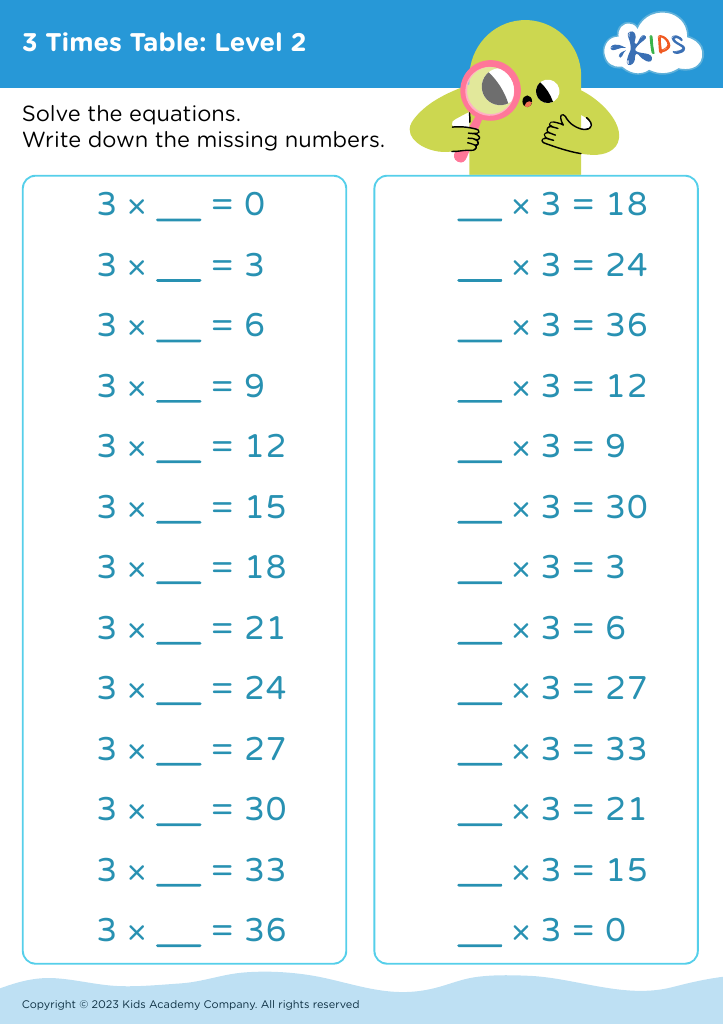
3 Times Table: Level 2

3 Times Table: Level 2

3 Times Table: Level 2
Worksheet
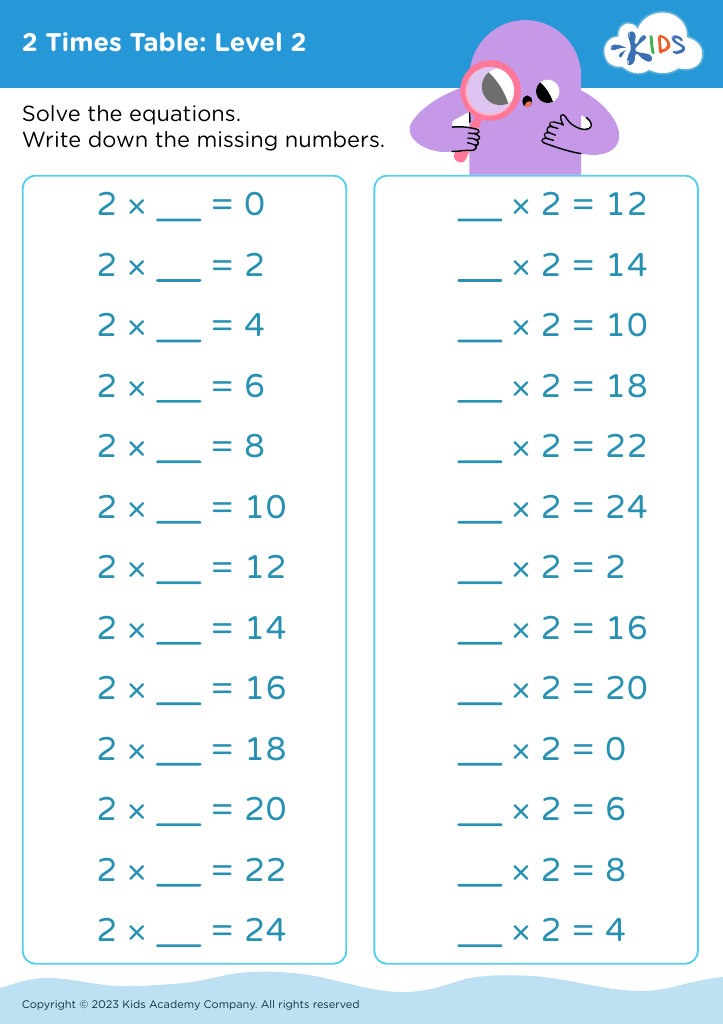
2 Times Table: Level 2

2 Times Table: Level 2

2 Times Table: Level 2
Worksheet
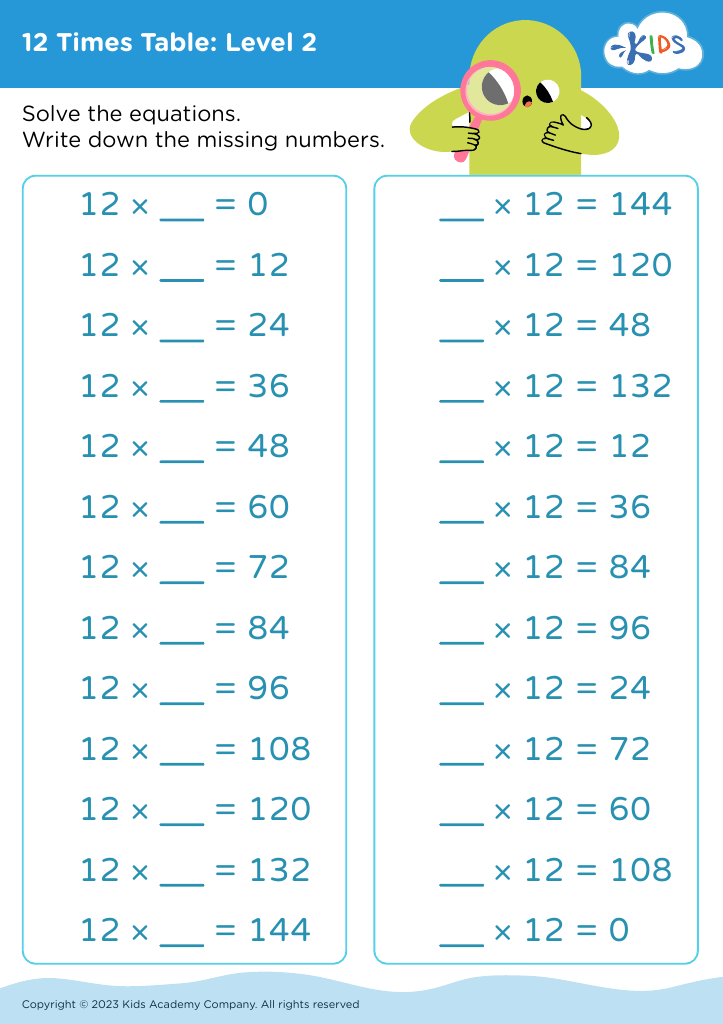
12 Times Table: Level 2

12 Times Table: Level 2

12 Times Table: Level 2
Worksheet
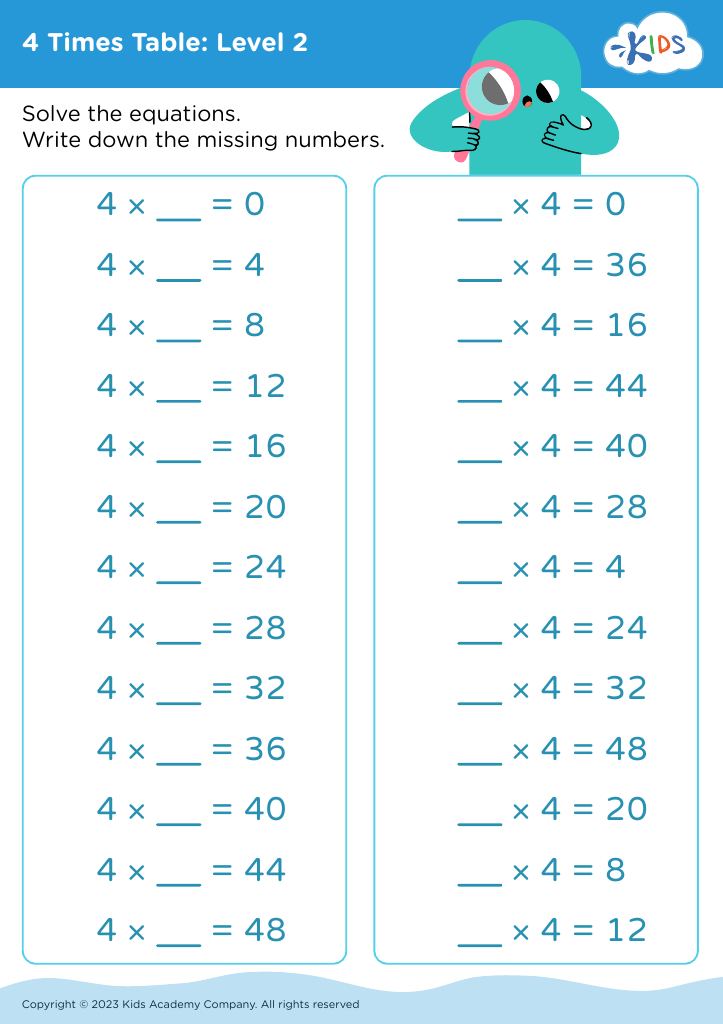
4 Times Table: Level 2

4 Times Table: Level 2

4 Times Table: Level 2
Worksheet
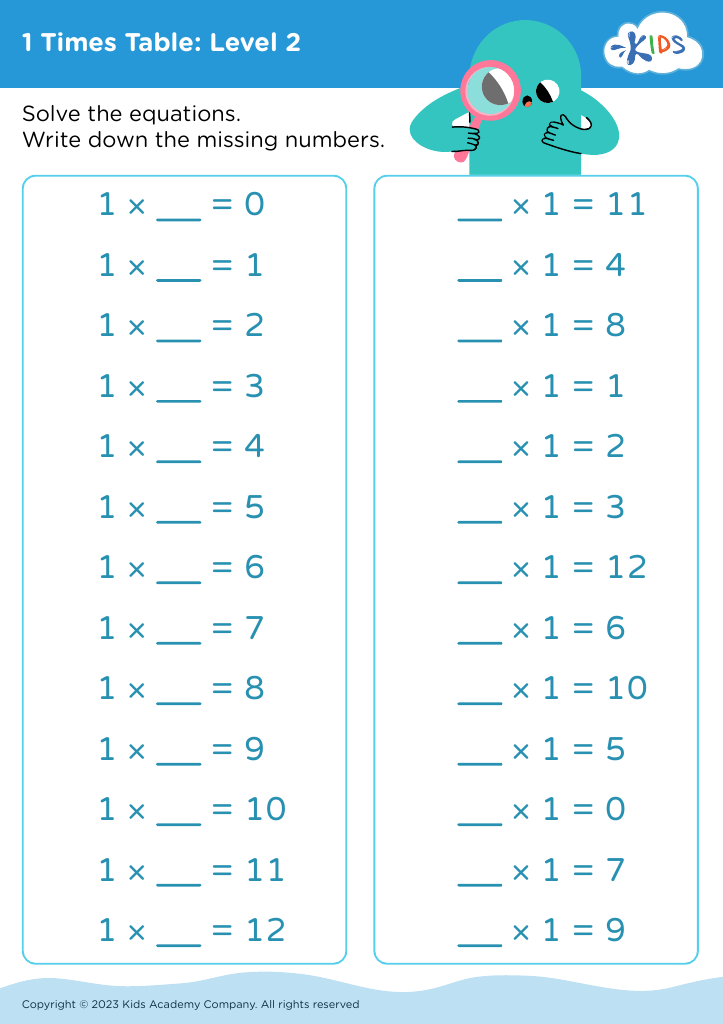
1 Times Table: Level 2

1 Times Table: Level 2

1 Times Table: Level 2
Worksheet
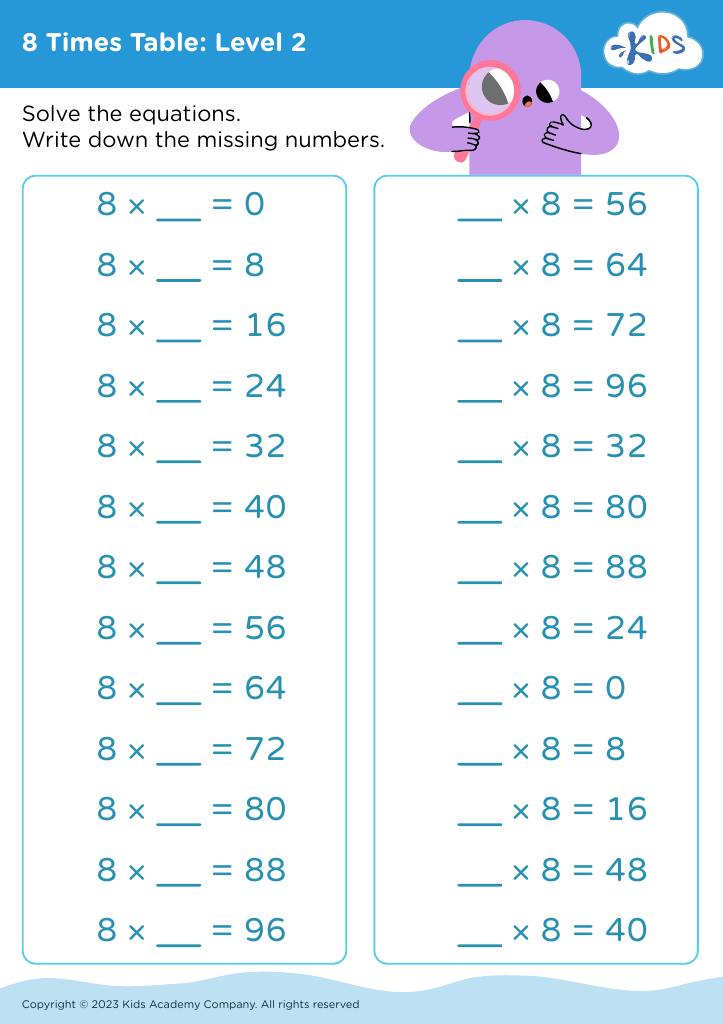
8 Times Table: Level 2

8 Times Table: Level 2

8 Times Table: Level 2
Worksheet
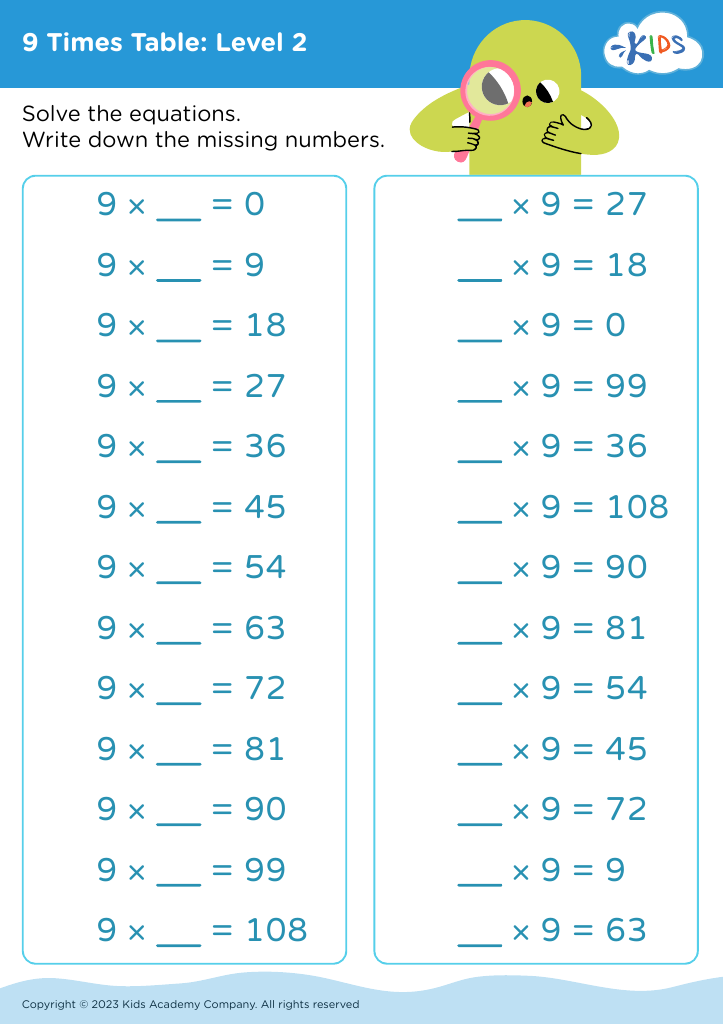
9 Times Table: Level 2

9 Times Table: Level 2

9 Times Table: Level 2
Worksheet


... 71 72

Parents and teachers should care about the physical, cognitive, emotional, and social development milestones, often referred to as typical or "normal" development, for children ages 3-9 because understanding these benchmarks helps support and foster every child's growth and learning. This period is critical as foundational skills, attitudes, and habits are formed that affect lifelong learning and well-being. Recognizing what is common can assist adults in identifying when a child is progressing as expected and when there may be signs of developmental delays or exceptional talents that need addressing.

Awareness of normal development allows parents and teachers to provide age-appropriate activities, curricula, and encouragement tailored to children's developmental stages. Stimulating environments can enhance cognitive abilities, while positive social interactions aid emotional development and the formation of healthy relationships. Monitoring developmental milestones also enables early intervention if problems arise: speech delays, learning disabilities, or social difficulties can be detected and managed early, mitigating potential long-term impacts.

Moreover, understanding normal development helps prevent unnecessary anxiety; not all children develop at the same rate, so discerning typical variations prevents undue worry about slight deviations from standard milestones. Ultimately, this knowledge empowers those guiding young lives to more effectively nurture their growth, ensuring each child reaches their fullest potential.