Counting skills Normal Math Worksheets for Ages 3-9 - Page 3
96 filtered results
-
From - To
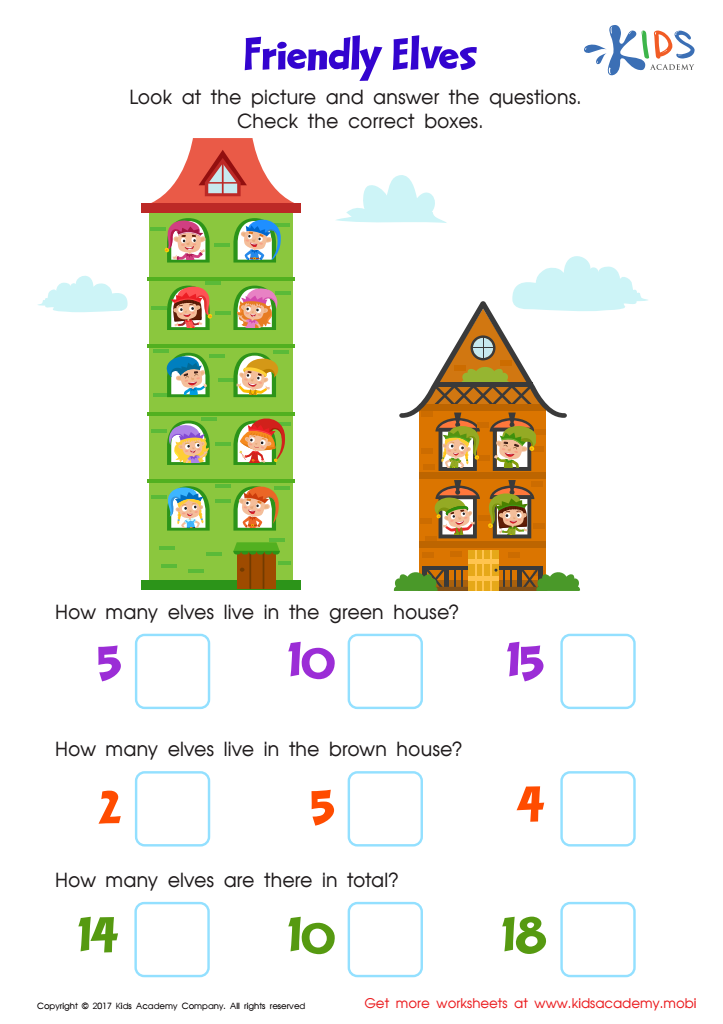
Place Value: Friendly Elves Worksheet
 Assign to My Students
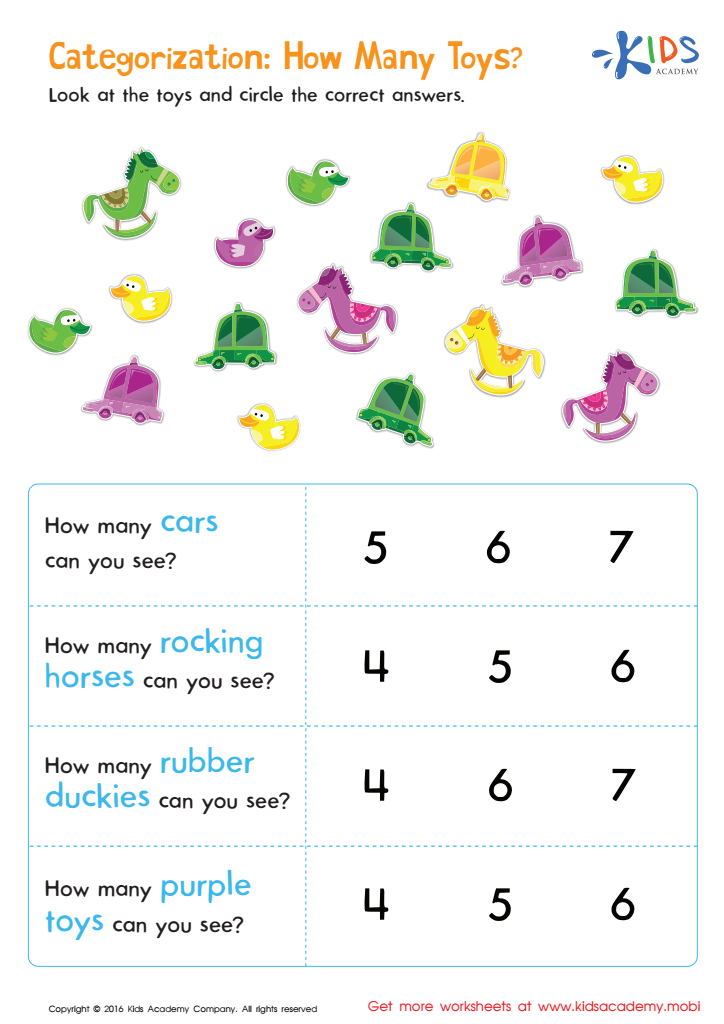
Classifying Toys by Type and Color Sorting Worksheet
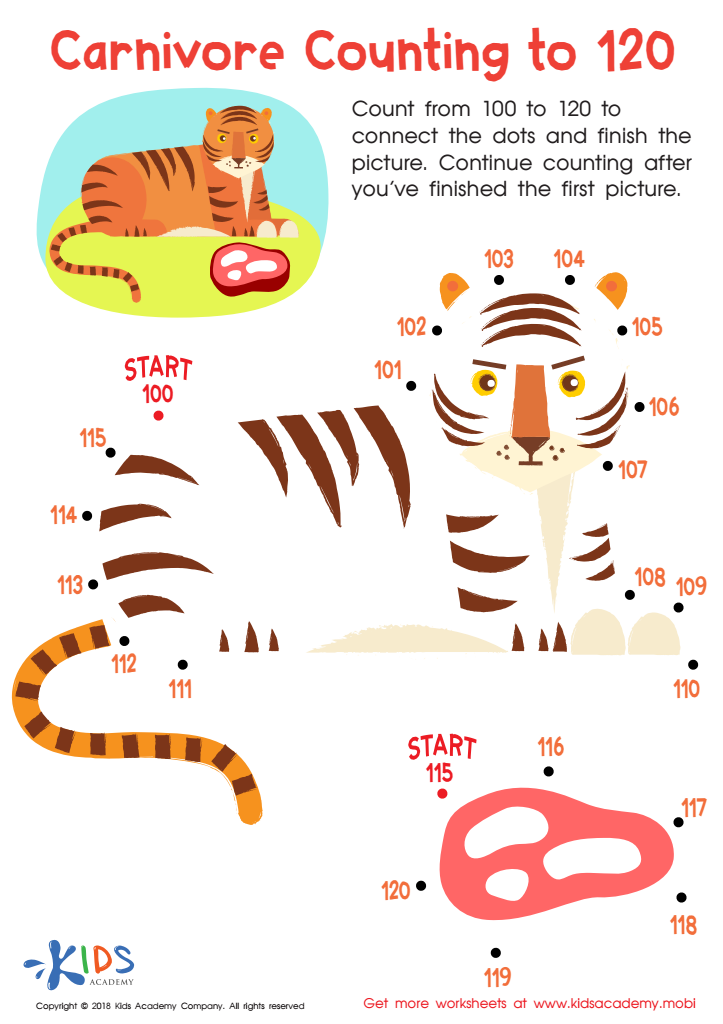
Carnivore Counting to 120 Worksheet
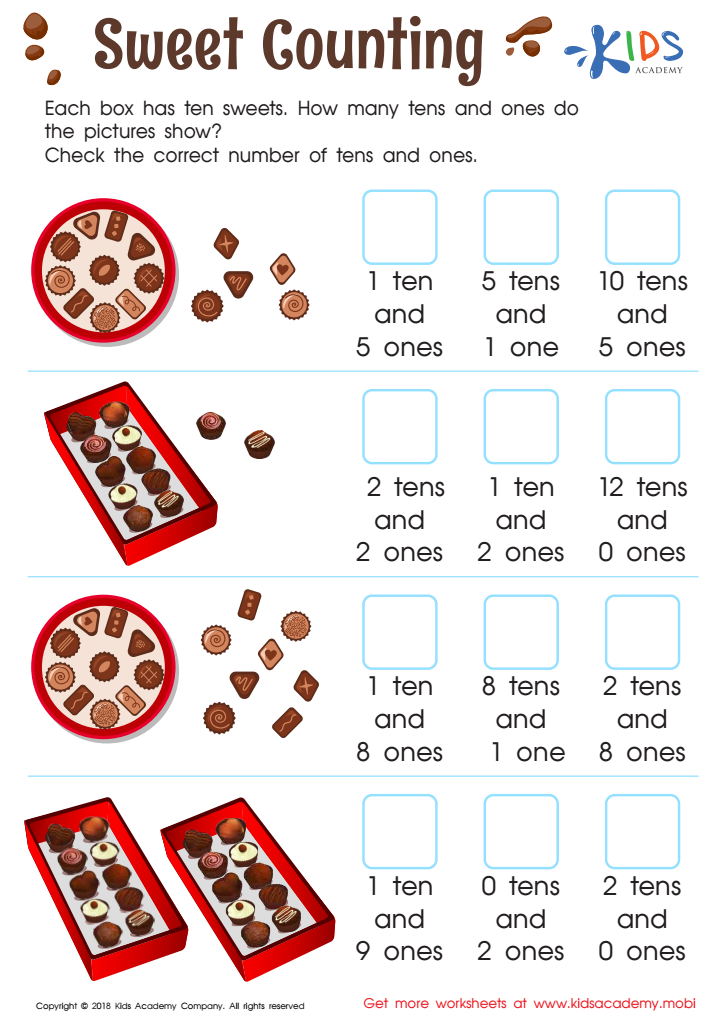
Sweet Counting - Part 2 Worksheet
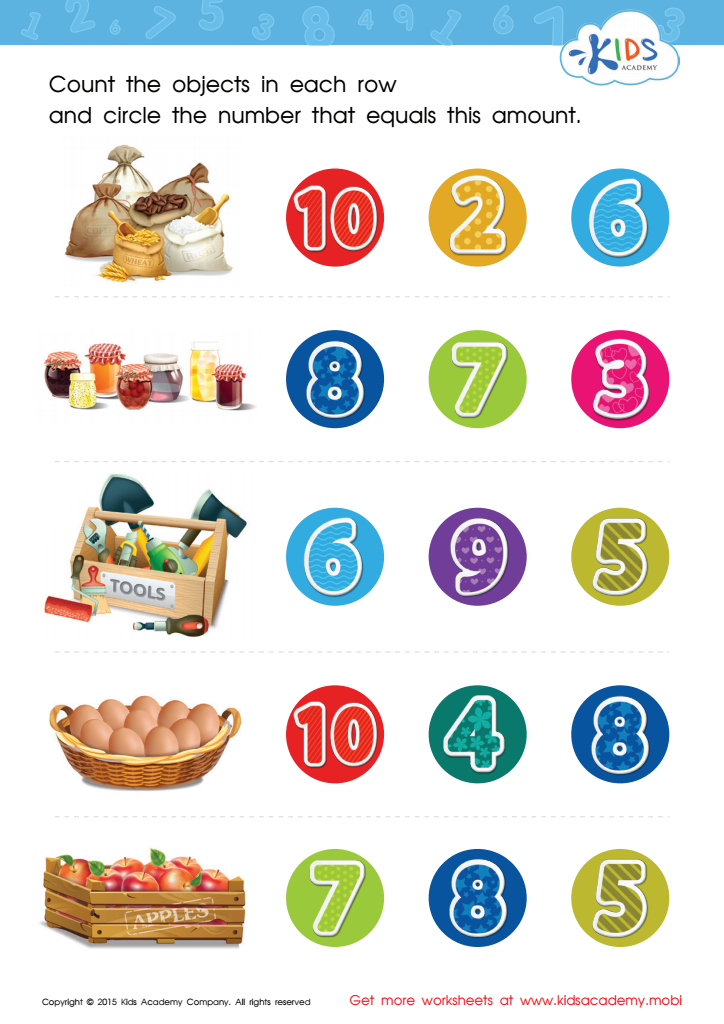
Count and Match 6 – 10 Math Worksheet
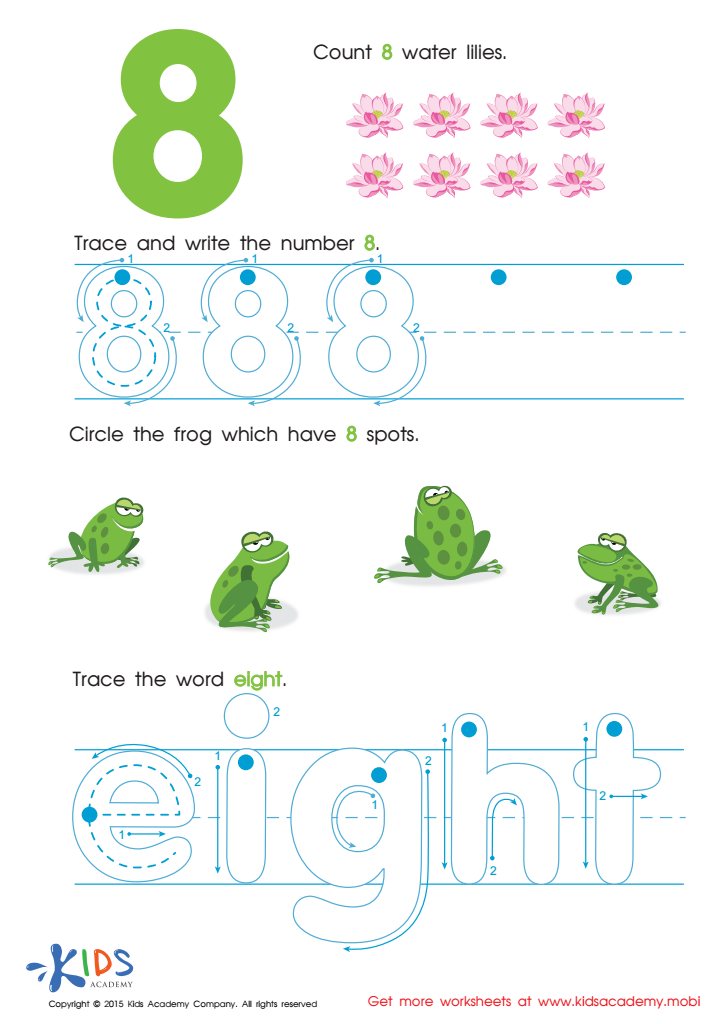
Learn Number 8 Easily Worksheet
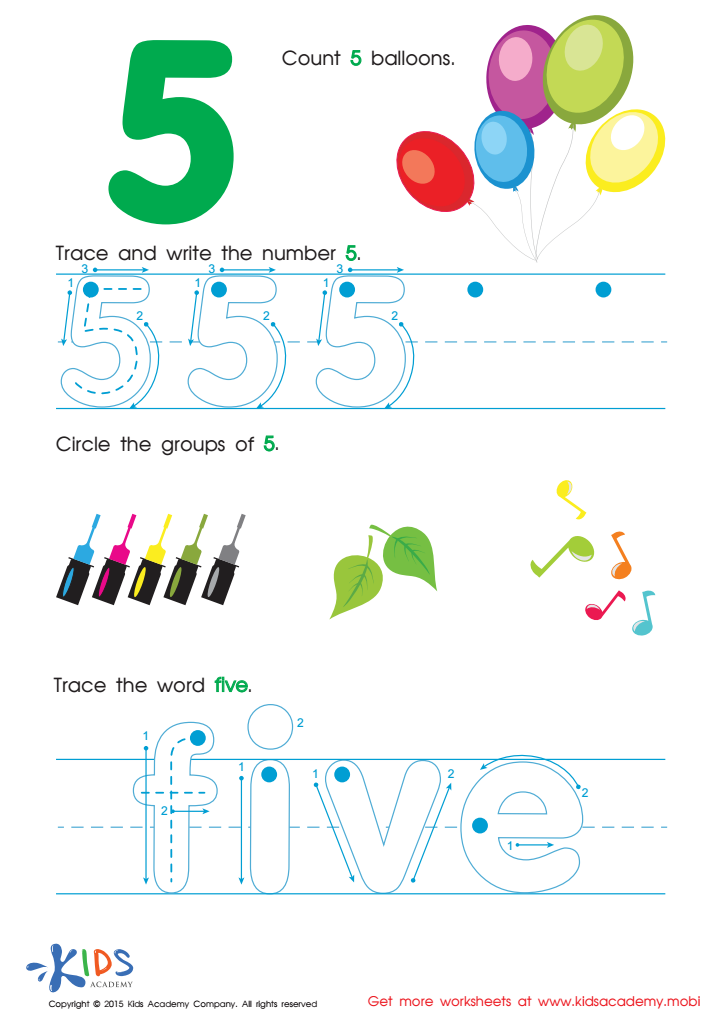
Practice Writing Number 5 Worksheet
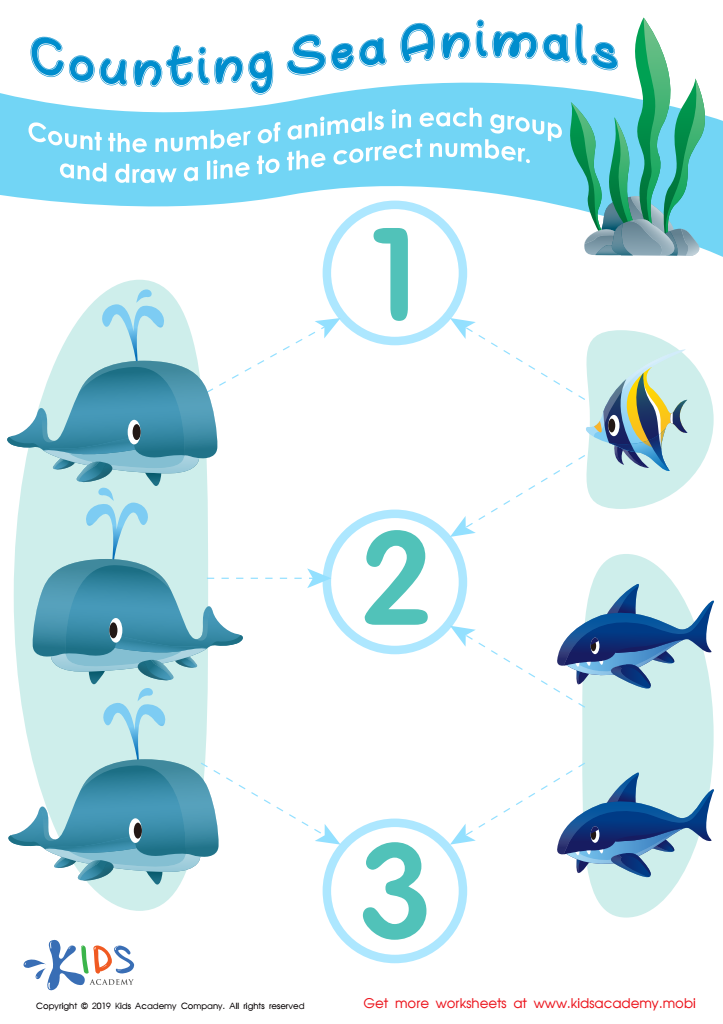
Counting Sea Animals Worksheet
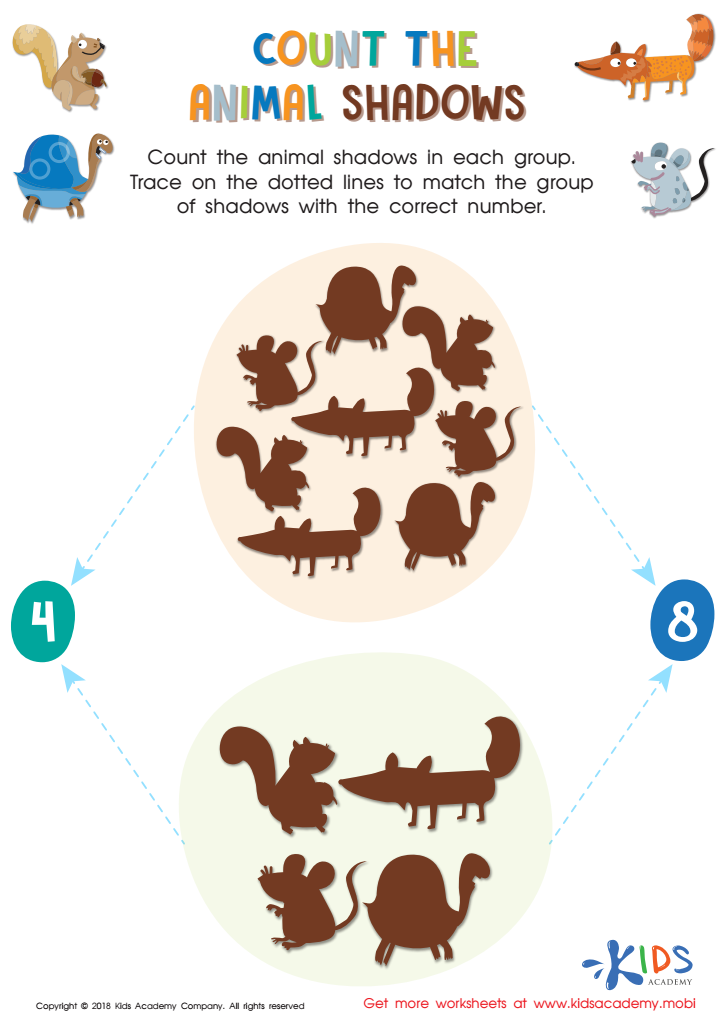
Count the Animal Shadows Worksheet
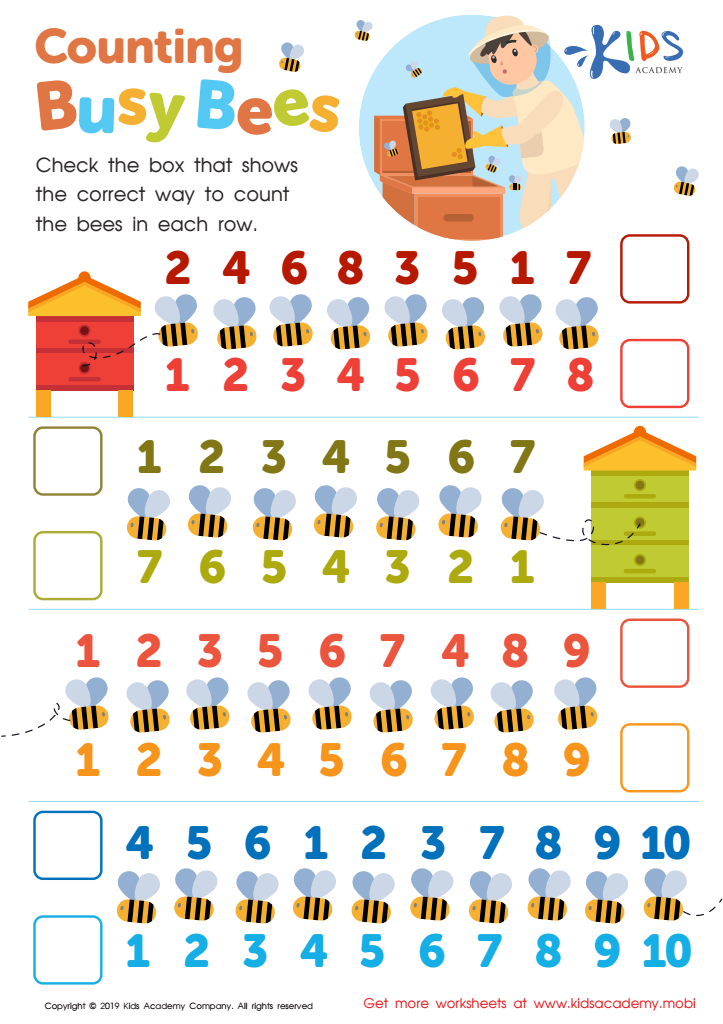
Counting Busy Bees Worksheet
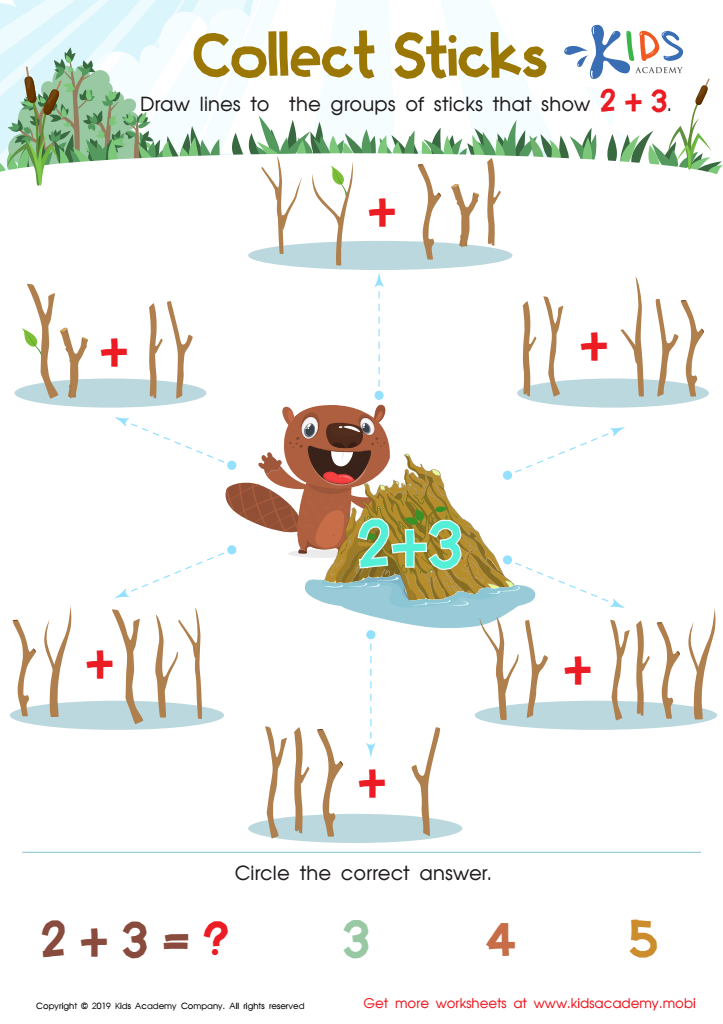
Collect Sticks Worksheet
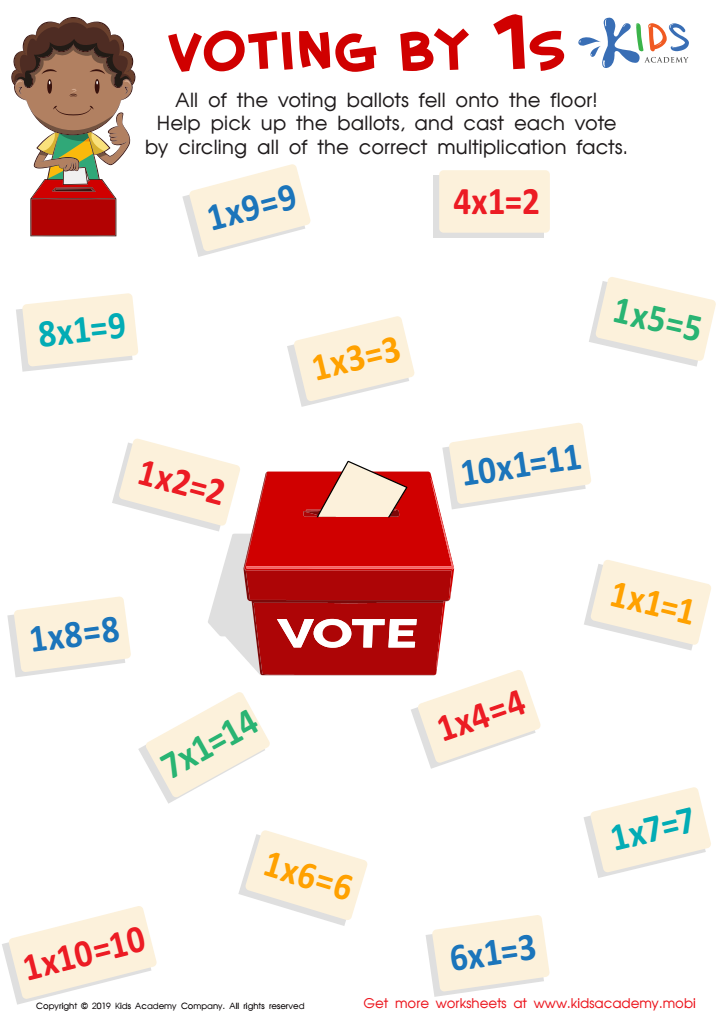
Voting by 1s Worksheet
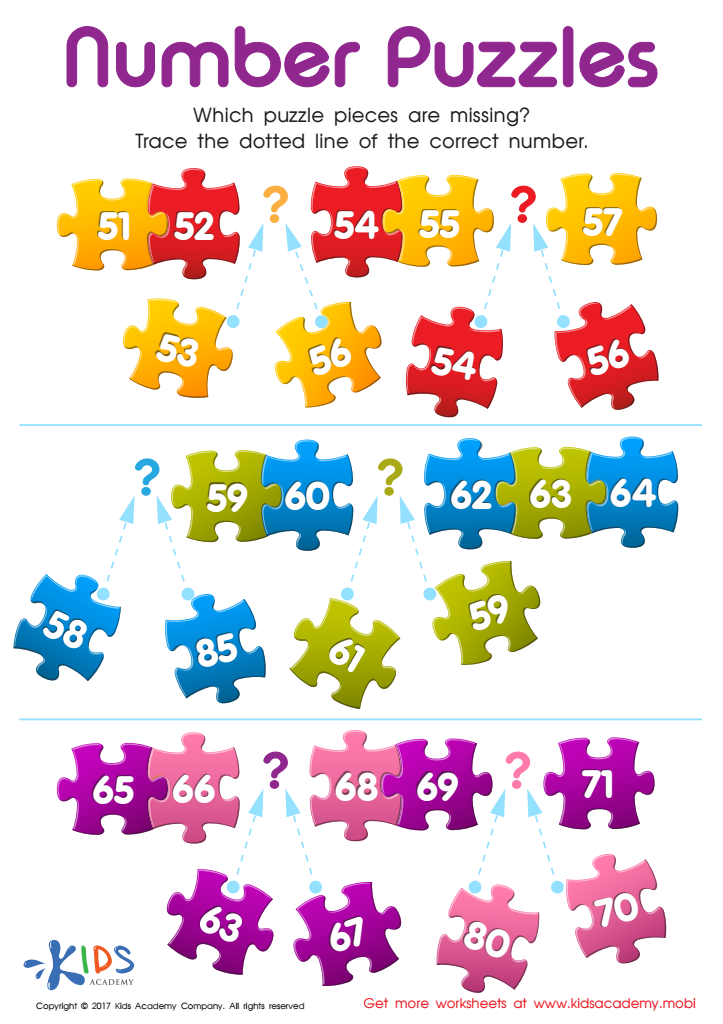
Number Puzzles Worksheet
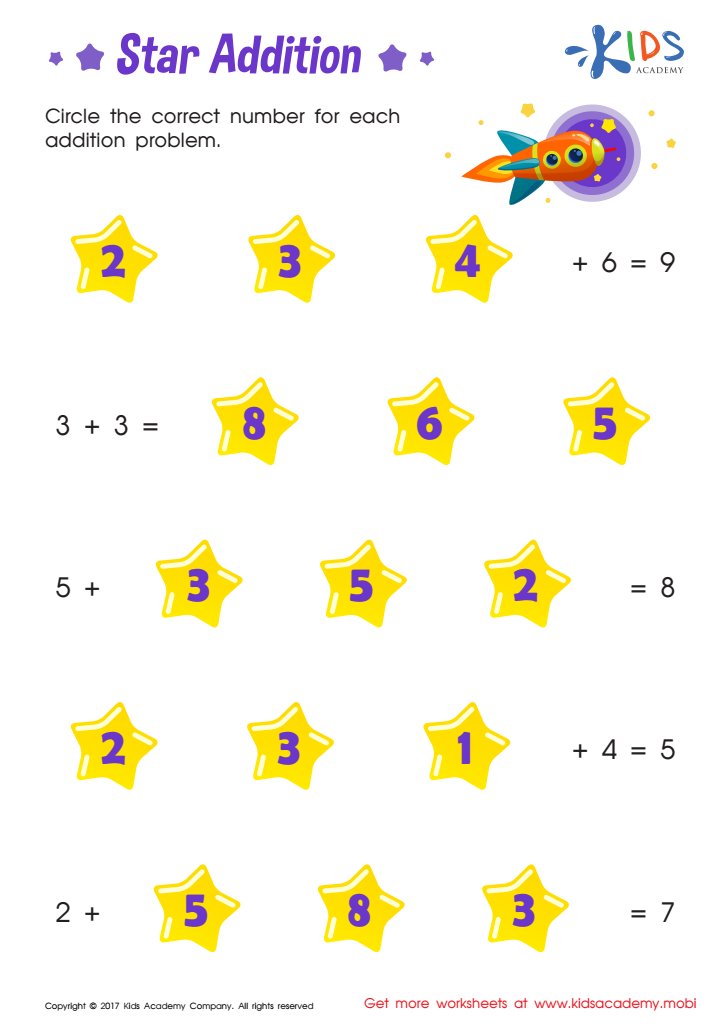
Star Addition Printable

Count and Match Vegetables 2 – 8 Math Worksheet

Count and Match Vegetables and Points Math Worksheet
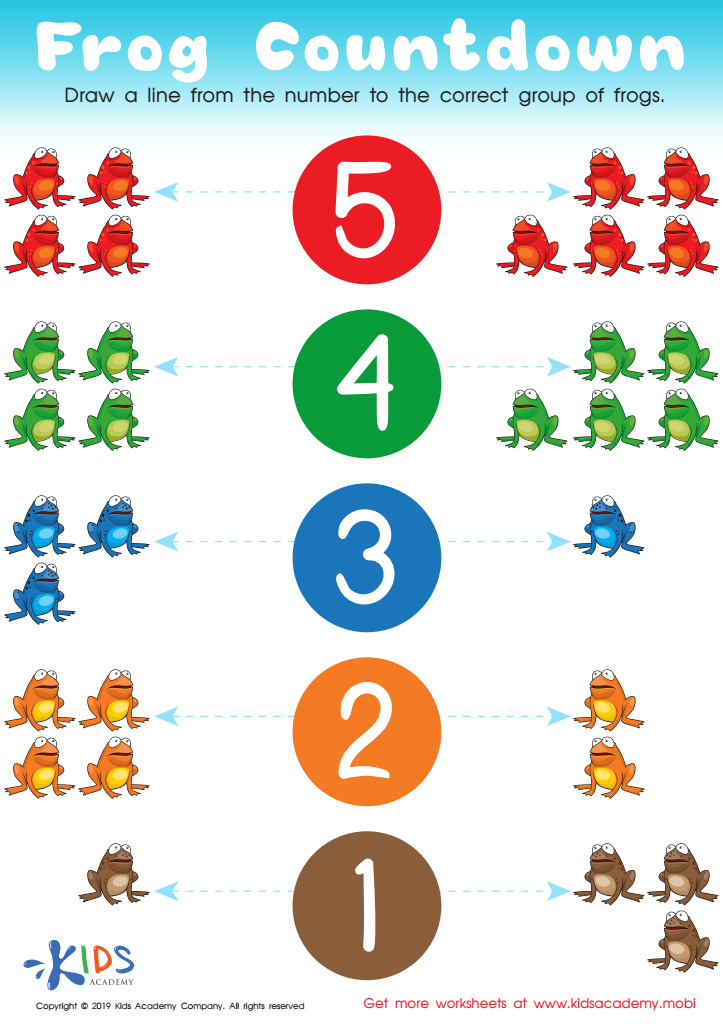
Frog Countdown Worksheet
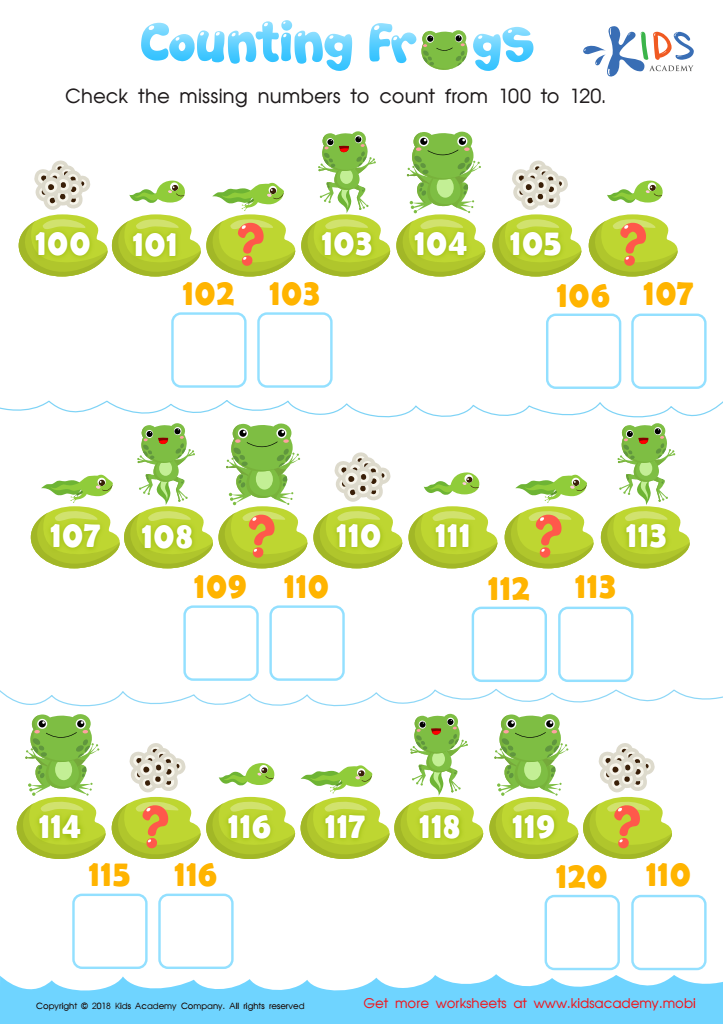
Counting Frogs Worksheet
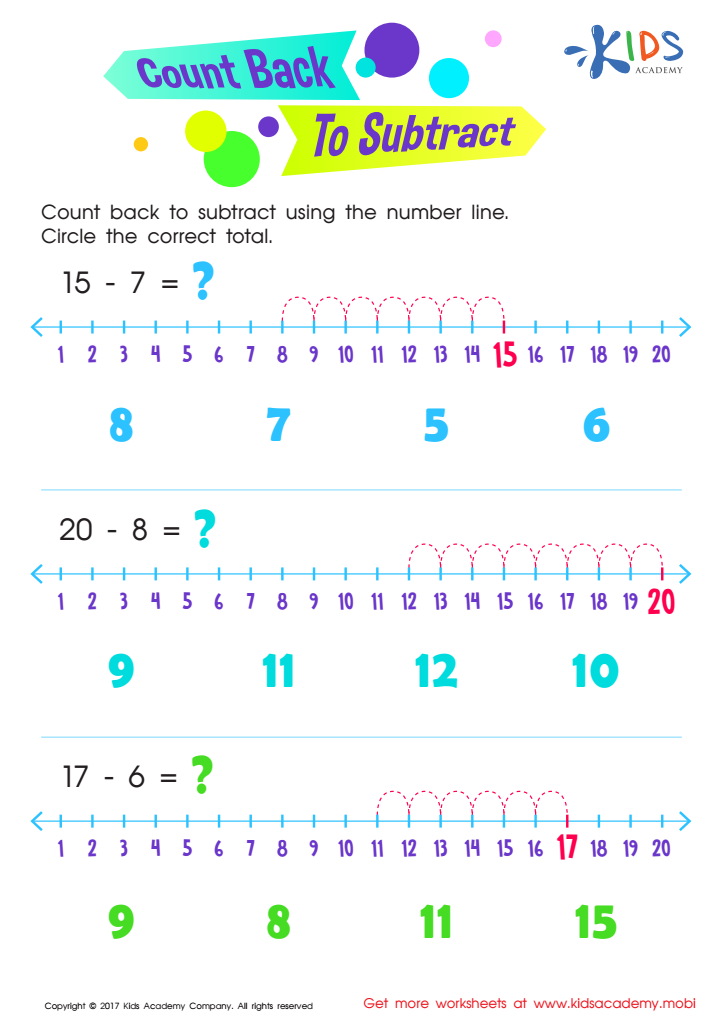
Count Back to Subtract Substraction Worksheet
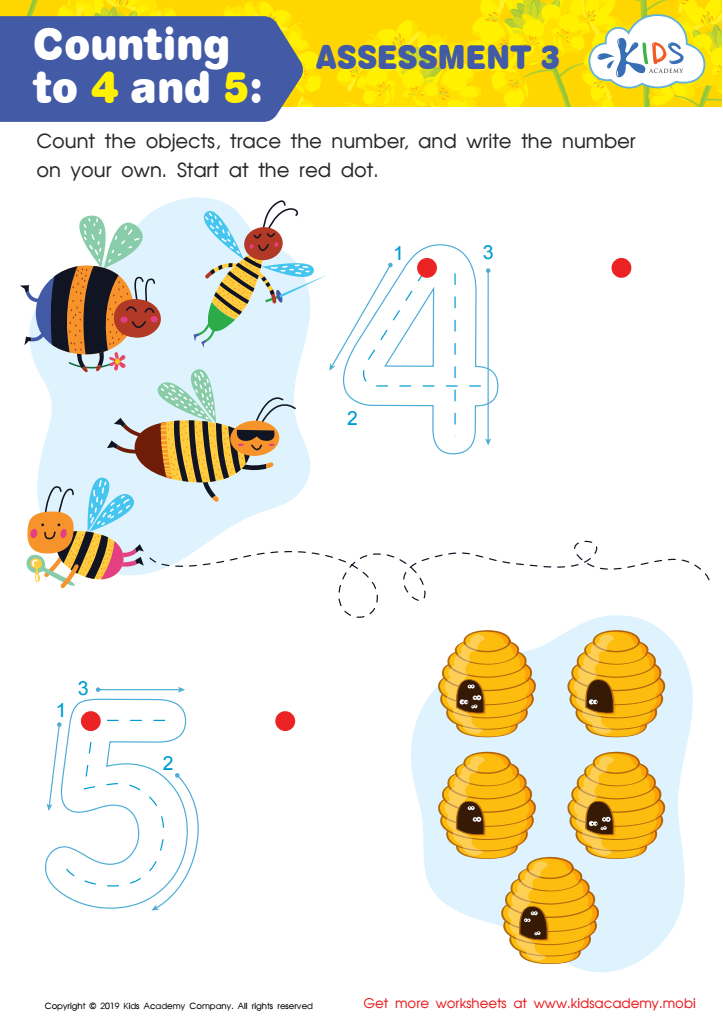
Counting to 4 and 5: Assessment 3 Worksheet
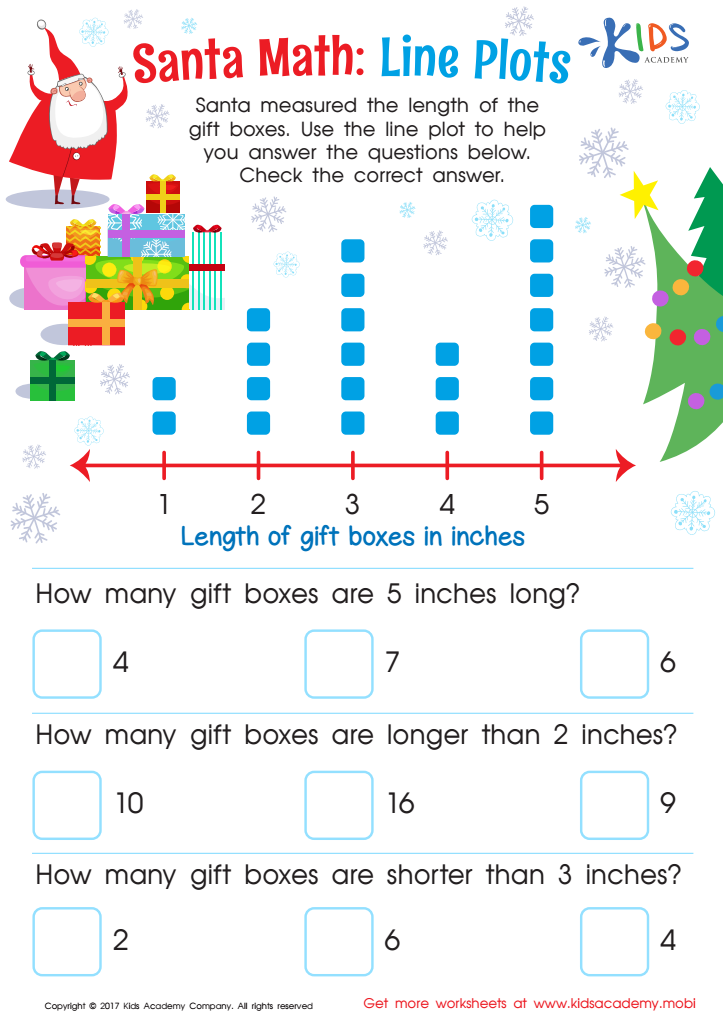
Line Plot Worksheet
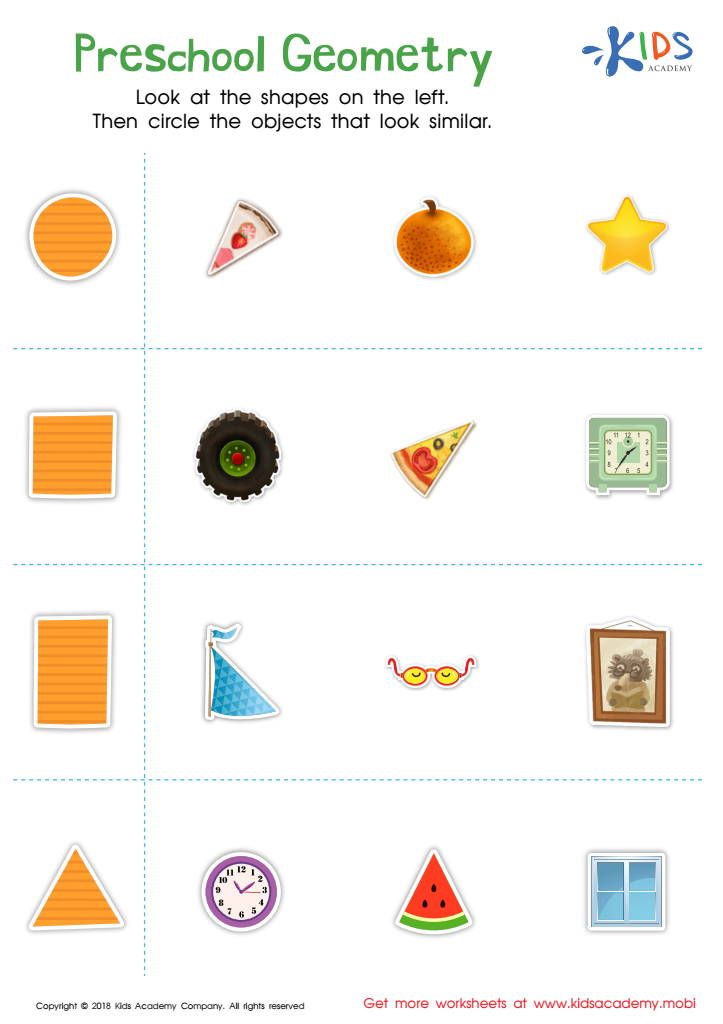
Preschool Geometry Worksheet
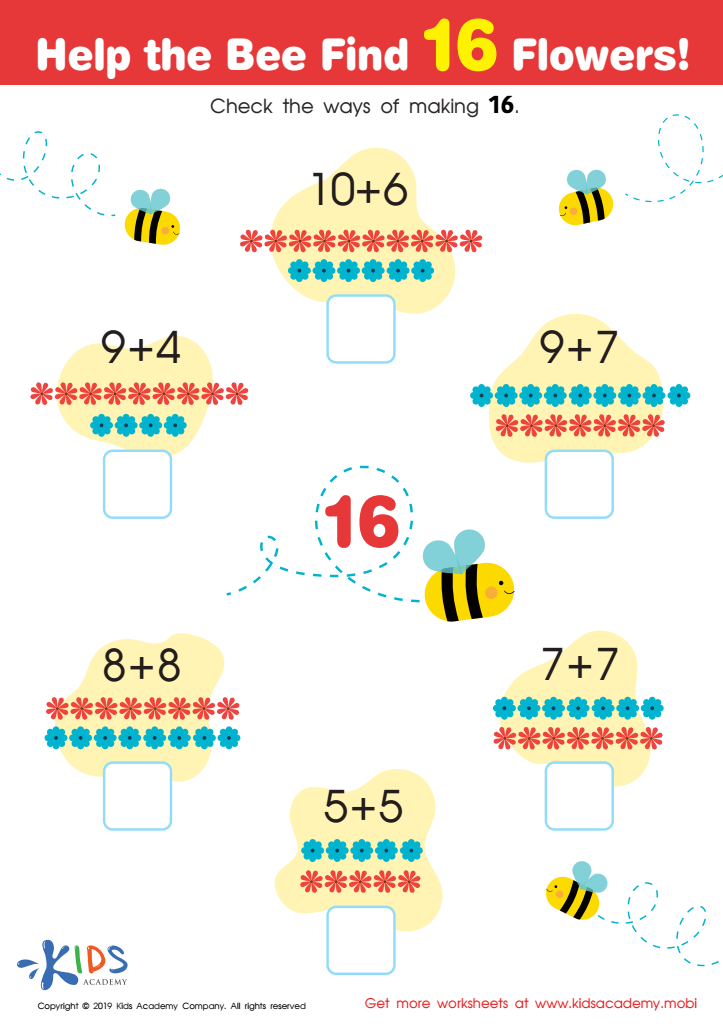
Help the Bee Find 16 Flowers Worksheet
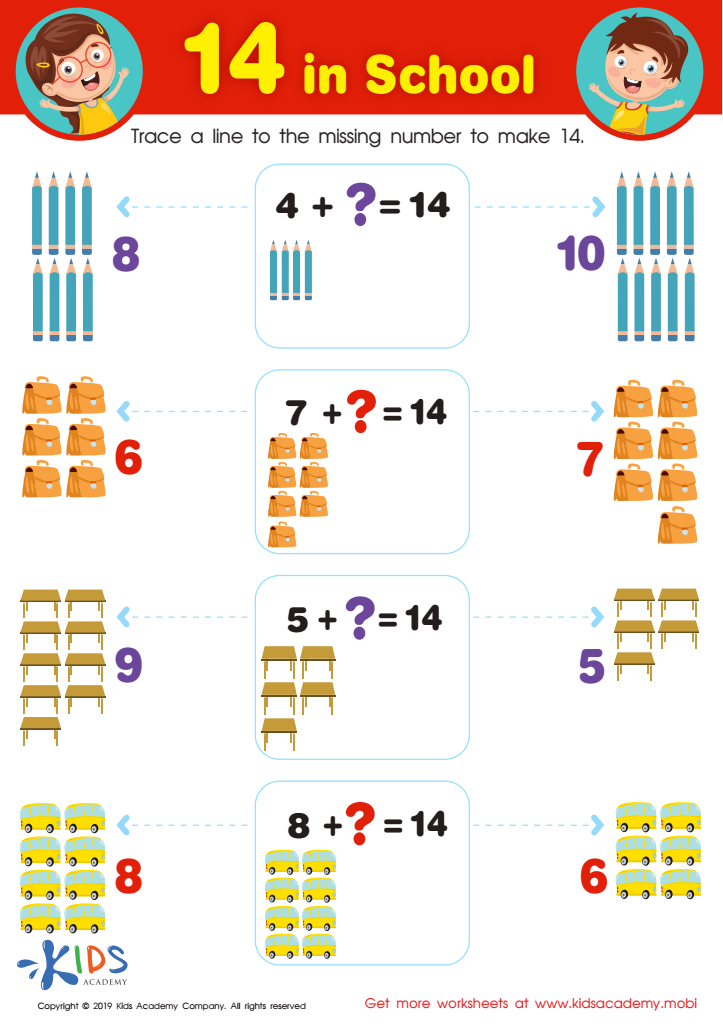
14 in School Worksheet







Parents and teachers should deeply care about developing counting skills and foundational math abilities in children aged 3-9 because these skills are critical building blocks for future academic success and everyday problem-solving. During this age span, children are in a prime developmental window where their brains are highly receptive to learning new concepts. Counting is more than just reciting numbers; it helps children understand quantities, order, and the relationships between numbers, concepts essential for more complex math like addition, subtraction, and beyond.
Developing good counting skills enables children to grasp the concept of numeracy more comprehensively. This includes recognizing numbers, understanding their value, and performing basic arithmetic operations. These skills are crucial for everyday activities such as telling time, handling money, and measuring objects, fostering self-sufficiency and confidence.
Moreover, early math skills positively correlate with later academic achievements in other subjects, including reading and writing. Engaging children in fun counting activities can also enhance their cognitive abilities, such as memory, attention, and problem-solving skills. Educators and parents play a key role in making math enjoyable and accessible, thereby fostering a positive lifelong attitude toward learning and intellectual exploration. Affording attention to counting skills today is an investment in children’s overall educational development and future capabilities.








