Logical thinking Normal Math Worksheets for Ages 3-9
7 filtered results
-
From - To
Enhance your child's cognitive abilities with our Logical Thinking Normal Math Worksheets, designed for ages 3-9! These engaging printables foster essential reasoning skills and analytical thinking through fun, age-appropriate exercises. Each worksheet encourages children to explore patterns, make connections, and solve problems, building a solid foundation for future math success. Perfect for home or classroom use, our resources are crafted by educators to ensure they meet developmental milestones while keeping learning enjoyable. Join thousands of parents and teachers using Kids Academy to support young learners in mastering logical thinking and math concepts with confidence! Download your free worksheets today!
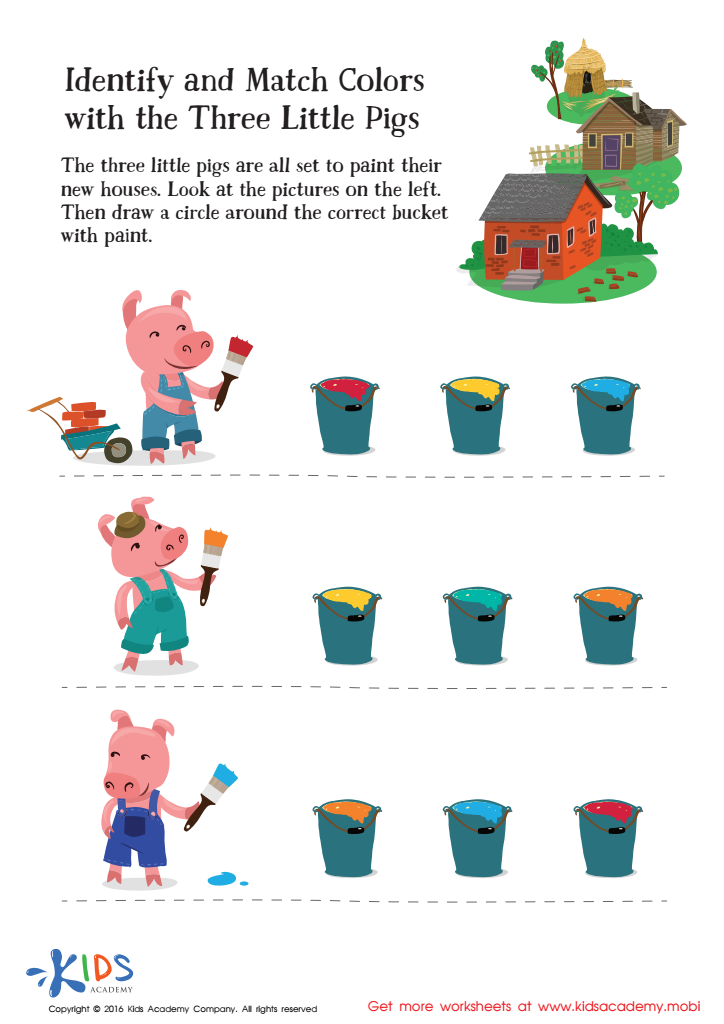
Fairy Tale Worksheet: Identify and Match Colors with Three Little Pigs
 Assign to My Students
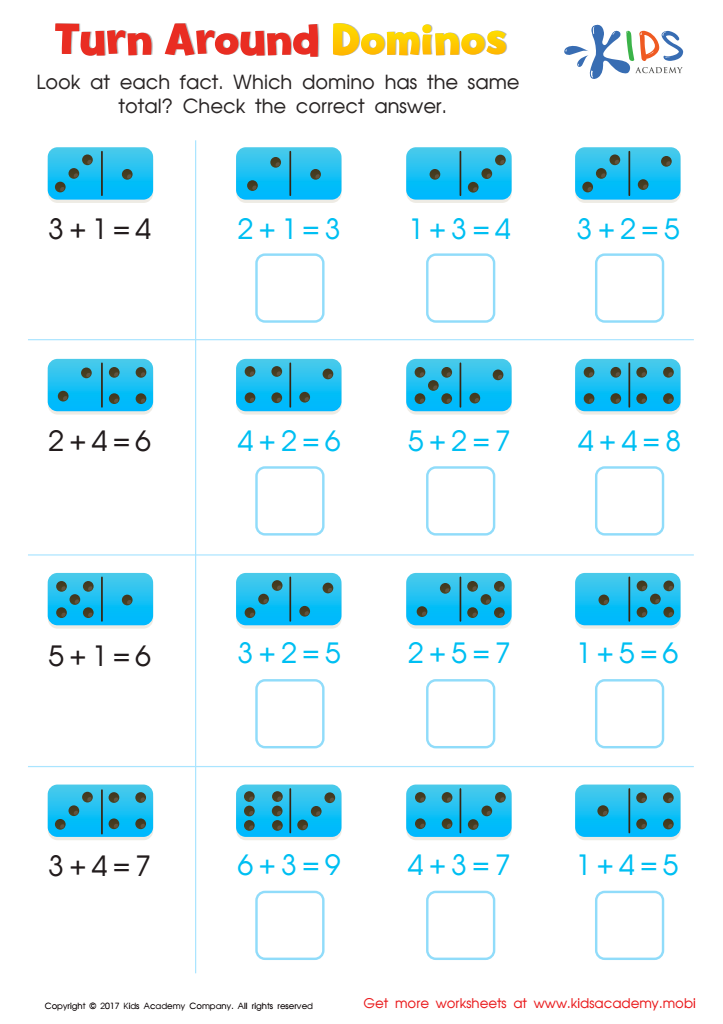
Turn Around Dominos Worksheet
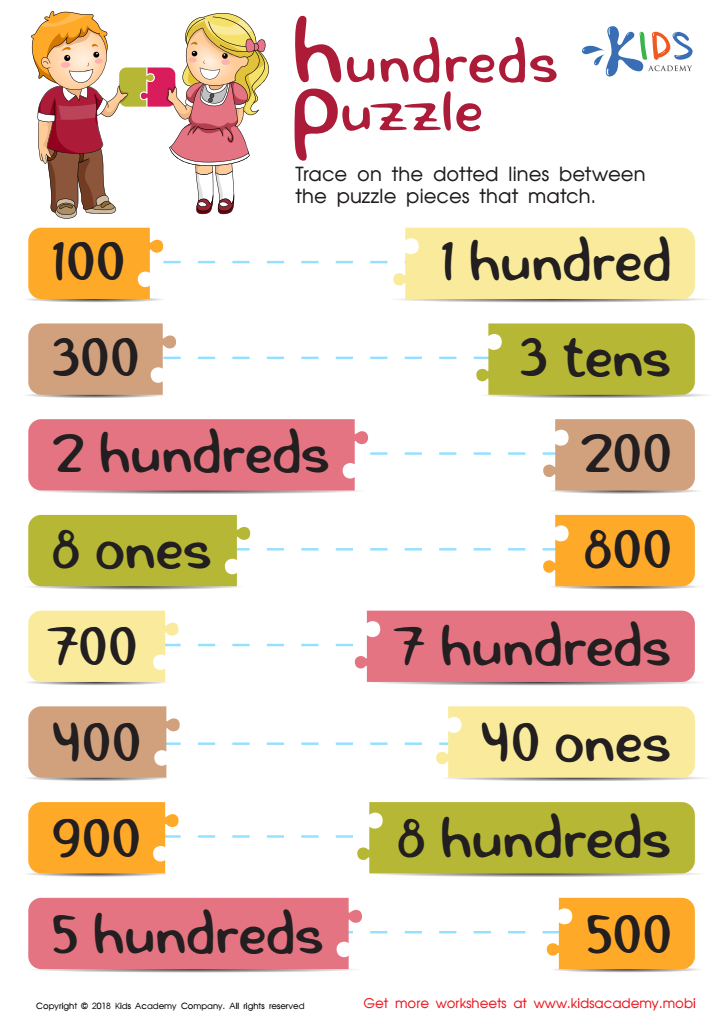
Hundreds Puzzle Worksheet
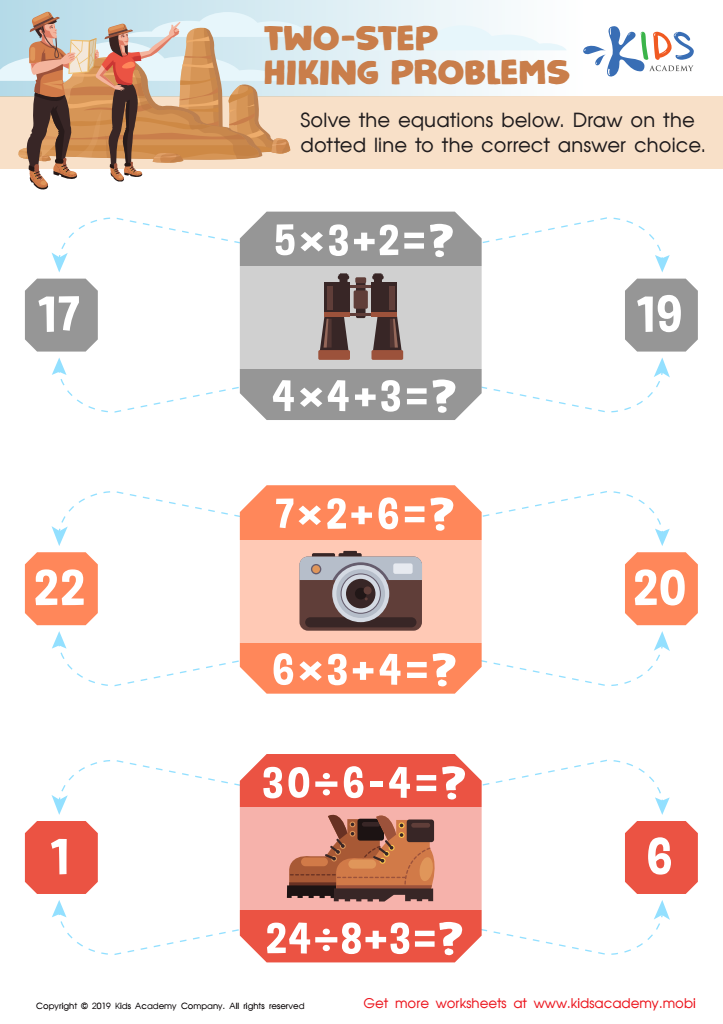
Two-Step Hiking Problems Worksheet
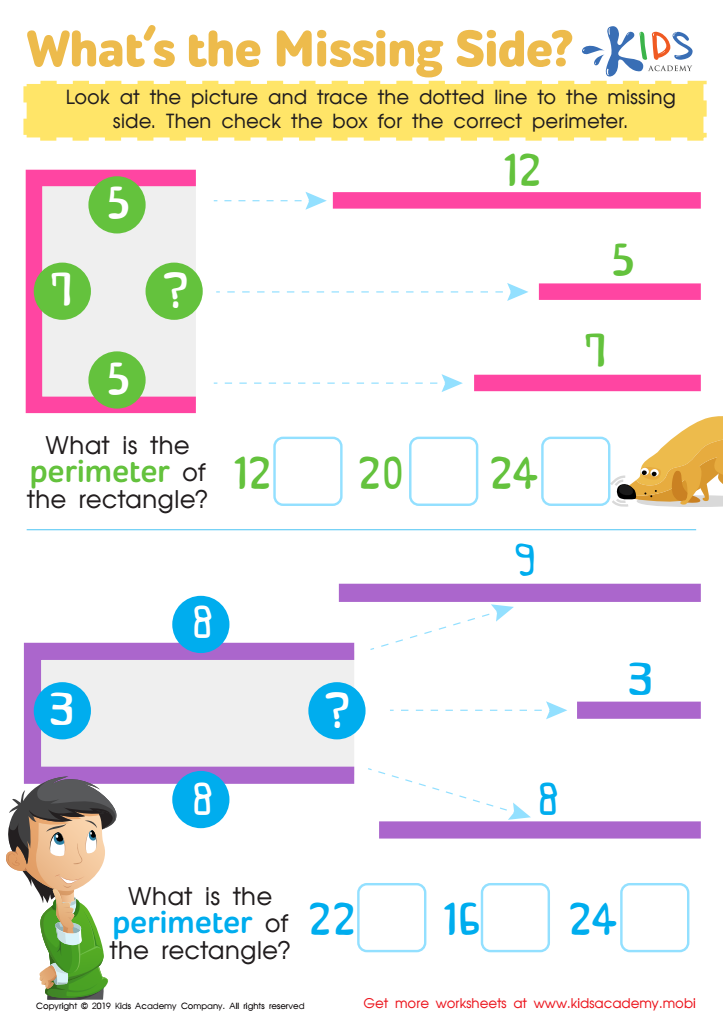
What's the Missing Side Worksheet

Cinderella Geometry Maze Worksheet
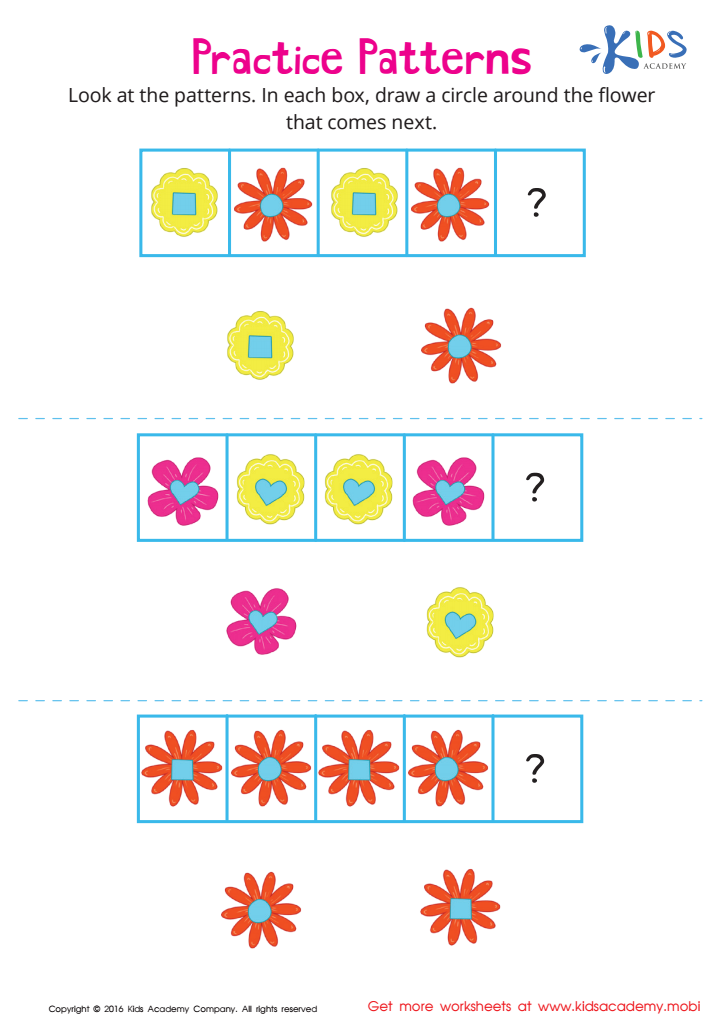








Parents and teachers should prioritize logical thinking and foundational math skills for children aged 3-9, as these competencies form the backbone of future academic success and everyday problem-solving abilities. At this developmental stage, children are naturally curious and eager to explore patterns, relationships, and structures that govern the world around them. Engaging them in activities that promote logical reasoning, such as puzzles, games, and story problems, enhances critical cognitive skills essential for understanding more complex mathematical concepts later on.
Fostering logical thought supports not only numerical understanding but also promotes higher-order thinking skills, such as analysis, synthesis, and evaluation. Early exposure to mathematical concepts builds confidence in tackling challenges and encourages perseverance. Furthermore, these skills can significantly impact their performance across various subjects, requiring logical reasoning and sequential thinking.
Additionally, in our increasingly data-driven world, instilling these skills at a young age prepares children to navigate future technological advancements and societal changes. By supporting children’s development in logical thinking and early math, parents and teachers empower them with the tools necessary to become problem-solvers, innovators, and responsible decision-makers in a dynamic global environment. Ultimately, nurturing these skills helps lay the groundwork for lifelong learning and success.








