Normal Science Worksheets for Ages 3-9 - Page 14
315 filtered results
-
From - To
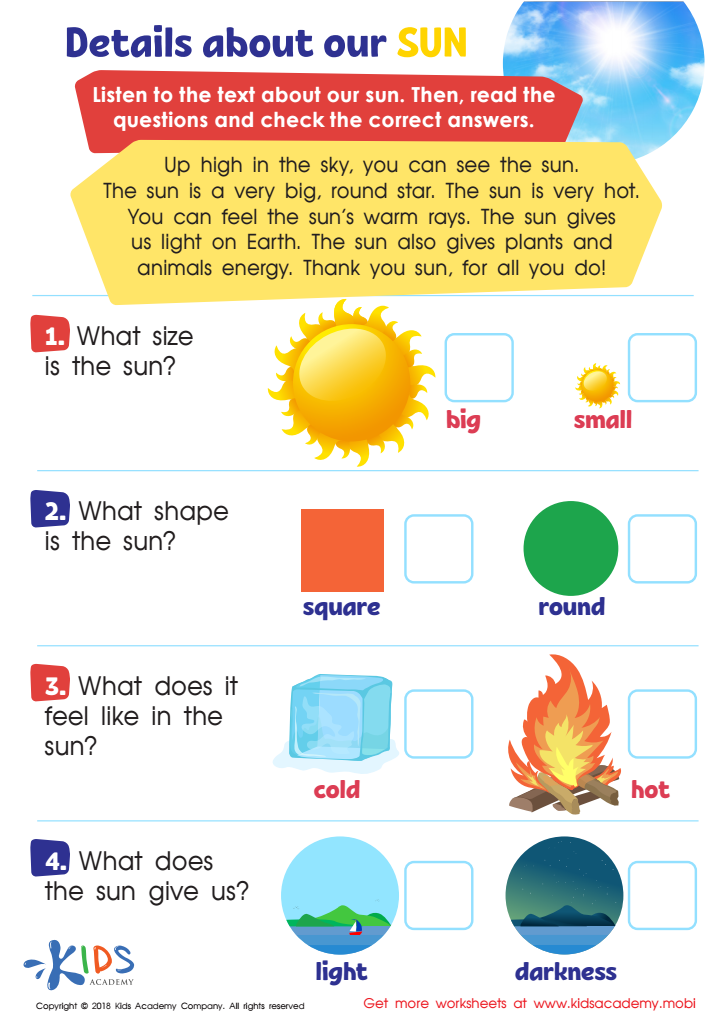
Details About Our Sun Worksheet
 Assign to My Students
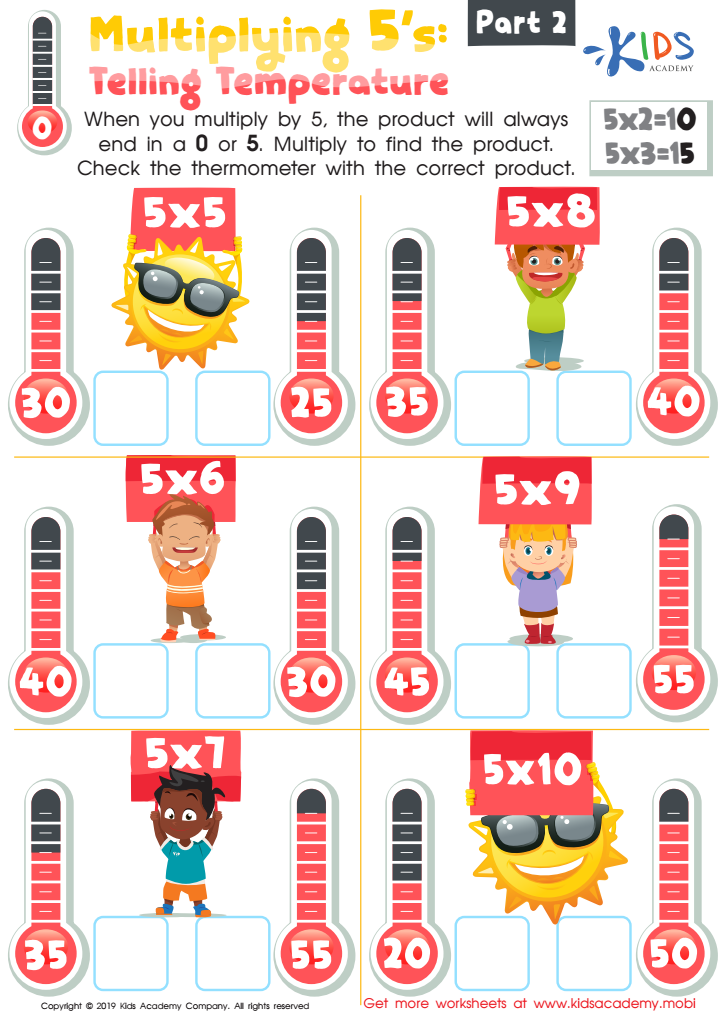
Multiplying 5’s: Telling Temperature Part 2 Worksheet
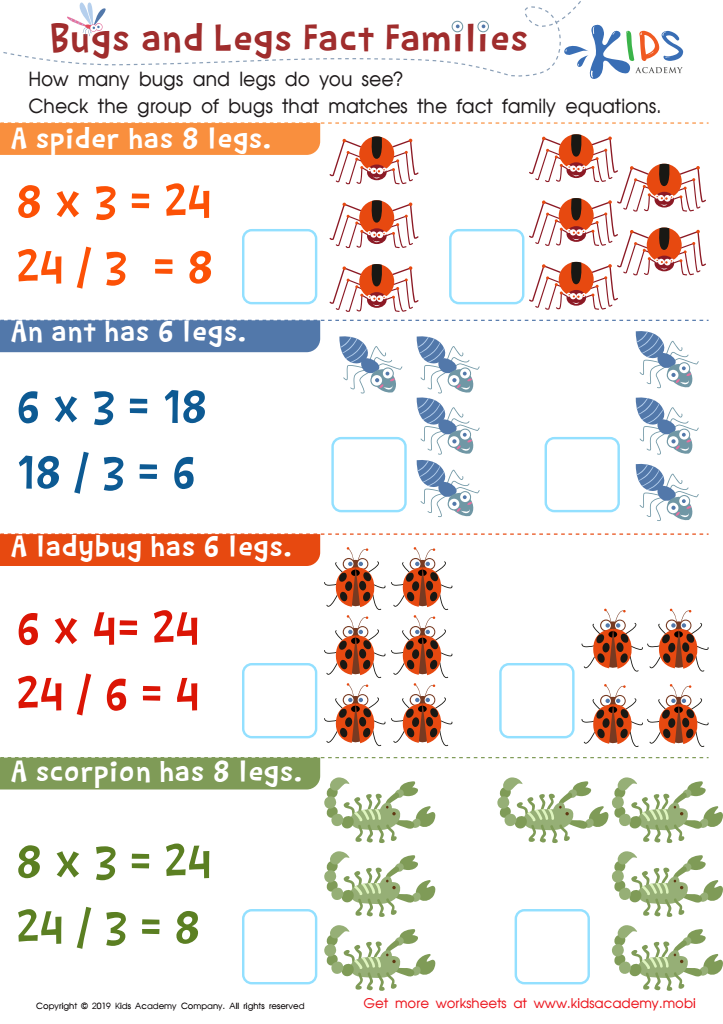
Bugs and Legs Fact Families Worksheet








Parents and teachers should care about Normal Science for ages 3-9 because it fosters essential critical thinking and problem-solving skills early in a child's development. This foundational age is crucial for exploring the natural world, as children exhibit natural curiosity and a desire to understand their surroundings. Engaging with Normal Science concepts nurtures this curiosity, encouraging children to ask questions, make observations, and conduct experiments, thus laying the groundwork for scientific literacy.
Moreover, understanding Normal Science instills a love for learning and supports cognitive development across multiple disciplines, including mathematics, language, and social studies. It also helps children recognize the relevance of scientific principles in everyday life, promoting informed decision-making as they grow. Regular interaction with scientific concepts enhances their ability to work collaboratively, communicate effectively, and develop resilience when faced with challenges.
Additionally, involving parents and teachers in this scientific exploration strengthens the bond between them and the child, creating a supportive learning environment. This collaboration enhances the child's educational experience, ultimately leading to better academic outcomes and a stronger foundation for future inquiry-based learning. In essence, Normal Science is more than just a subject; it is a critical component of overall child development during these formative years.







