Problem-Solving Skills Normal Worksheets for Ages 4-5 - Page 2
51 filtered results
-
From - To
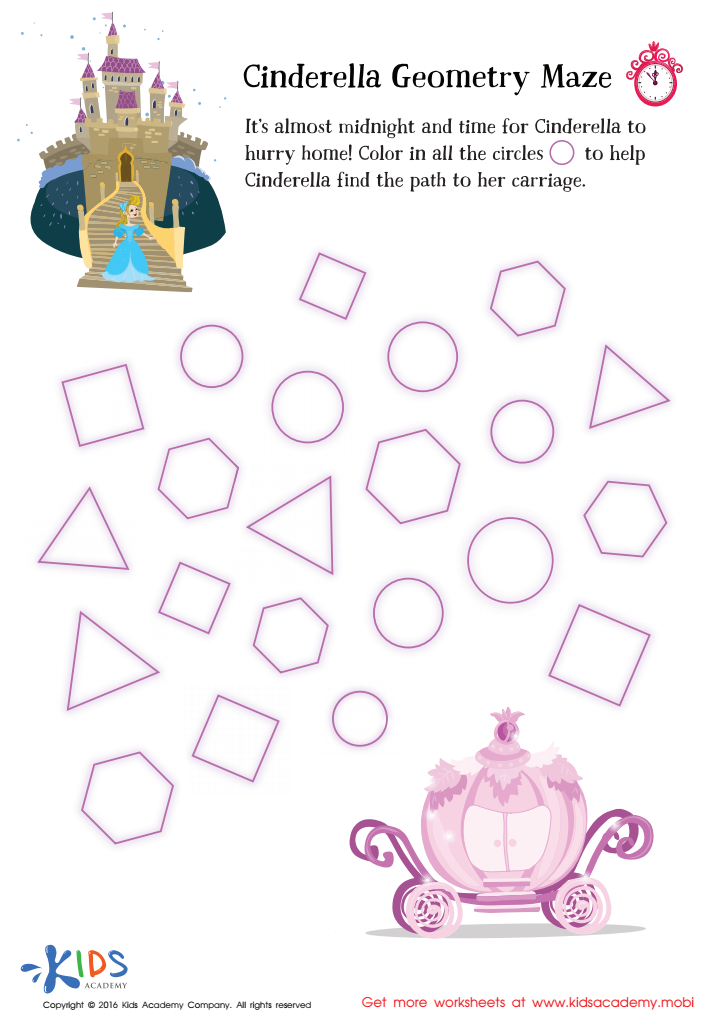
Cinderella Geometry Maze Worksheet
 Assign to My Students
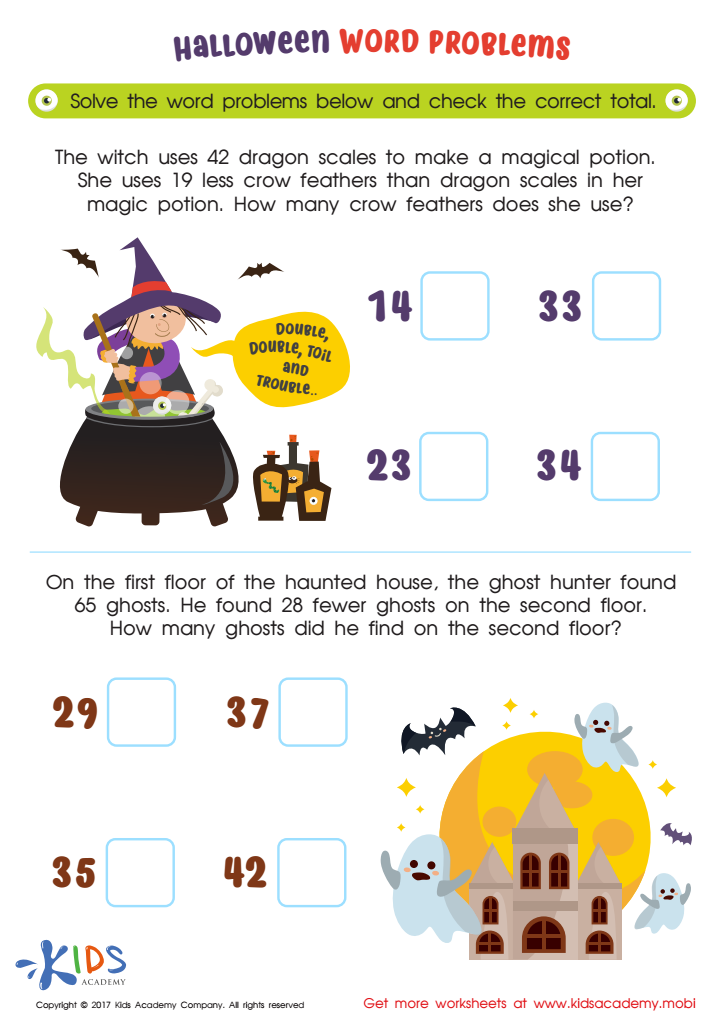
Halloween Word Problems Printable
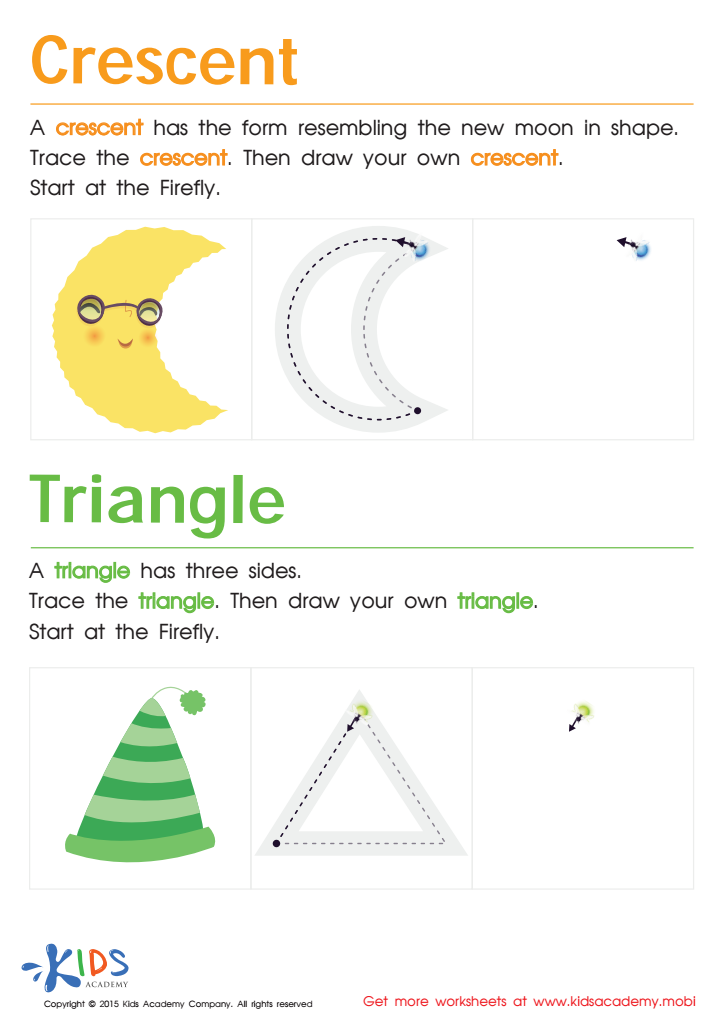
Learning to Draw Crescents And Triangles Worksheet
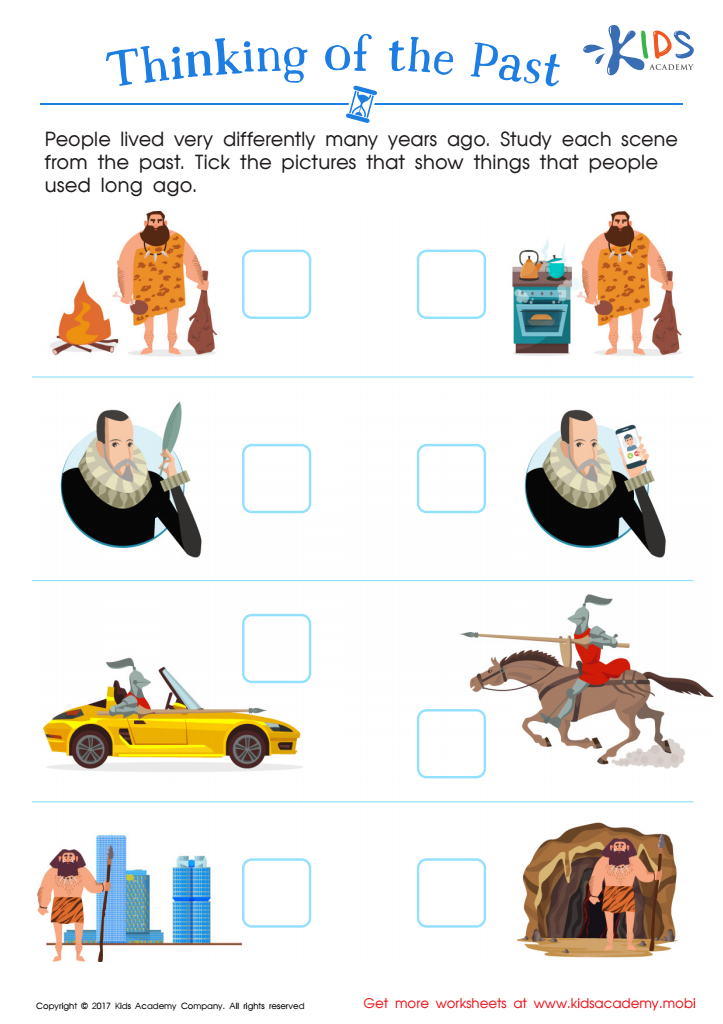
Thinking Past Printable
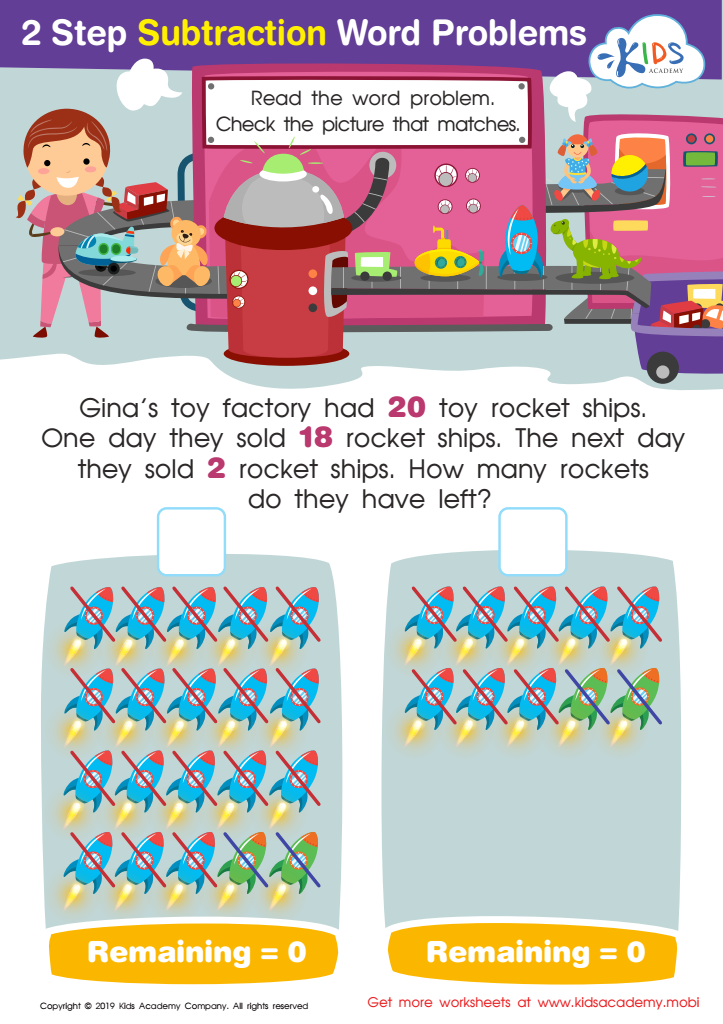
Step Subtraction Word Problems Worksheet
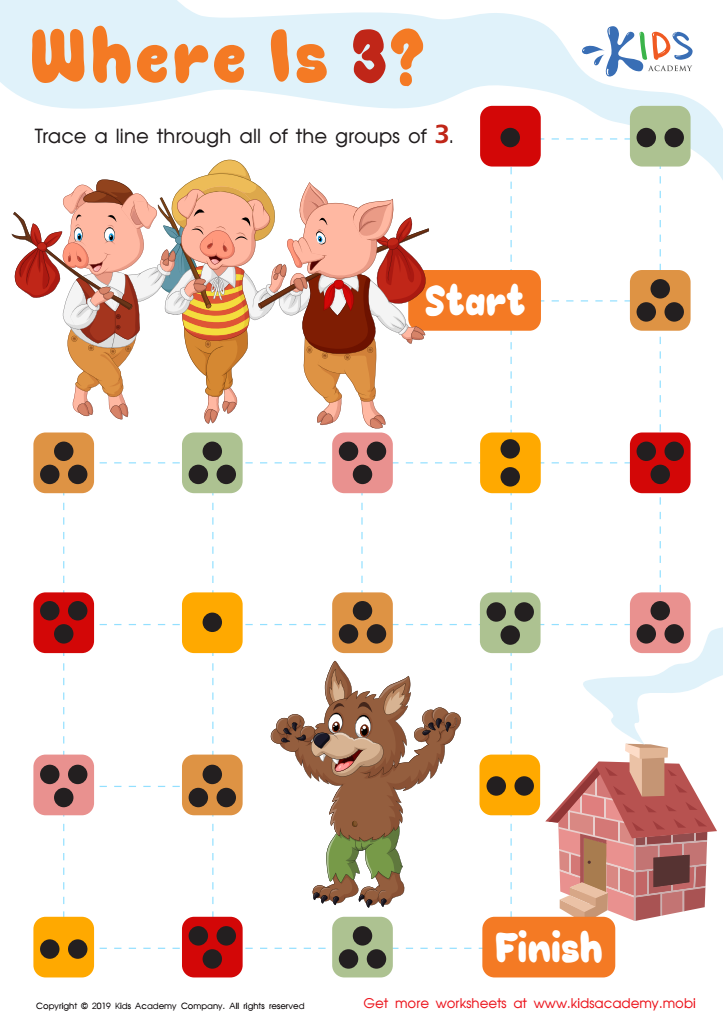
Where Is 3? Worksheet
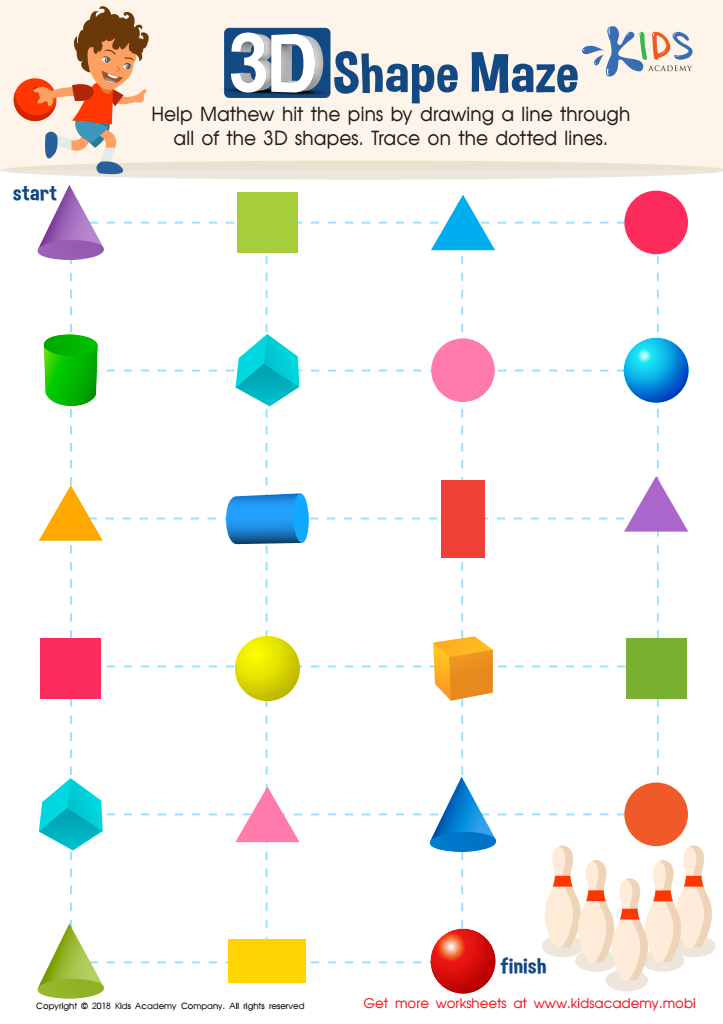
Shapes Maze Geometry Worksheet
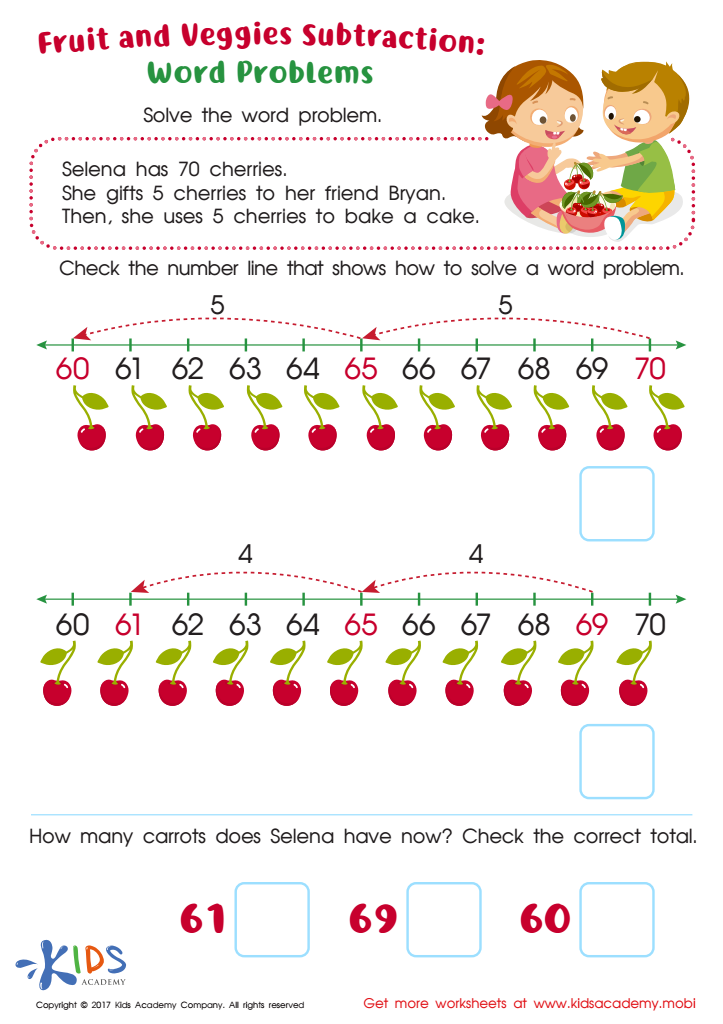
Subtraction Word Problems Free Printable
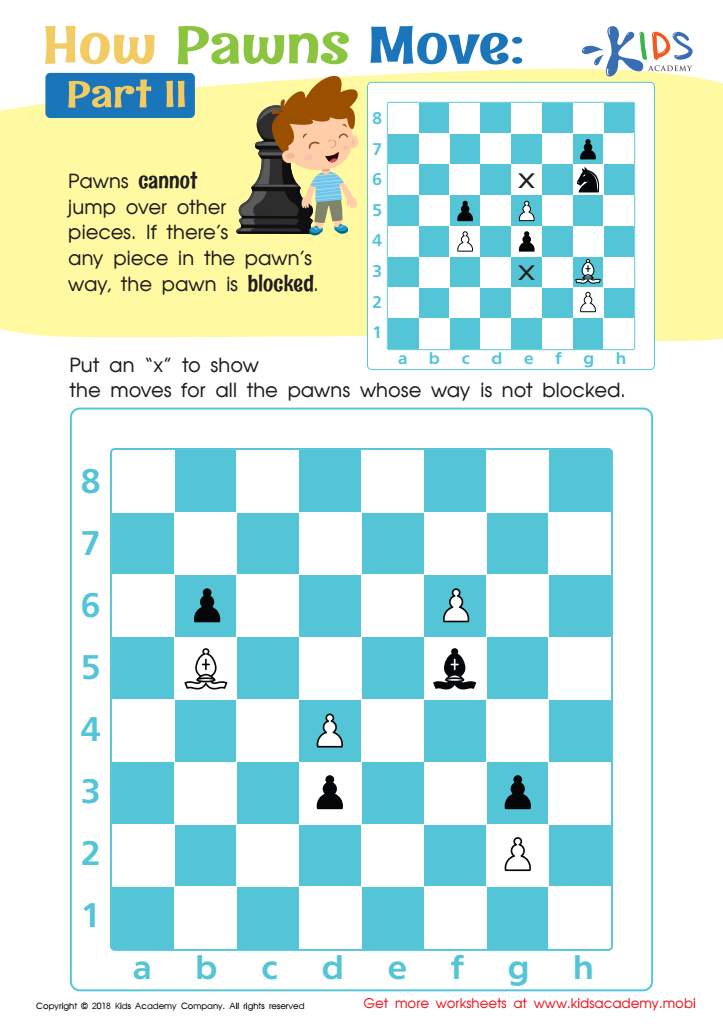
How Pawns Move: Part II Worksheet
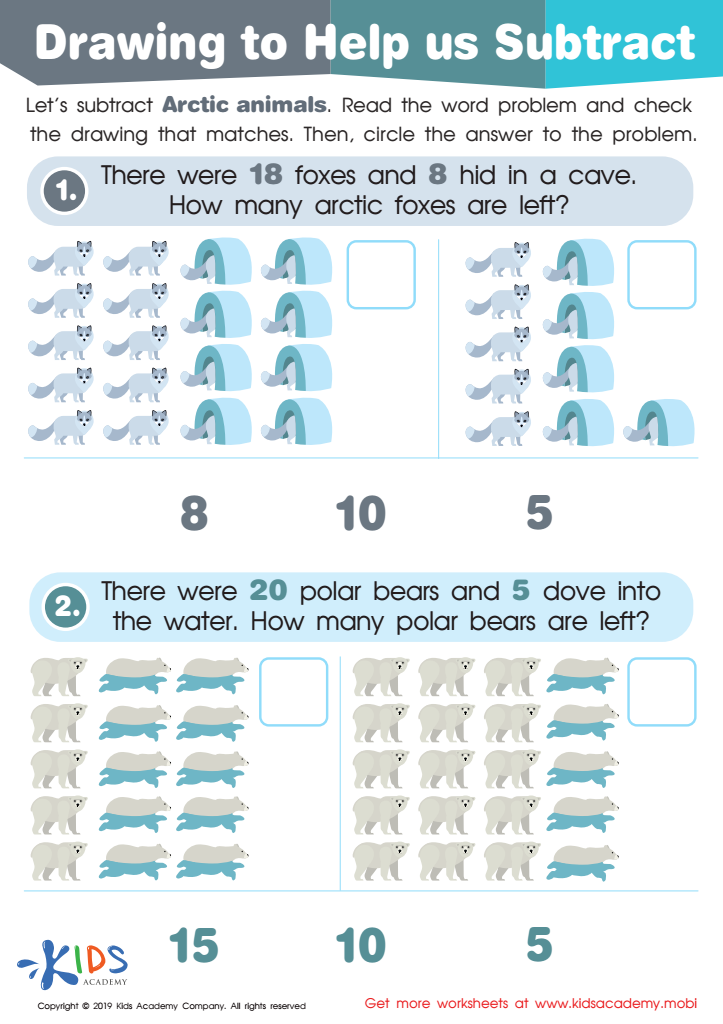
Drawing to Help Us Subtract Worksheet
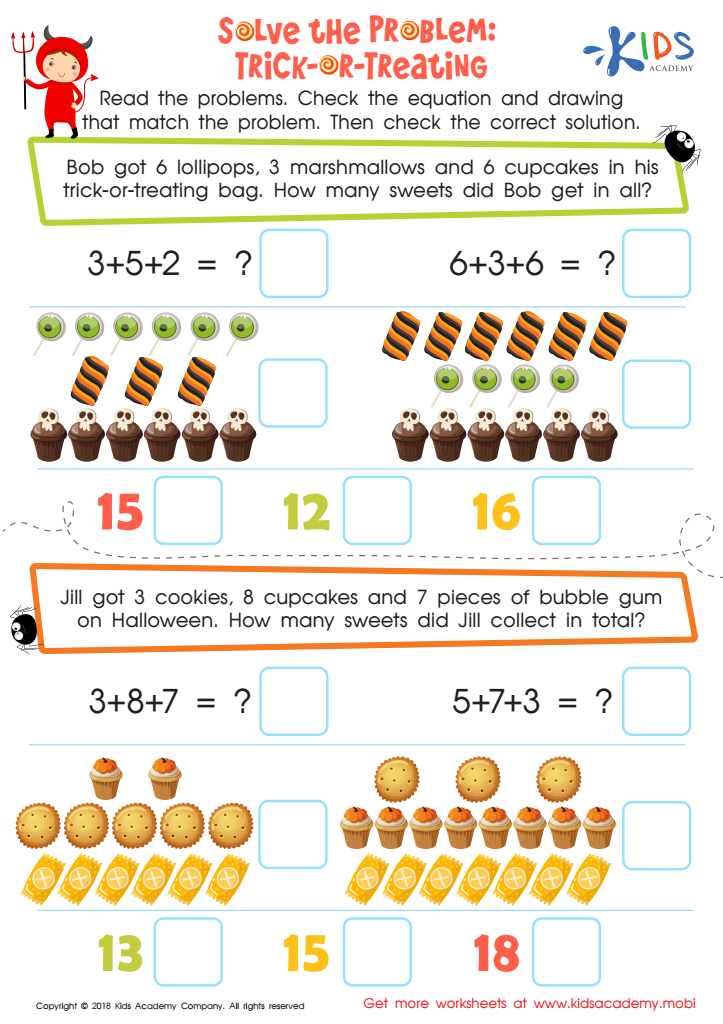
Solve the Problem: Trick–or–treating Worksheet
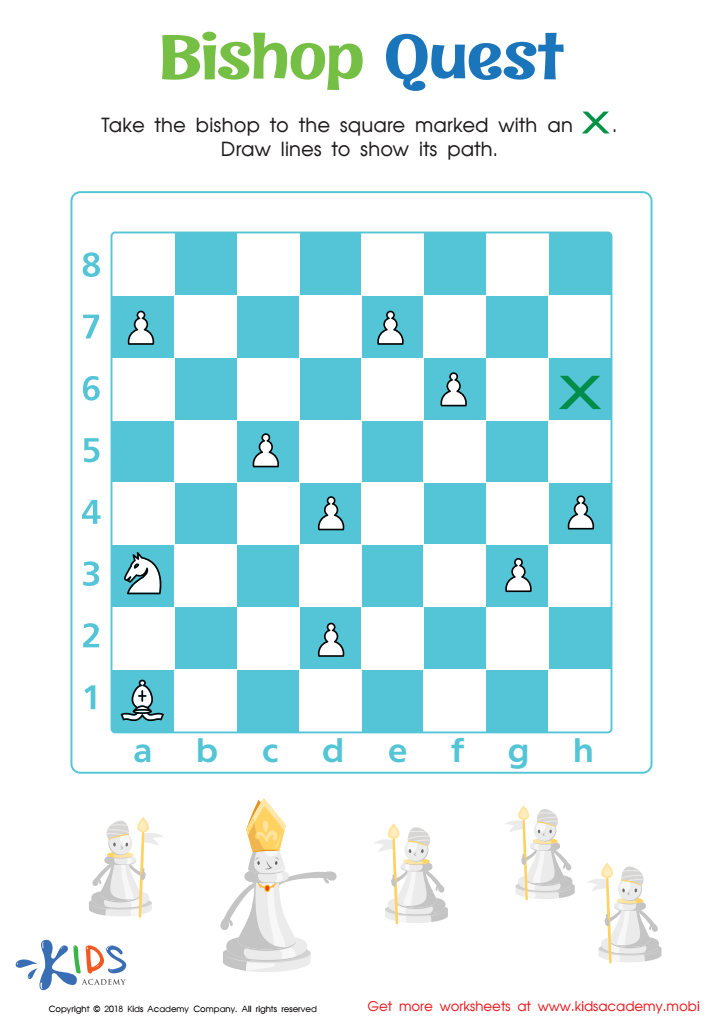
Bishop Quest Worksheet
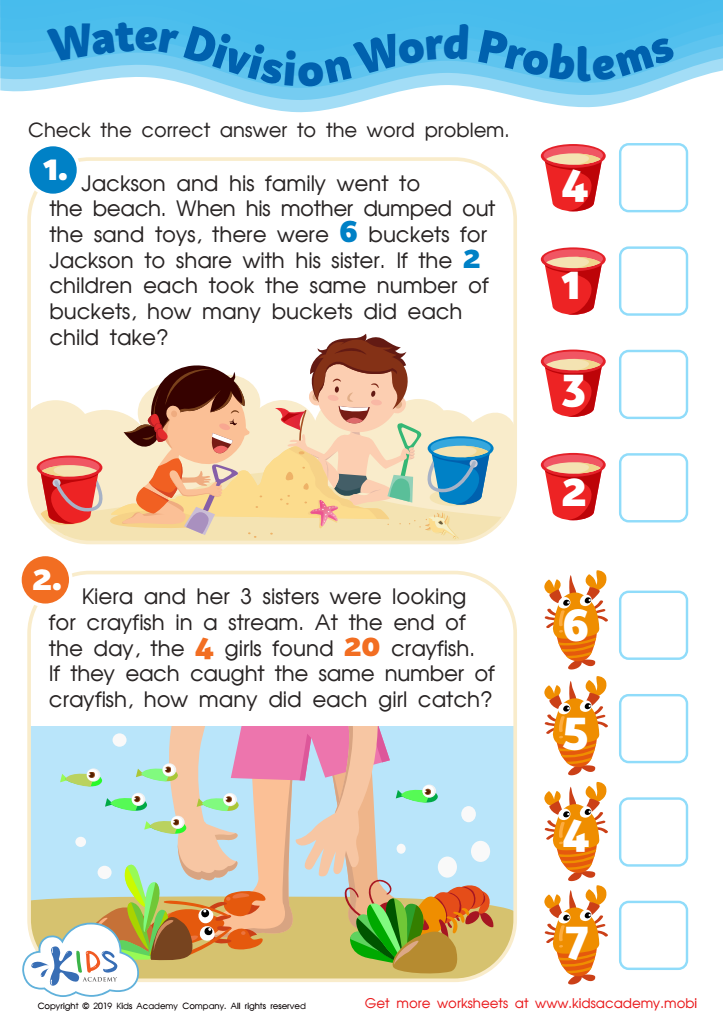
Water Division Word Problems Worksheet
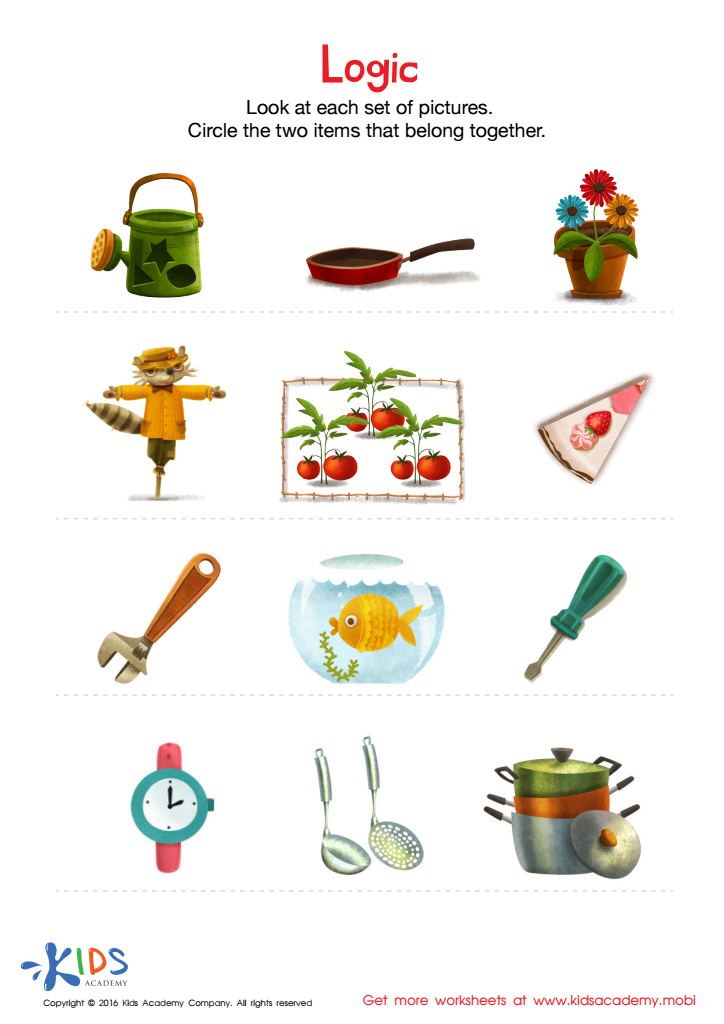
Logic Game Sorting Worksheet
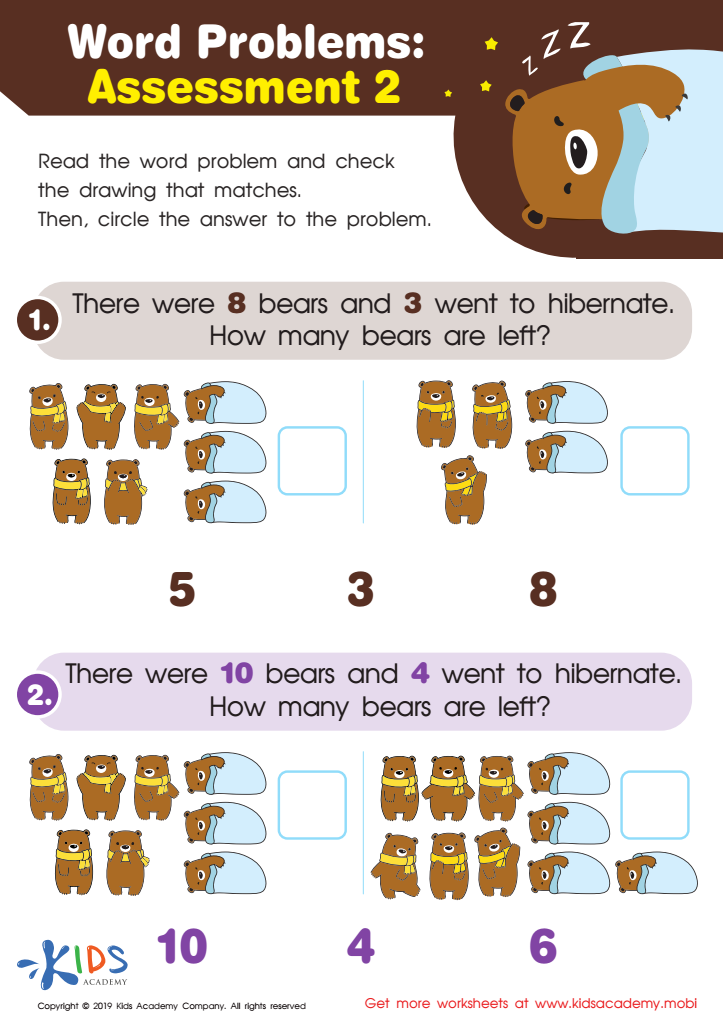
Word Problems: Assessment 2 Worksheet
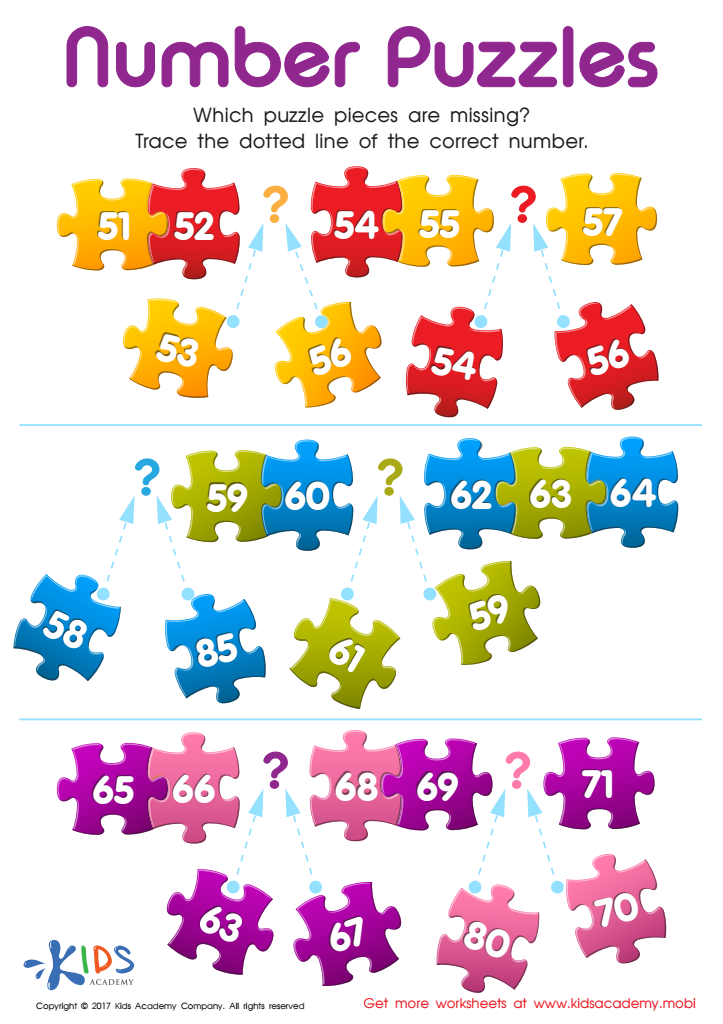
Number Puzzles Worksheet
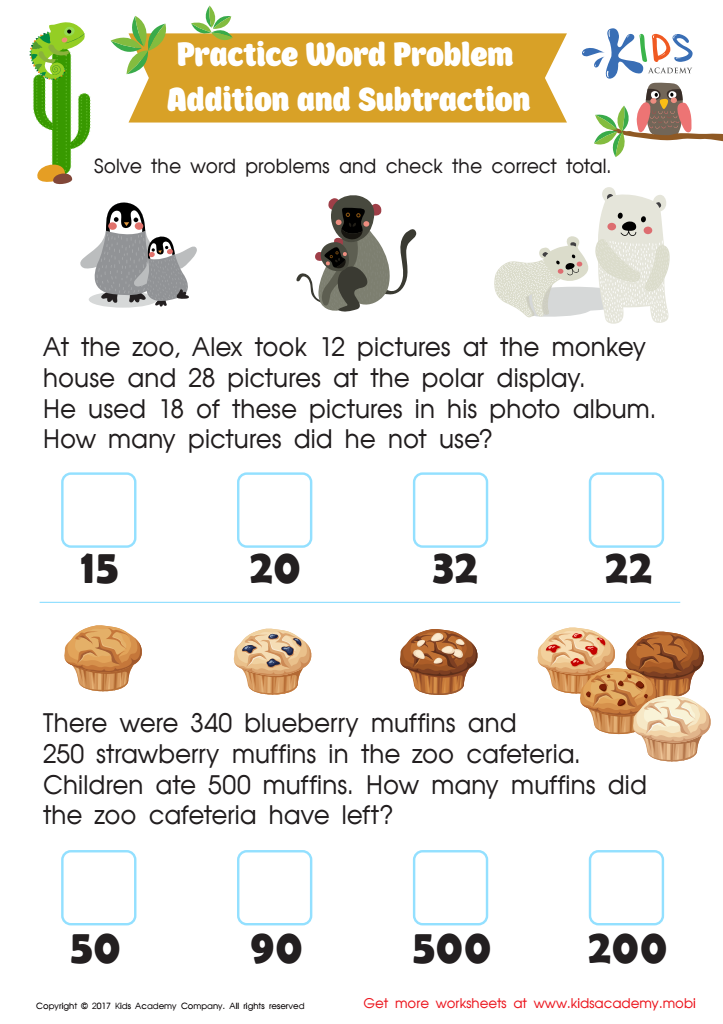
Addition and Subtraction: Word Problems Worksheet
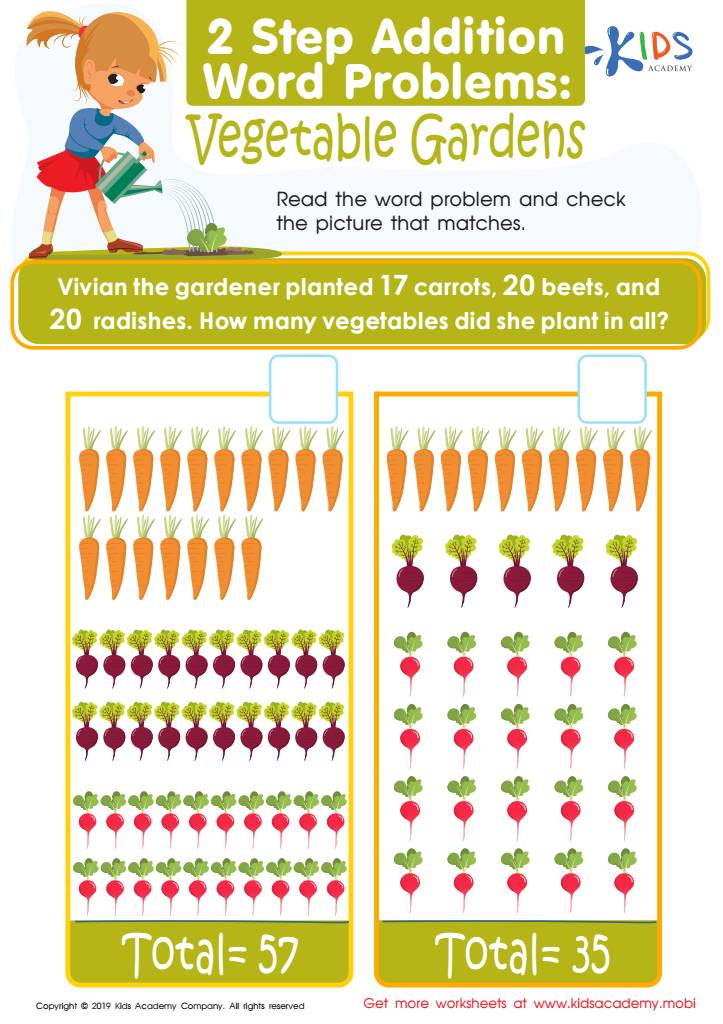
Vegetable Gardens Worksheet
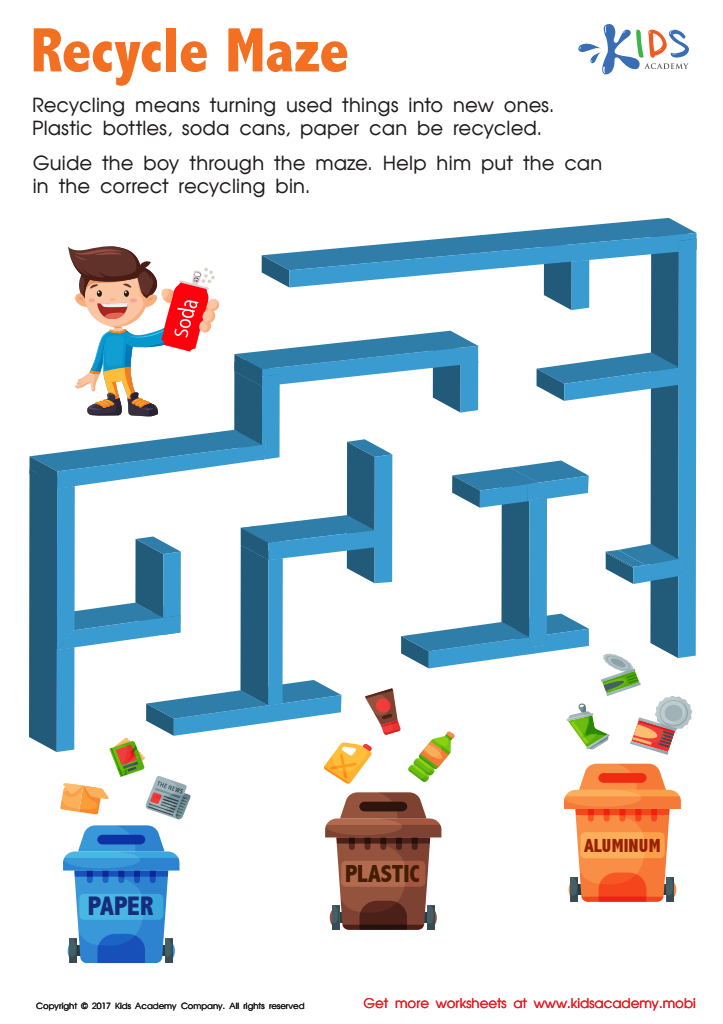
Recycle Maze Worksheet
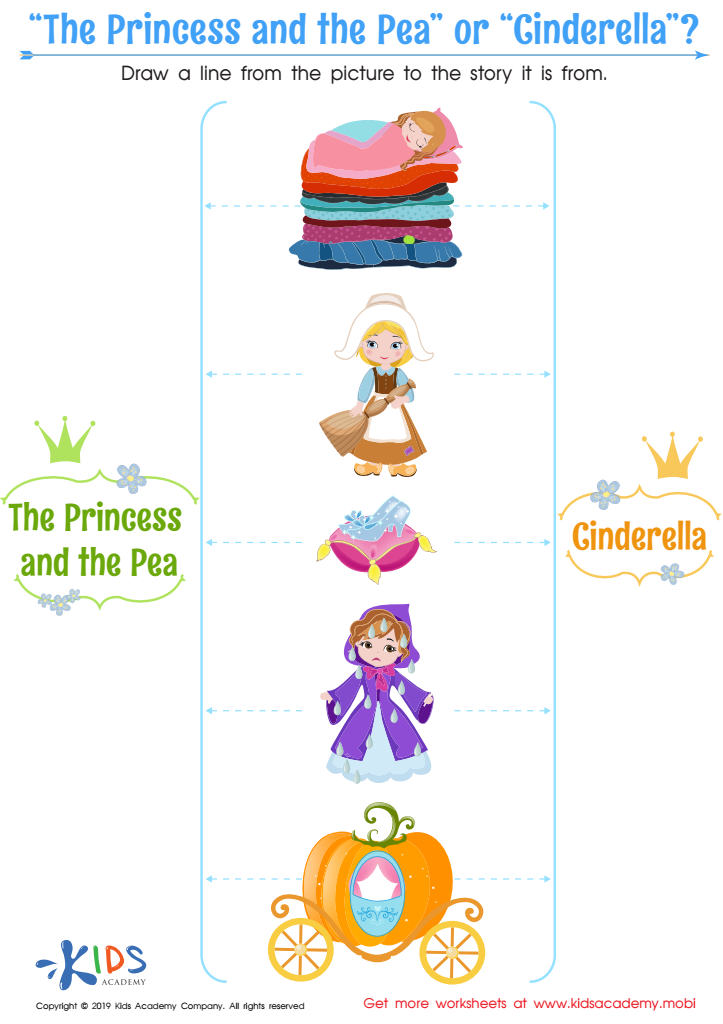
“The Princess and the Pea” or “Cinderella” Worksheet
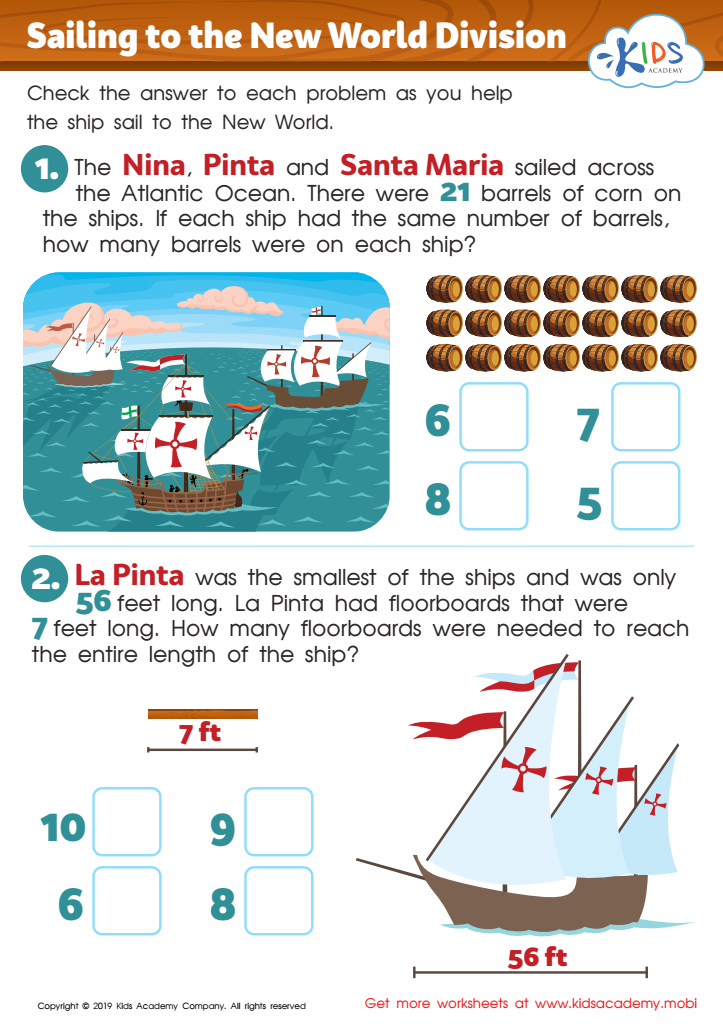
Sailing to the New World Division Worksheet

Towns Worksheet
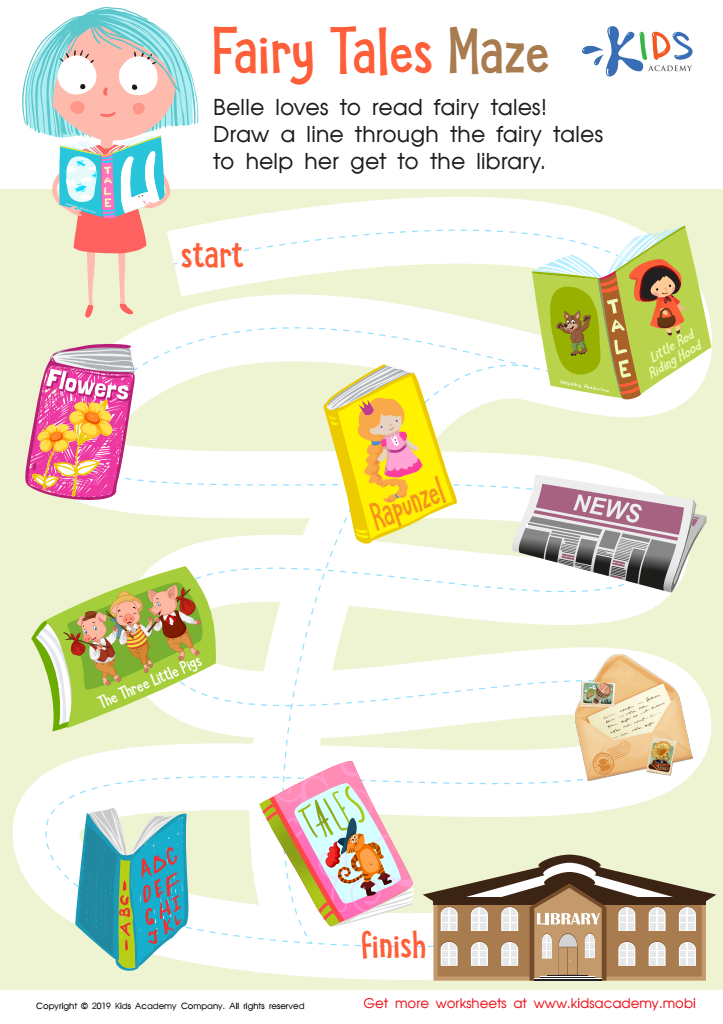
Fairy Tales Maze Worksheet








Problem-solving skills are crucial for children aged 4-5, as this stage of development lays the foundation for critical thinking and independence. Parents and teachers should prioritize these skills because they enable children to navigate everyday challenges, from simple puzzles to social interactions with peers.
At this age, children are naturally curious and eager to explore their environment. Engaging in problem-solving tasks encourages creativity and resourcefulness. Parents and teachers can foster these skills through play, storytelling, and cooperative activities that require children to think, brainstorm, and share ideas. This collaborative spirit not only builds problem-solving abilities but also enhances communication and social skills.
Furthermore, strong problem-solving skills contribute to a child’s self-esteem and confidence. When children overcome challenges, they develop a sense of achievement, motivating them to tackle more complex tasks in the future.
As they progress in their education, these foundational skills become integral to academic success, shaping their approach to learning and critical thinking throughout their lives. Ultimately, fostering problem-solving skills in early childhood not only prepares children for school but also equips them with essential tools for facing life's challenges in a supportive, empowering manner.








