Counting skills Normal Worksheets for Ages 4-7 - Page 2
104 filtered results
-
From - To
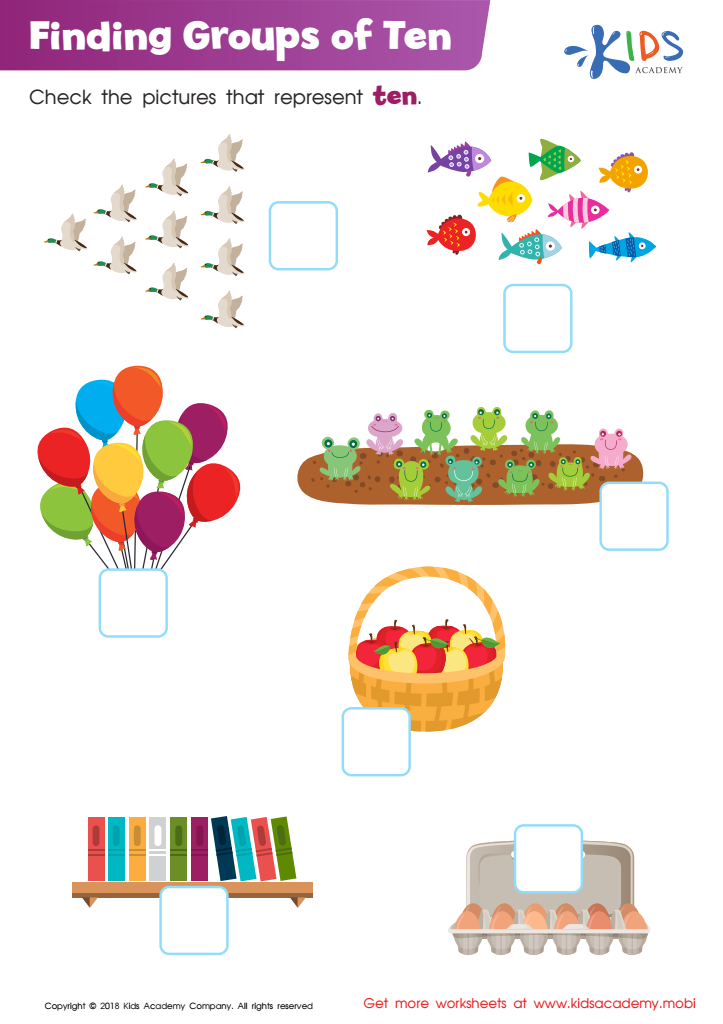
Finding Groups of Ten Worksheet
 Assign to My Students
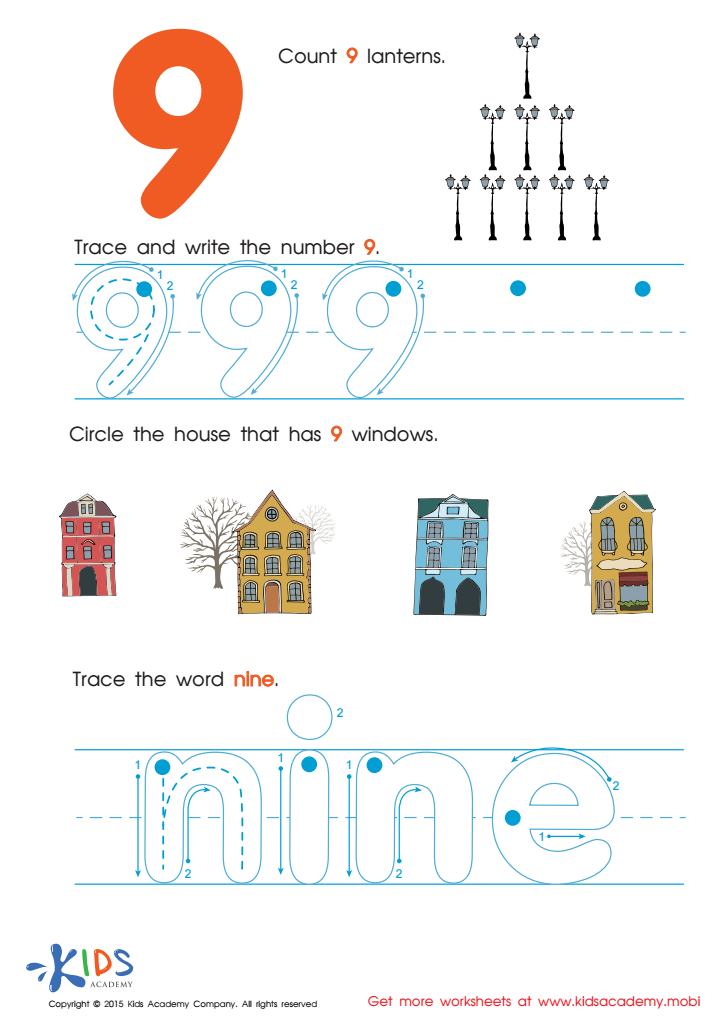
Tracing And Learning to Write Number 9 Worksheet
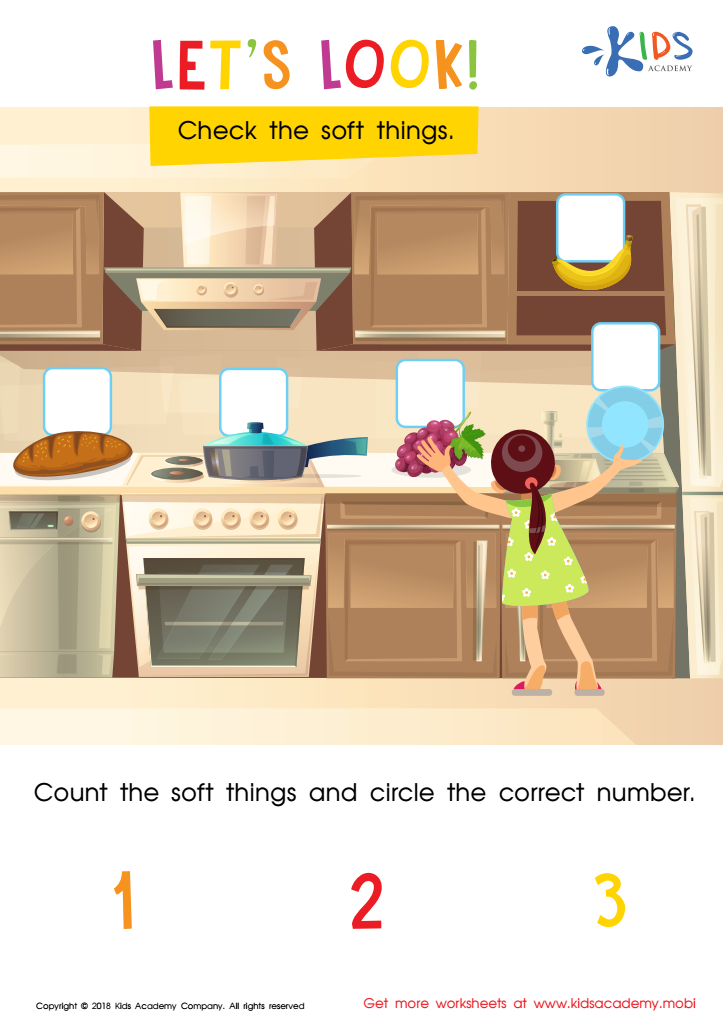
Let's Look! Assessment Worksheet
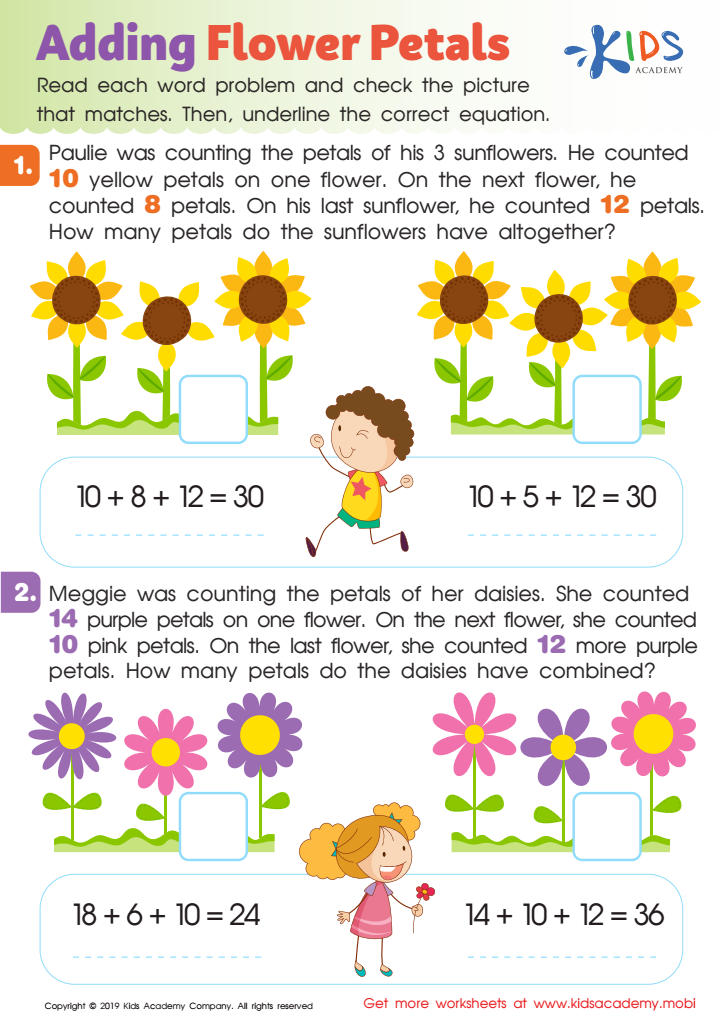
Adding Flower Petals Worksheet
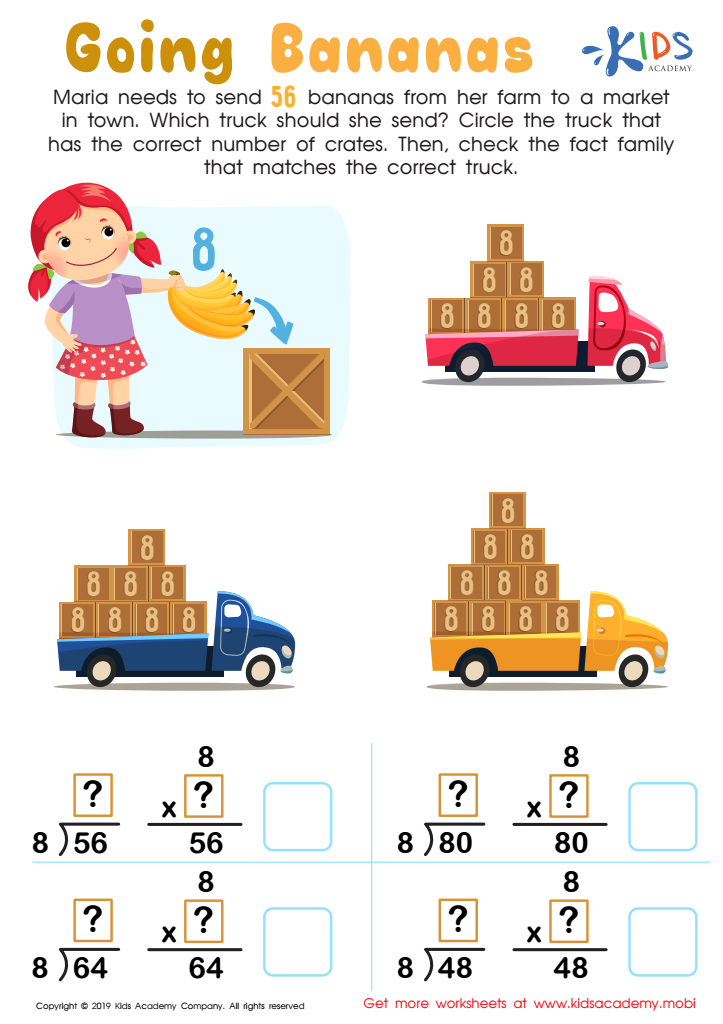
Going Bananas Worksheet
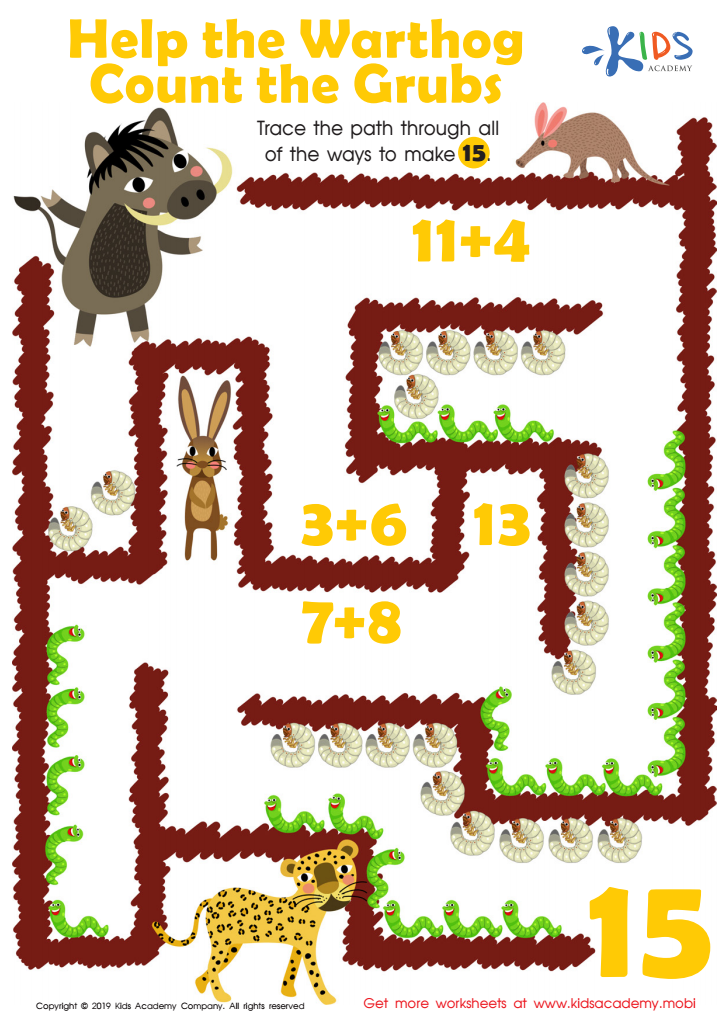
Help the Warthog Count the Grubs Worksheet
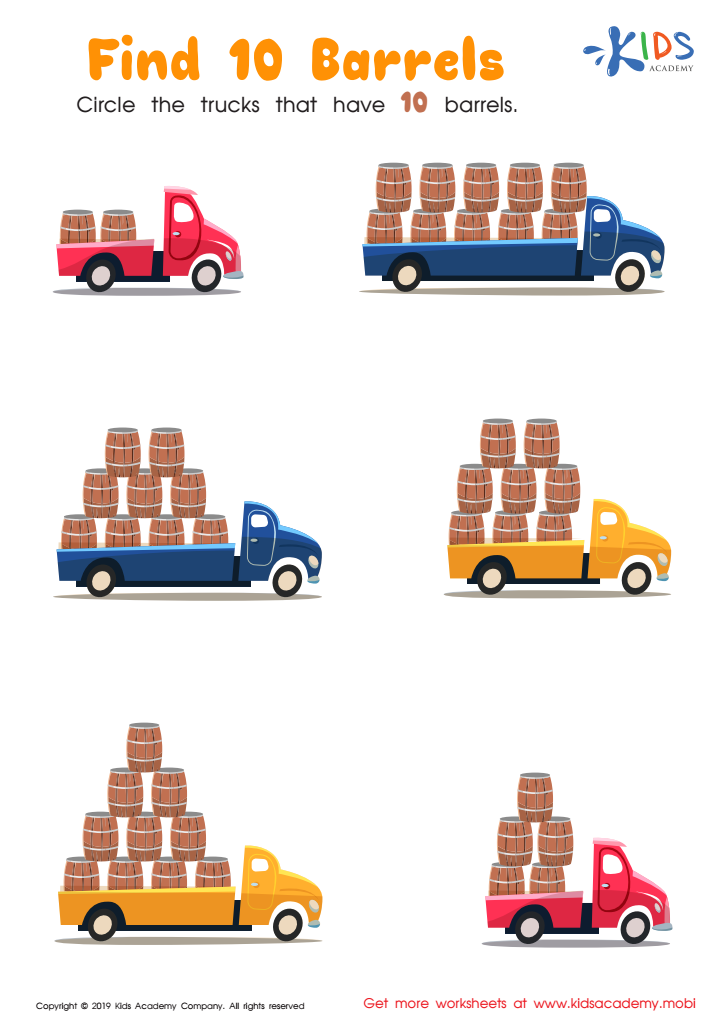
Find 10 Barrels Worksheet
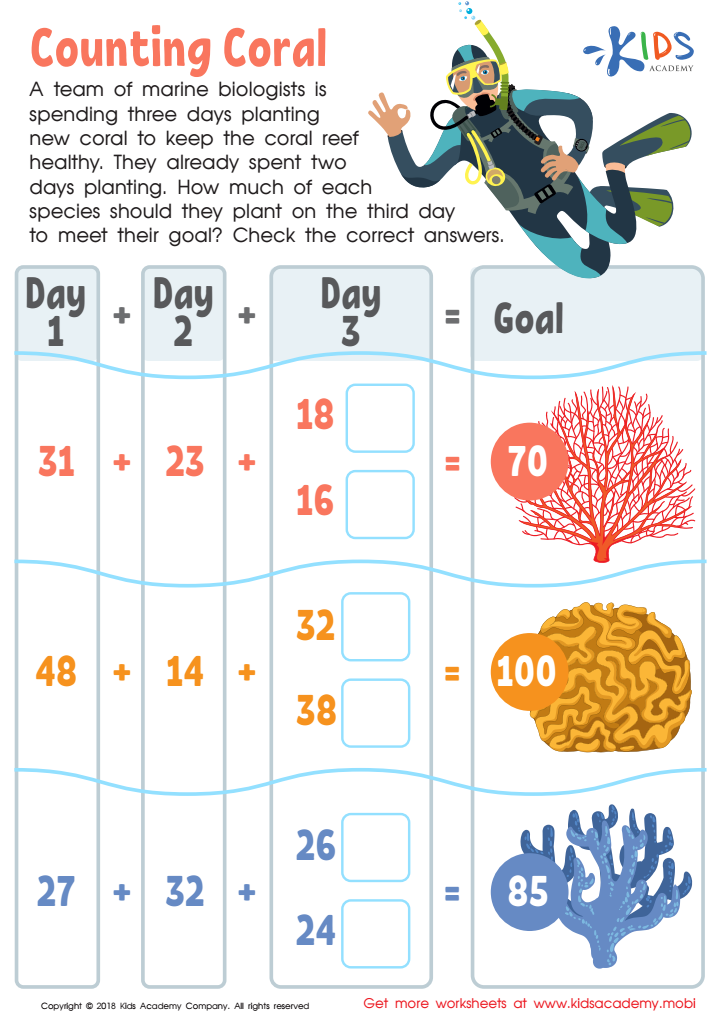
Counting Coral Worksheet
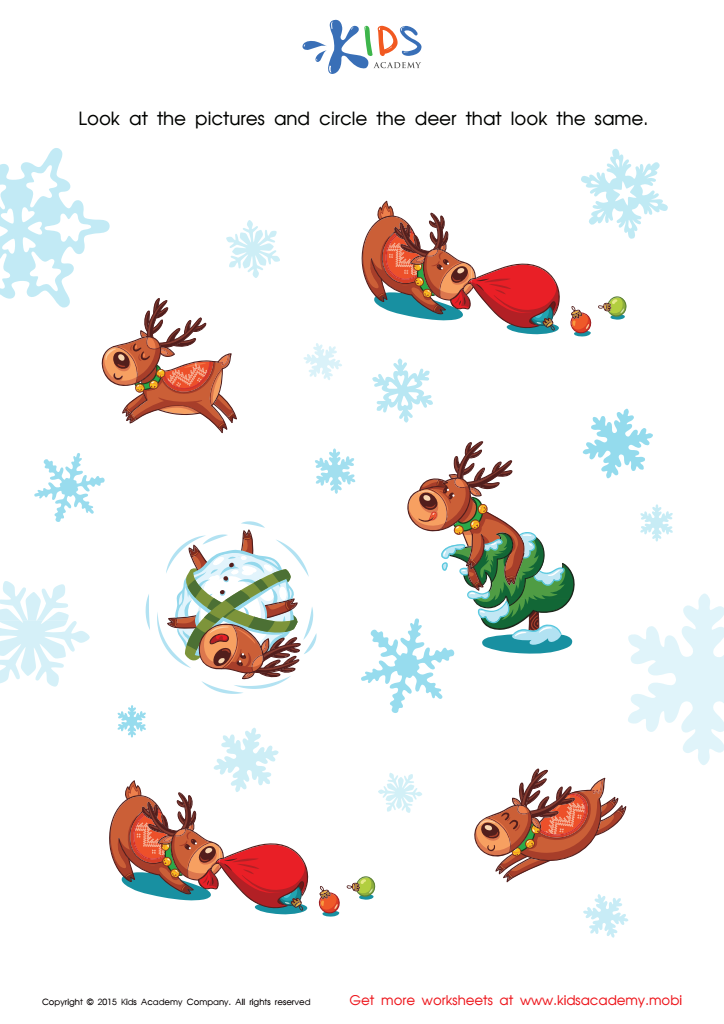
Count the Deer Worksheet
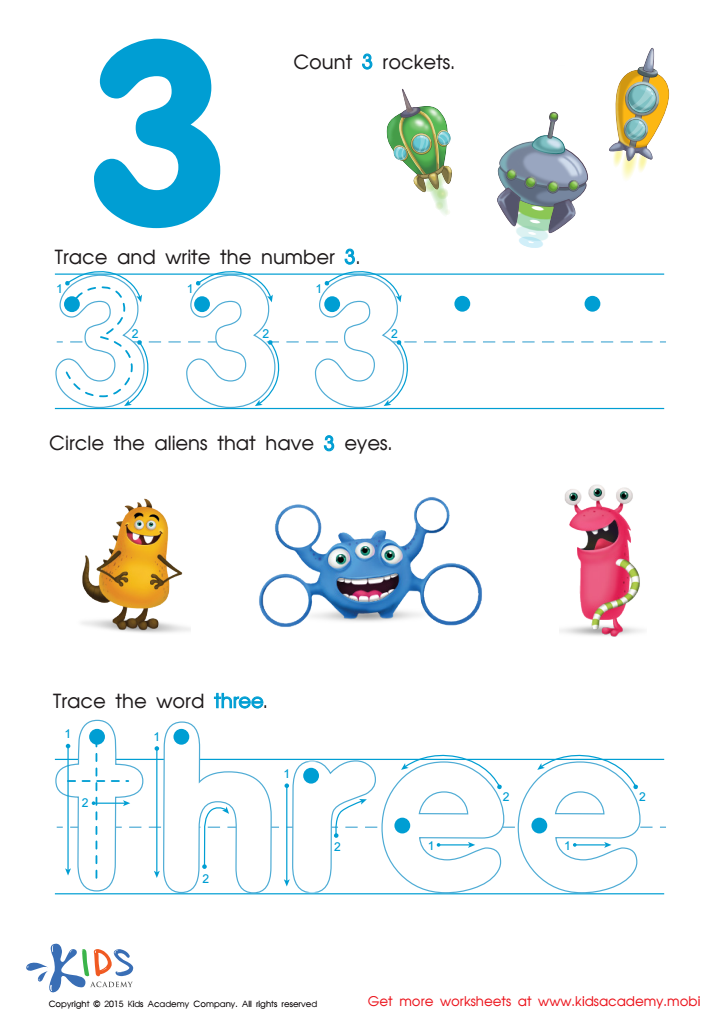
Learning Number Three Worksheet
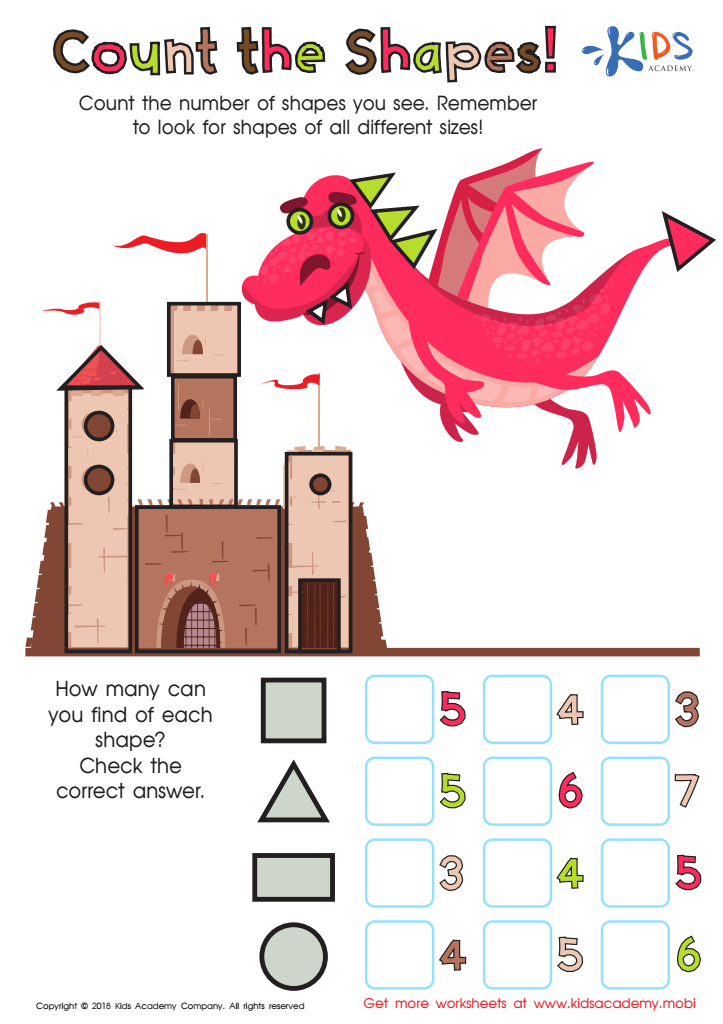
Count the Shapes Worksheet
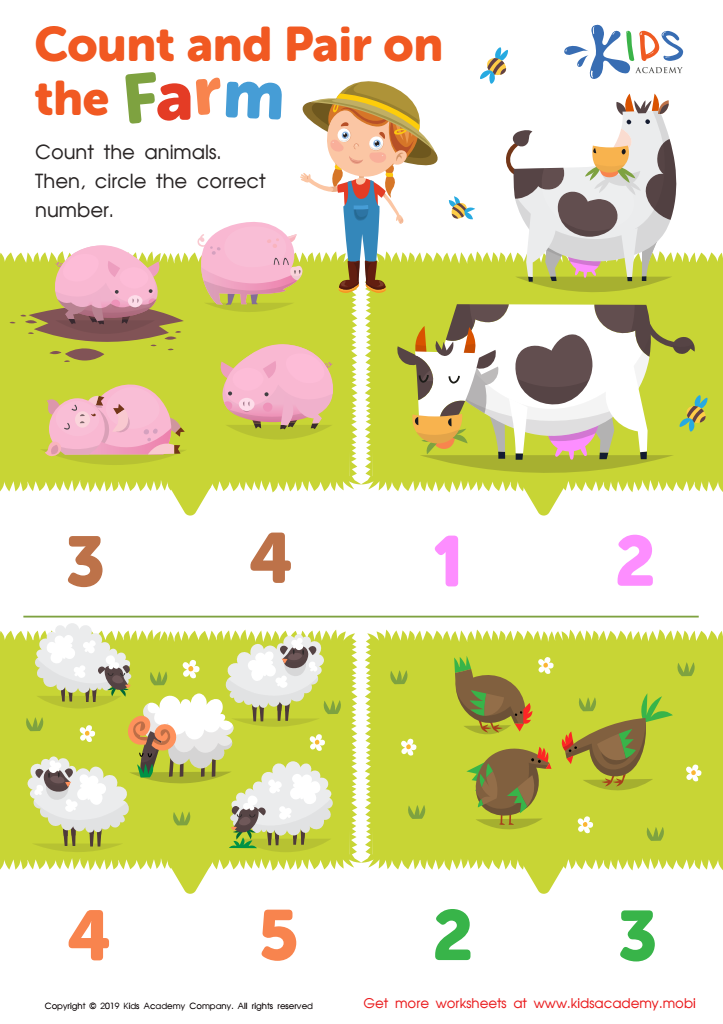
Count and Pair on the Farm Worksheet
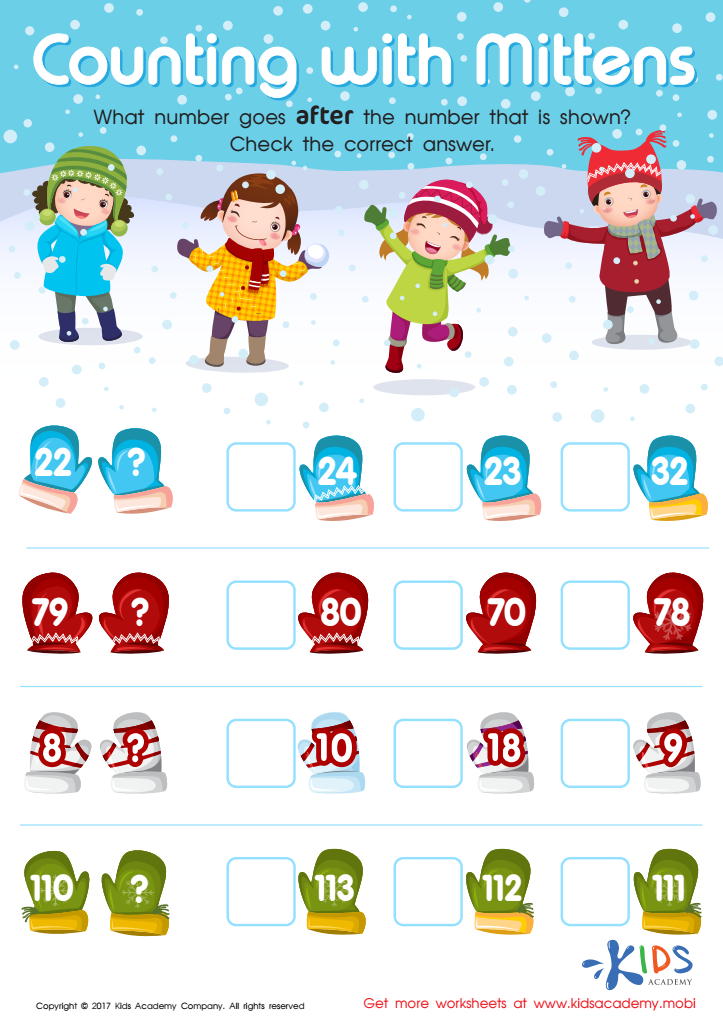
Counting with Mittens Worksheet
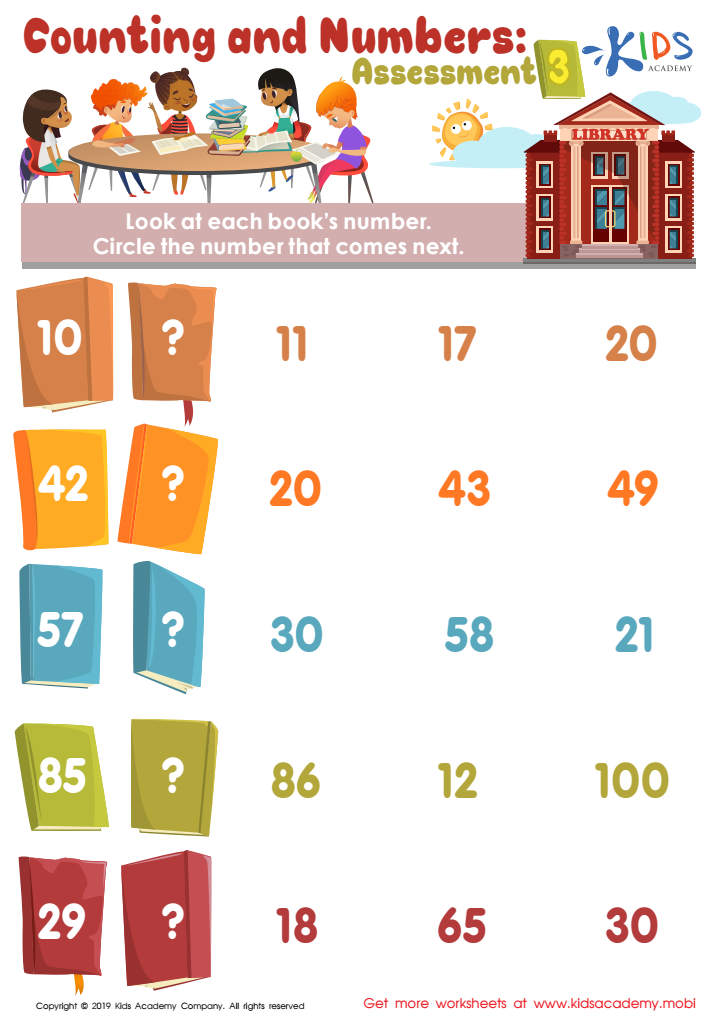
Counting and Numbers: Assessment Worksheet
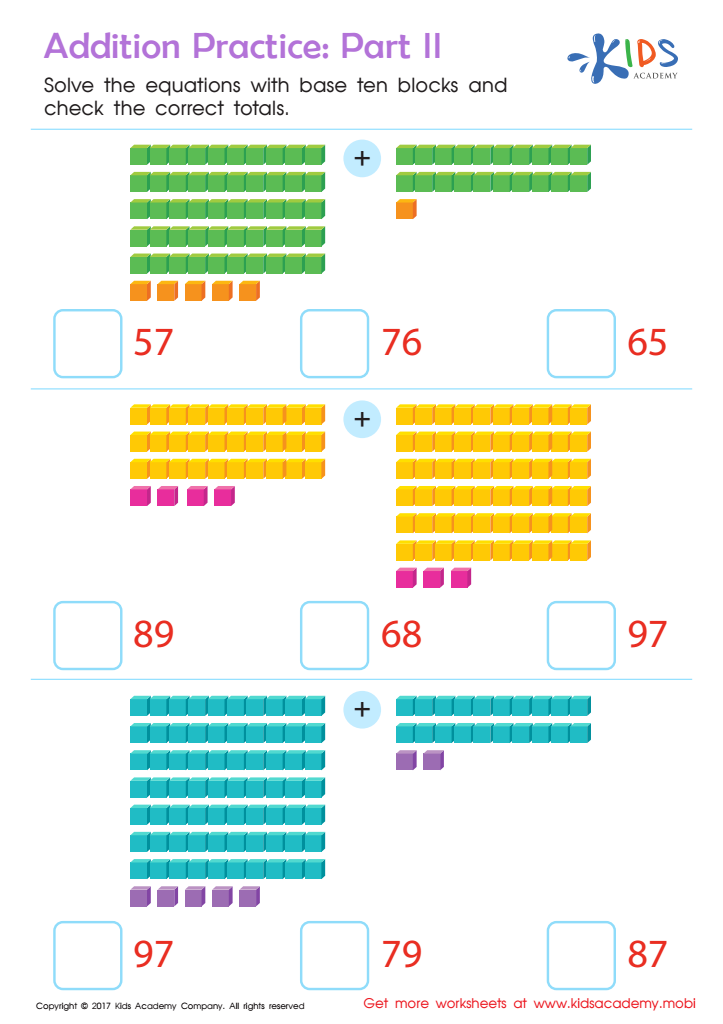
Addition Practice Sheet: Part 2
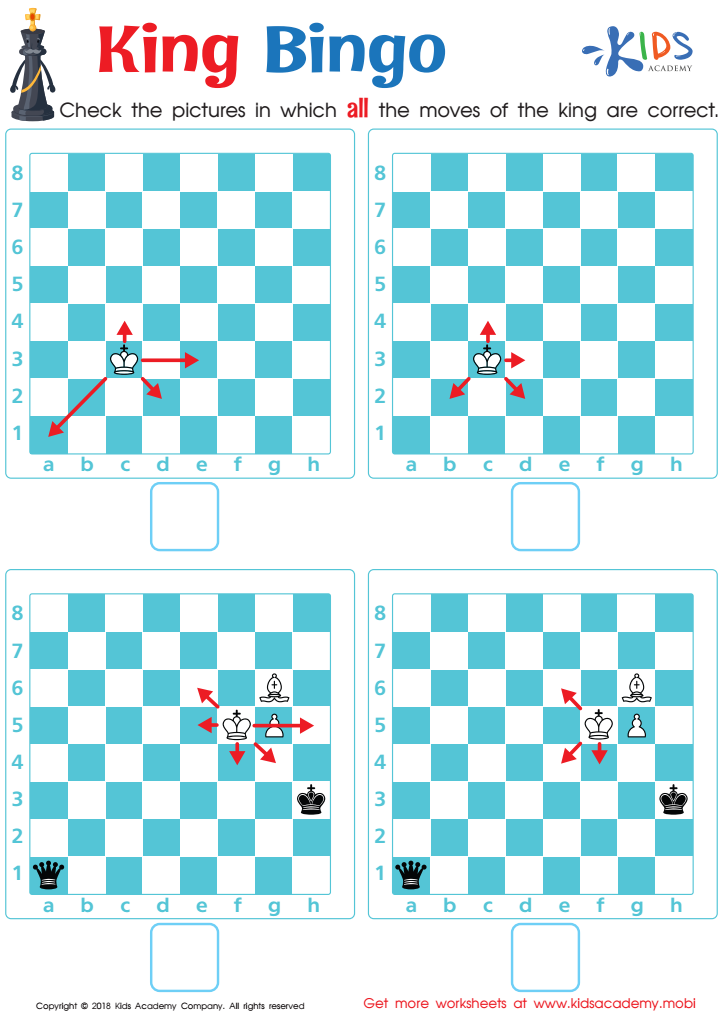
King Bingo Worksheet
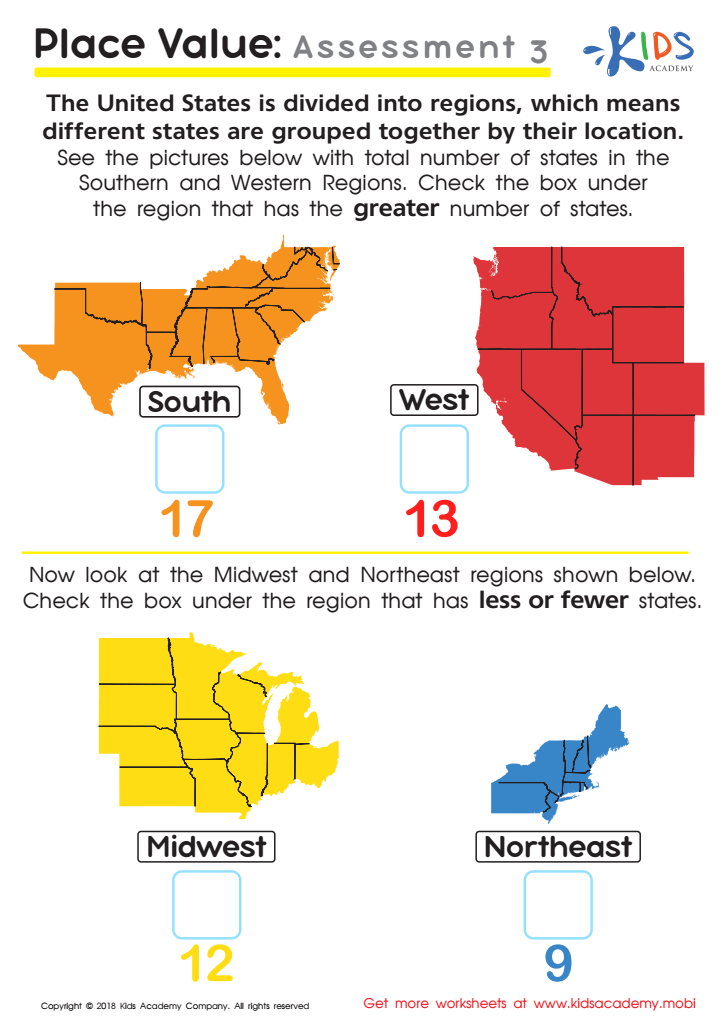
Place Value: Assessment 3 Worksheet
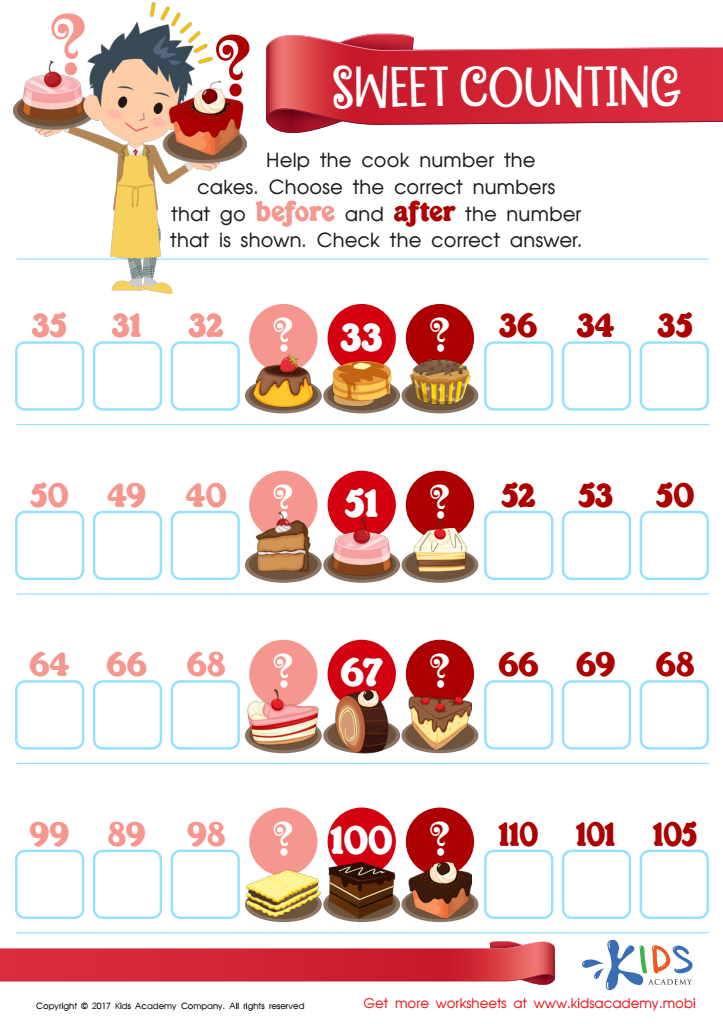
Sweet Counting - Part 1 Worksheet
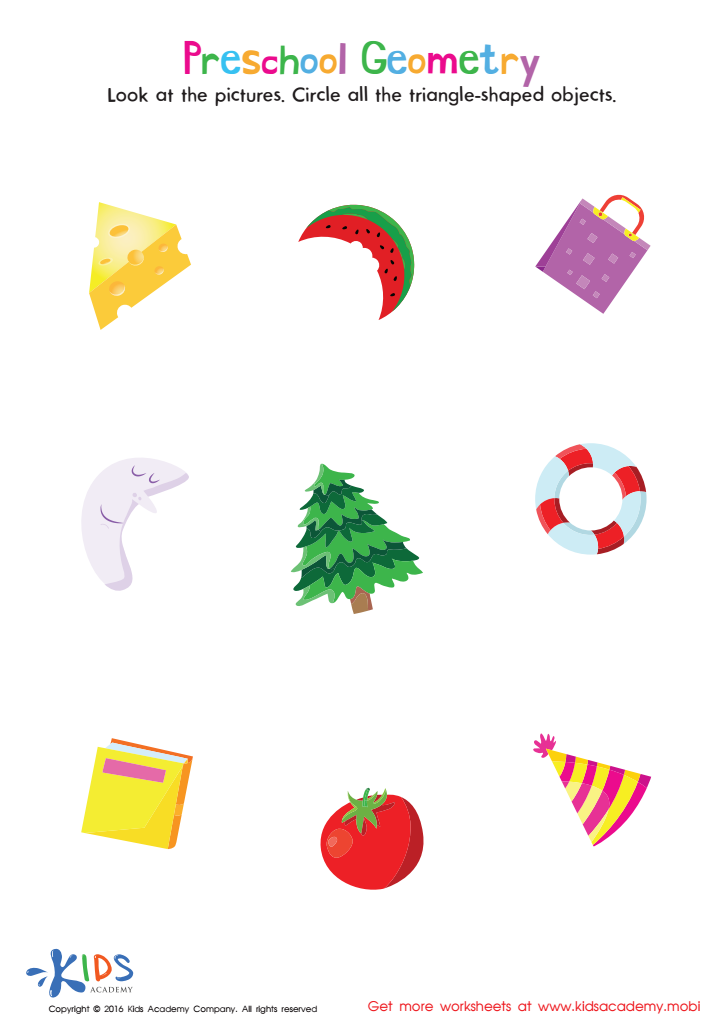
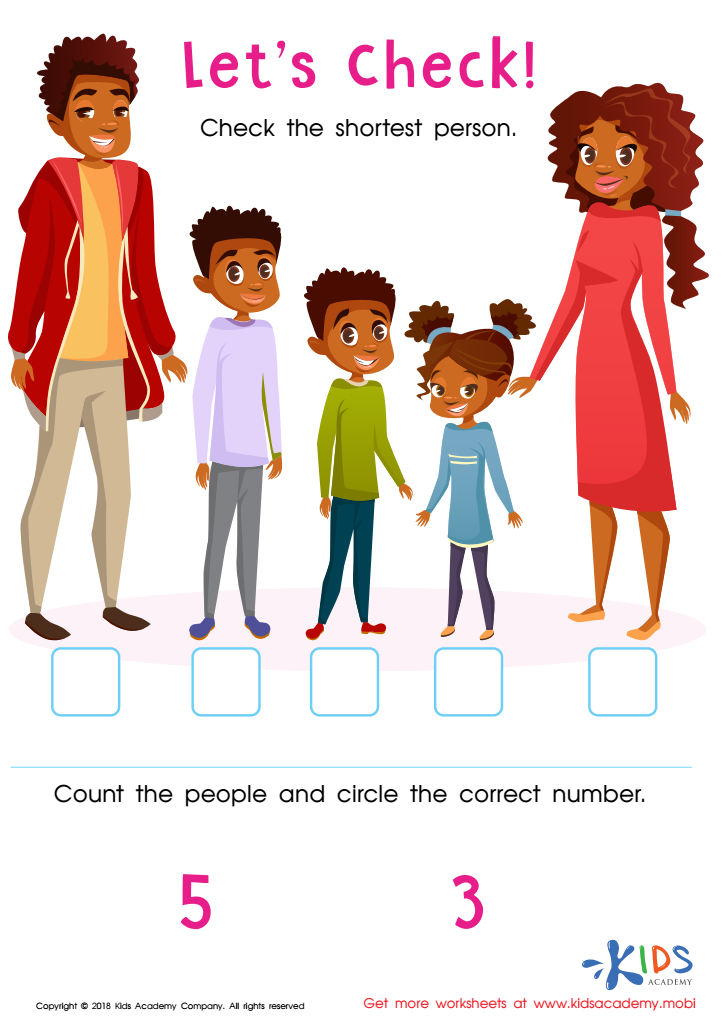
Let's Check! Assessment Worksheet
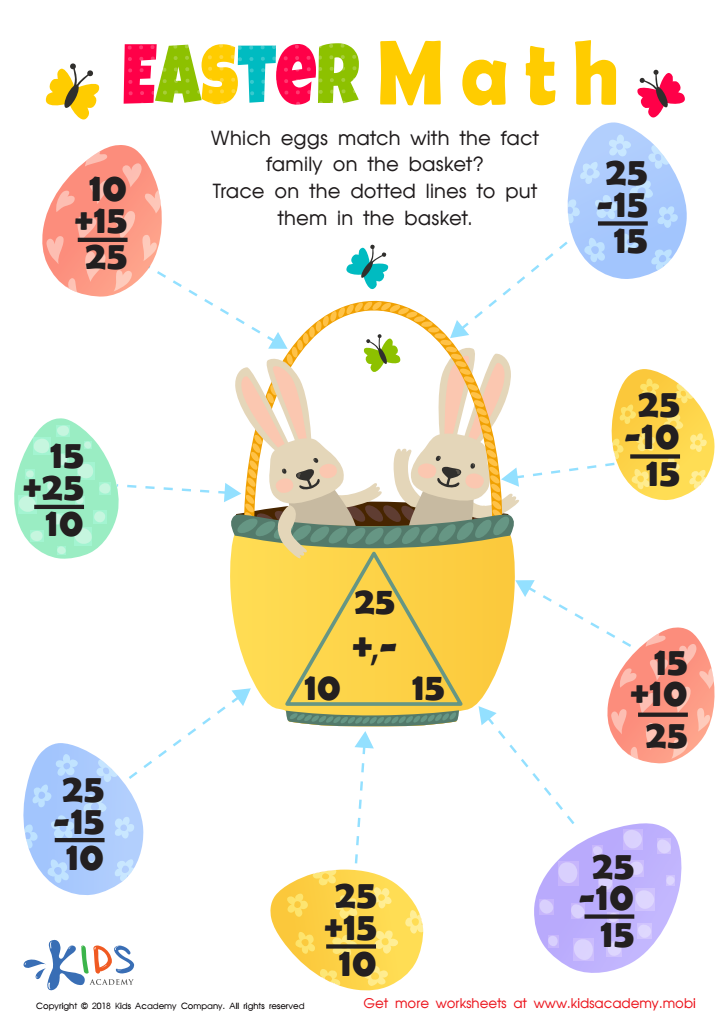
Fact Families: Easter Math Worksheet
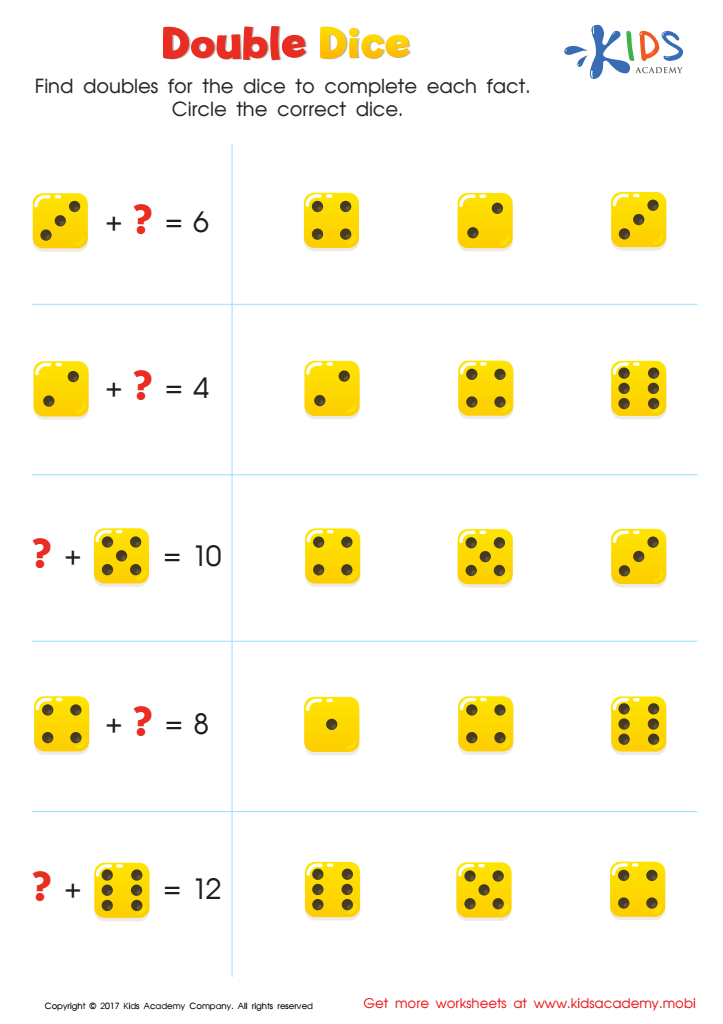
Addition Facts: Double Dice Worksheet
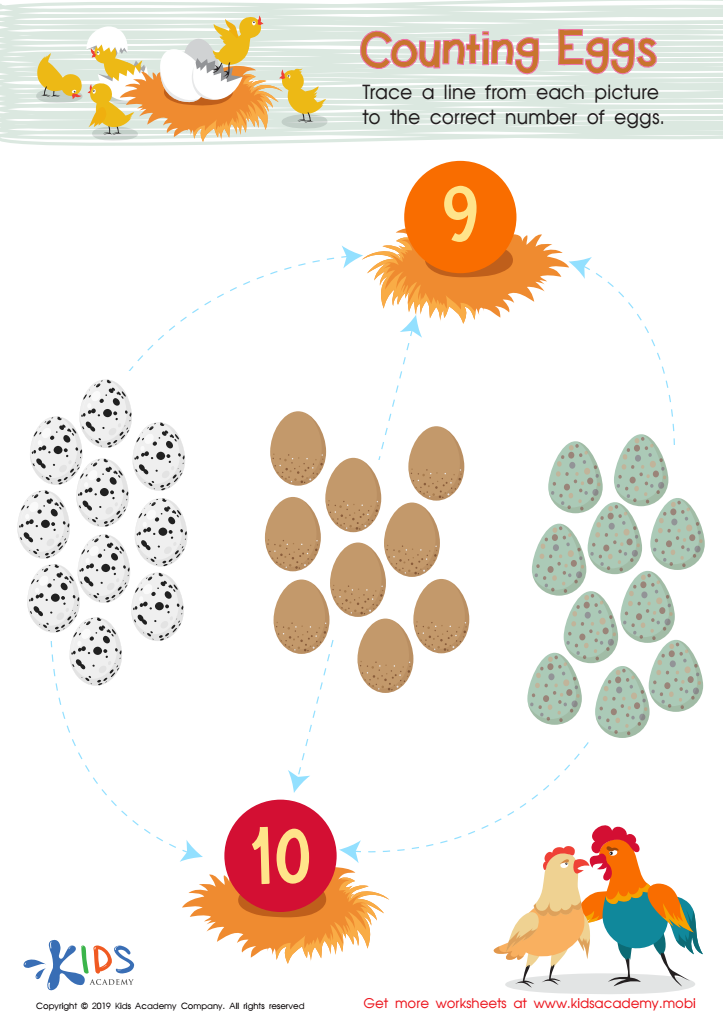
Counting Eggs Worksheet





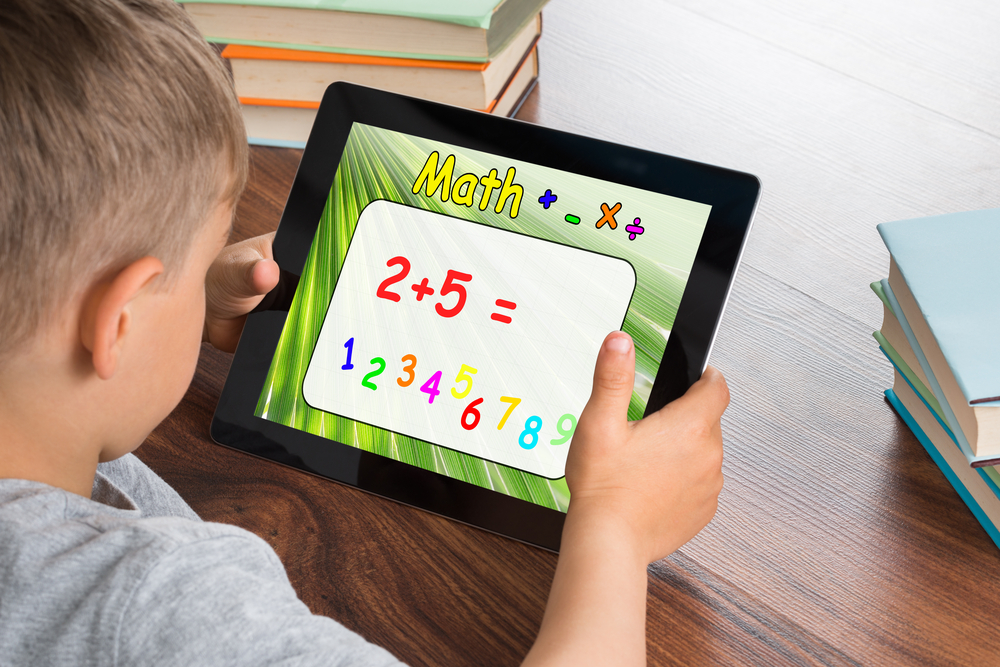
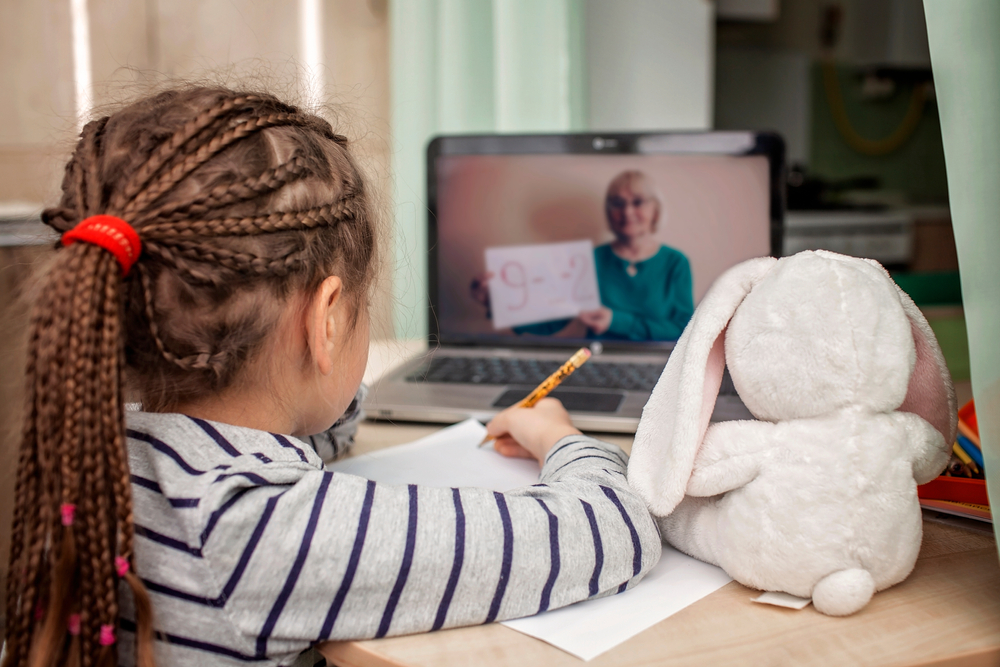

Counting skills in children aged 4-7 are foundational for their early mathematical development and overall cognitive growth. At this critical stage, children begin to understand numbers, order, and fundamental math concepts, which are essential building blocks for more complex problem-solving skills they will encounter throughout their education.
Parents and teachers should prioritize counting skills because it fosters a child's ability to recognize patterns and sequences, understand quantity and make comparisons. For example, knowing the difference between more and less is a basic skill that is used not only in math but also in everyday decision-making.
Additionally, fluency in counting helps young children develop logical and critical thinking abilities. Through counting exercises, children learn how to process information sequentially and improve their memory and concentration. It can instill a sense of accomplishment and confidence, providing positive reinforcement that encourages further learning and curiosity.
Moreover, early counting skills are often predictive of later academic achievement. Children who master counting are generally better prepared for school, exhibiting readiness for subjects beyond mathematics, including reading the time, measuring ingredients in recipes, or even organizing their toys. Thus, fostering these skills lays a solid educational foundation that supports future learning and personal growth.








