Normal 2D Shapes Worksheets for Ages 4-7 - Page 2
32 filtered results
-
From - To
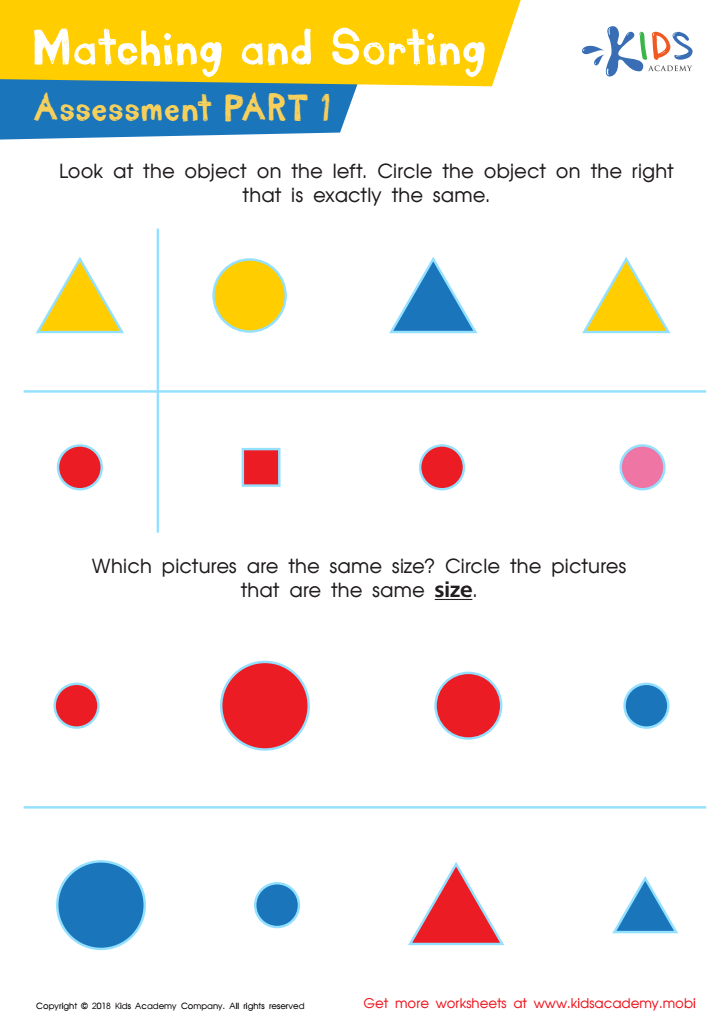
Matching and Sorting for Kindergarten: Assessment 1 Worksheet
 Assign to My Students











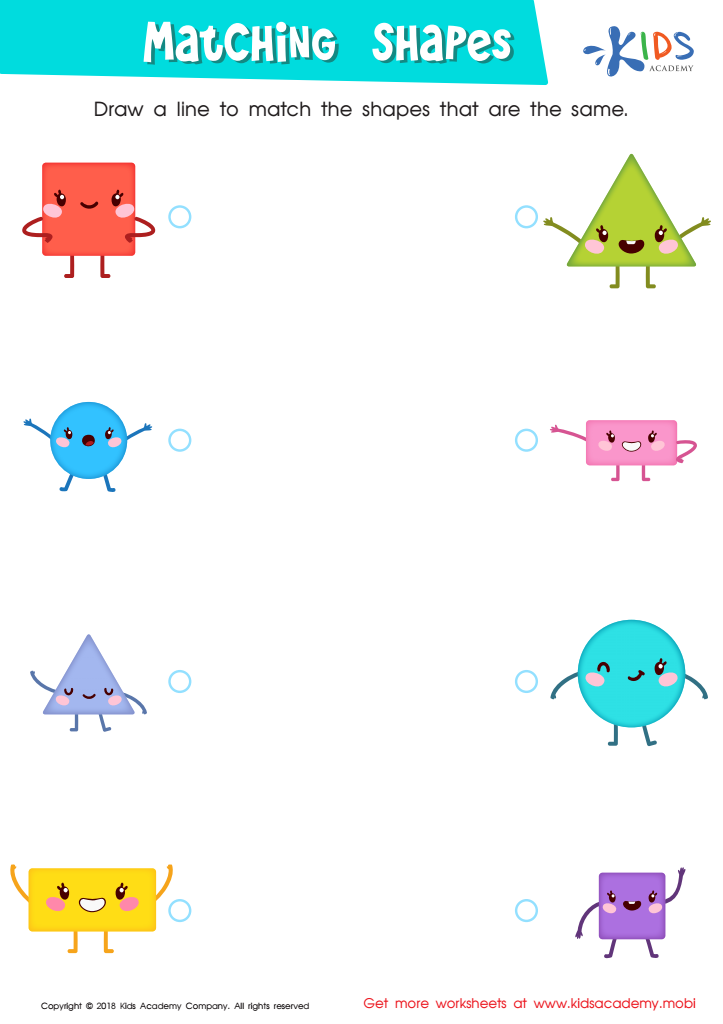
Matching Shapes Worksheet
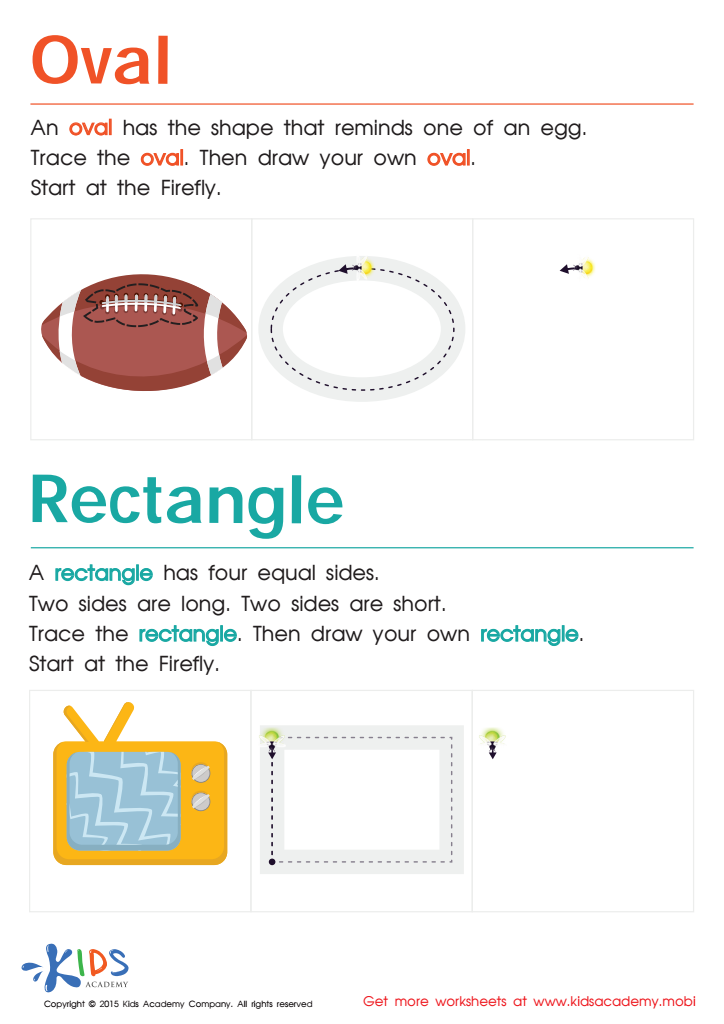
Easy Drawing of Ovals And Rectangles Worksheet
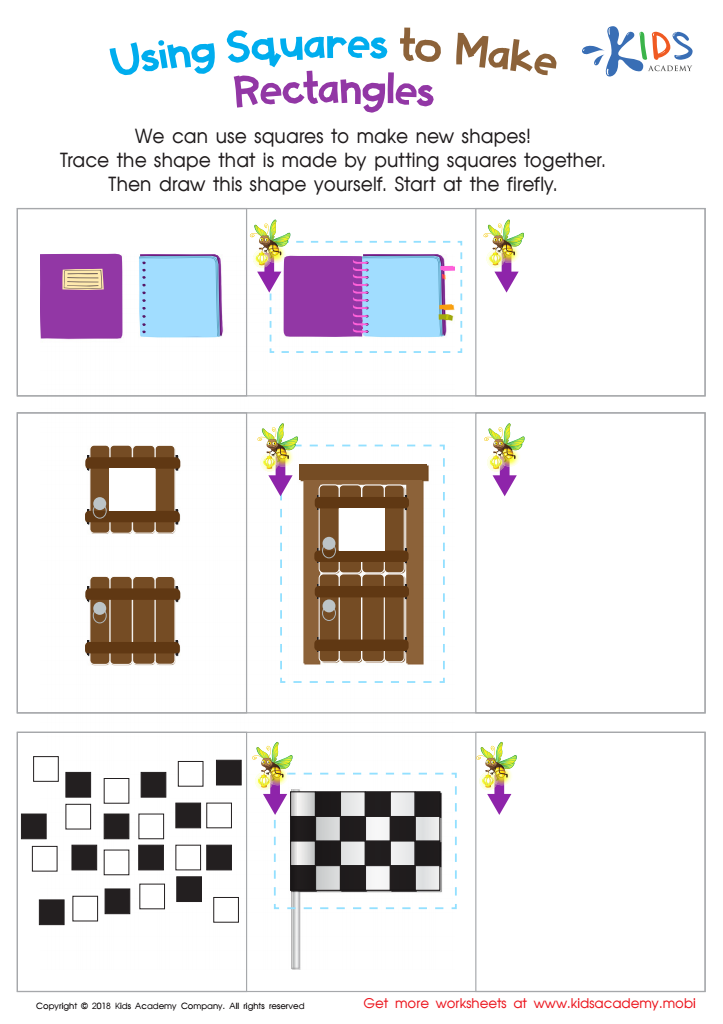
Using Squares to Make Rectangles Worksheet
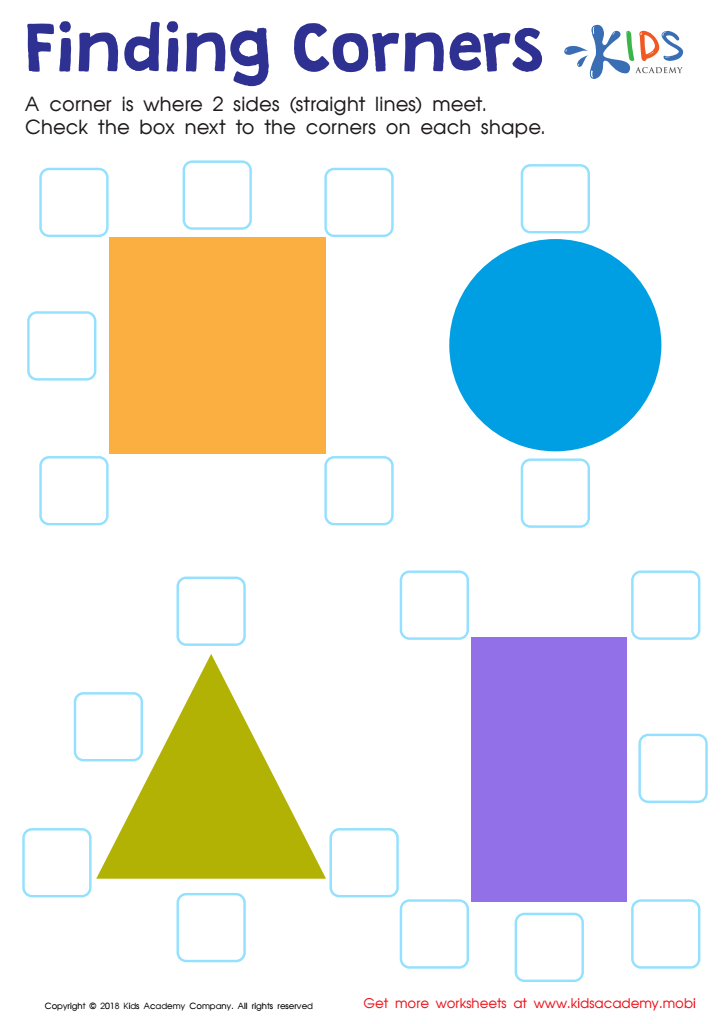
Finding Corners Worksheet
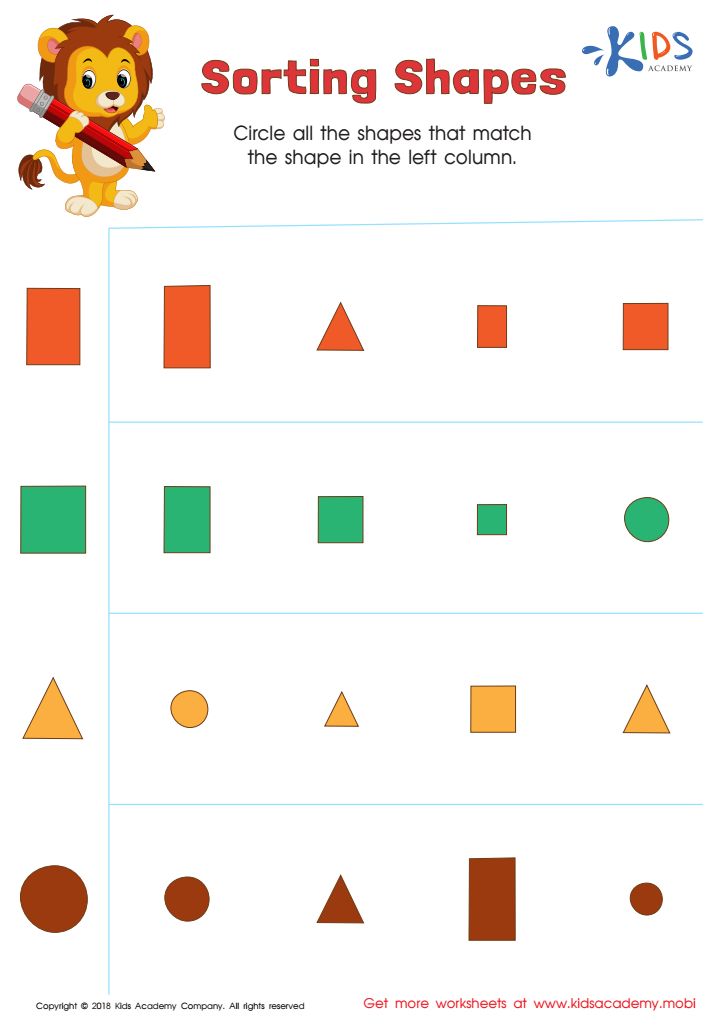
Sorting Shapes - Part 2 Worksheet
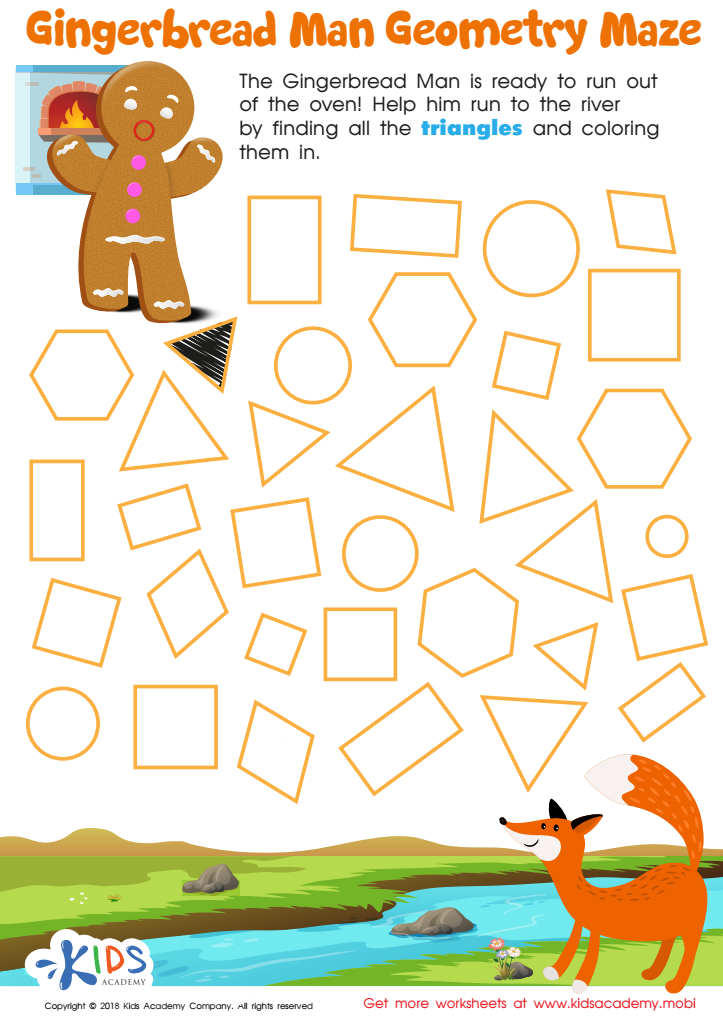
Gingerbread Man Geometry Maze Worksheet
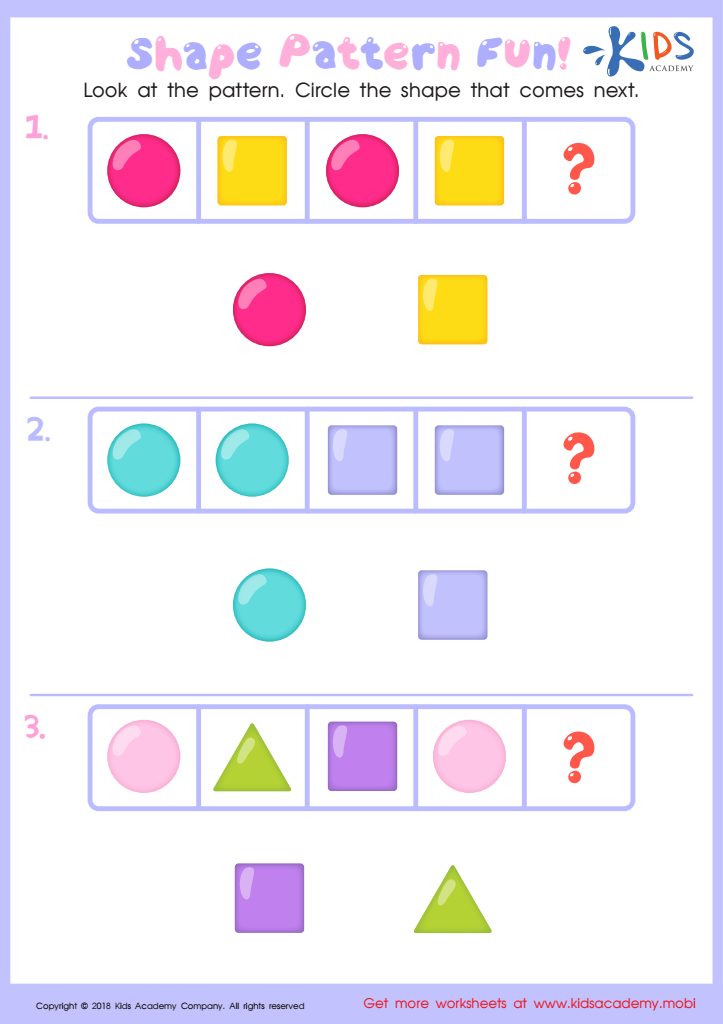
Shape Pattern Fun Worksheet








Understanding normal 2D shapes is essential for children aged 4-7 as it lays the foundation for their mathematical comprehension and spatial awareness. First, learning about basic shapes—such as squares, circles, triangles, and rectangles—enhances children's critical thinking and problem-solving skills. Recognizing and categorizing these shapes enable them to make connections and evaluate their environments more effectively.
Moreover, comprehension of 2D shapes promotes early literacy skills. As children learn the names and characteristics of shapes, they build their vocabulary and improve their communication skills. This knowledge transfers to other disciplines, aiding in subjects like art and science where shape recognition is key.
Additionally, engaging with shapes through games and activities fosters creativity and fun learning experiences. Such engagement not only strengthens analytical skills but also encourages teamwork and collaboration when children work together.
Lastly, familiarity with shapes can bolster confidence as children progress to more complex mathematical concepts, such as geometry and measurement. By investing time in teaching normal 2D shapes, parents and teachers can facilitate holistic development and prepare children for future academic success. Therefore, prioritizing this foundational knowledge can lead to a more enriched learning journey.