Normal Worksheets for Ages 4-8 - Page 69
1722 filtered results
-
From - To
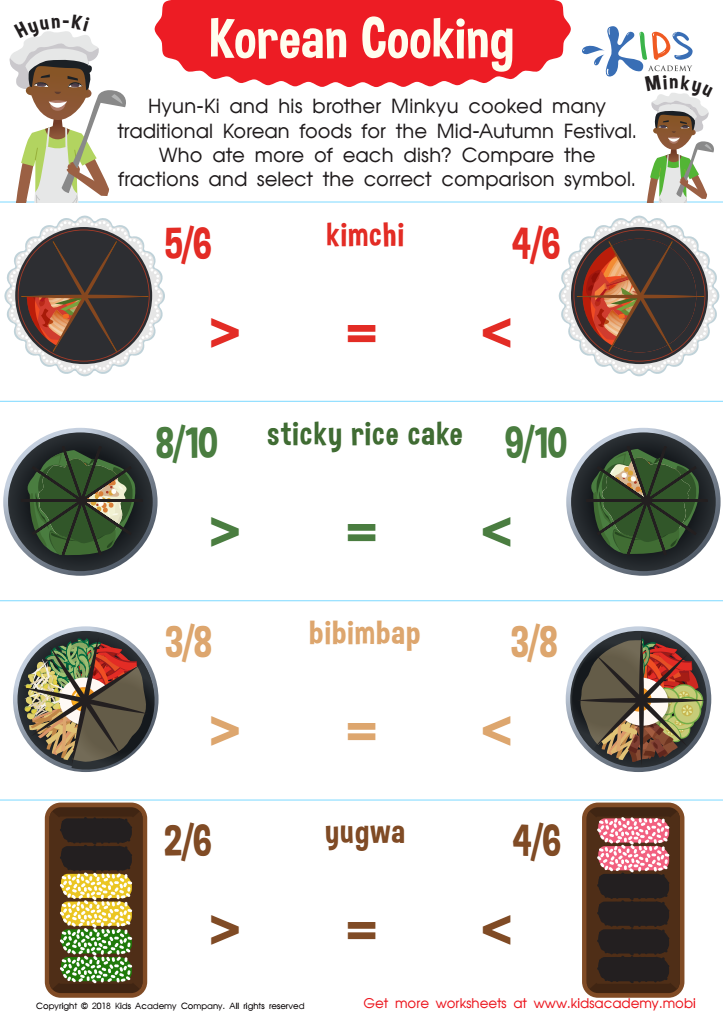
Korean Cooking Worksheet
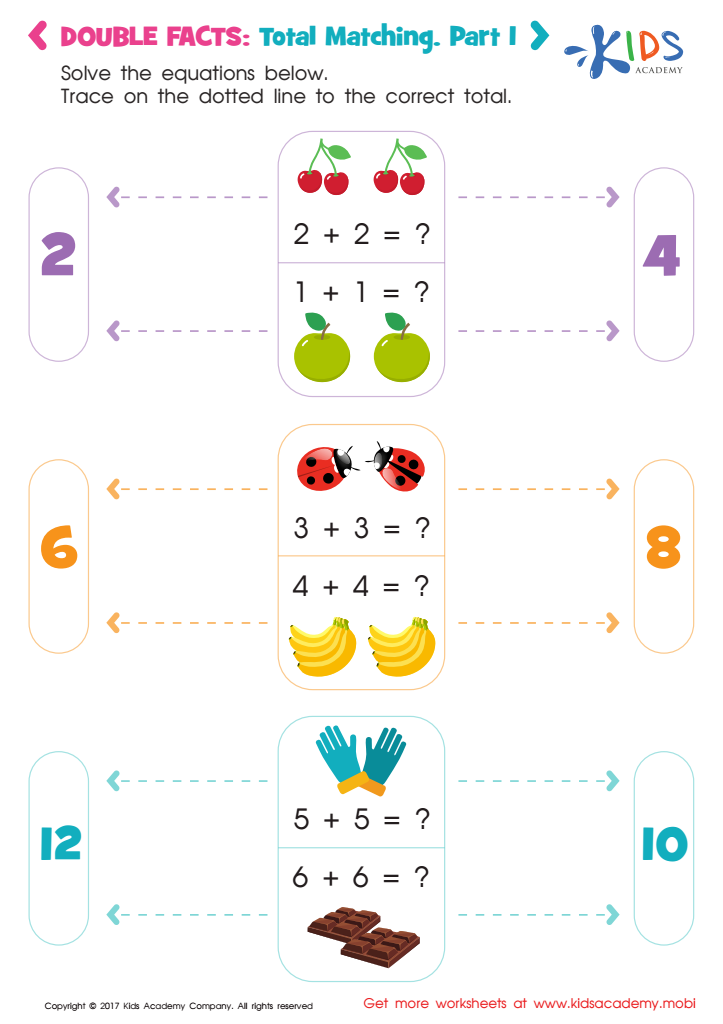
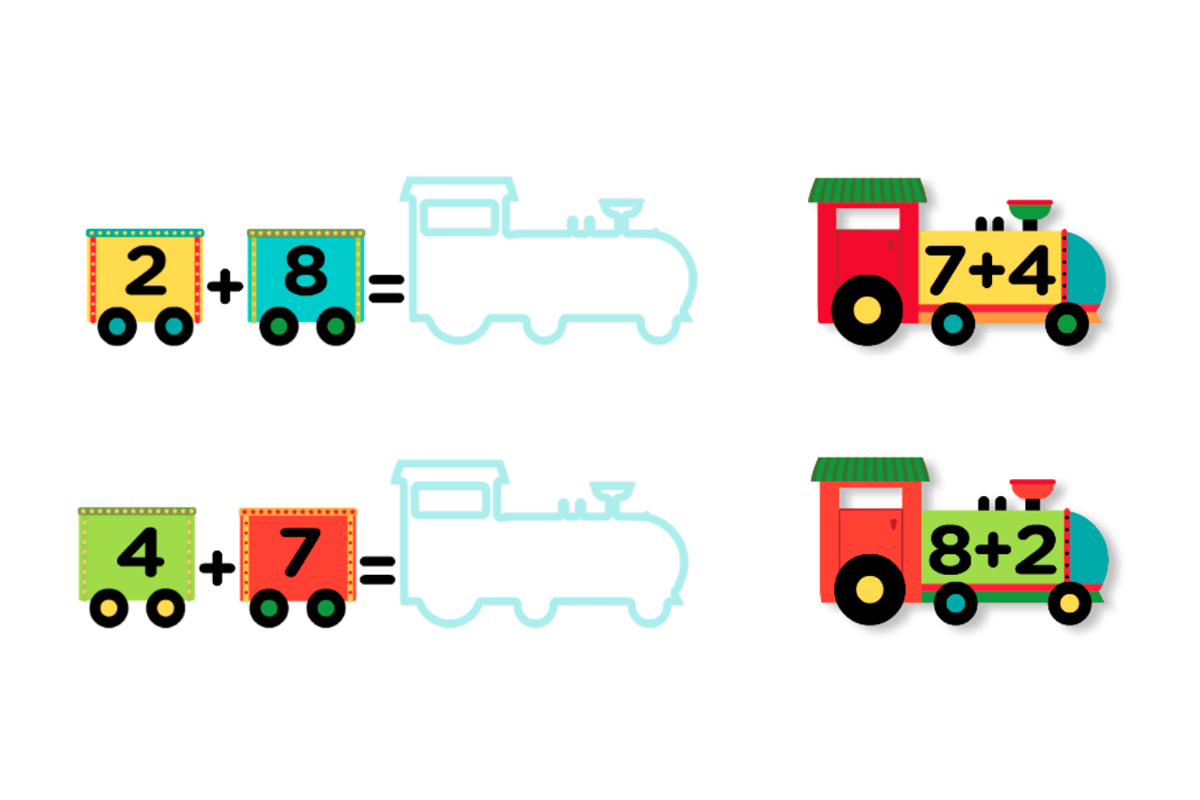
Double Facts: Total Matching Worksheet: Part 1
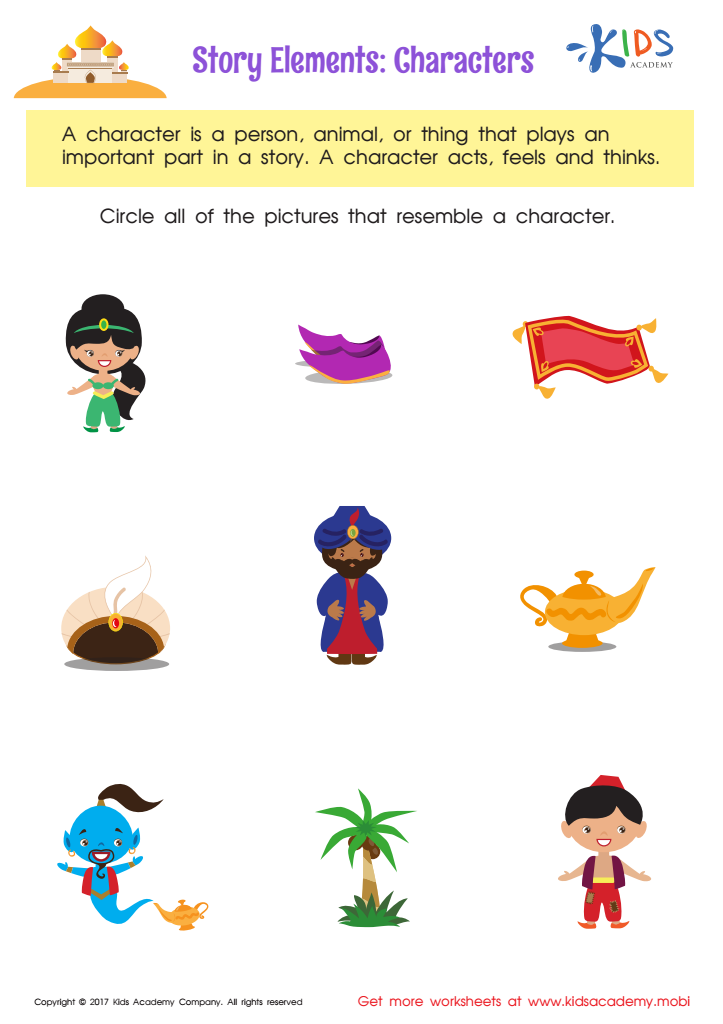
Story Elements Printable
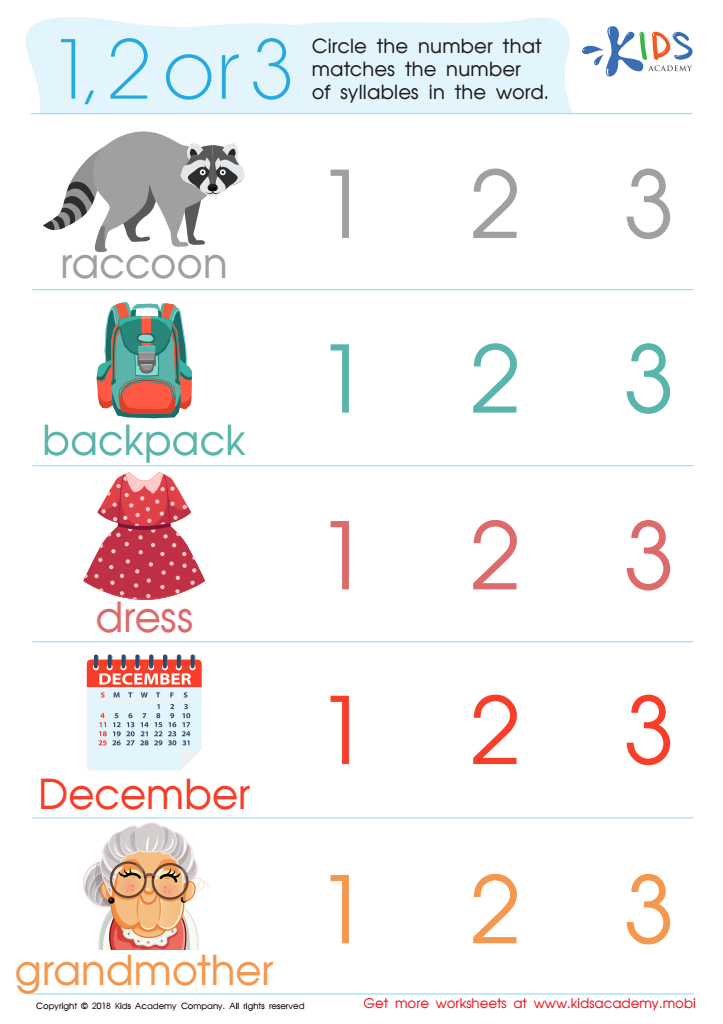
1, 2 or 3? Worksheet
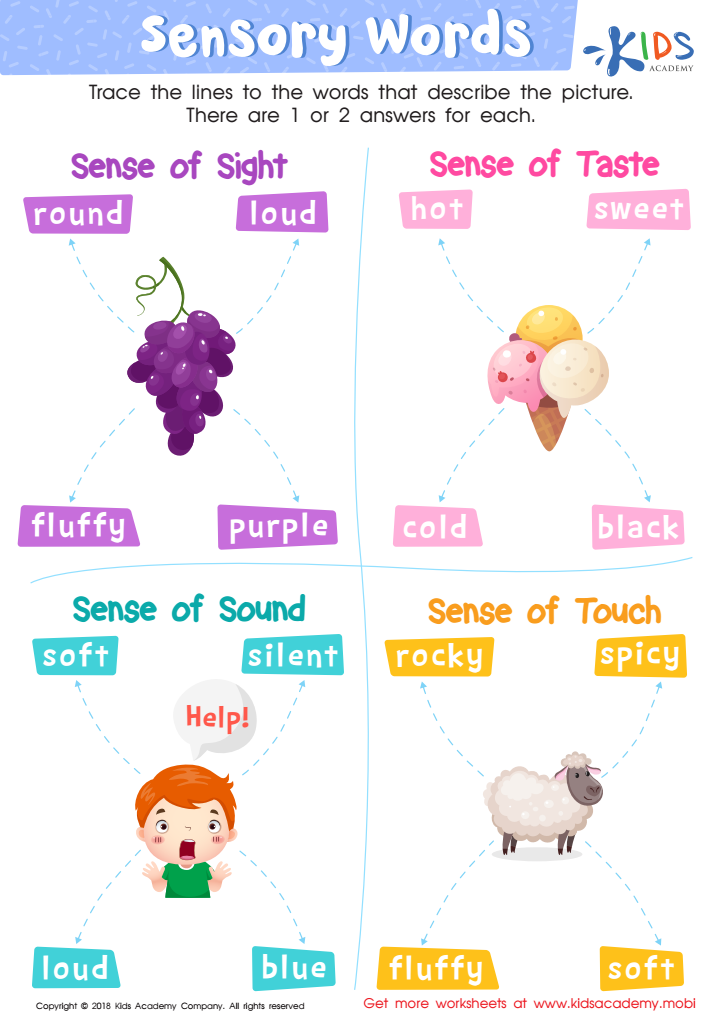
Sensory Words Worksheet

Promotion Practice Worksheet
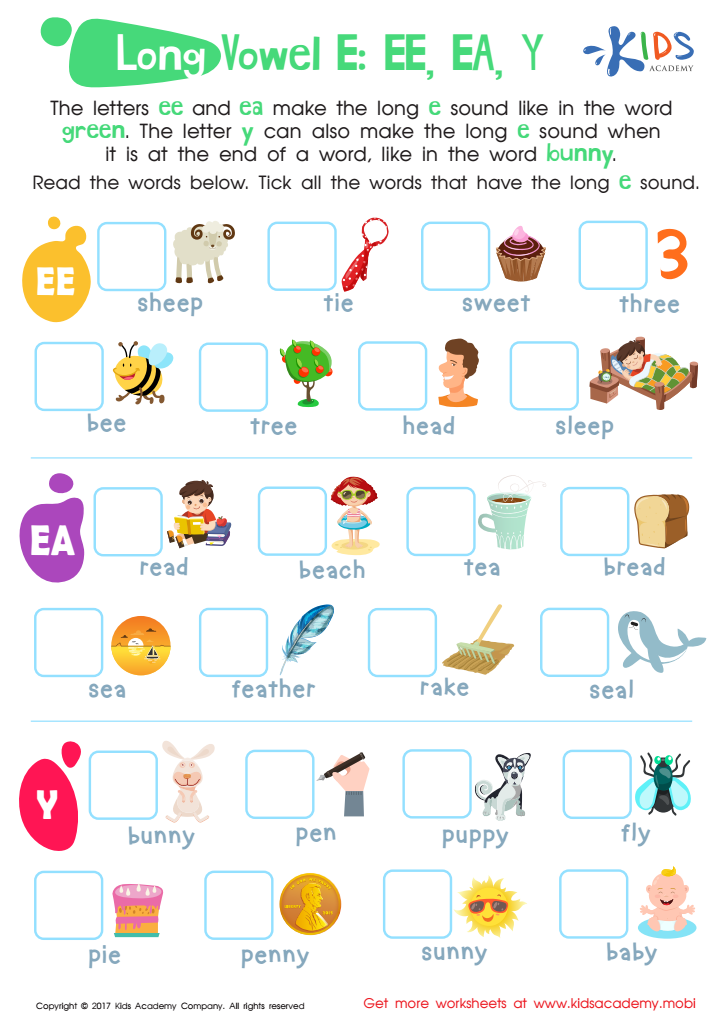
Long Vowel E Printable
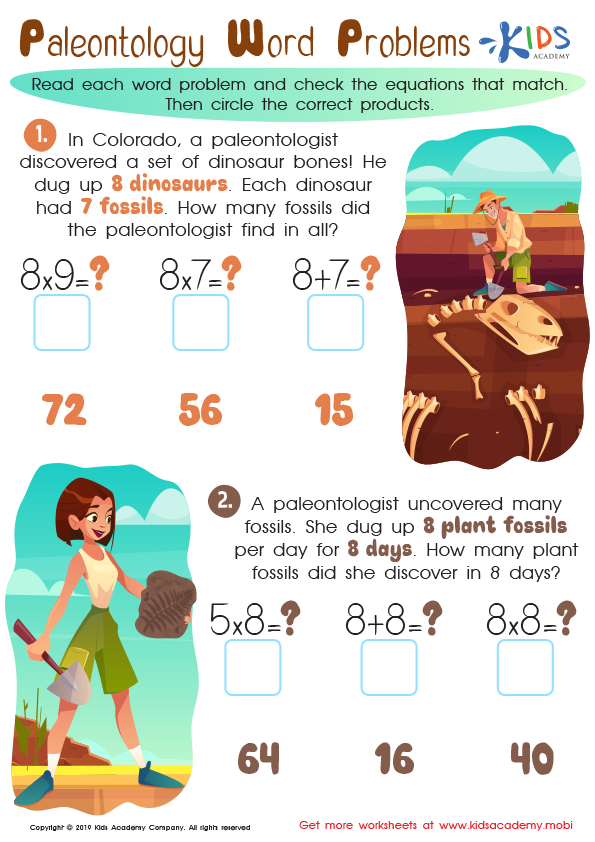
Archeology Word Problems Worksheet
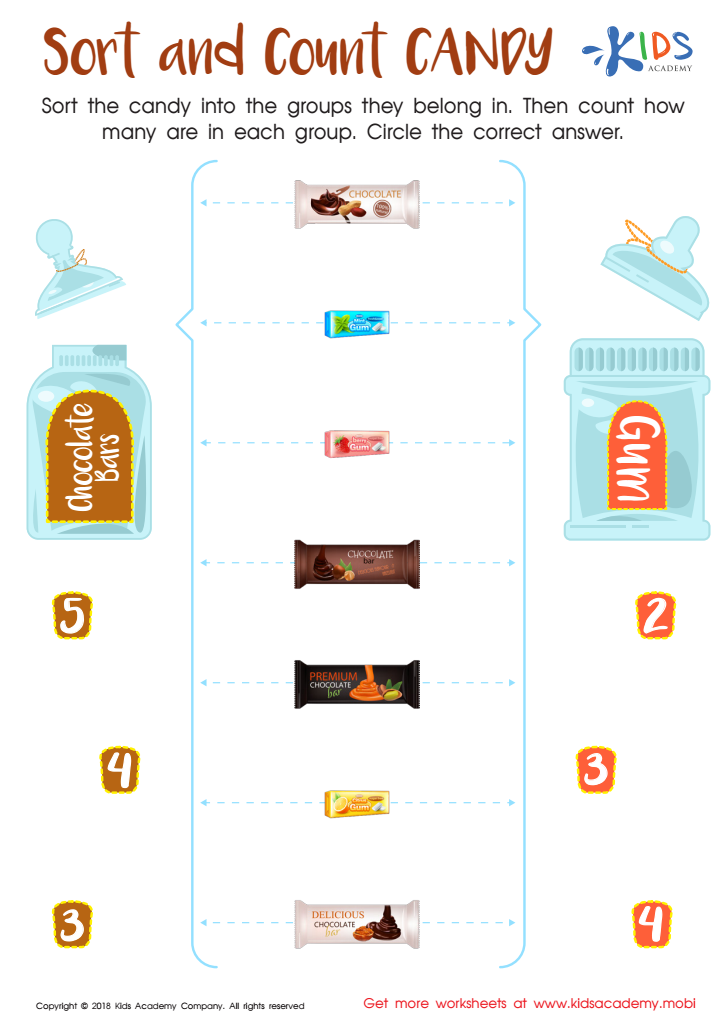
Sort and Count Candy Worksheet
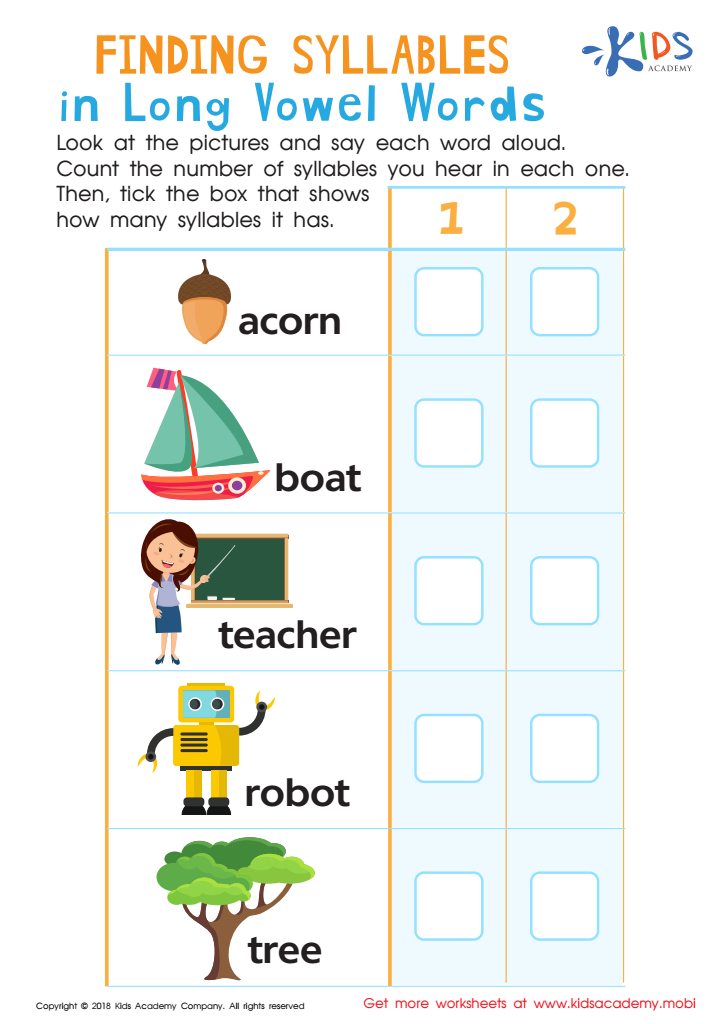
Finding Syllables in Long Vowel Words Worksheet

Letter D Tracing Page
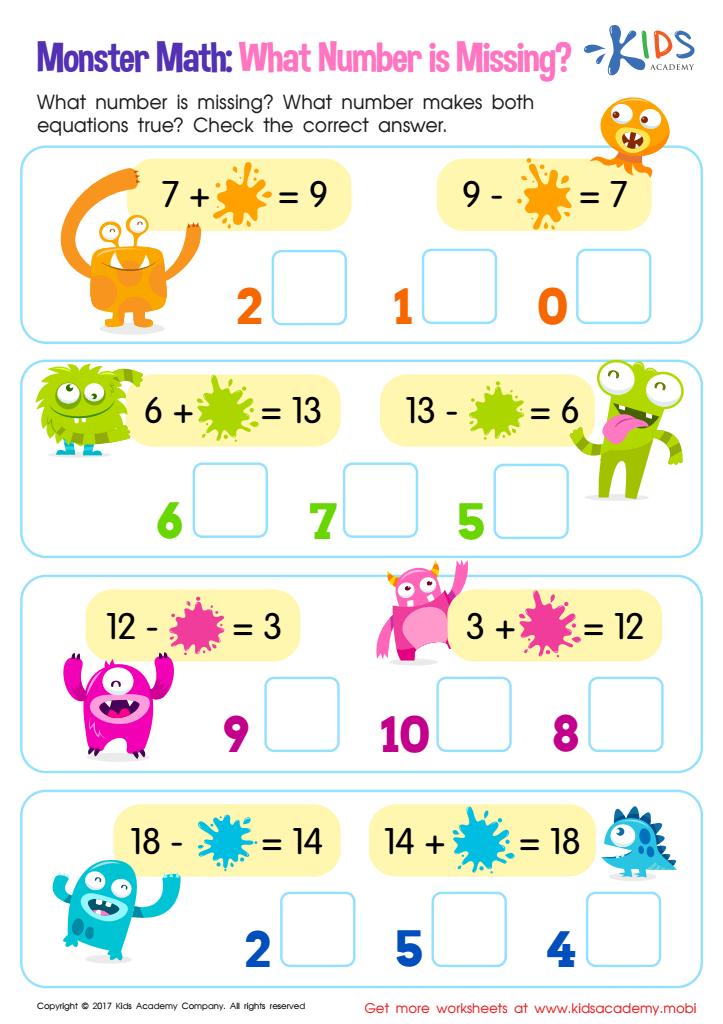
Missing Number: Monster Math Worksheet
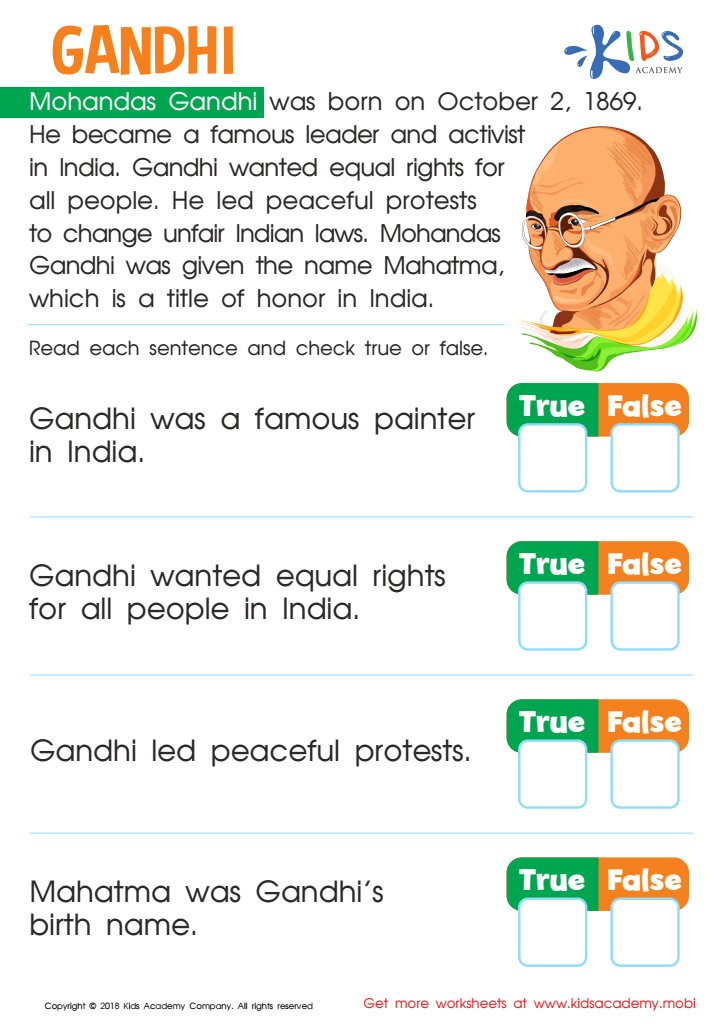
Gandhi Worksheet
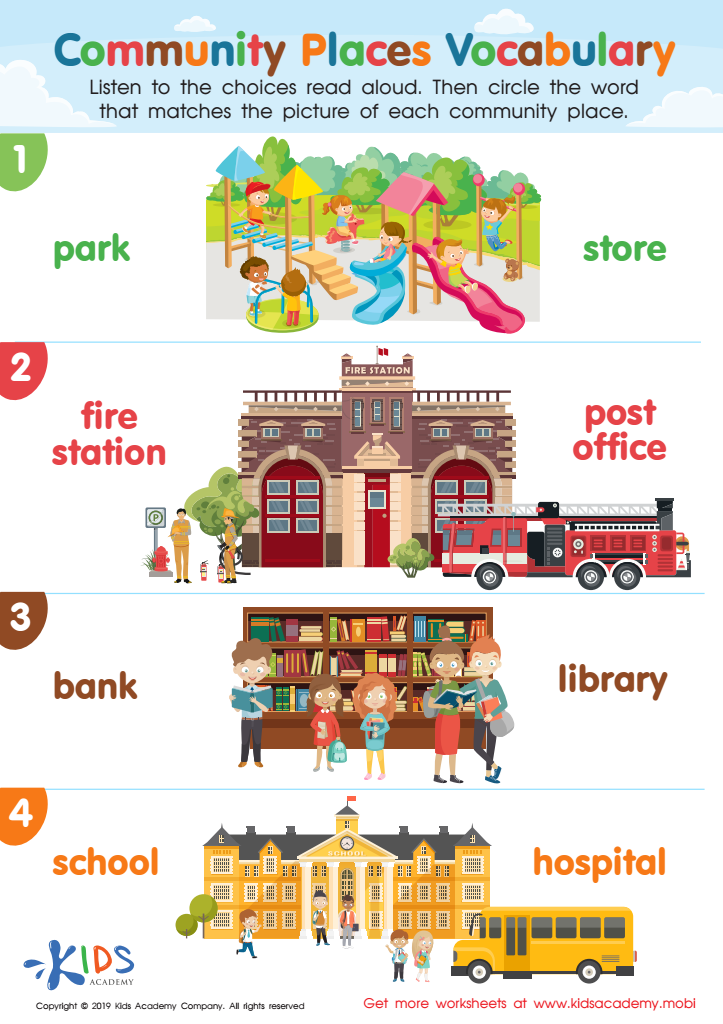
Community Places Vocabulary Worksheet
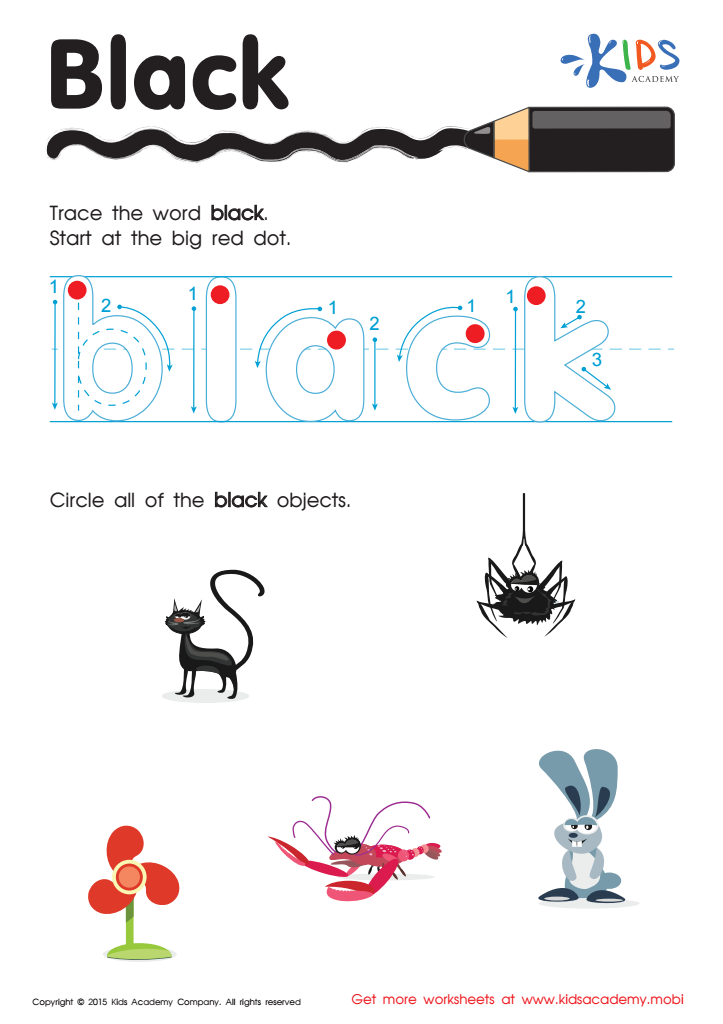
Black Tracing Color Words Printable
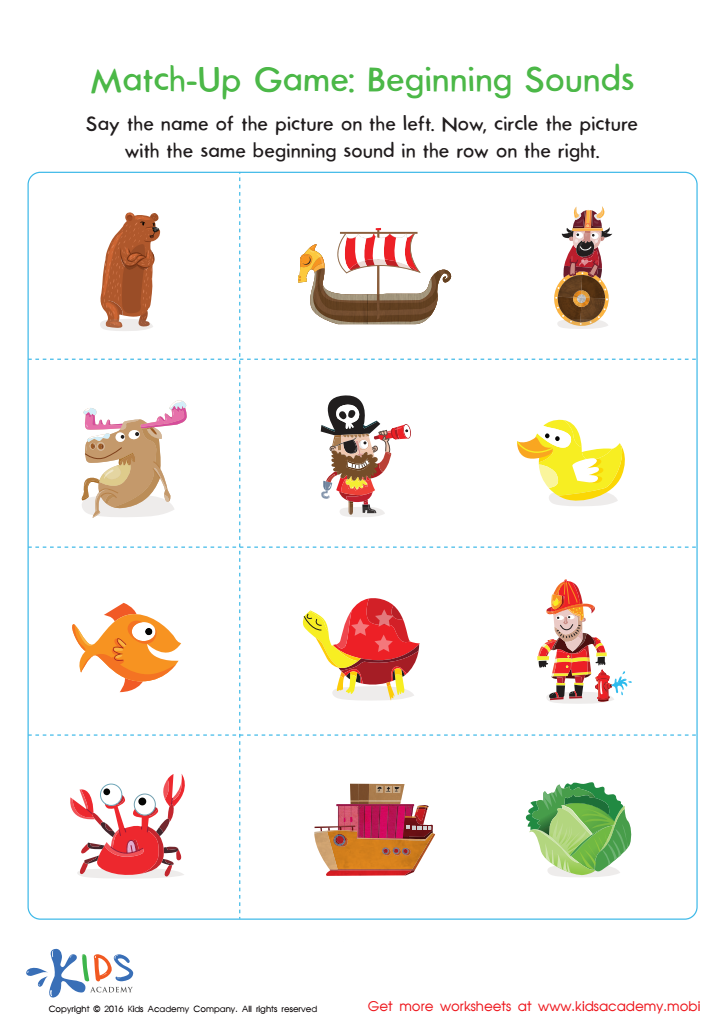
Match–Up Game: Beginning Sounds Worksheet
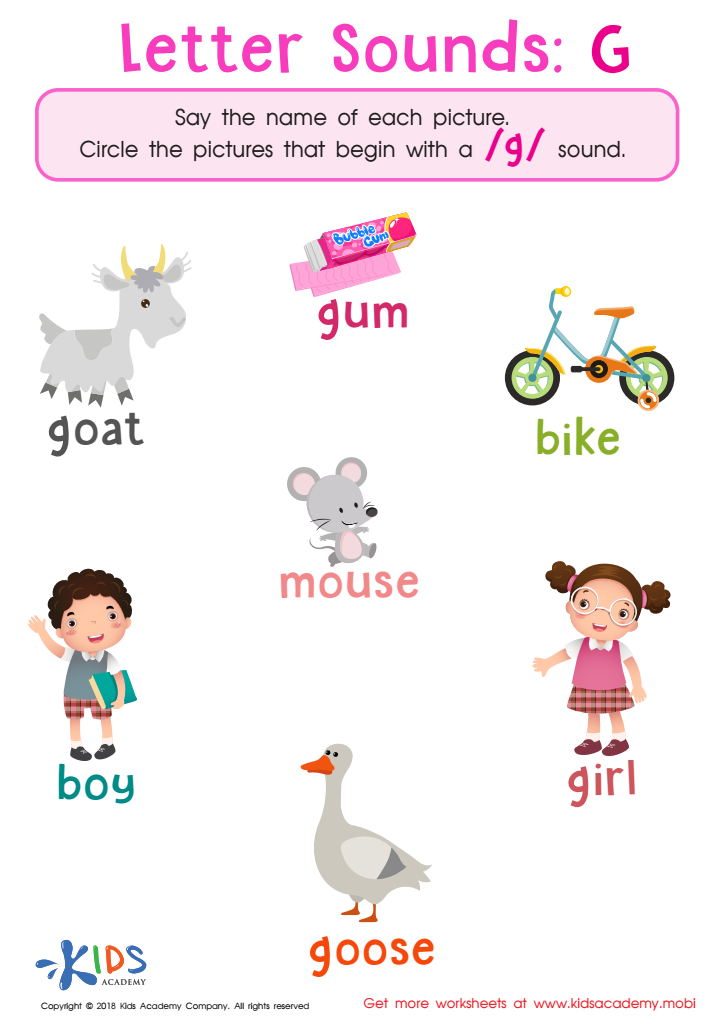
Letter G Sounds Worksheet
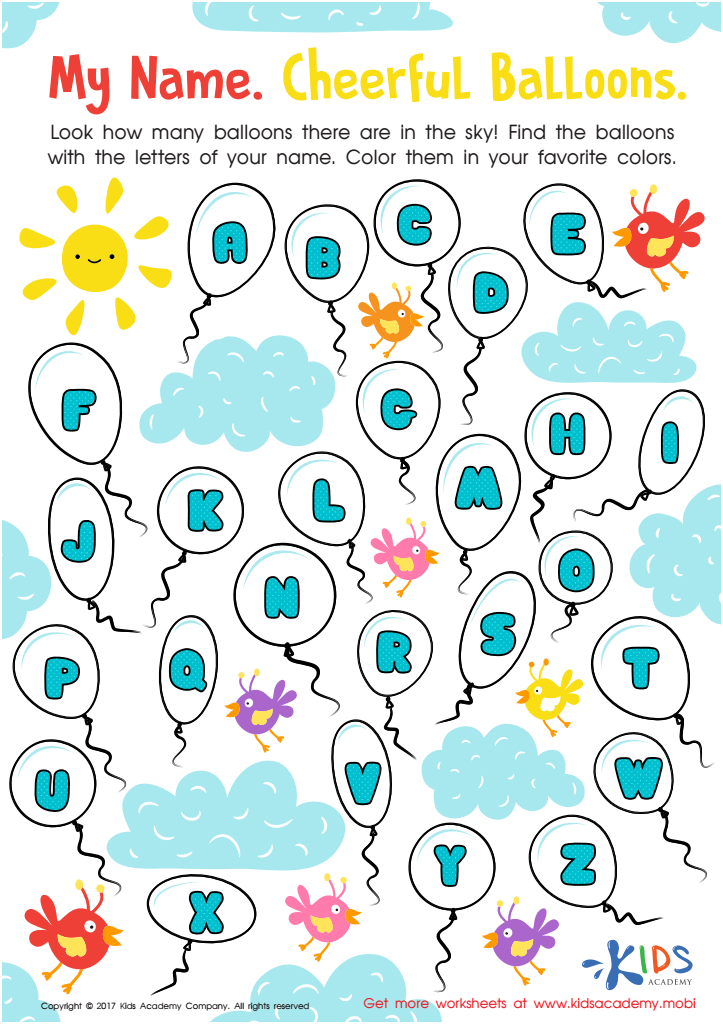
My Name: Cheerful Balloons Worksheet
 Assign to My Students
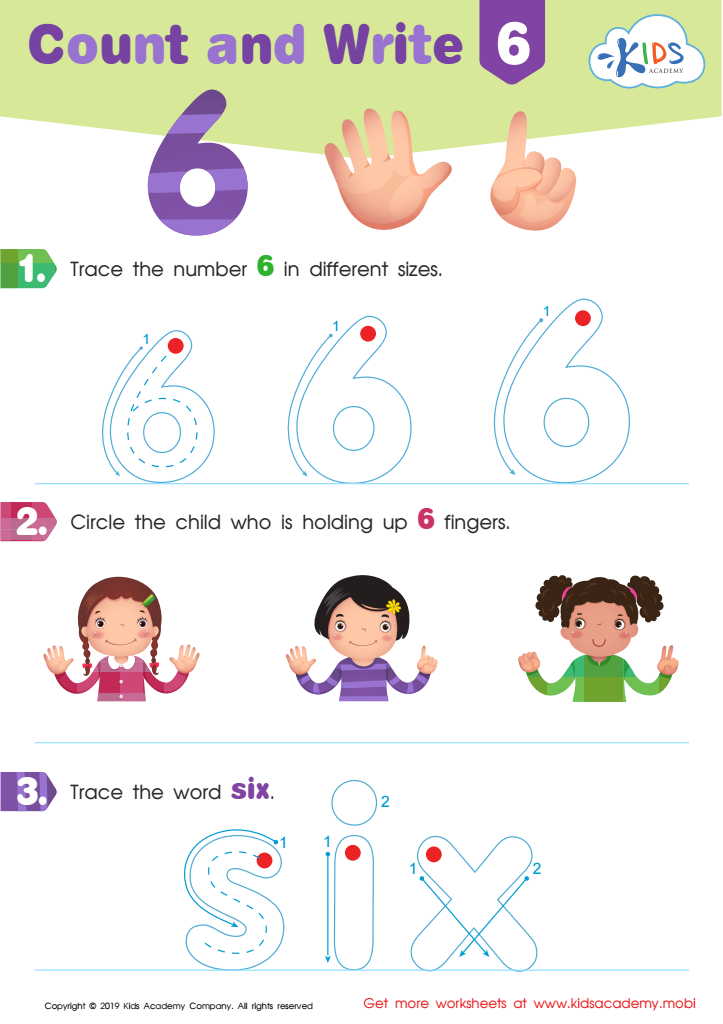
Count and Write 6 Worksheet
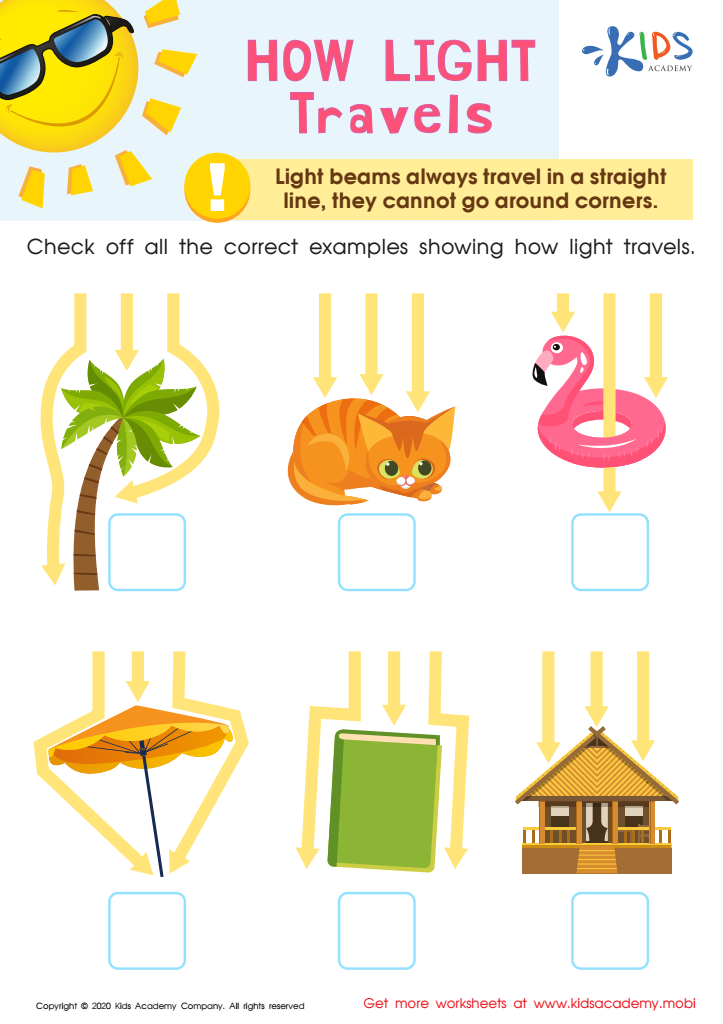
How Light Travels Worksheet
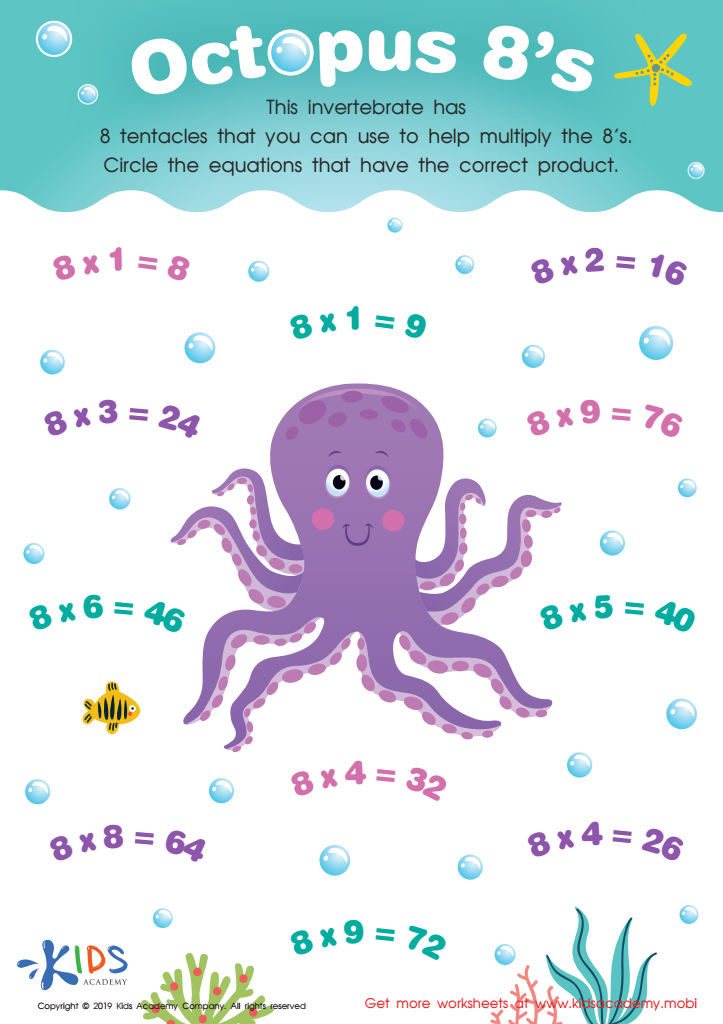
Octopus 8’s Worksheet
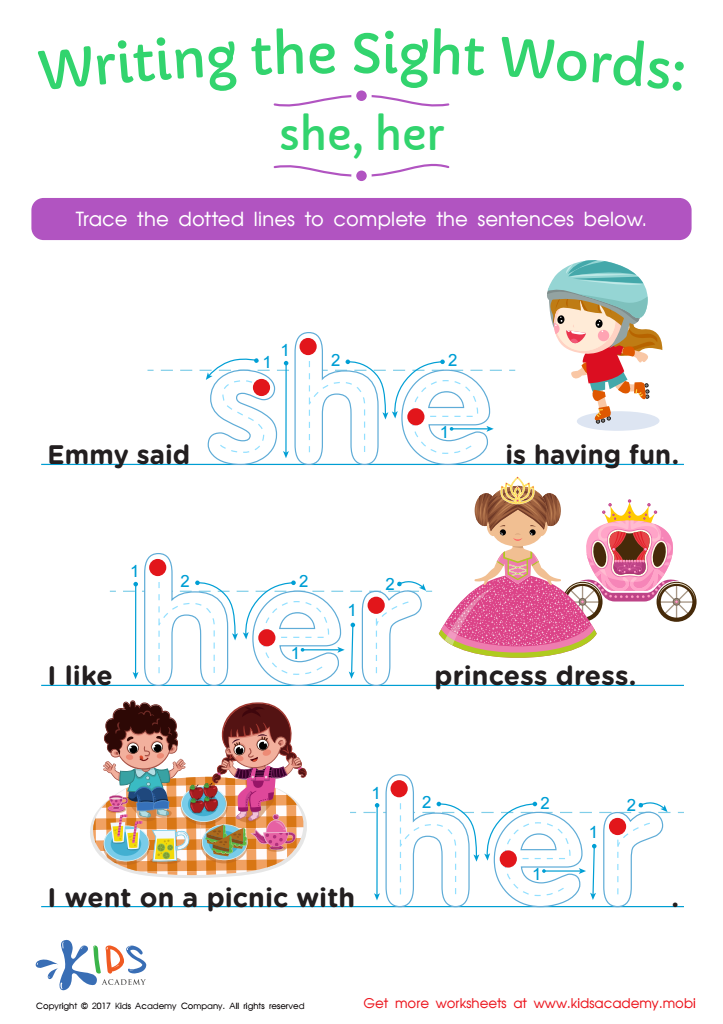
She, Her Printable Sight Words Worksheet
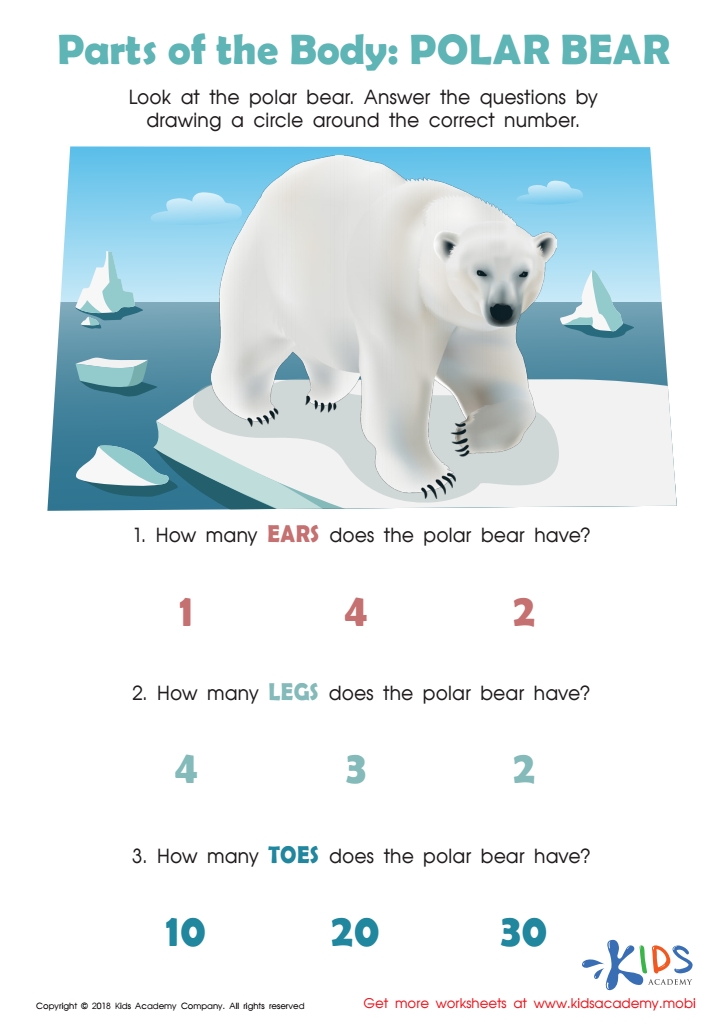
Parts of the Body: Polar Body Worksheet







Normal is crucial for children aged 4-8 as it serves as a foundation for their social, emotional, and cognitive development. During these formative years, kids begin to understand themselves and their environment, shaping their perceptions and interactions. Recognizing what is "normal" helps children to feel secure, understand expectations, and build relationships with peers and adults. For parents and teachers, understanding what is considered normal behavior, developmentally and socially, can inform their approaches in nurturing children's growth.
Additionally, normalcy varies across cultures, promoting appreciation for diversity and enhancing social skills. Teachers play a pivotal role in introducing children to a range of perspectives, fostering an inclusive mindset. Furthermore, awareness of normal stages of development allows educators to identify any atypical behavior that might require attention or intervention, ensuring that all children receive the support they need to thrive.
In forming a consistent support system, parents and teachers can work together to ensure that children feel validated and understood, reducing anxiety about growing up. By promoting a clear understanding of normal experiences, we empower children to confidently navigate their world and develop healthy habits, interpersonal skills, and resilience—all essential for their future.








