Normal Lowercase/Small Letters Worksheets for Ages 4-8
20 filtered results
-
From - To
Explore our "Normal Lowercase/Small Letters Worksheets" designed for children aged 4-8! These fun and engaging activities help young learners master the alphabet by focusing on lowercase letters. Perfect for preschool to early elementary students, each worksheet offers tracing, writing, and recognition exercises to boost literacy skills. Encourage your child to improve their penmanship and build a solid foundation for reading and writing. Our worksheets are easy to download and print, making learning accessible at home or in the classroom. Join thousands of parents and teachers in making learning alphabet fun and effective with these educational resources!
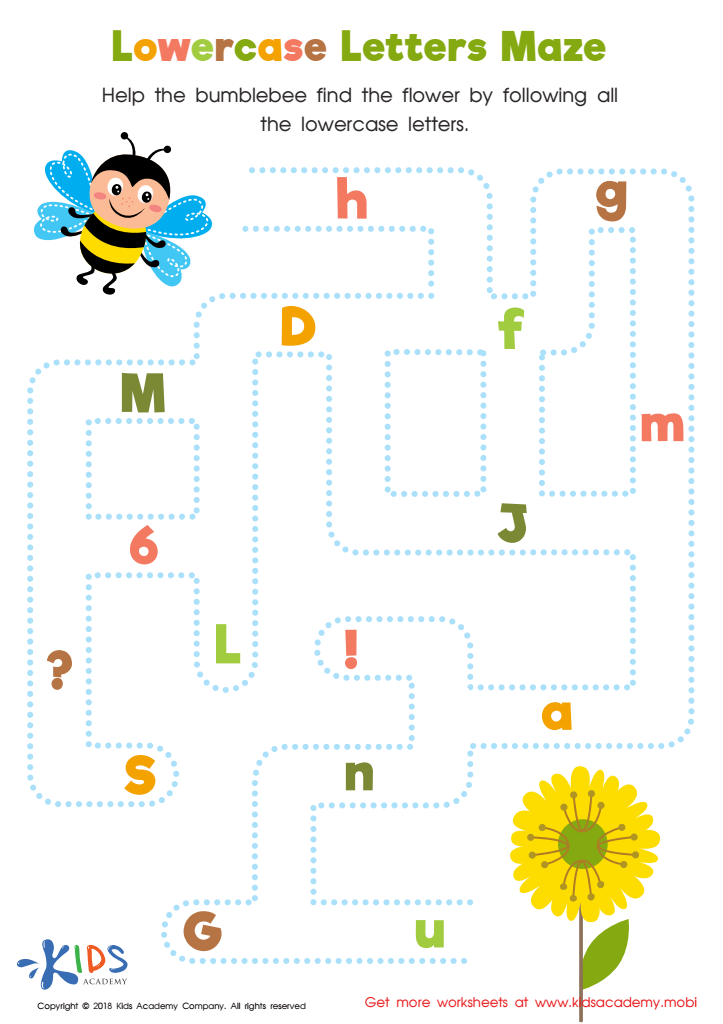
Lowercase Letters Maze Worksheet
 Assign to My Students
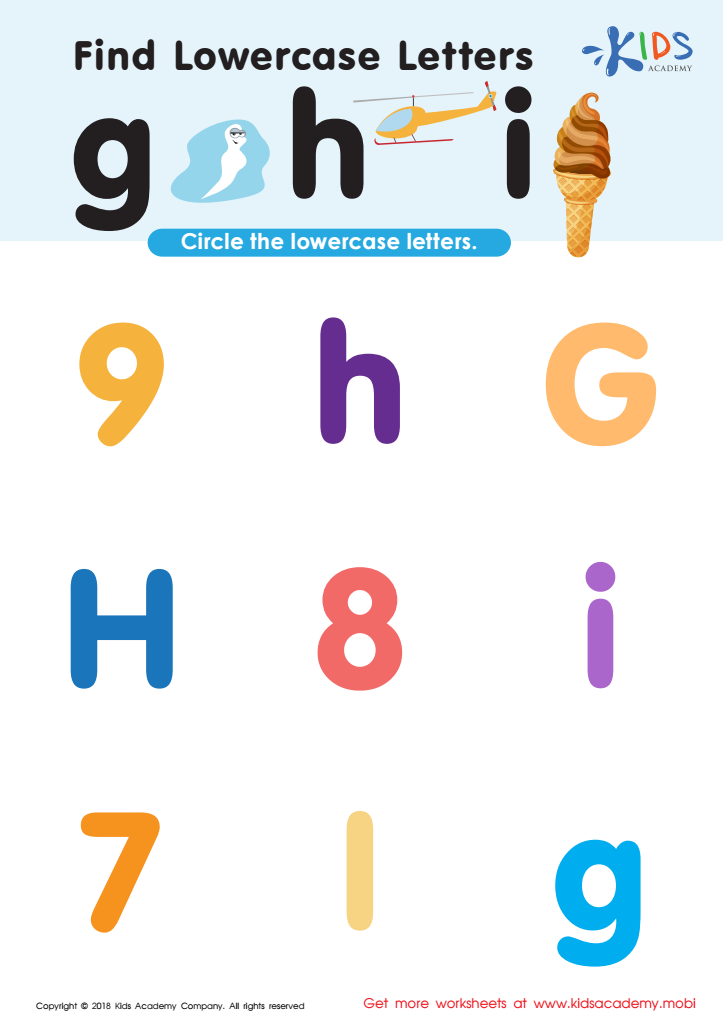
Find Lowercase Letters g h i Worksheet
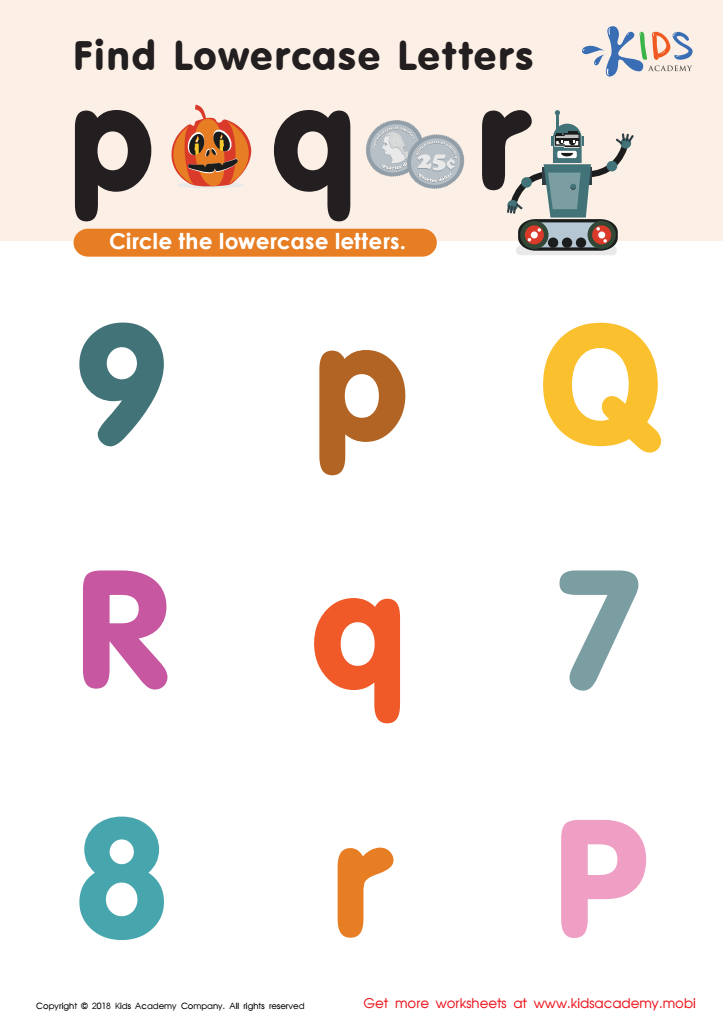
Find lowercase Letters p q r Worksheet
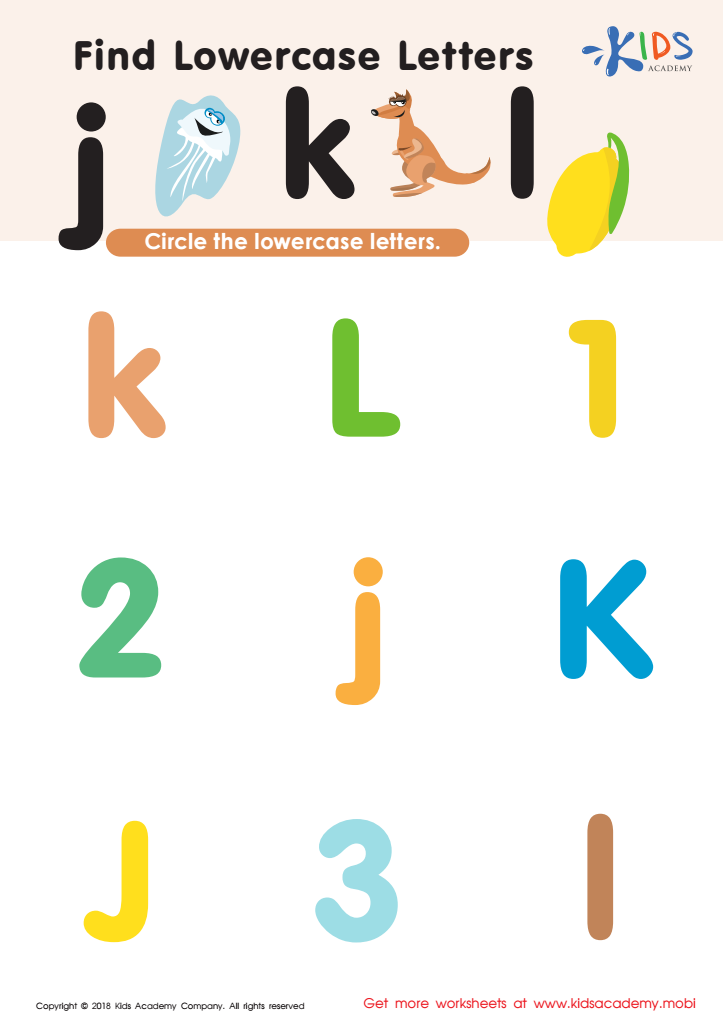
Find Lowercase Letters j k l Worksheet
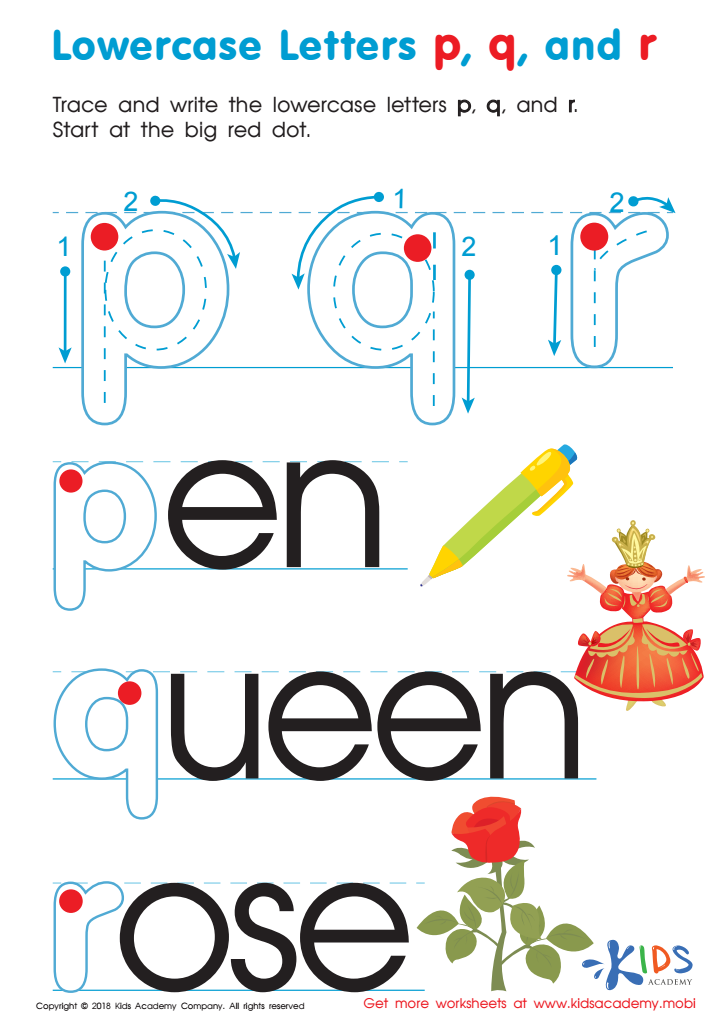
Lowercase Letters p q r Worksheet
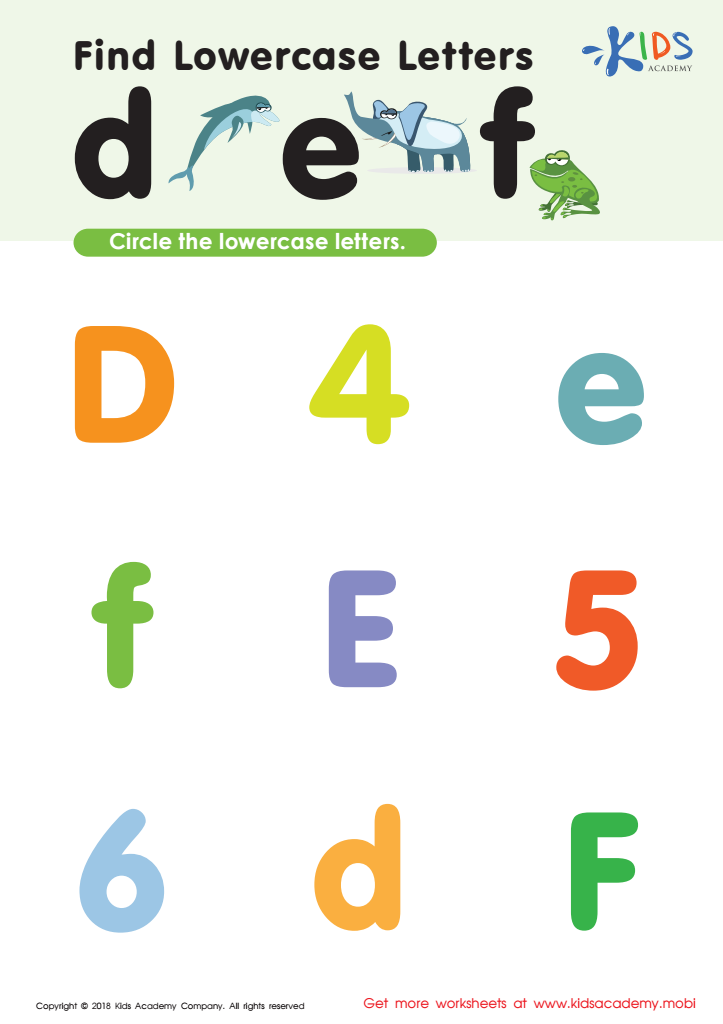
Find Lowercase Letters d e f Worksheet
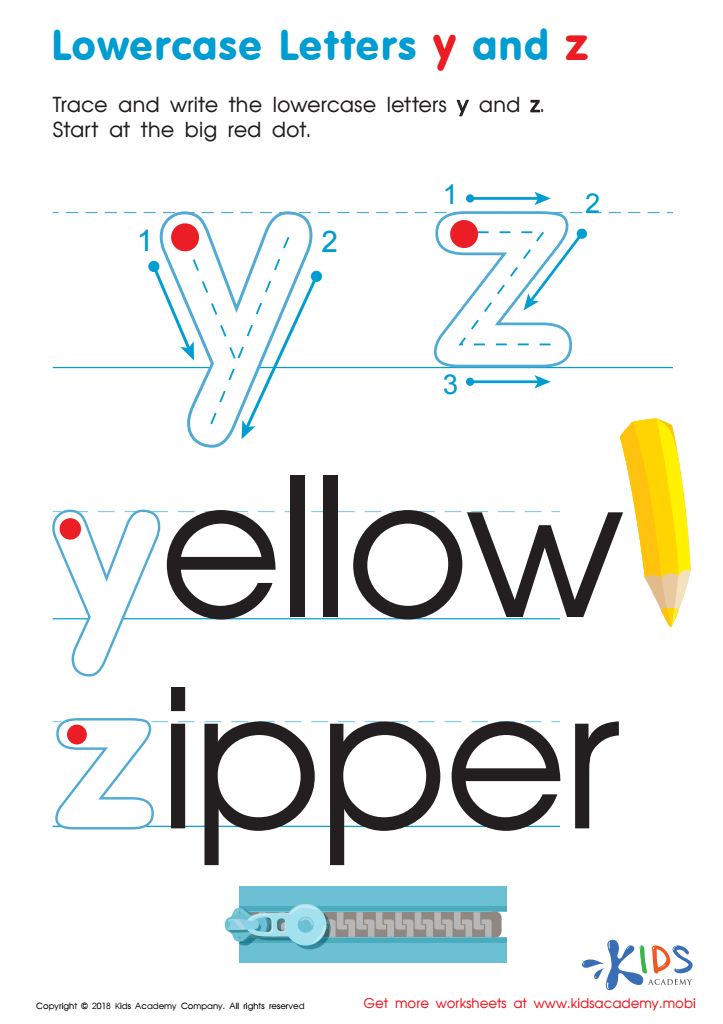
Lowercase Letters y z Worksheet
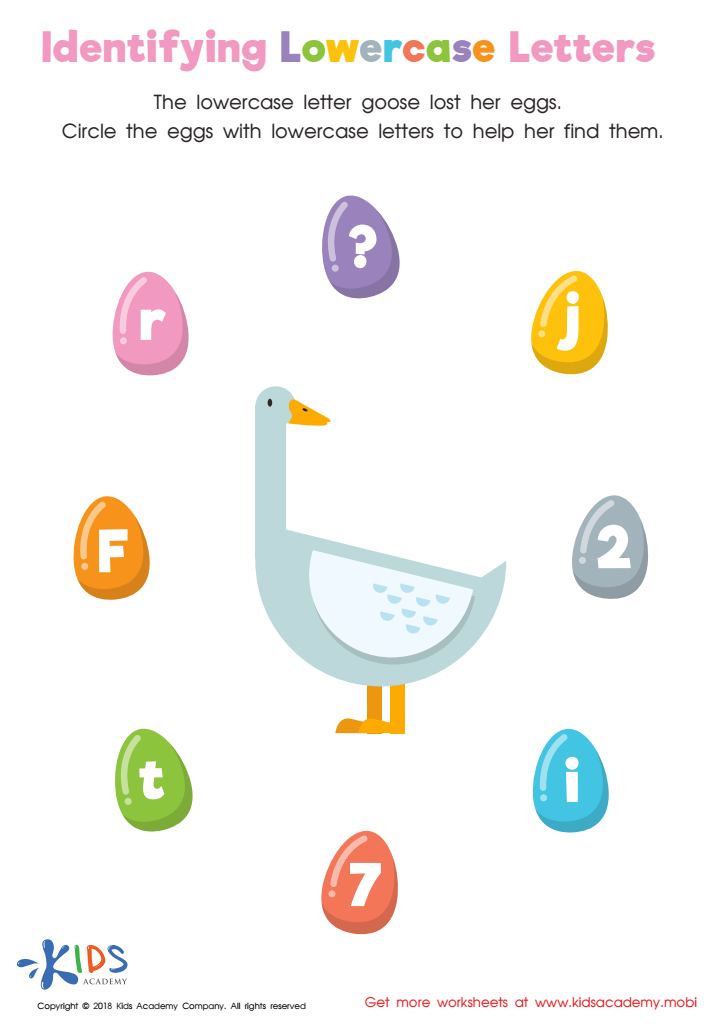
Identifying Lowercase Letters Worksheet
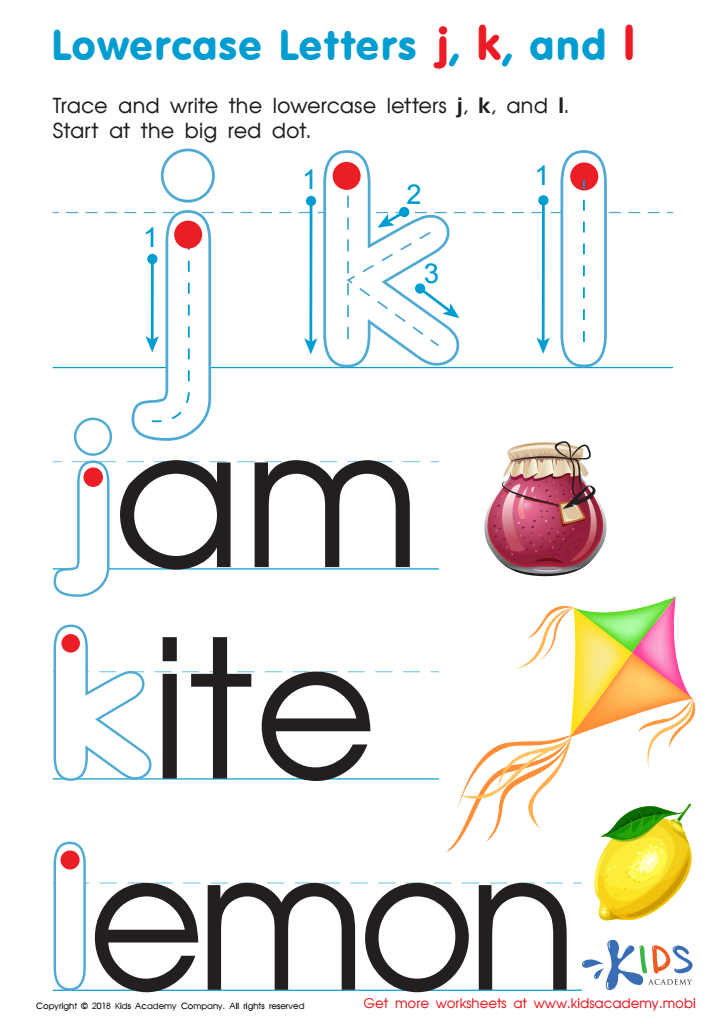
Lowercase Letters j k l Worksheet
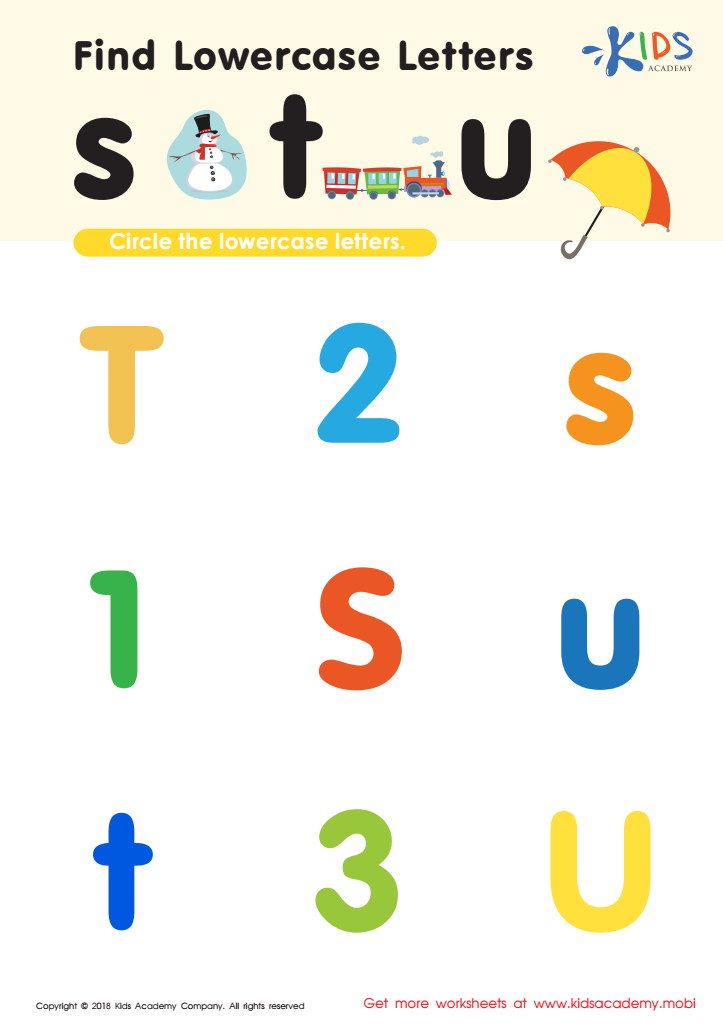
Find lowercase Letters s t u Worksheet
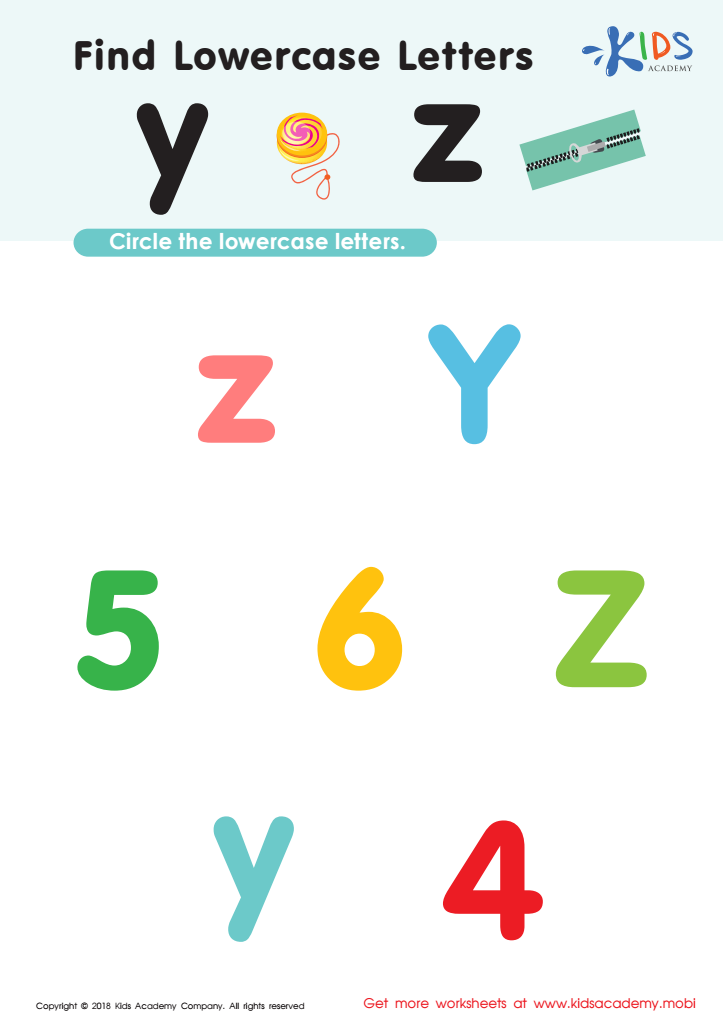
Find Lowercase Letters y z Worksheet

Lowercase Letters m n o Worksheet
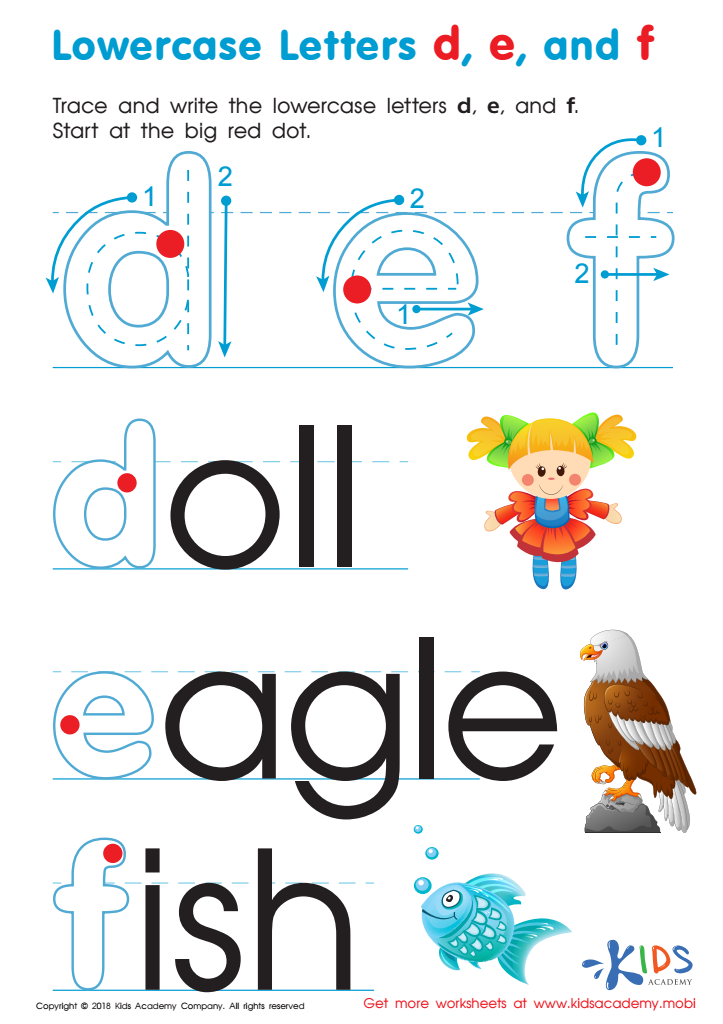
Lowercase Letters d e f Worksheet
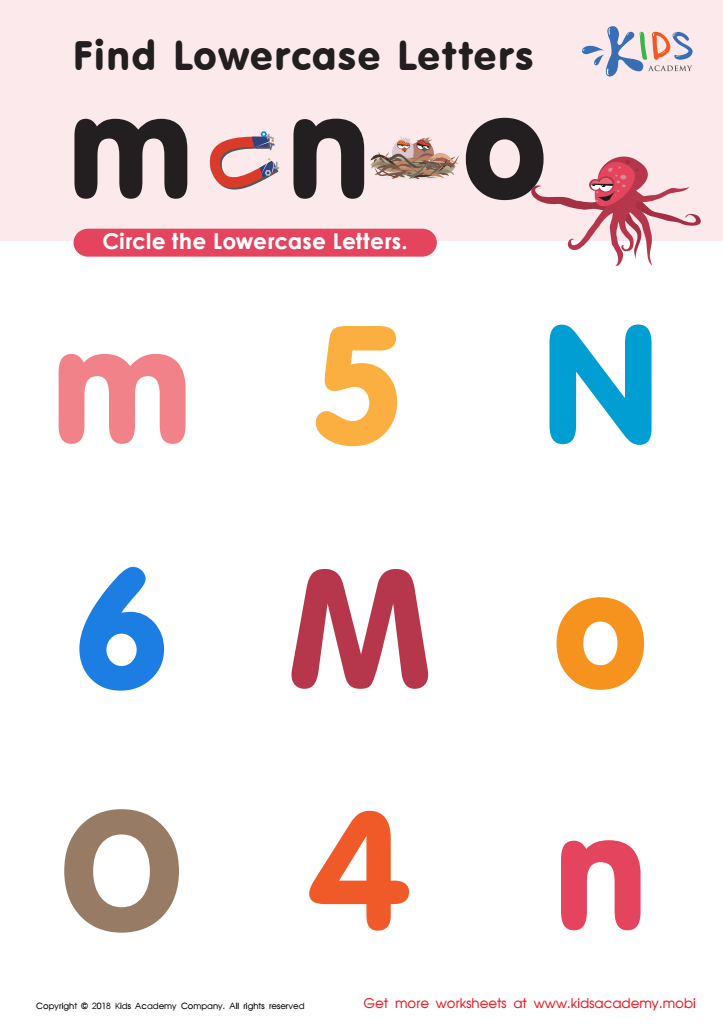
Find Lowercase Letters m n o Worksheet
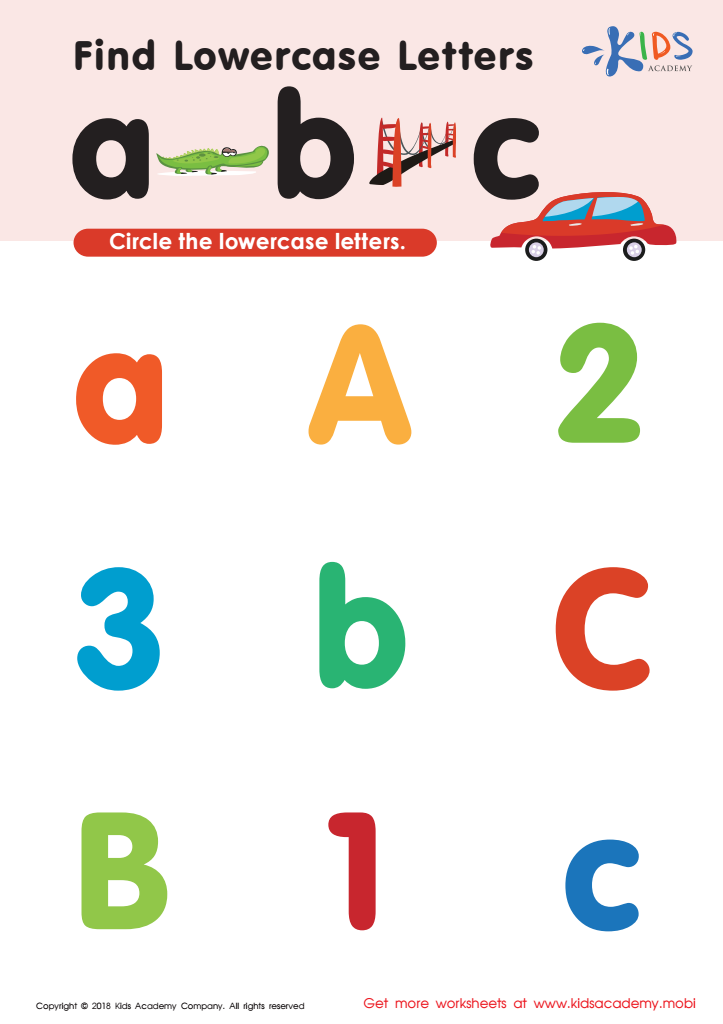
Find lowercase letters a b c Worksheet
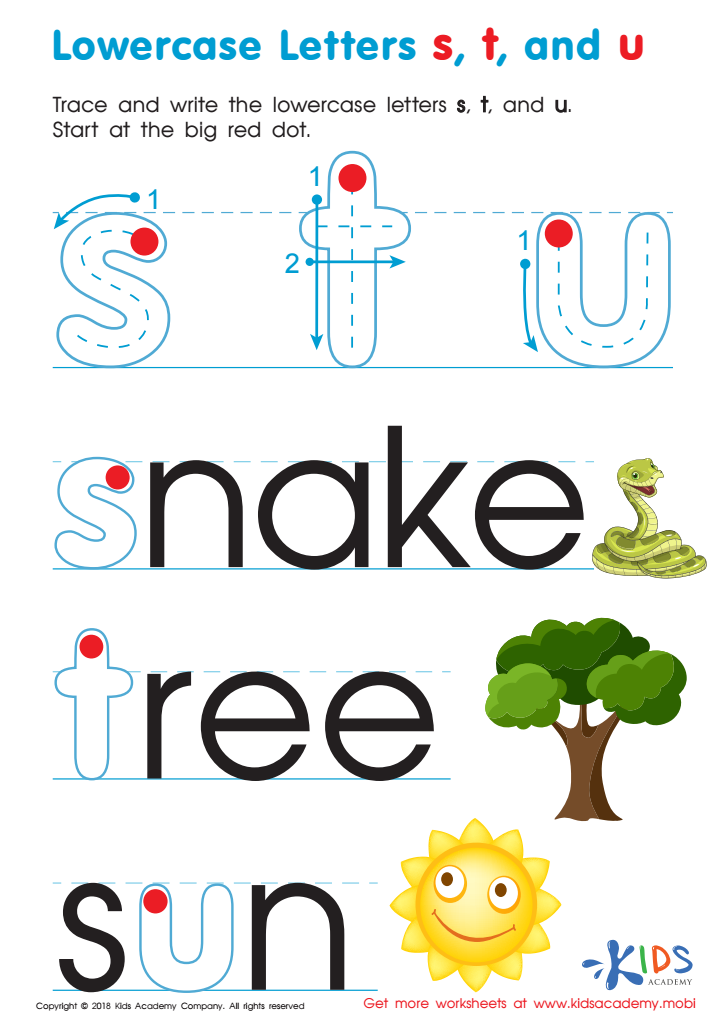
Lowercase Letters s t u Worksheet
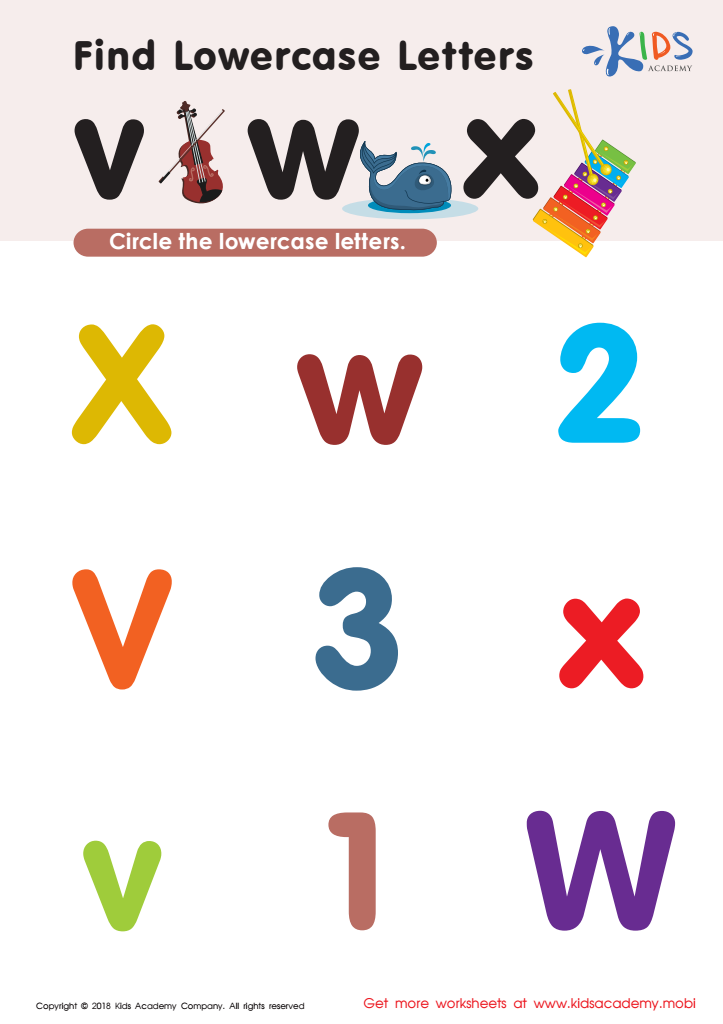
Find Lowercase Letters v w x Worksheet
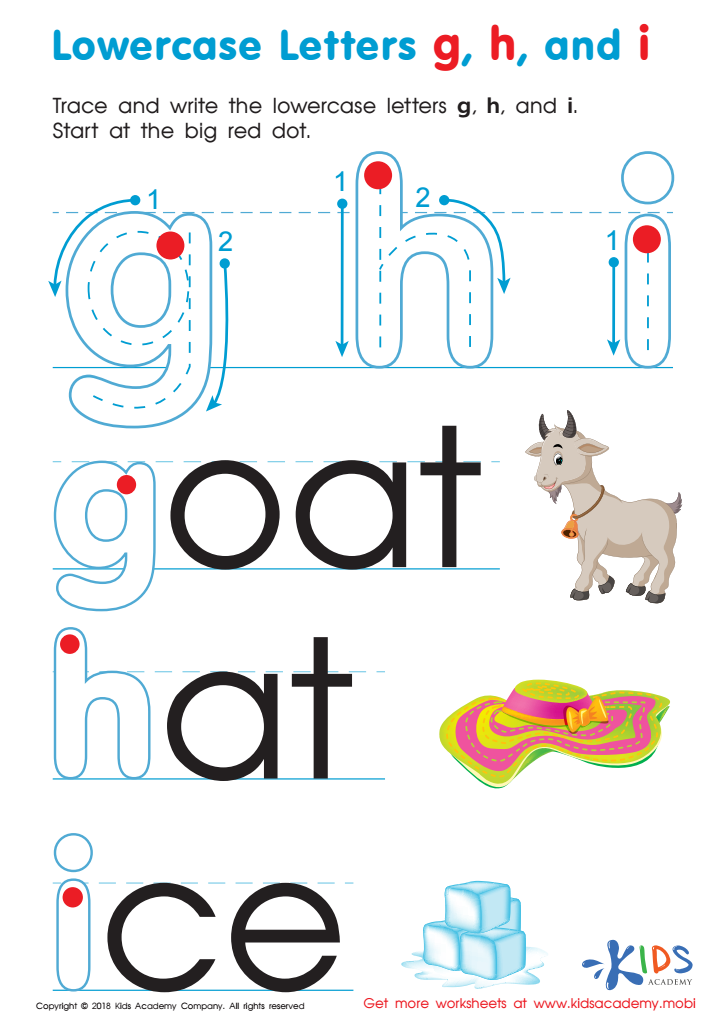
Lowercase Letters g h i Worksheet
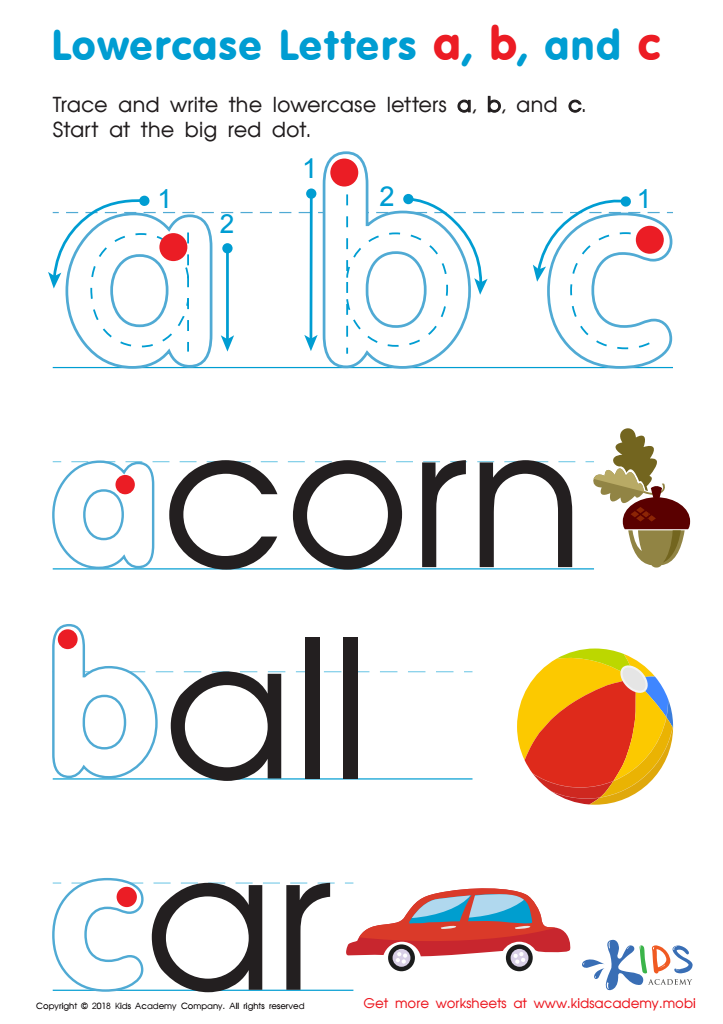
Lowercase Letters a b c Worksheet
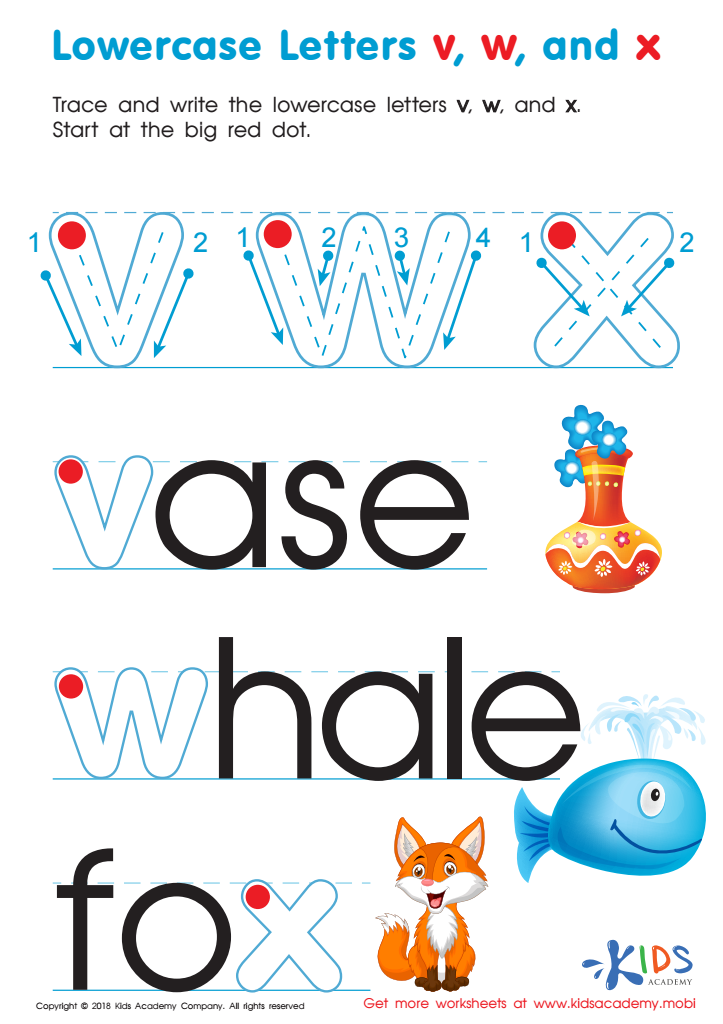
Lowercase Letters v w x Worksheet


Developing proficiency with lowercase letters is crucial for children ages 4-8 as it is foundational to their emergent literacy skills. This early phase in their academic journey typically involves learning the basics of reading and writing. Lowercase letters dominate the written text, appearing much more frequently than their uppercase counterparts. Mastery of lowercase letters hence facilitates more fluent reading, enabling children to recognize words and comprehend sentences better.
Familiarity with lowercase letters also supports proper spelling and word formation. If children are adept at decoding and encoding in lowercase, transitioning between reading and writing tasks becomes more intuitive. Early confidence in reading enhances motivation to explore books not just for educational purposes but also as a source of joy and entertainment.
Moreover, understanding lowercase letters aligns with pedagogical strategies that focus on phonemic awareness and phonics. Early exposure to varied letter shapes helps distinguish between sound-symbol relationships more explicitly. This minimizes confusion between letter shapes and their sounds, thereby solidifying the building blocks of literacy.
Engaging children in lowercase letter activities, such as tracing, matching games, and interactive reading, can strengthen fine motor skills, attention to detail, and cognitive development. Ensuring that young learners grasp these lowercase letters thus lays down a solid foundation for their future academic success and lifelong love of reading.