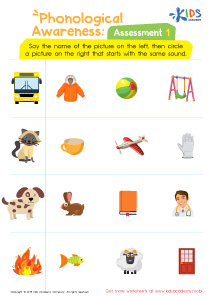
Vocabulary expansion Normal Vowels Worksheets for Ages 4-8
23 filtered results
-
From - To
Explore our "Vocabulary Expansion Normal Vowels Worksheets," designed specifically for children ages 4-8. These printable worksheets focus on enhancing young learners' understanding of normal vowels while expanding their vocabulary. By engaging in fun and interactive activities, kids will master vowel sounds and their applications in words. Our exercises support crucial early language development skills, including reading, writing, and pronunciation. Perfect for parents and teachers, these worksheets are a valuable resource to foster foundational language skills in an engaging and effective way. Dive in and help your child embark on a successful vocabulary expansion journey!
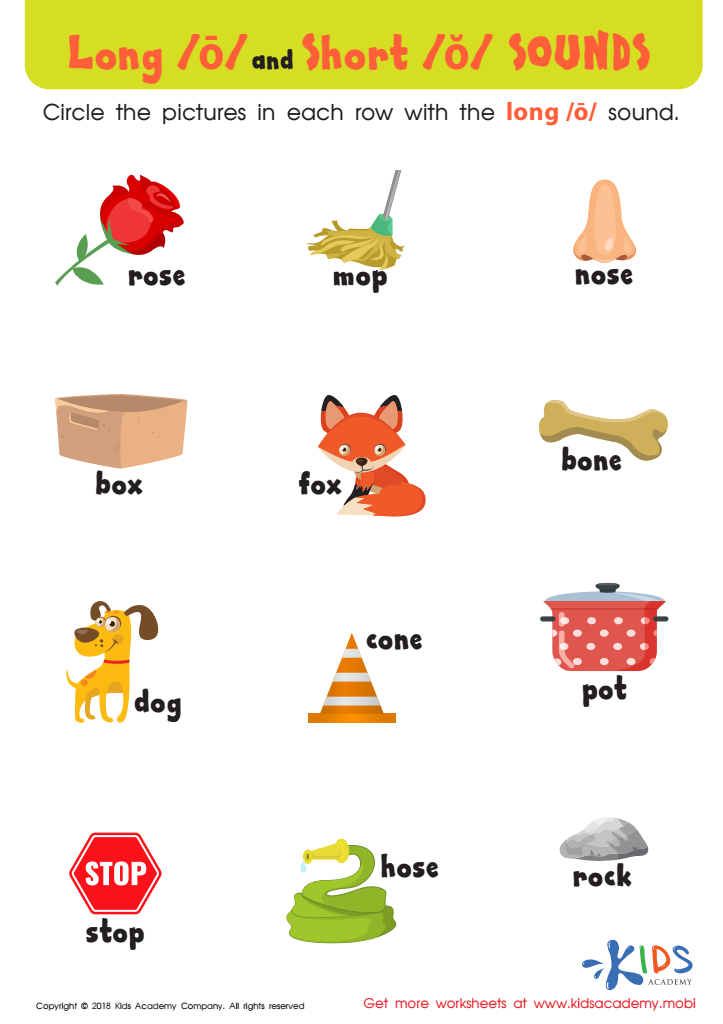
Reading: Long O and Short O Sounds Worksheet
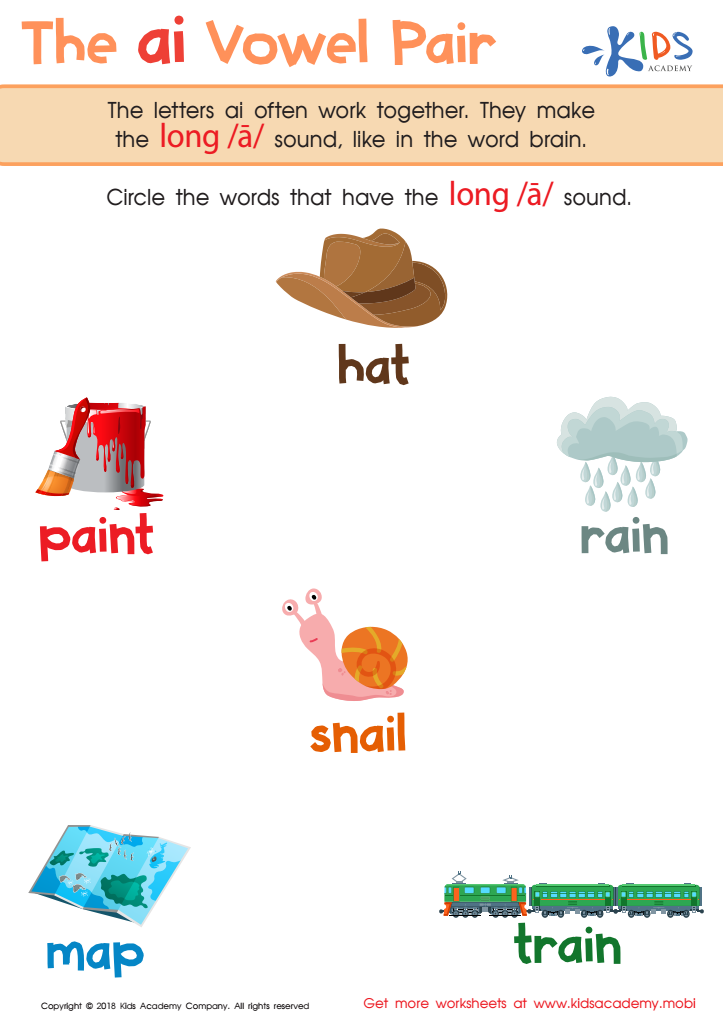
The AI Vowel Pair Worksheet
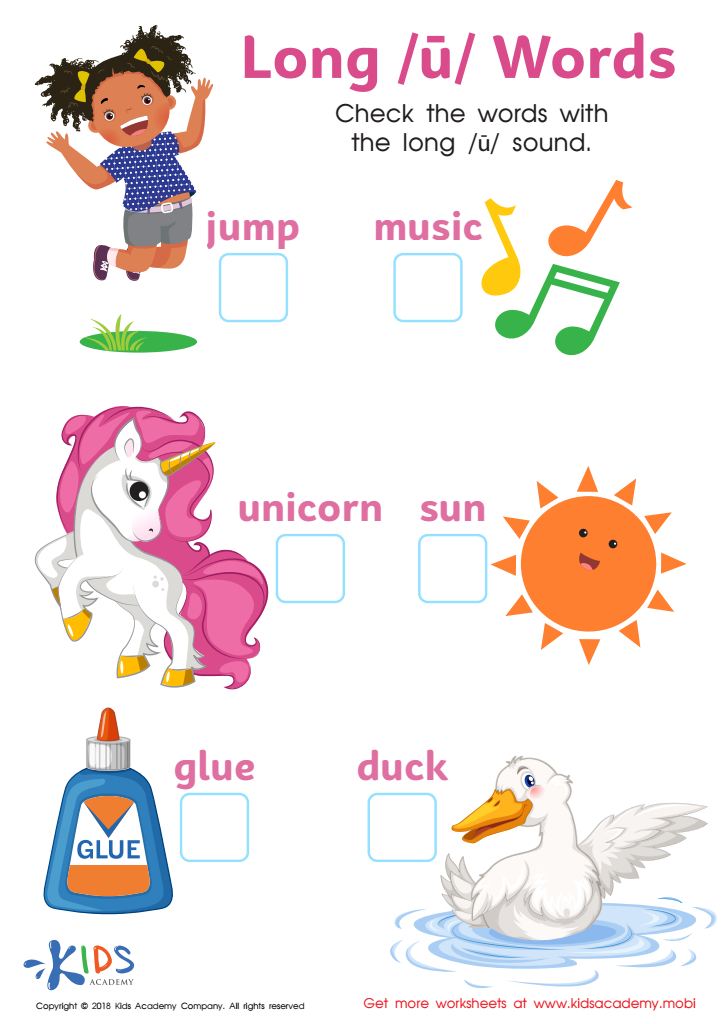
Long U Words Reading Worksheet
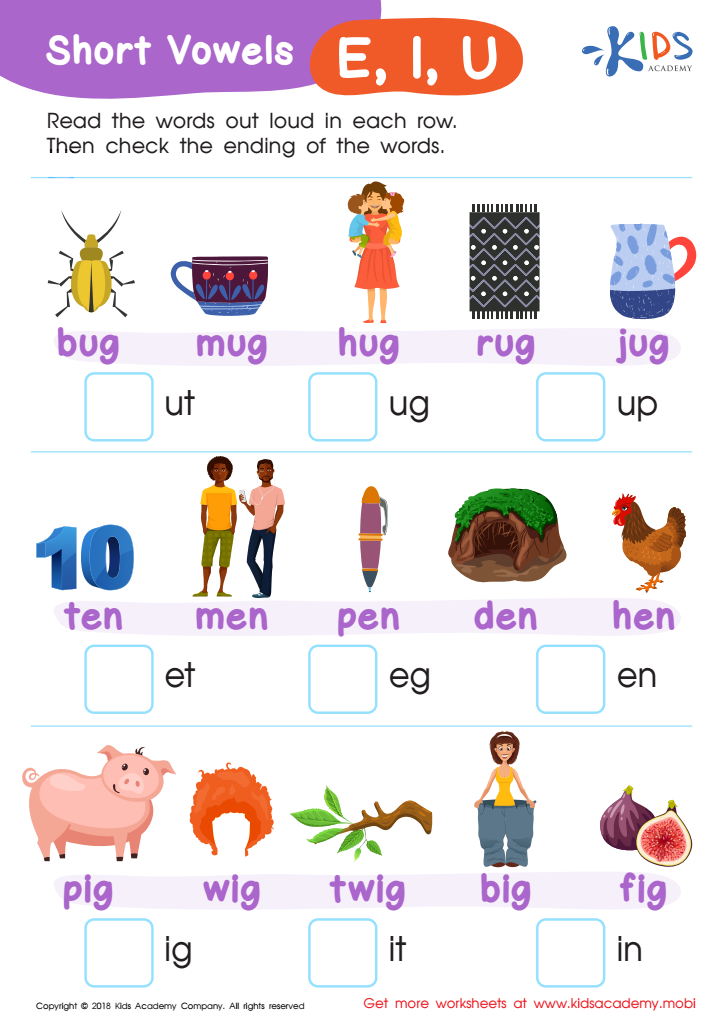
Short Vowels /e/, /i/, and /u/ Worksheet
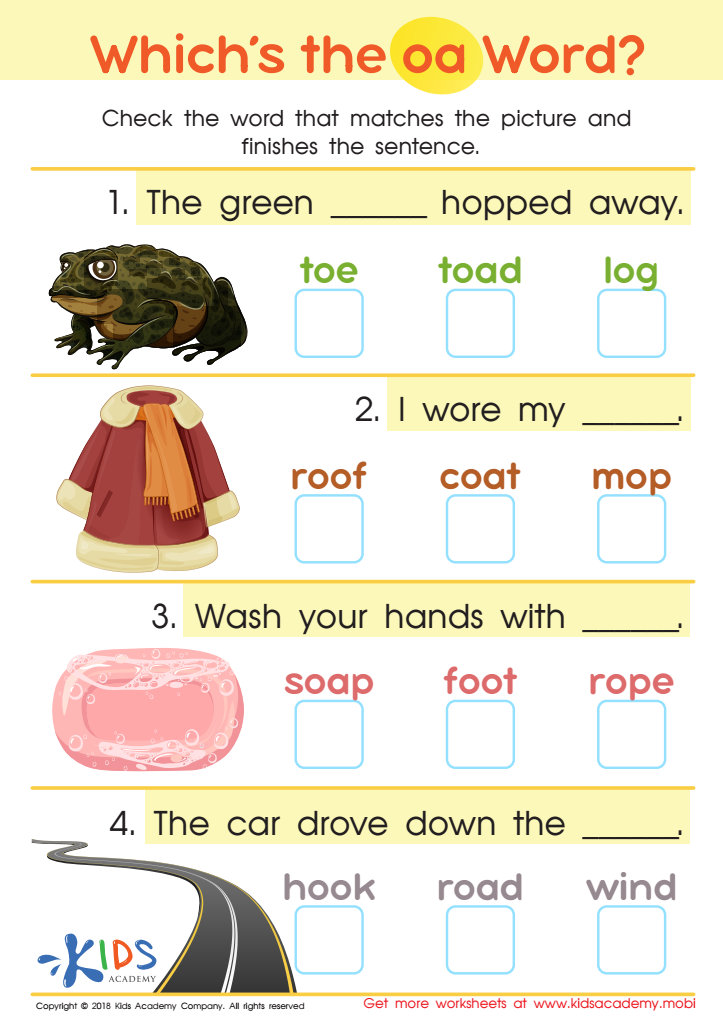
Which's the OA Word? Worksheet
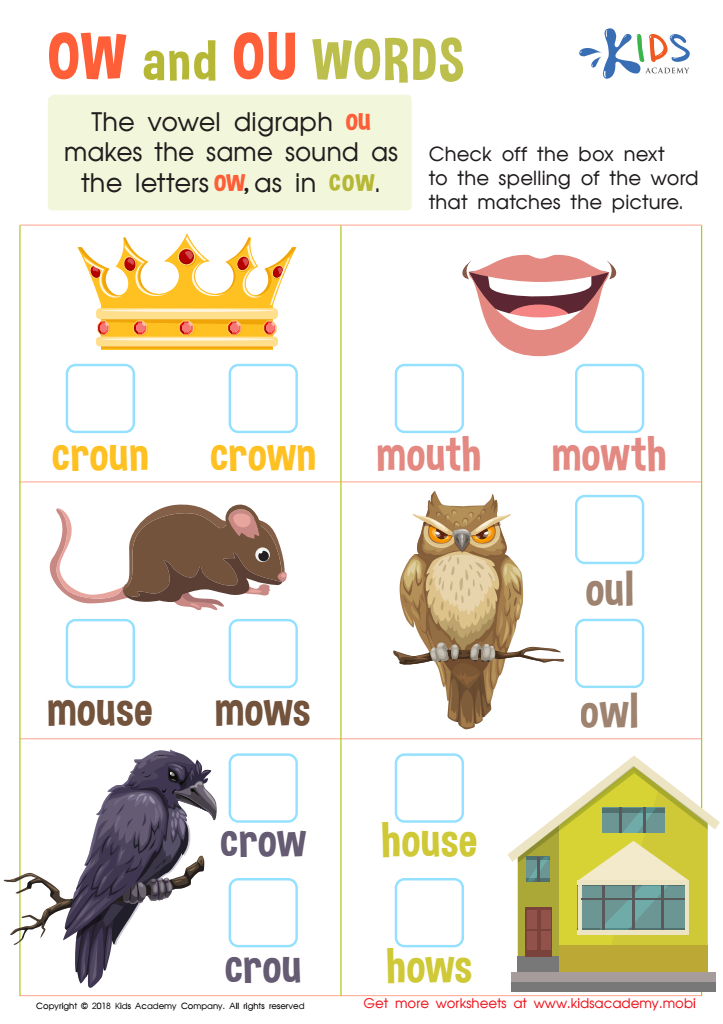
Reading: OW and OU Words Worksheet
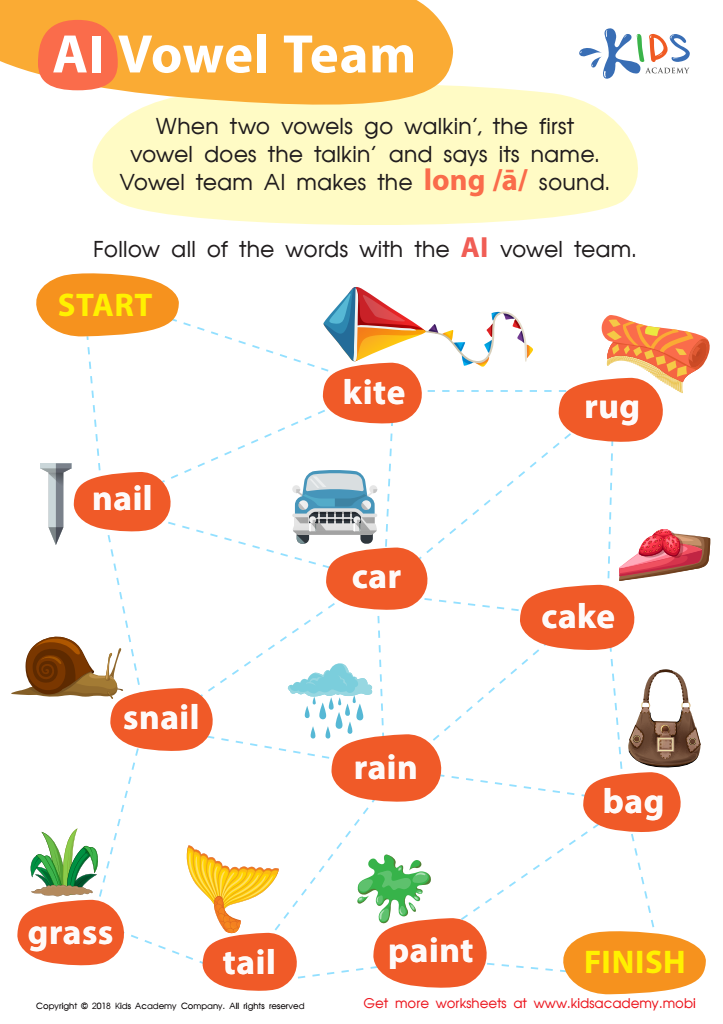
Reading: AI Vowel Team Worksheet
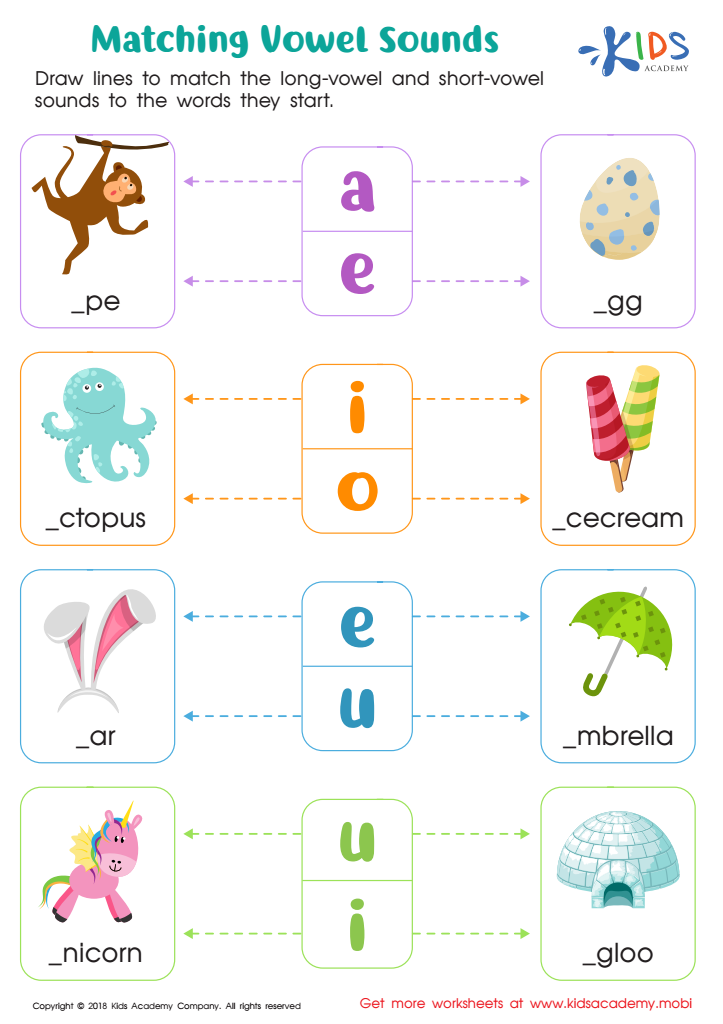
Matching Vowel Sounds Worksheet
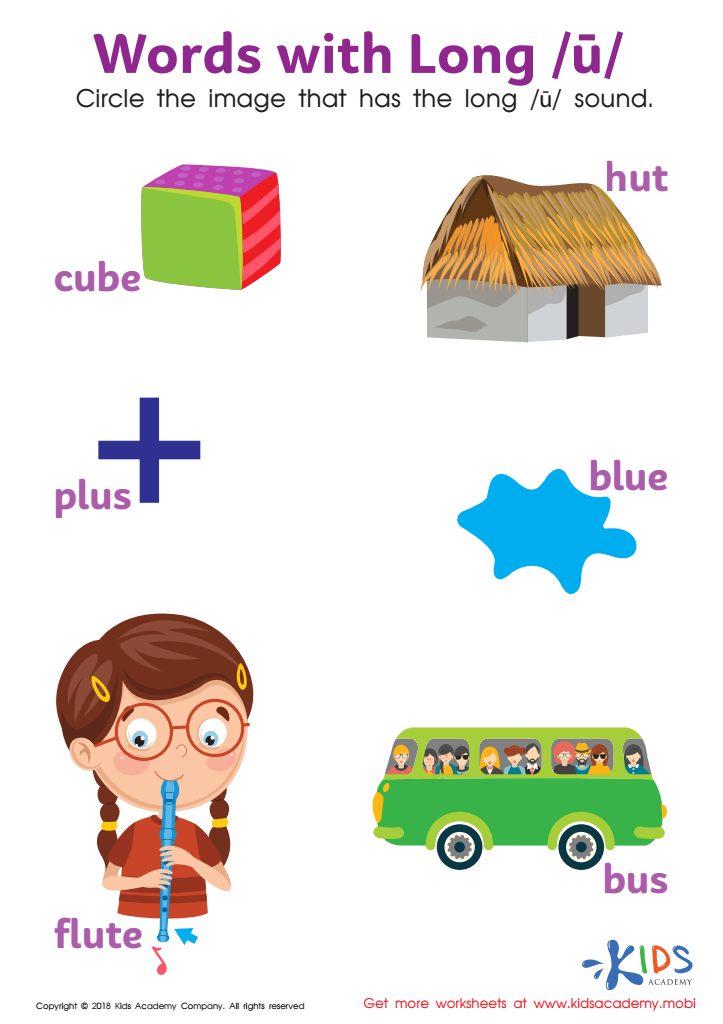
Words with Long U Reading Worksheet
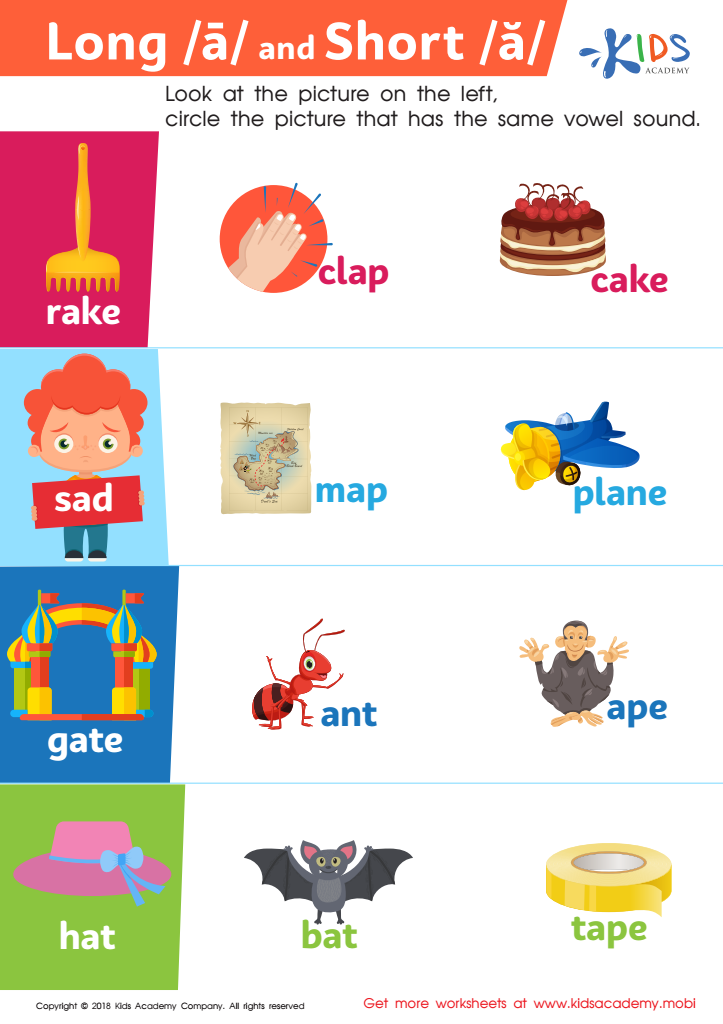
Reading: Long a and Short a Worksheet

Long and Short U Worksheet
 Assign to My Students
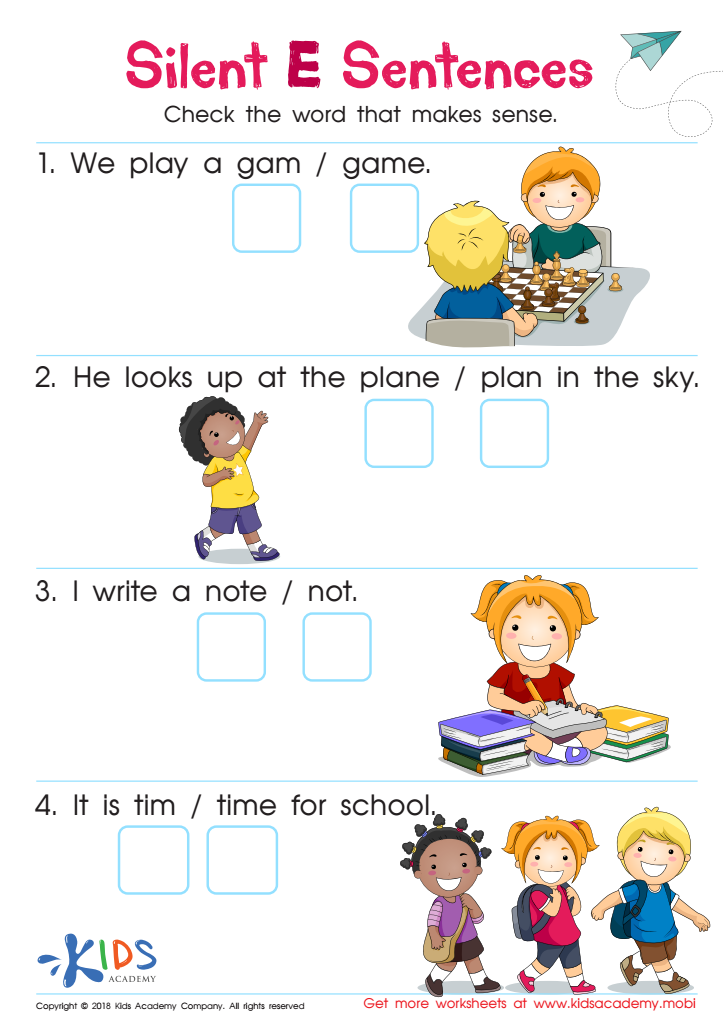
Silent E Sentences Worksheet
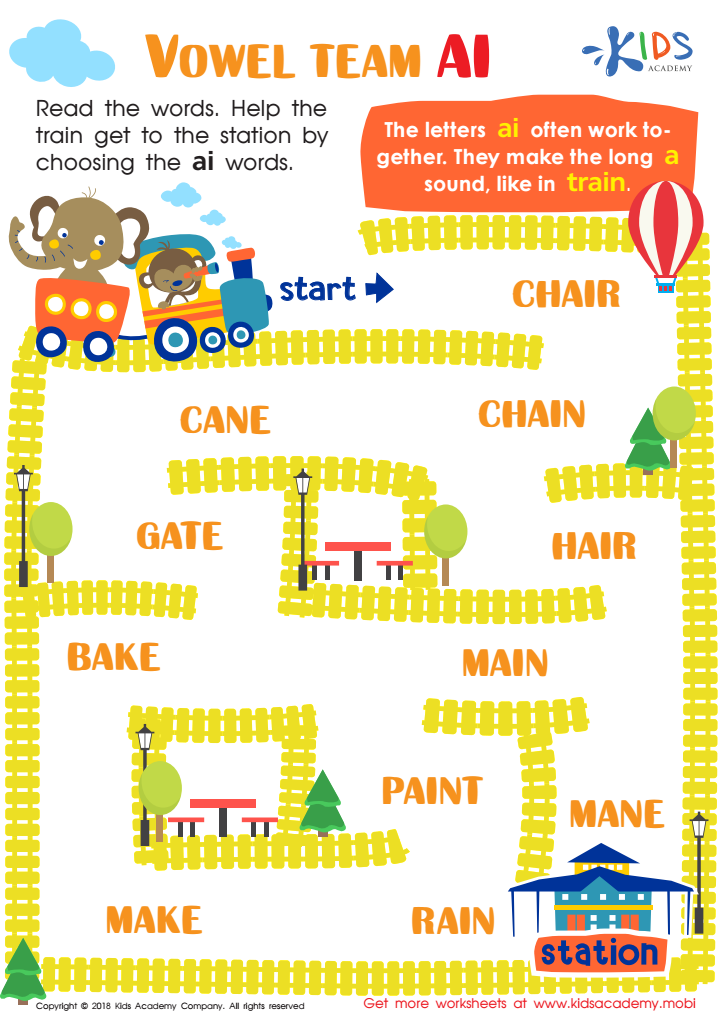
Vowel team ai Worksheet
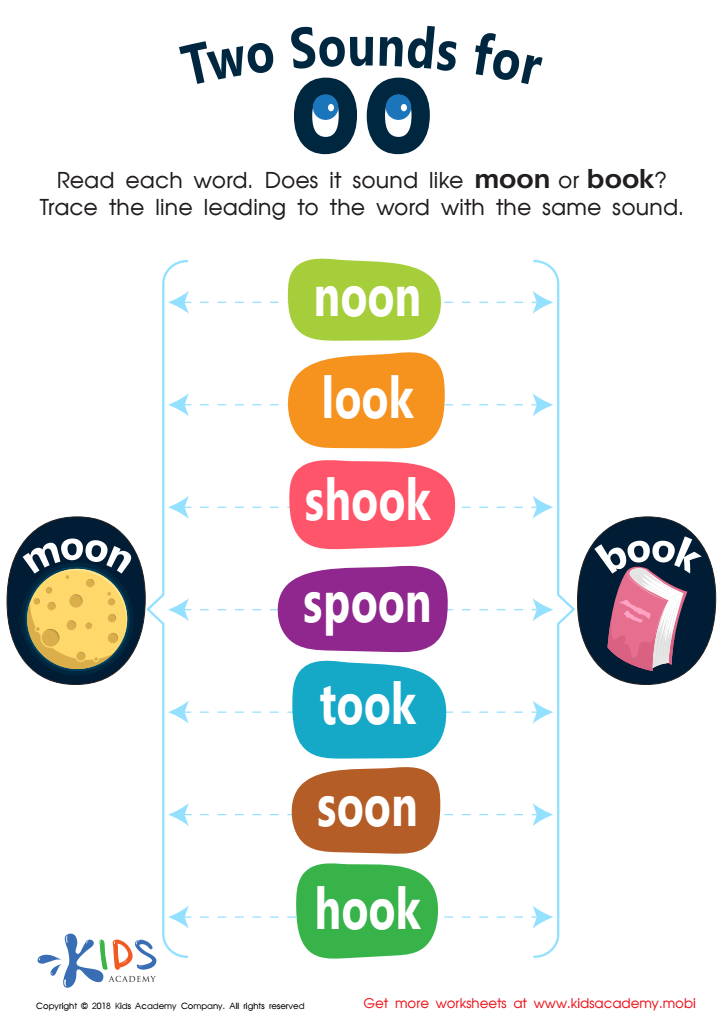
Two Sounds for OO Worksheet
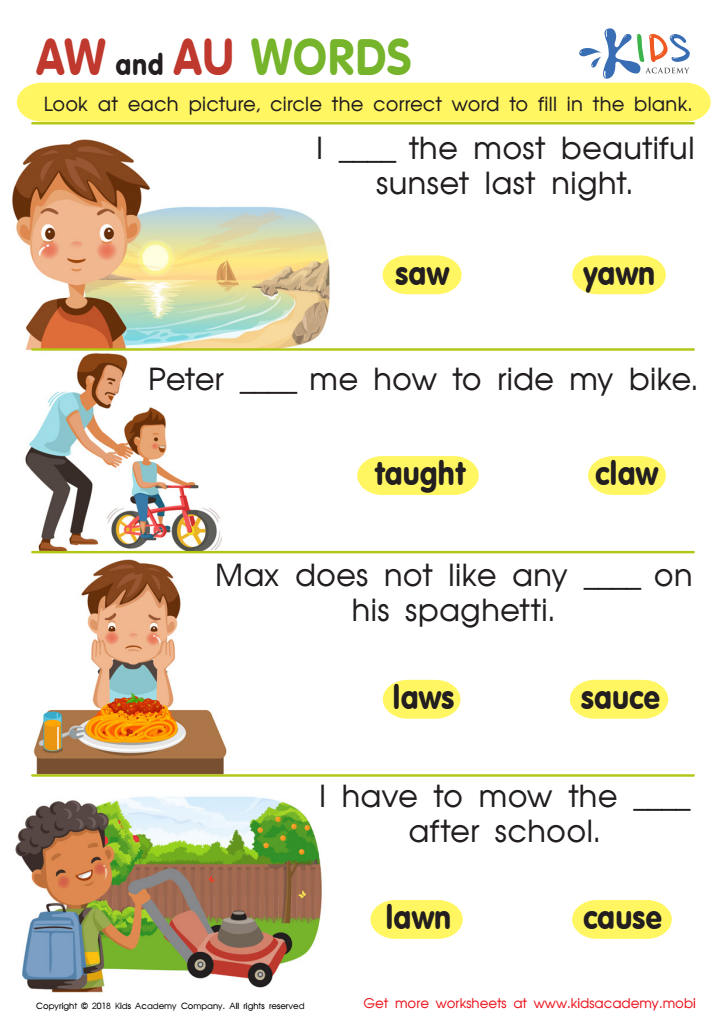
Reading: AW and AU Words Worksheet
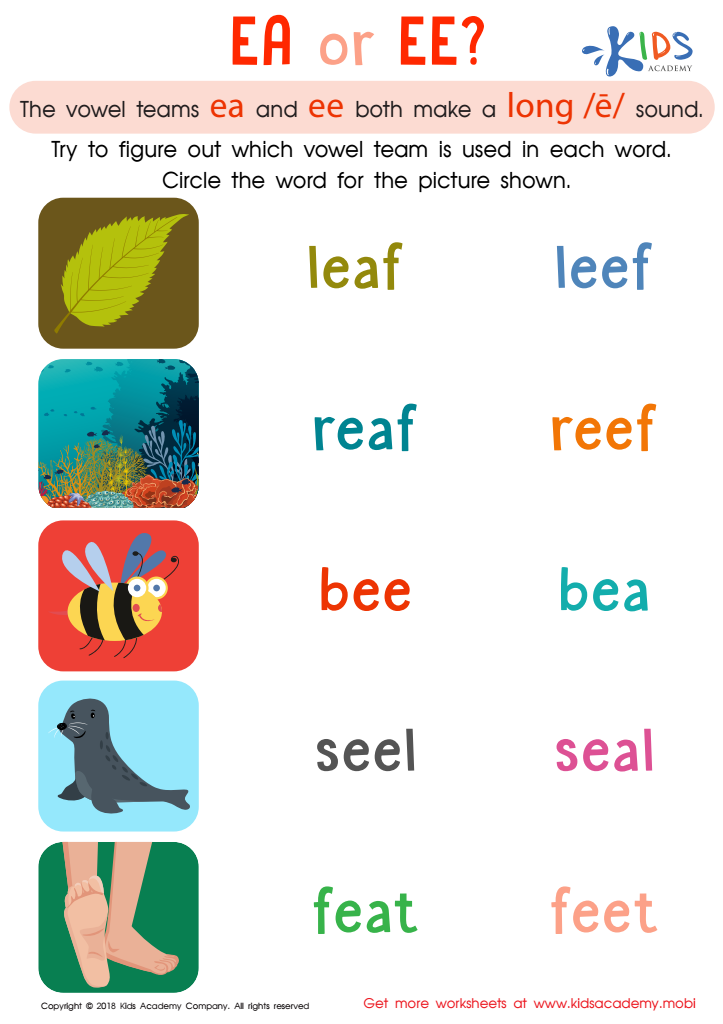
Reading: EA and EE Worksheet
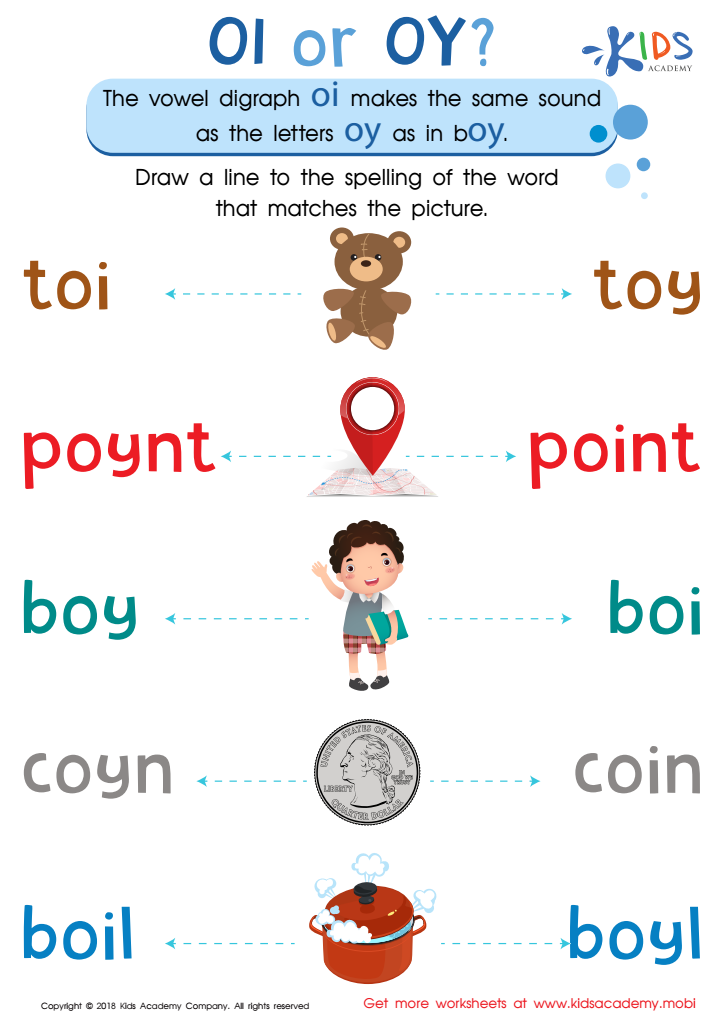
Reading: OI and OY Worksheet
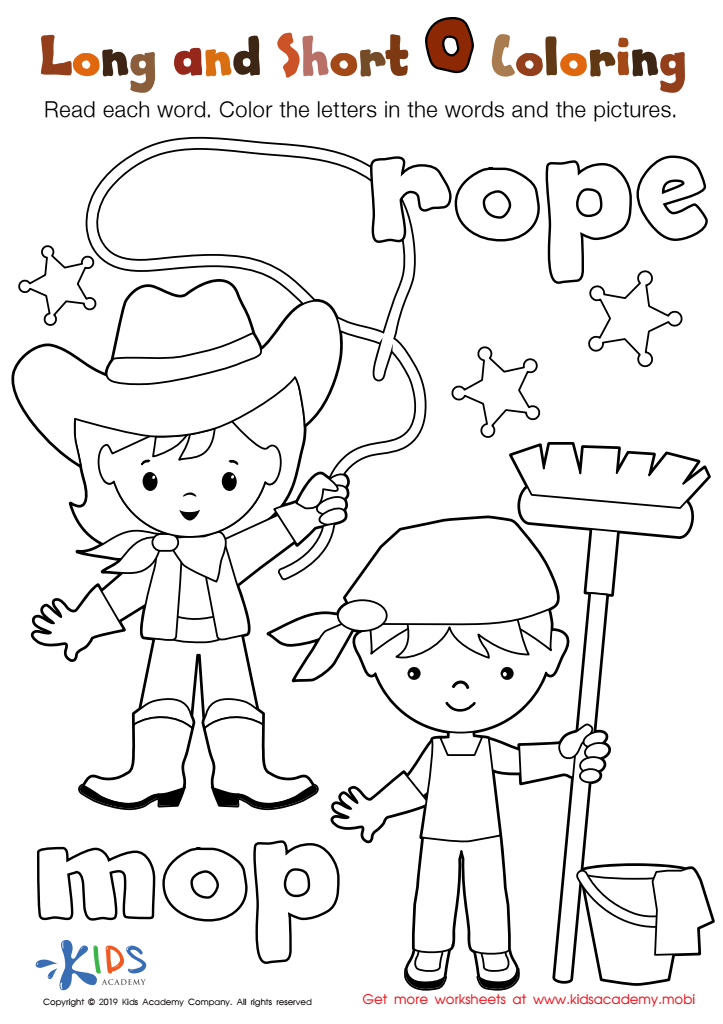
Long and Short O Worksheet
Assign to My Students
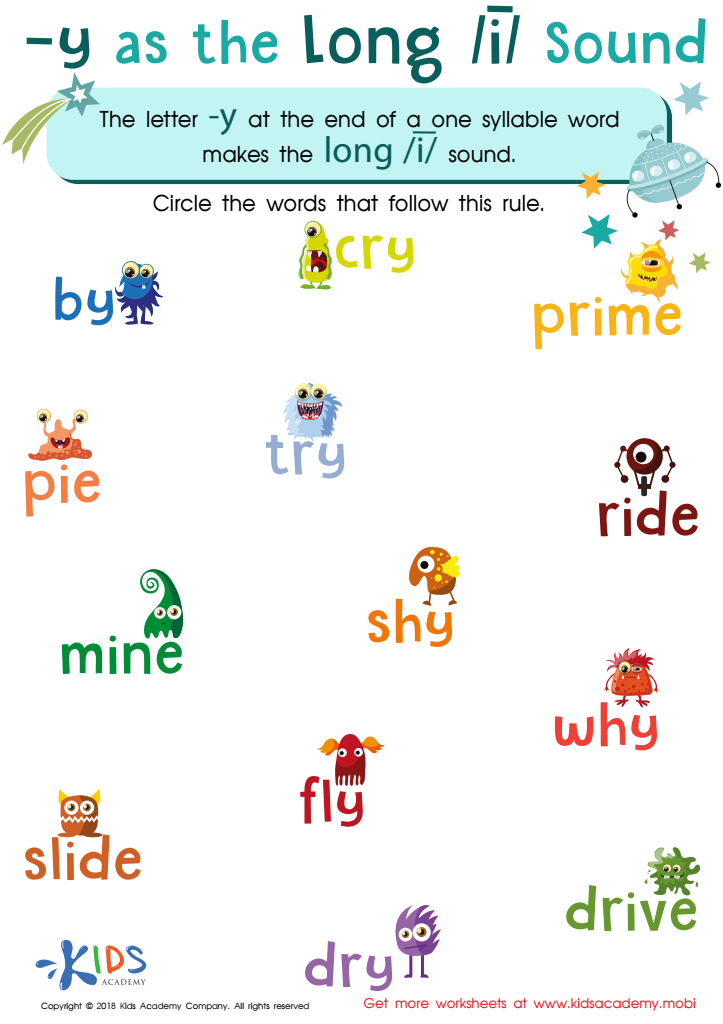
Reading: Y as Long I Worksheet
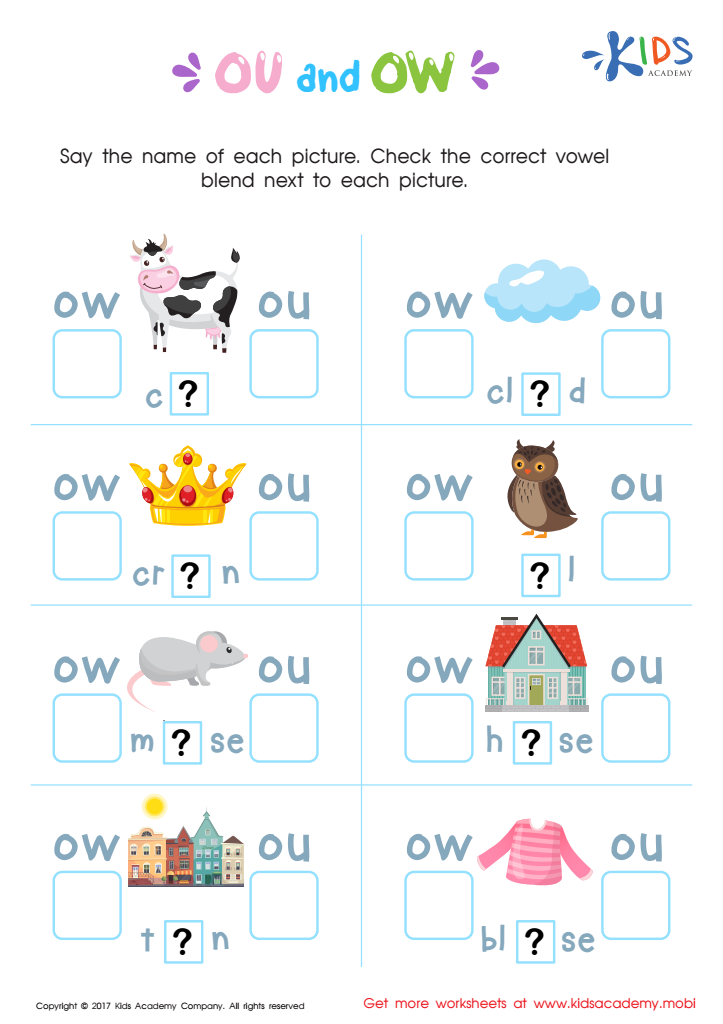
OU and OW Words Worksheet
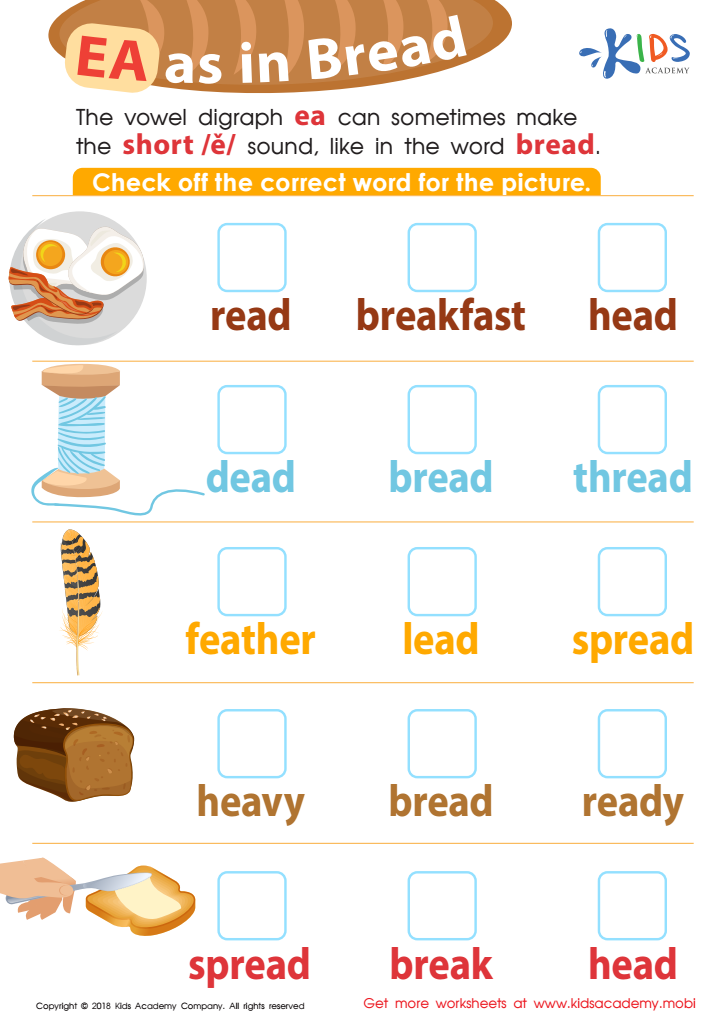
Reading: EA as in Bread Worksheet
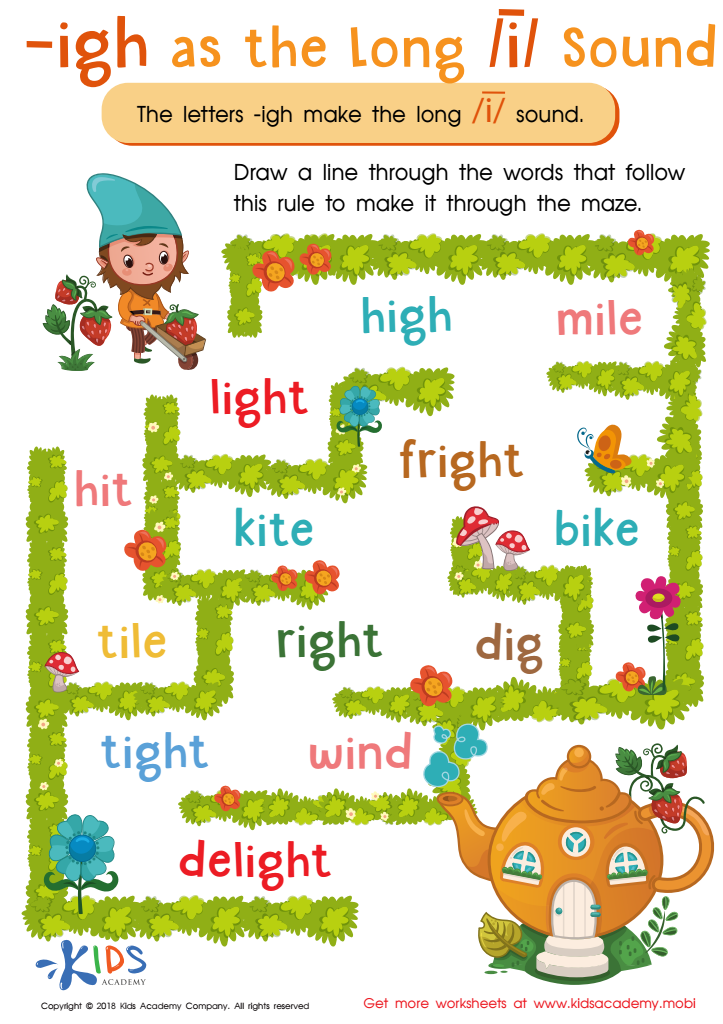
Reading: IGH as Long I Worksheet
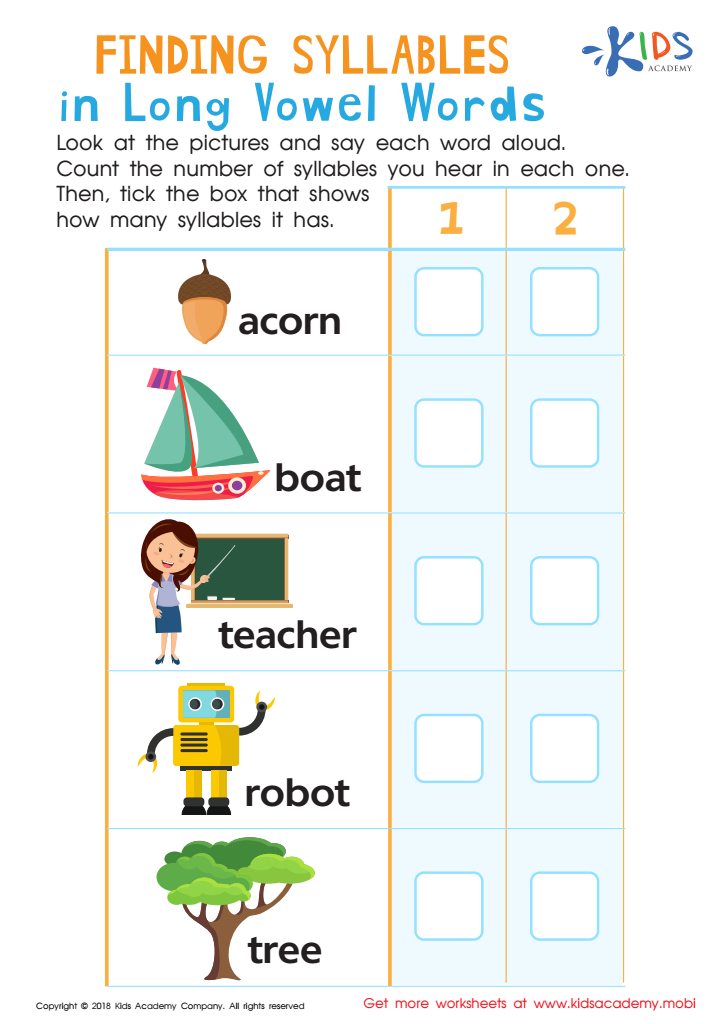
Finding Syllables in Long Vowel Words Worksheet





Vocabulary expansion and understanding normal vowels (A, E, I, O, U) are foundational elements in the educational development of children aged 4-8. This period is crucial as it sets the groundwork for future learning.
Firstly, vocabulary expansion is directly linked to a child's reading comprehension, communication skills, and overall academic performance. A robust vocabulary allows children to better understand instructions, engage with educational materials, and express their thoughts effectively. This early stage of vocabulary building also fosters a love for reading, boosts confidence, and enhances social interactions, which are essential for holistic development.
Secondly, mastering normal vowels is vital for phonemic awareness, the ability to recognize and manipulate sounds in spoken language. Understanding vowels helps children decode unfamiliar words, improves spelling abilities, and lays the foundation for learning more complex language structures. It is through playful activities, songs, and reading that children become increasingly familiar with these sounds, internalizing them as they build both spoken and written language skills.
Incorporating vocabulary and vowel lessons into daily activities ensures that children are consistently exposed to linguistic challenges, gradually transitioning from simple word recognition to fluent reading and writing. For educators and parents, prioritizing these areas nurtures a stable academic foundation, ultimately fostering lifelong learners who are well-prepared for future educational endeavors.