Counting skills Normal Numbers Worksheets for Ages 4-8 - Page 3
67 filtered results
-
From - To
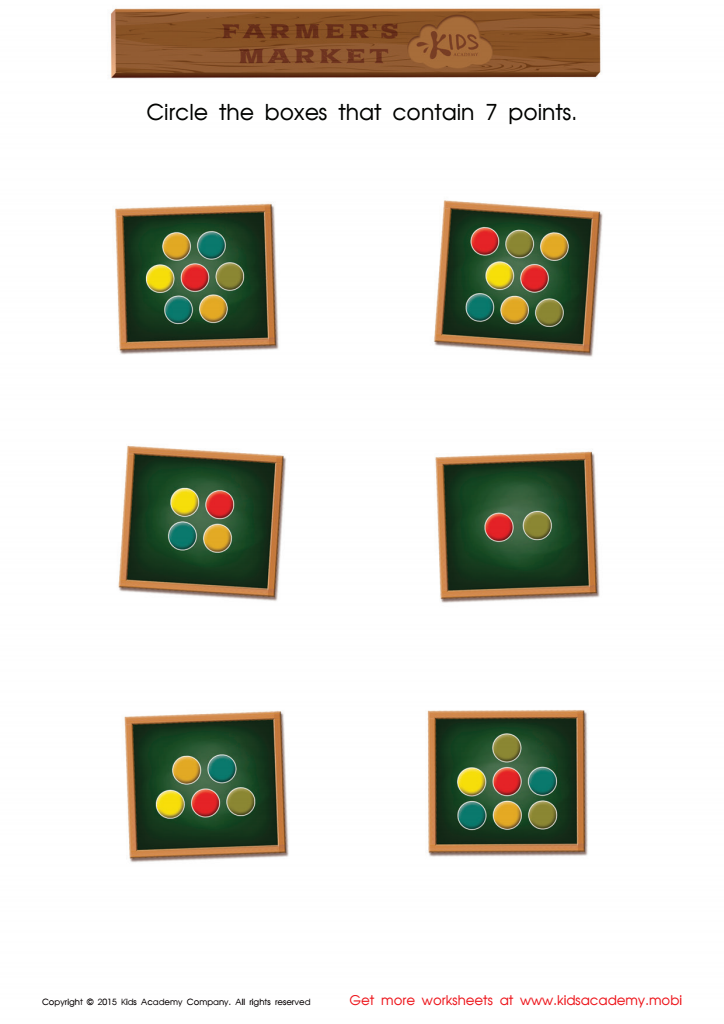
Count and Match Points 7 Math Worksheet
 Assign to My Students
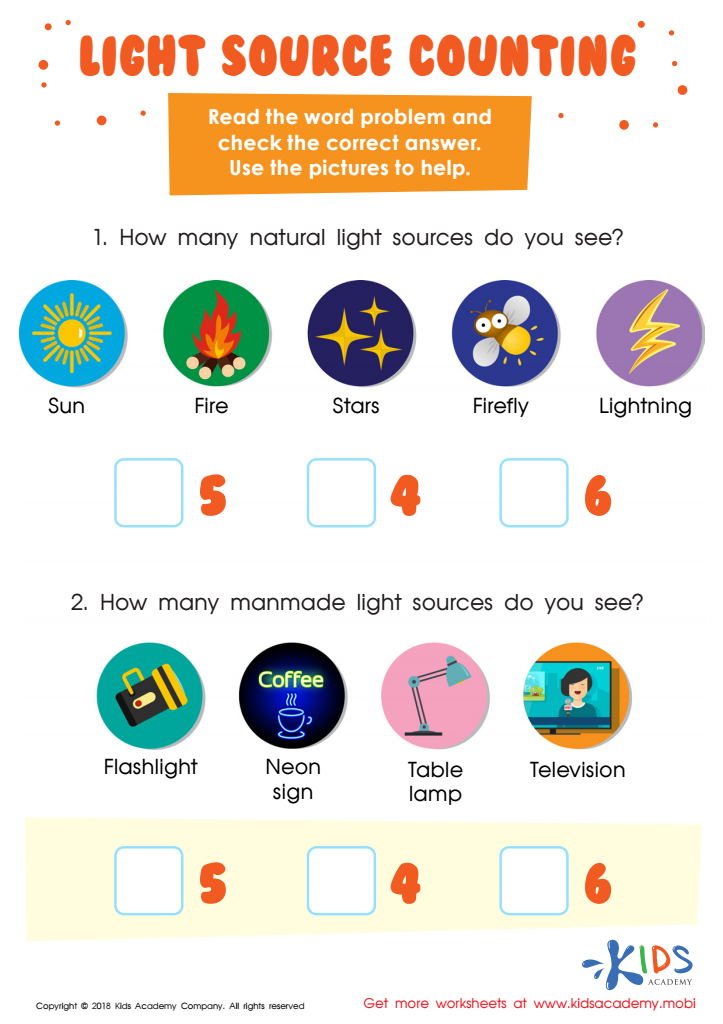
Light Source Counting Worksheet
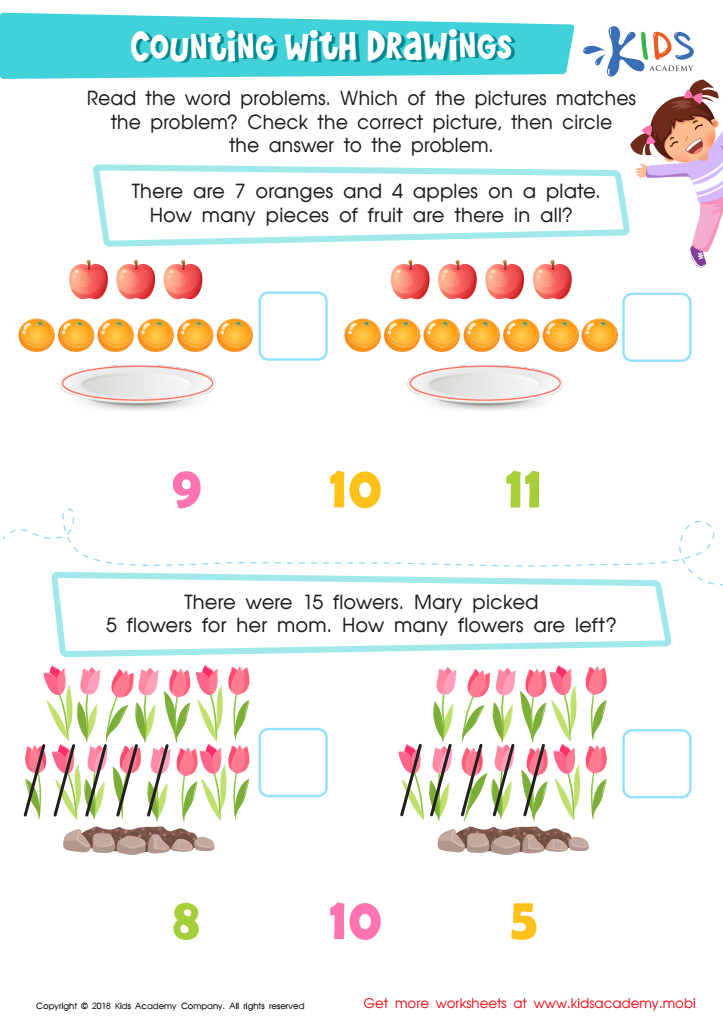
Counting with Drawings:Fruits & Flowers Worksheet
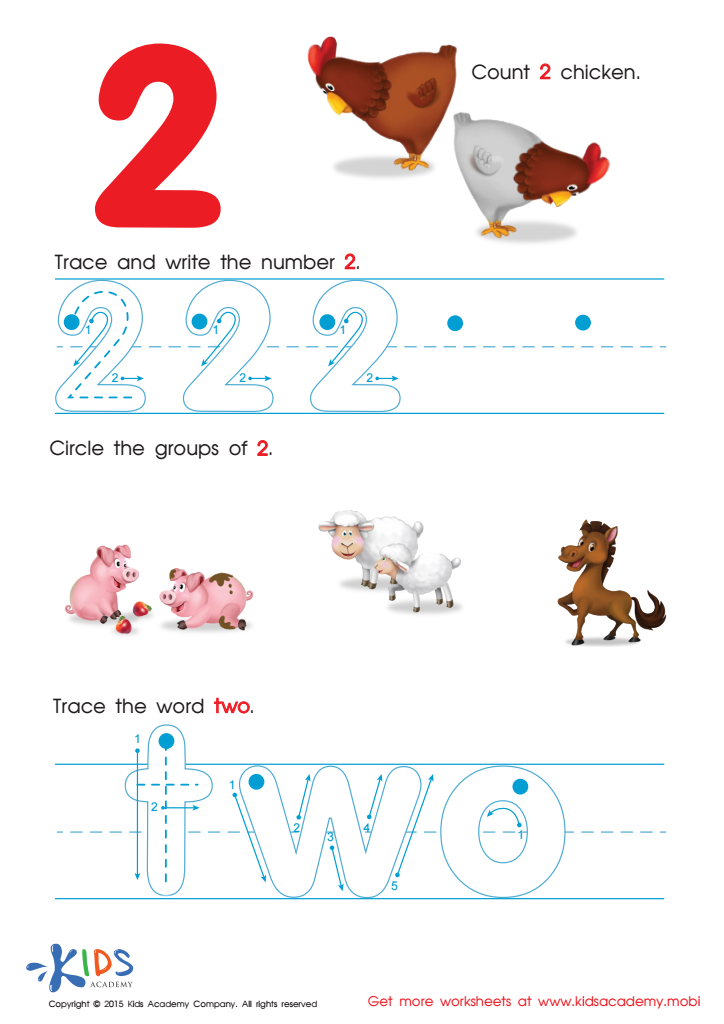
Learn to Write the Number 2 Worksheet
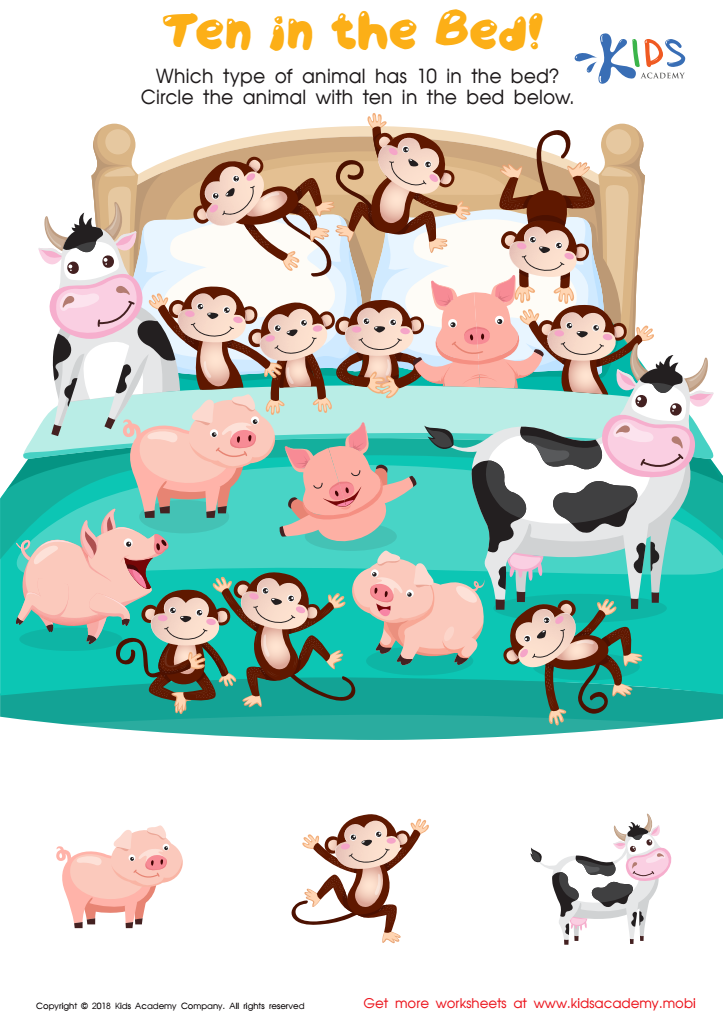
Ten in the Bed Worksheet
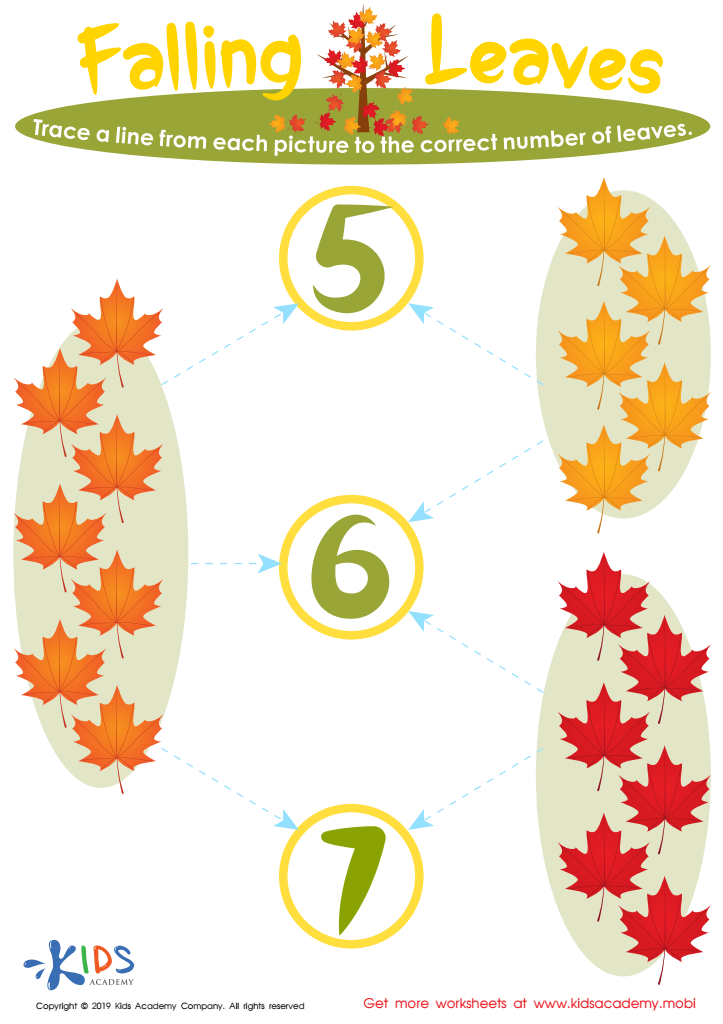
Falling Leaves Worksheet
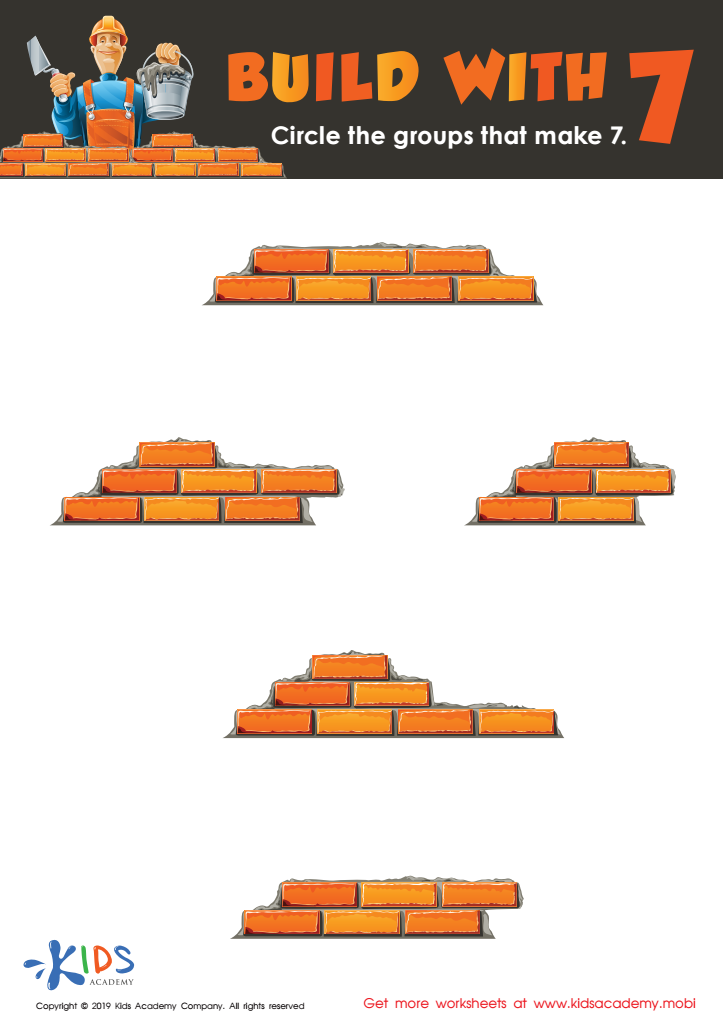
Build with 7 Worksheet

Count and Match Vegetables 1 – 5 Math Worksheet
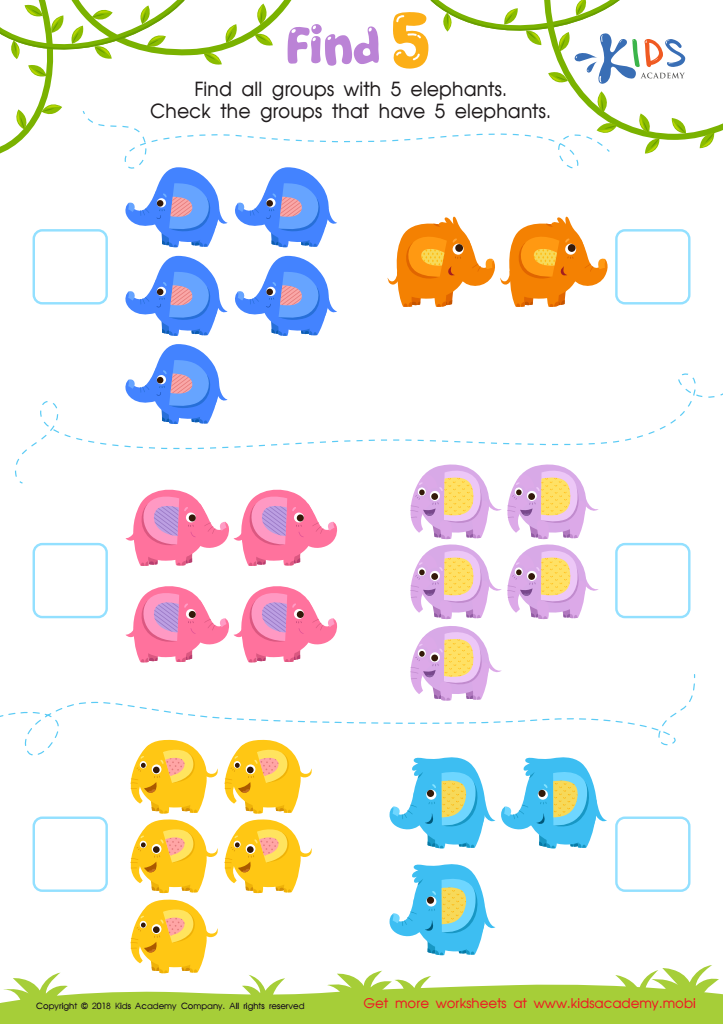
Find 5 Worksheet
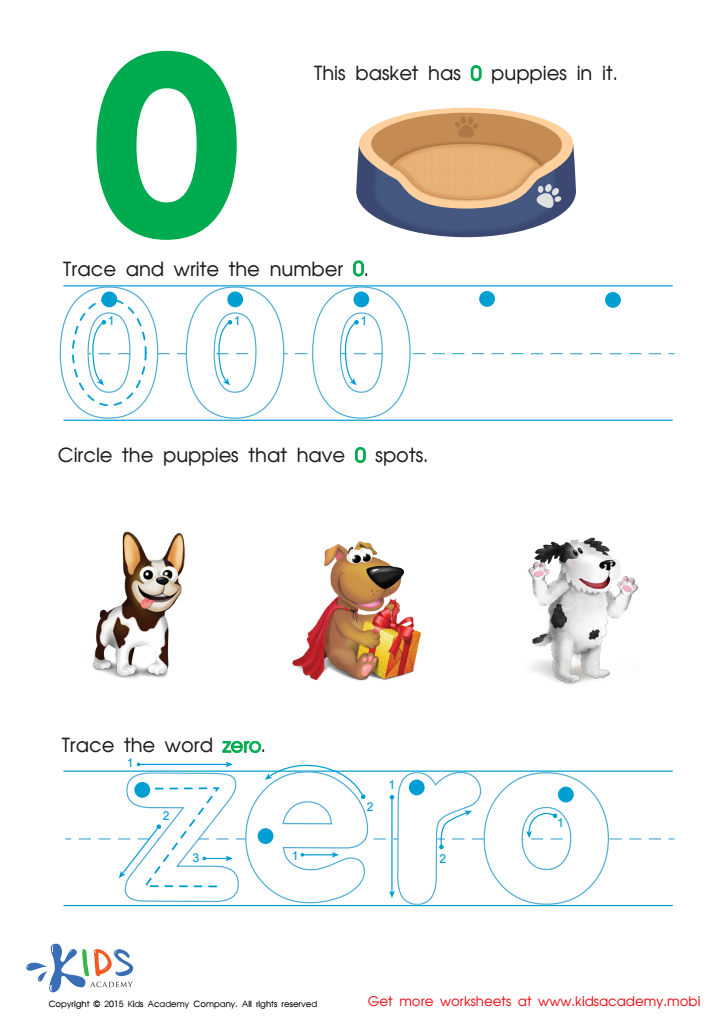
Trace And Write Number 0 Worksheet
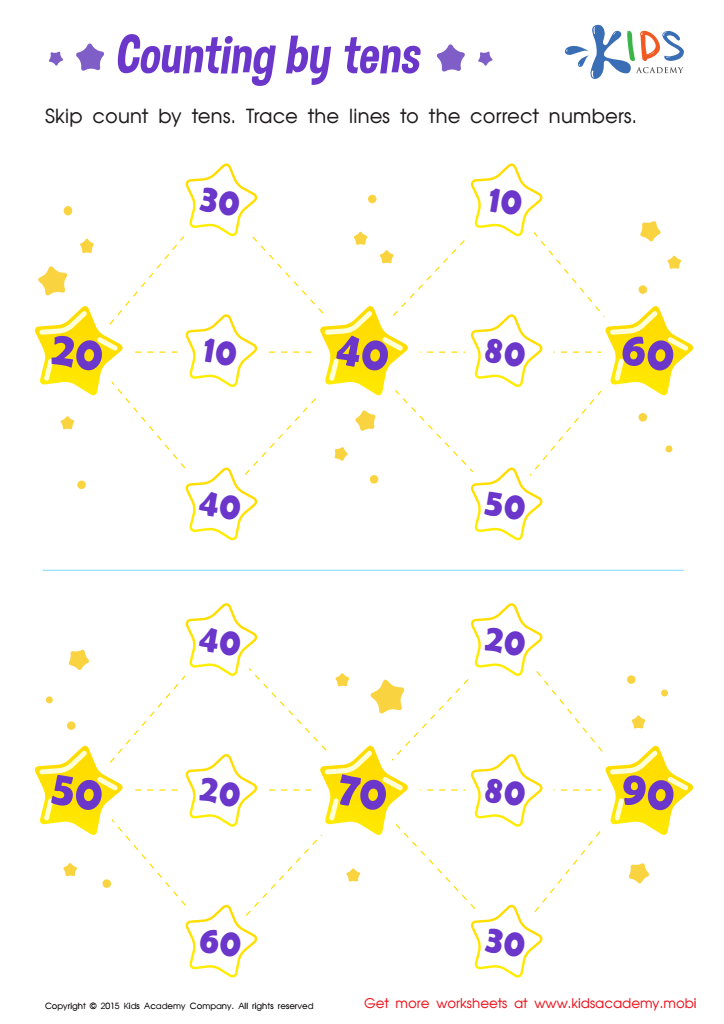
Learn Dozens: Counting by Tens Printable
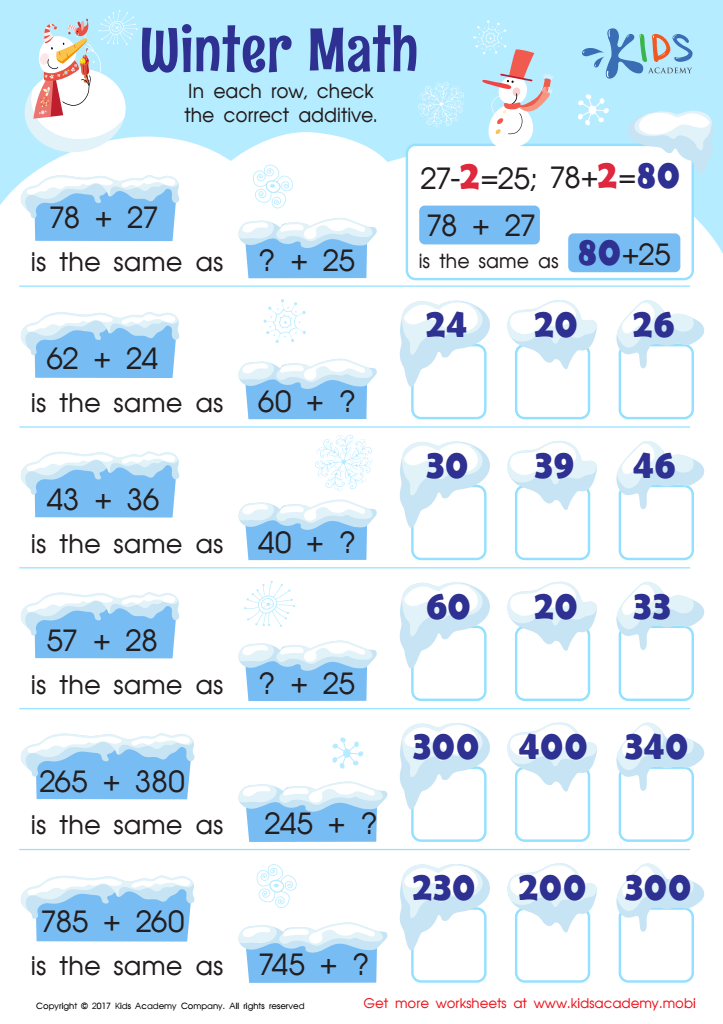
Free Addition Worksheet
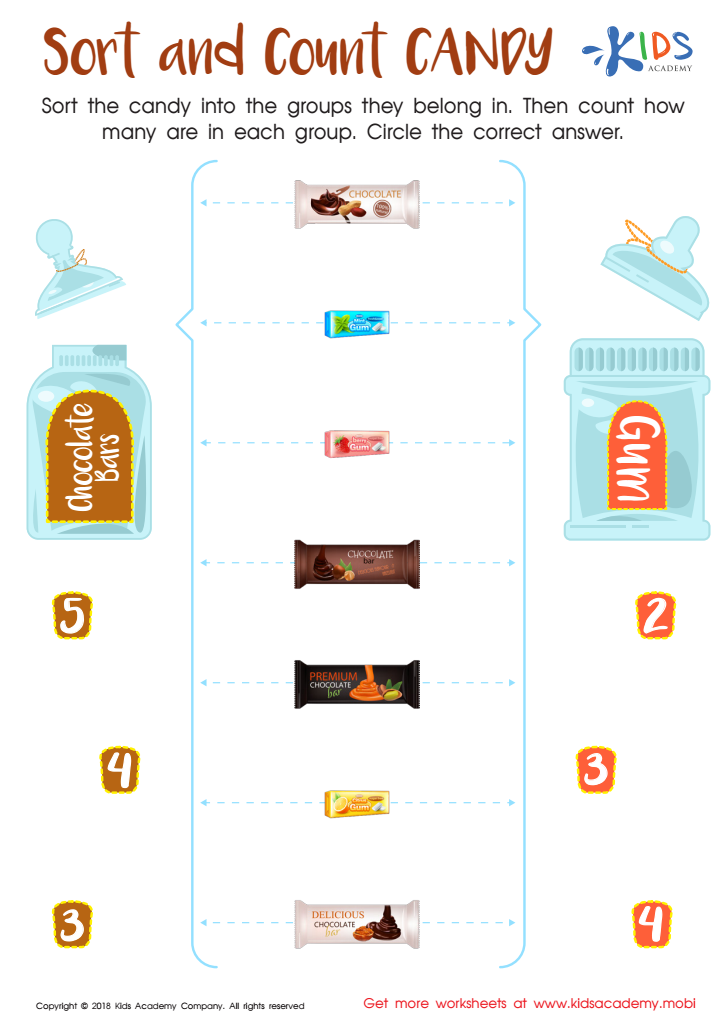
Sort and Count Candy Worksheet
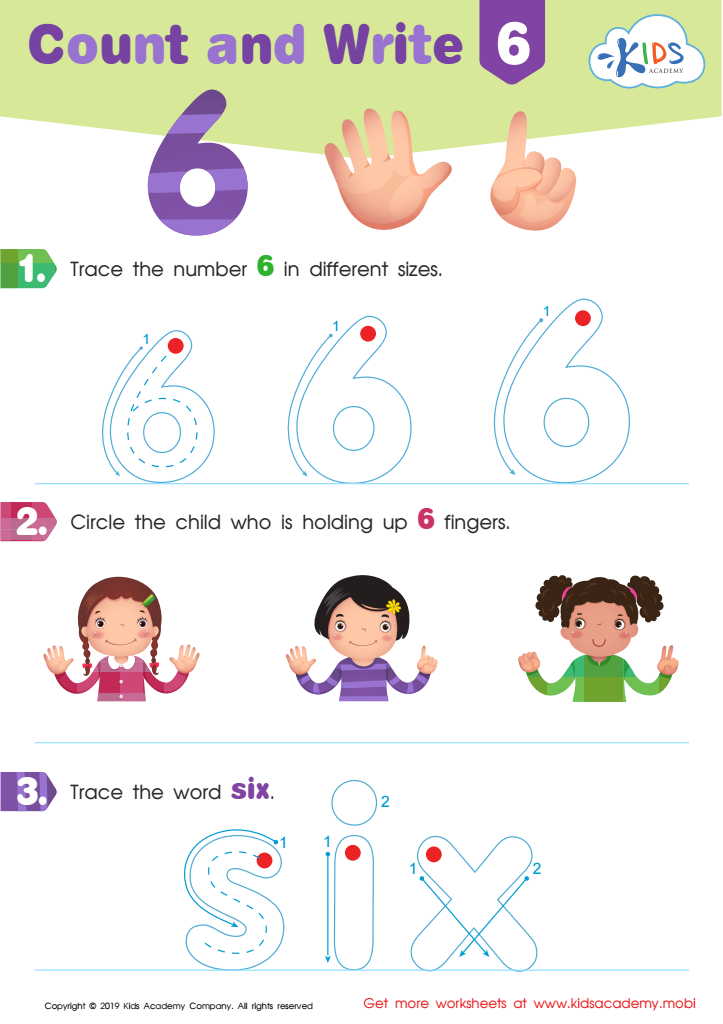
Count and Write 6 Worksheet
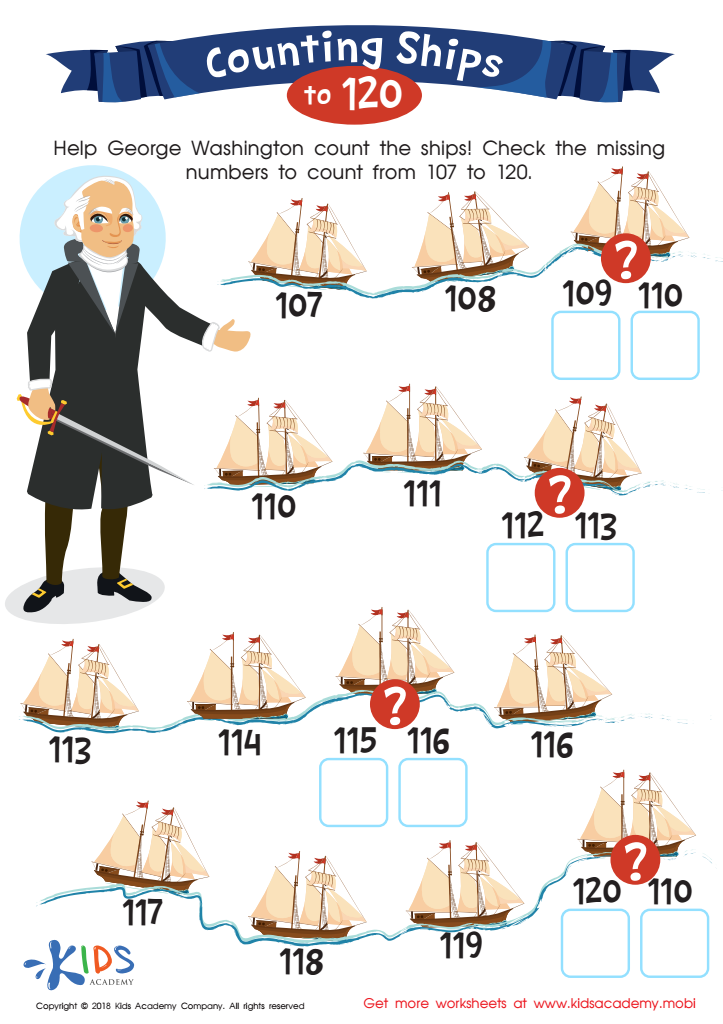
Counting Ships to 120 Worksheet
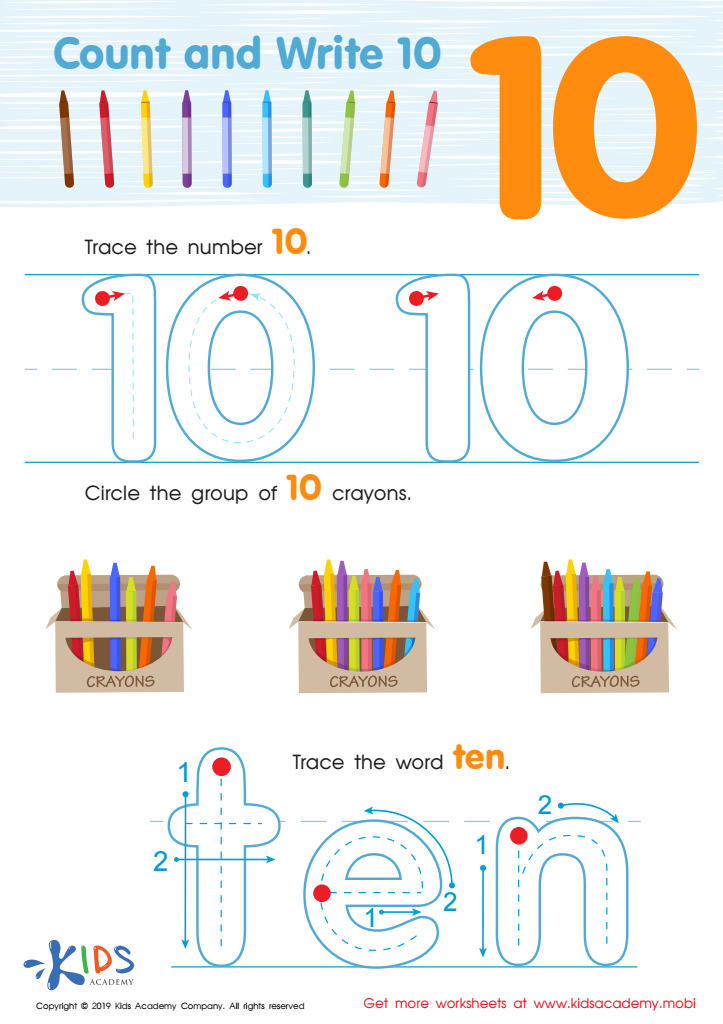
Count and Write 10 Worksheet
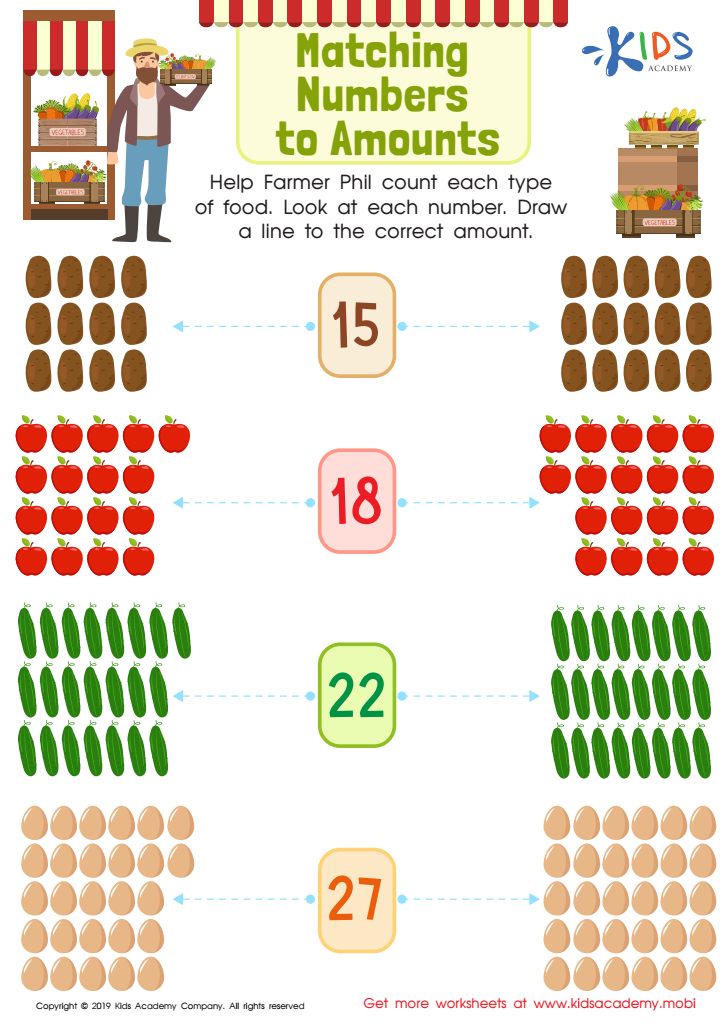
Matching Numbers to Amounts Worksheet
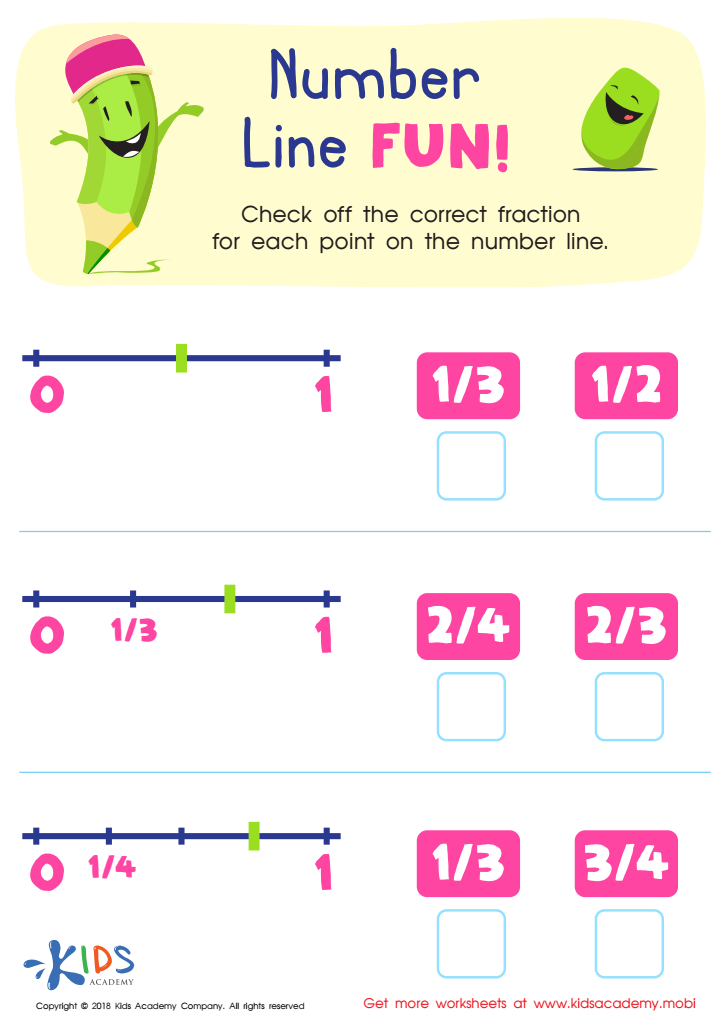
Number Line Fun Worksheet
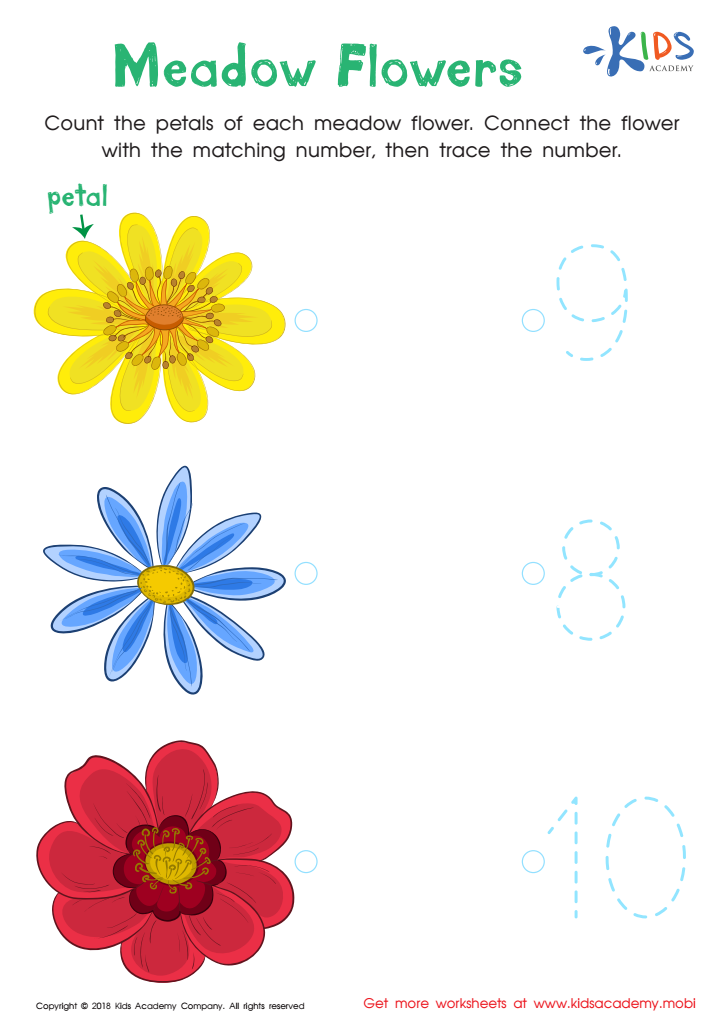
Kindergarten Number Tracing: Medow Flowers Worksheet








Counting skills in early childhood are foundational for mathematical development and overall cognitive growth. For children aged 4 to 8, mastering normal numbers enhances their ability to understand quantity, develop problem-solving abilities, and manipulate numerical concepts. Strong counting skills lay the groundwork for more complex math operations, such as addition, subtraction, and eventually multiplication and division.
Parents and teachers should care because these skills are essential for daily life tasks, such as measuring ingredients while cooking, estimating distances while traveling, or even managing money in simple transactions. Additionally, mastering counting promotes confidence and fosters a positive attitude toward learning. Children who grasp counting concepts early on often show a greater eagerness to engage with mathematics challenges later in school.
Moreover, counting helps develop cognitive skills related to memory and attention. Activities that involve counting, such as playing games or using everyday objects, can reinforce these skills in enjoyable and interactive ways. Early intervention in developing counting skills can prevent future learning difficulties and encourage a lifelong love for mathematics. Supporting children in mastering counting sets them up for academic success and equips them with crucial life skills, making it a priority for parents and educators alike.








