Normal Science Worksheets for Ages 4-8 - Page 14
315 filtered results
-
From - To
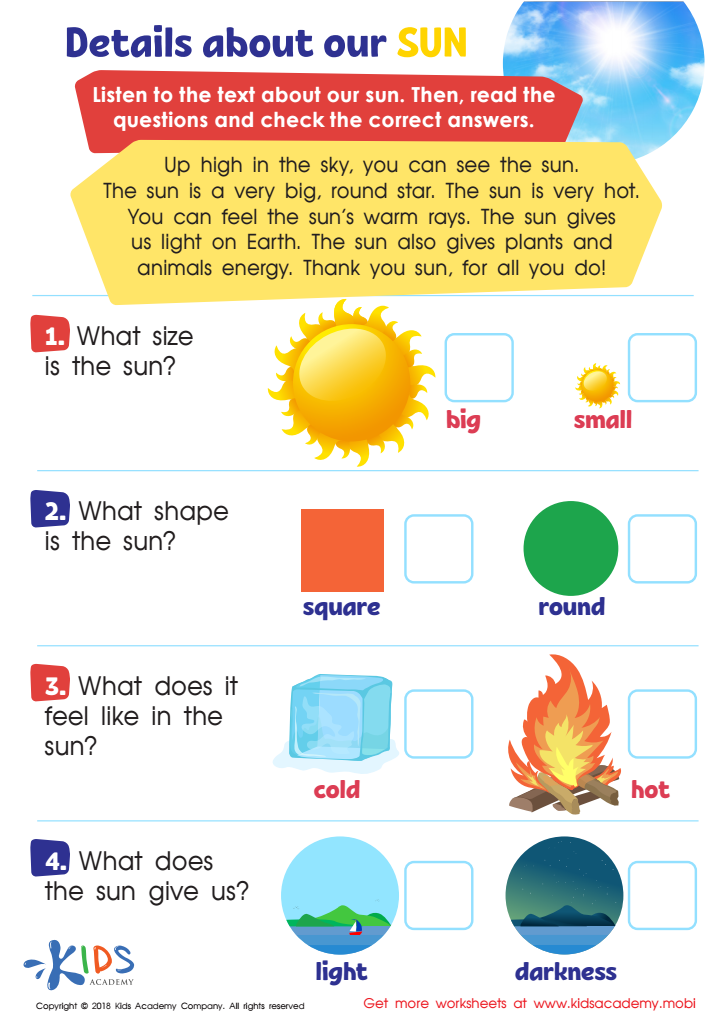
Details About Our Sun Worksheet
 Assign to My Students
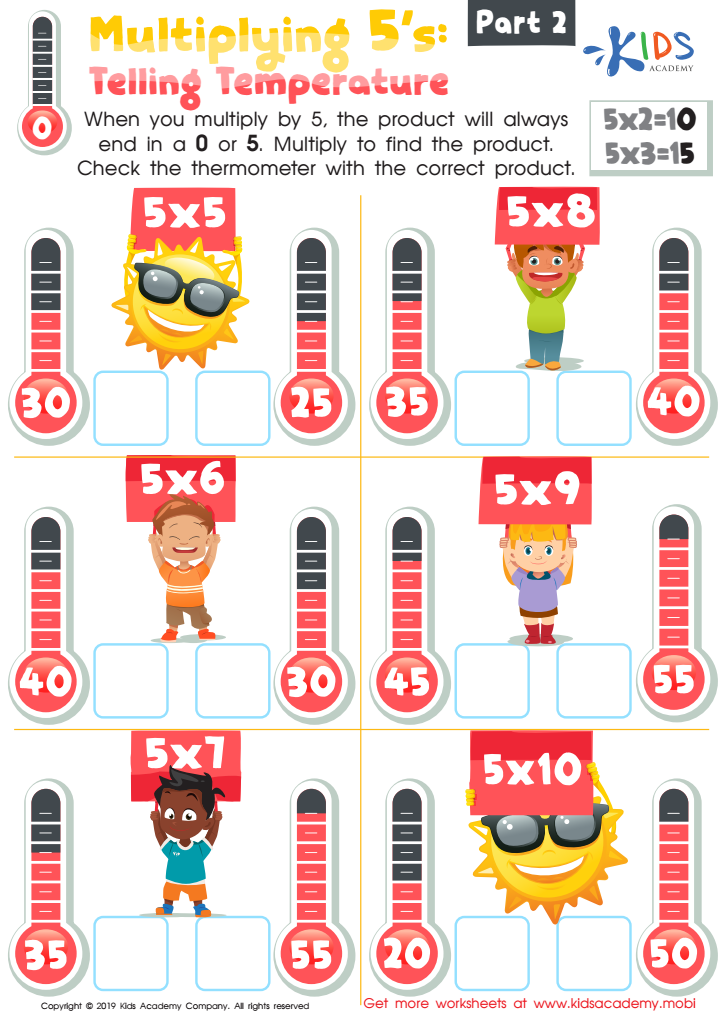
Multiplying 5’s: Telling Temperature Part 2 Worksheet
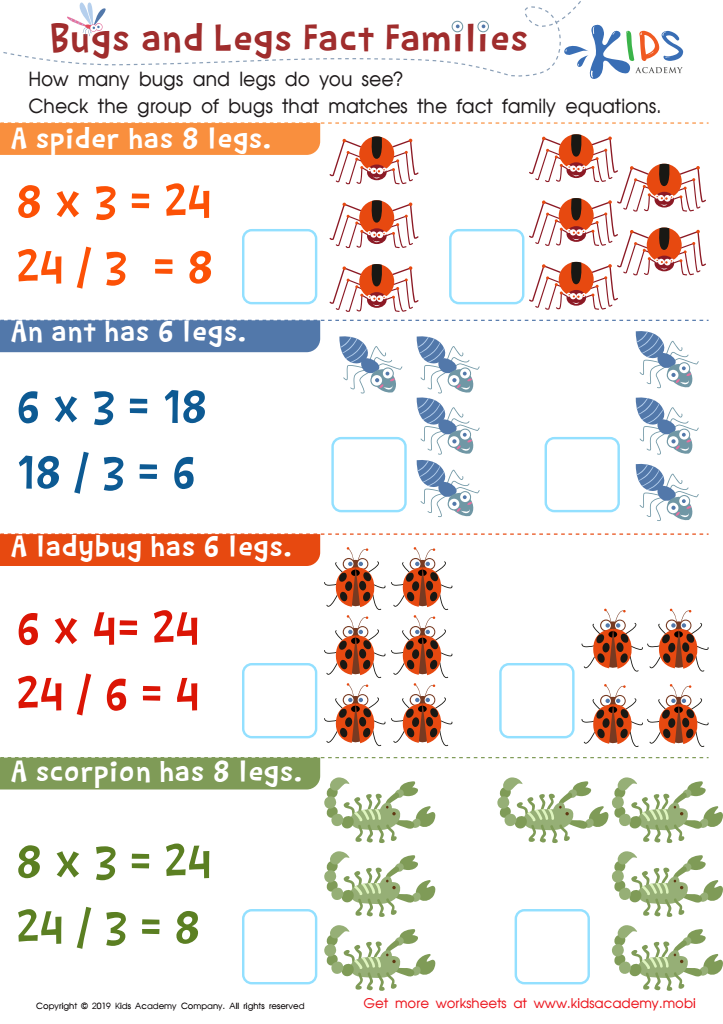
Bugs and Legs Fact Families Worksheet




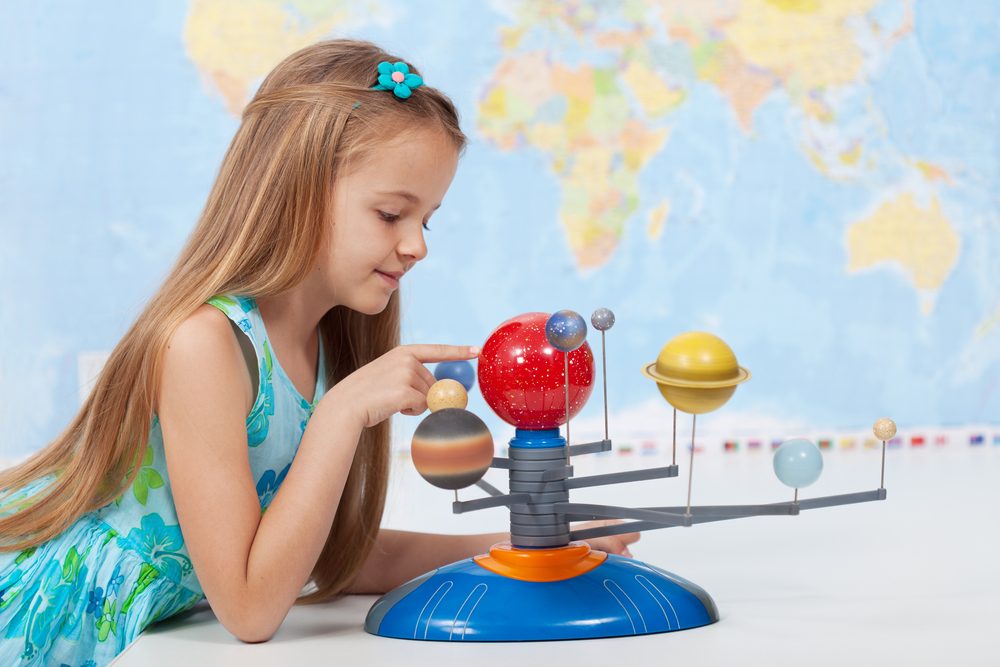



Parents and teachers should prioritize Normal Science for children ages 4-8 because it lays the foundation for critical thinking, curiosity, and a lifelong love of learning. At this age, children are naturally inquisitive, eager to explore and understand the world around them. Normal Science encourages them to ask questions, make observations, and draw conclusions through hands-on experiences.
This developmental stage is crucial for building basic scientific literacy. Engaging in age-appropriate experiments and inquiries fosters creativity and problem-solving skills. Children learn to hypothesize, test their ideas, and evaluate outcomes, setting the groundwork for more complex scientific understanding in the future.
Moreover, incorporating principles of Normal Science in early education can demystify science, making it accessible and enjoyable. This nurturing approach helps dispel the fear or disinterest some might have toward science later in life. By recognizing and valuing the role of Normal Science, parents and teachers empower children to become confident learners who embrace innovation and critical inquiry. Ultimately, this focus not only enhances their current educational experience but also prepares them for future academic challenges, contributing to well-rounded, curious individuals equipped to navigate an increasingly complex world.







