Critical Thinking Normal Social Studies Worksheets for Ages 4-8
25 filtered results
-
From - To
Discover our engaging Critical Thinking Normal Social Studies Worksheets, specially designed for kids aged 4-8! These worksheets encourage young learners to develop essential critical thinking skills while exploring social studies concepts. Perfect for early education, they cover topics like community, culture, and citizenship in a fun and interactive way. Each worksheet offers a variety of thought-provoking activities, including puzzles, scenarios, and problem-solving exercises to foster curiosity and analytical thinking. Our resources are easy to use and align with educational standards, making them an ideal choice for teachers and parents alike. Help your child think critically about their world today!
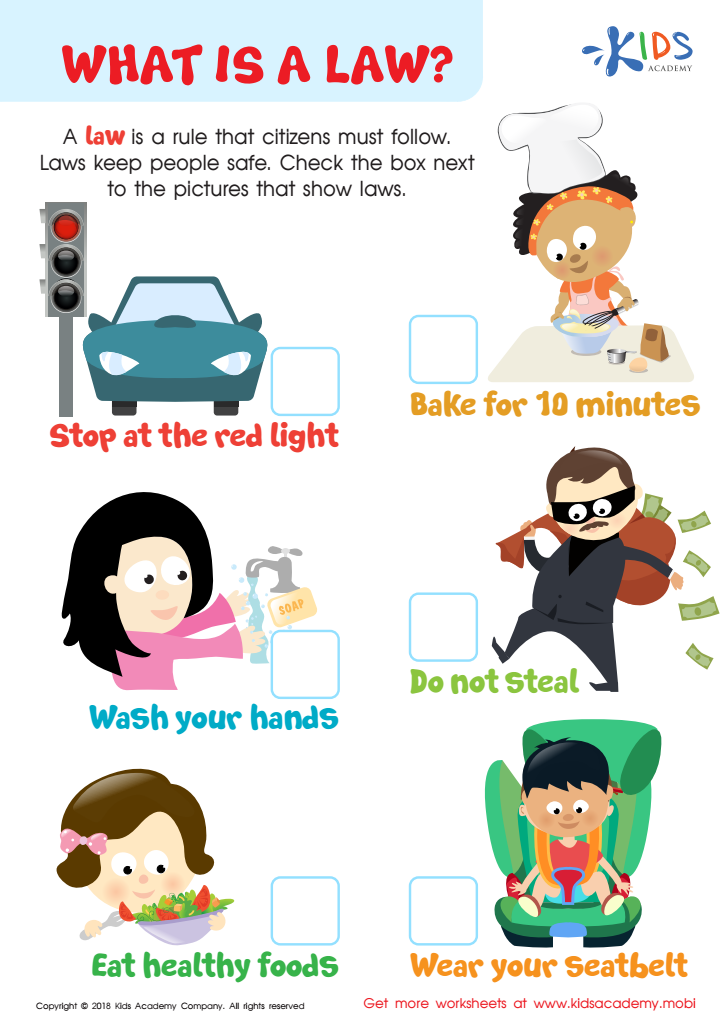
What is a Law? Worksheet
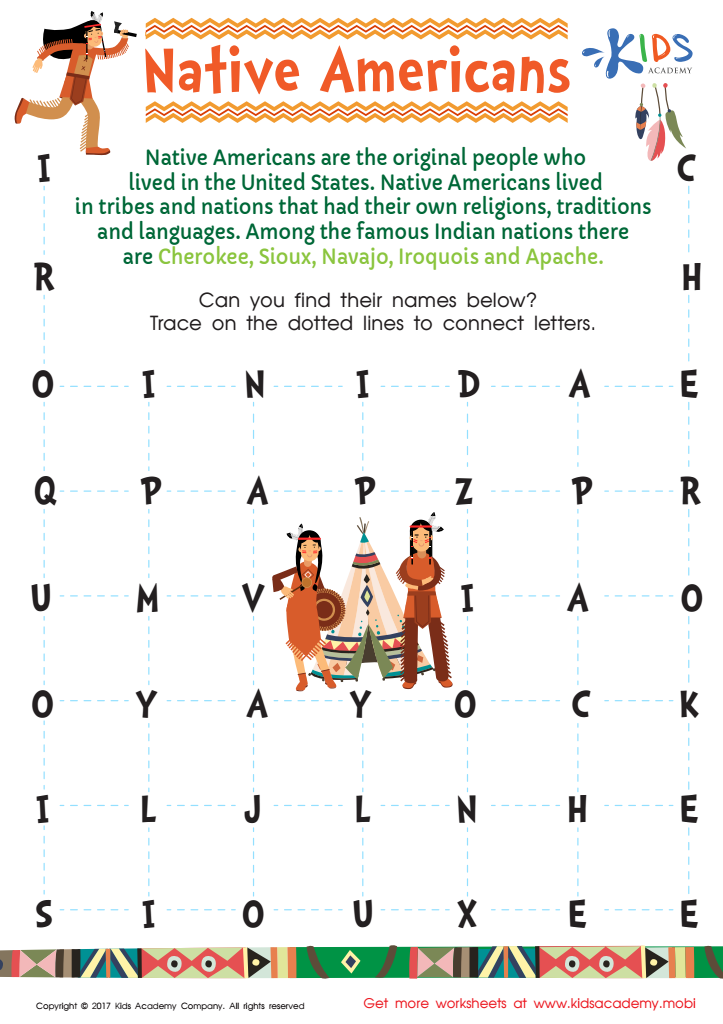
Native American Word Search Printable
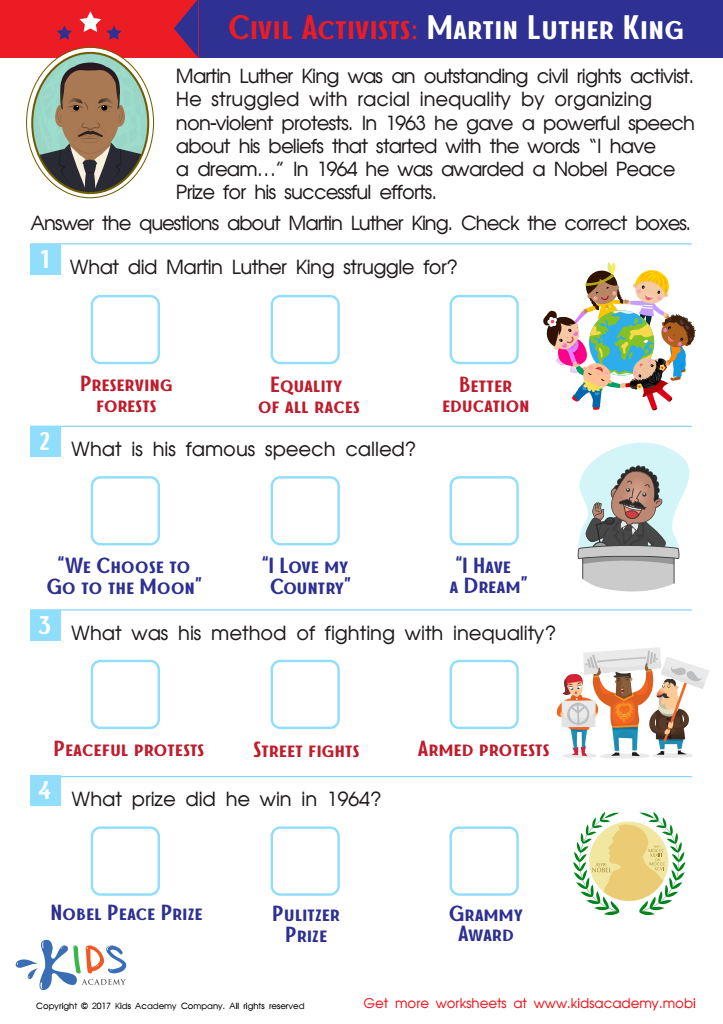
Martin Luther King Worksheet
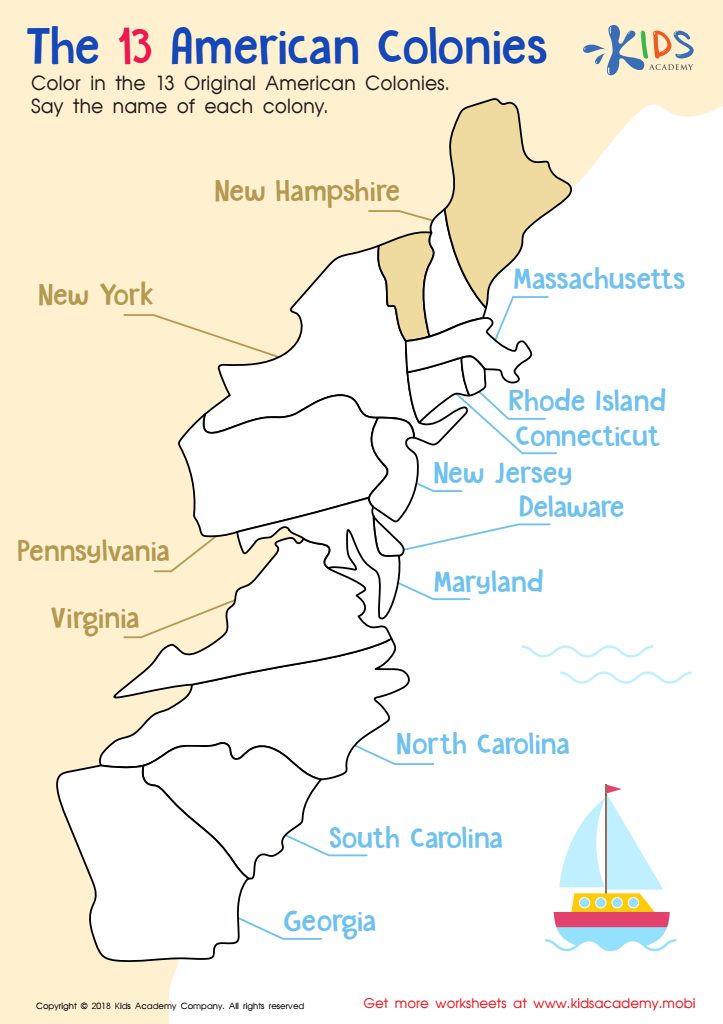
The 13 American Colonies Worksheet
 Assign to My Students
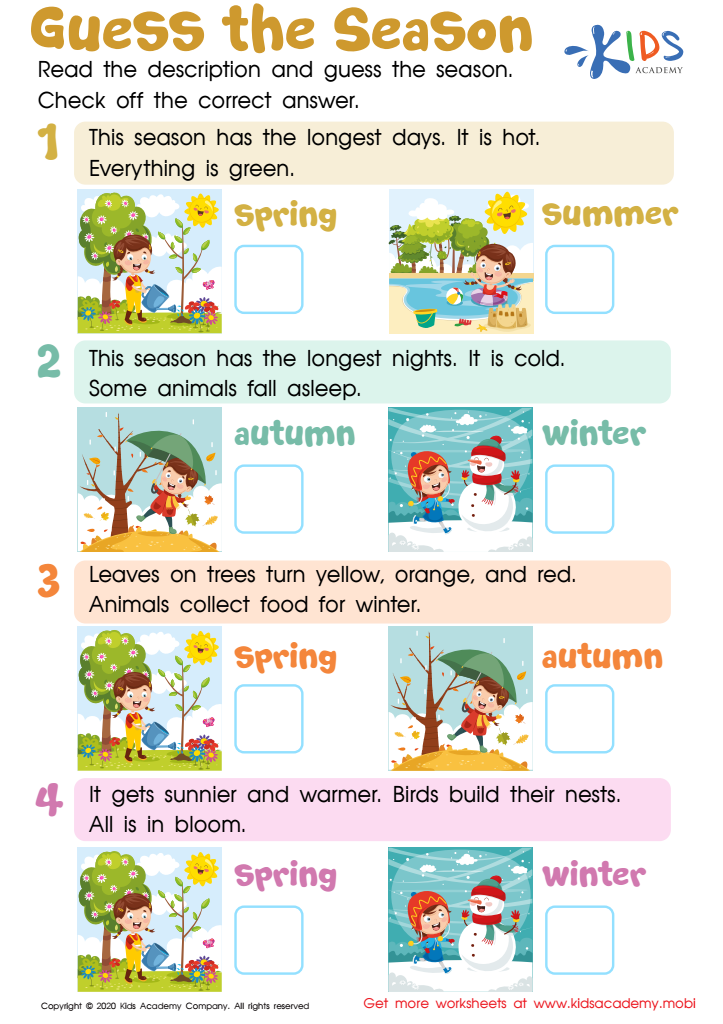
Guess the Season Worksheet
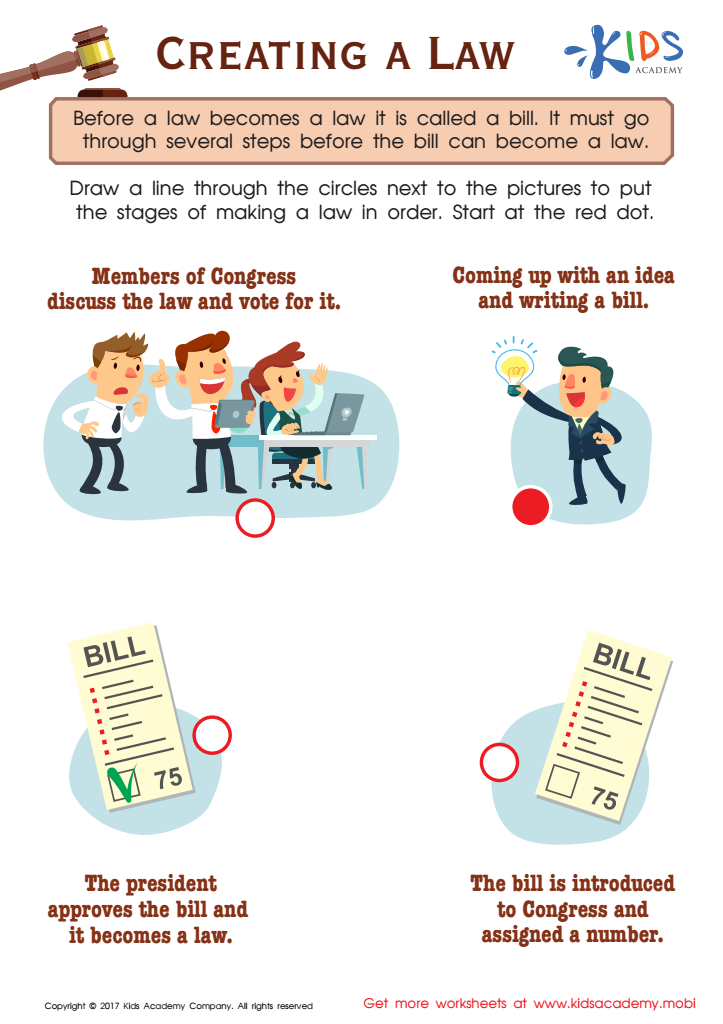
Creating a Law Worksheet
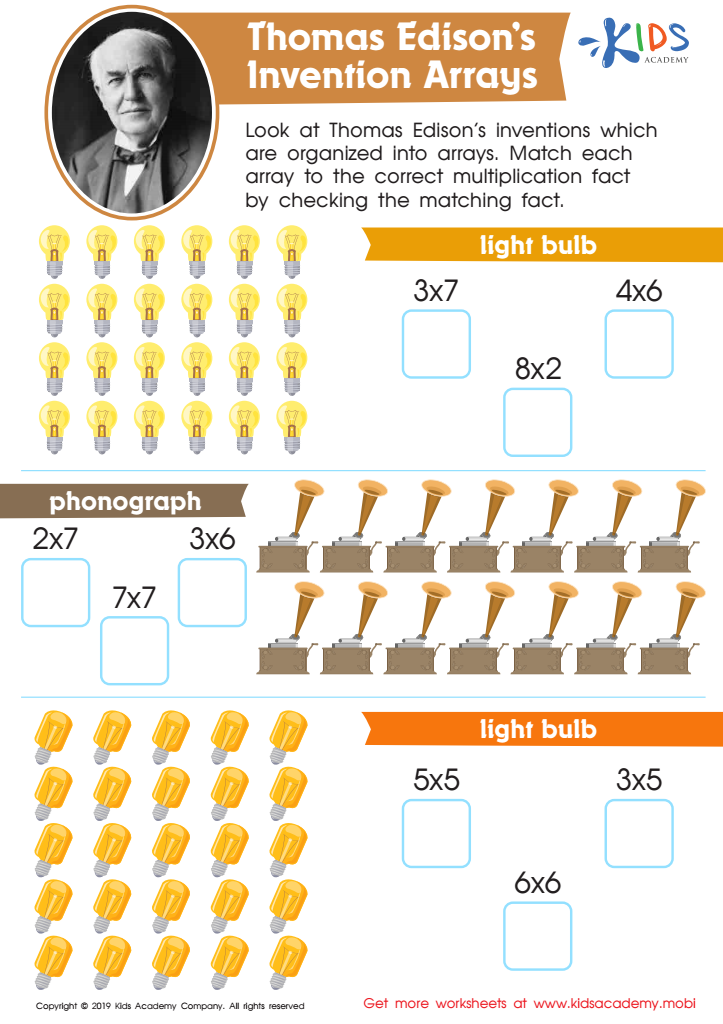
Thomas Edison’s Invention Arrays Worksheet
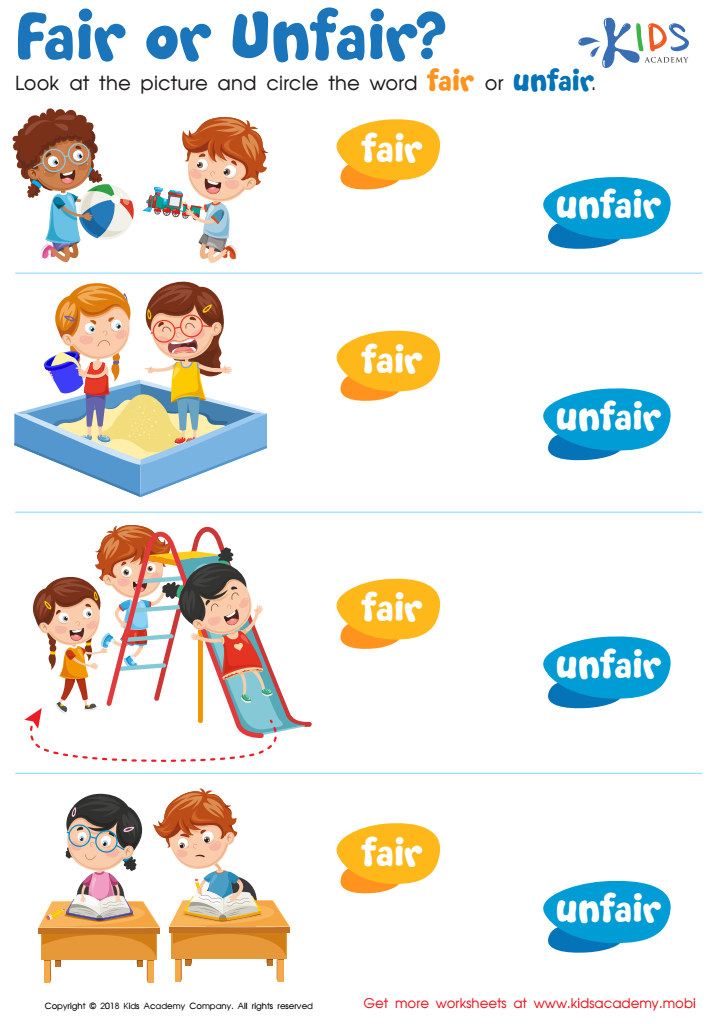
Fair or Unfair Worksheet
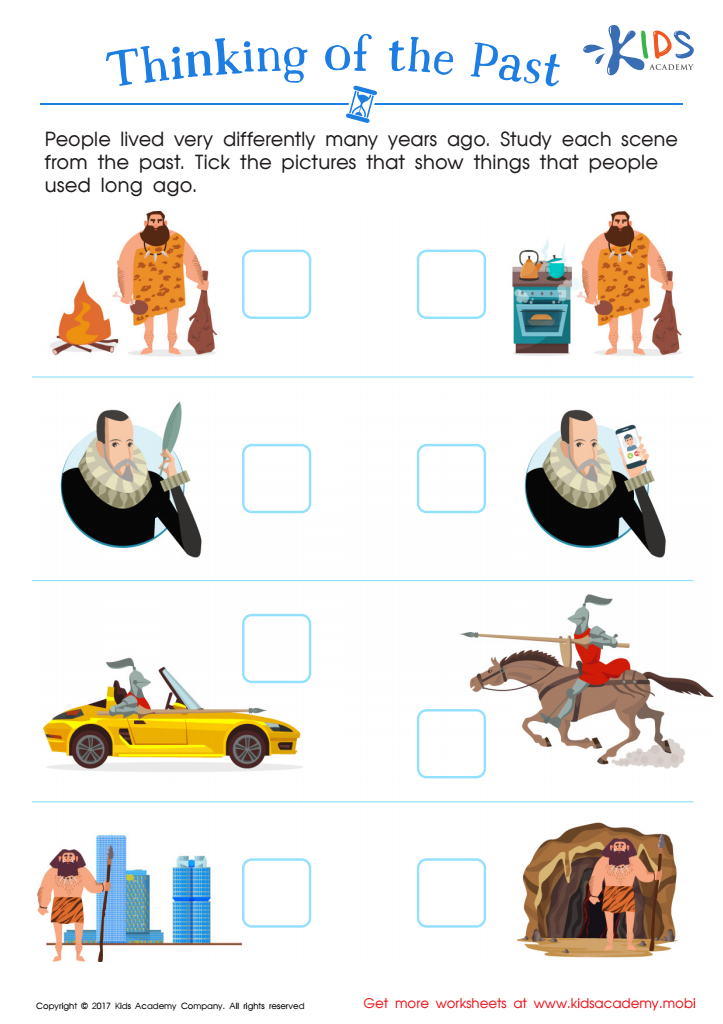
Thinking Past Printable

Thanksgiving Holiday Printable
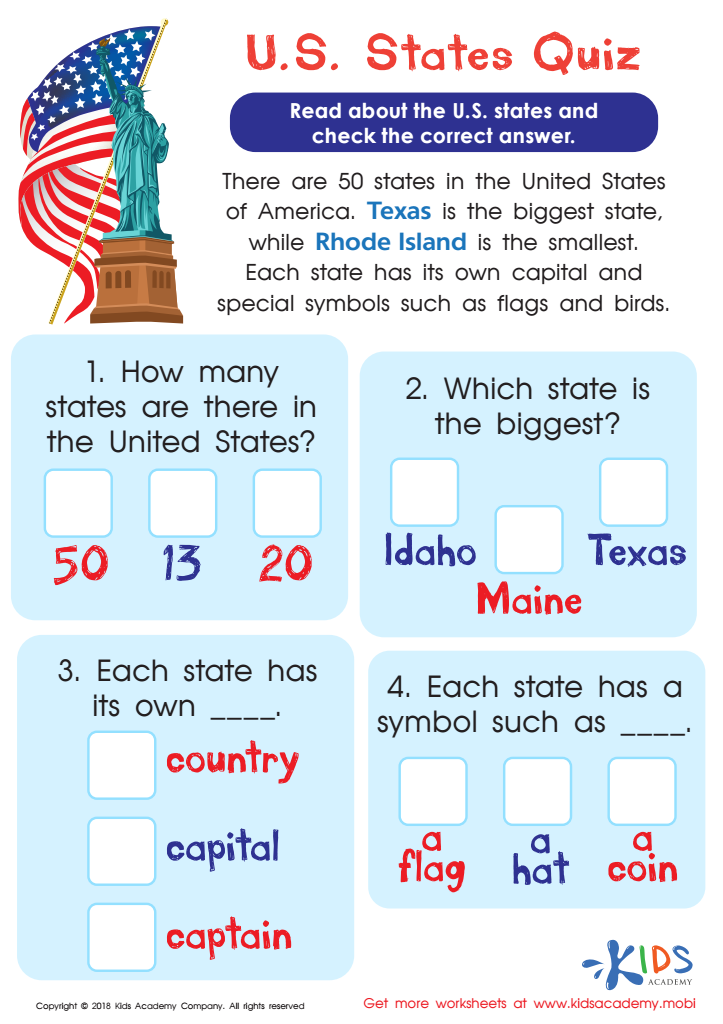
U.S. States Quiz Worksheet
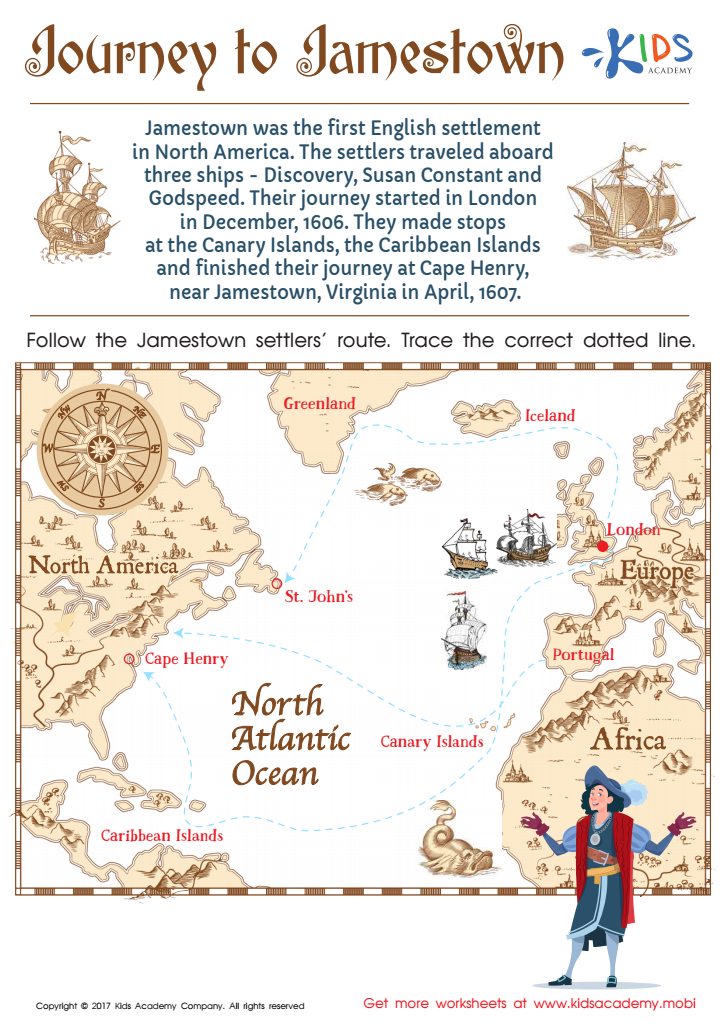
Journey to Jamestown Worksheet

What Do Teachers Need Worksheet
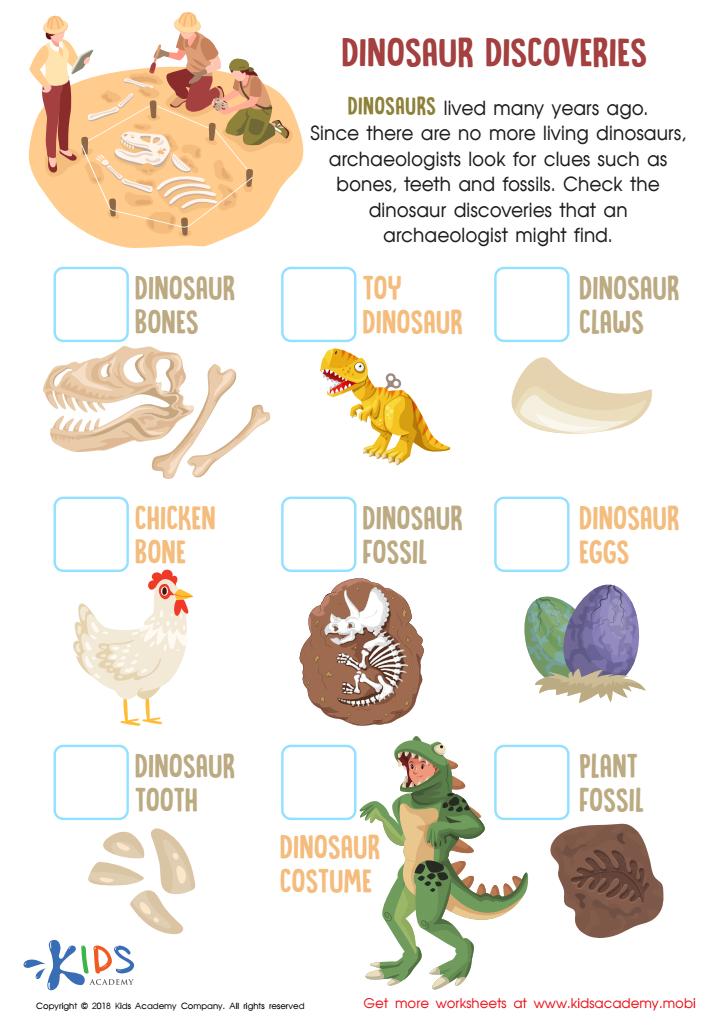
Dinosaur Discoveries Worksheet
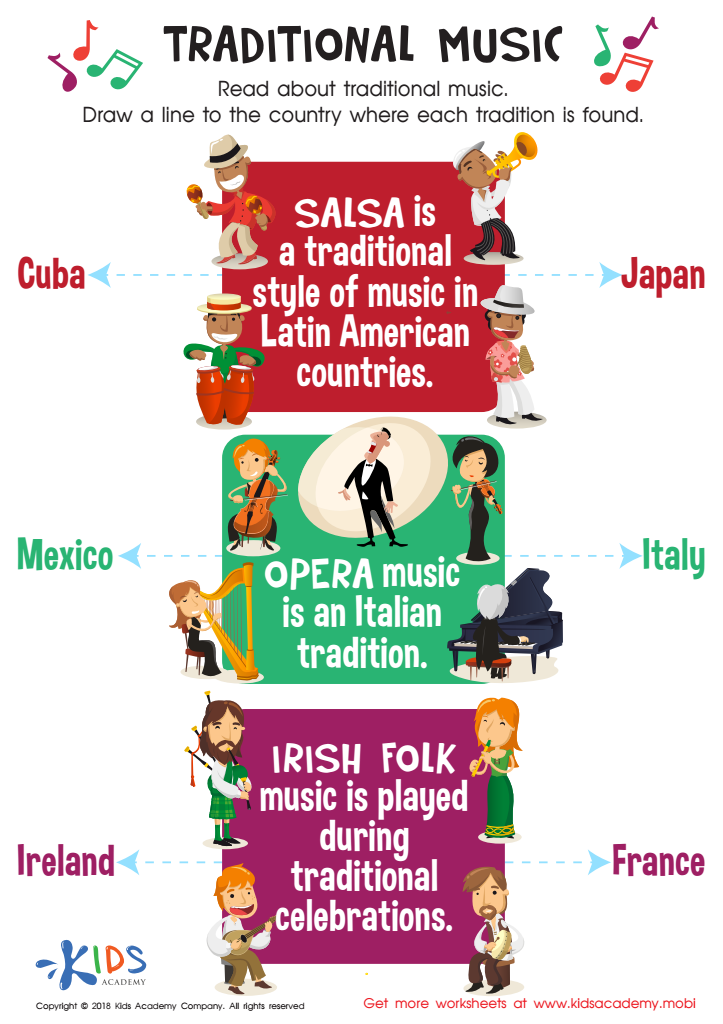
Traditional Music Worksheet
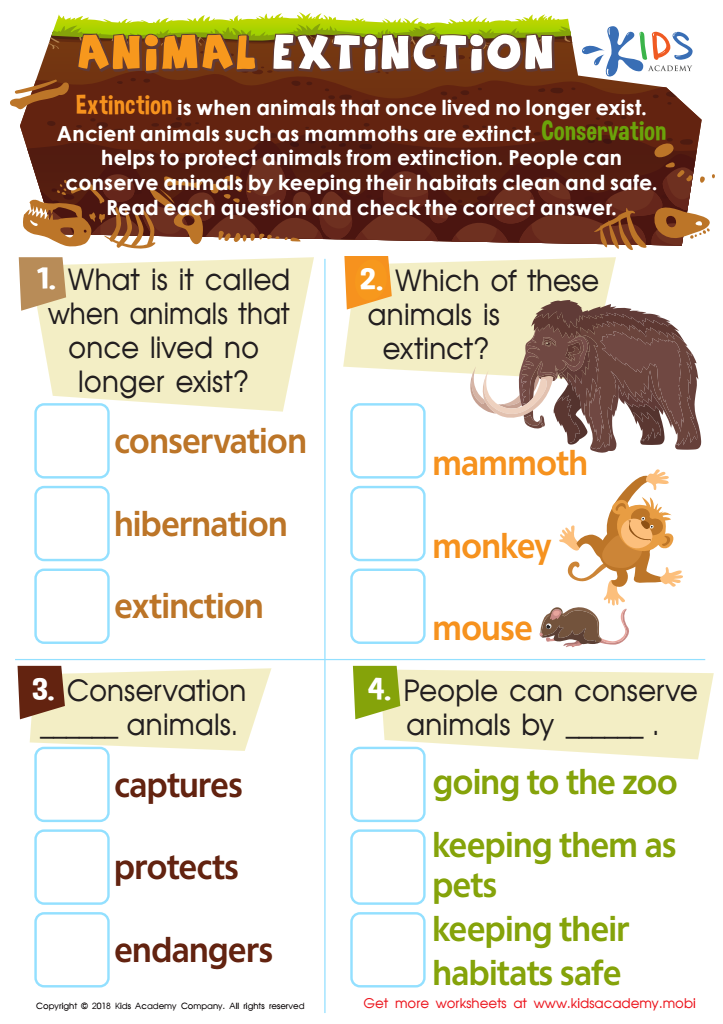
Animal Extinction Worksheet
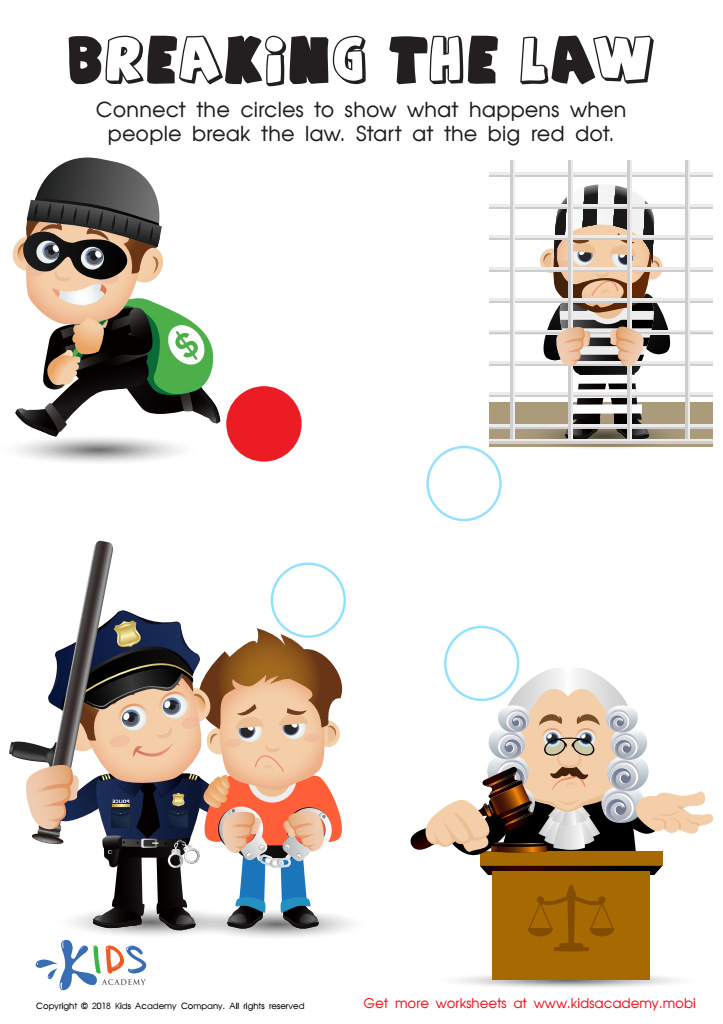
Breaking the Law Worksheet
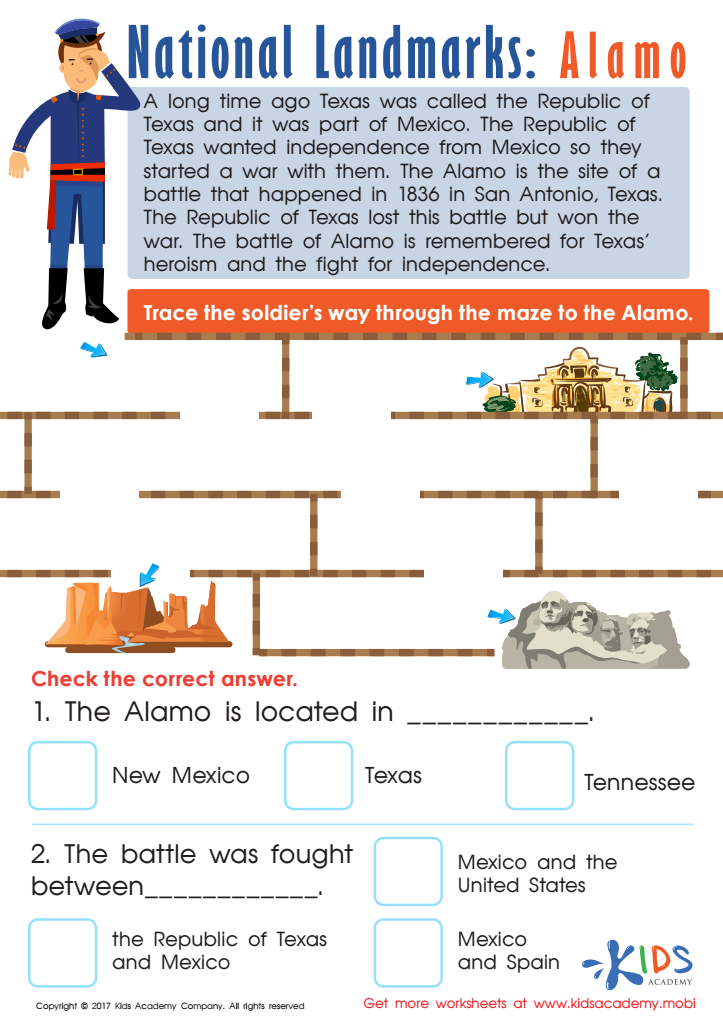
Alamo Printable Worksheet
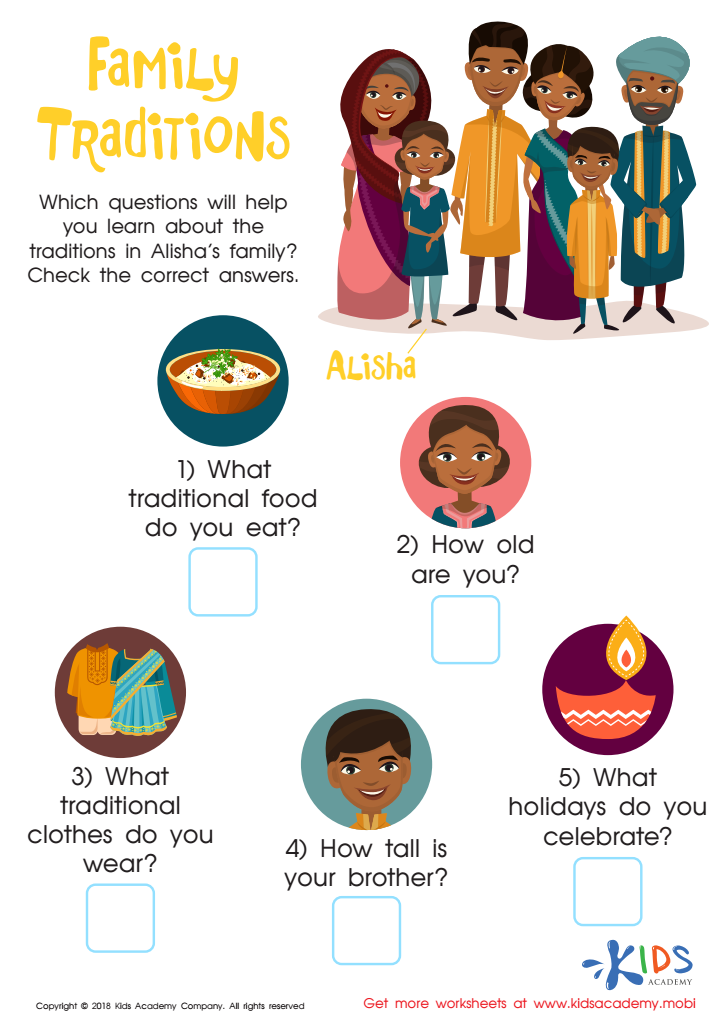
Family Traditions Worksheet
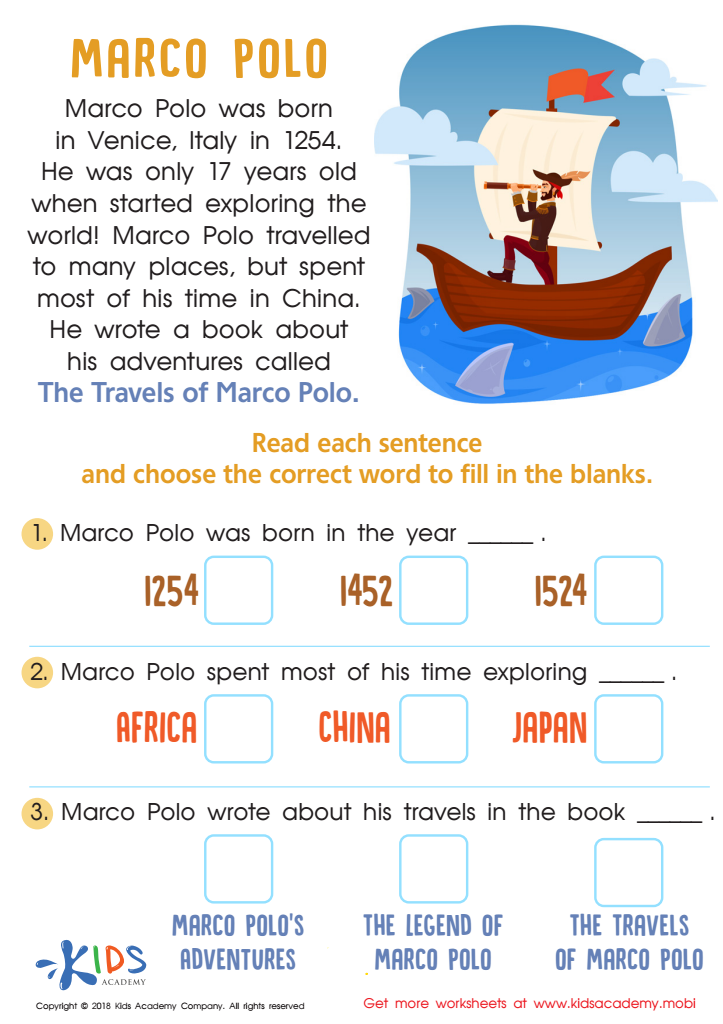
Marco Polo Worksheet

Assessment: First Thanksgiving Worksheet
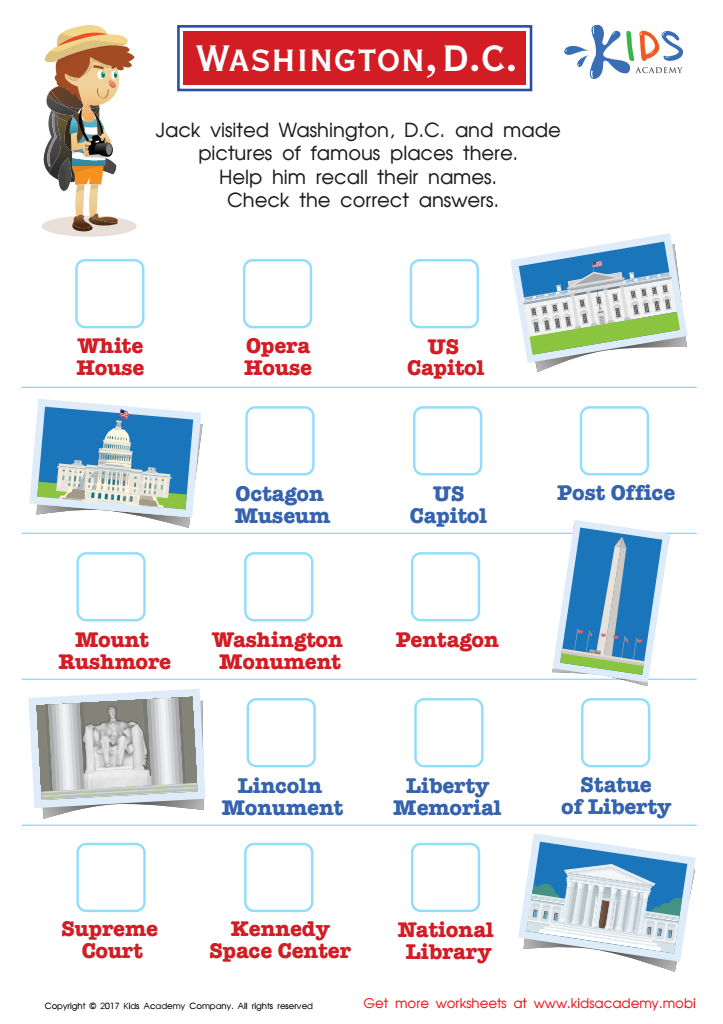
Washington D.C. Printable Worksheet
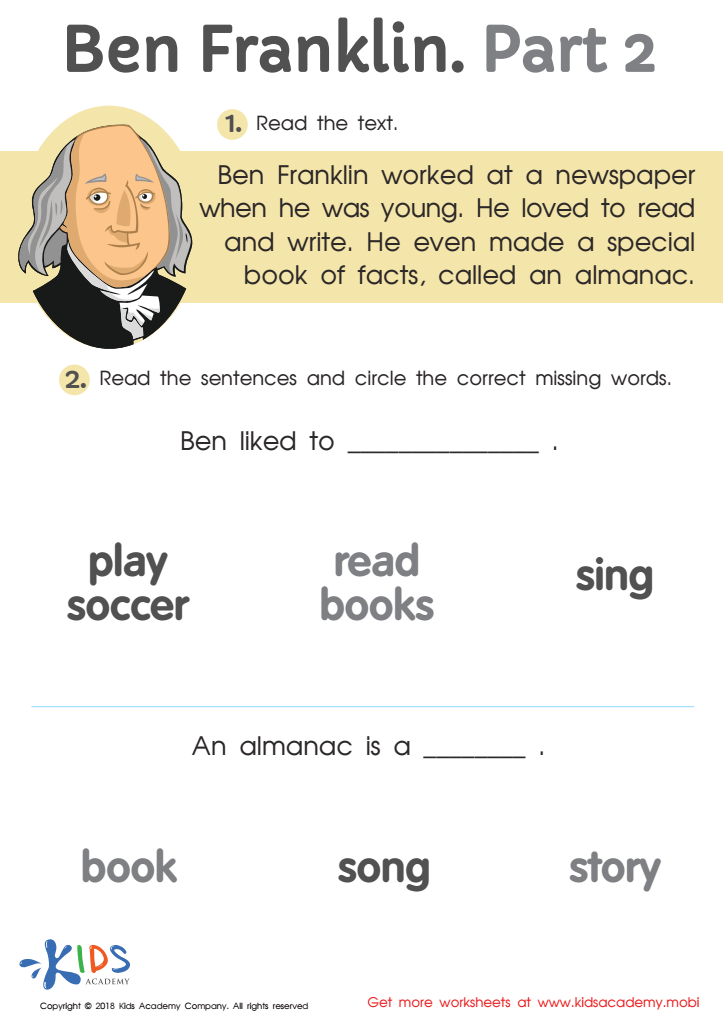
Ben Franklin Part 2 Worksheet
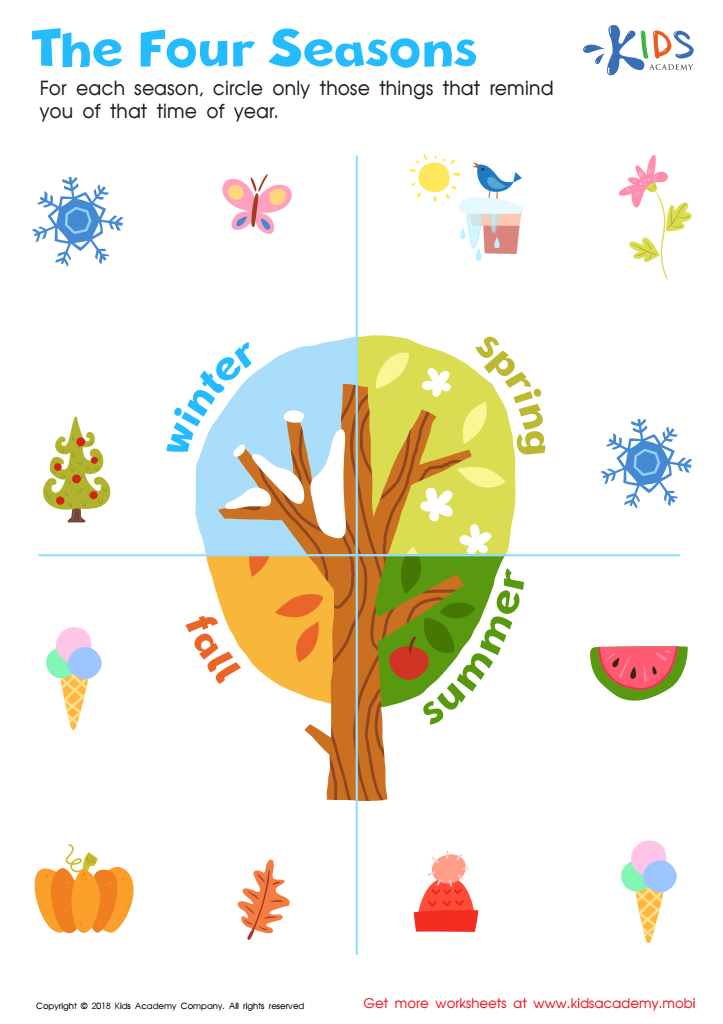
The Four Seasons Worksheet








Parents and teachers should prioritize critical thinking in social studies for children ages 4-8 because it lays the foundation for lifelong learning. At this young age, children's cognitive skills are rapidly developing, making it an ideal time to cultivate their ability to analyze, reason, and question the world around them. Critical thinking encourages students to engage with diverse perspectives and enhances their understanding of social, cultural, and historical contexts.
Integrating critical thinking into social studies allows children to explore important concepts such as citizenship, community, and identity in a meaningful way. It fosters open-ended inquiry, encouraging kids to ask questions, investigate, and draw conclusions based on evidence rather than rote memorization. This approach nurtures curiosity and creativity, helping children learn how to navigate complex tasks and think independently.
Additionally, critical thinking equips young learners with essential problem-solving skills that are valuable in all domains of their education and future interactions within society. By caring about this aspect of social studies, educators and parents can inspire a generation of critically-minded individuals who are not only knowledgeable but also capable of making informed decisions and contributing positively to their communities. Thus, investing in critical thinking at this age is essential for shaping thoughtful, engaged citizens.