Counting practice Normal Worksheets for Ages 4-9 - Page 2
38 filtered results
-
From - To
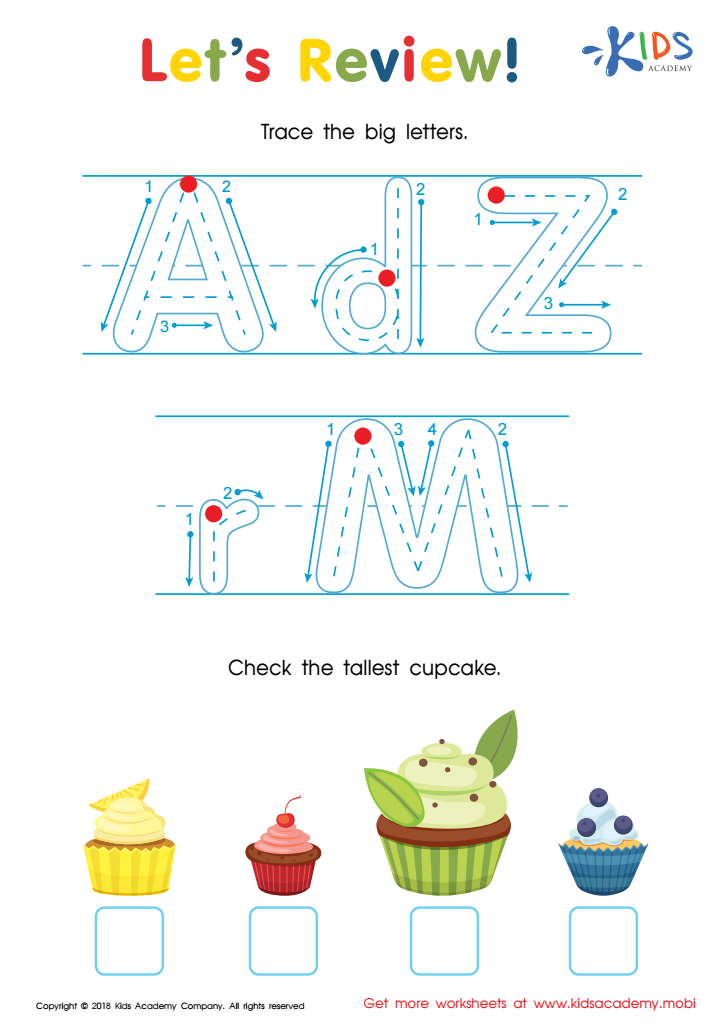
Let's Review! Big Letters Worksheet
 Assign to My Students
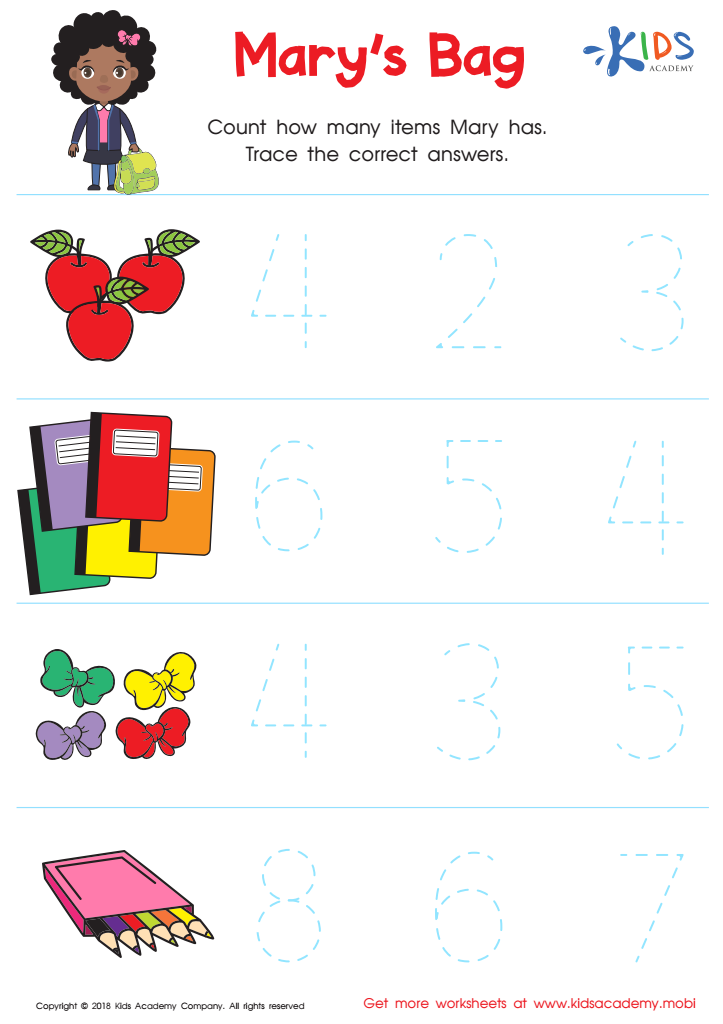
Kindergarten Number Tracing: Mary's Bag Worksheet
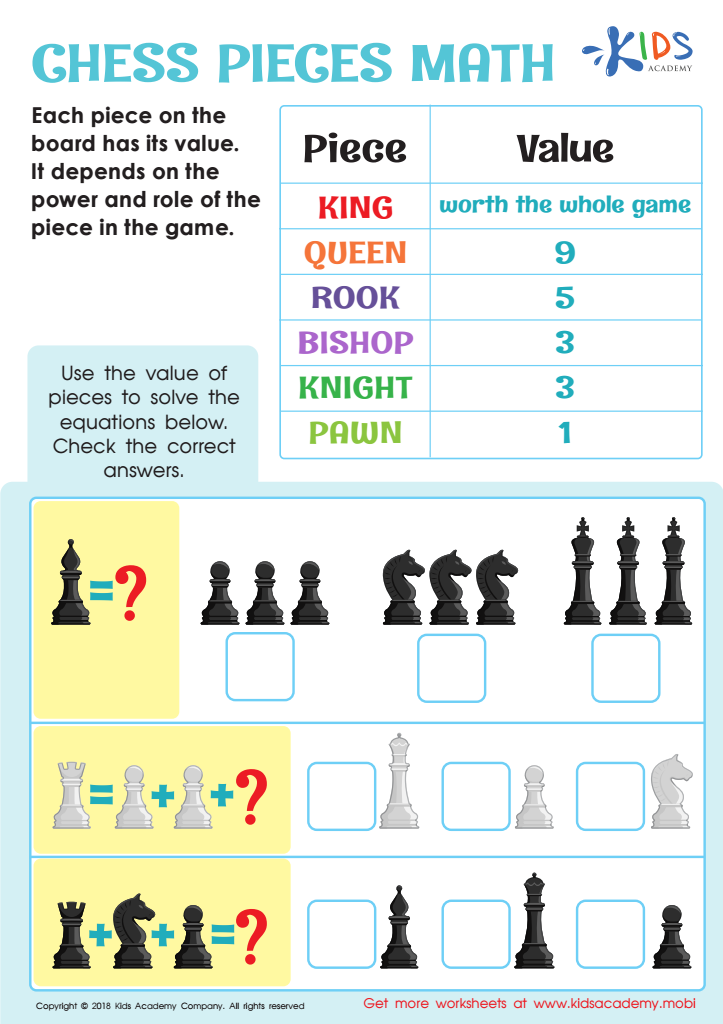
Chess Pieces Math Worksheet
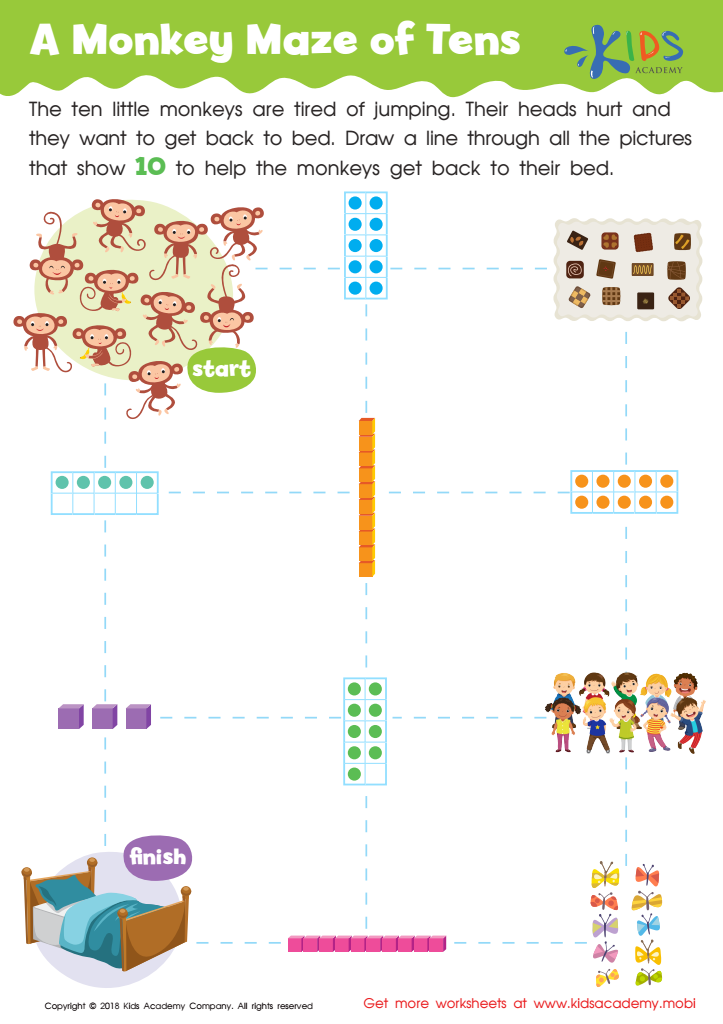
A Monkey Maze of Tens Worksheet
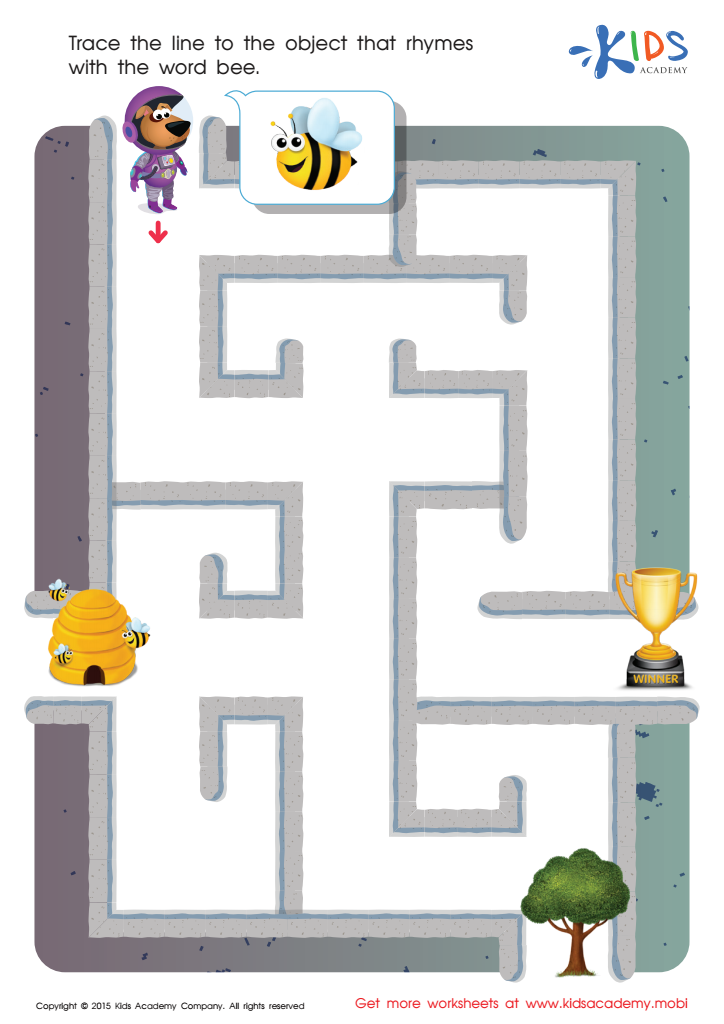
Bee Rhyming Words Worksheet
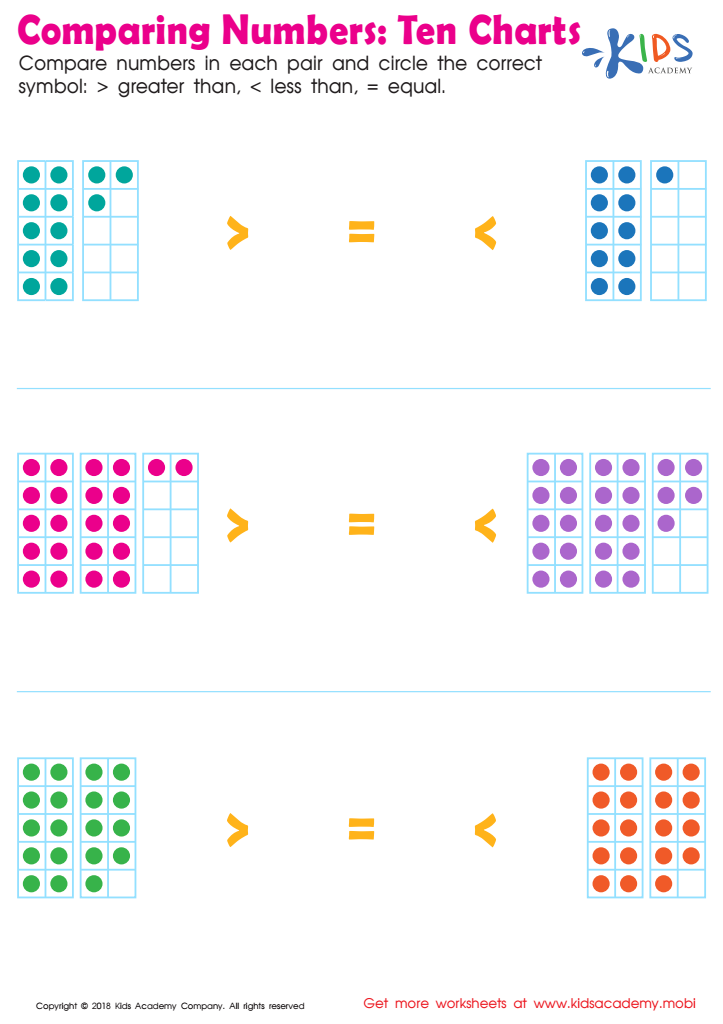
Ten Charts Worksheet
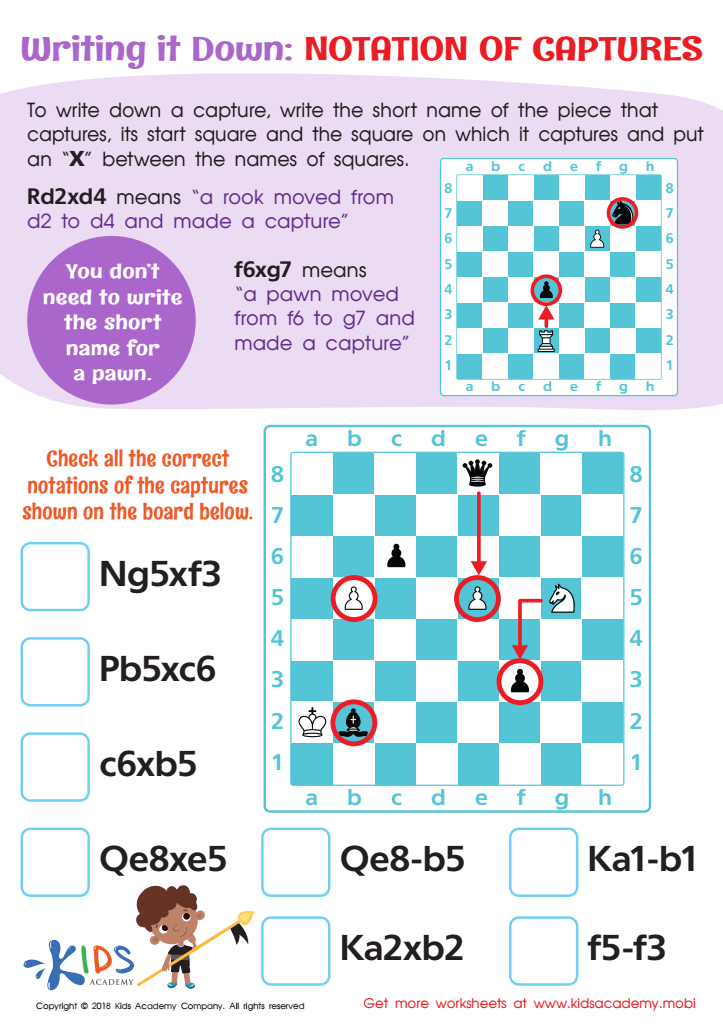
Notation of Captures Writing it Down Worksheet
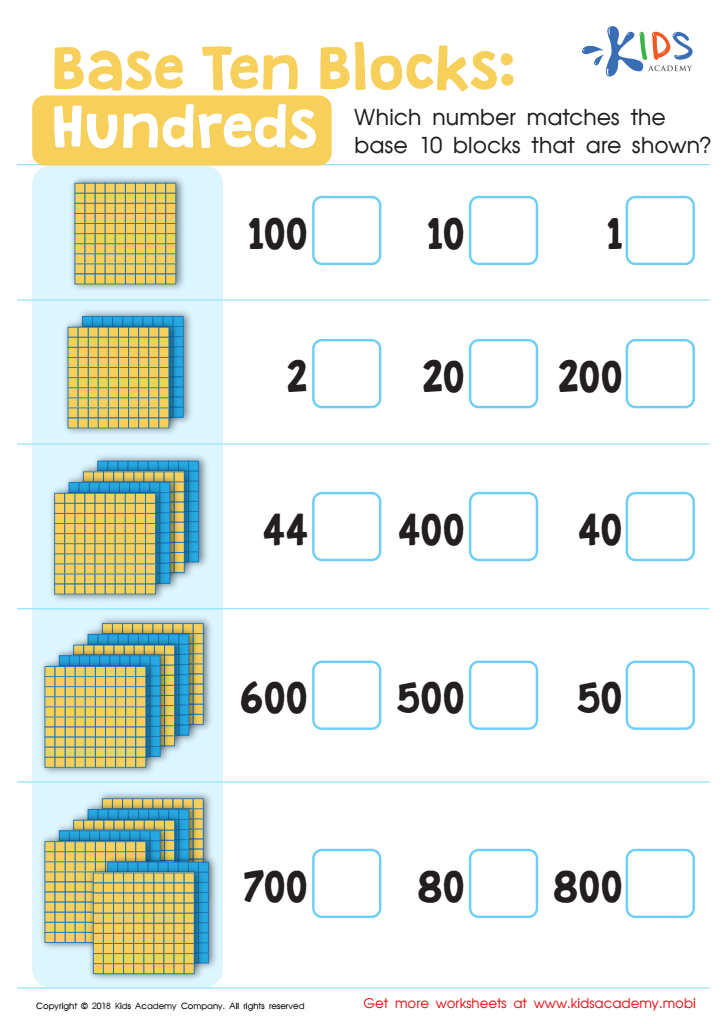
Base Ten Blocks: Hundreds Worksheet
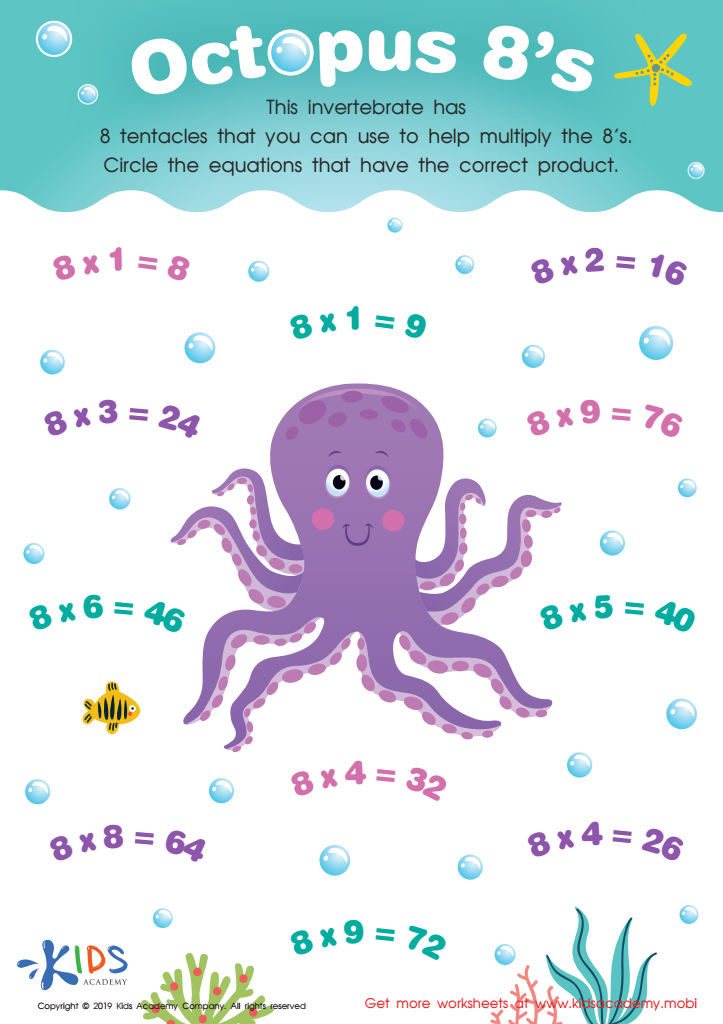
Octopus 8’s Worksheet
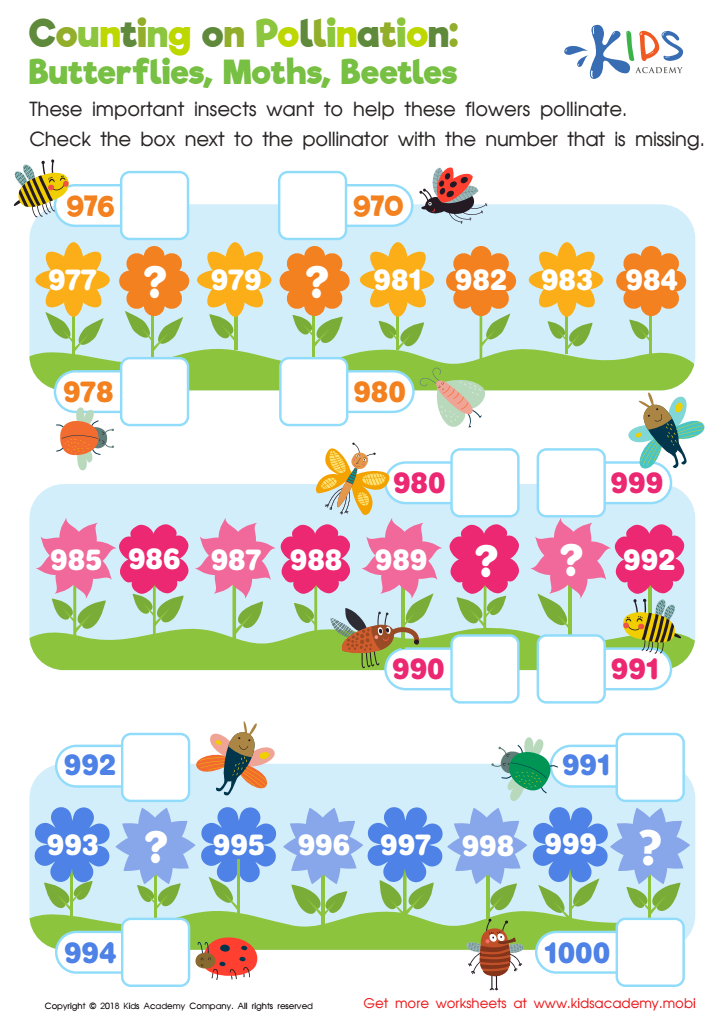
Counting on Pollination: Butterflies, Moths, Beetles Worksheet
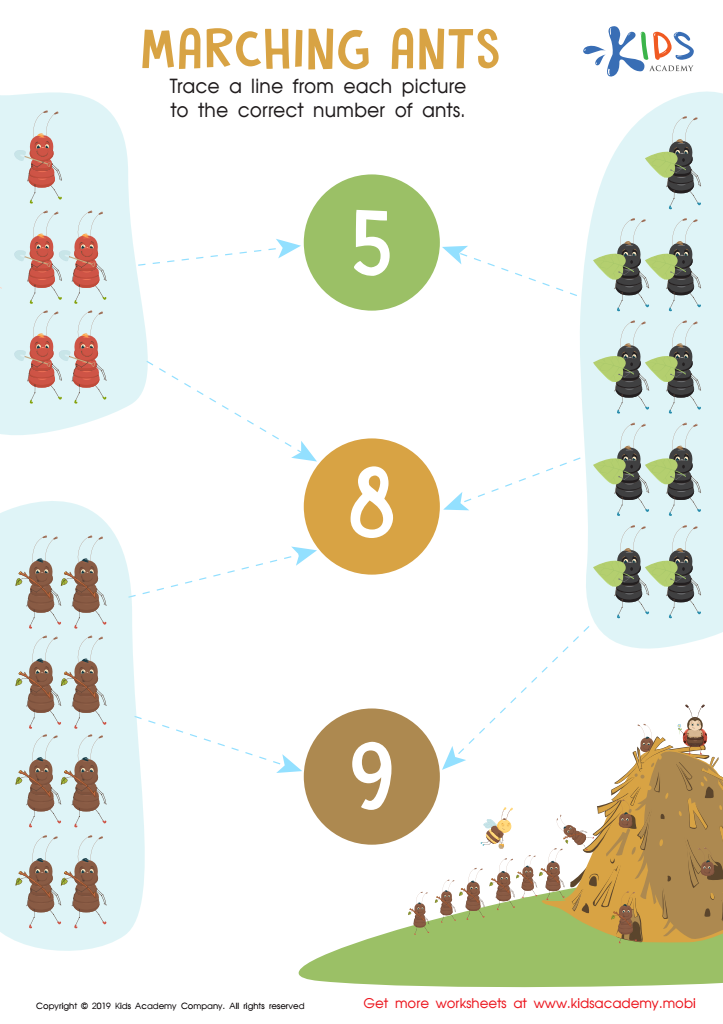
Marching Ants Worksheet
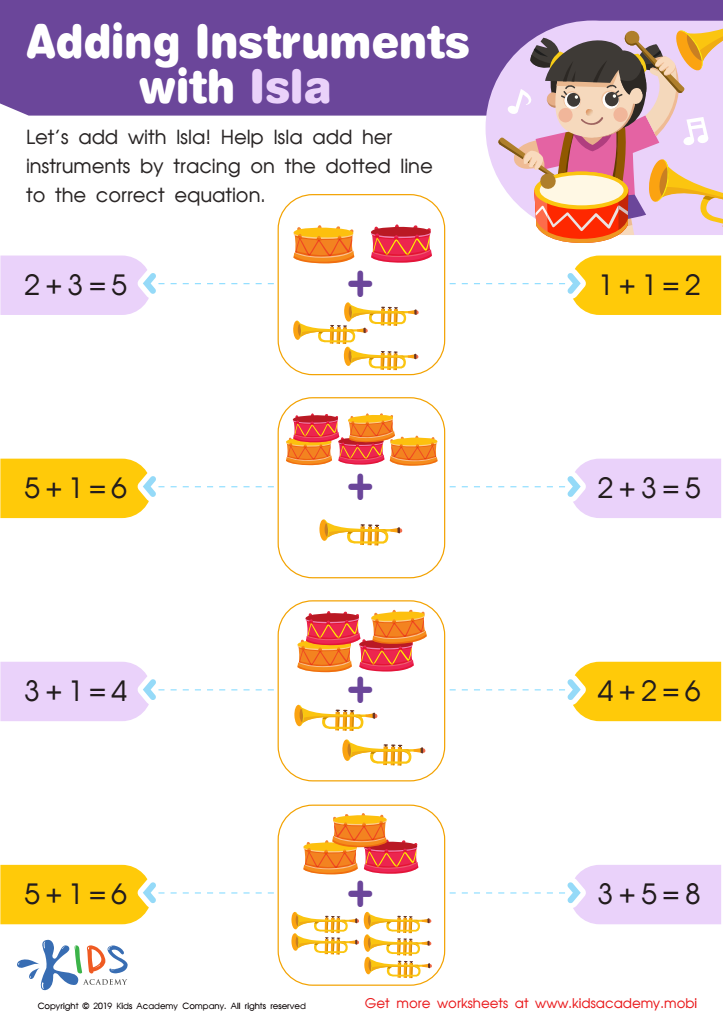
Adding Instruments with Isla Worksheet
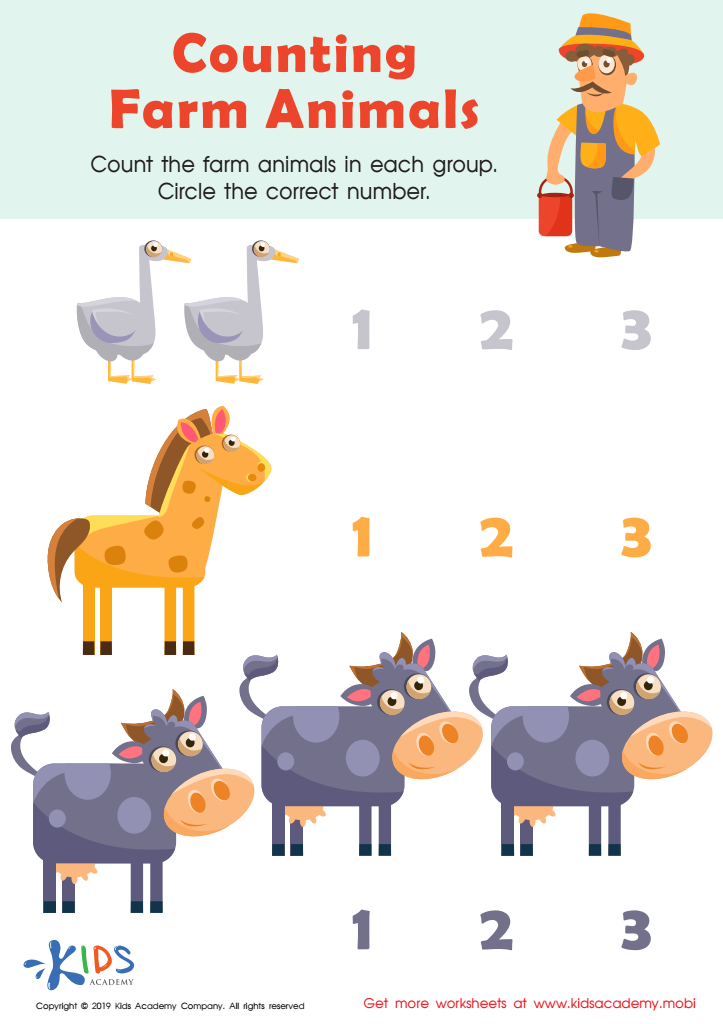
Counting Farm Animals Worksheet
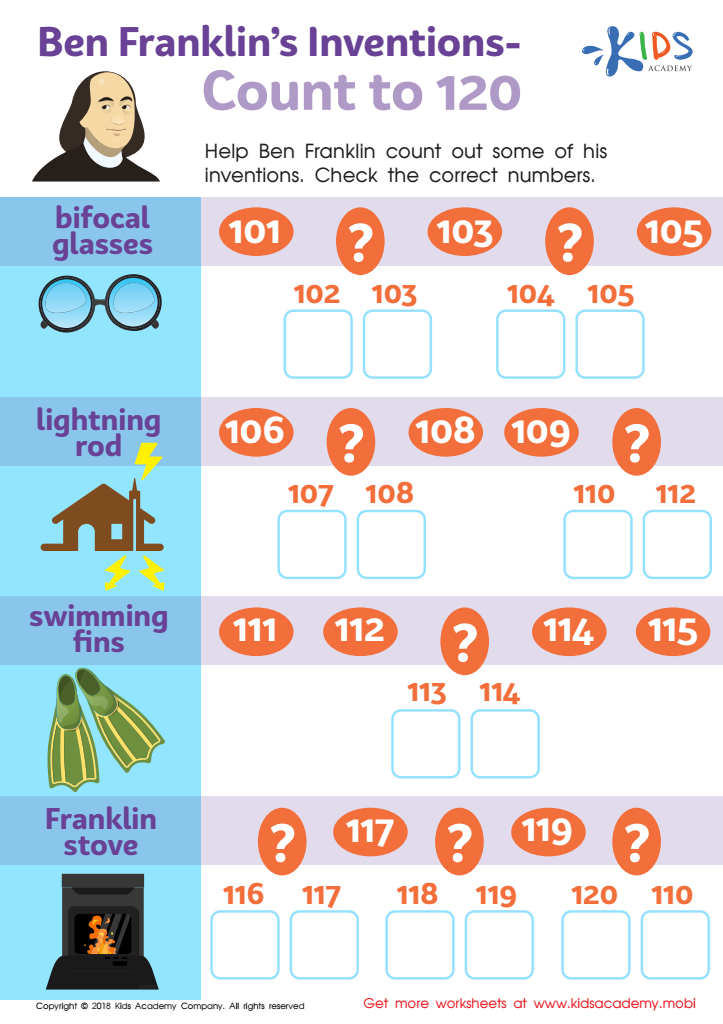
Ben Franklin’s Inventions – Count to 120 Worksheet



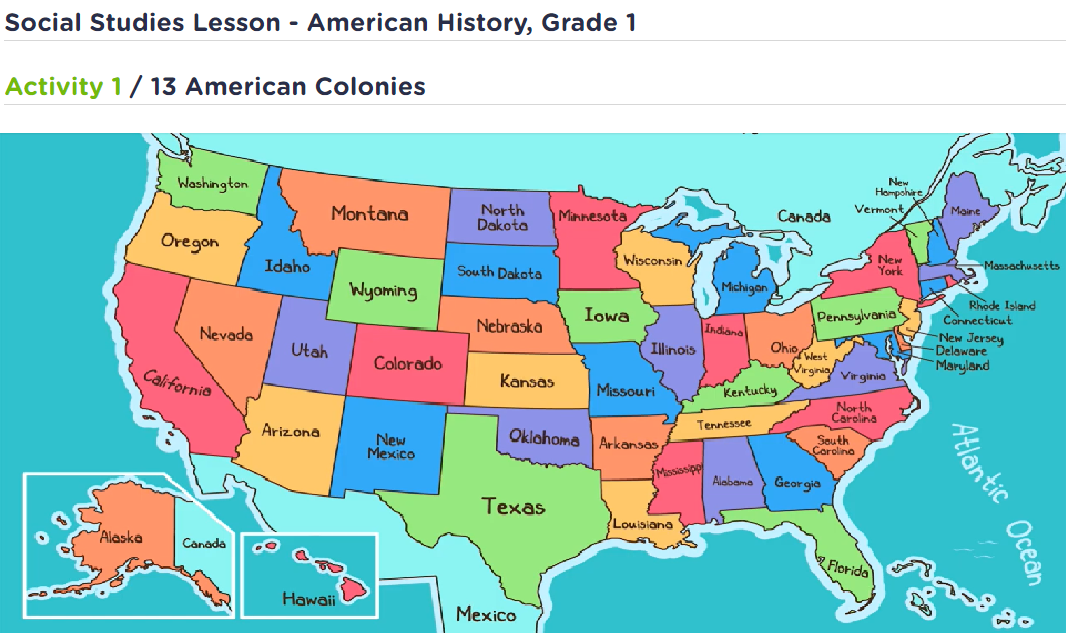




Counting practice is a fundamental activity for children ages 4 to 9 since it lays the groundwork for their future mathematical understanding and cognitive development. Early engagement with counting helps kids grasp the concept of numbers and their sequence, fostering number sense, which is crucial for all later math skills such as addition, subtraction, and more advanced operations.
For parents and teachers, emphasizing counting helps children develop critical skills like problem-solving, logical thinking, and pattern recognition. Consistent practice in counting encourages familiarity with numbers and builds confidence. It also supports language development as children learn number-related vocabulary and articulate their thought processes. Furthermore, counting exercises enhance fine motor skills, particularly when the activities involve physical manipulation, like counting objects or using math manipulatives.
Moreover, counting practice nurtures curiosity and a positive attitude towards math. Early positive experiences with numbers can shape students' perceptions and reduce anxiety related to the subject in later years. In a classroom or home setting, counting can be made fun and engaging through games, songs, and interactive activities, making learning enjoyable and accessible.
In summary, paying attention to counting practice in early childhood education ensures a solid foundation for future academic success. It helps children develop essential life skills and nurtures an early interest in mathematics.








