Critical Thinking Normal Worksheets for Ages 4-9 - Page 4
99 filtered results
-
From - To
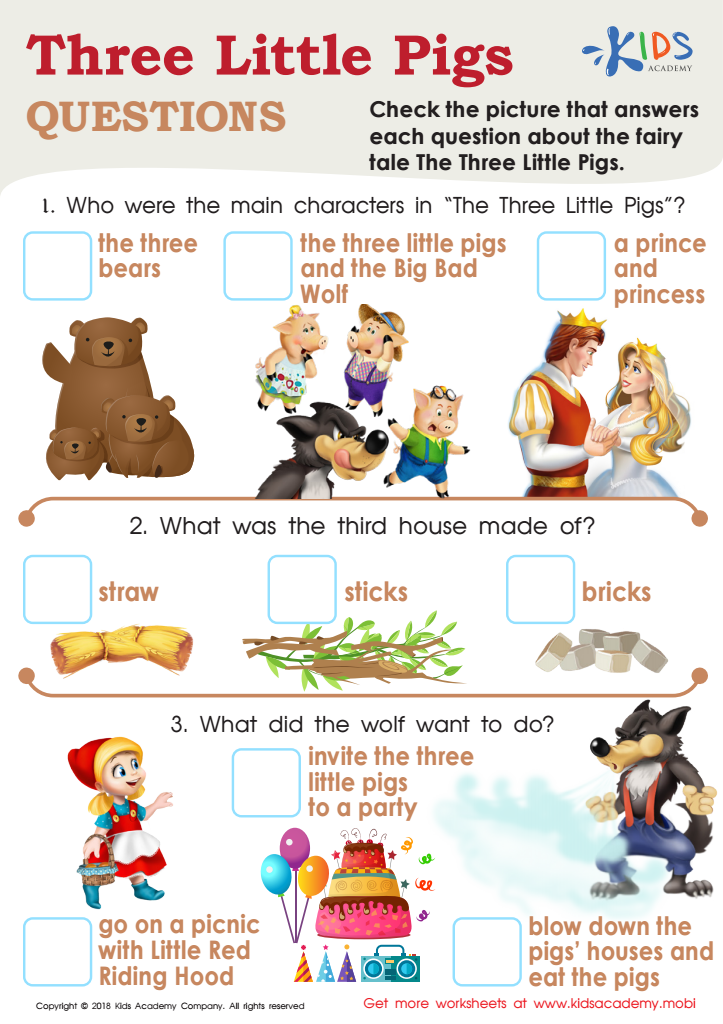
Three Little Pigs Questions Worksheet
 Assign to My Students
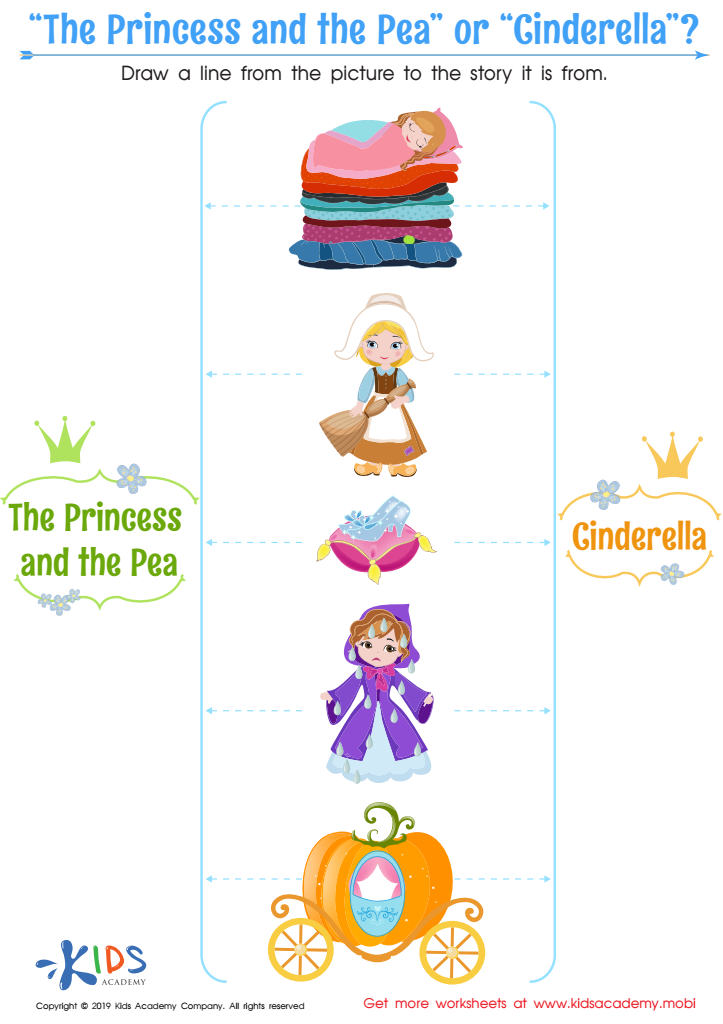
“The Princess and the Pea” or “Cinderella” Worksheet
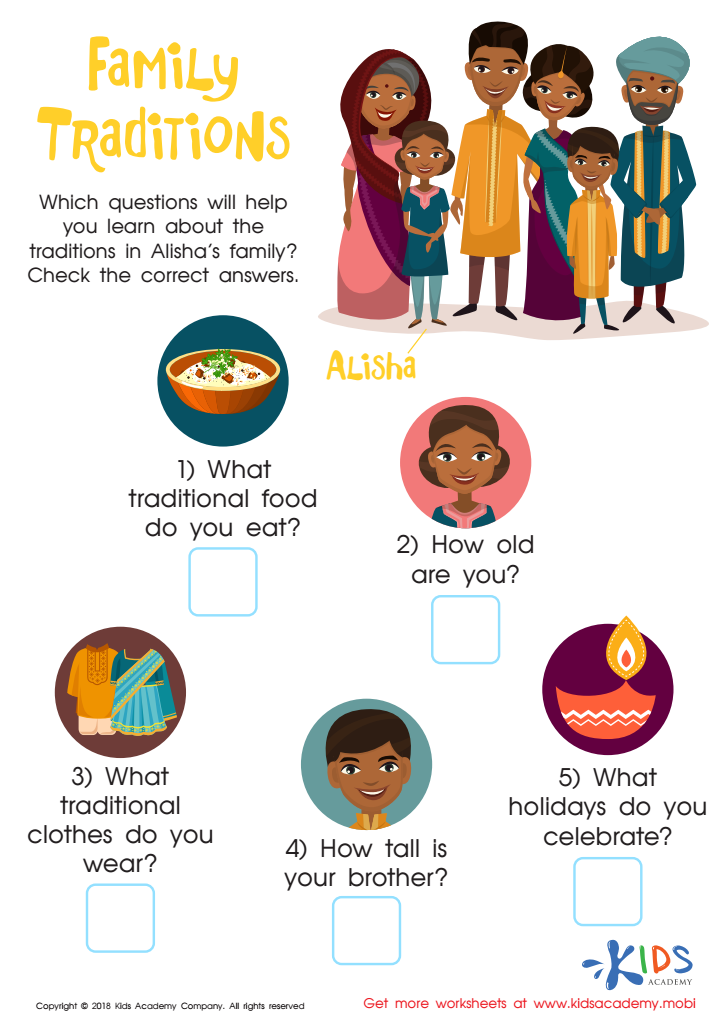
Family Traditions Worksheet
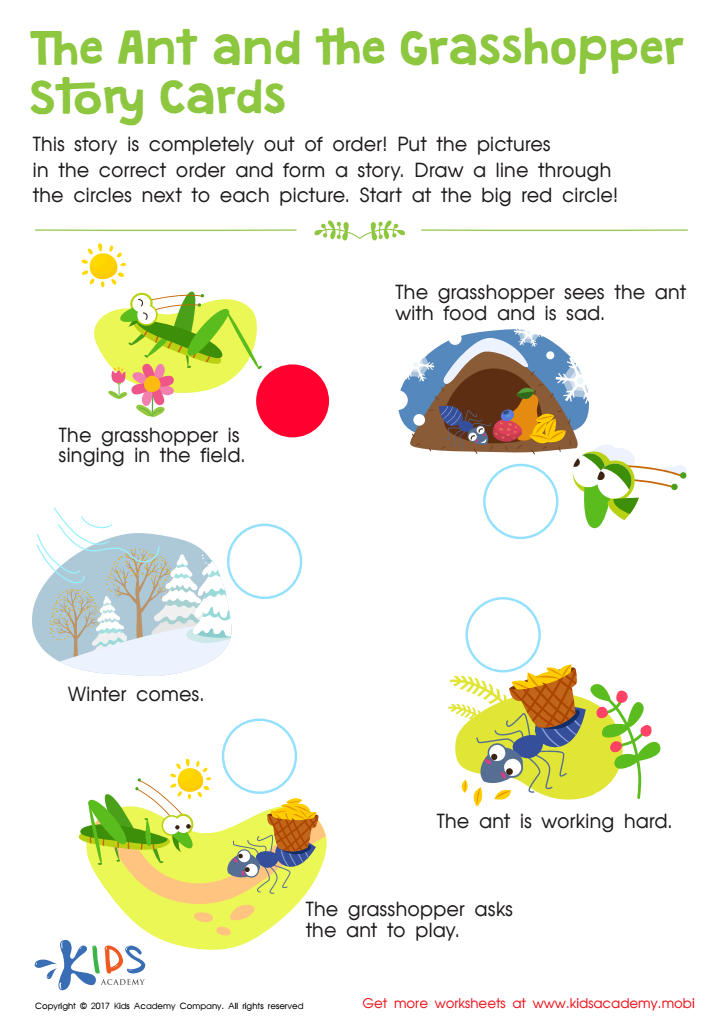
The Ant and The Grasshopper Worksheet
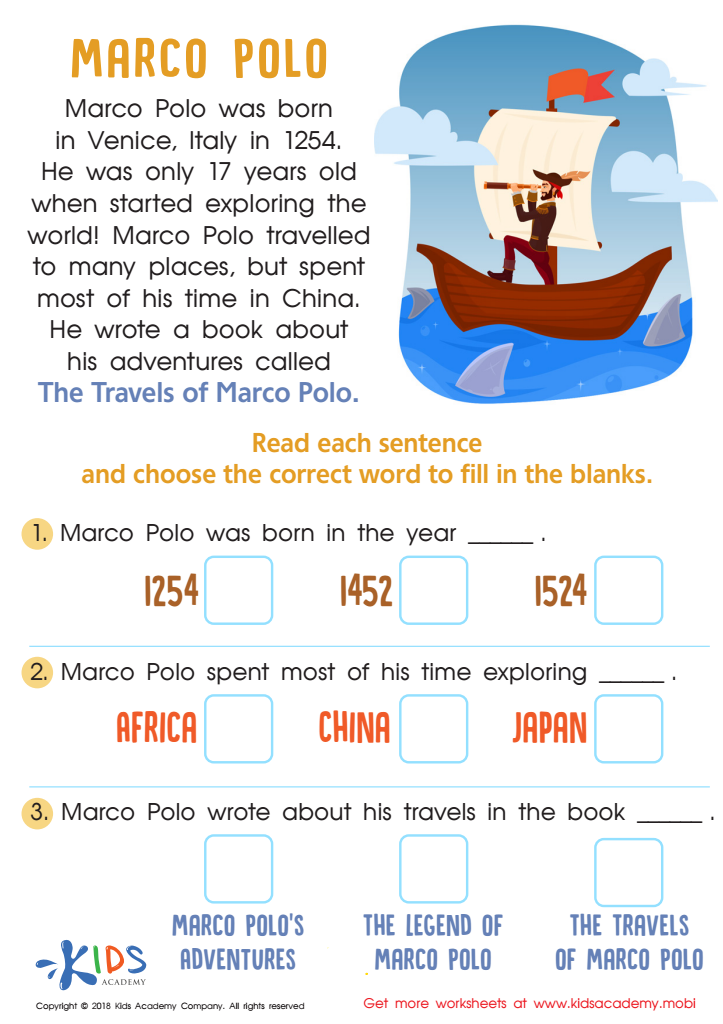
Marco Polo Worksheet
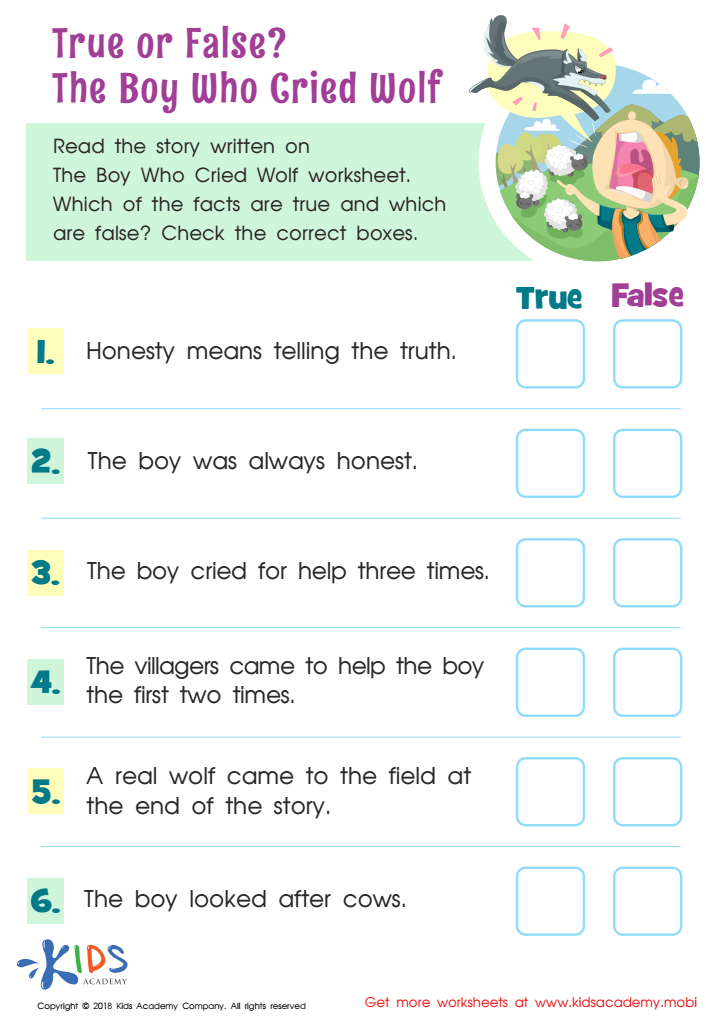
True or False? The Boy Who Cried Wolf Worksheet
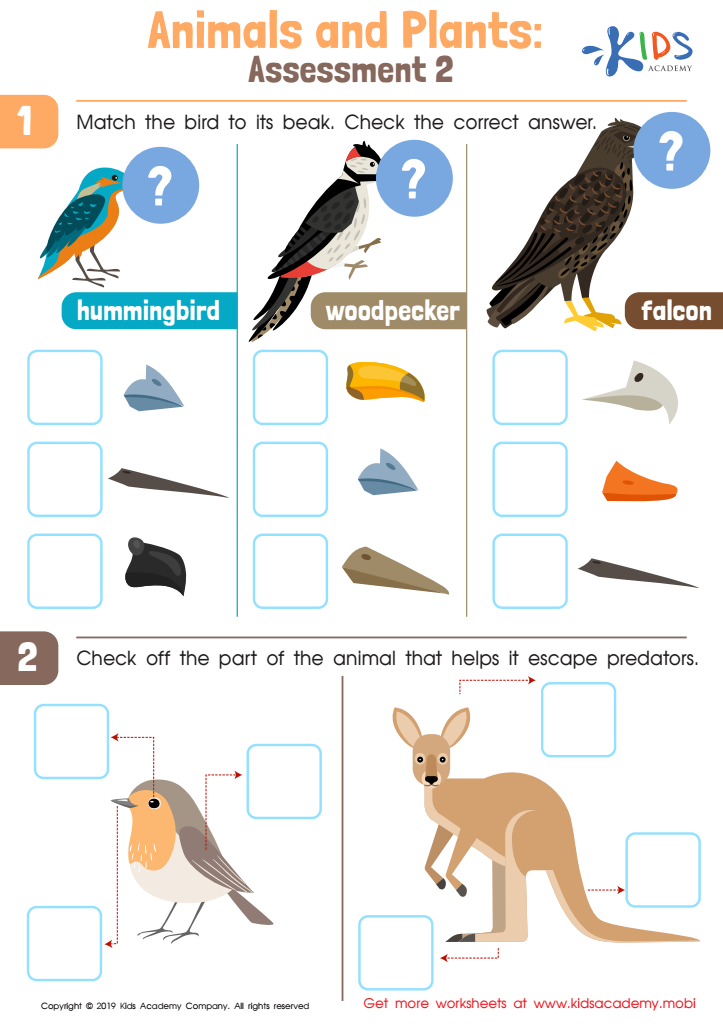
Animals and Plants: Assessment 2 Worksheet
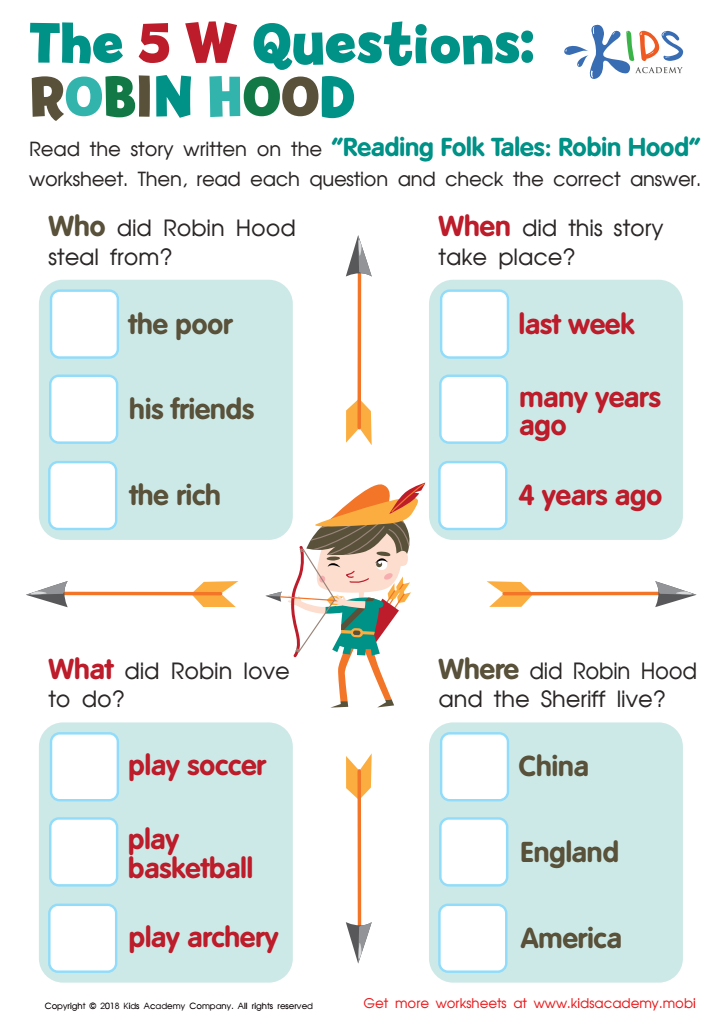
The 5 W Questions: Robin Hood Worksheet
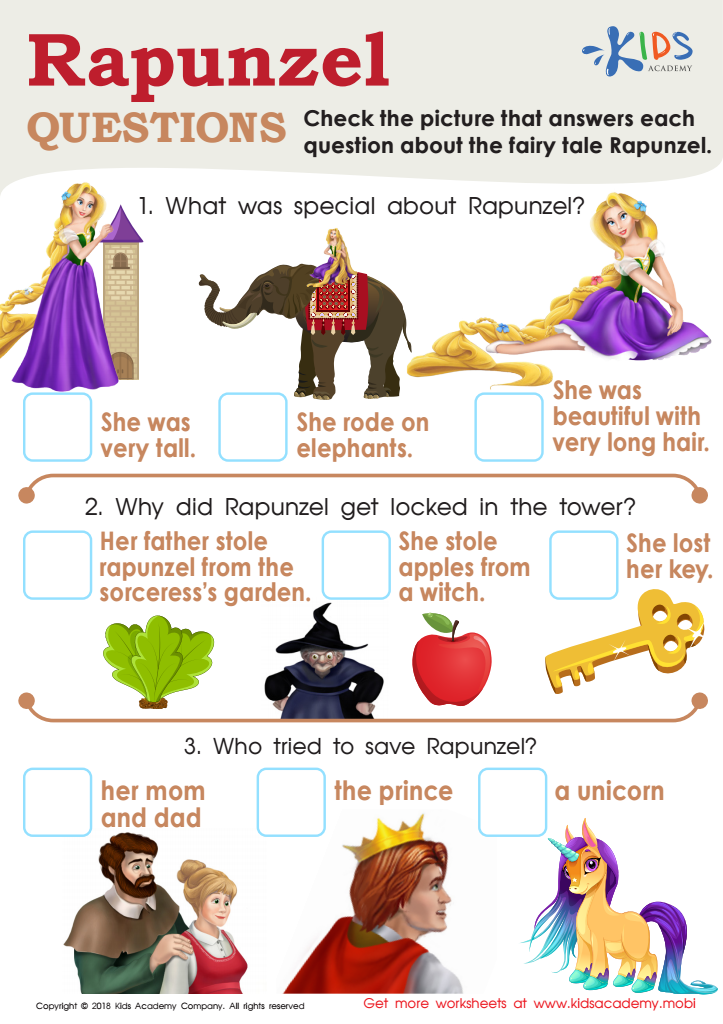
Rapunzel Questions Worksheet
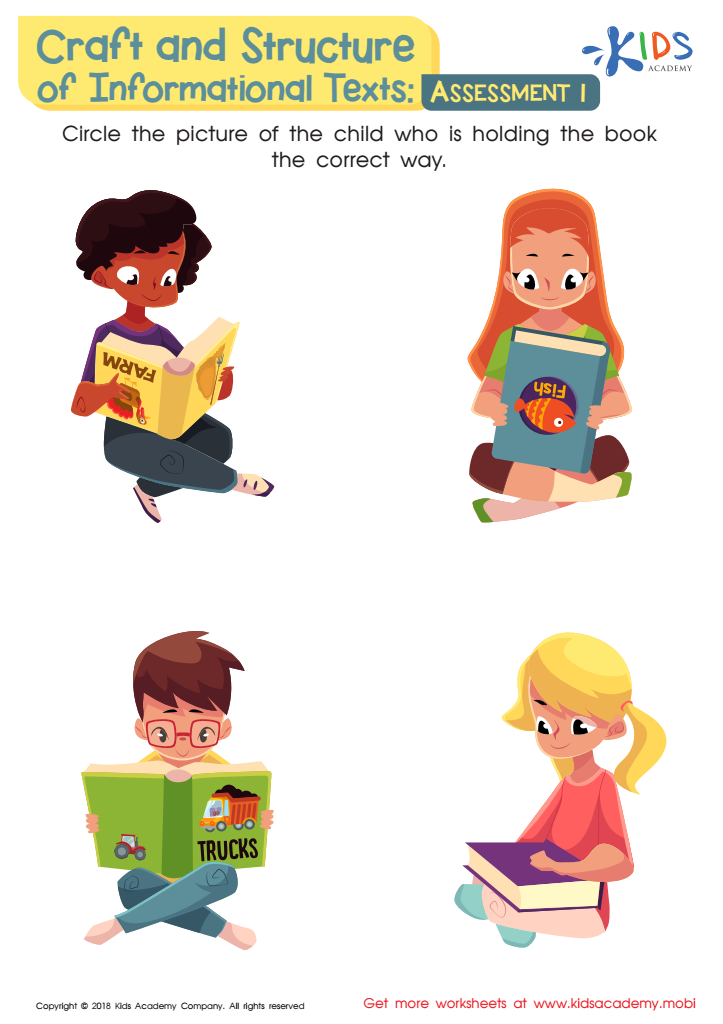
Craft and Structure of Informational Texts: Assessment 1 Worksheet
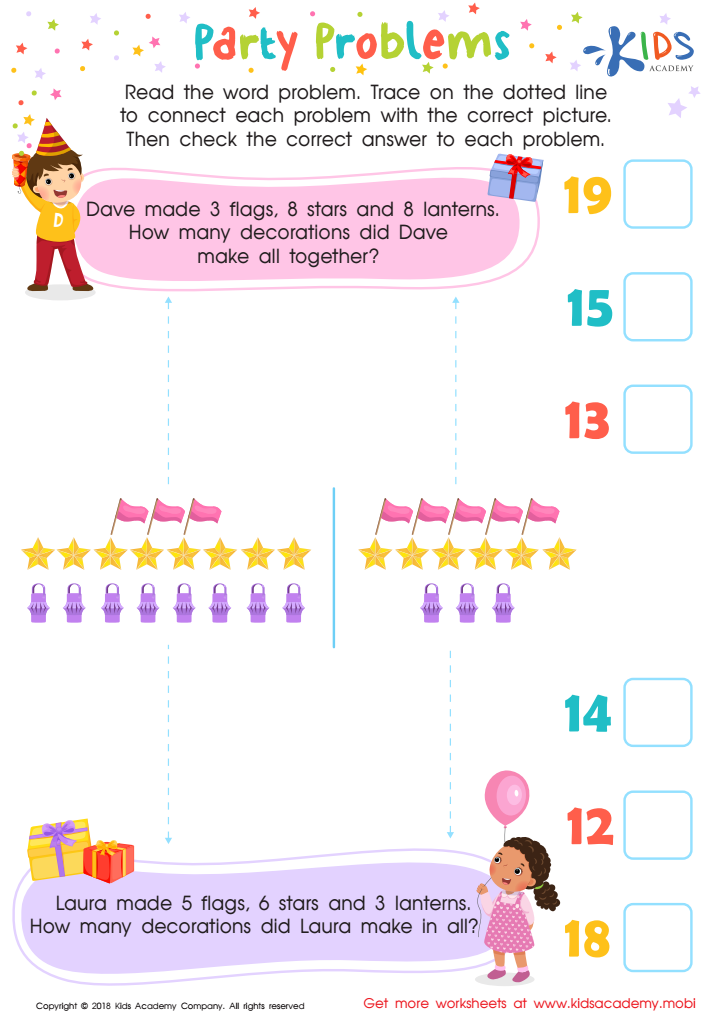
Party Problems Worksheet
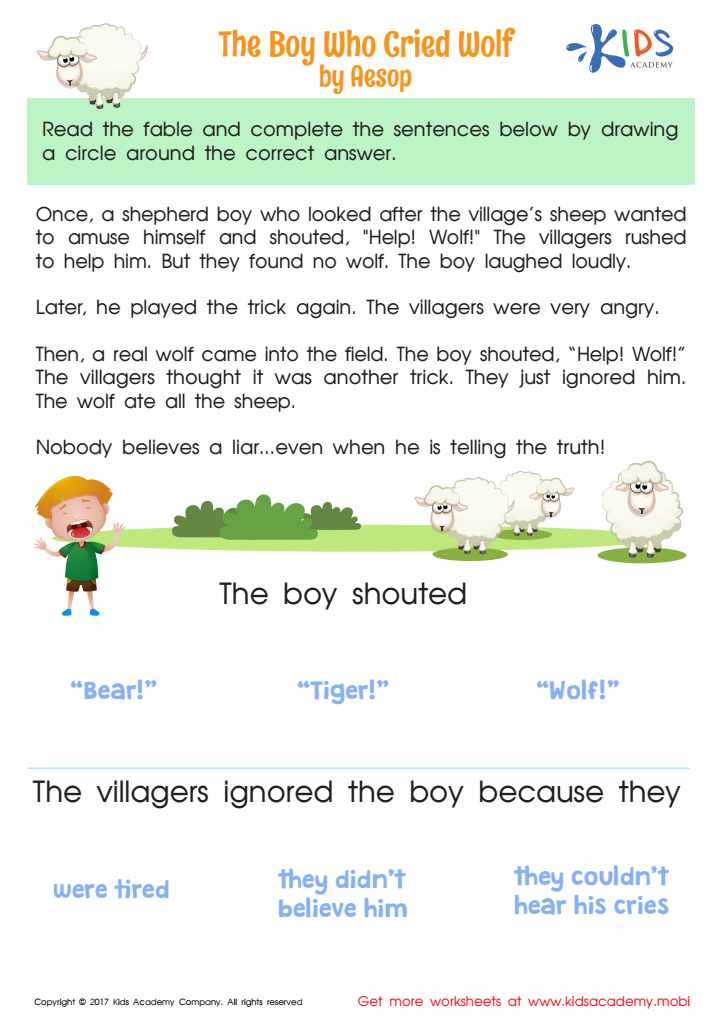
The Boy Who Cried Wolf Worksheet

Assessment: First Thanksgiving Worksheet
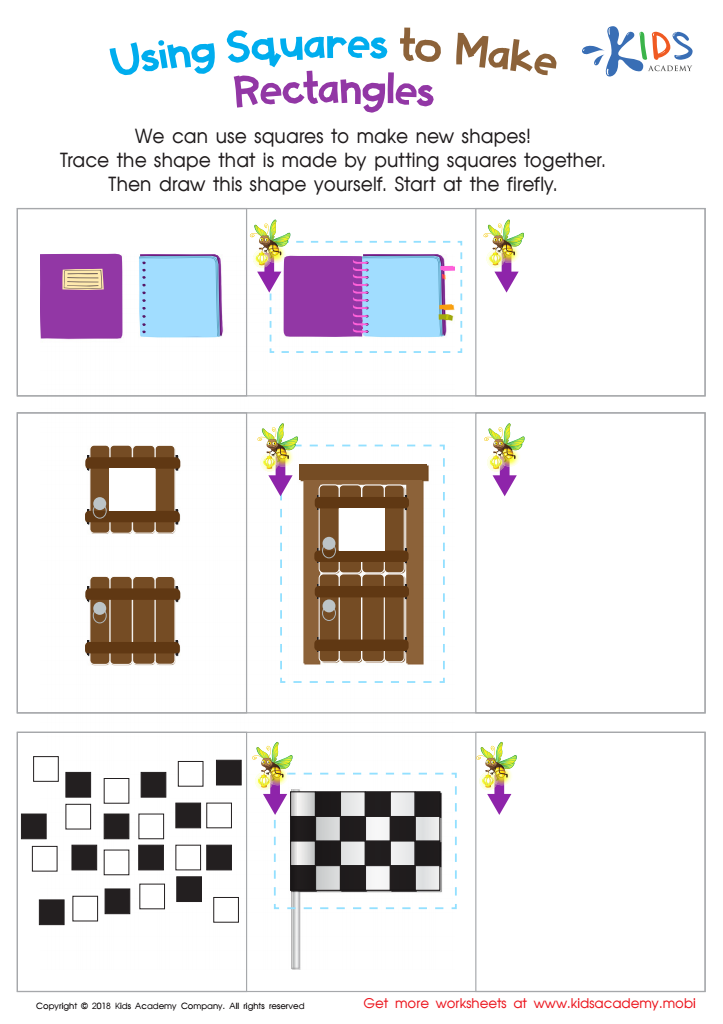
Using Squares to Make Rectangles Worksheet
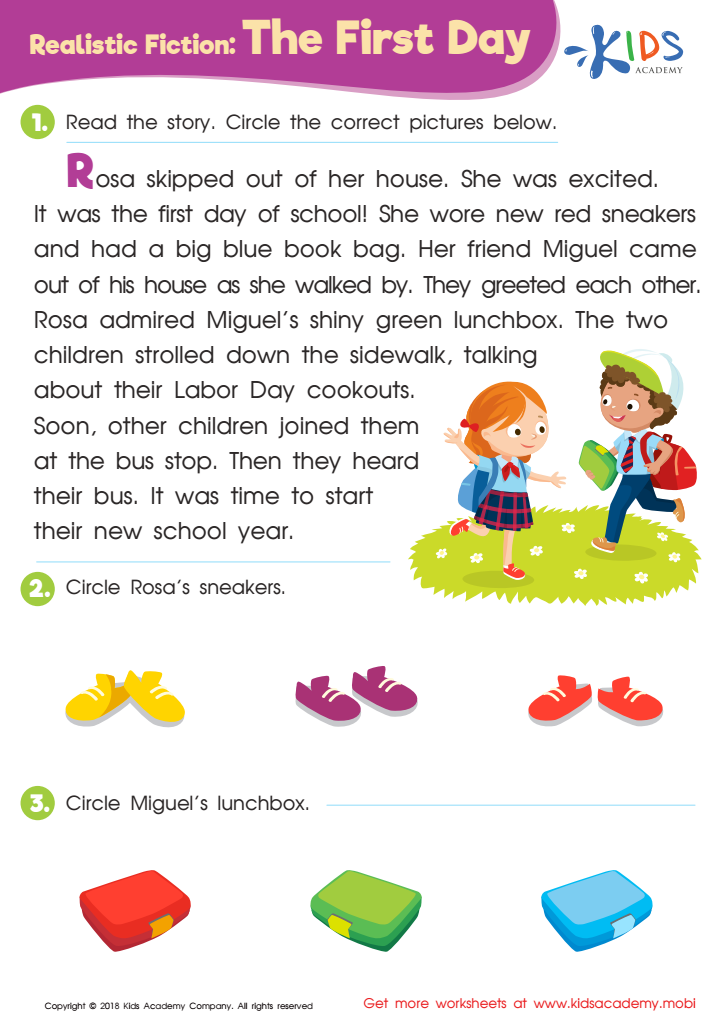
Realistic Fiction: The First Day Worksheet
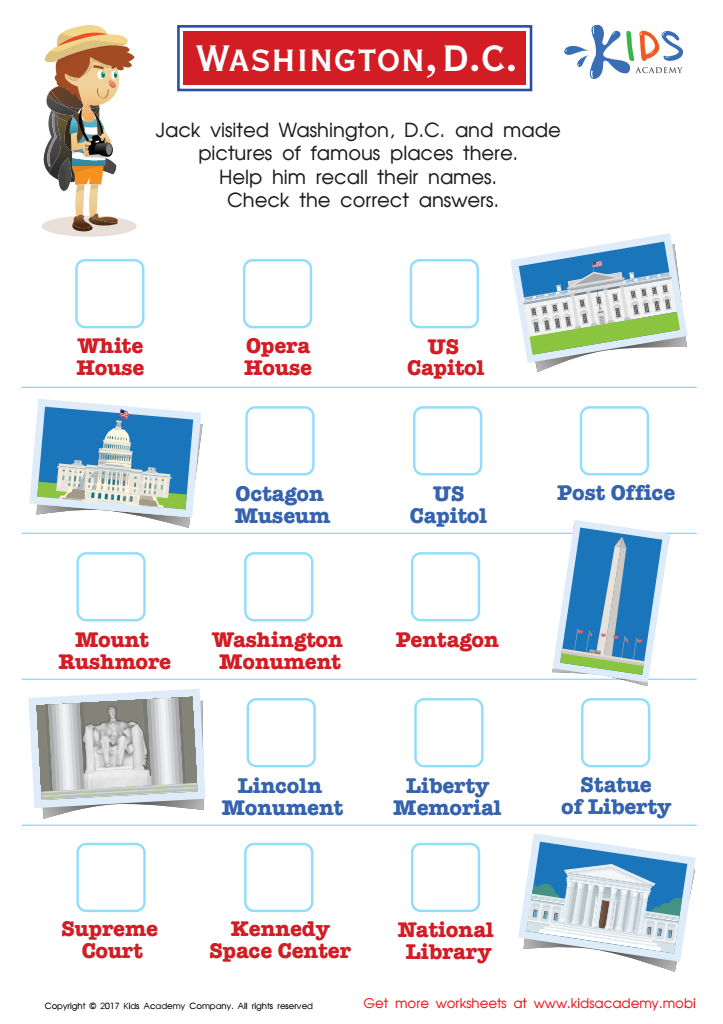
Washington D.C. Printable Worksheet
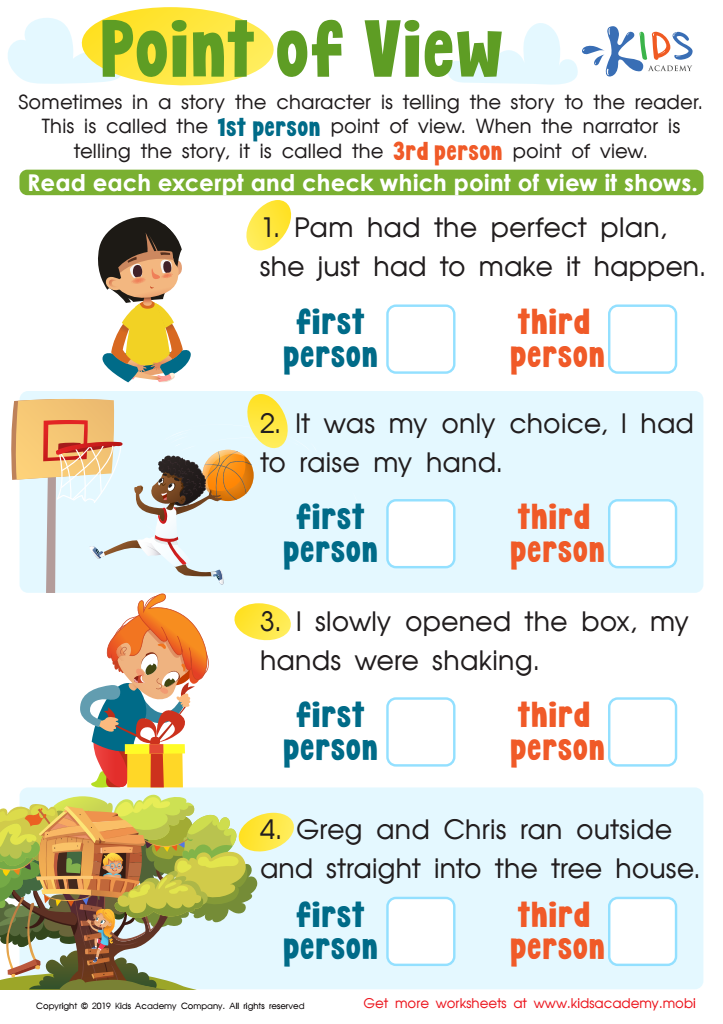
Point of View Printable
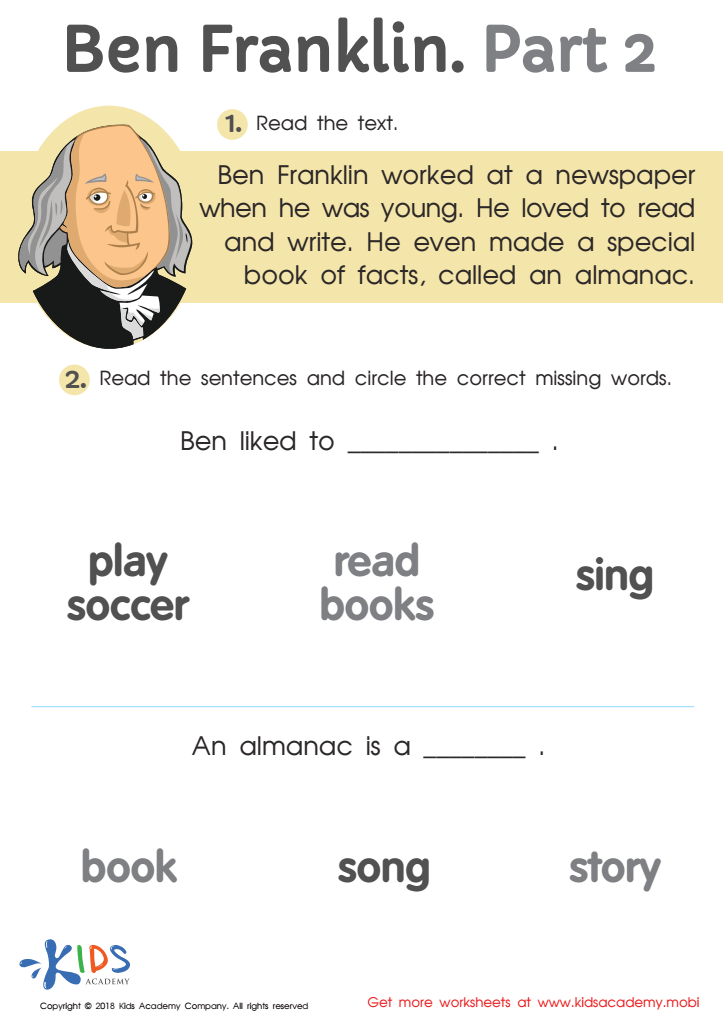
Ben Franklin Part 2 Worksheet

The Four Seasons Worksheet
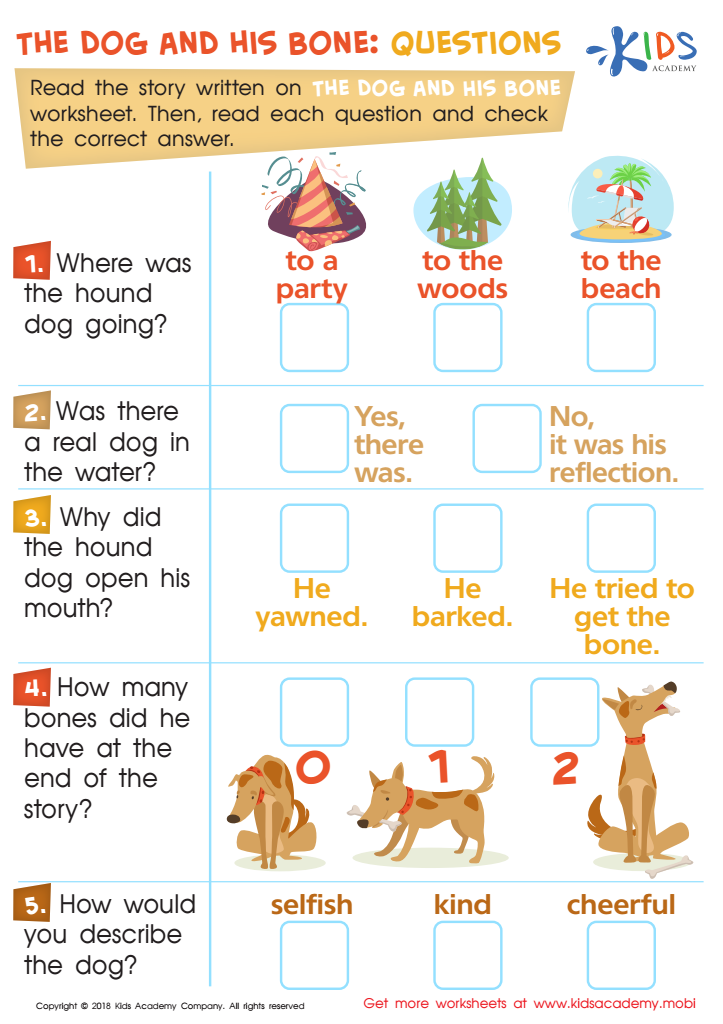
The Dog and His Bone: Questions Worksheet
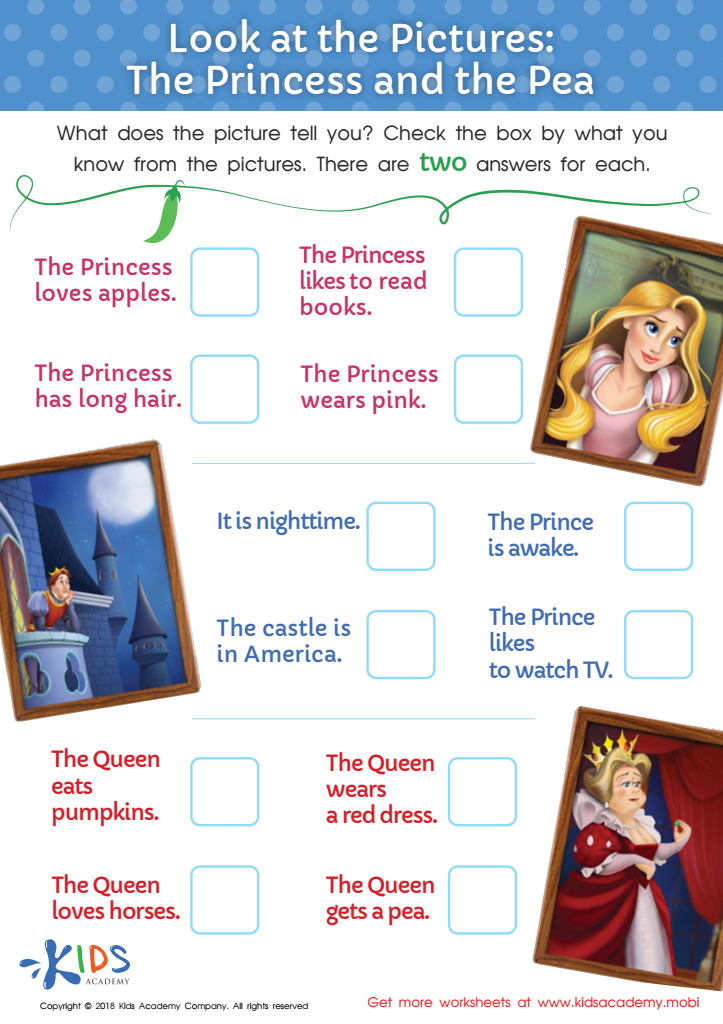
Look at the Pictures: The Princess and the Pea Worksheet
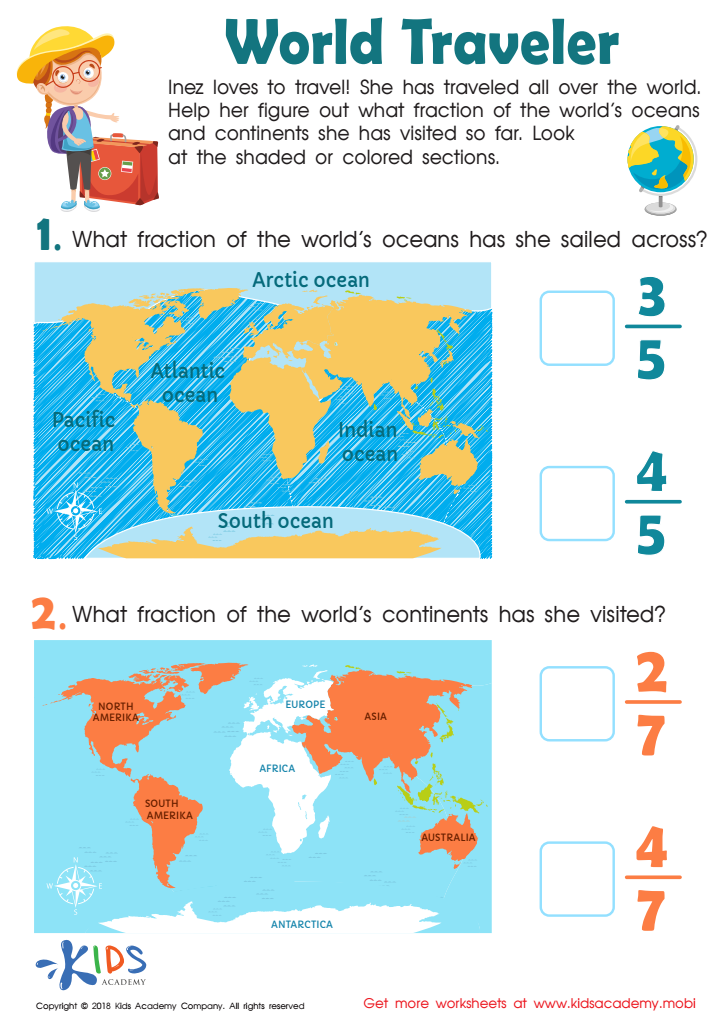
World Traveler Worksheet
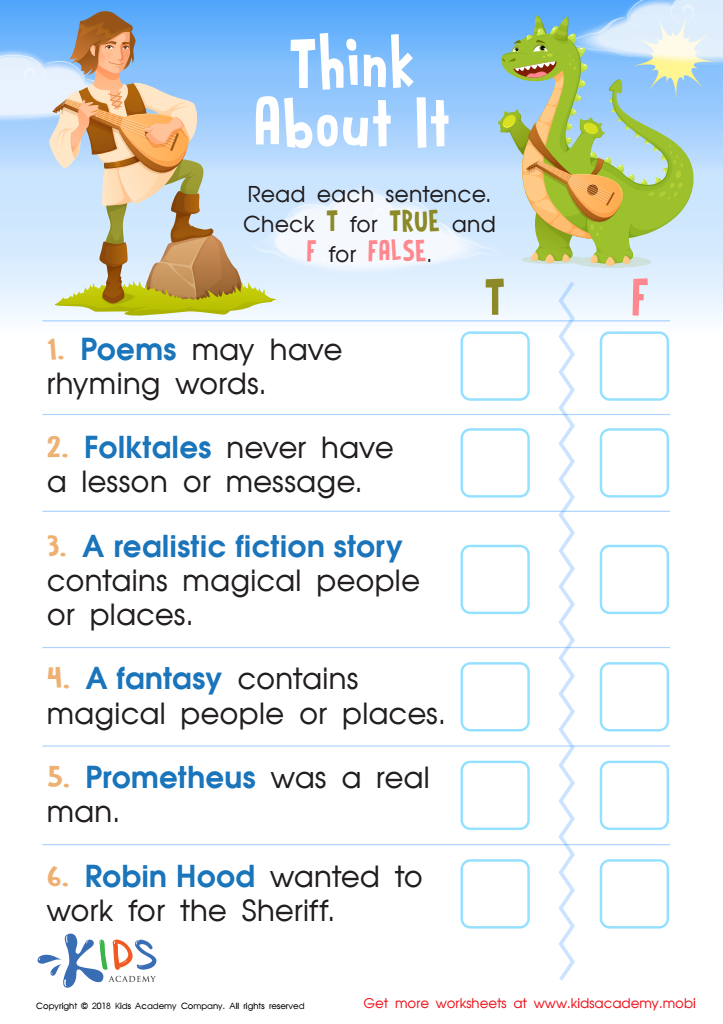
Think About It: Assessment Worksheet
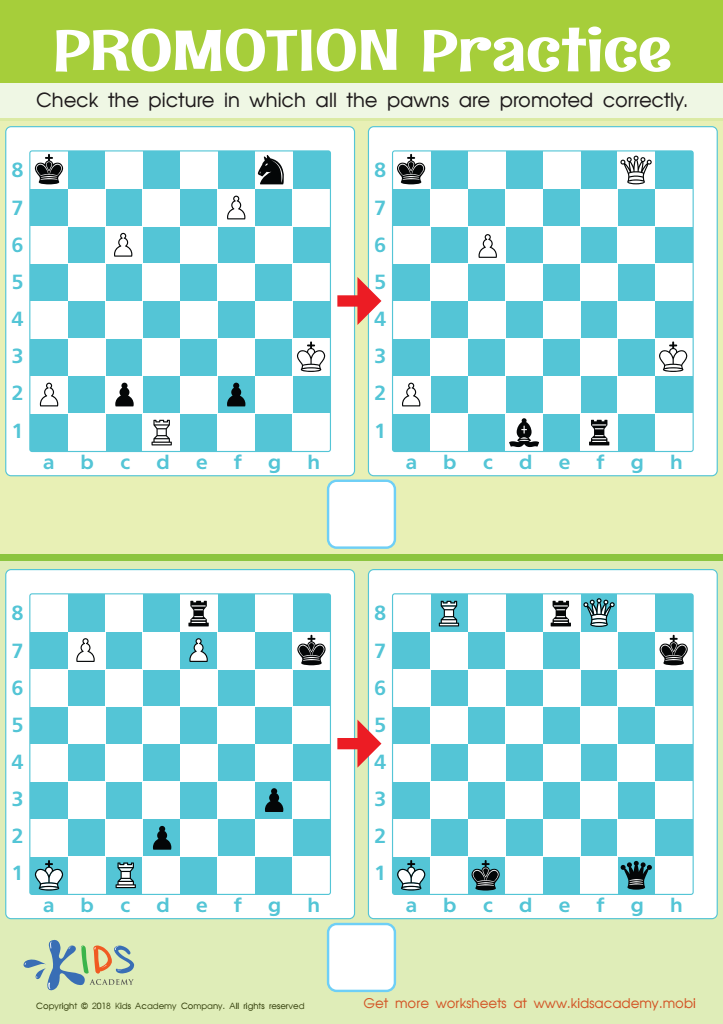
Promotion Practice Worksheet







Critical thinking for children aged 4-9 is paramount as it forms the foundation for lifelong learning and problem-solving abilities. At this tender age, children's brains are highly receptive and developing rapidly. Fostering critical thinking can enhance their ability to understand the world, make informed decisions, and navigate complex situations.
Parents and teachers should care deeply about nurturing these skills because it encourages curiosity and promotes independence in thought processes. Critical thinking also improves academic performance across various subjects by enabling children to analyze, synthesize, and evaluate information effectively. These skills go beyond mere rote memorization, providing children with tools to approach problems creatively and logically.
Moreover, early development of critical thinking fosters emotional intelligence and communication skills. It helps children differentiate between valid arguments and fallacies, thereby enhancing their ability to engage in constructive discussions and resolve conflicts amicably.
For parents and teachers, supporting critical thinking means creating an environment where questioning is encouraged, and mistakes are viewed as learning opportunities. It involves activities that challenge children to observe, analyze, reason, and reflect. By instilling these habits early on, adults can help children evolve into adaptable, independent thinkers ready to tackle future challenges confidently and competently.








