
Improving reading skills Normal Worksheets for Ages 4-9
7 filtered results
Difficulty Level
Grade
Age
-
From - To
Subject
Activity
Standards
Enhance your child's reading abilities with our "Improving Reading Skills Worksheets," designed specifically for ages 4-9. These engaging, age-appropriate worksheets help develop essential literacy skills through captivating activities that promote letter recognition, vocabulary expansion, and comprehension. With a variety of exercises including tracing, matching, and reading practice, kids will build confidence and fluency in their reading journey. Ideal for both home and classroom use, these worksheets provide a fun and interactive approach to learning. Foster a love for reading while giving your child the tools they need to succeed in their educational endeavors. Start their reading adventure today!
Favorites
With answer key
Interactive
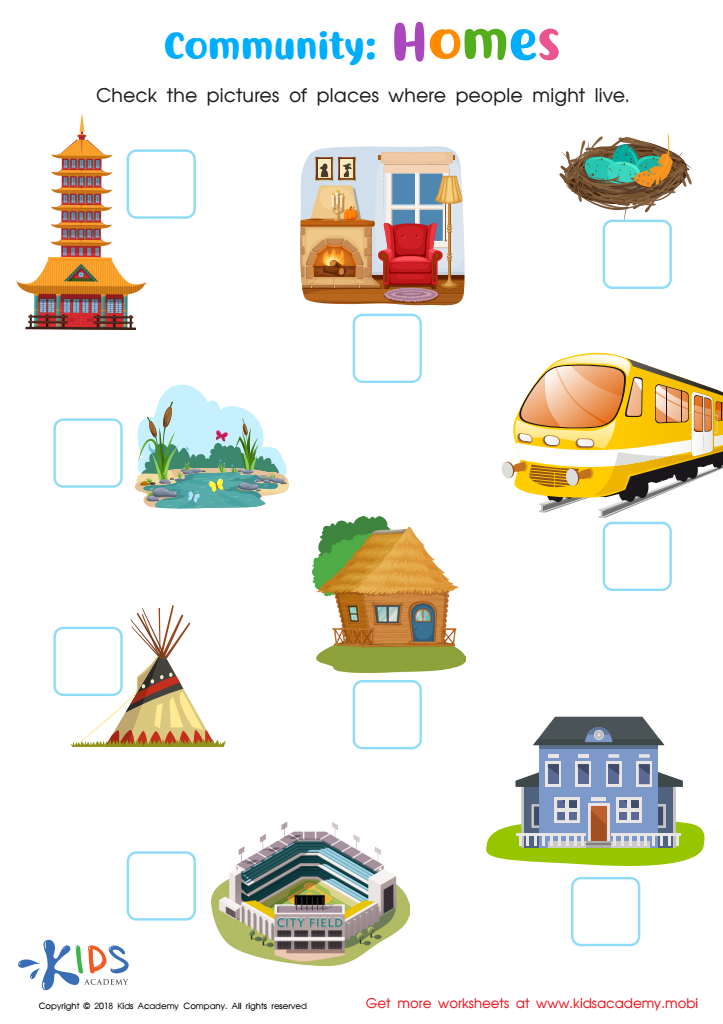
Community: Homes Worksheet
Help your child discover the different types of homes with this free worksheet! Full of colors and pictures, they'll assess which are suitable for people to live in. As they check each picture, they'll use their fine motor skills to draw a conclusion. They'll recognize familiar homes and learn about new ones. There's no place like home!
Community: Homes Worksheet
Worksheet
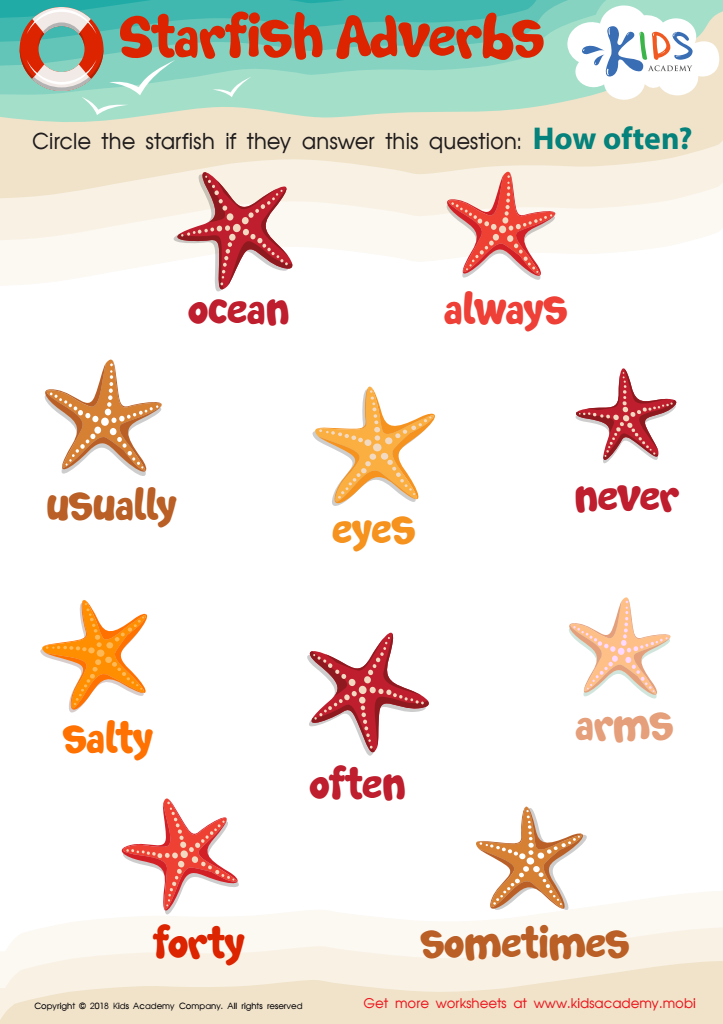
Starfish Adverbs Worksheet
Students will gain exposure to new words and parts of speech as they learn more. After nouns and verbs, adverbs are next. Ask students to give examples, like ‘quickly’ and ‘heavily’. Finally, help them circle the starfish that answer the question 'how often?' on the worksheet.
Starfish Adverbs Worksheet
Worksheet
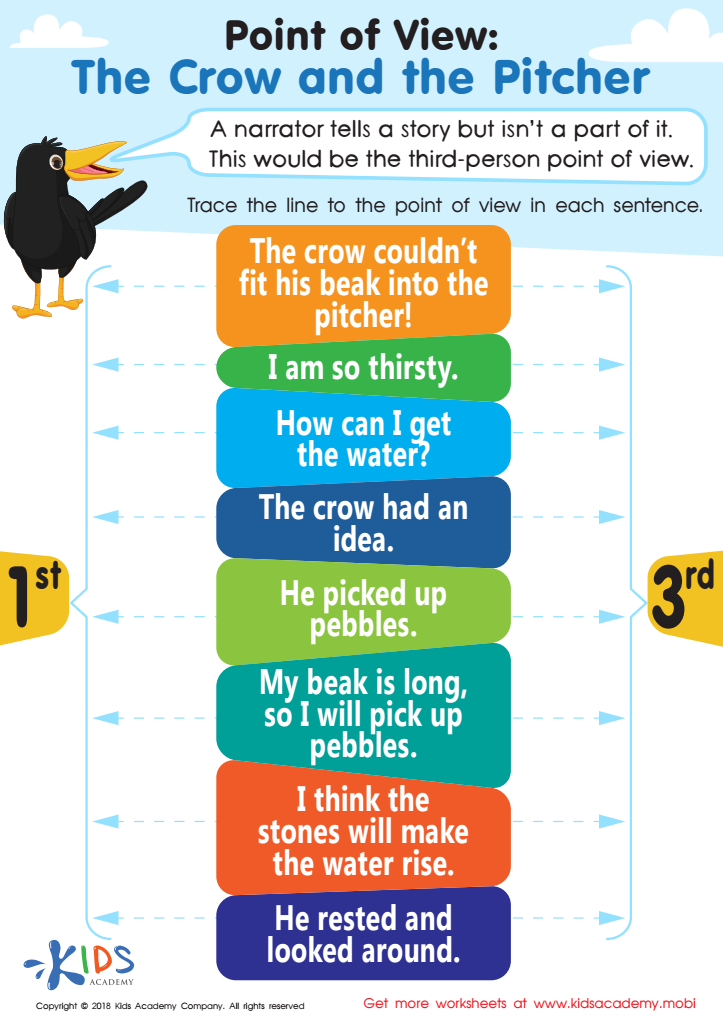
Point of View: The Crow and the Pitcher Worksheet
Help your child learn 1st and 3rd person point of view with our free downloadable worksheet! Using the fable The Crow and the Pitcher, learners read the sentences in each colorful box, then determine which ones are written in 1st or 3rd person. Trace a line from each box to its answer and complete!
Point of View: The Crow and the Pitcher Worksheet
Worksheet
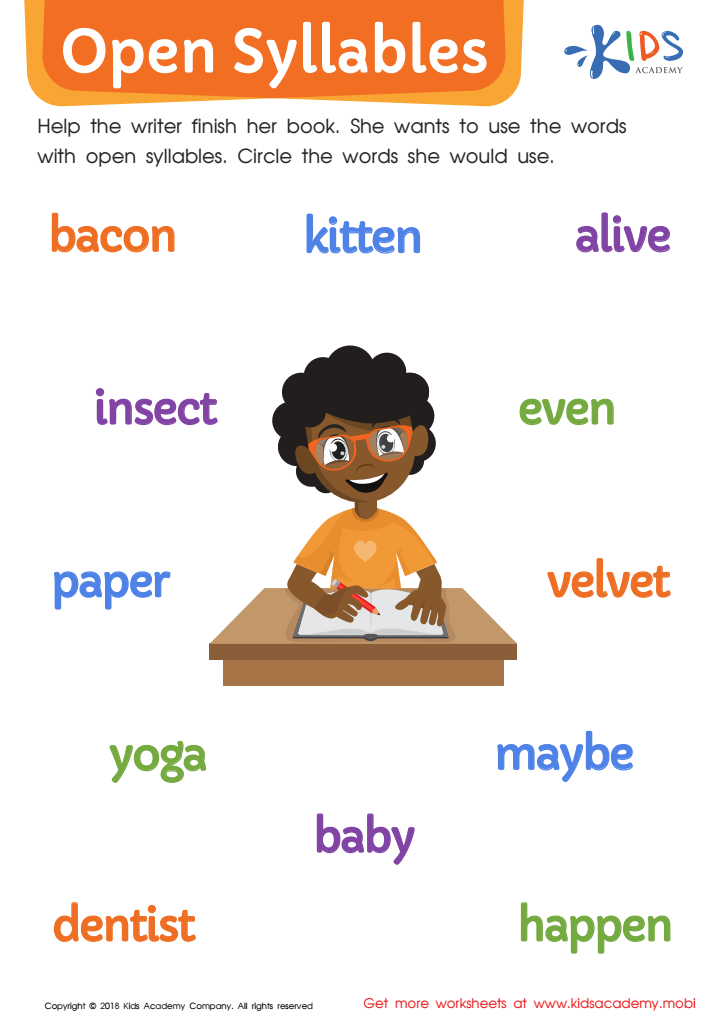
Open Syllables Worksheet
Before beginning this worksheet, make sure your child knows what open syllables are. If not, take time to teach them with examples. Then, help the writer finish her book by circling words with open syllables. She needs your child's help!
Open Syllables Worksheet
Worksheet
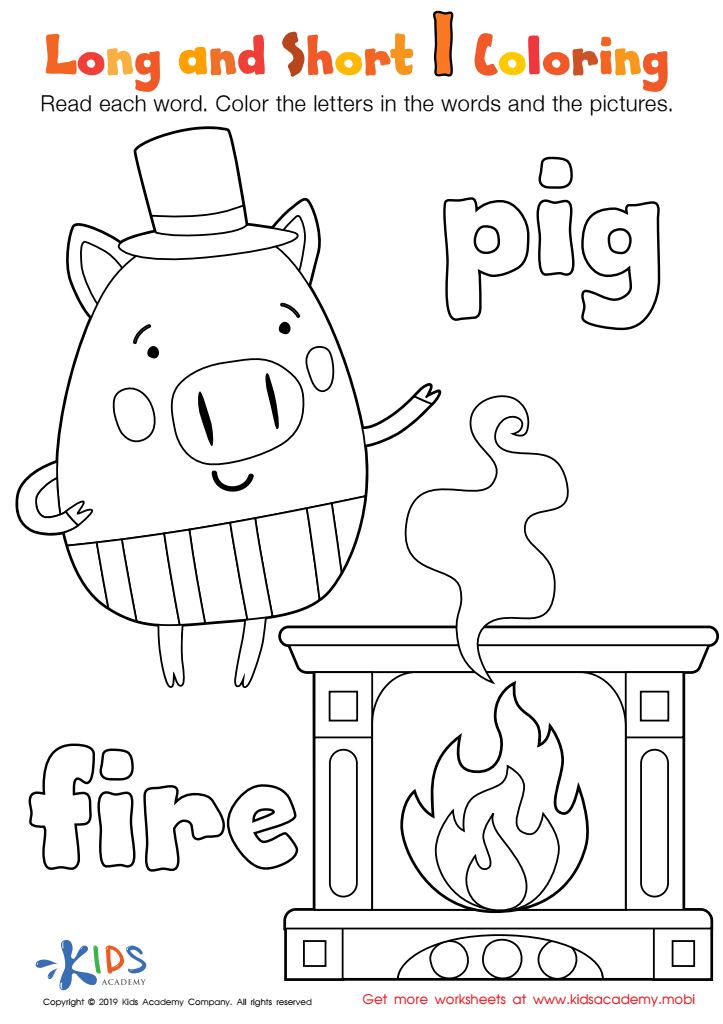
Long and Short I Worksheet
Print the worksheet and have the students read "pig" and "fire". Check for understanding the difference between long and short vowels. Color in words and pictures to make learning phonics fun! This exercise is perfect for introducing the topic to your students.
Download (PDF)
 Assign to My Students
Assign to My Students
Long and Short I Worksheet
Worksheet
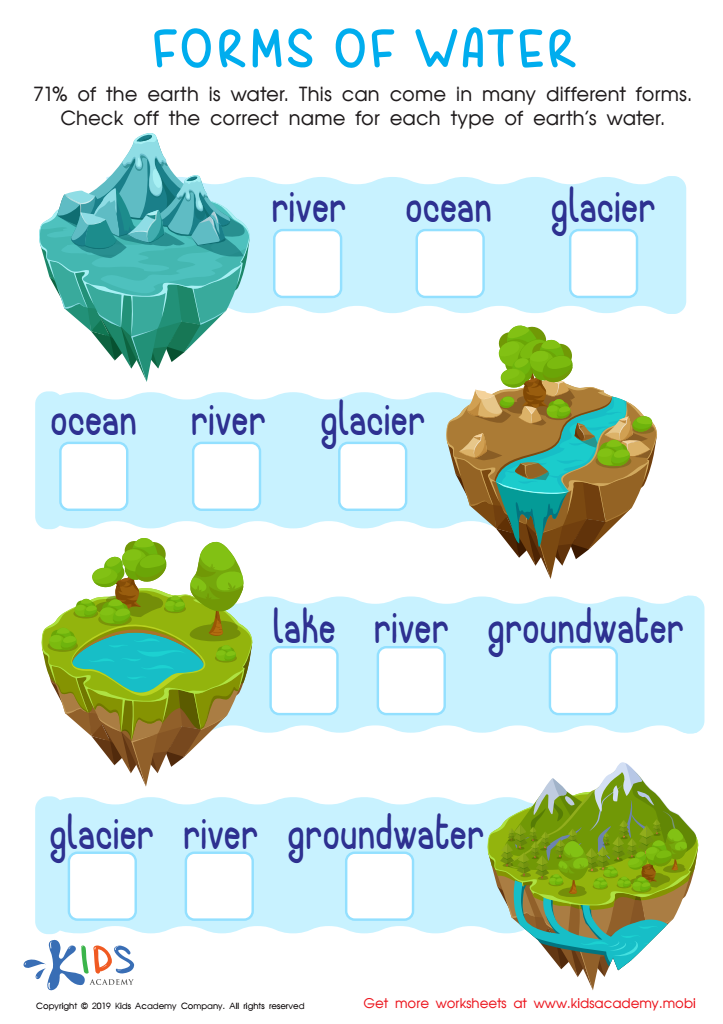
Forms of Water Worksheet
Life on Earth needs water to survive. Luckily, water makes up 75% of the Earth's surface and comes in various forms such as rivers, oceans and lakes. Ask your kids to name other forms and use this worksheet to help them identify each type.
Forms of Water Worksheet
Worksheet
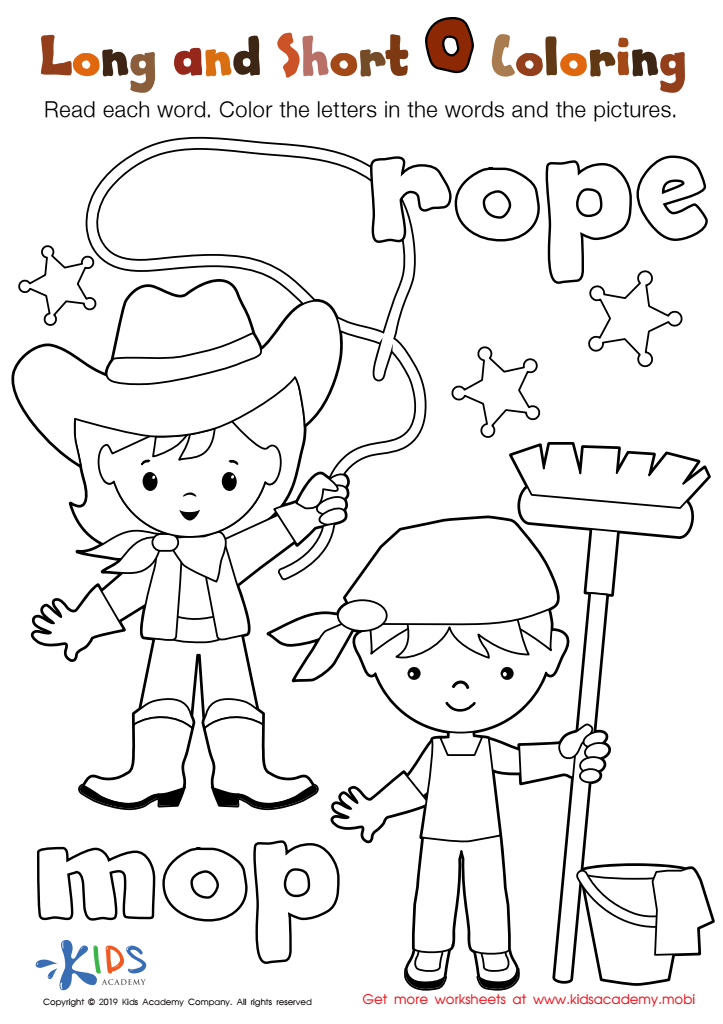
Long and Short O Worksheet
Help your students recognize the difference between long and short «Os» with this fun printout. Let them read and color-in "rope" and "mop" simultaneously. Listen to the different sounds, then color the words and pictures. Great for classes, it'll make your phonics lesson memorable and enjoyable.
Download (PDF)
Assign to My Students
Assign to My Students
Long and Short O Worksheet
Worksheet
Join Kids Academy for Free
Who is primarily going to use this learning content?








Improving reading skills for children aged 4 to 9 is crucial for several reasons. Firstly, reading is foundational to all learning; children who develop strong reading skills early are more likely to excel in other subjects. At this age, children are naturally curious and eager to learn, making it an ideal time to foster a love for reading. Engaging with books not only enhances vocabulary but also develops comprehension and critical thinking skills.
Secondly, proficient reading boosts confidence and self-esteem. Children who struggle with reading may experience frustration and anxiety, which can deter them from participating in classroom activities. On the other hand, those who read well feel more empowered to share ideas and take part in discussions.
Moreover, reading has social and emotional benefits. Shared reading experiences between parents, teachers, and children strengthen bonds and promote a sense of security. Stories can also stimulate imagination and empathy by allowing children to explore different perspectives.
Being actively involved in improving reading skills opens pathways for lifelong literacy, enabling children to thrive academically and socially. Therefore, parents and teachers should prioritize and support early reading development to ensure a bright future for young learners.








