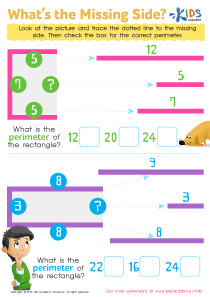
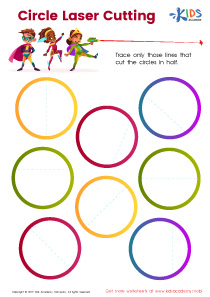
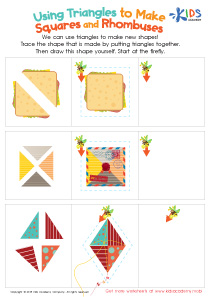
Fine Motor Skills Normal 2D Shapes Worksheets for Ages 4-9
5 filtered results
-
From - To
Unlock your child’s potential with our "Fine Motor Skills Normal 2D Shapes Worksheets for Ages 4-9." These expertly designed resources focus on enhancing fine motor abilities through engaging and educational activities. Perfect for young learners, kids will practice tracing, cutting, coloring, and matching 2D shapes, enhancing their hand-eye coordination, dexterity, and spatial awareness. Ideal for both classroom and home use, our worksheets provide a solid foundation in geometry while making learning fun. Inspire creativity and precision in every tiny hand movement with our top-tier educational content from Kids Academy!
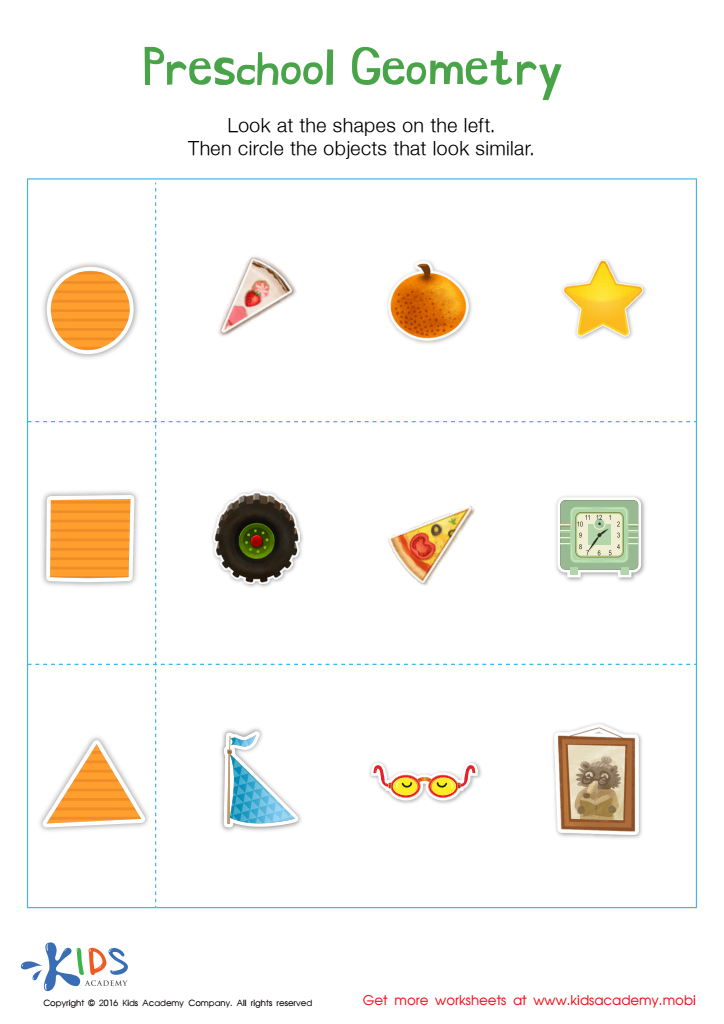
Preschool Geometry Match Up Worksheet
 Assign to My Students











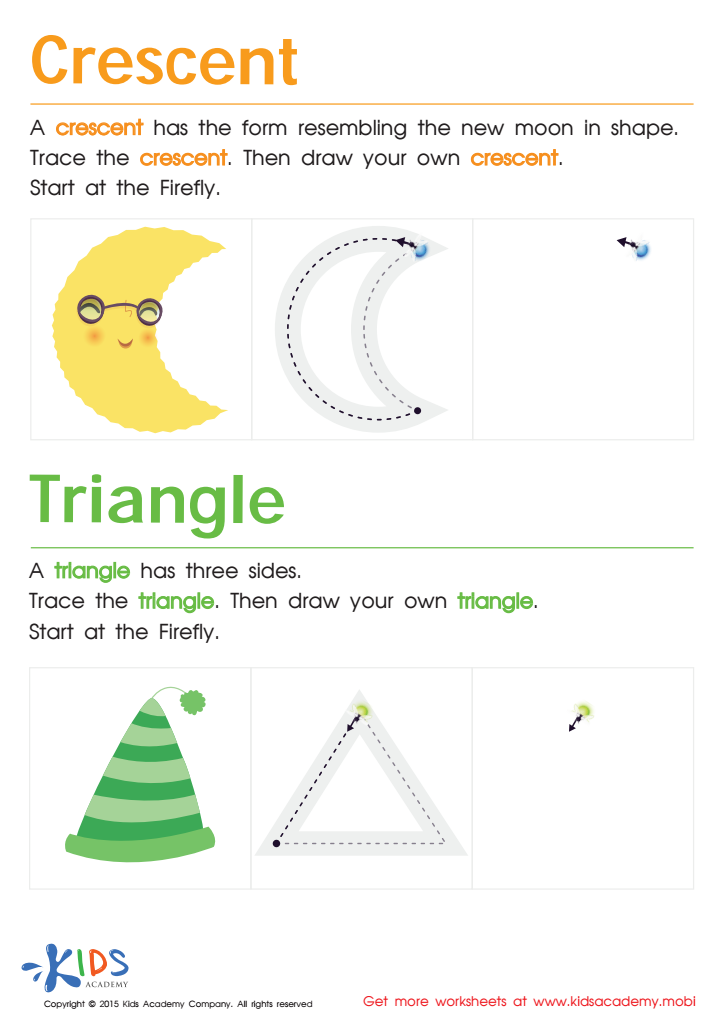
Learning to Draw Crescents And Triangles Worksheet
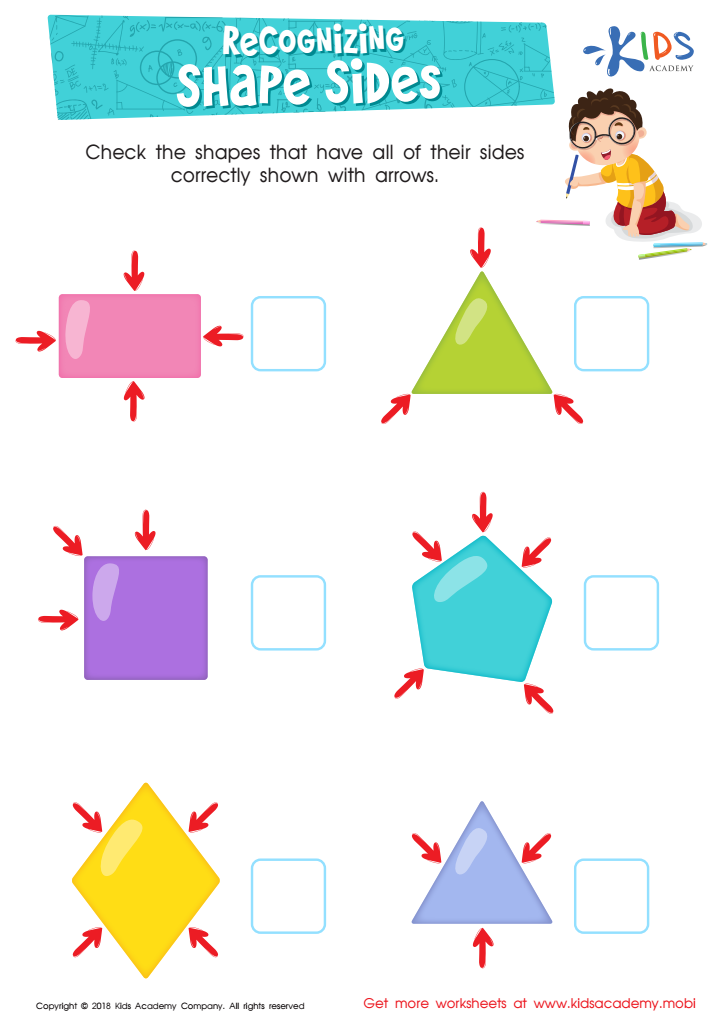
Recognizing Shape Sides Worksheet
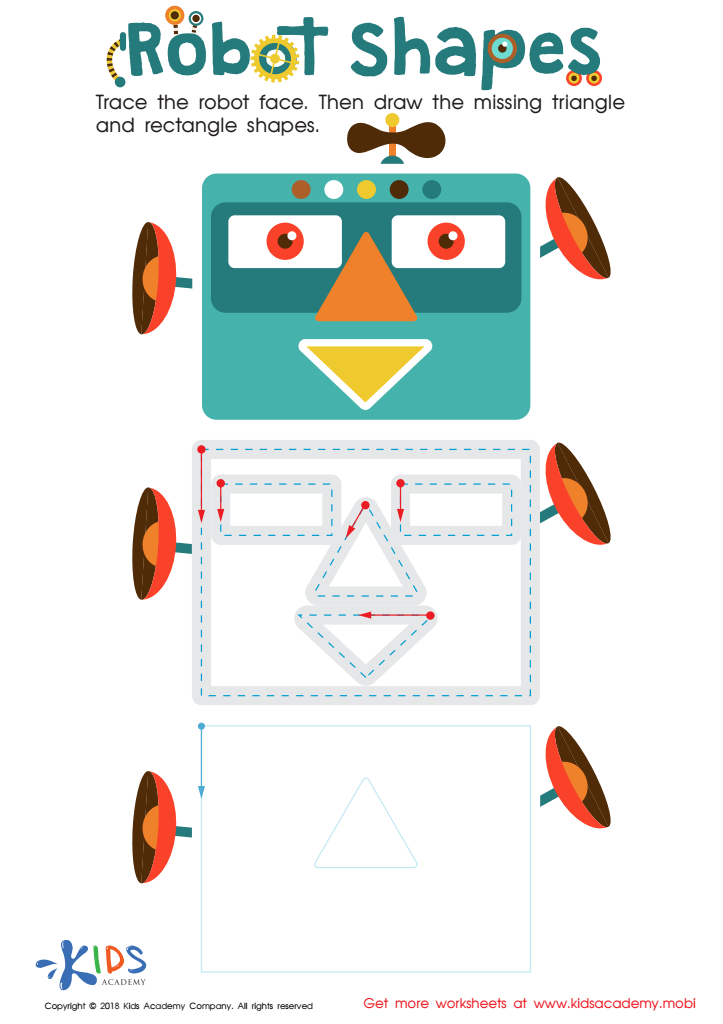
Robot Shapes Worksheet
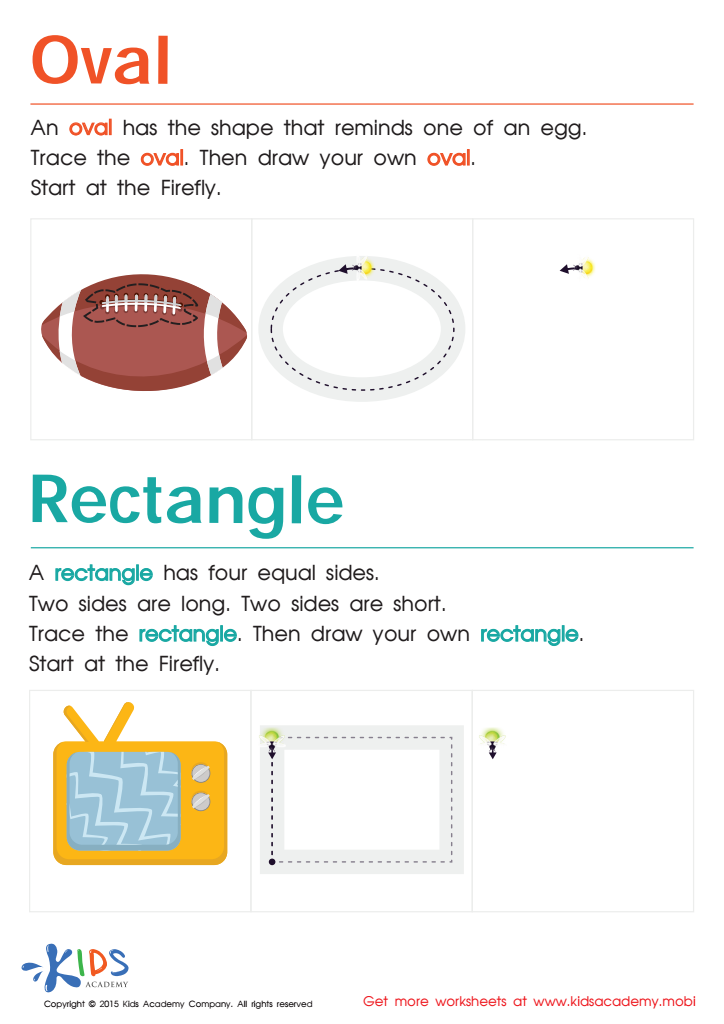
Easy Drawing of Ovals And Rectangles Worksheet








Fine motor skills and understanding basic 2D shapes are fundamental aspects of childhood development that parents and teachers should prioritize for children aged 4-9. Fine motor skills involve the coordination of small muscles, particularly in the hands and fingers, essential for tasks such as writing, buttoning, and using utensils. Developing these skills in early childhood helps children achieve independence in daily activities and lays the groundwork for more complex tasks later in life, such as typing and playing musical instruments.
Proficiency with 2D shapes contributes to cognitive and mathematical development. Recognizing and understanding shapes like circles, squares, and triangles helps children build spatial awareness and lay the foundation for geometry. This knowledge is critical in developing problem-solving skills and can improve their abilities in various academic subjects, including math and science. Moreover, familiarity with shapes enhances a child's ability to label and categorize objects, which is key in language and vocabulary development.
By fostering strong fine motor skills and a clear understanding of 2D shapes, parents and teachers promote overall cognitive growth and educational success. These foundational skills contribute to greater confidence and competency, helping children navigate both academic challenges and everyday tasks with greater ease.