Reading comprehension Normal Addition & Subtraction Worksheets for Ages 4-9
17 filtered results
-
From - To
Enhance your child's learning experience with our Reading Comprehension Normal Addition & Subtraction Worksheets designed for ages 4-9. These engaging worksheets combine fundamental math skills with essential reading comprehension practice, encouraging young learners to develop both numeracy and literacy. Each activity prompts students to read thoughtful scenarios, solve addition or subtraction problems, and answer questions that reinforce their understanding. Perfect for home or classroom use, these worksheets make math fun while fostering critical thinking and comprehension skills. Equip your child with the tools they need to succeed in both reading and math, setting a strong foundation for their future studies.
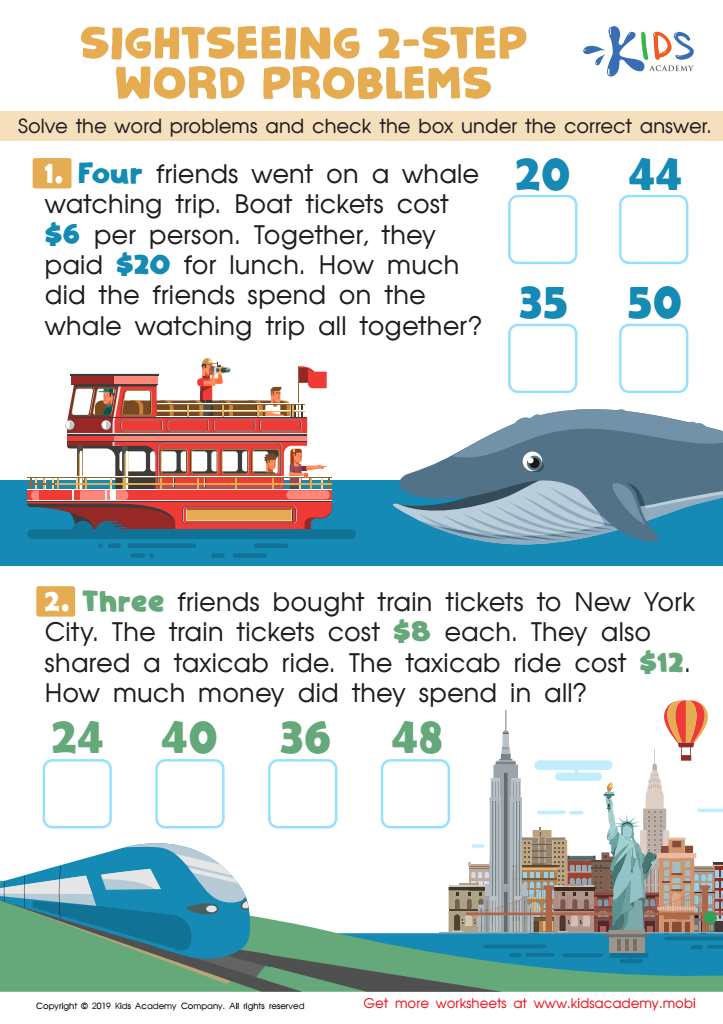
Sightseeing 2-Step Word Problems Worksheet
 Assign to My Students
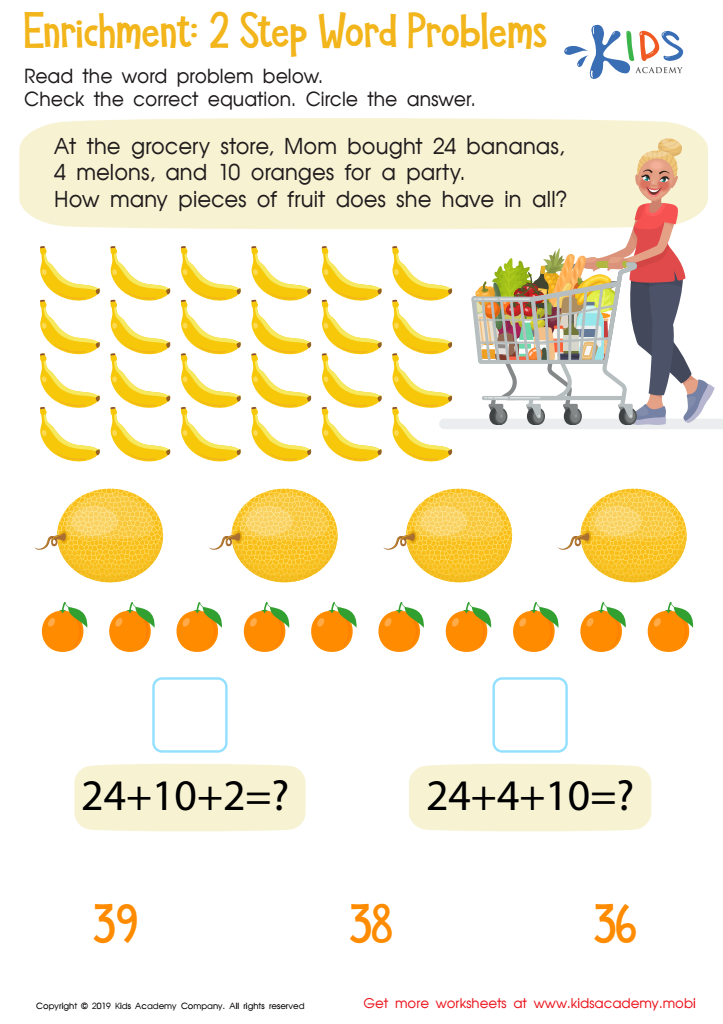
Enrichment -2 Step Word Problems Worksheet
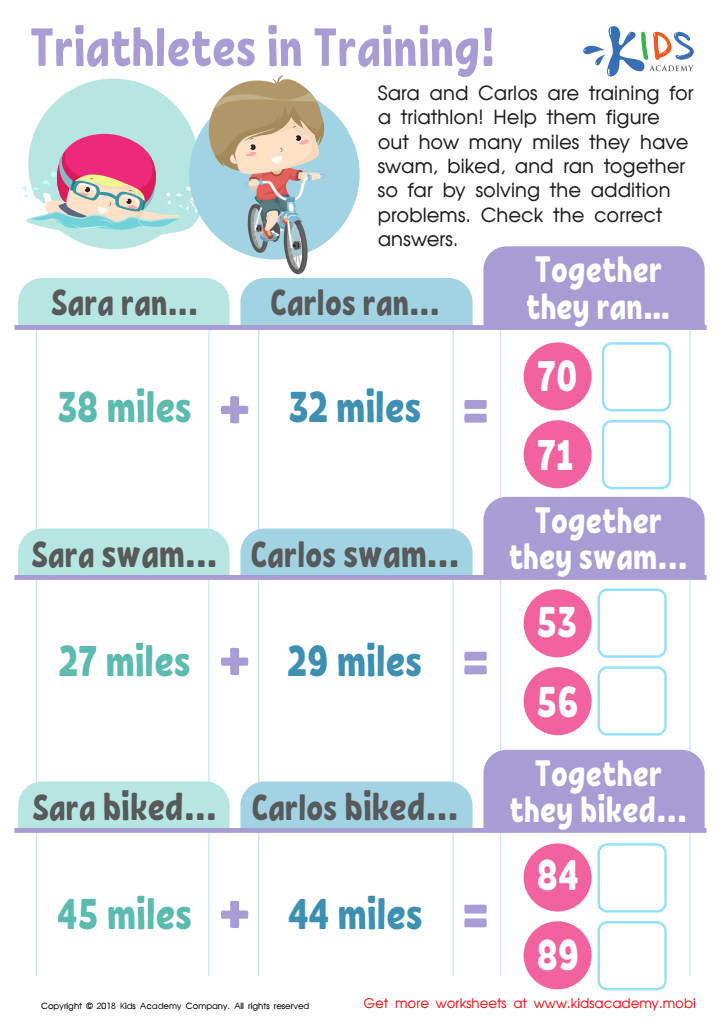
Triathletes in Training Worksheet
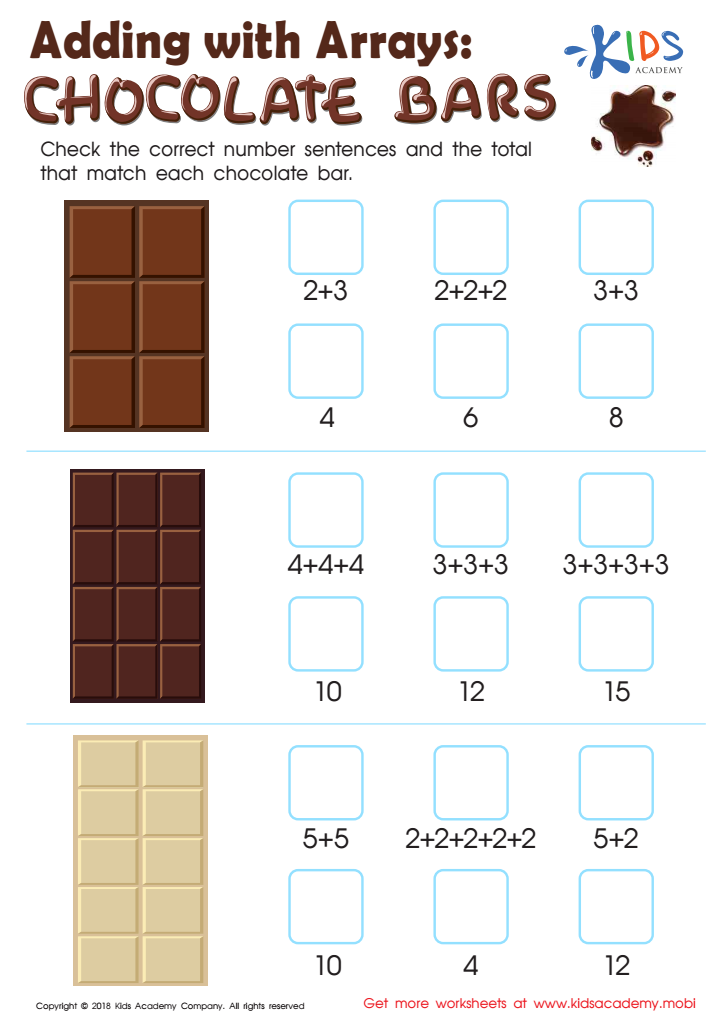
Adding with Arrays: Chocolate Bars Worksheet
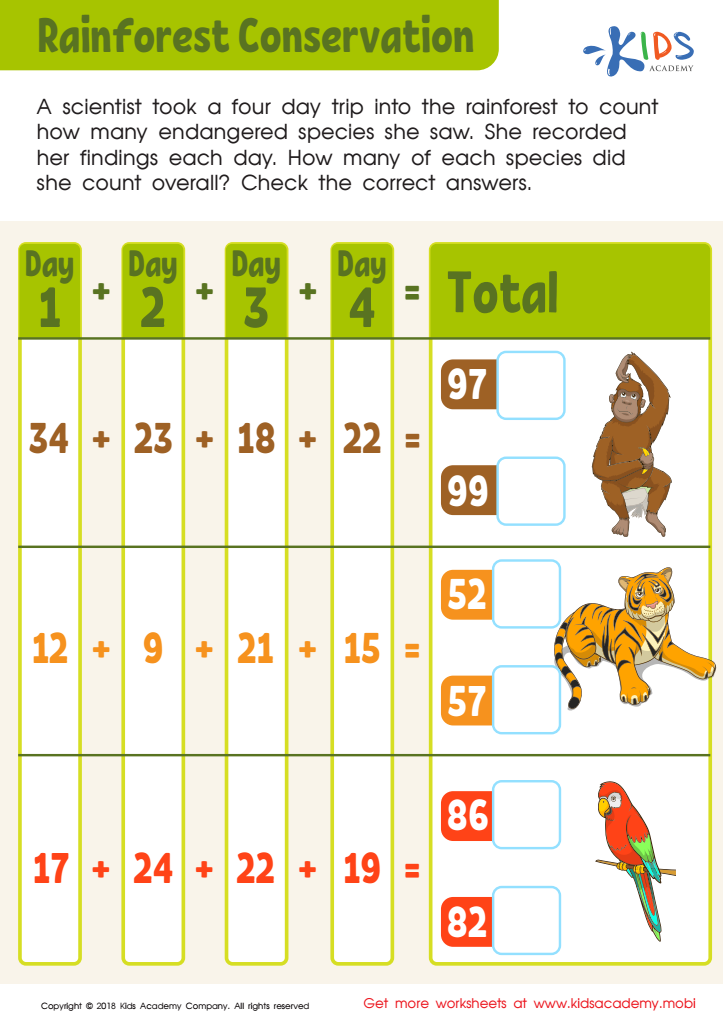
Rainforest Conservation Worksheet
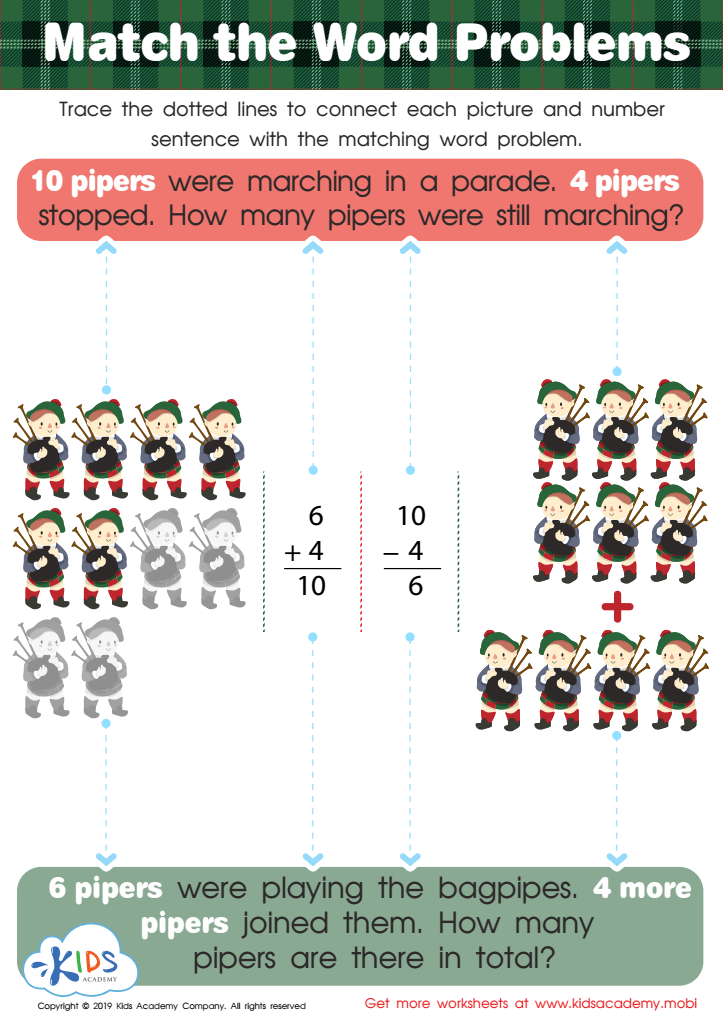
Match the Word Problems Worksheet
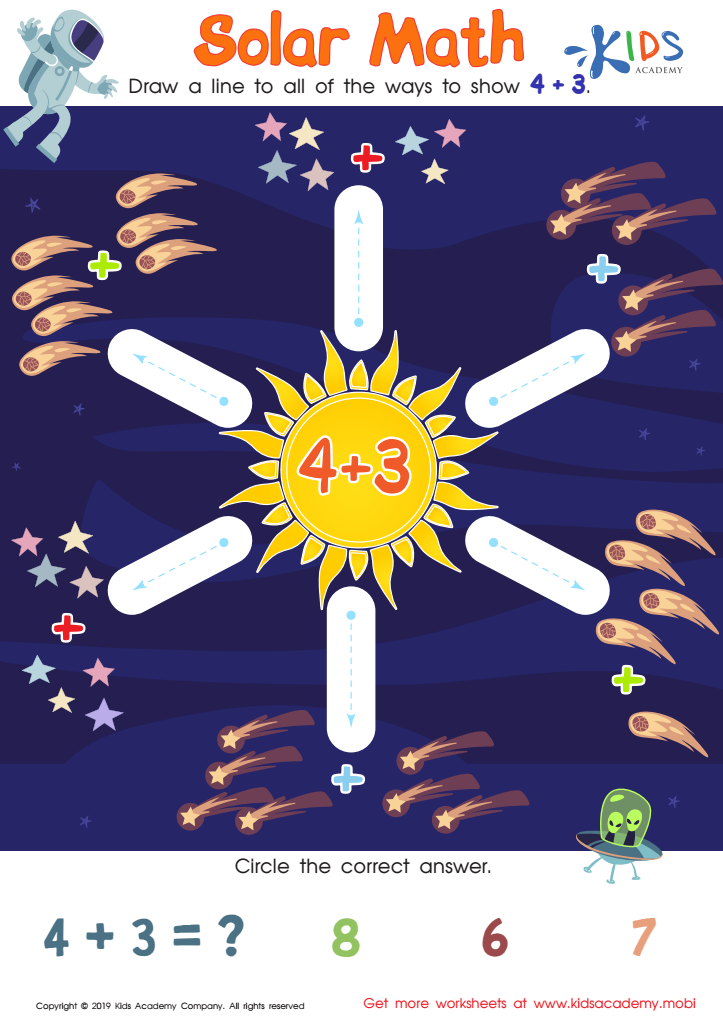
Solar Math Worksheet
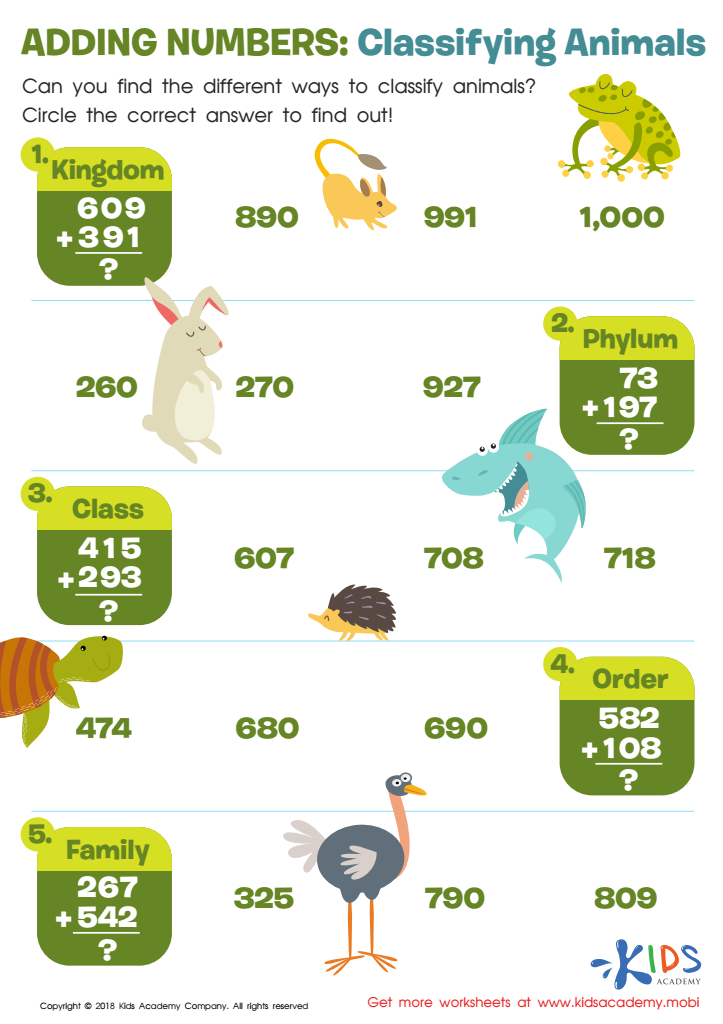
Adding Numbers: Classifying Animals Worksheet
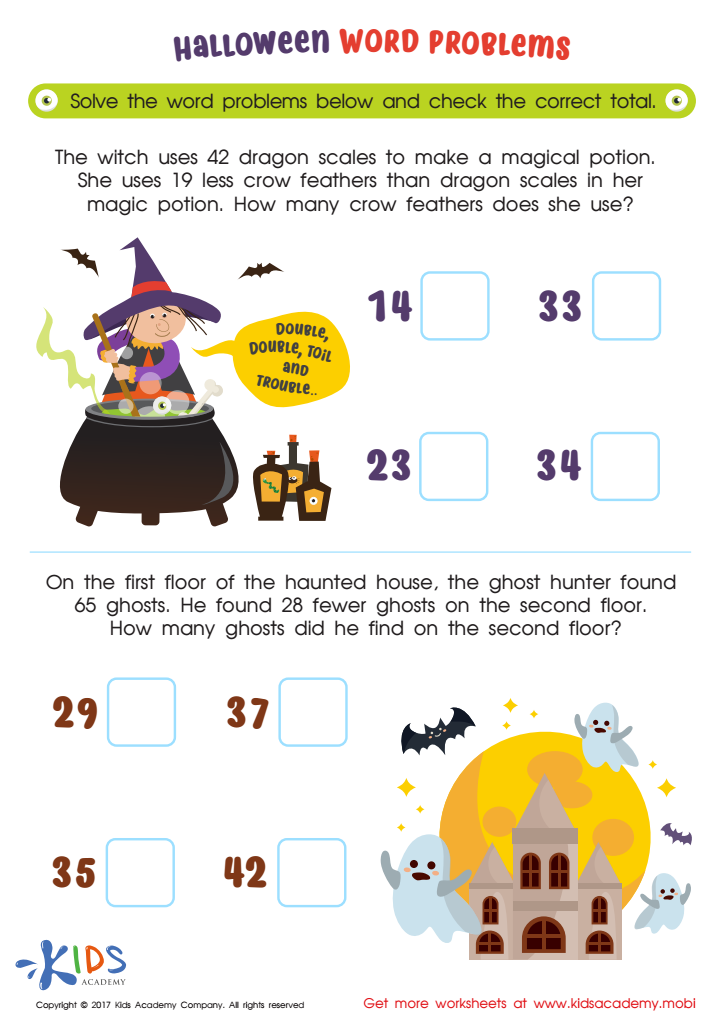
Halloween Word Problems Printable
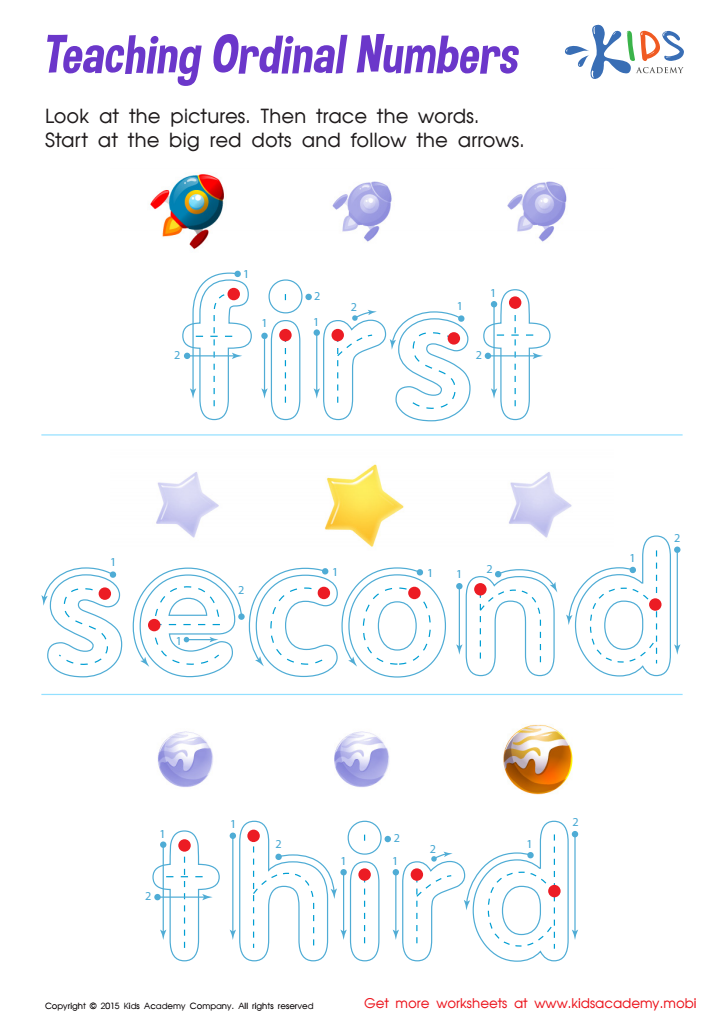
Ordinal Numbers: Teaching Ordinal Numbers Printable
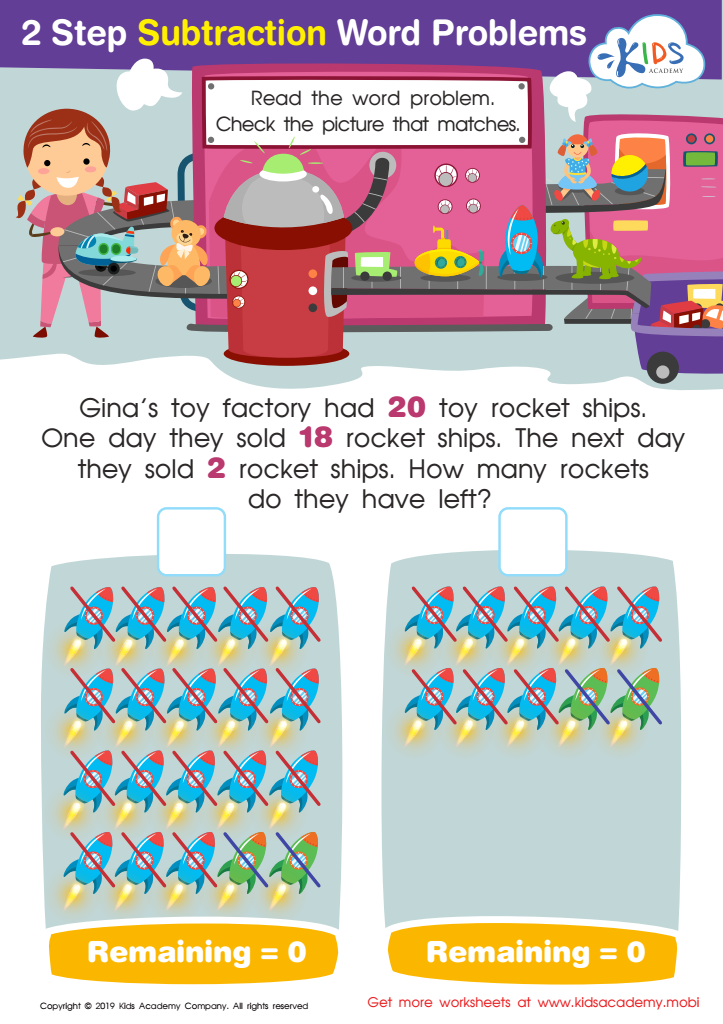
Step Subtraction Word Problems Worksheet
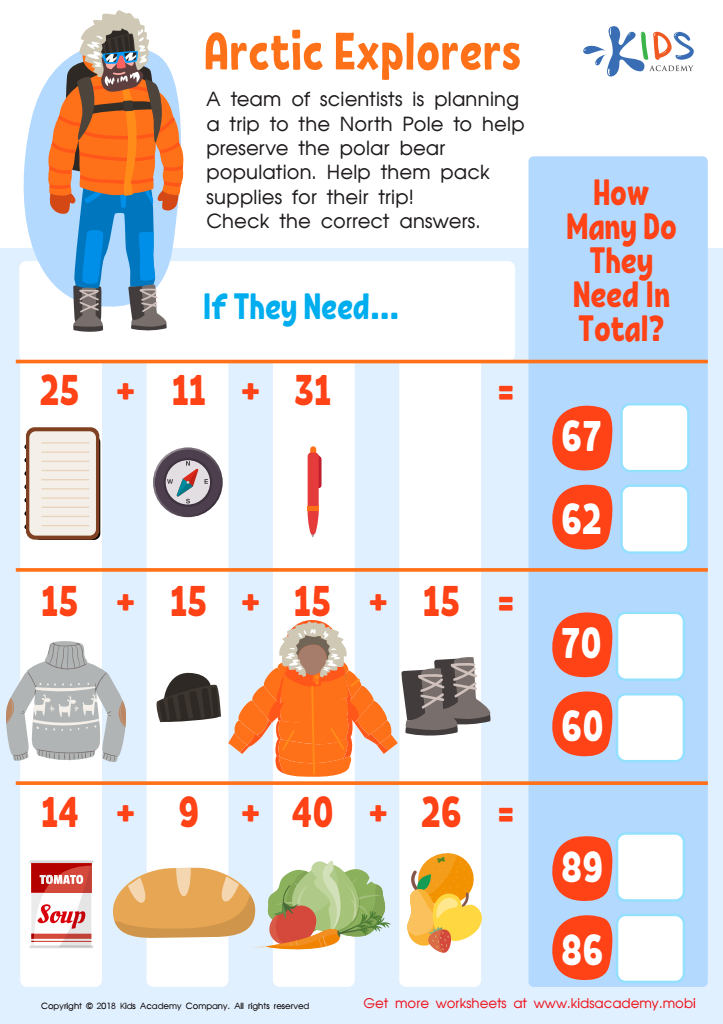
Arctic Explorers Worksheet
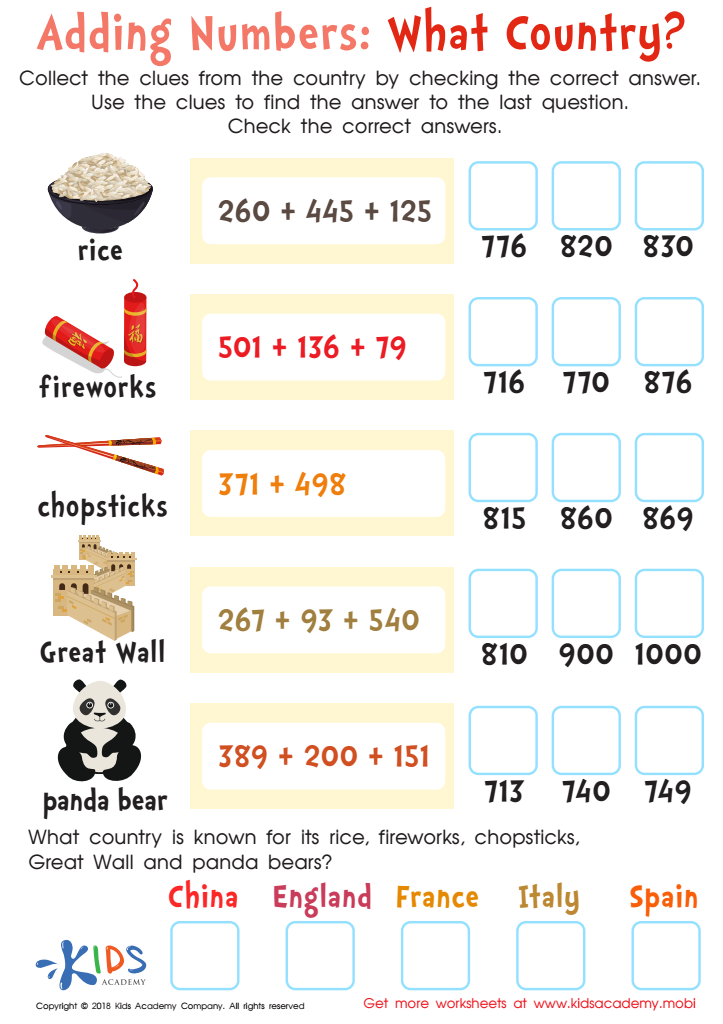
Adding Numbers: What Country Worksheet
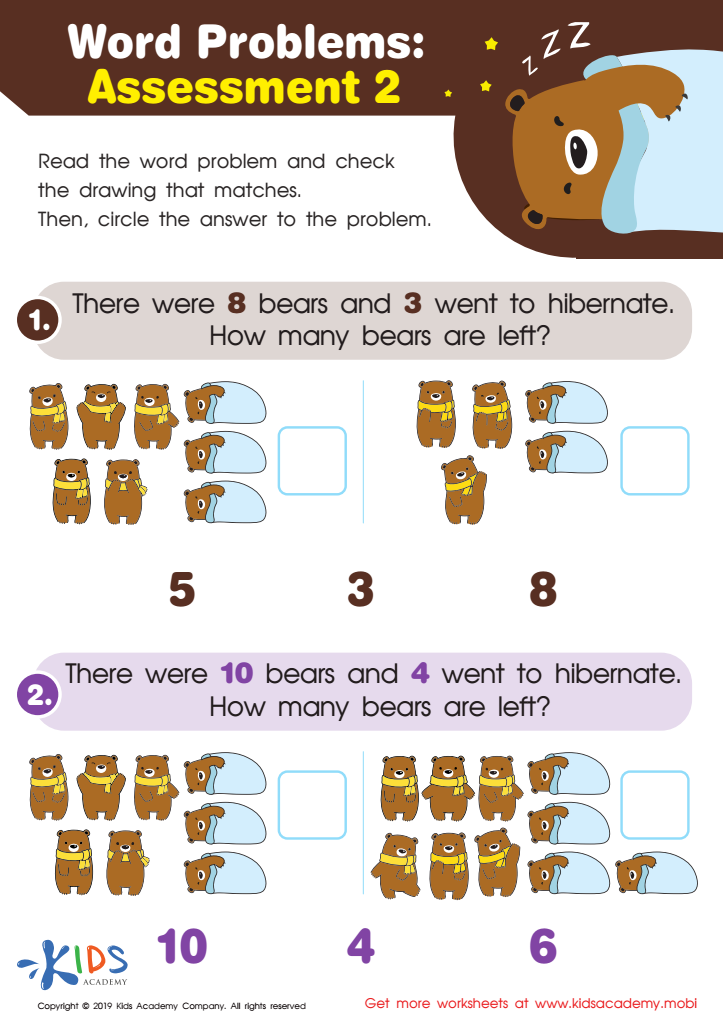
Word Problems: Assessment 2 Worksheet
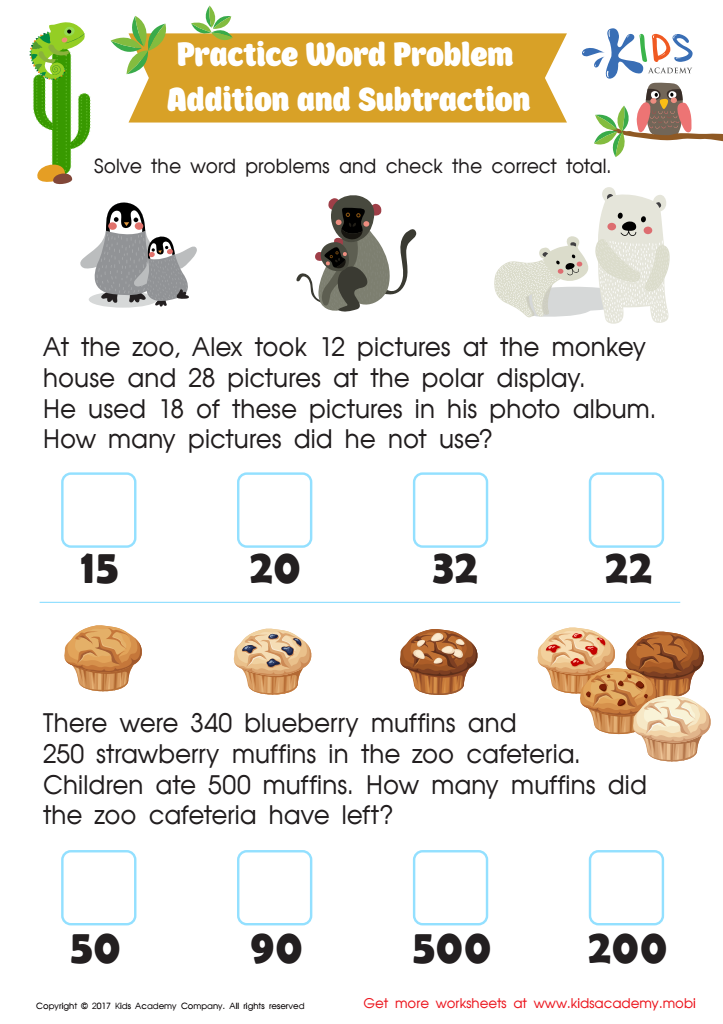
Addition and Subtraction: Word Problems Worksheet
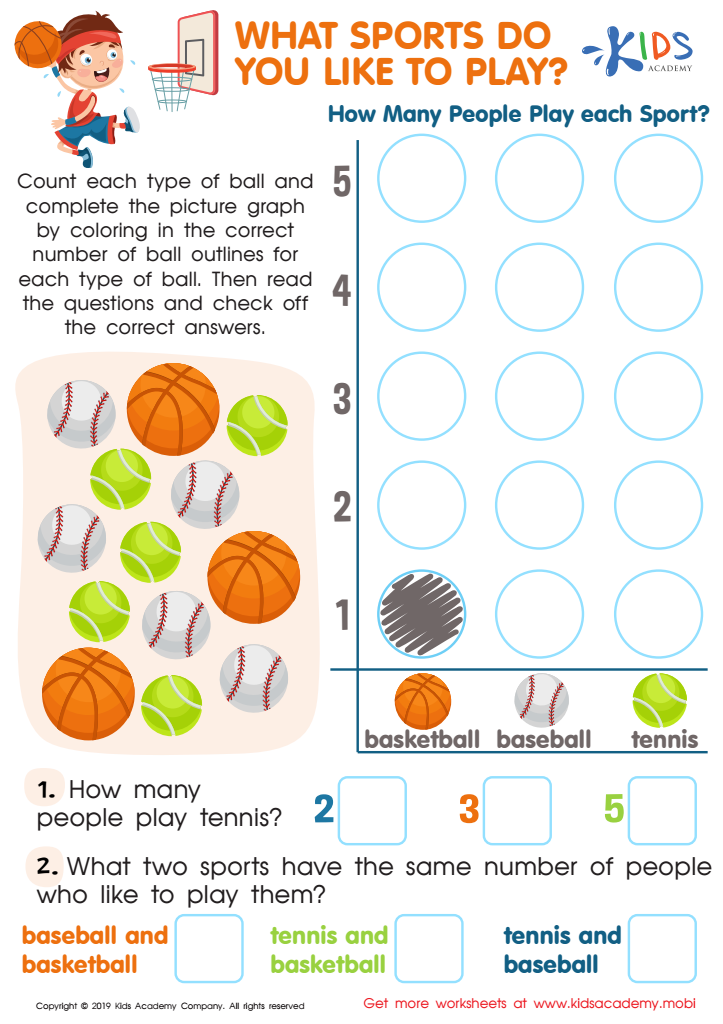
What Sports Do You Like to Play Worksheet
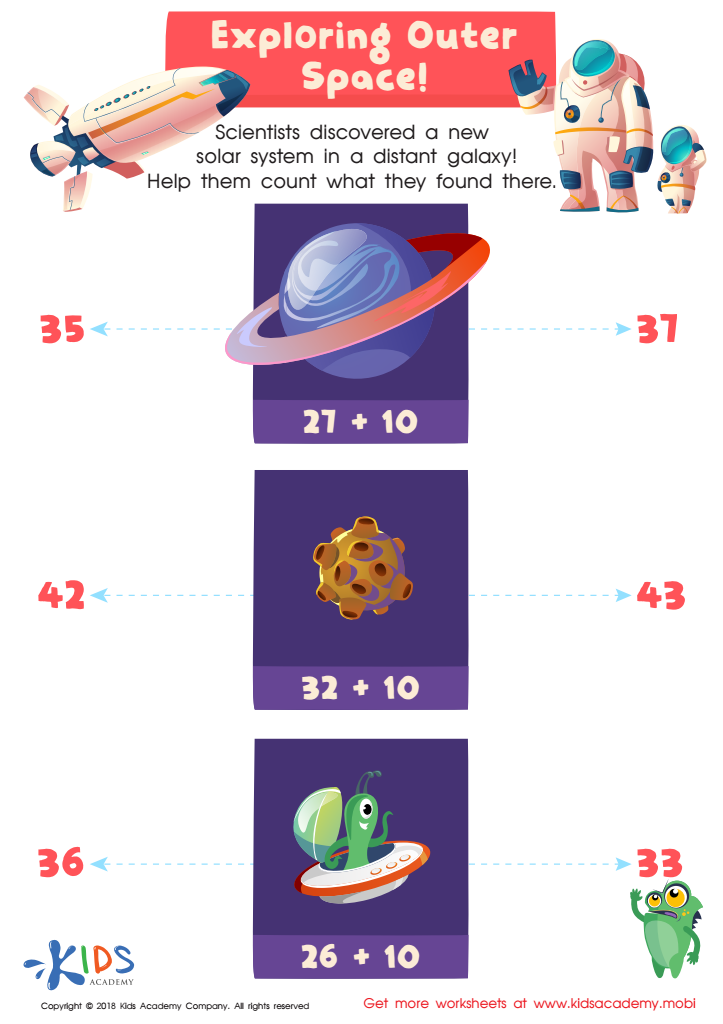
Exploring Outer Space Worksheet








Reading comprehension and basic math skills, such as normal addition and subtraction, are foundational elements of a child's education, especially for ages 4-9. Parents and teachers should care about these skills for several reasons.
Firstly, reading comprehension enhances a child's ability to understand and engage with the world around them. It develops critical thinking, vocabulary, and communication skills—essential tools for learning across subjects. Effective reading skills enable children to grasp mathematical concepts better, as they often need to comprehend word problems to apply their arithmetic knowledge.
Secondly, normal addition and subtraction are cornerstones of mathematical understanding. Mastering these skills creates a strong foundation for more complex math concepts later on. Early math skills are linked to future academic success and can enhance problem-solving capabilities that are applicable beyond the classroom.
Additionally, both reading and math skills foster a sense of confidence in children. When they feel competent in these areas, they are more likely to engage with and explore further educational opportunities.
Overall, supporting reading comprehension alongside basic arithmetic equips children for lifelong learning, ensuring they are prepared for the challenges of higher education and everyday life. Encouraging these skills in early education sets the stage for holistic development and lasting success.








