Vocabulary enhancement Normal Geometry Worksheets for Ages 4-9
6 filtered results
-
From - To
Explore our engaging Vocabulary Enhancement Normal Geometry Worksheets designed for children aged 4 to 9! These worksheets aim to enrich young learners' geometry vocabulary while fostering essential math skills. Filled with exciting activities, children will discover shapes, spatial awareness, and key geometry terms in a fun and interactive way. Our resources encourage creativity and critical thinking, helping students build a solid foundation in geometric concepts. Perfect for both classroom settings and independent practice, these worksheets ensure an enjoyable learning experience that promotes vocabulary retention. Equip your child with the skills they need to excel in mathematics through our thoughtfully crafted geometry worksheets!
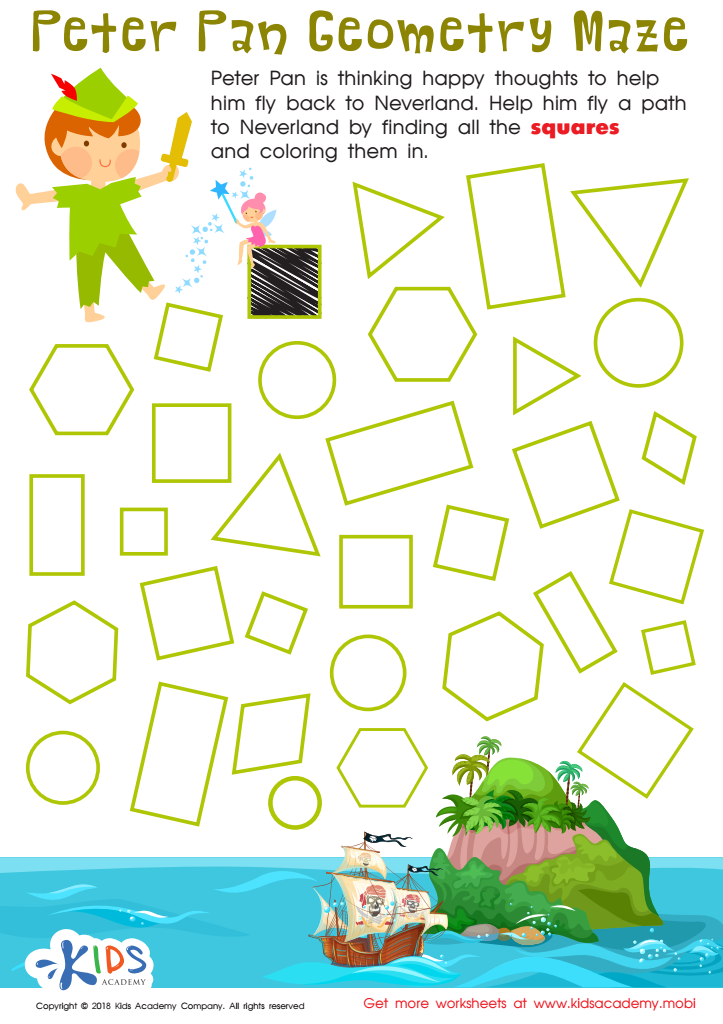
Peter Pan Worksheet
 Assign to My Students











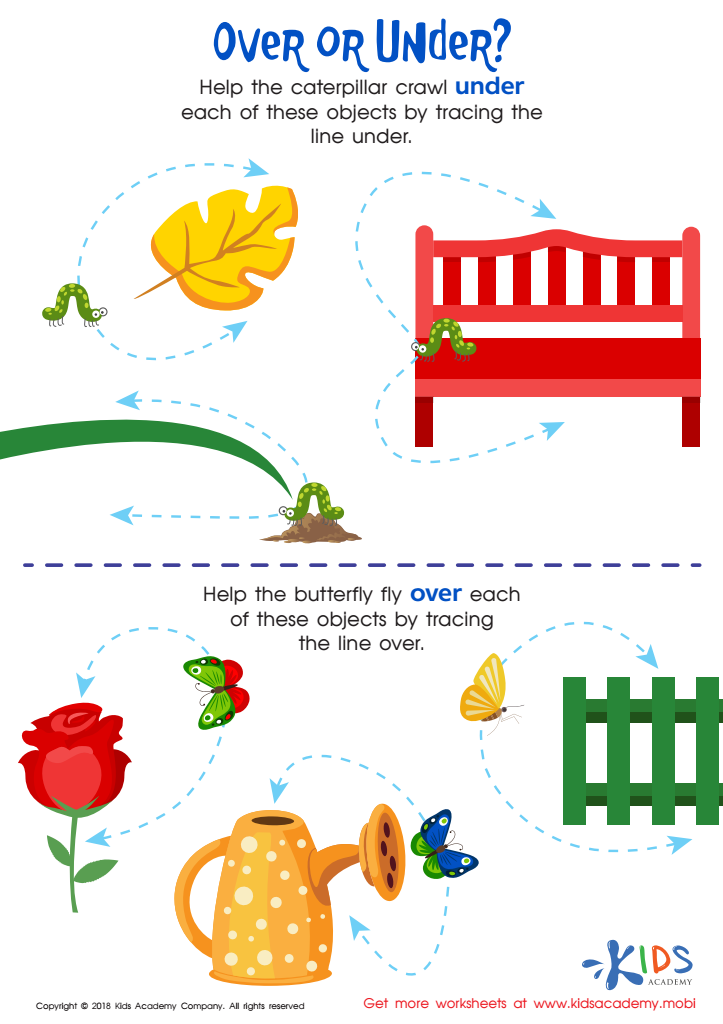
Over or Under? Worksheet
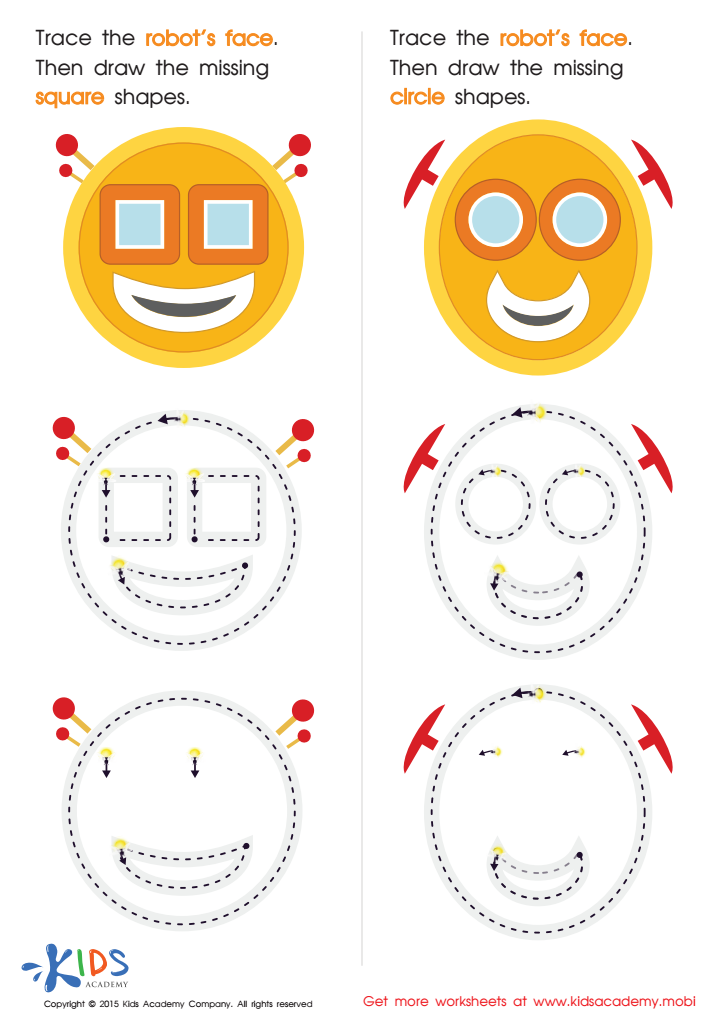
Practicing to Draw Circles And Squares Printable
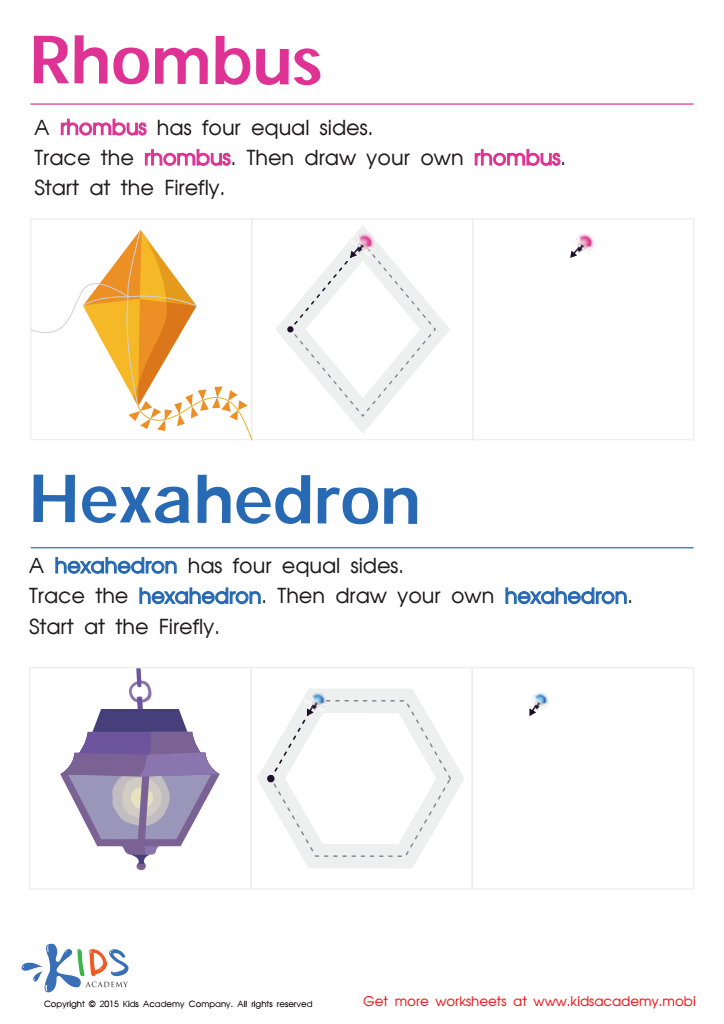
Draw a Rhombus And a Hexahedron Printable
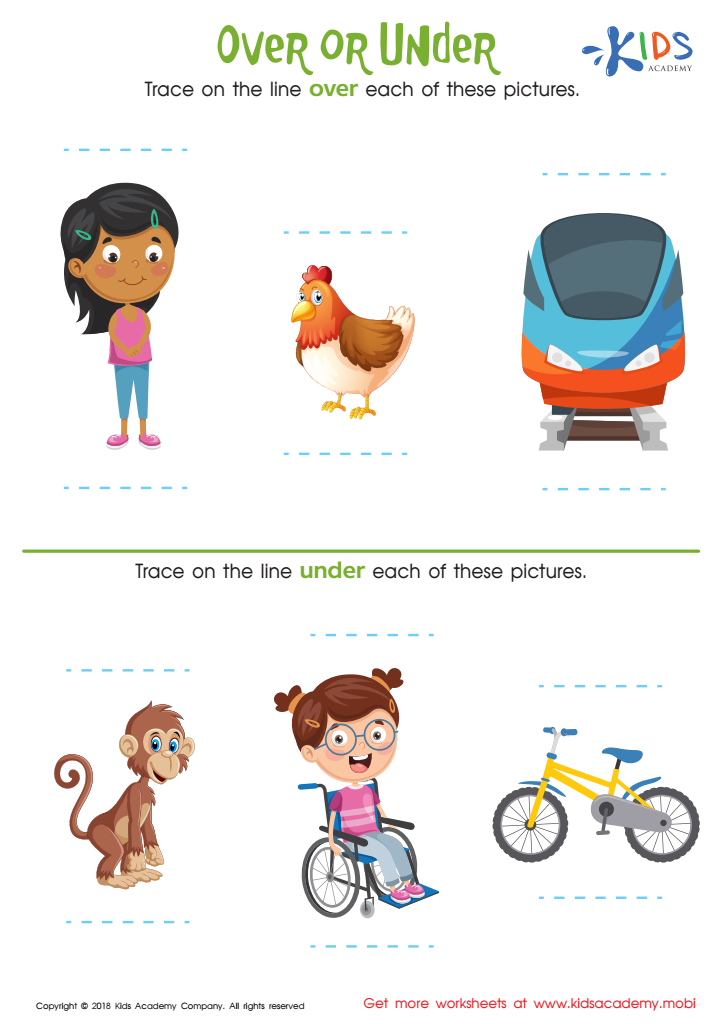
Over or Under Worksheet
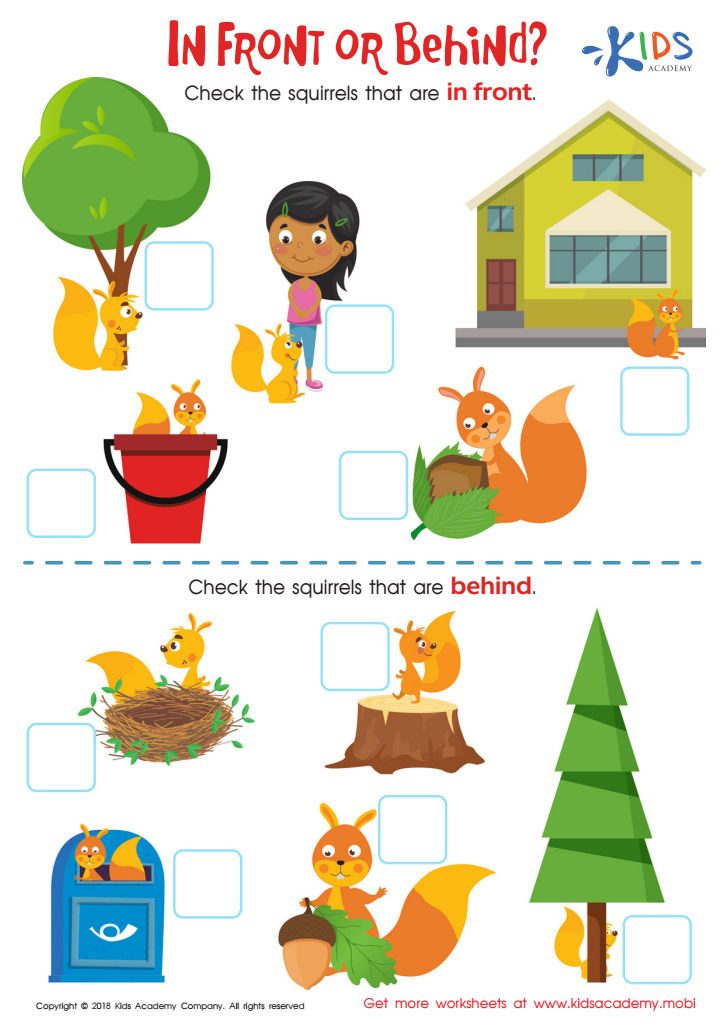
In Front or Behind: Part 2 Worksheet








Vocabulary enhancement in normal geometry for children ages 4-9 is critical for several reasons. Firstly, early exposure to geometric terms like shapes, sizes, and spatial relationships fosters not only mathematics readiness but also language development. Kids at this age are incredibly receptive to new vocabulary, and learning geometry vocabulary can help them express their understanding of the world around them.
By integrating geometric vocabulary with play and exploration, teachers and parents can create a conducive learning environment where children feel comfortable using mathematical language in everyday contexts. Using terms such as “triangle,” “congruent,” or “symmetry” in discussions about their surroundings enhances their comprehension and encourages critical thinking.
Additionally, strong vocabulary in geometry not only aids academic performance but also bolsters communication and problem-solving skills. Children with a firm understanding of essential math vocabulary are better equipped to engage in discussions, ask questions, and express their ideas clearly.
Ultimately, enhancing vocabulary in geometry lays a foundation for future learning in both math and literacy, making it imperative that parents and educators make a concerted effort to prioritize this area of development in early childhood education. Nurturing such skills promotes confidence and readiness for more complex concepts as children progress through their educational journey.








