Shape Recognition Normal Math Worksheets for Ages 4-9 - Page 2
36 filtered results
-
From - To
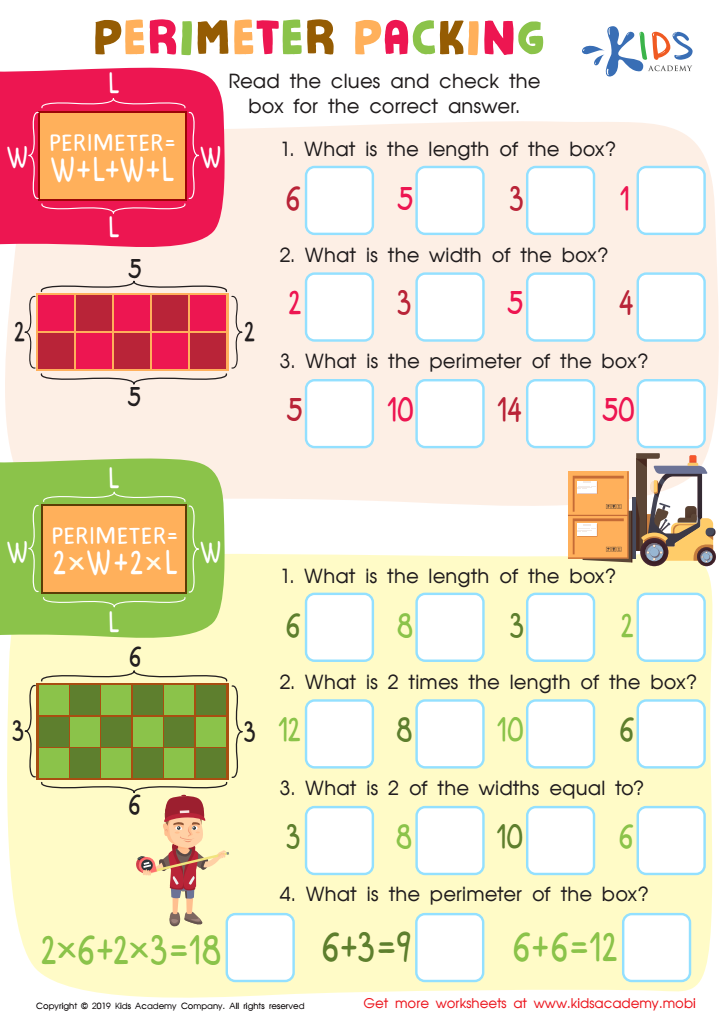
Perimeter Parking Worksheet
 Assign to My Students
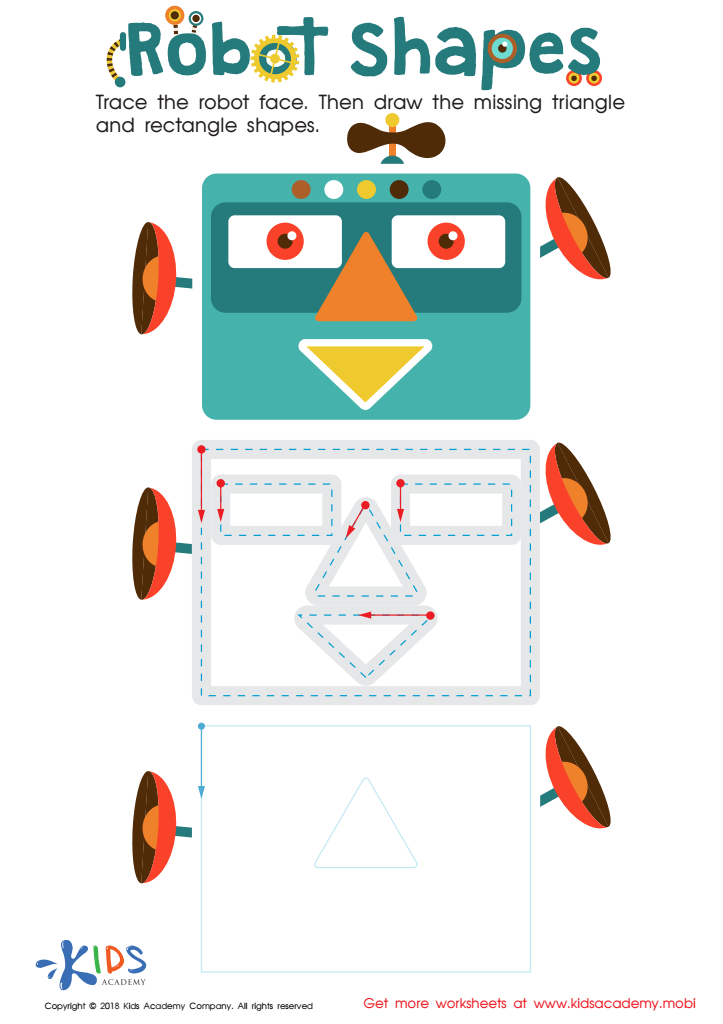
Robot Shapes Worksheet
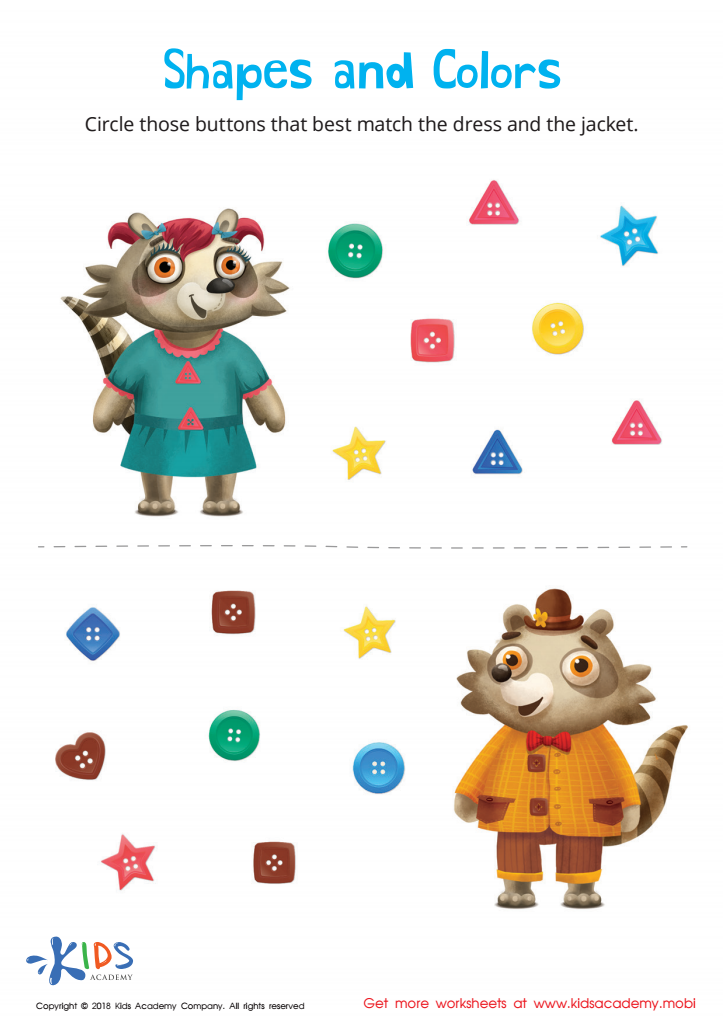
Shapes and Colors Worksheet
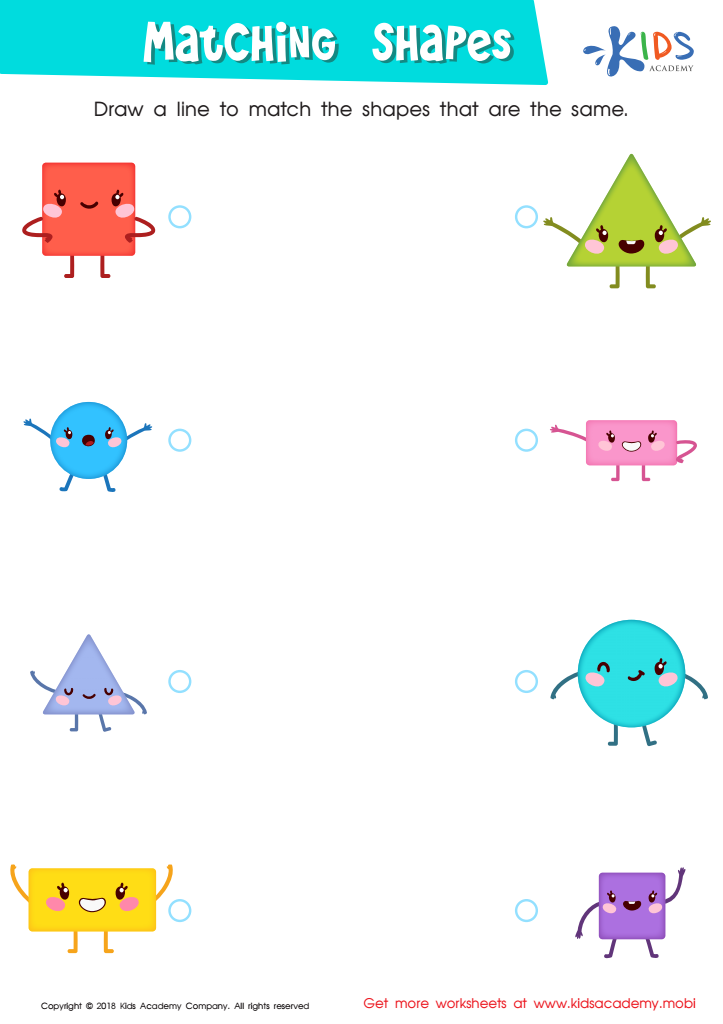
Matching Shapes Worksheet
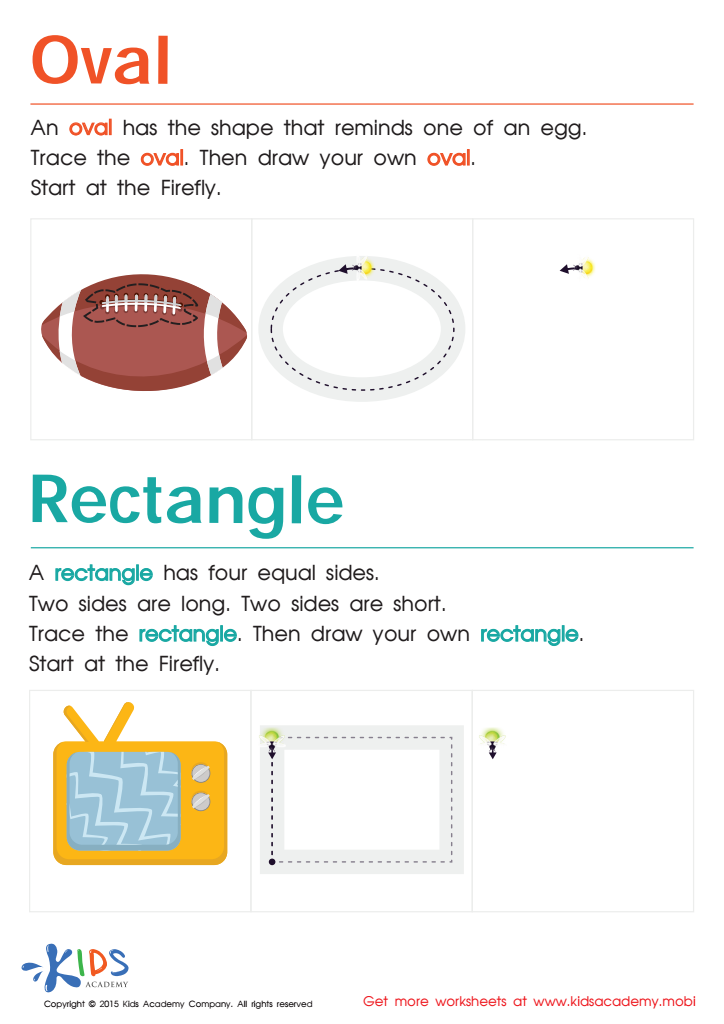
Easy Drawing of Ovals And Rectangles Worksheet
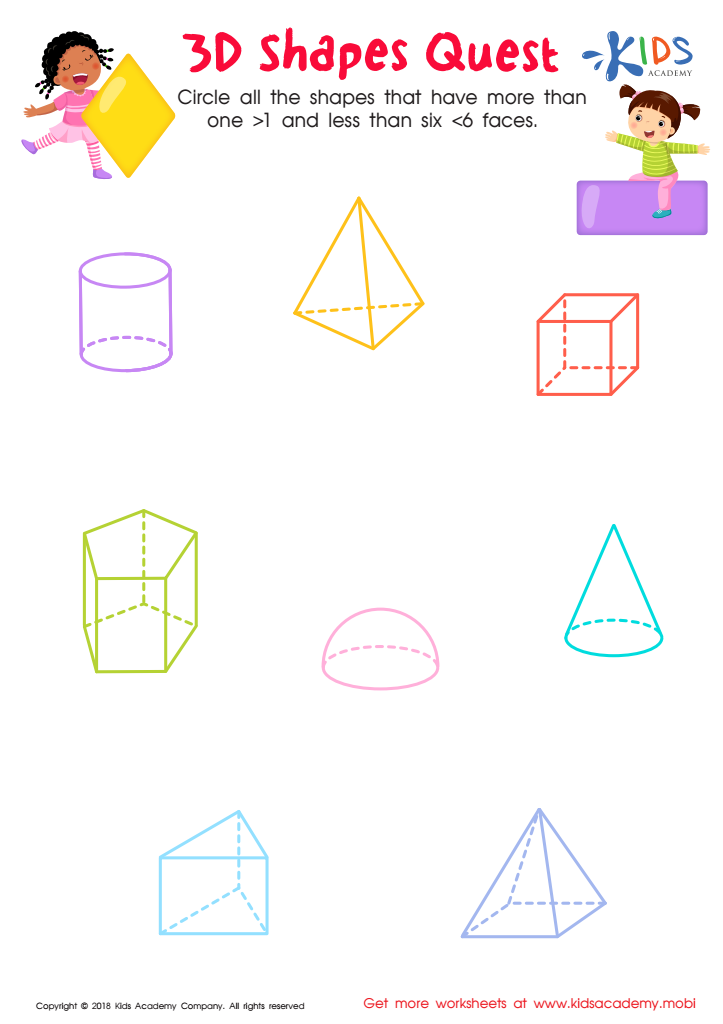
3D Shapes Quest Worksheet
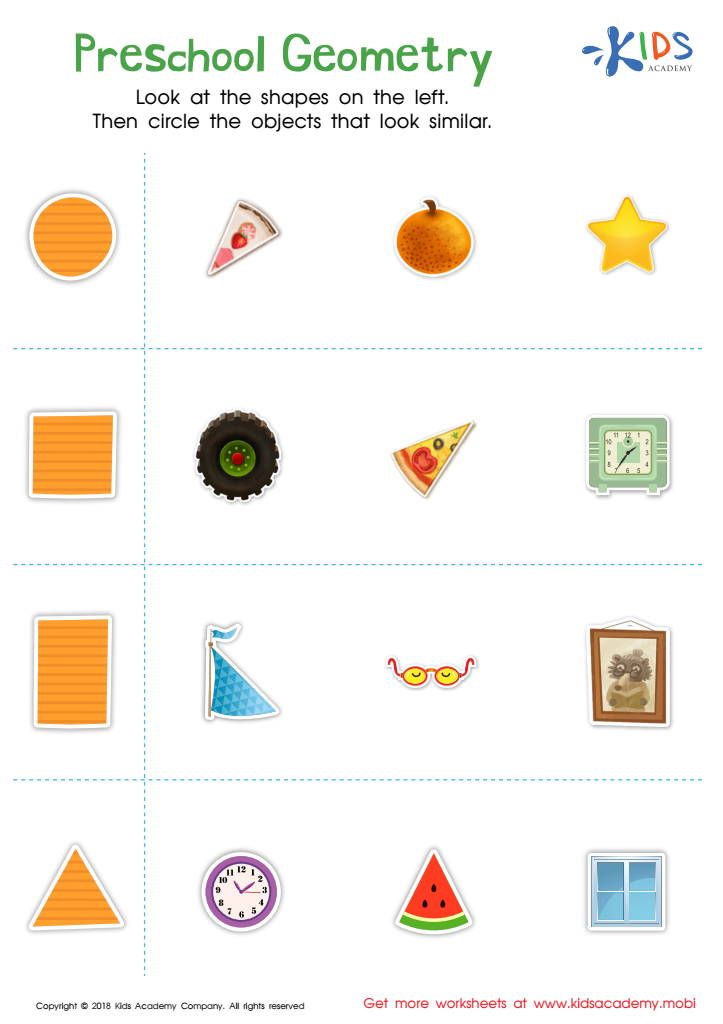
Preschool Geometry Worksheet
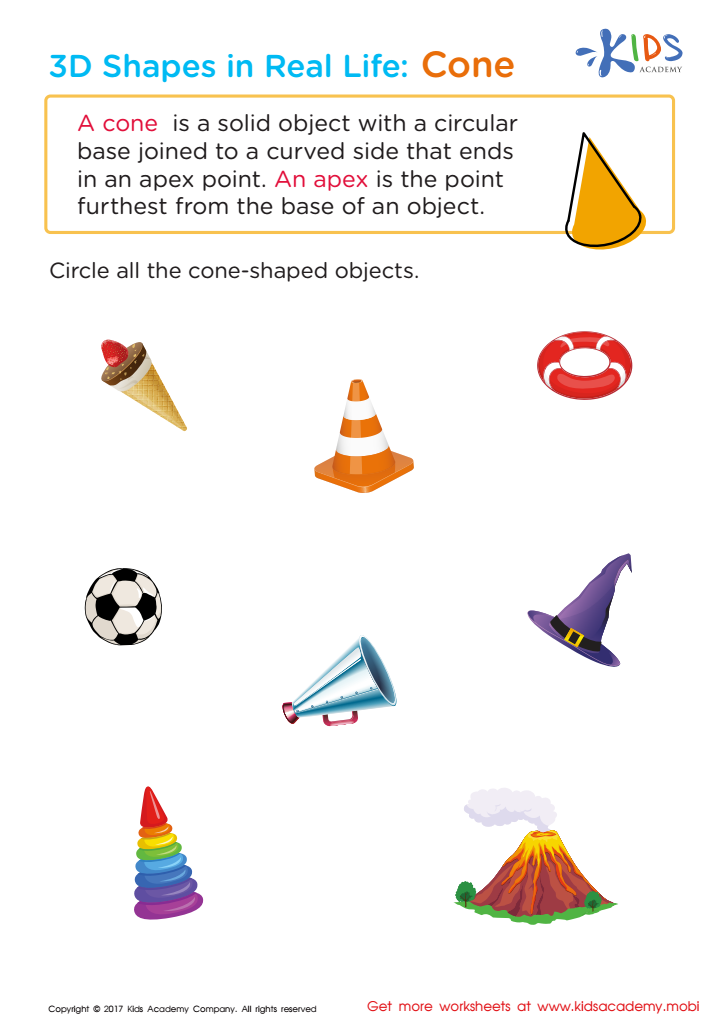
Shapes in Real Life: Cone Worksheet
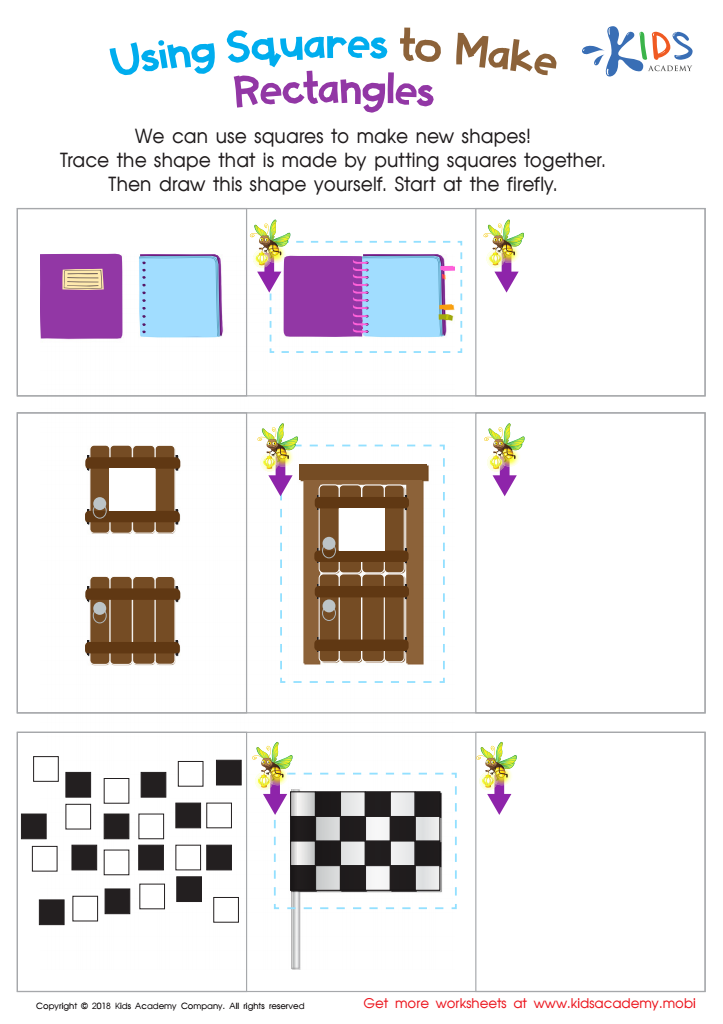
Using Squares to Make Rectangles Worksheet
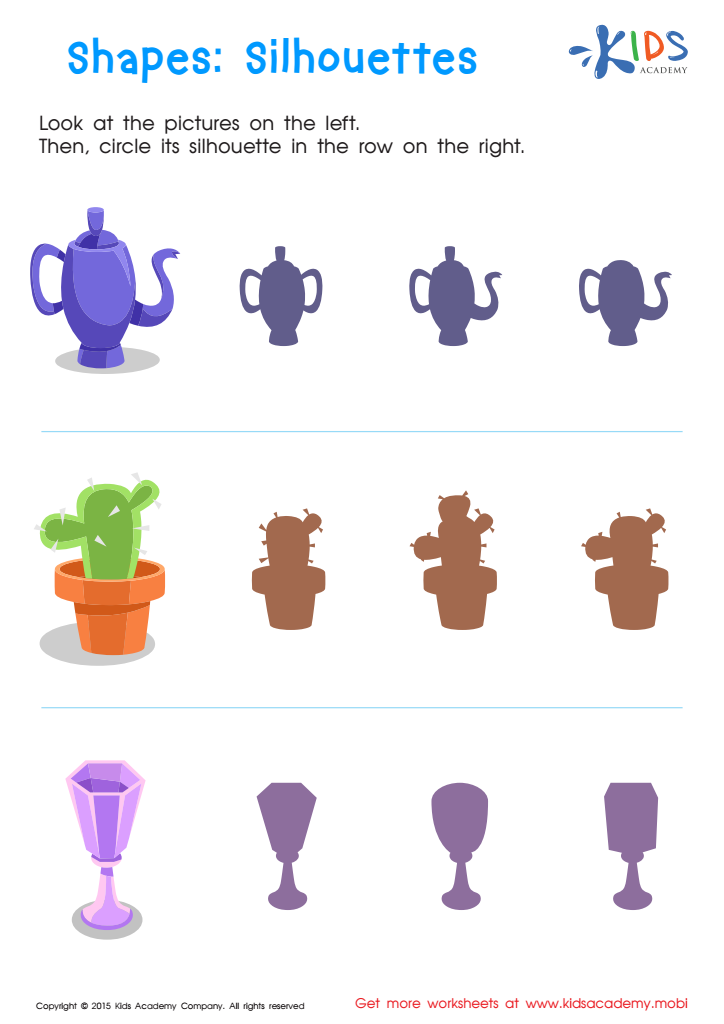
Silhouettes – Shapes Worksheet
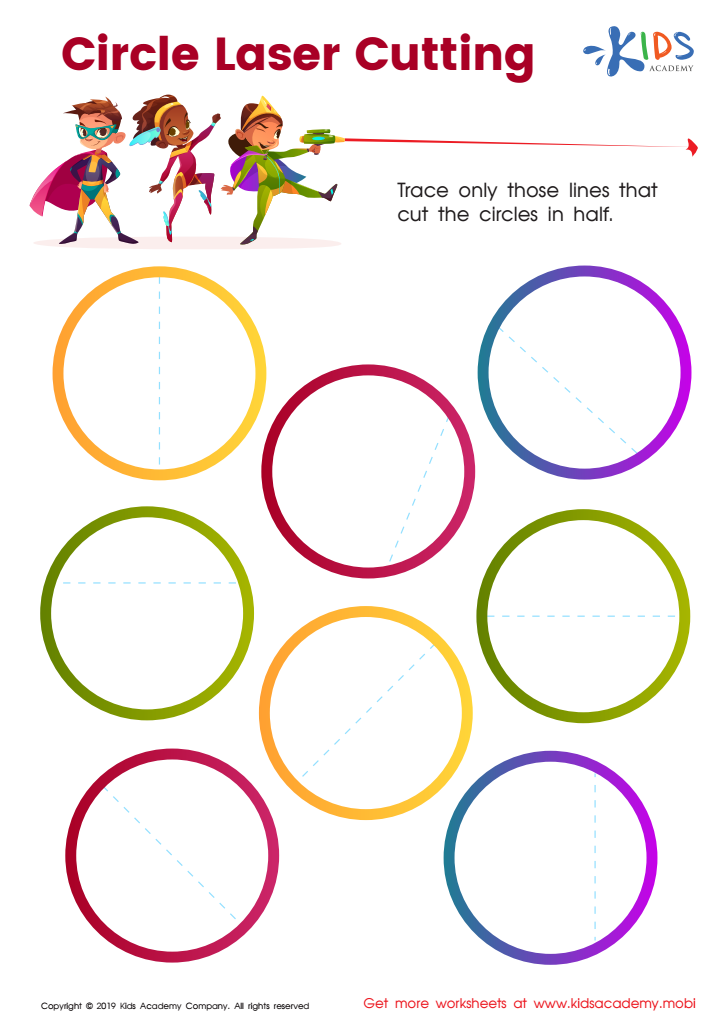
Circle Laser Cutting Worksheet
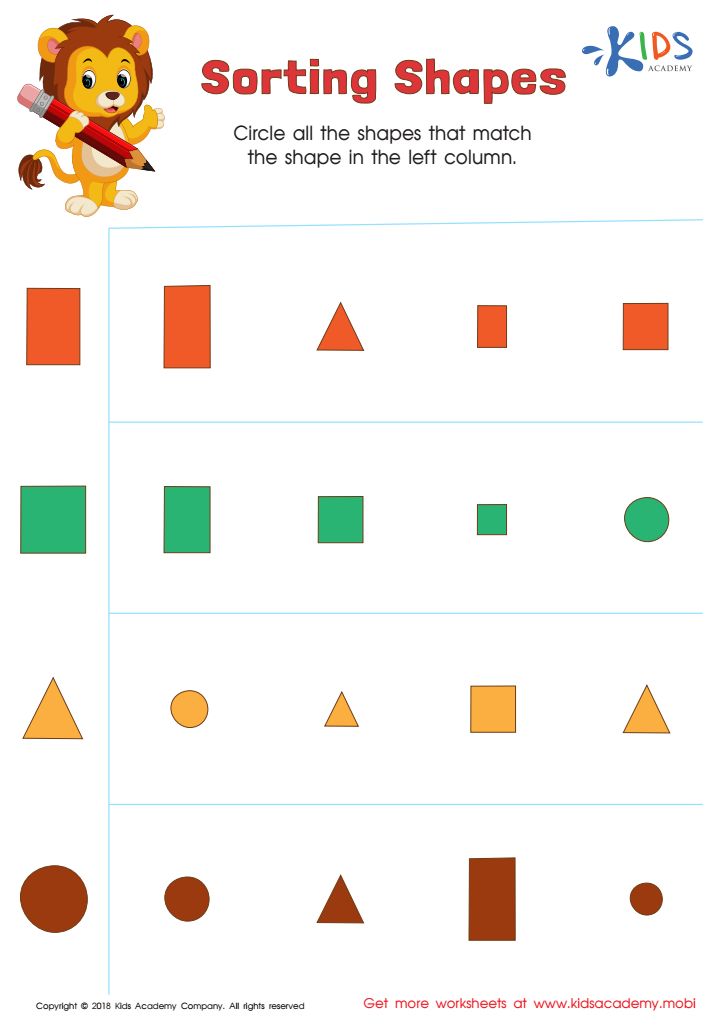
Sorting Shapes - Part 2 Worksheet



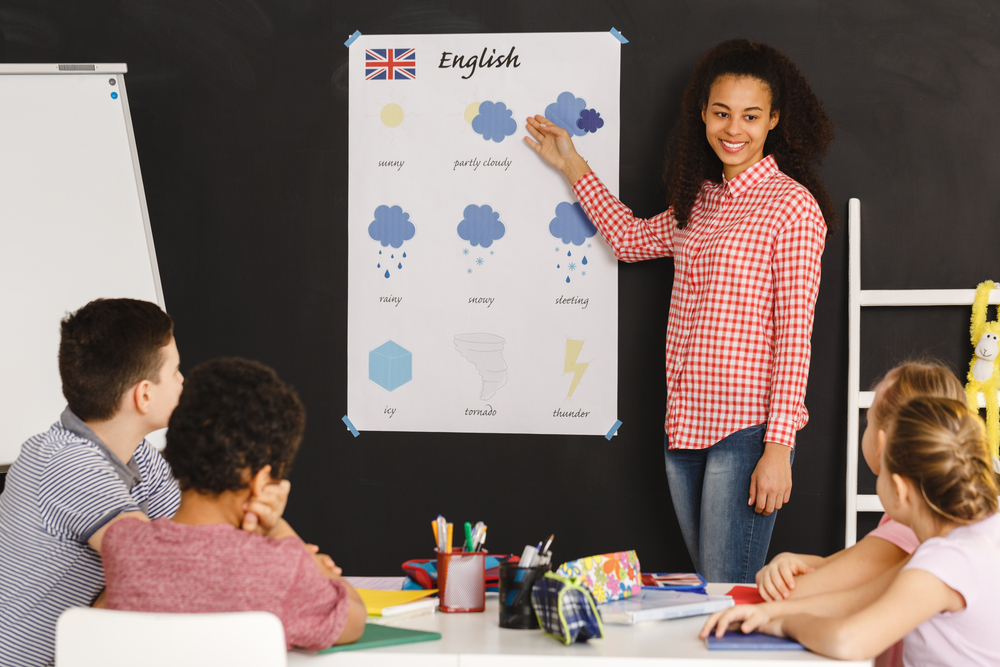




Shape recognition is a foundational mathematical skill that significantly impacts a child's overall cognitive development, particularly in the early grades. For children ages 4-9, understanding shapes goes beyond mere identification; it forms the groundwork for more complex mathematical concepts like spatial reasoning, geometry, and measurements. By recognizing and categorizing shapes, children develop critical thinking skills and learn to make connections between different objects in their environment.
Parents and teachers should care about shape recognition because it serves as the building block for future learning. Mastering shapes helps children enhance their problem-solving abilities and boosts their confidence in tackling math-related tasks. Furthermore, early exposure to shapes can foster creativity and promote fine motor skills through engaging activities like drawing, cutting, and building.
Developing shape recognition also aids in language acquisition, as children learn to articulate descriptions and comparisons about their discoveries. Engaging children in activities that involve shape recognition, like puzzles or games, promotes social interaction and emotional well-being, making learning a fun experience. Ultimately, cultivating an early understanding of shapes lays the foundation for lifelong learning, equipping children with the skills they need to excel in both math and other disciplines as they continue their educational journey.








