Problem-Solving Skills Normal Math Worksheets for Ages 5-6 - Page 2
39 filtered results
-
From - To
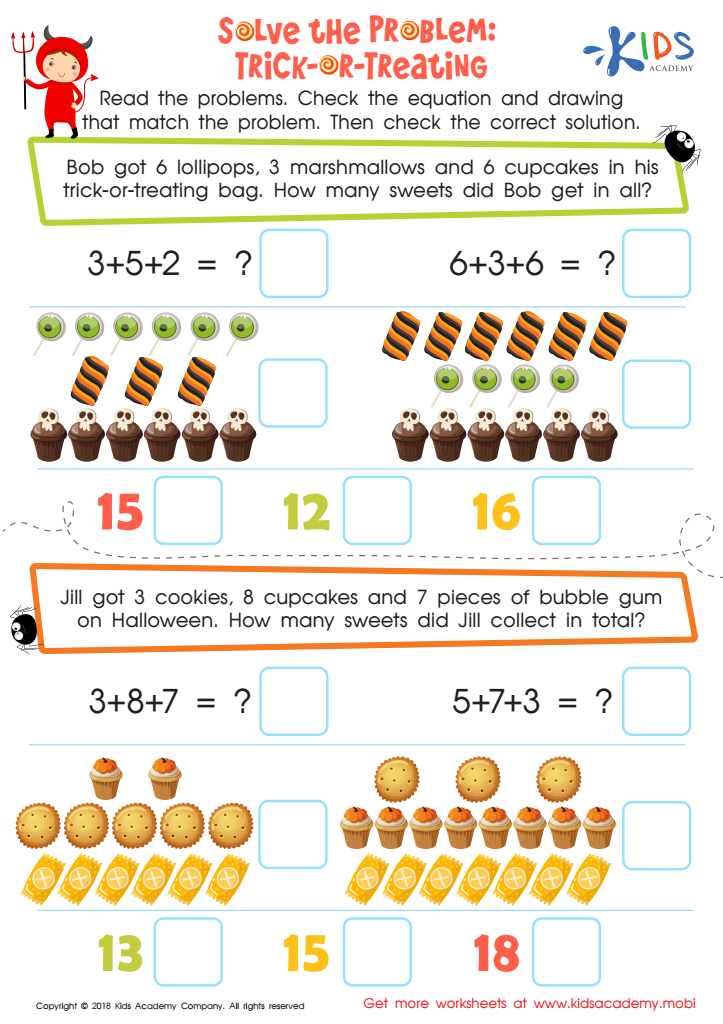
Solve the Problem: Trick–or–treating Worksheet
 Assign to My Students
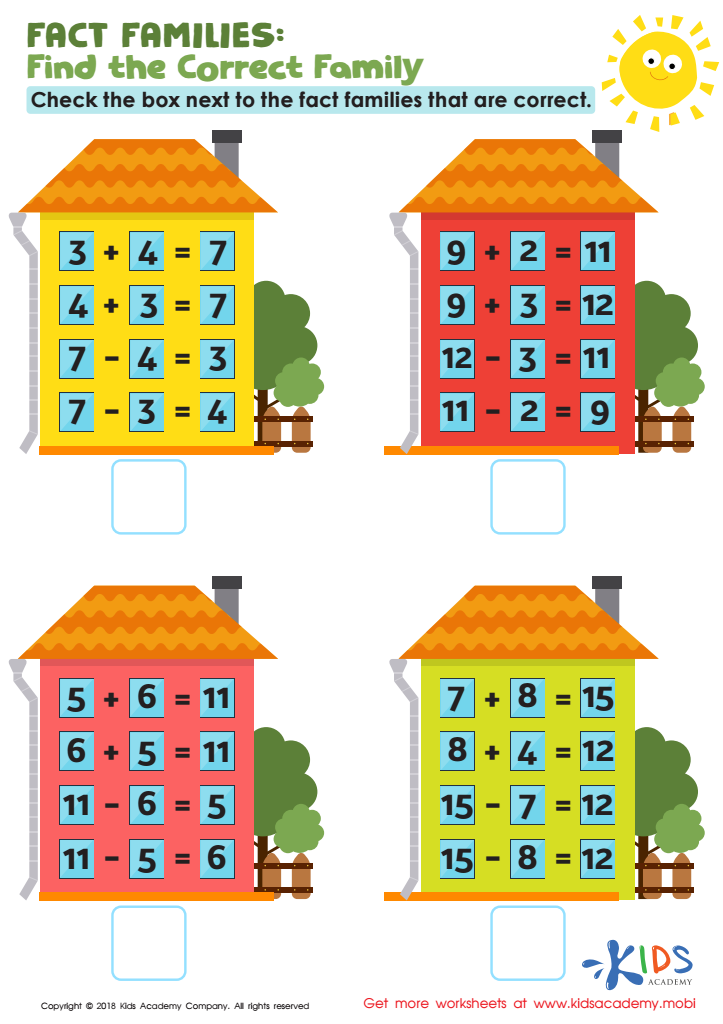
Fact Families: Find Correct Family Worksheet
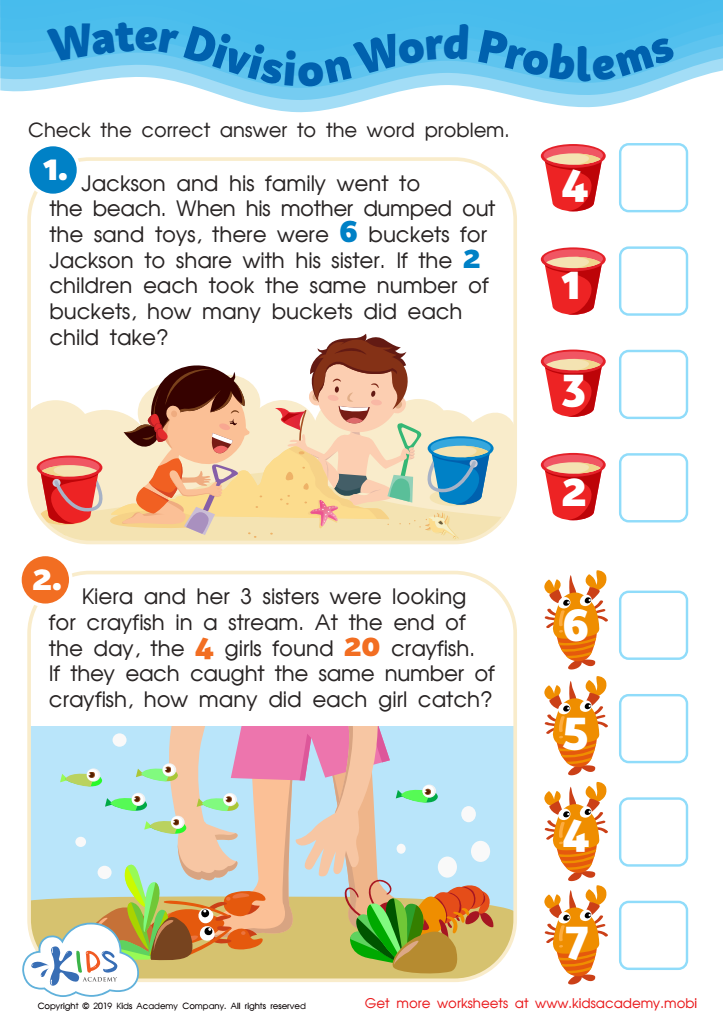
Water Division Word Problems Worksheet
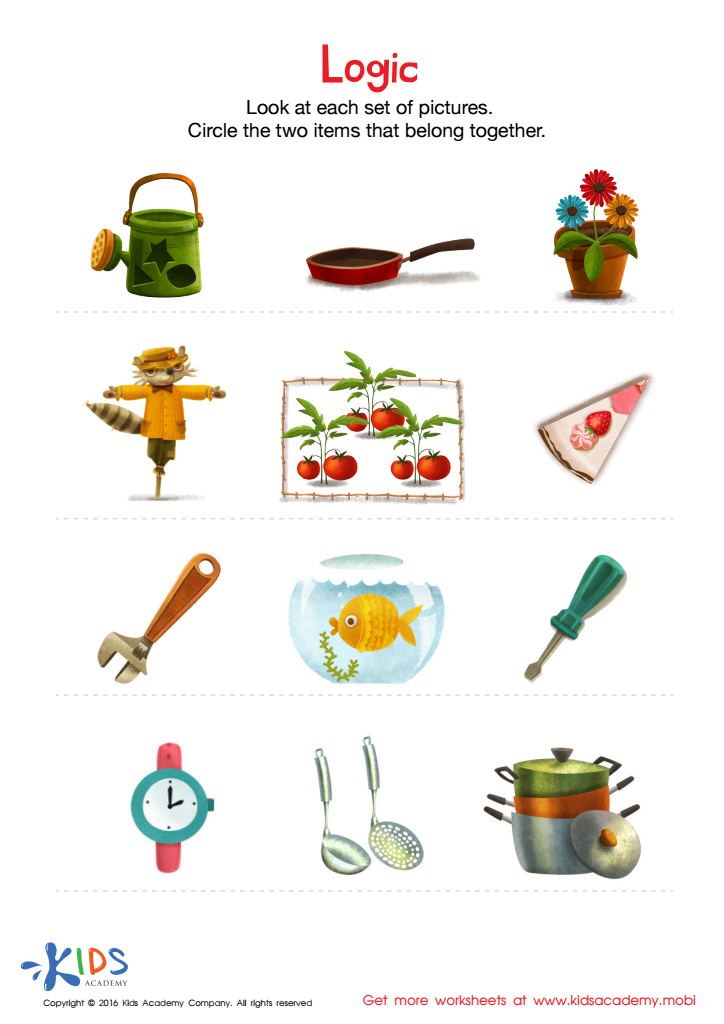
Logic Game Sorting Worksheet
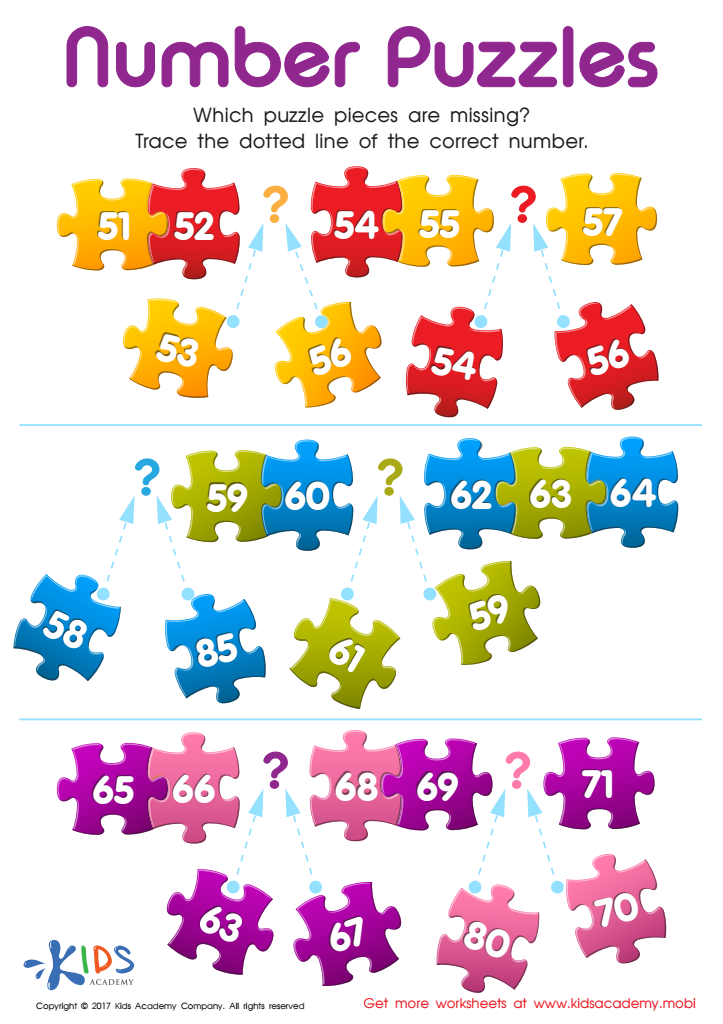
Number Puzzles Worksheet
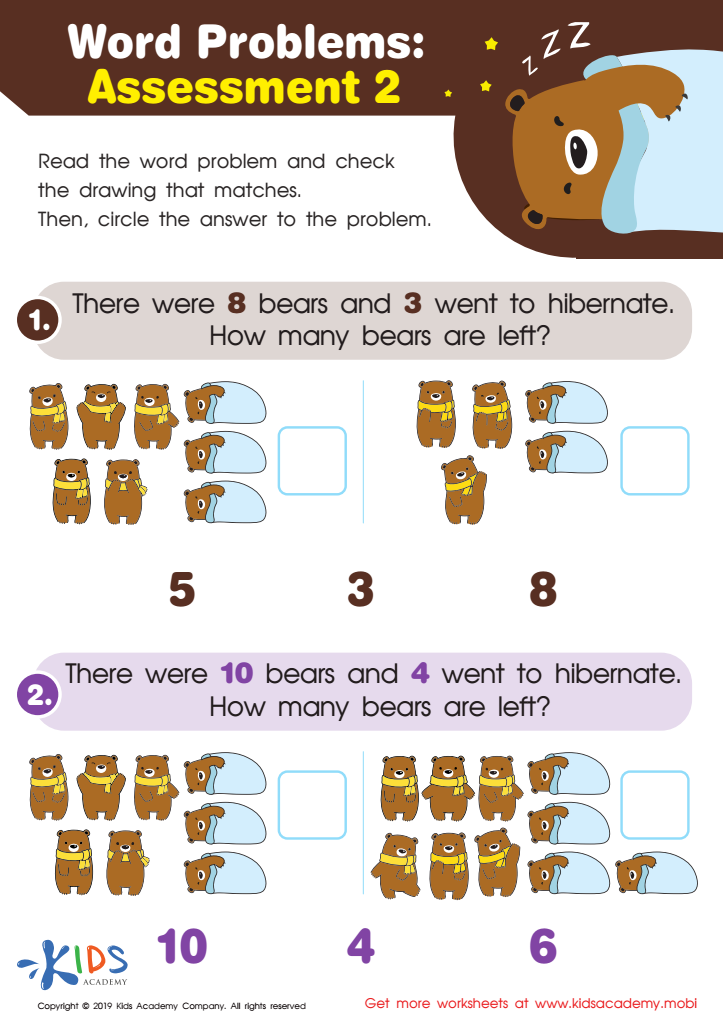
Word Problems: Assessment 2 Worksheet
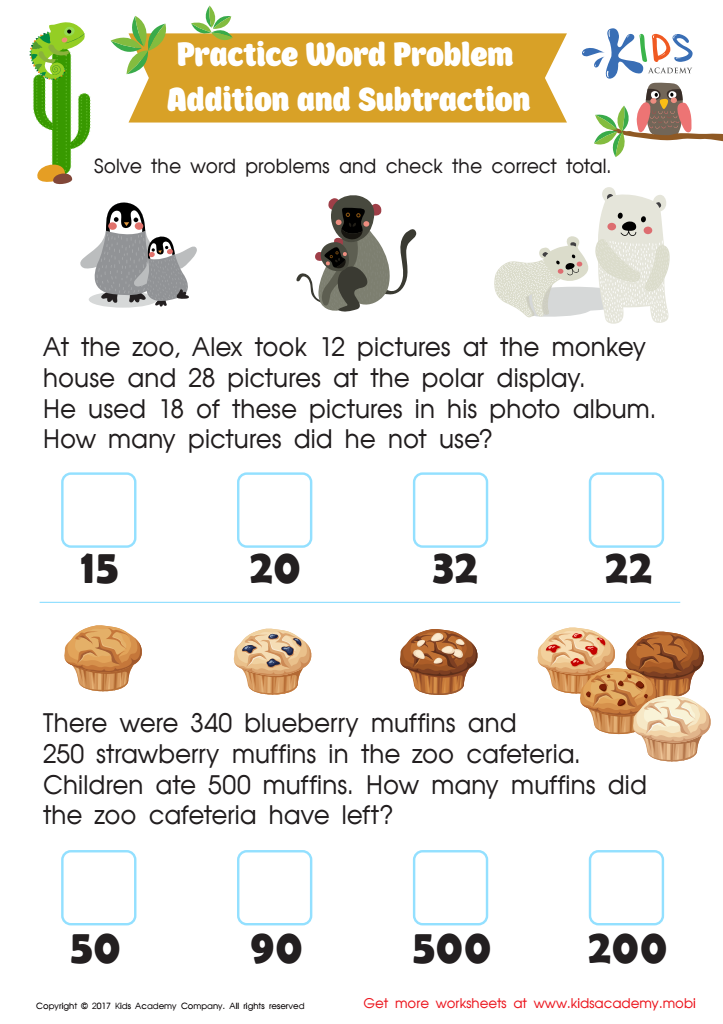
Addition and Subtraction: Word Problems Worksheet
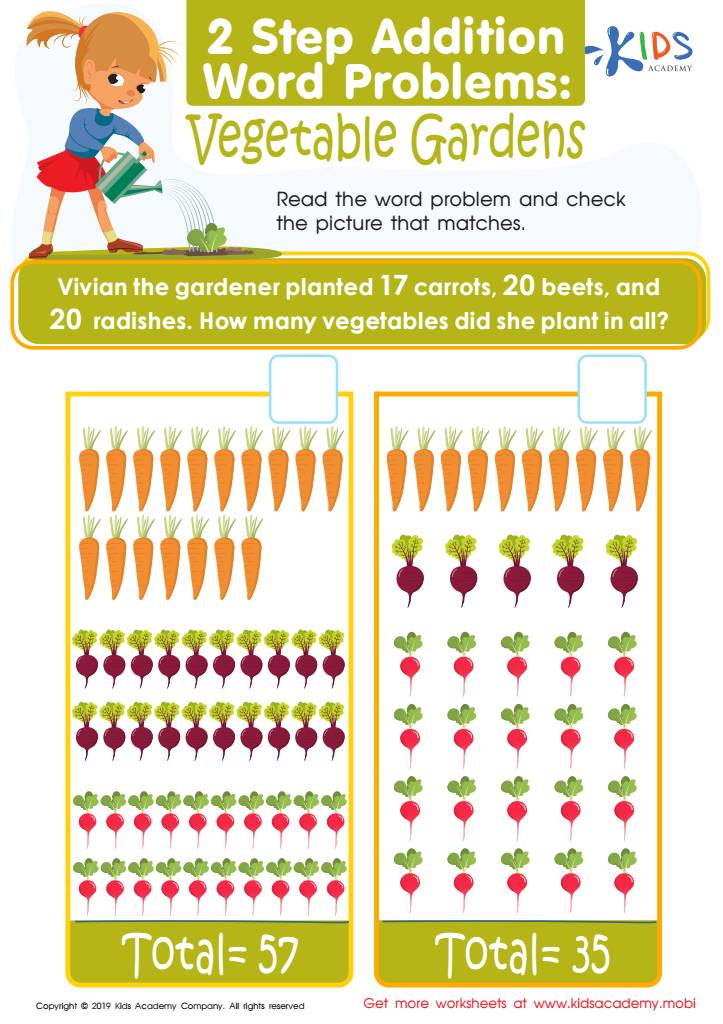
Vegetable Gardens Worksheet
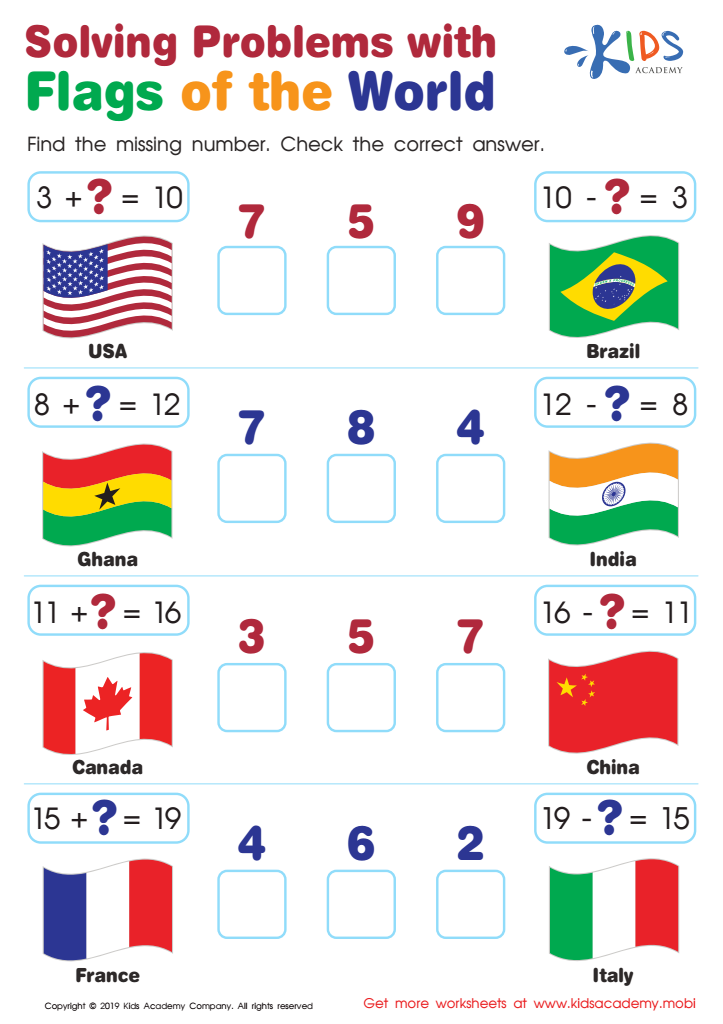
Solving Problems with Flags of the World Worksheet
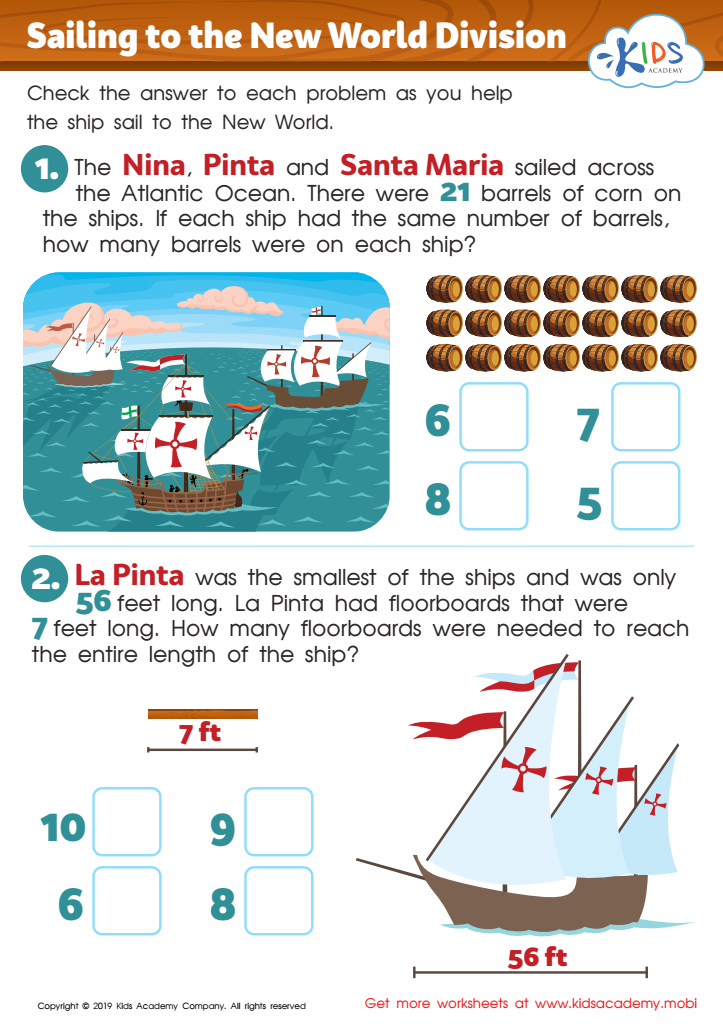
Sailing to the New World Division Worksheet
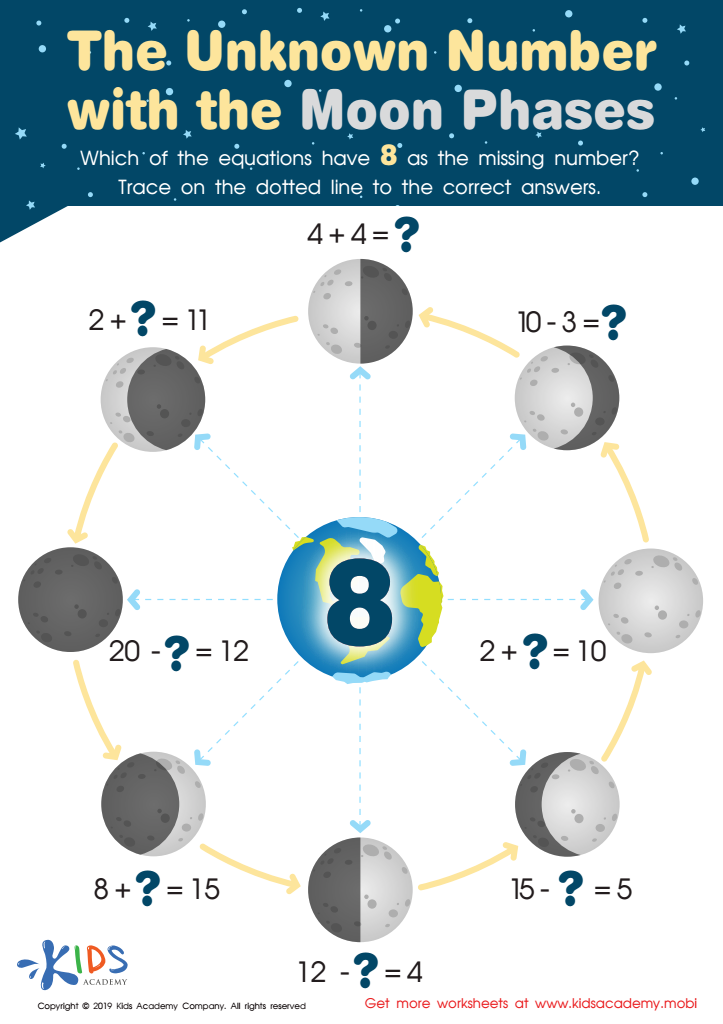
The Unknown Number with the Moon Phases Worksheet
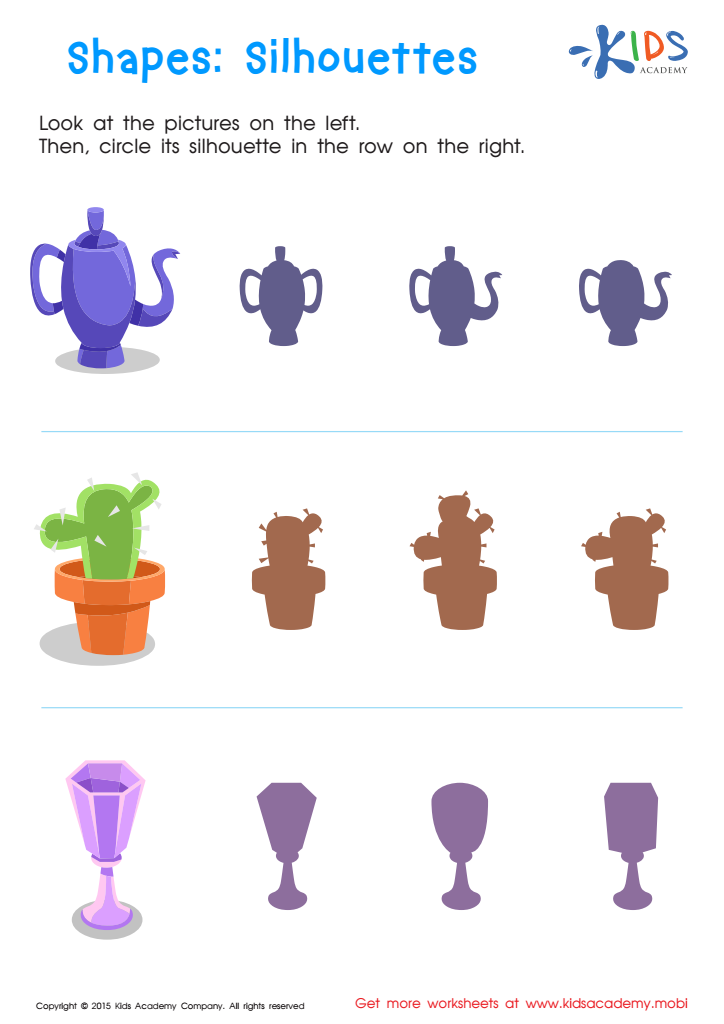
Silhouettes – Shapes Worksheet
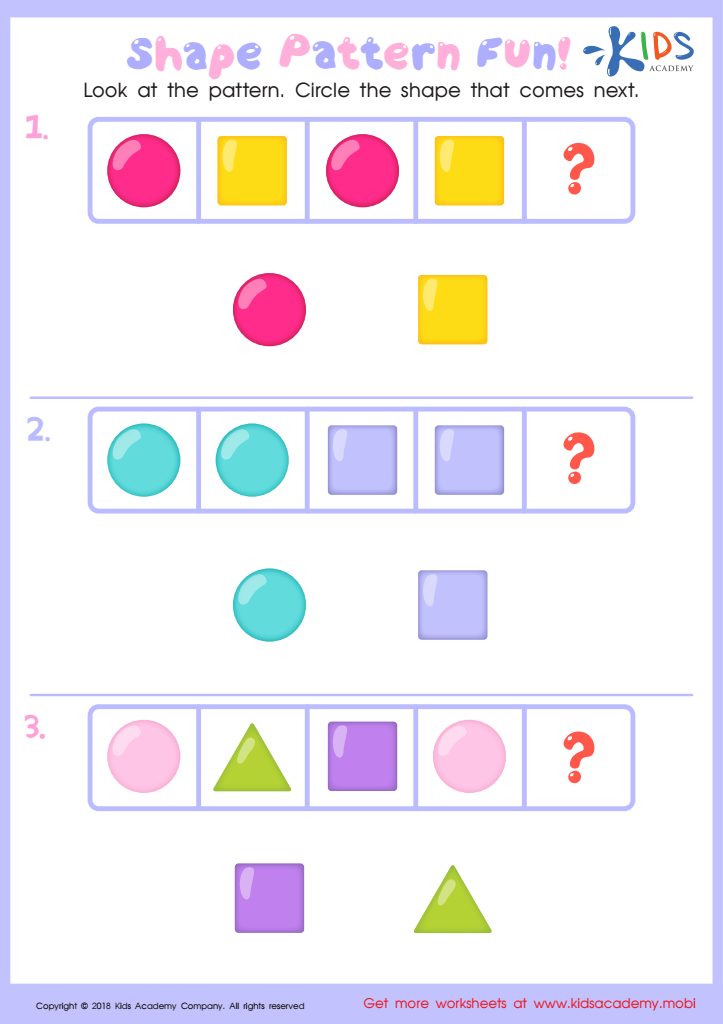
Shape Pattern Fun Worksheet
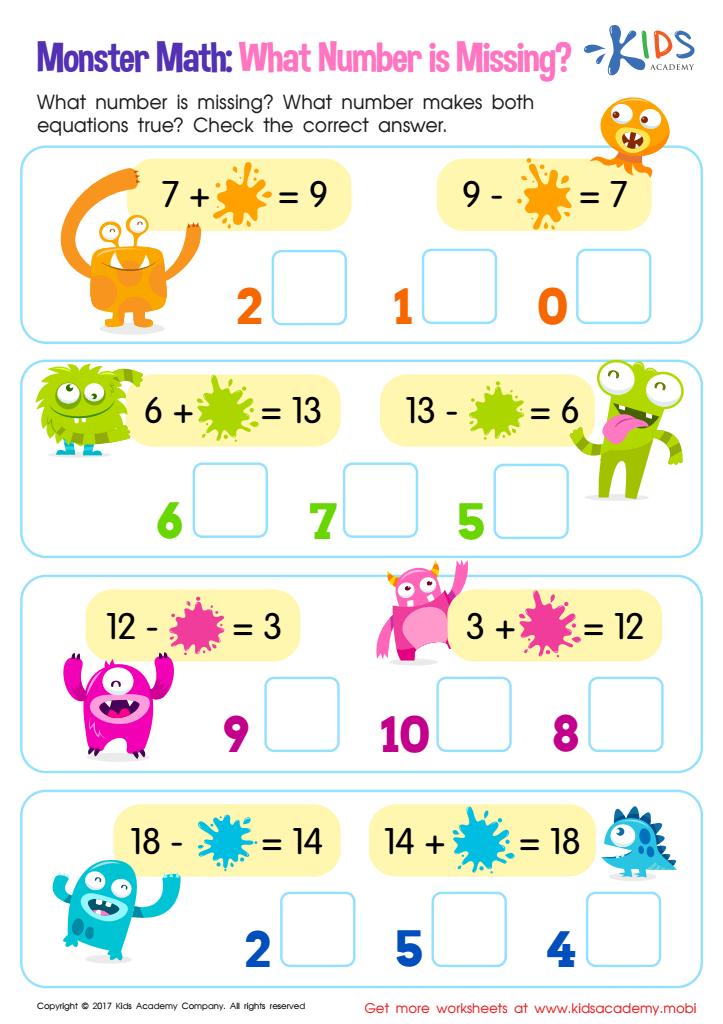
Missing Number: Monster Math Worksheet
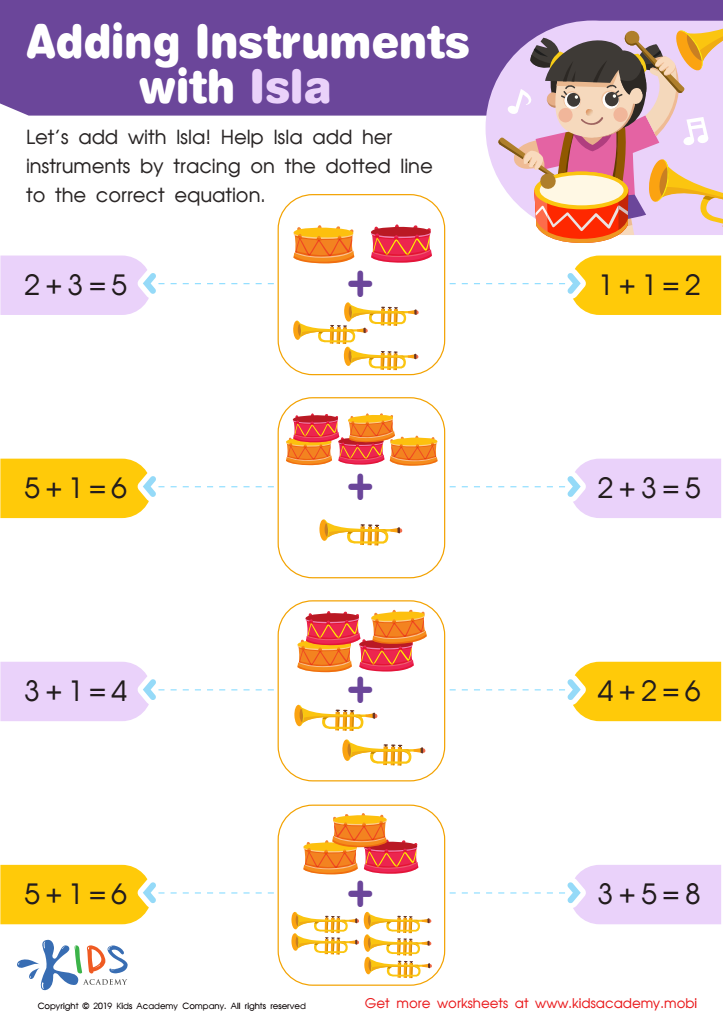
Adding Instruments with Isla Worksheet






Parents and teachers should prioritize problem-solving skills in early math education for children aged 5-6 because these skills form the foundation for academic and life success. At this critical developmental stage, children are particularly receptive to learning new concepts, and problem-solving exercises in math enhance cognitive development, critical thinking, and logical reasoning.
Young learners who engage in problem-solving activities develop resilience and patience, learning that trial and error are part of the process of finding solutions. These experiences instill a growth mindset and encourage children to approach challenges with confidence and curiosity. Early exposure to problem-solving tasks helps children understand the practical application of math, making abstract concepts concrete and engaging.
Moreover, problem-solving in math supports the development of other essential skills, such as communication and collaboration. When children work together on math problems, they learn to articulate their thought processes, listen to peers, and consider different perspectives.
In a rapidly changing world, the ability to think critically and solve complex problems is invaluable. Nurturing these skills from a young age equips children with a strong academic foundation and prepares them to navigate future challenges effectively, both in their education and beyond. Therefore, incorporating problem-solving into early math instruction is crucial for holistic development.








