Normal Worksheets for Ages 5-7
1399 filtered results
-
From - To
Welcome to our collection of Normal Worksheets for Ages 5-7! Designed to support early learners, our engaging worksheets cover essential skills including math, reading, writing, and critical thinking. Each worksheet is crafted to enhance your child’s learning experience through fun and interactive activities. Whether it's practicing simple addition, enhancing vocabulary, or developing fine motor skills, our diverse content caters to various learning styles. With an easy-to-use format, parents and teachers can easily download and print these resources. Explore our worksheets today and give your child the tools they need to thrive in their educational journey!
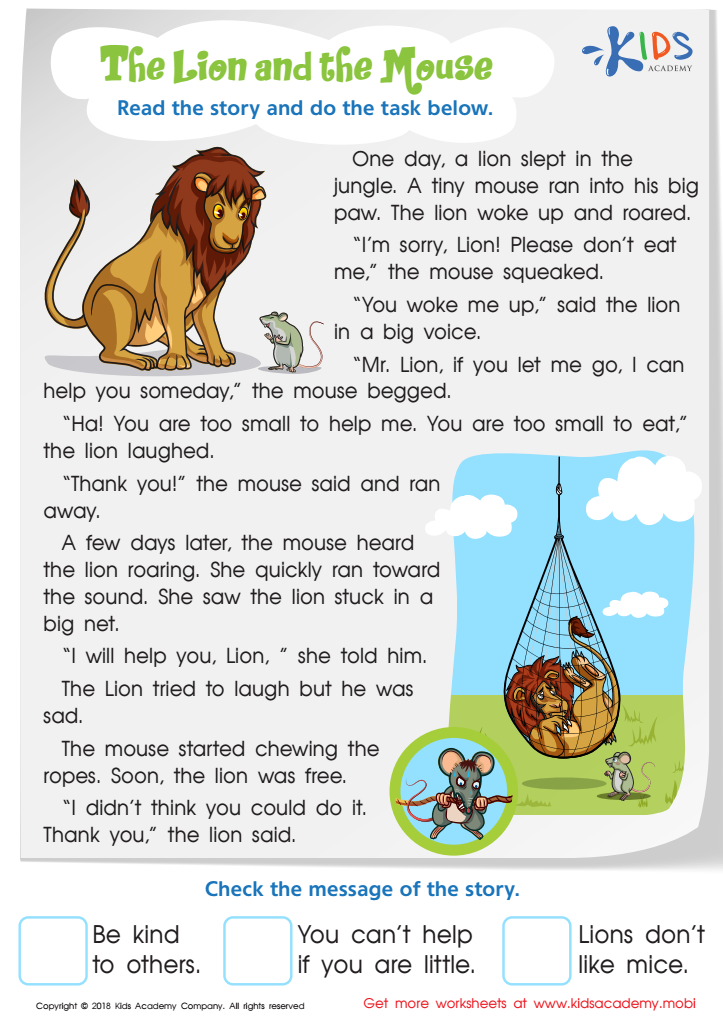
The Lion and the Mouse Worksheet
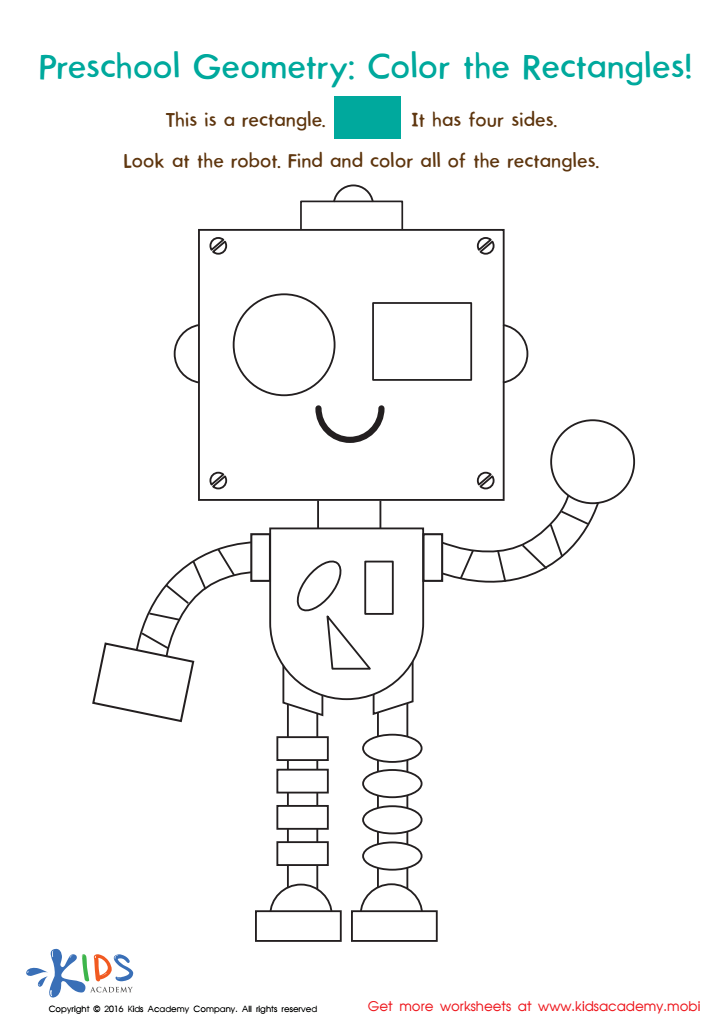
Geometry Worksheet
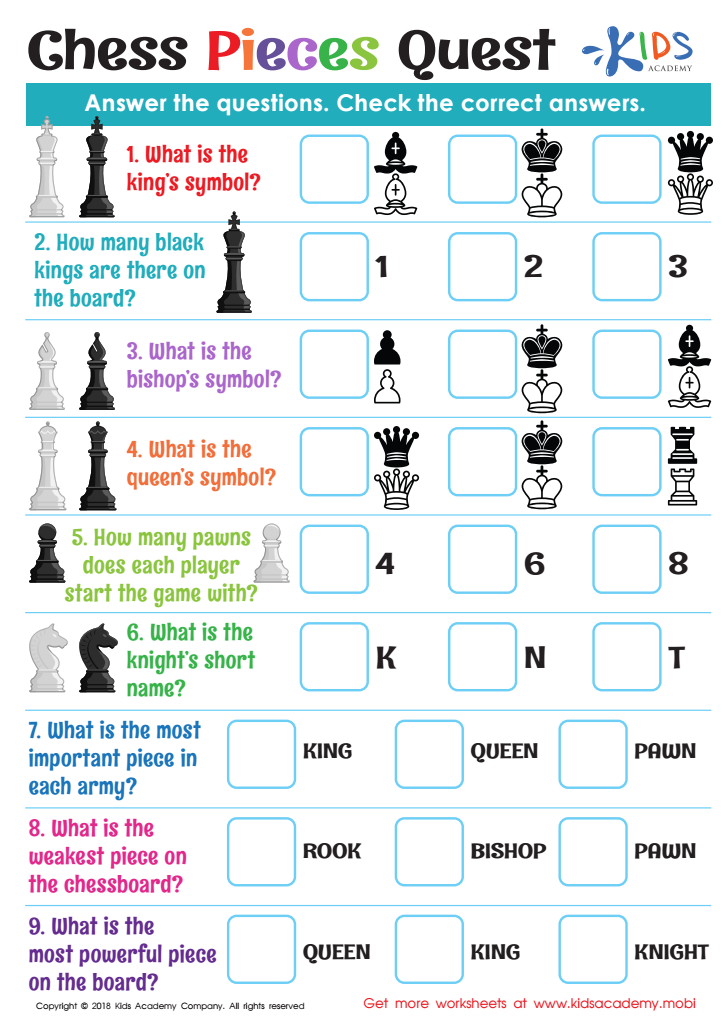
Chess Pieces Quest Worksheet
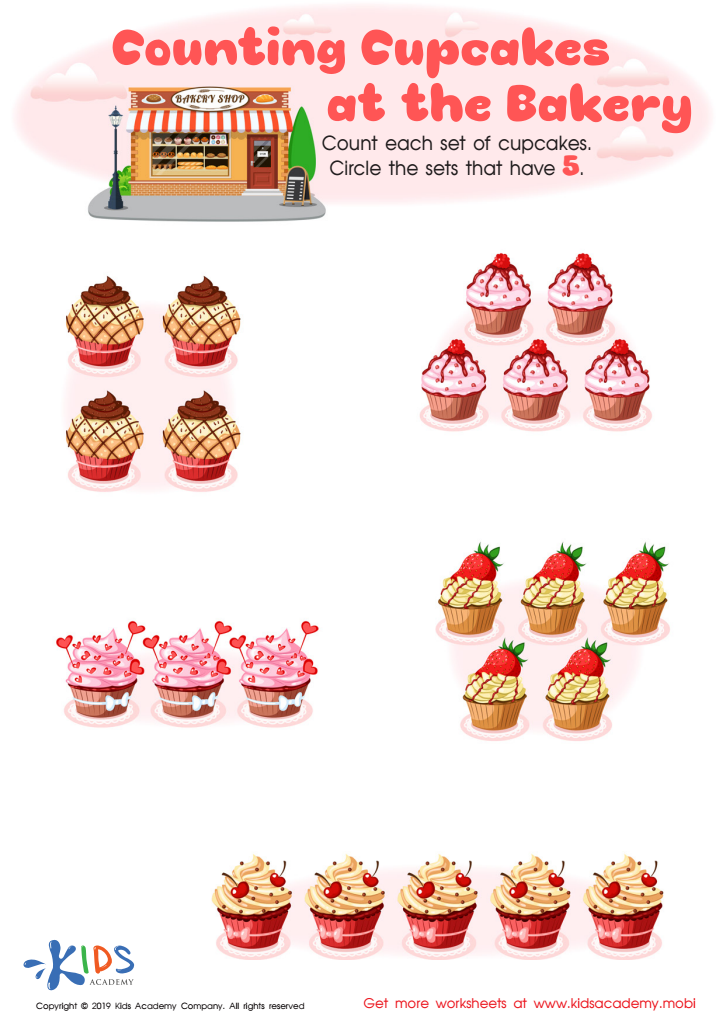
Counting Cupcakes Worksheet
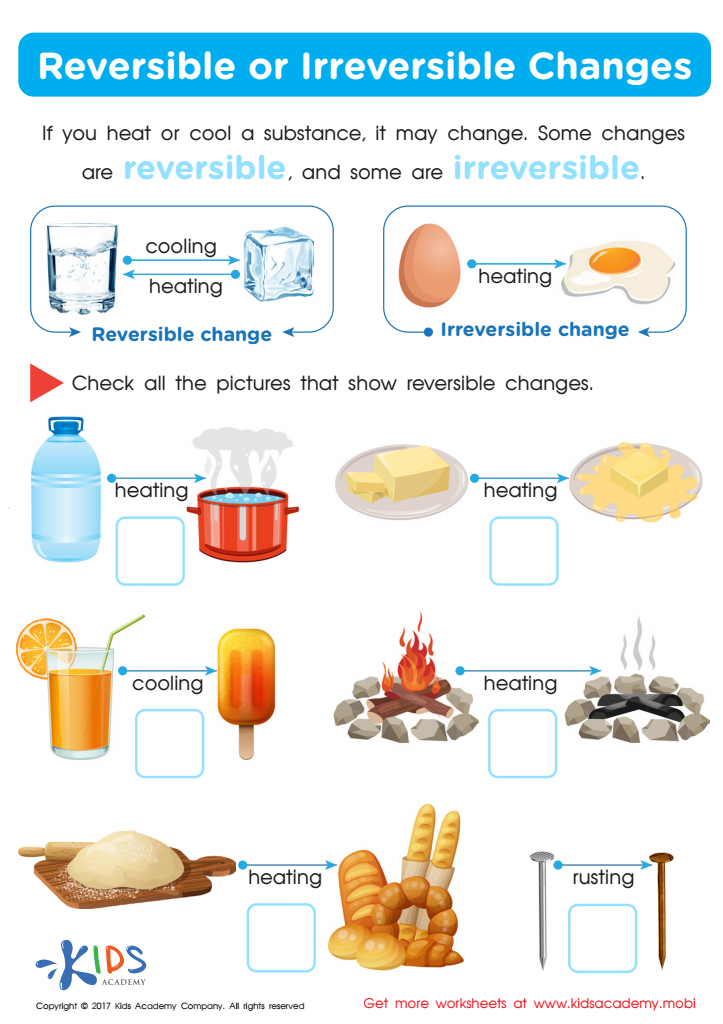
Reversible Irreversible Changes Worksheet
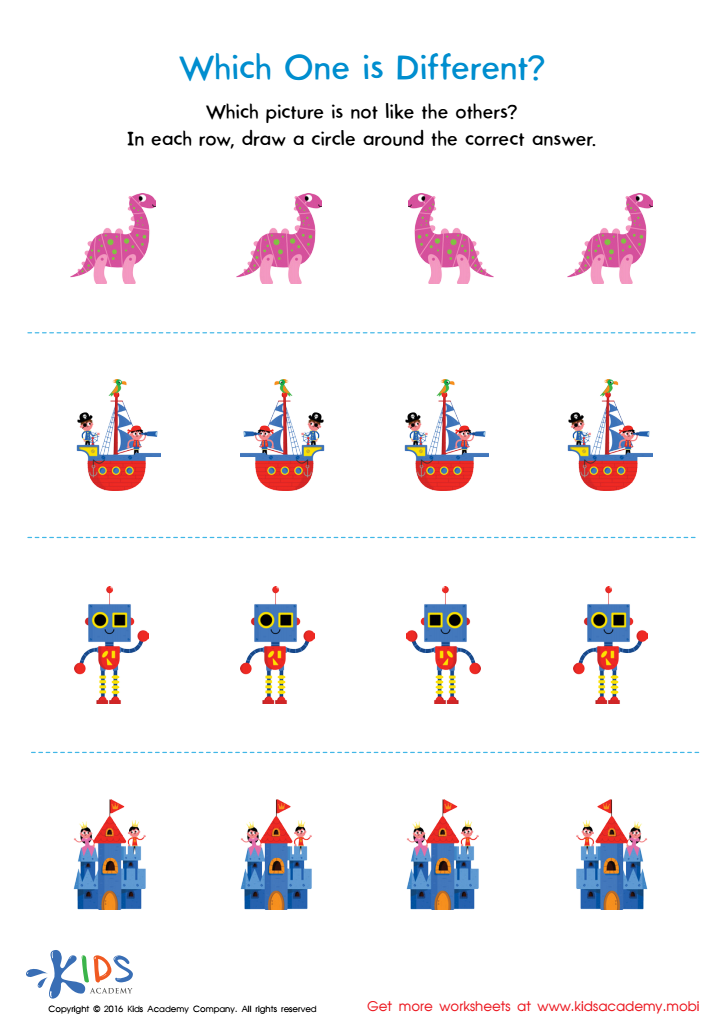
Which One Is Different Worksheet
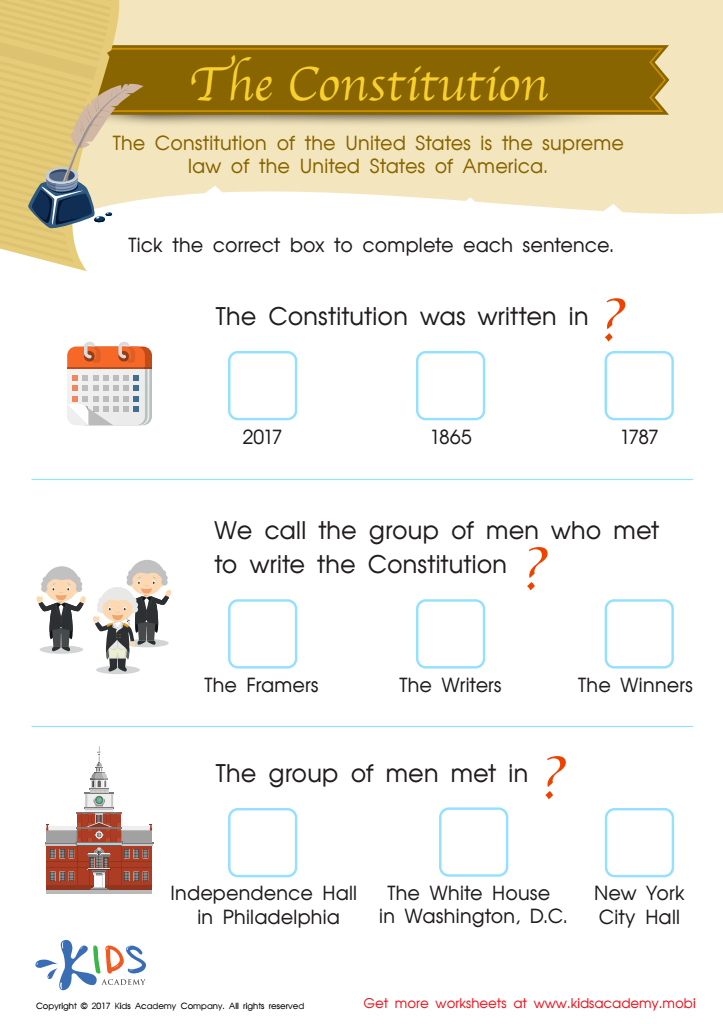
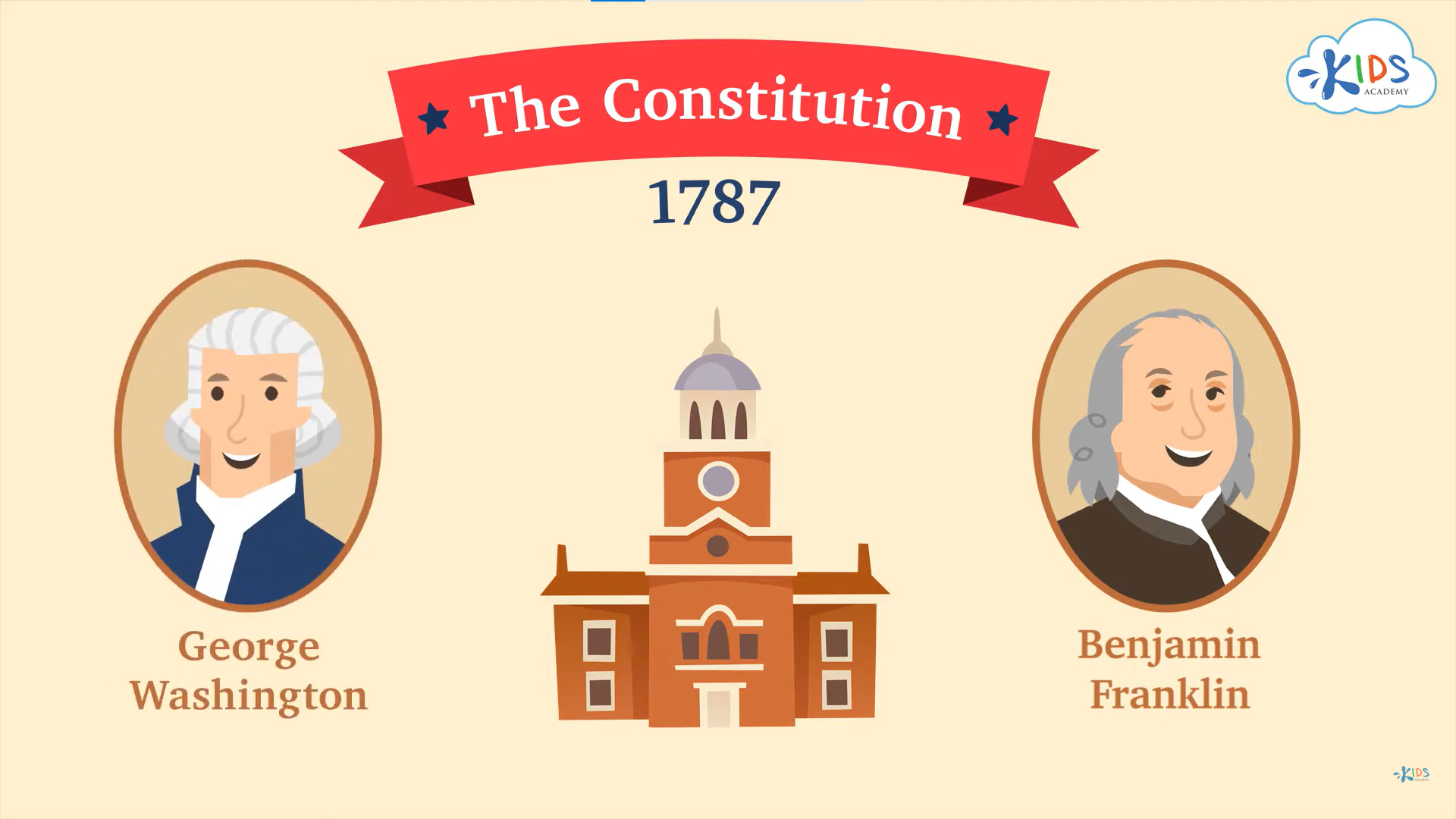
The Constitution Worksheet
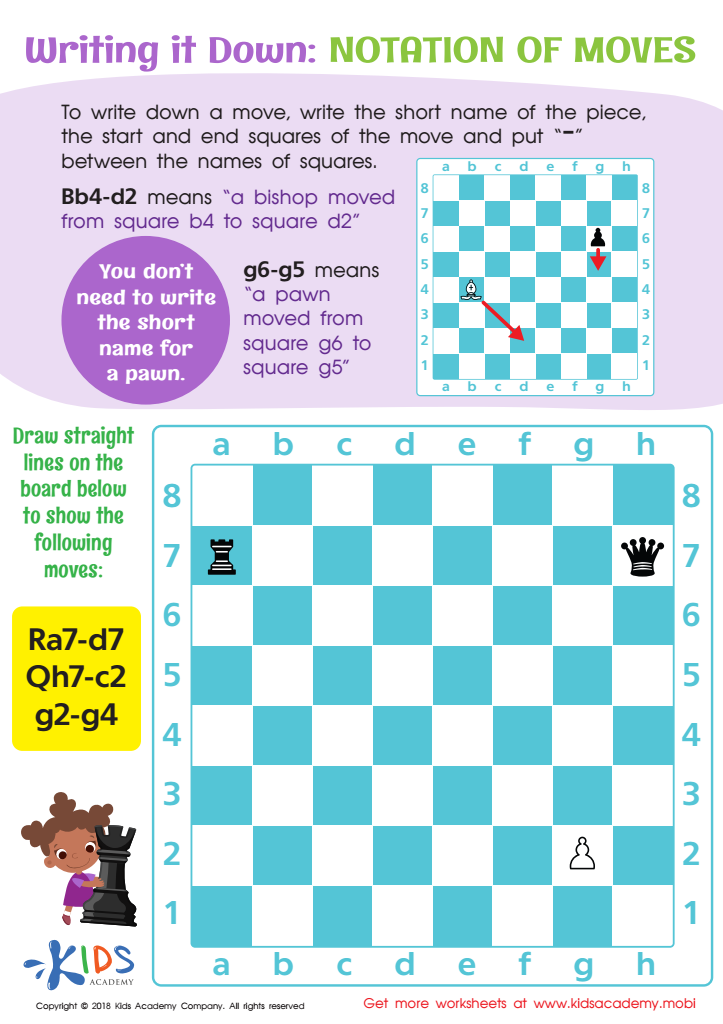
Notation of Moves Writing it Down Worksheet
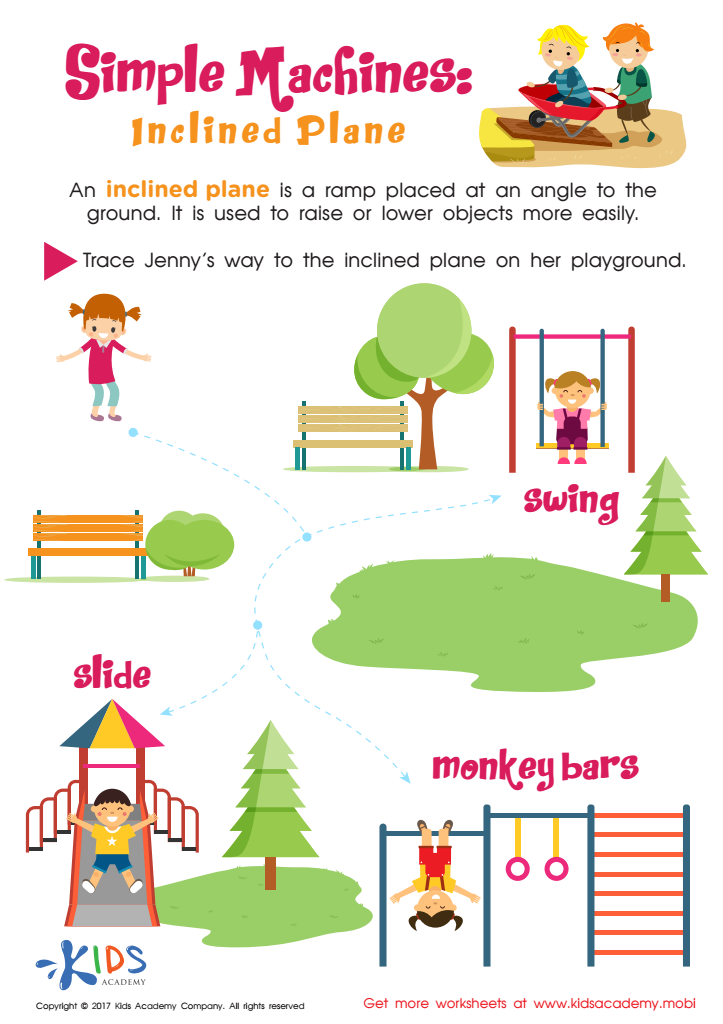
Simple Machines Inclined Plane Worksheet
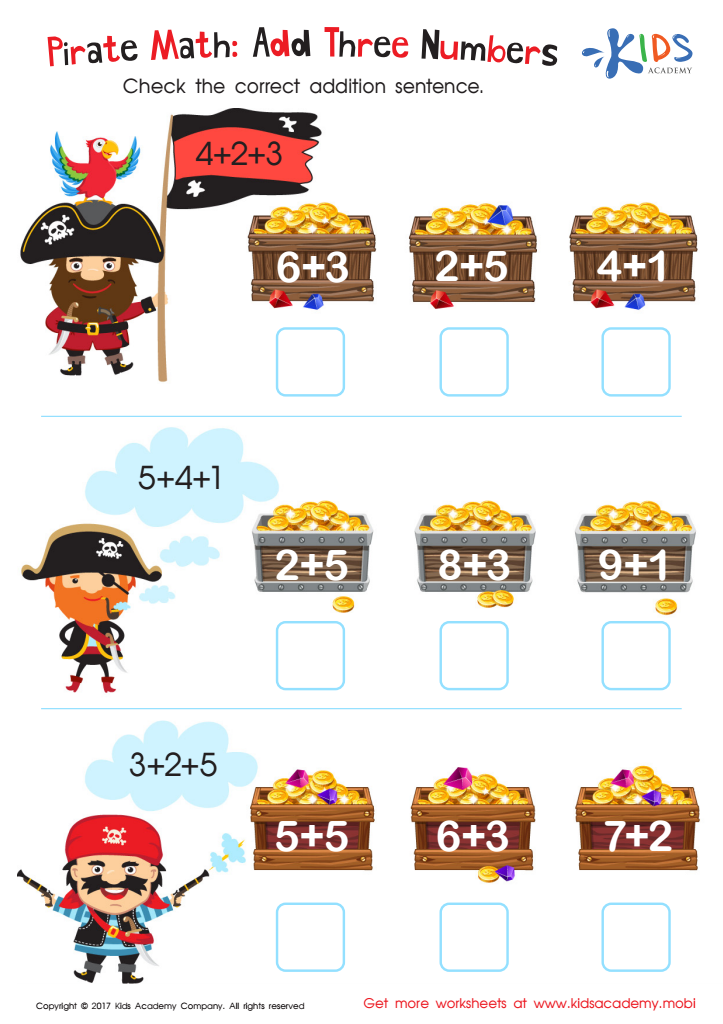
Pirate Math Printable
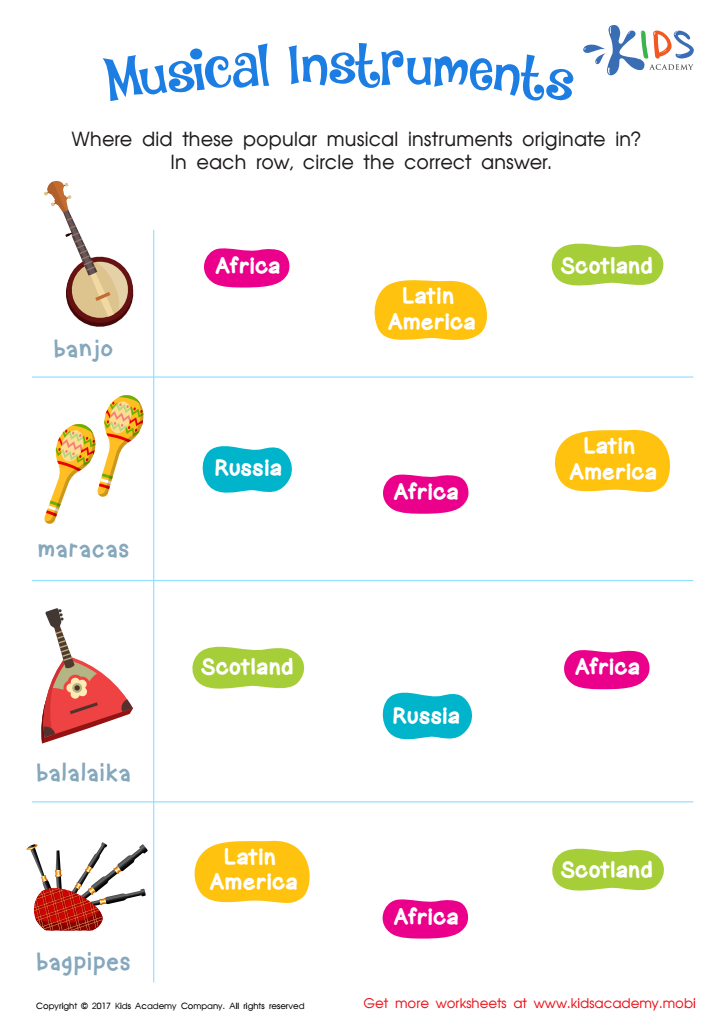
Musical Instruments Printable
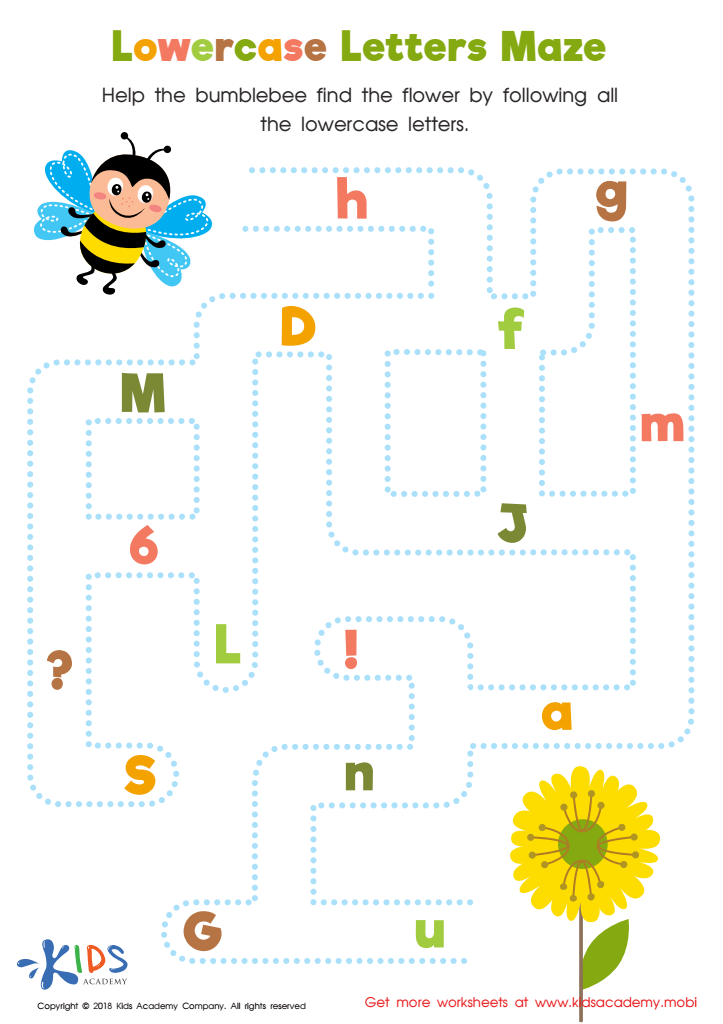
Lowercase Letters Maze Worksheet
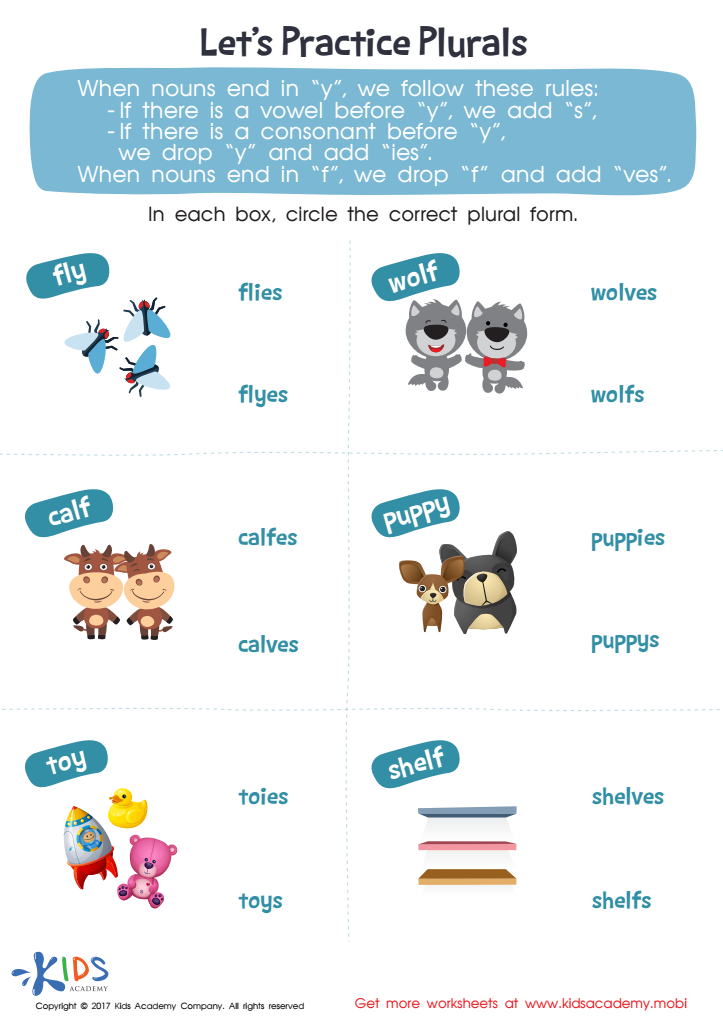
Let's Practice Plurals Word Structure Worksheet
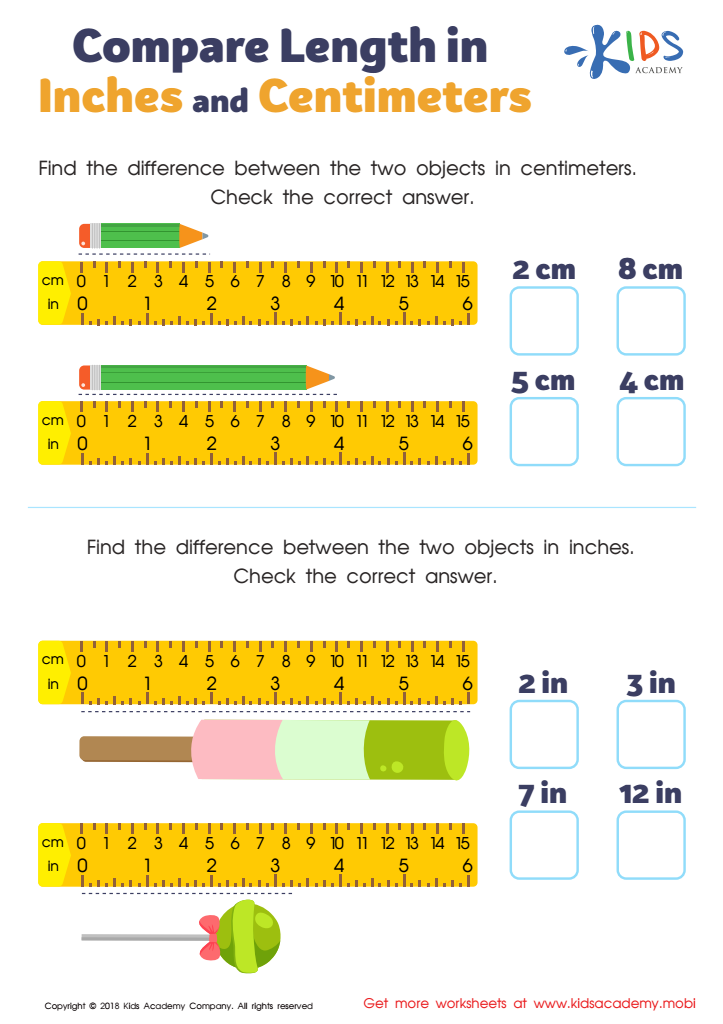
Compare Length in Inches and Centimeters Worksheet
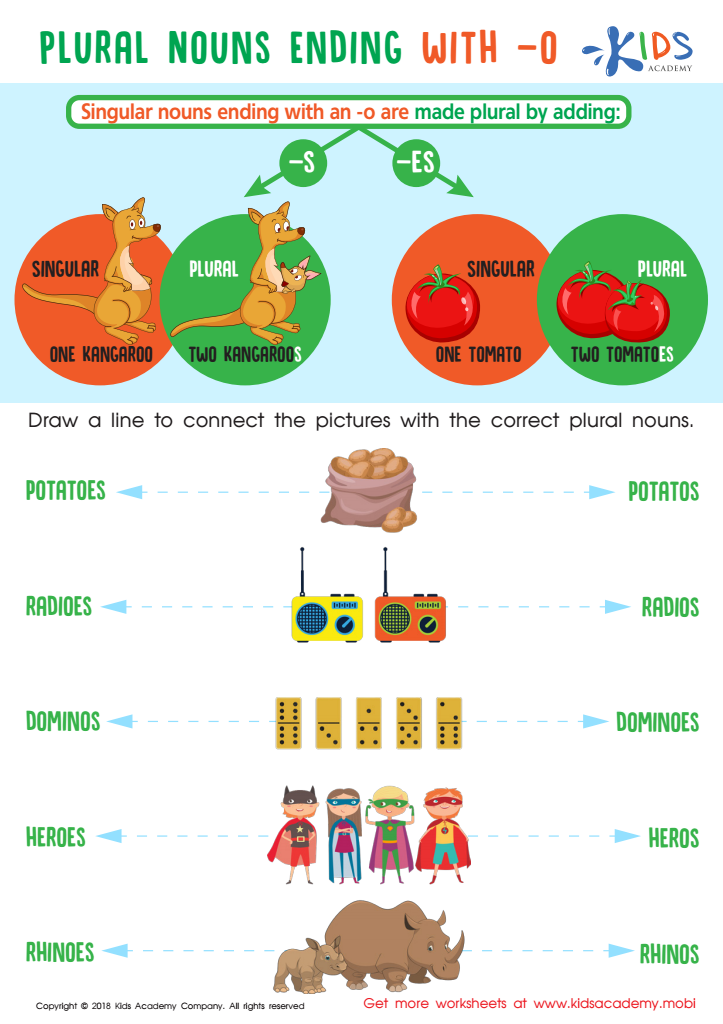
Plural Nouns Ending with -o Worksheet
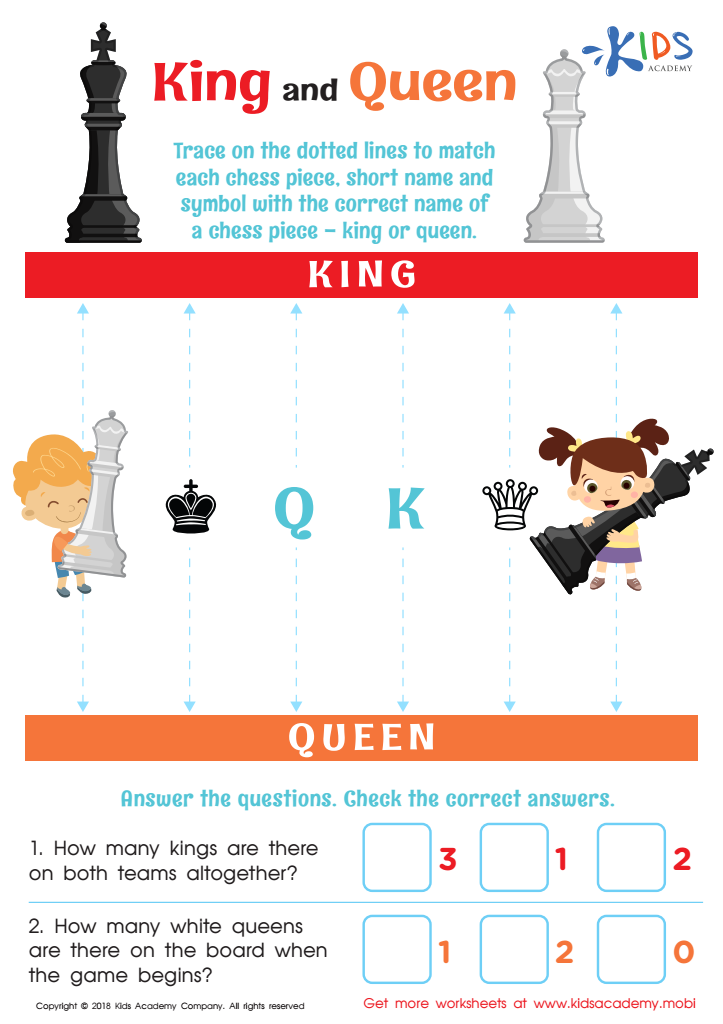
King and Queen Worksheet
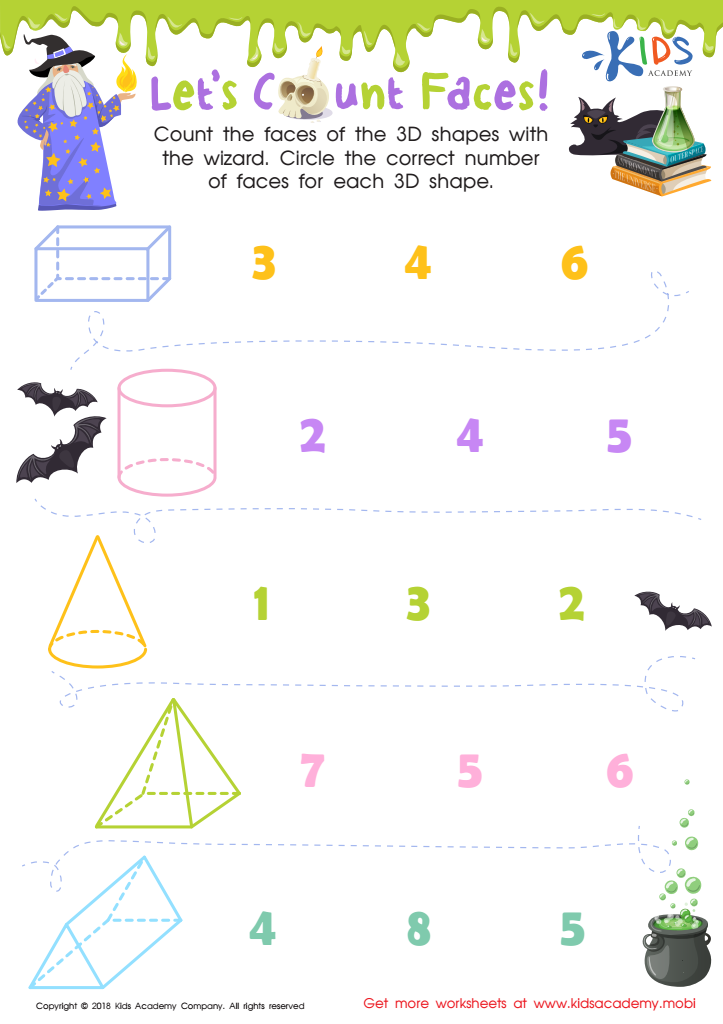
Let's Count Faces! Worksheet
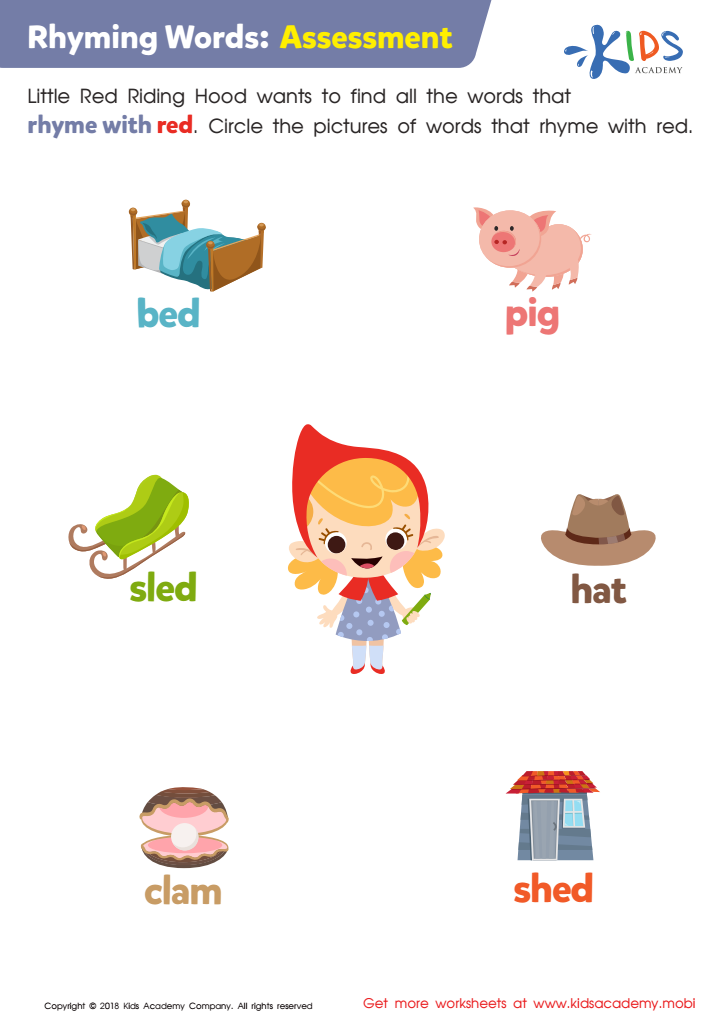
Rhyming Words: Assessment Worksheet
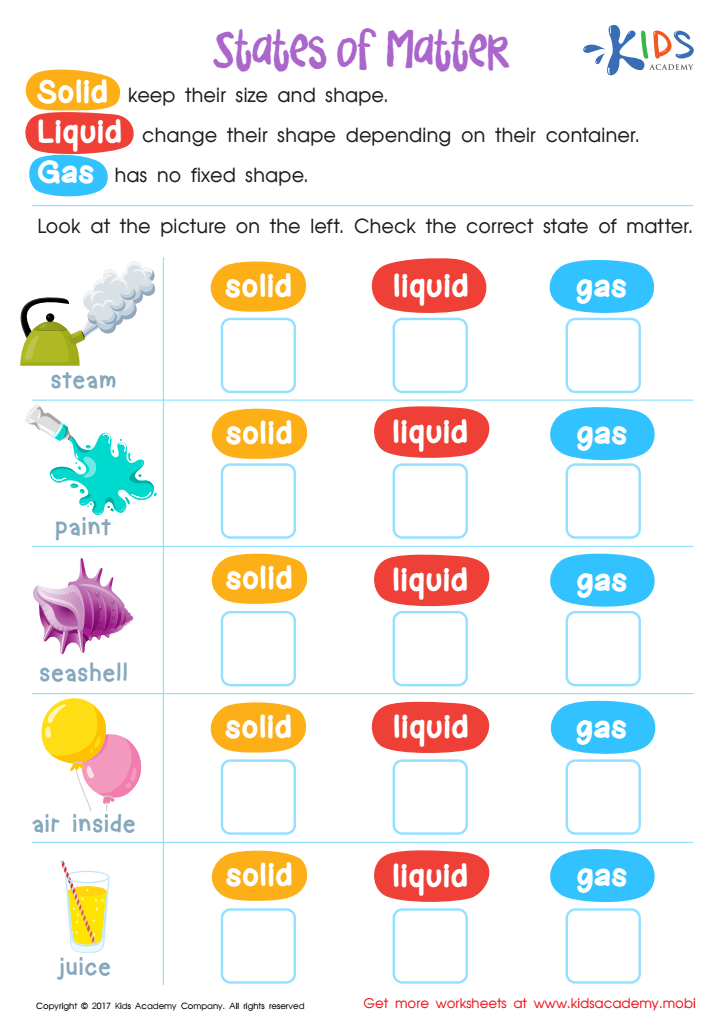
Physical Science: States of Matter Worksheet
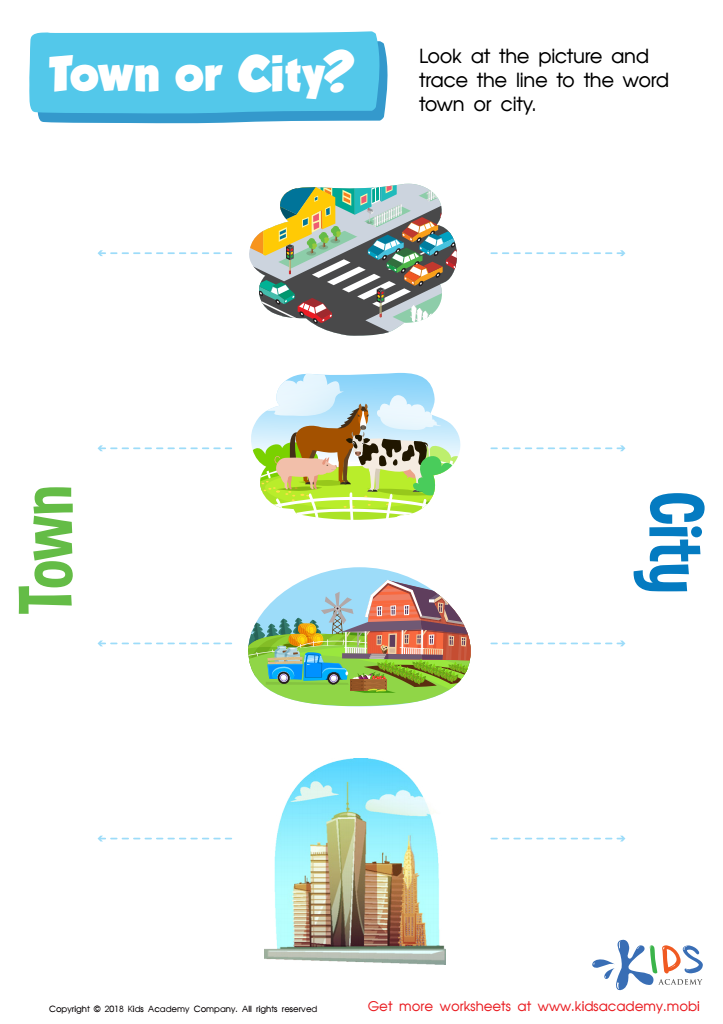
Town or City? Worksheet
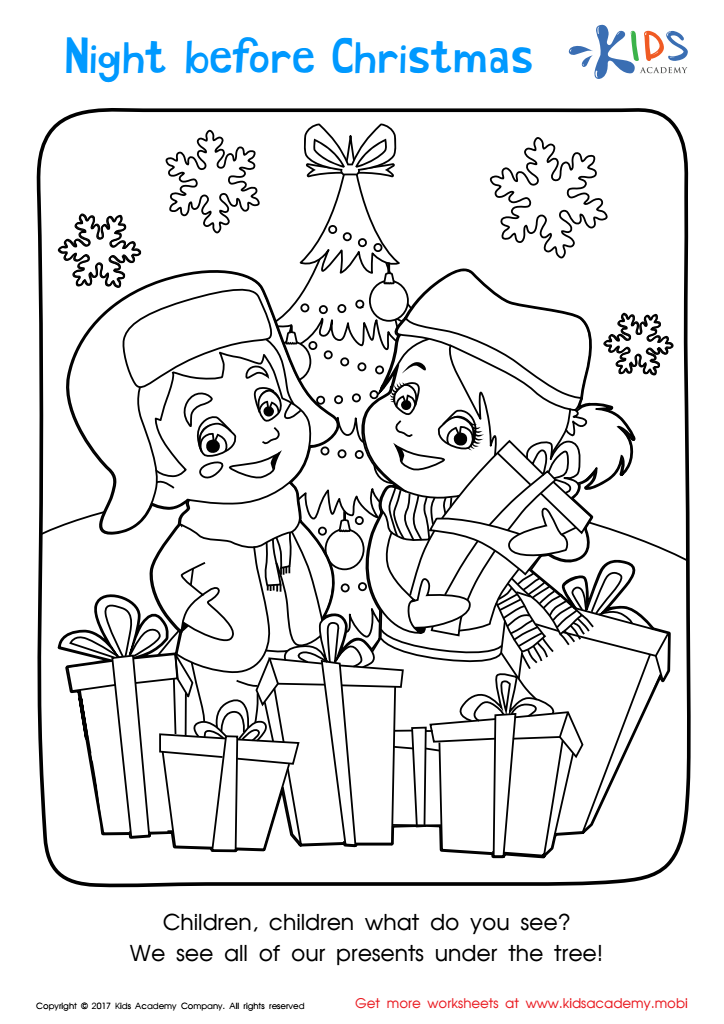
Christmas: Night Before Christmas Printable
 Assign to My Students
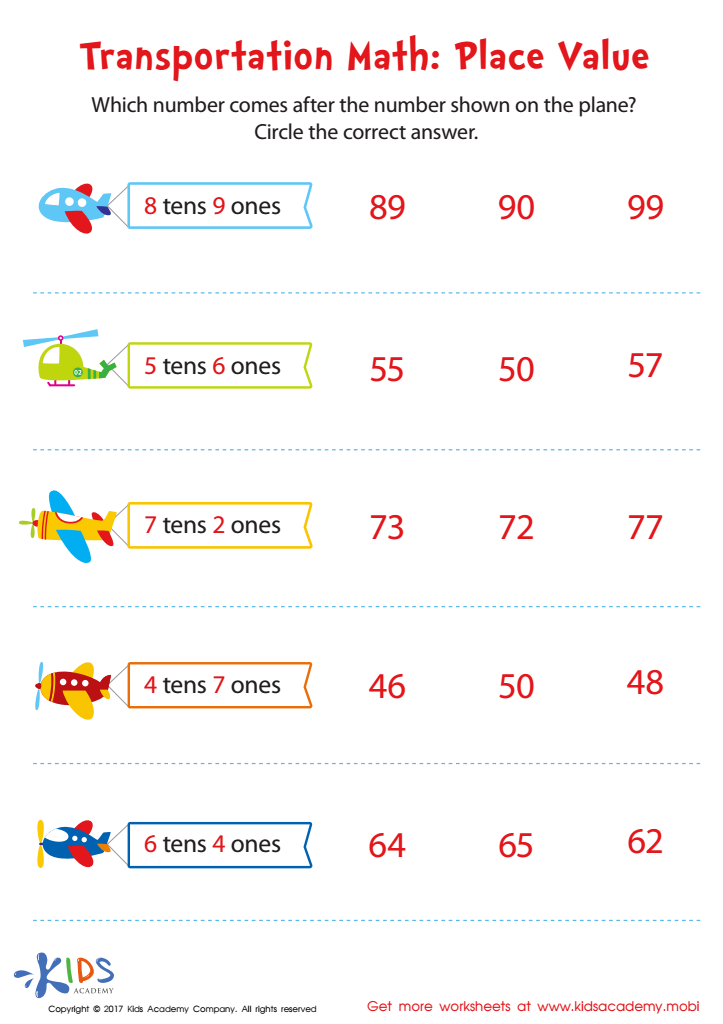
Transportation Math Printable
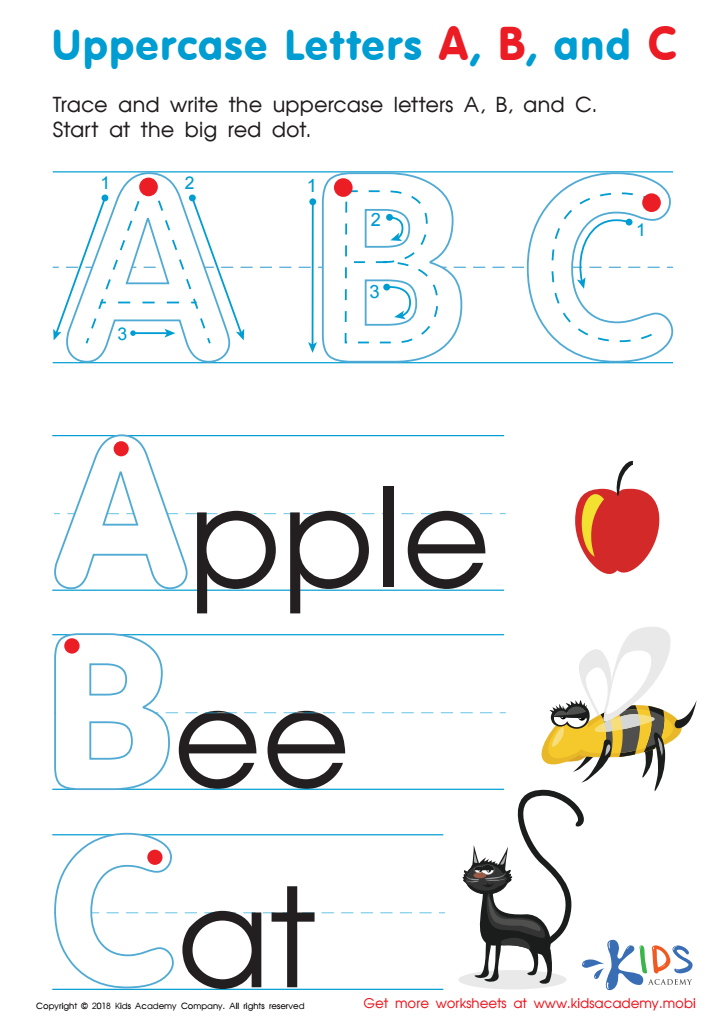
Uppercase Letters A, B, and C Worksheet
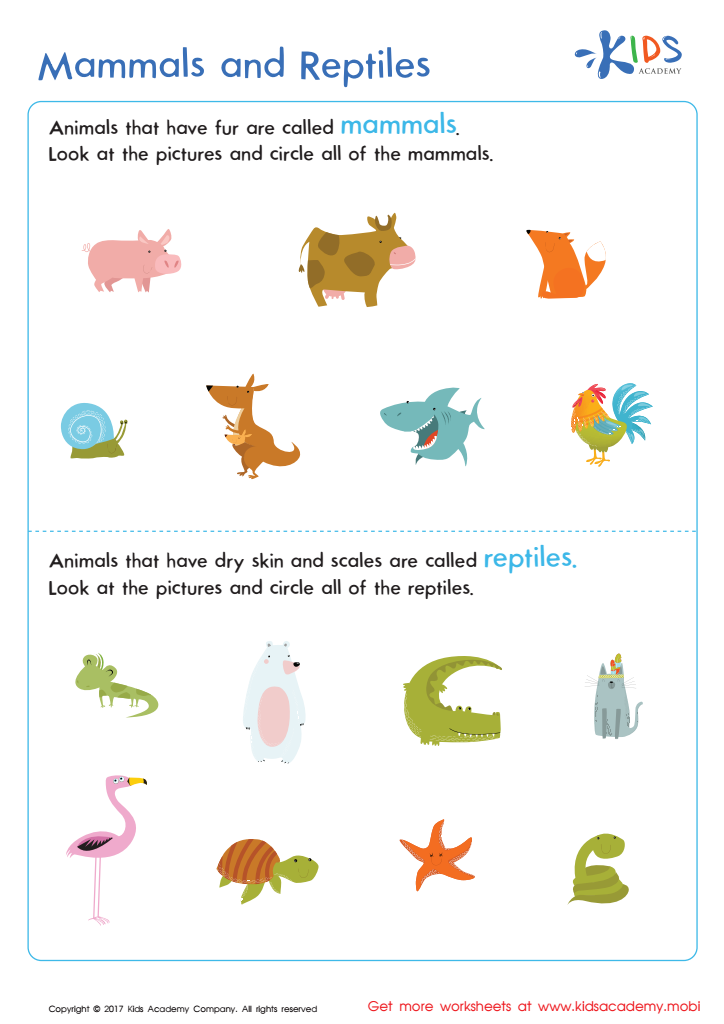
Mammals and Reptiles Worksheet






Parents and teachers should care about the development of children's sense of "normal" for ages 5-7 because this period is crucial for shaping their understanding of the world and social dynamics. At this age, children are developing their self-concept, learning about relationships, and exploring cultural norms. Understanding what is considered "normal" can influence their feelings of acceptance and belonging.
Encouraging children to embrace diversity in experiences and backgrounds helps foster empathy and adaptability. It teaches them that differences are not only acceptable but also valuable. This understanding is key to combating stereotypes and promoting inclusivity.
Additionally, children in this age group are highly impressionable, often internalizing notions of normalcy from their families, peers, and educational settings. By actively engaging in discussions about normality, parents and teachers can help children differentiate between societal expectations and their self-worth.
Moreover, defining what's "normal" can impact their emotional development; knowing that different behaviors, families, and traditions exist encourages open-mindedness, curiosity, and respect for others. Ultimately, nurturing a healthy concept of normalcy helps build resilient individuals who are prepared to engage positively with an increasingly diverse world.








