Normal Geometry Worksheets for Ages 5-7 - Page 3
63 filtered results
-
From - To
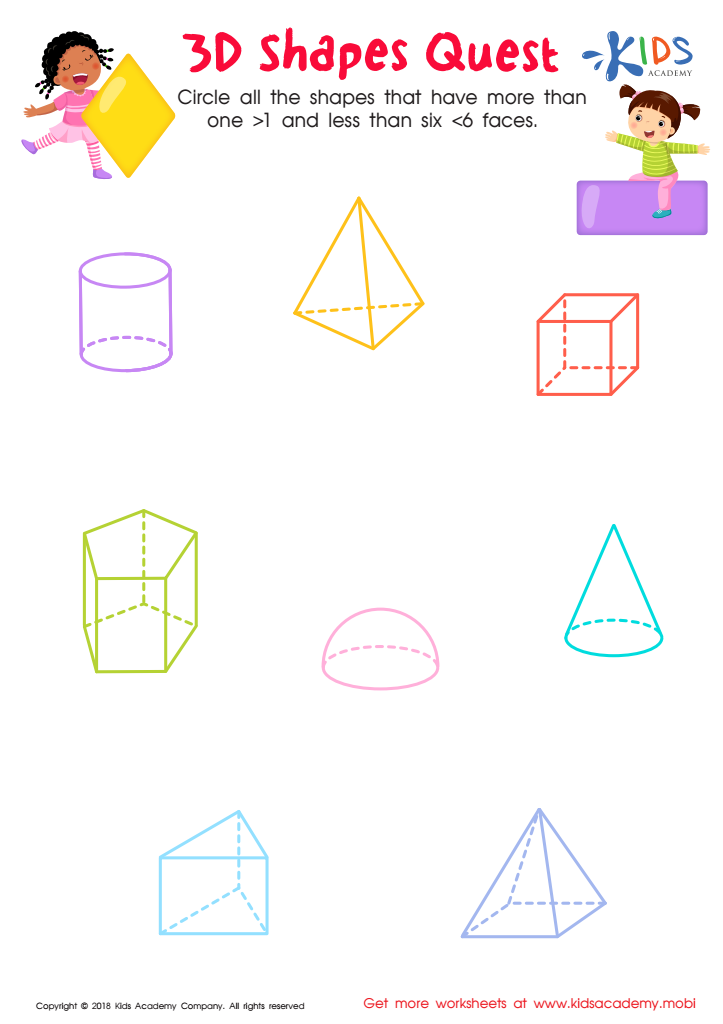
3D Shapes Quest Worksheet
 Assign to My Students











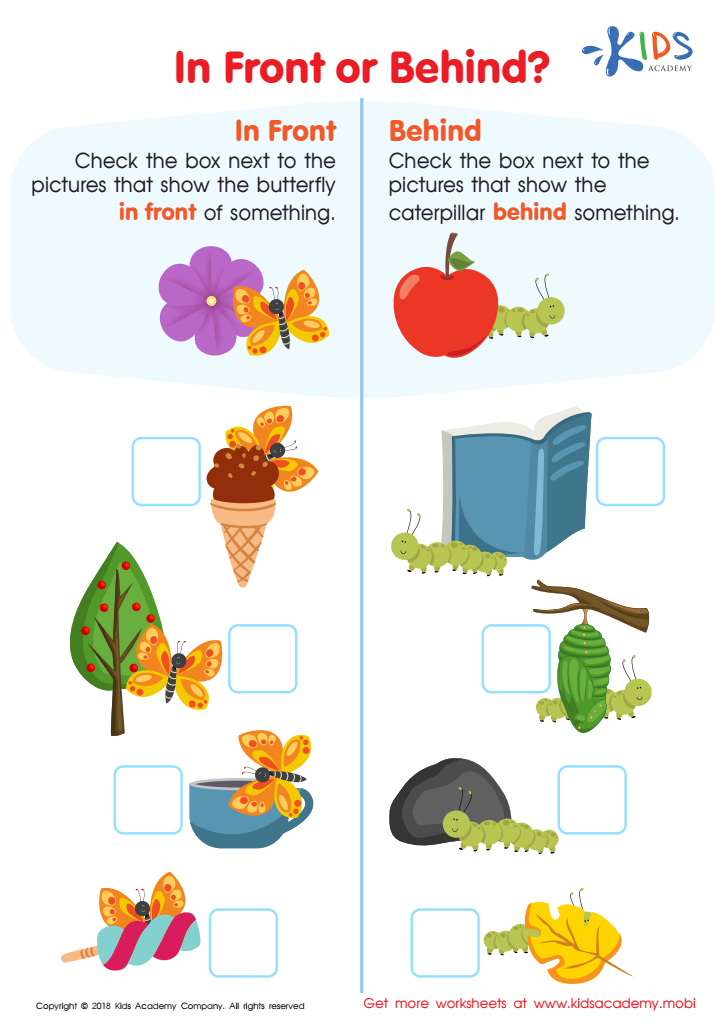
In Front or Behind Worksheet
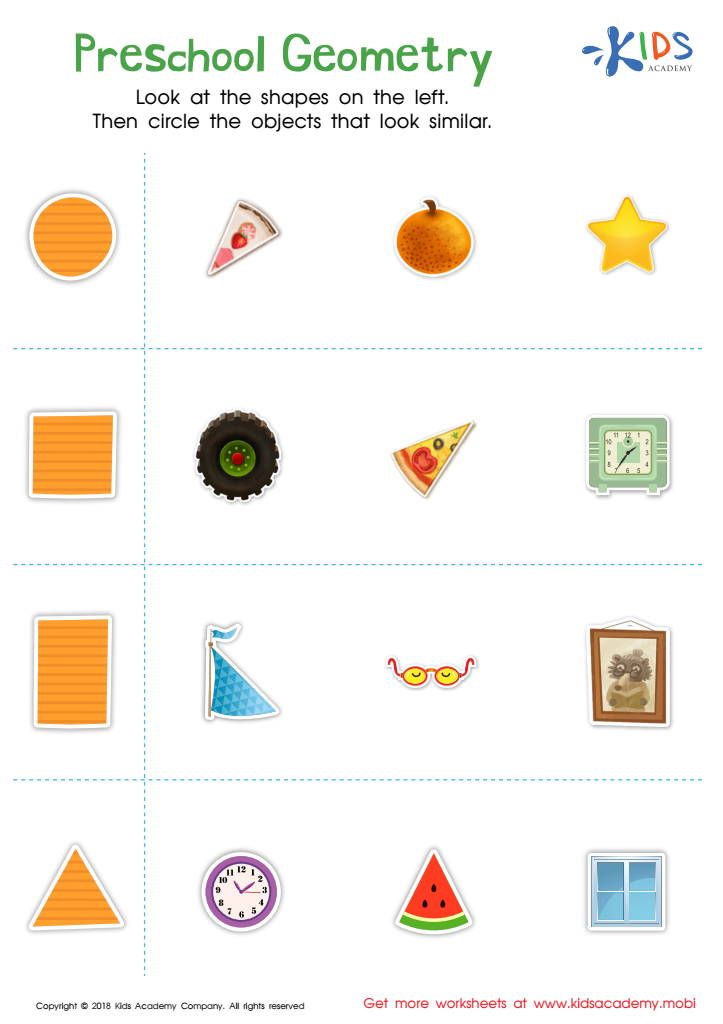
Preschool Geometry Worksheet
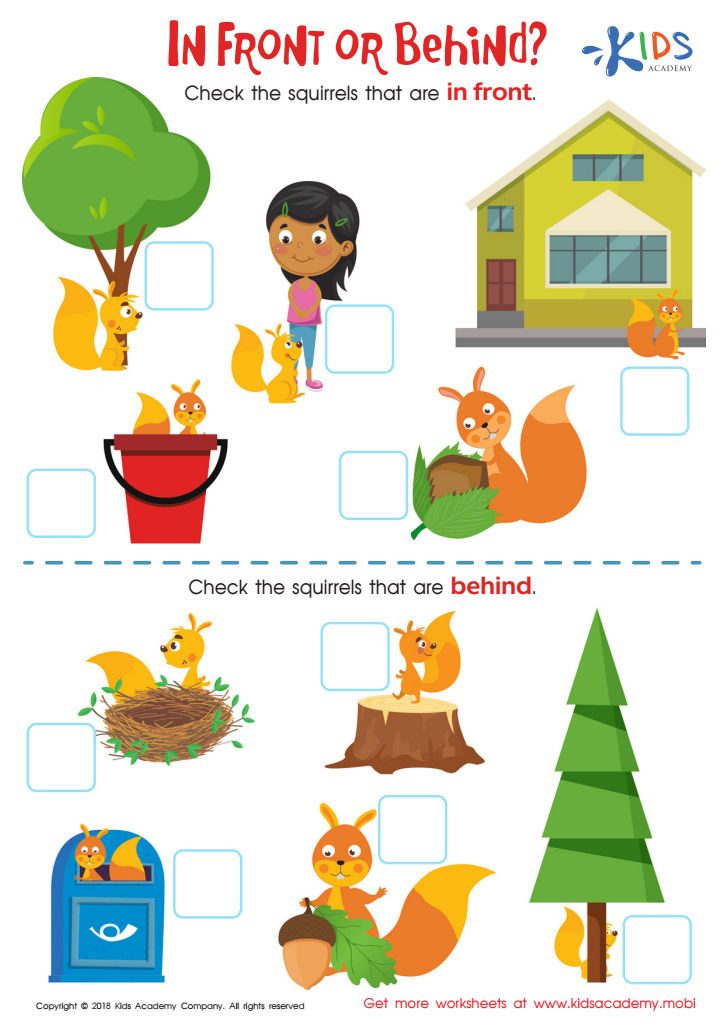
In Front or Behind: Part 2 Worksheet
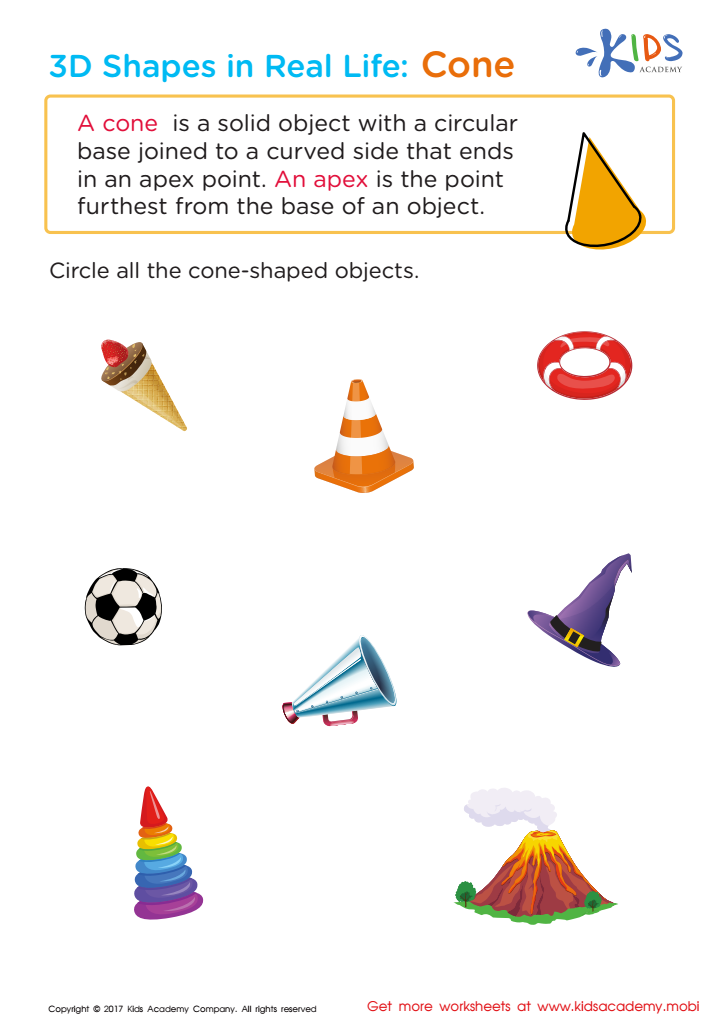
Shapes in Real Life: Cone Worksheet
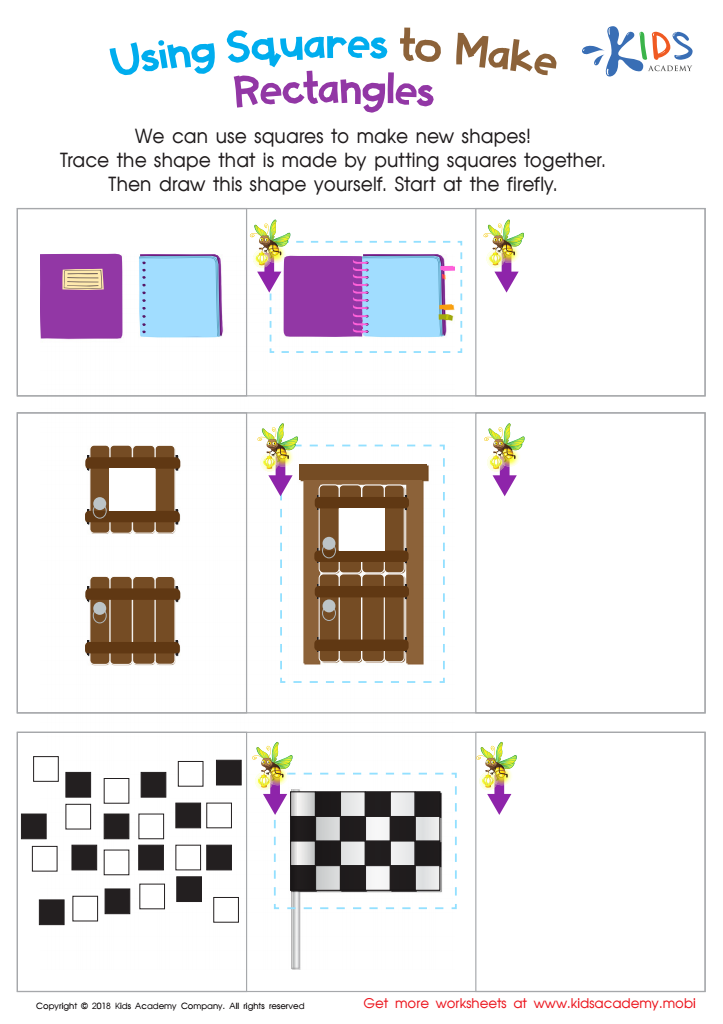
Using Squares to Make Rectangles Worksheet
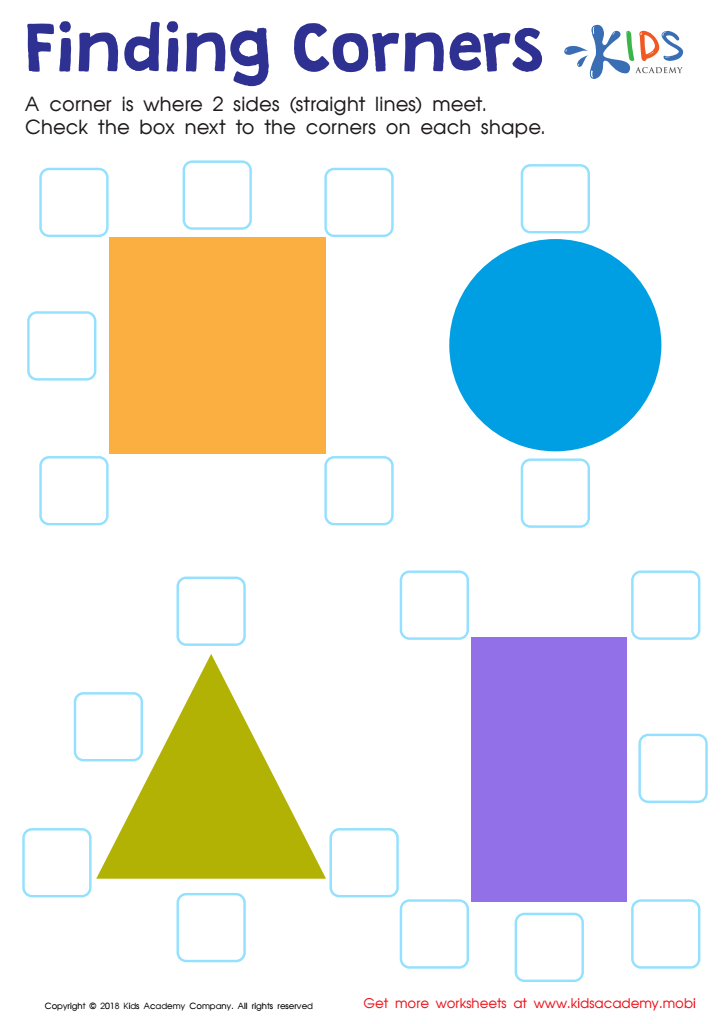
Finding Corners Worksheet
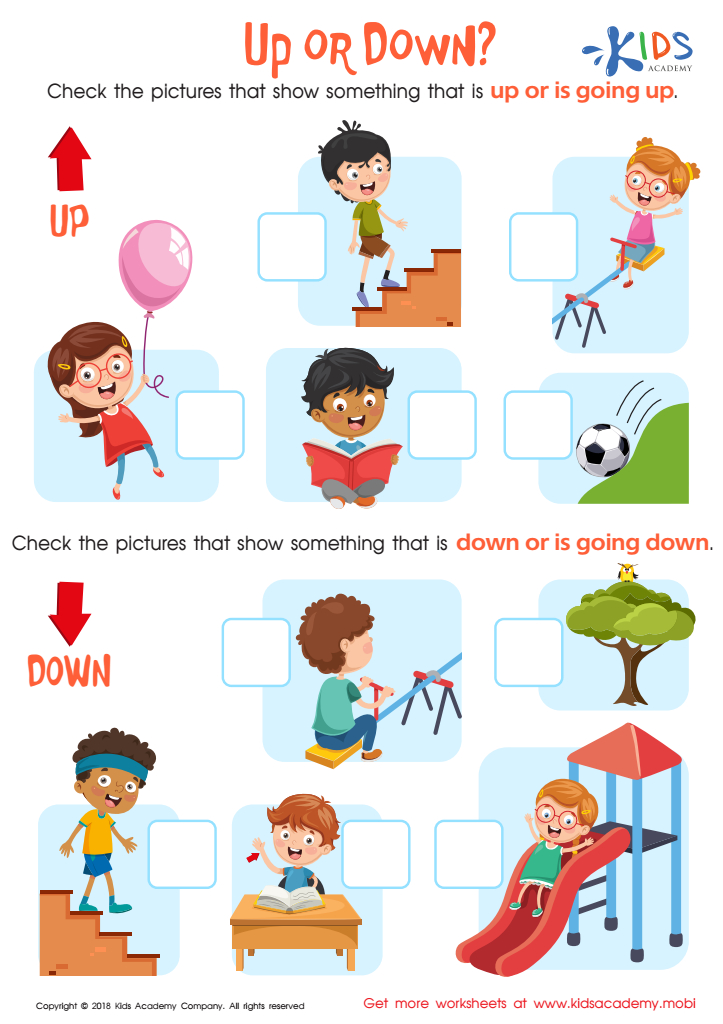
Up or Down Worksheet
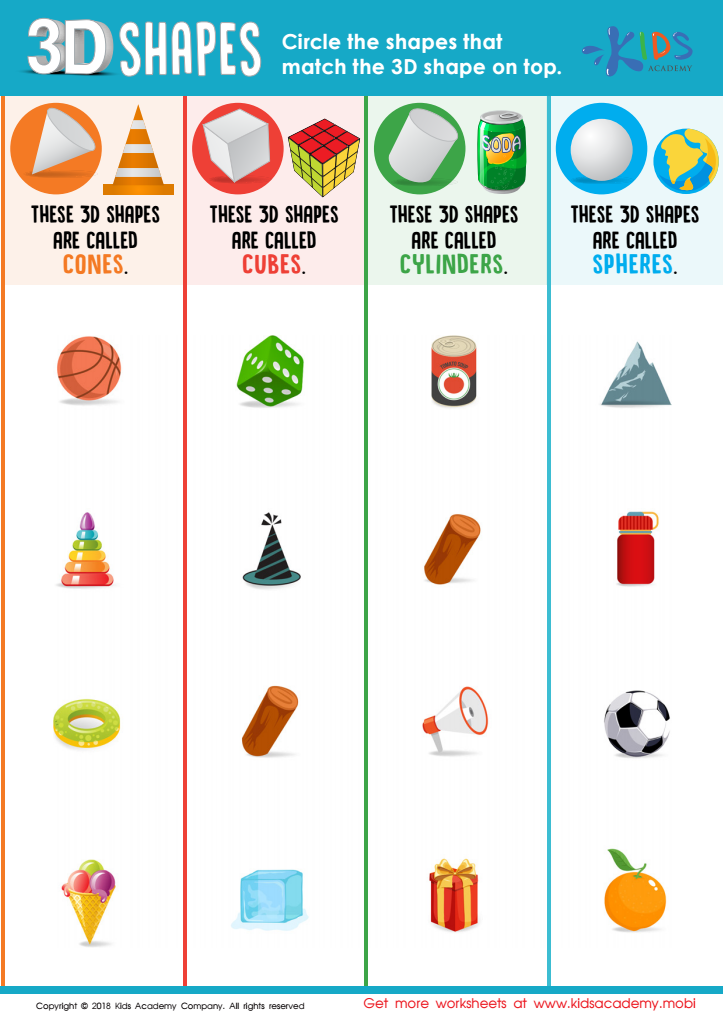
3D Shapes Worksheet
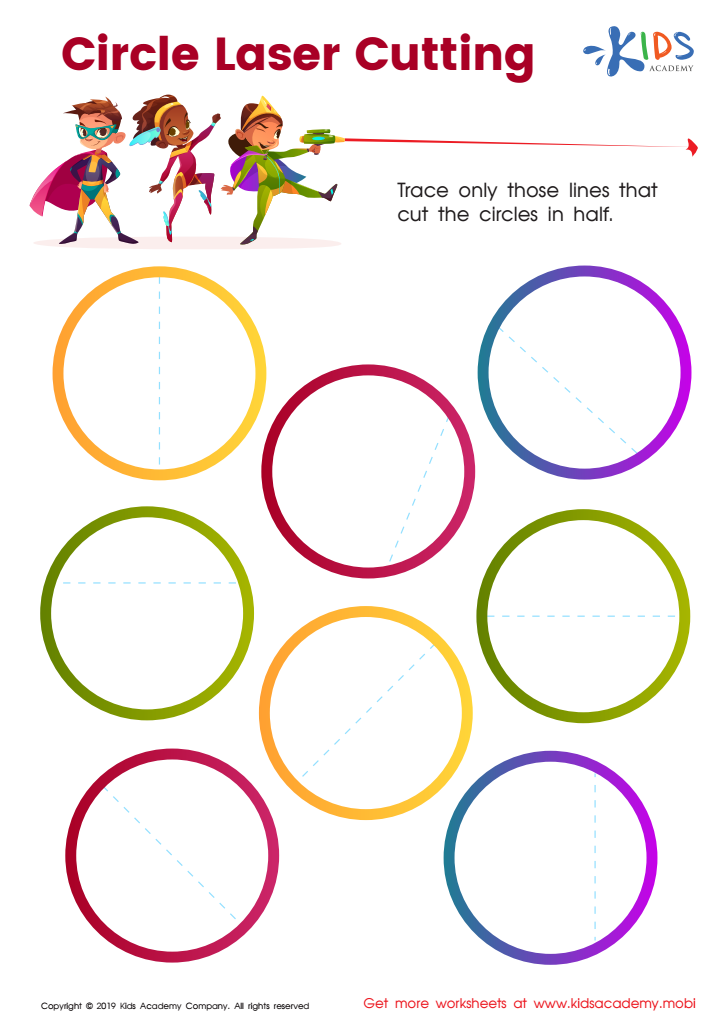
Circle Laser Cutting Worksheet
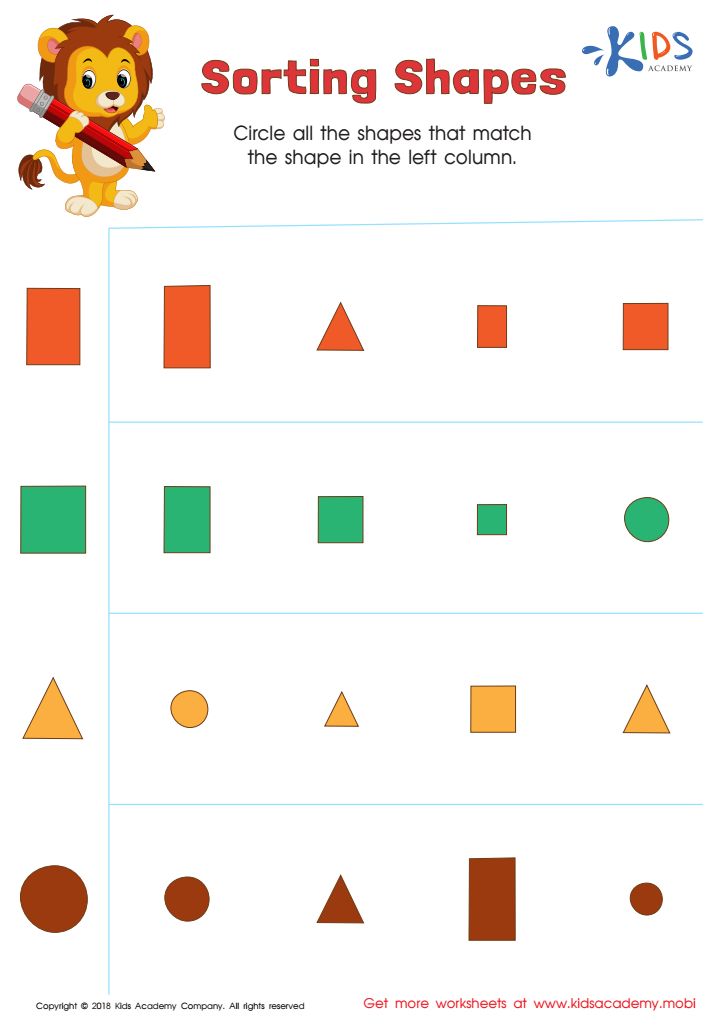
Sorting Shapes - Part 2 Worksheet
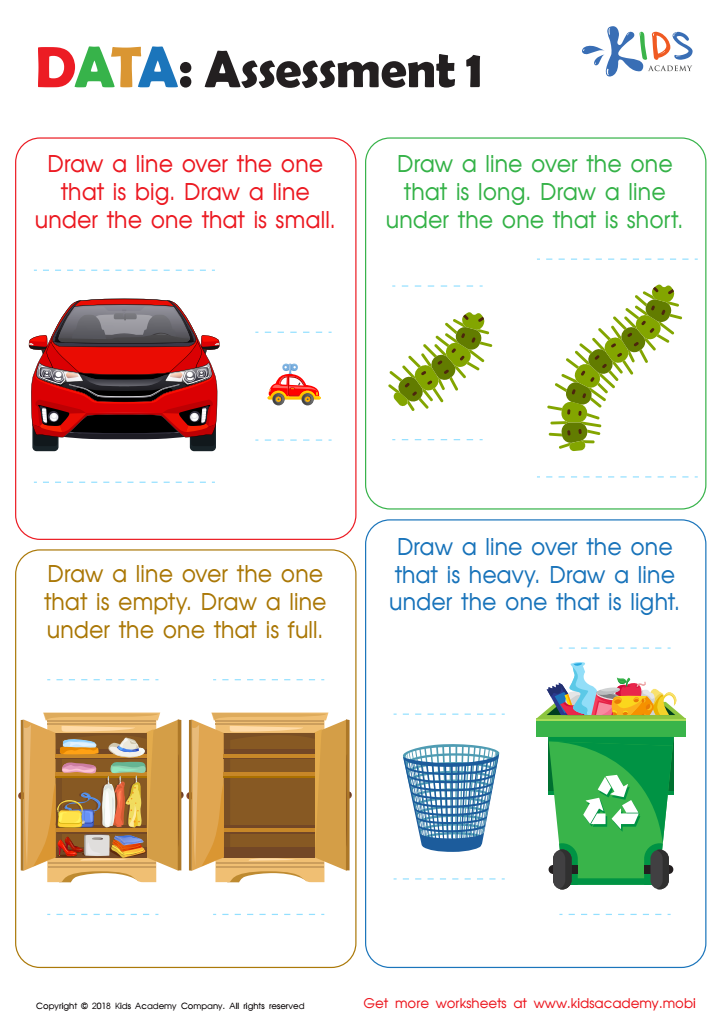
Data: Assessment 1 Worksheet
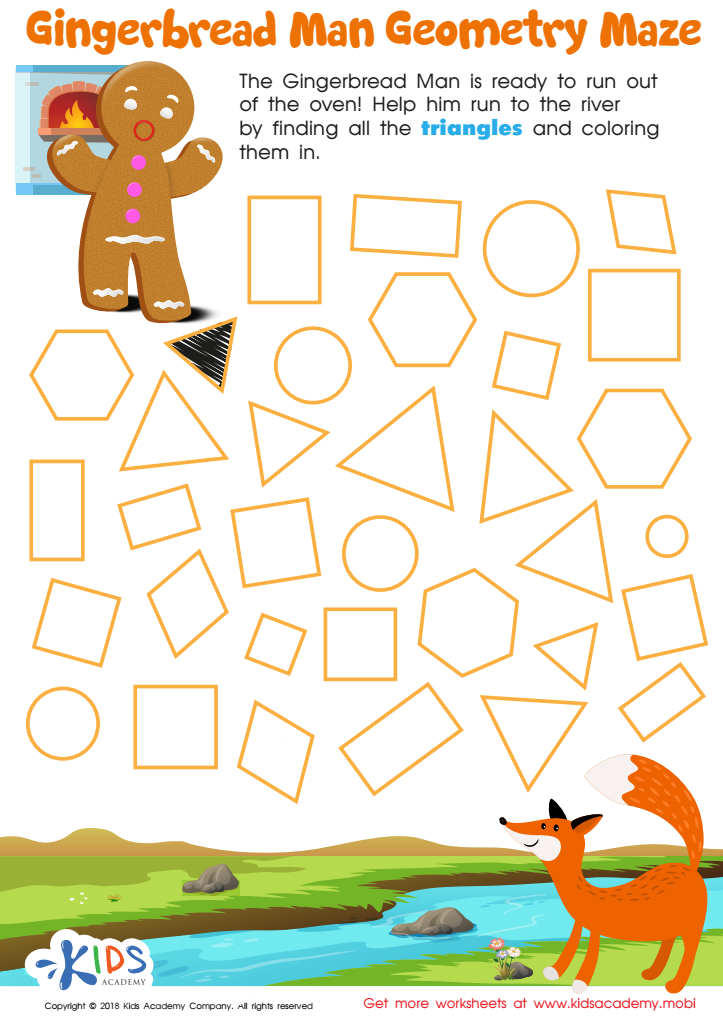
Gingerbread Man Geometry Maze Worksheet
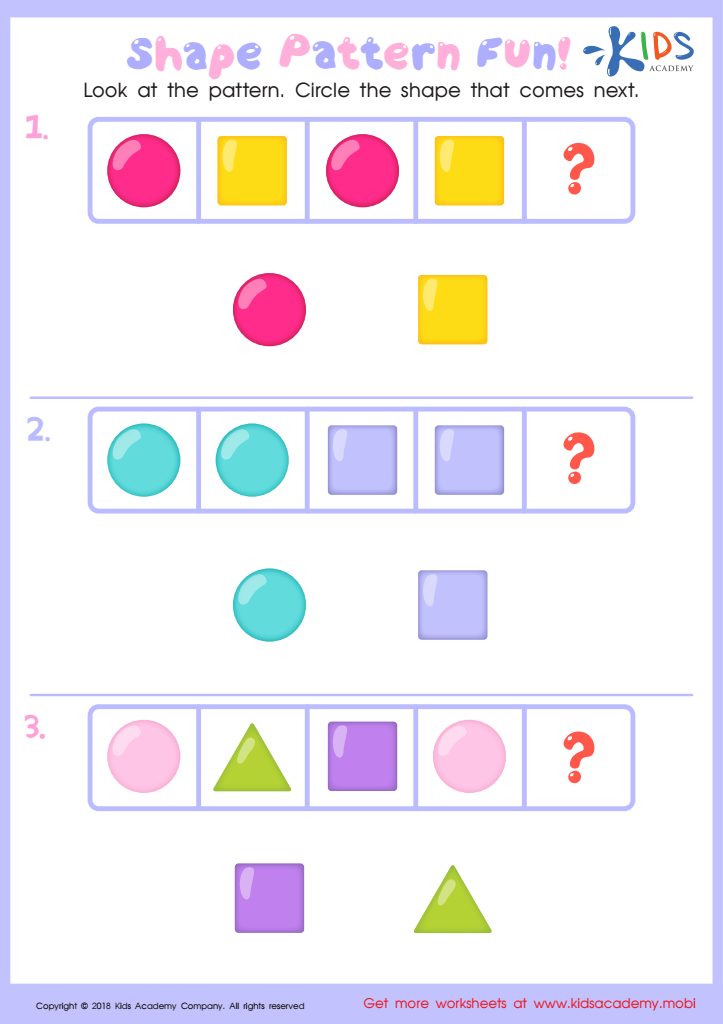
Shape Pattern Fun Worksheet
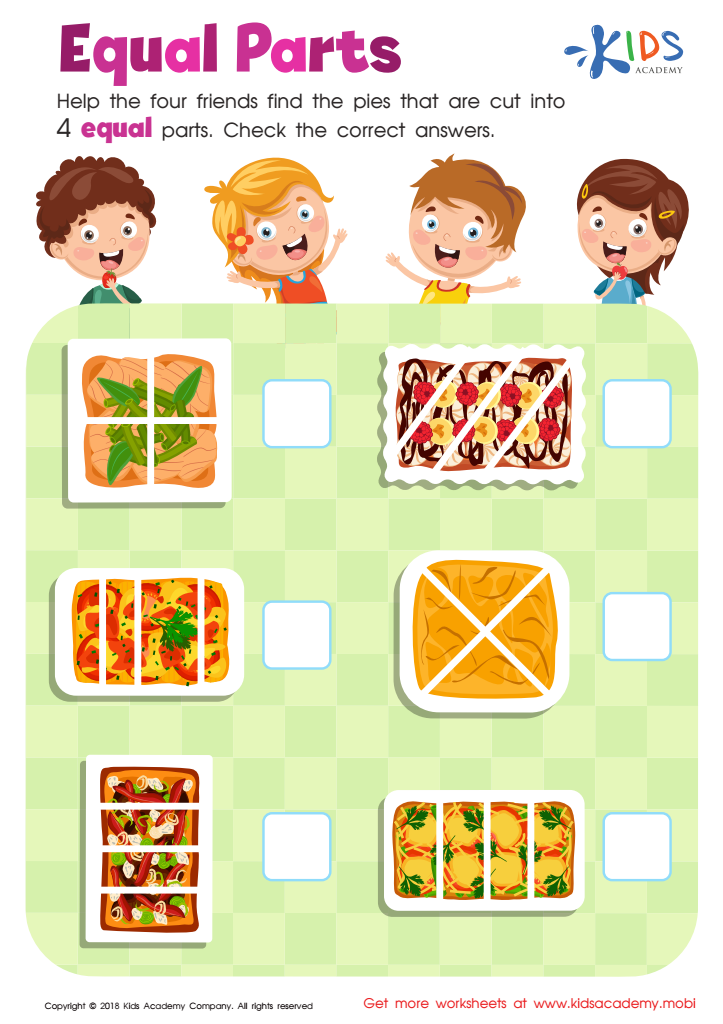
Equal Parts: Food Worksheet








Understanding basic geometry is crucial for young learners, ages 5-7, as it lays the foundation for logical thinking and problem-solving skills. At this age, introducing normal geometry, such as basic shapes and spatial awareness, offers a multitude of educational benefits.
Firstly, shapes like circles, squares, triangles, and rectangles are part of everyday life. Recognizing and naming these shapes helps children make sense of their environment. For instance, a child can identify a slice of pizza as a triangle or a book as a rectangle. This simple skill boosts their observational abilities and cognitive development.
Secondly, geometry aids in developing fine motor skills. Activities such as drawing shapes or manipulating physical objects encourage hand-eye coordination and dexterity. These skills are essential not only in academics but also in daily activities like tying shoelaces or buttoning shirts.
Moreover, early geometry education promotes mathematical reasoning. Understanding geometrical concepts is fundamental to their future learning in mathematics, including more complex topics like measurement, symmetry, and patterns. Children who grasp these concepts early tend to perform better in math as they progress in school.
Therefore, investing time in teaching basic geometry concepts to young children helps build a strong educational foundation, nurturing well-rounded, confident, and capable learners.








