Fine Motor Skills Normal Math Worksheets for Ages 5-7 - Page 2
41 filtered results
-
From - To
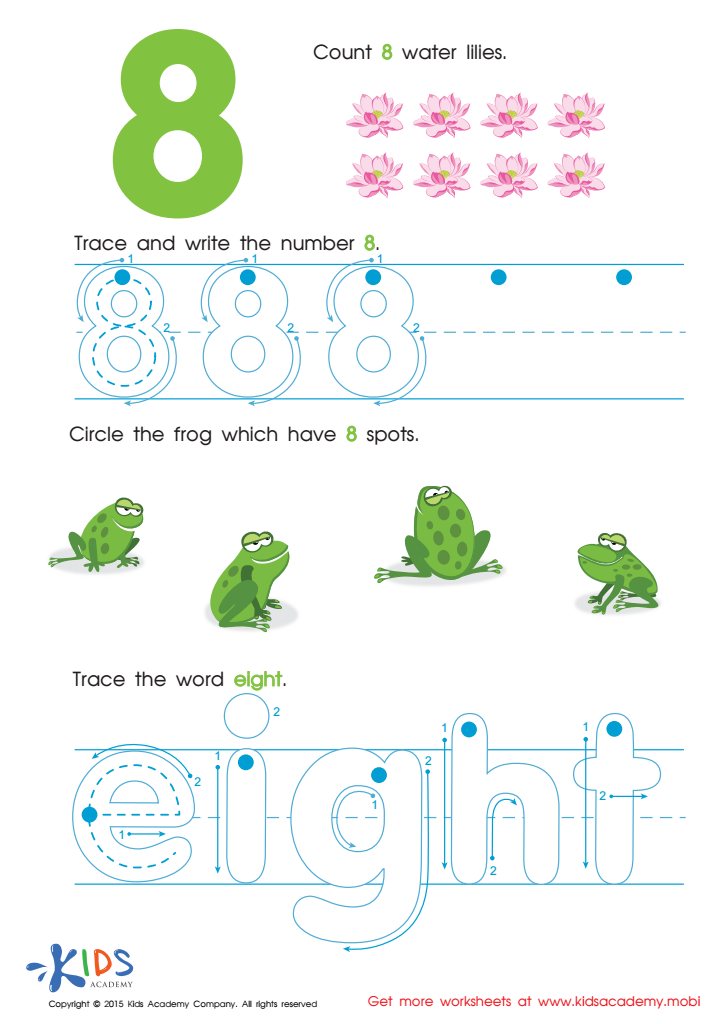
Learn Number 8 Easily Worksheet
 Assign to My Students
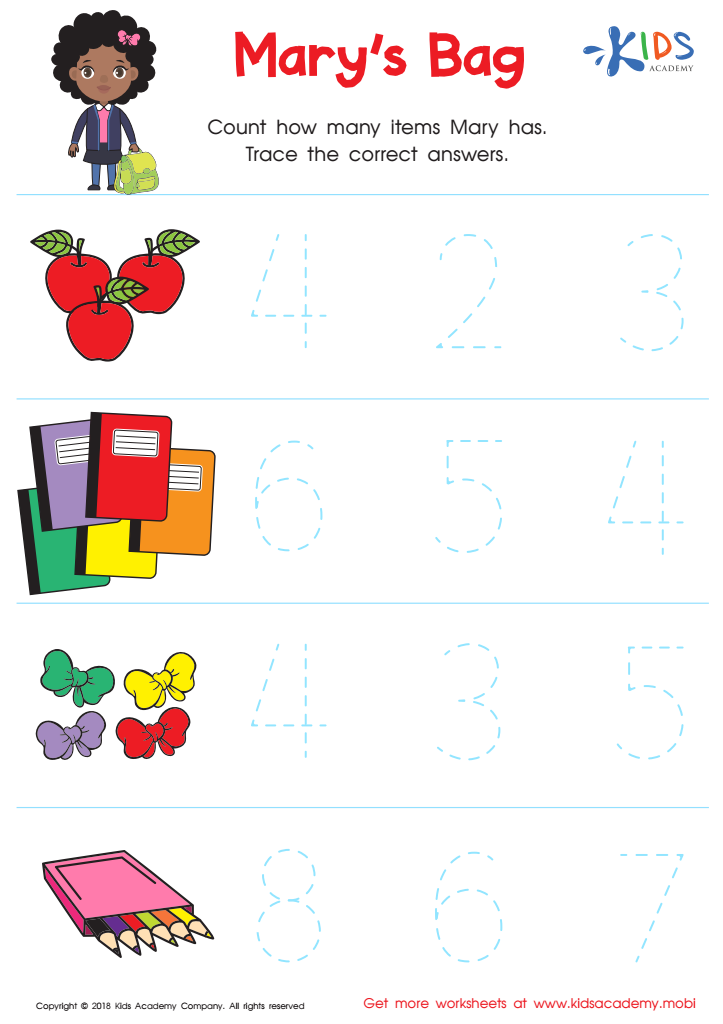
Kindergarten Number Tracing: Mary's Bag Worksheet
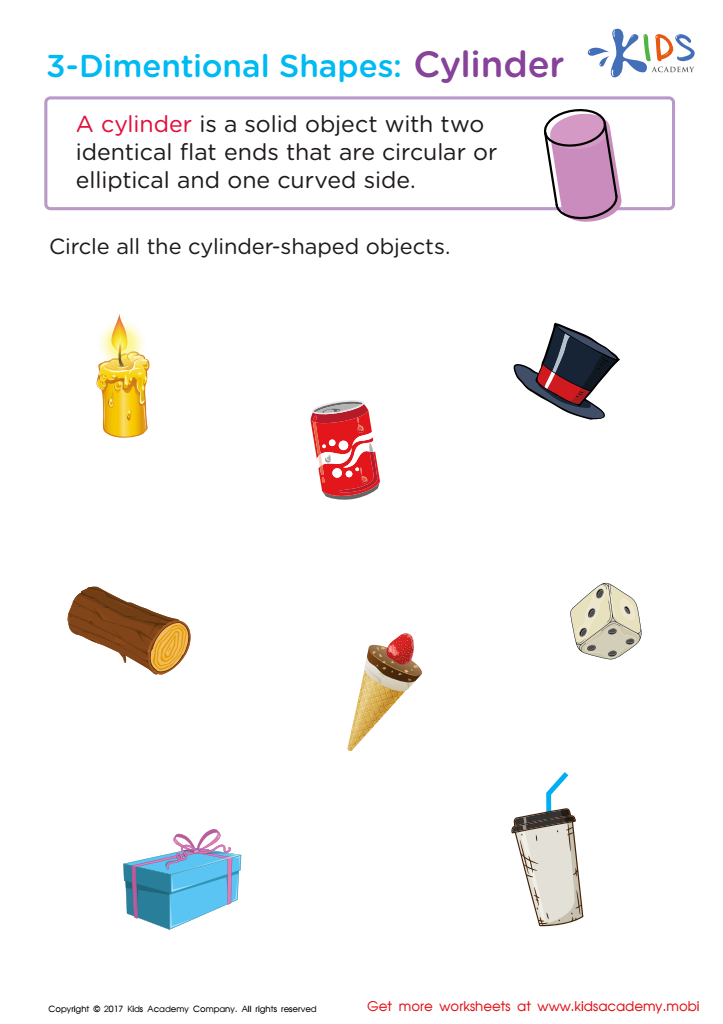
Three–Dimensional Shapes: Cylinder Worksheet
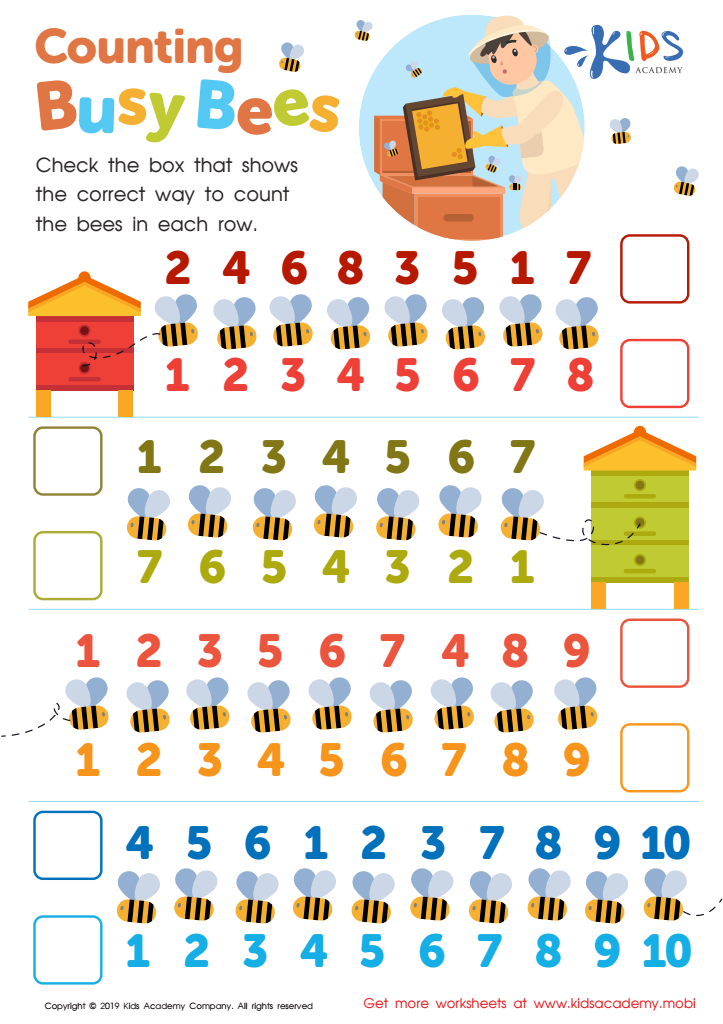
Counting Busy Bees Worksheet
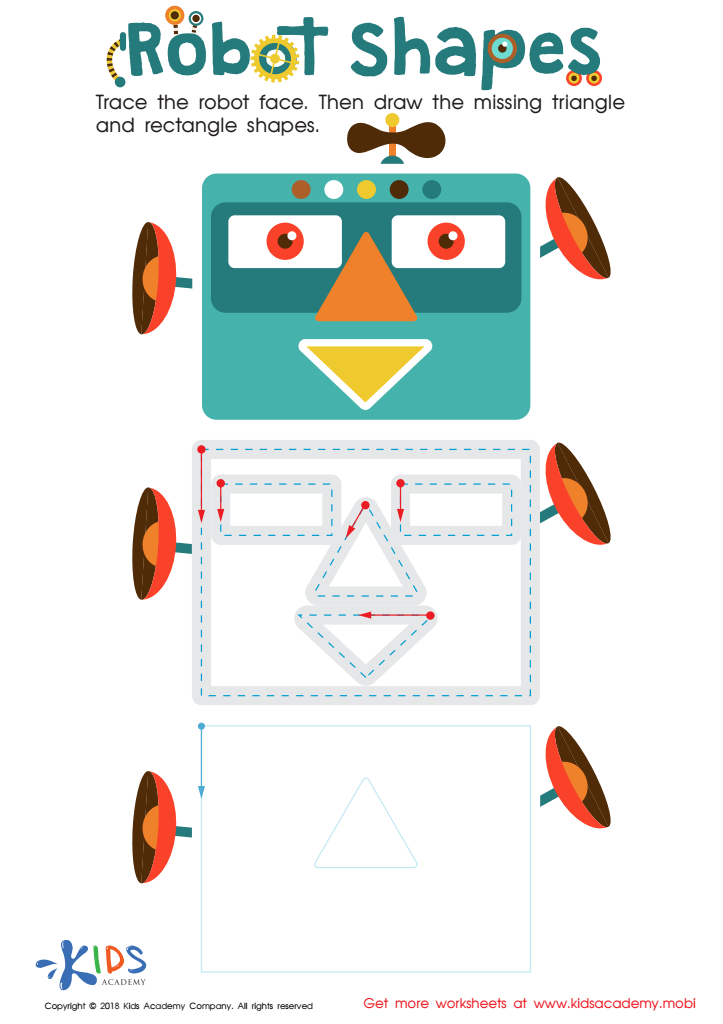
Robot Shapes Worksheet
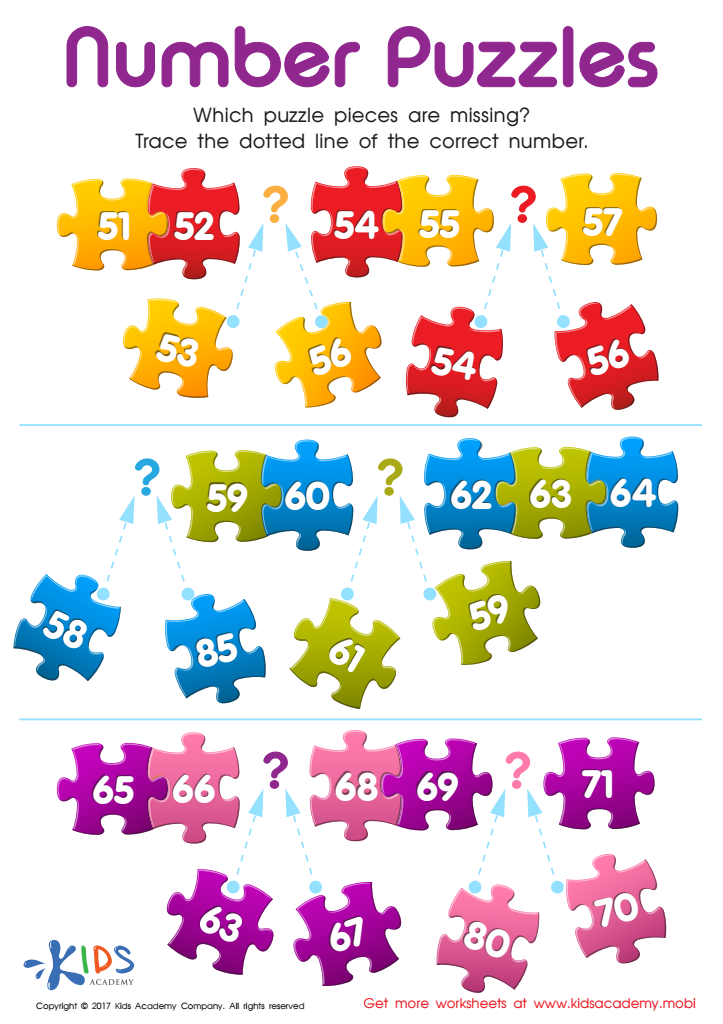
Number Puzzles Worksheet
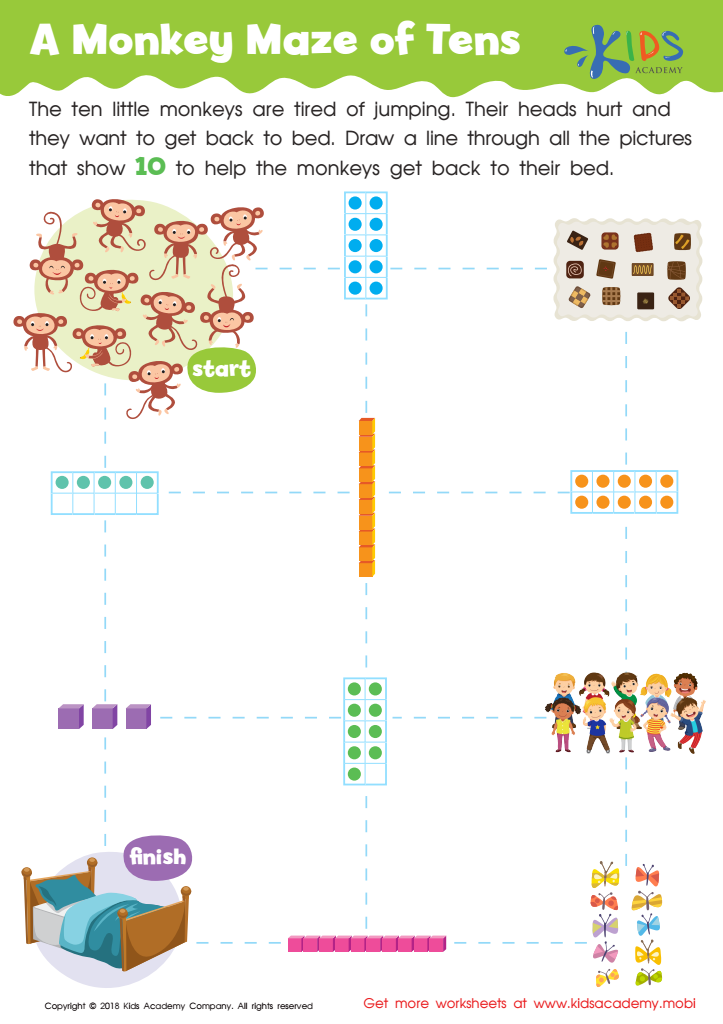
A Monkey Maze of Tens Worksheet
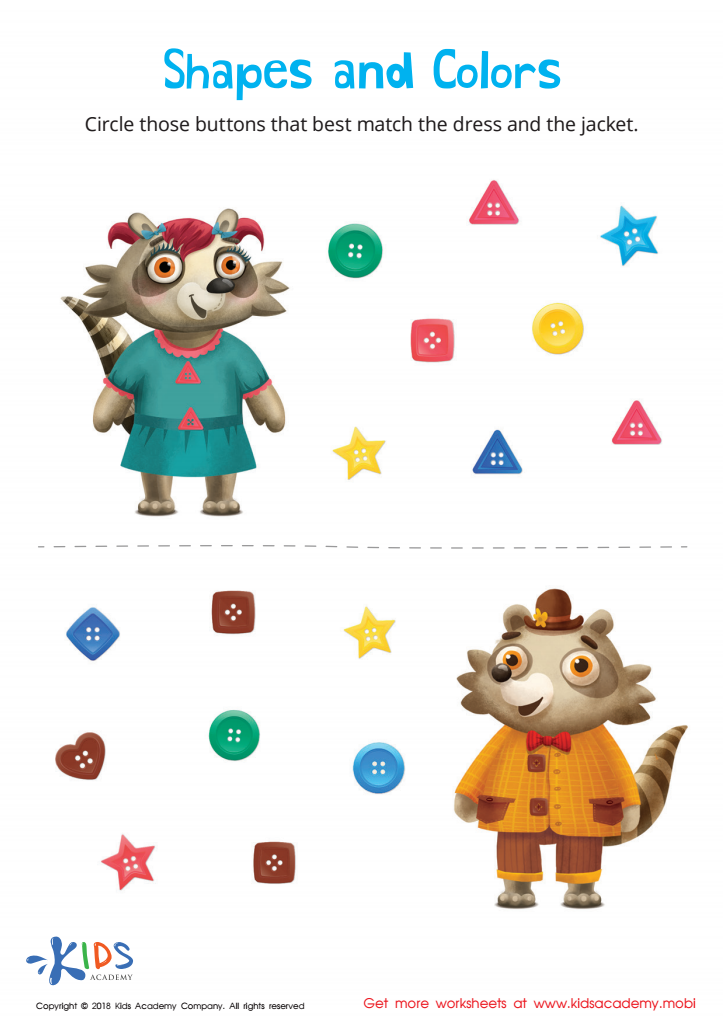
Shapes and Colors Worksheet
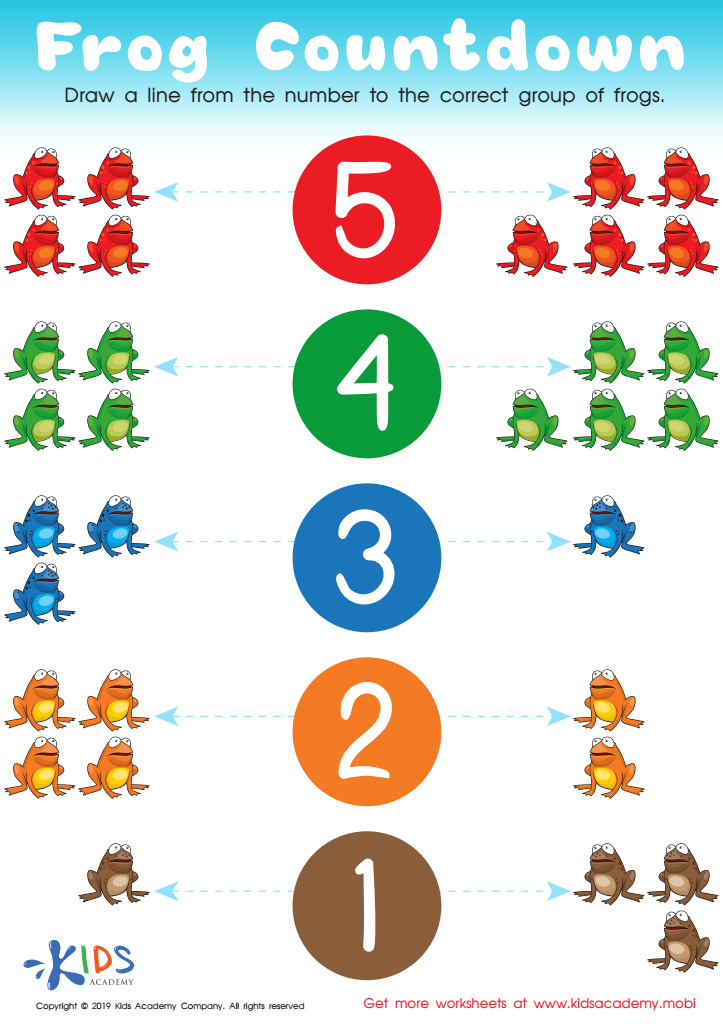
Frog Countdown Worksheet
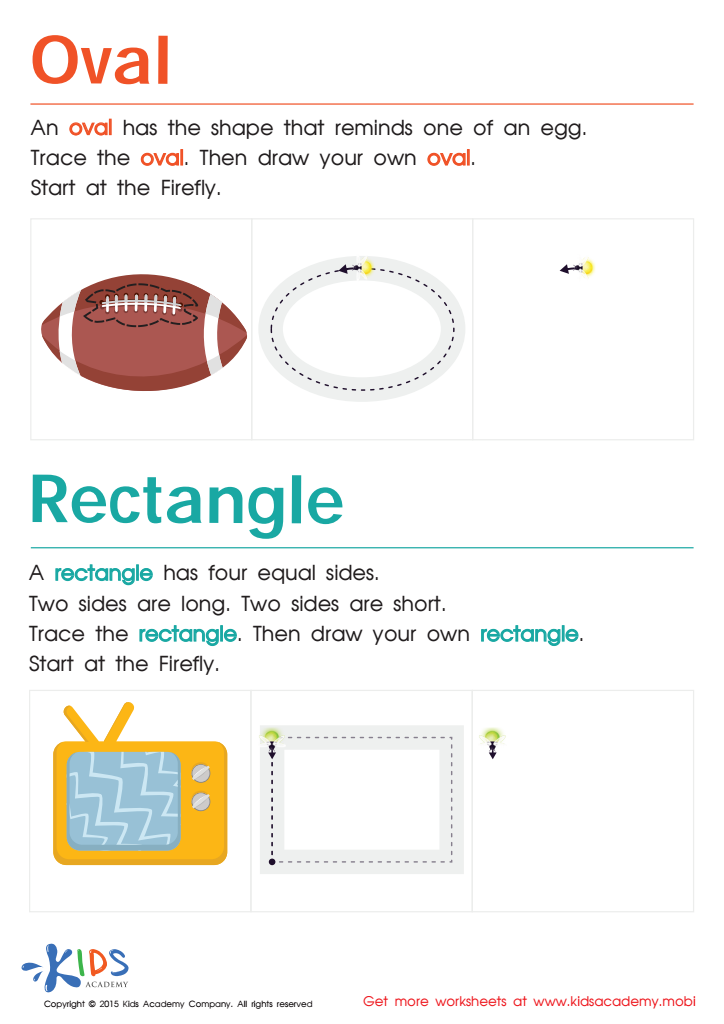
Easy Drawing of Ovals And Rectangles Worksheet
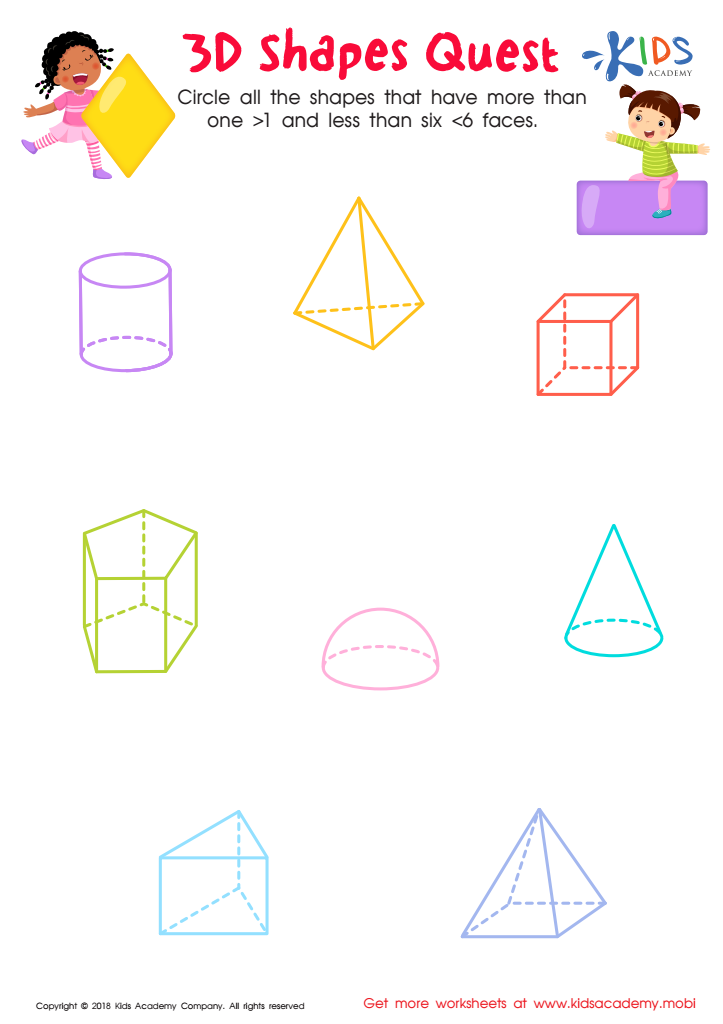
3D Shapes Quest Worksheet
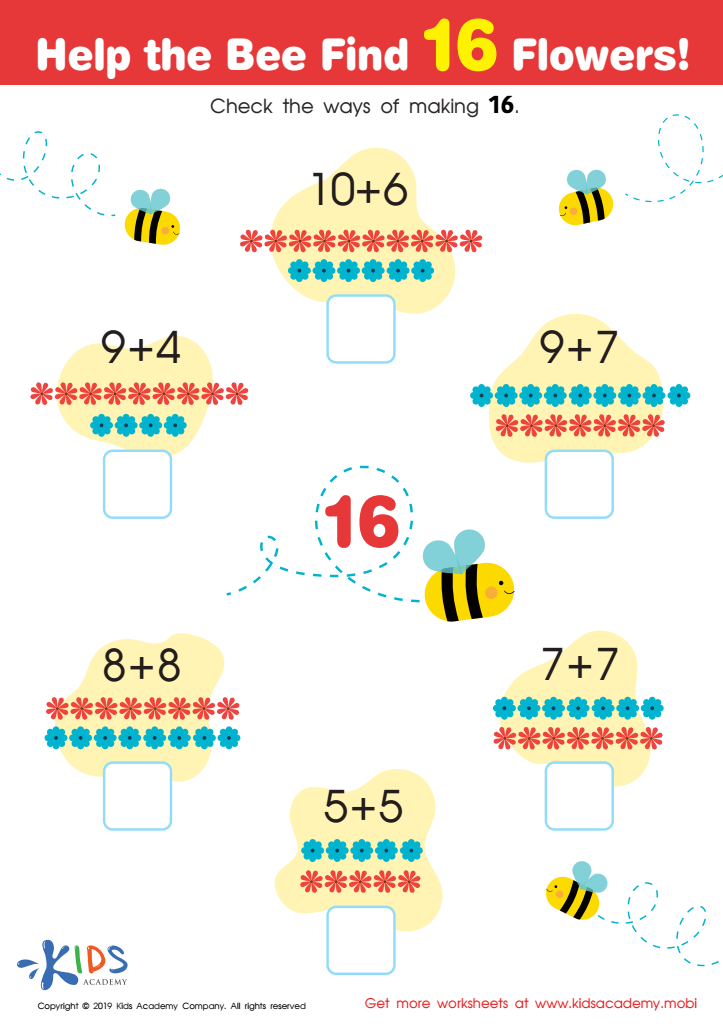
Help the Bee Find 16 Flowers Worksheet
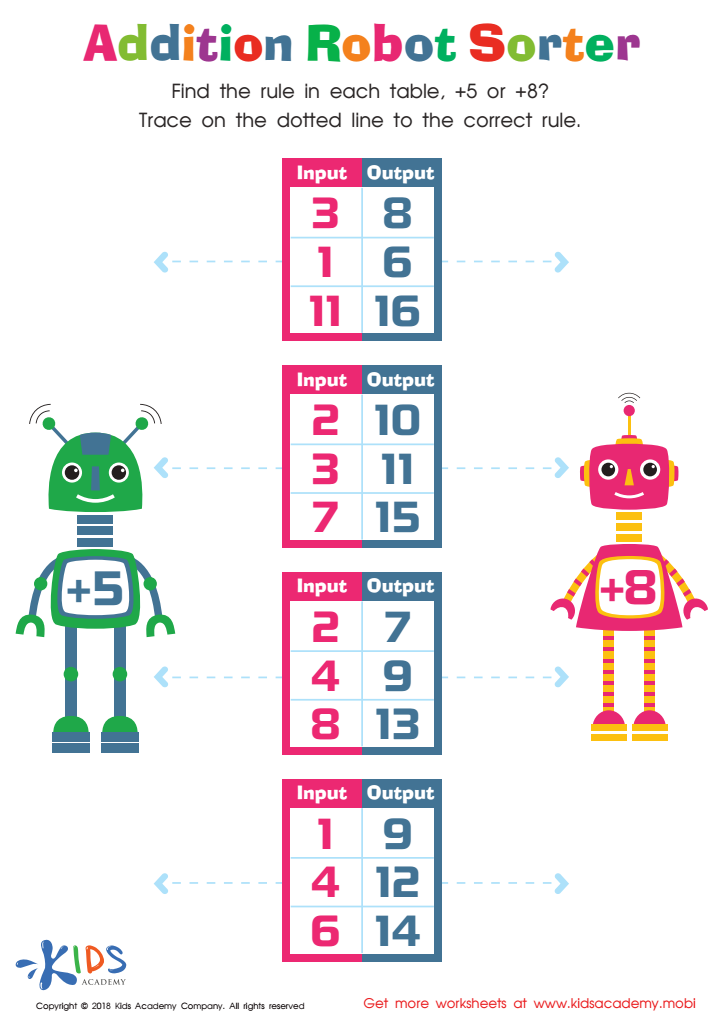
Addition Robot Sorter Worksheet
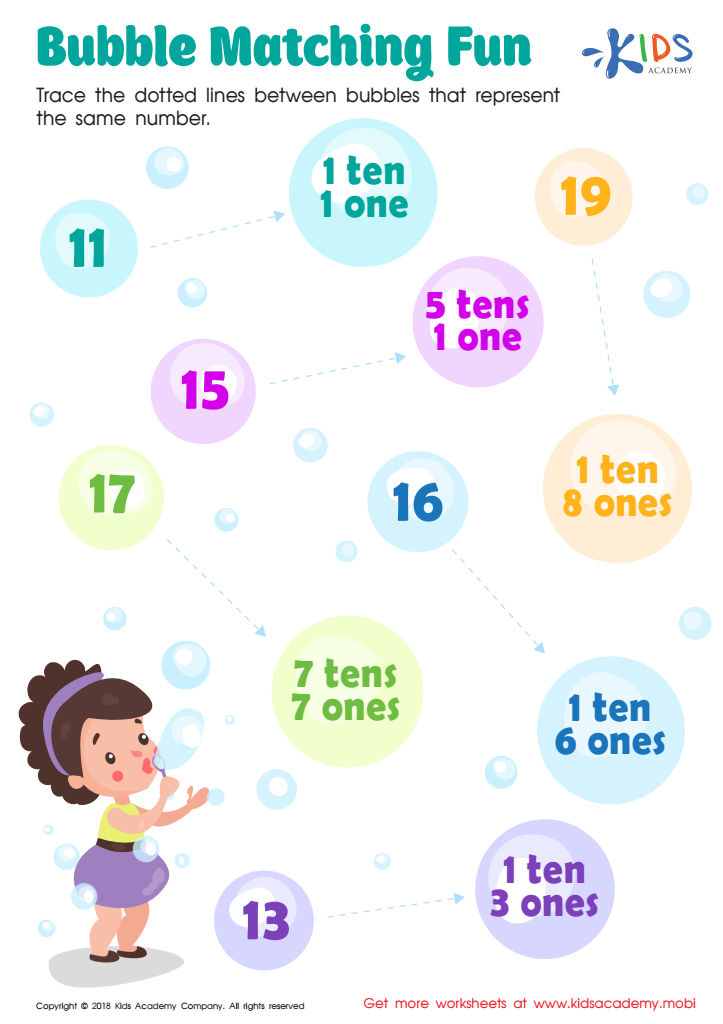
Bubble Matching Fun Worksheet
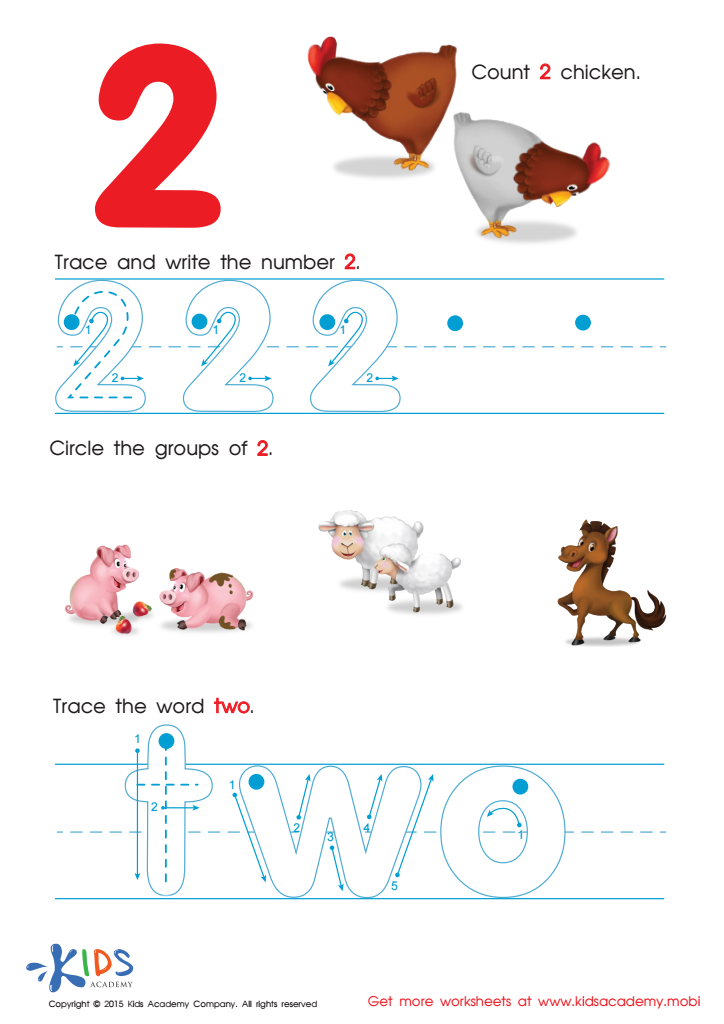
Learn to Write the Number 2 Worksheet
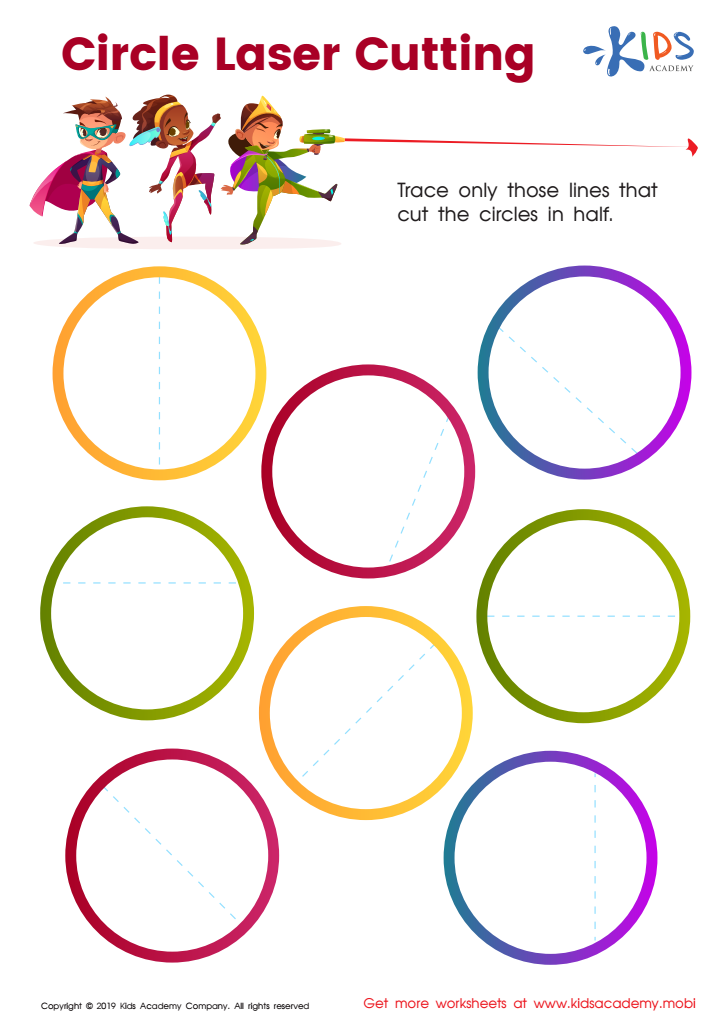
Circle Laser Cutting Worksheet
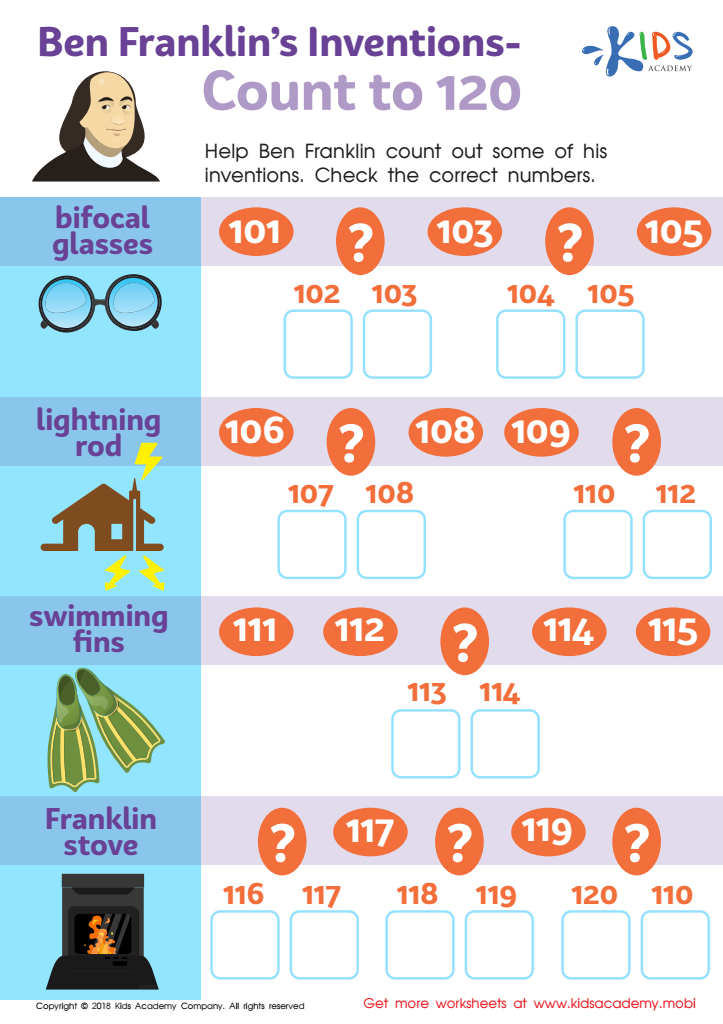
Ben Franklin’s Inventions – Count to 120 Worksheet



.jpg)




Fine motor skills are crucial for young children, especially in the context of learning mathematical concepts. For children ages 5 to 7, developing these skills enhances their ability to manipulate tools and materials in math-related activities. Fine motor skills involve the coordination of small muscles in the hands and fingers, allowing children to perform tasks like writing, cutting, and manipulating small objects. These abilities are essential for performing tasks like counting using manipulatives, drawing shapes, and adhering to basic geometric concepts.
Parents and teachers should care about fine motor skills because they provide the foundation for more complex math topics. Children with well-developed fine motor skills can write numbers clearly, use rulers accurately, and manage math tools like scissors and glue efficiently. Enhanced fine motor abilities also promote focus and perseverance, which are vital during math instruction.
Moreover, fostering fine motor skills through engaging activities, such as crafting or playing with building toys, makes learning enjoyable and less daunting. Engaging in these practices supports a holistic approach to learning, preparing children not just for math but for overall academic success. Investing time and resources to cultivate these skills ultimately nurtures a love for learning and instills confidence in children as they navigate their educational journey.








