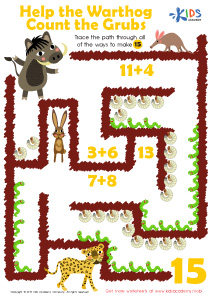
Normal Subtraction Worksheets for Ages 5-7
19 filtered results
-
From - To
Introduce young learners to the fundamental skill of subtraction with our engaging worksheets designed for ages 5-7. At Kids Academy, our high-quality materials provide a fun and structured way for children to develop their mathematical abilities seamlessly. Focusing on normal subtraction, these worksheets are packed with vibrant visuals and interactive exercises that cater to the unique learning needs of early graders. Whether they are at home or in class, kids will enjoy solving problems while building confidence in their subtraction mastery. Download now to support your child’s journey towards math proficiency with our expertly crafted resources!
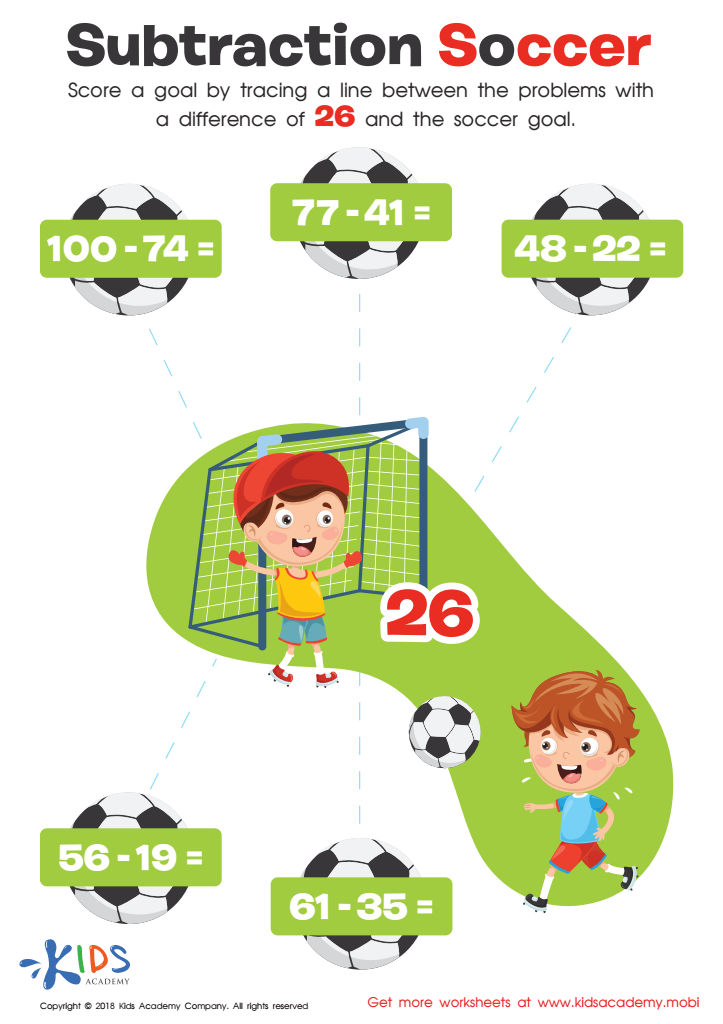
Subtraction Soccer Worksheet
 Assign to My Students
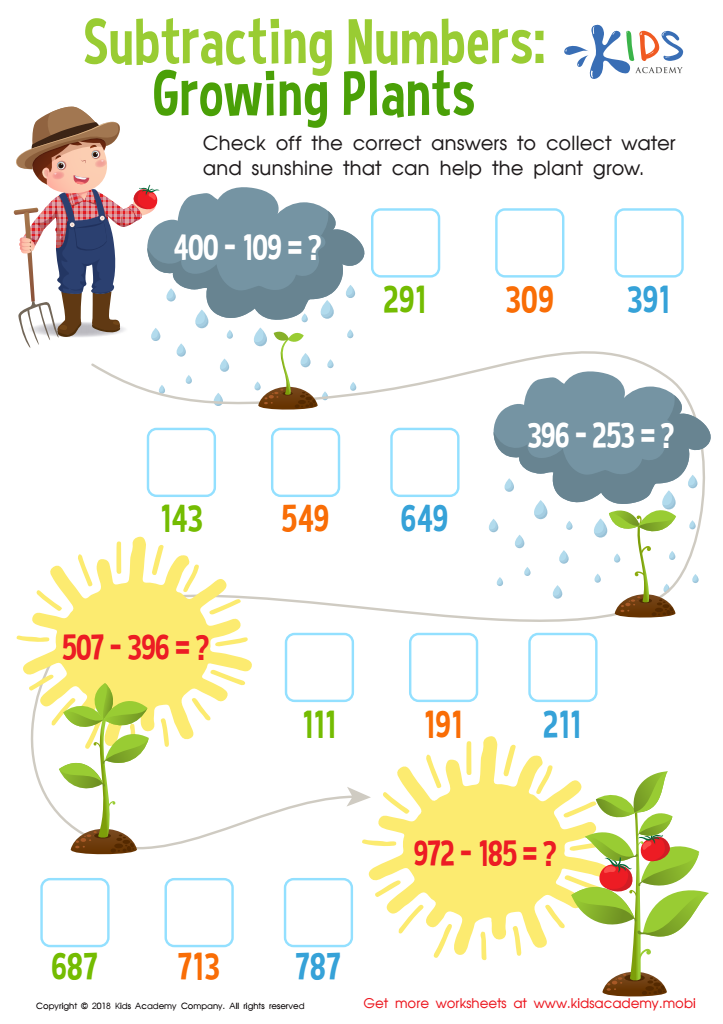
Subtracting Numbers: Growing Plants Worksheet
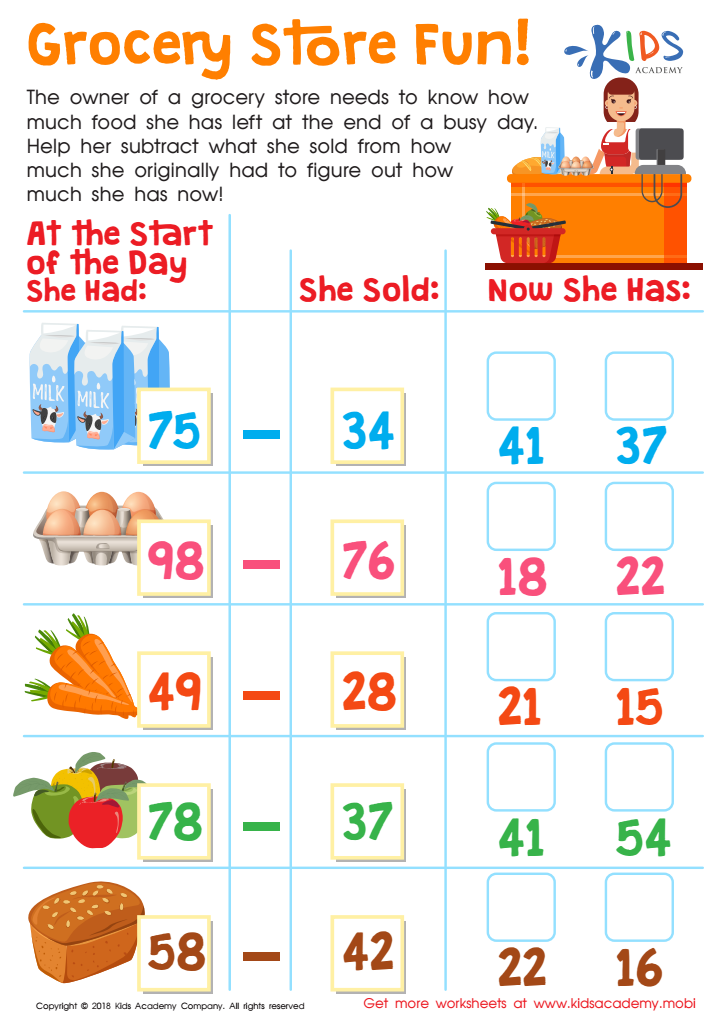
Grocery Store Fun! Worksheet
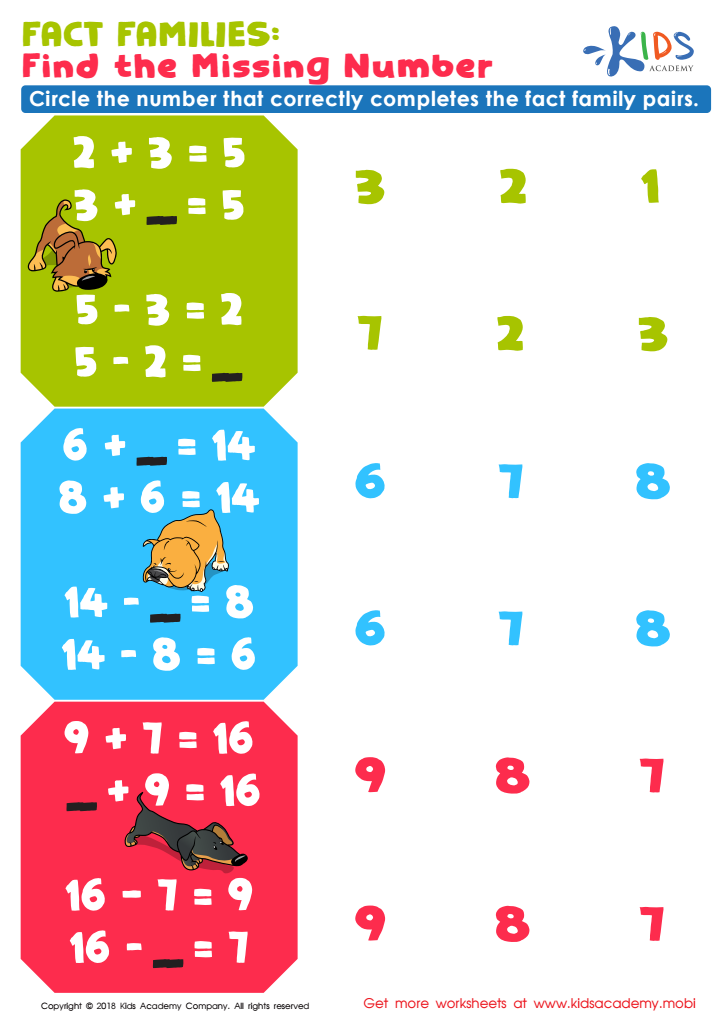
Fact Families: Find Missing Number Worksheet
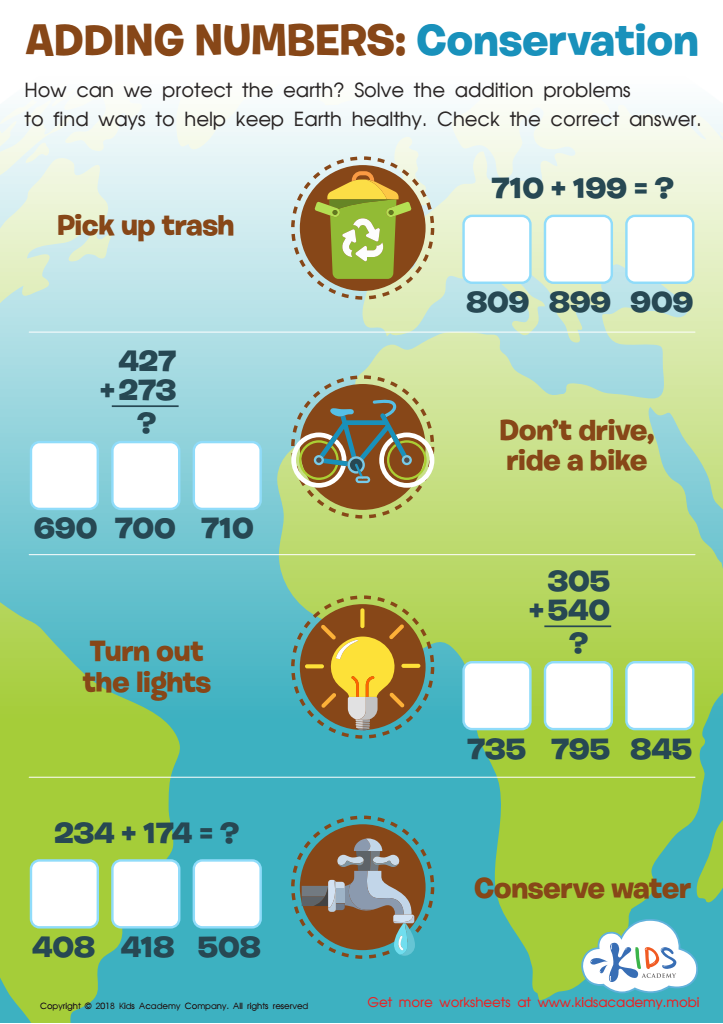
Adding Numbers: Conservation Worksheet
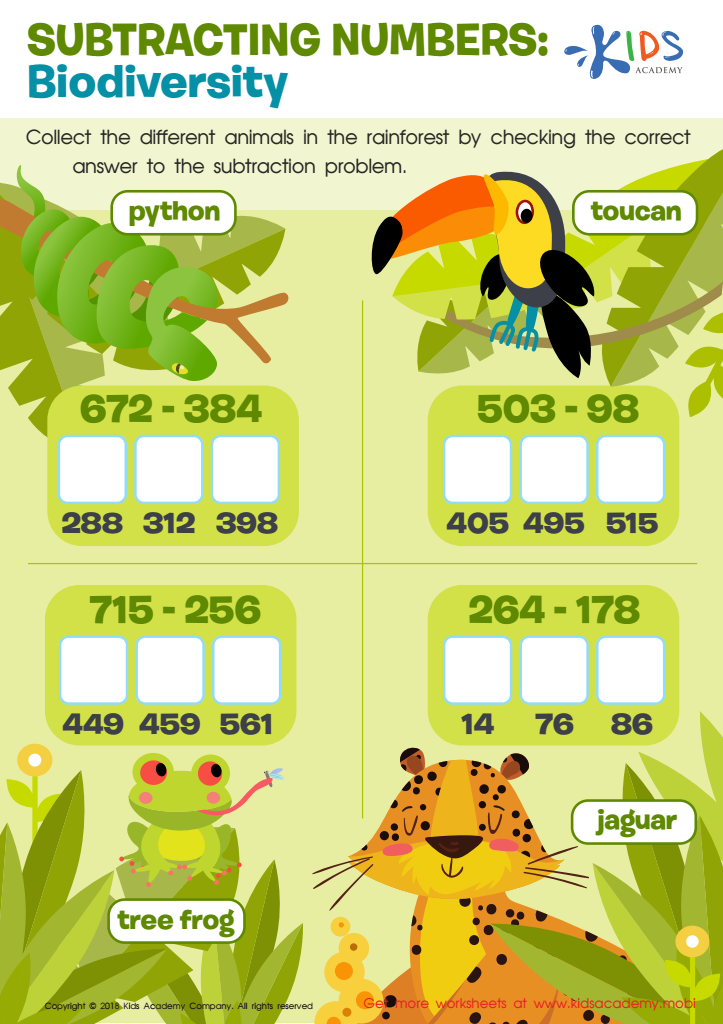
Subtracting Numbers: Biodiversity Worksheet
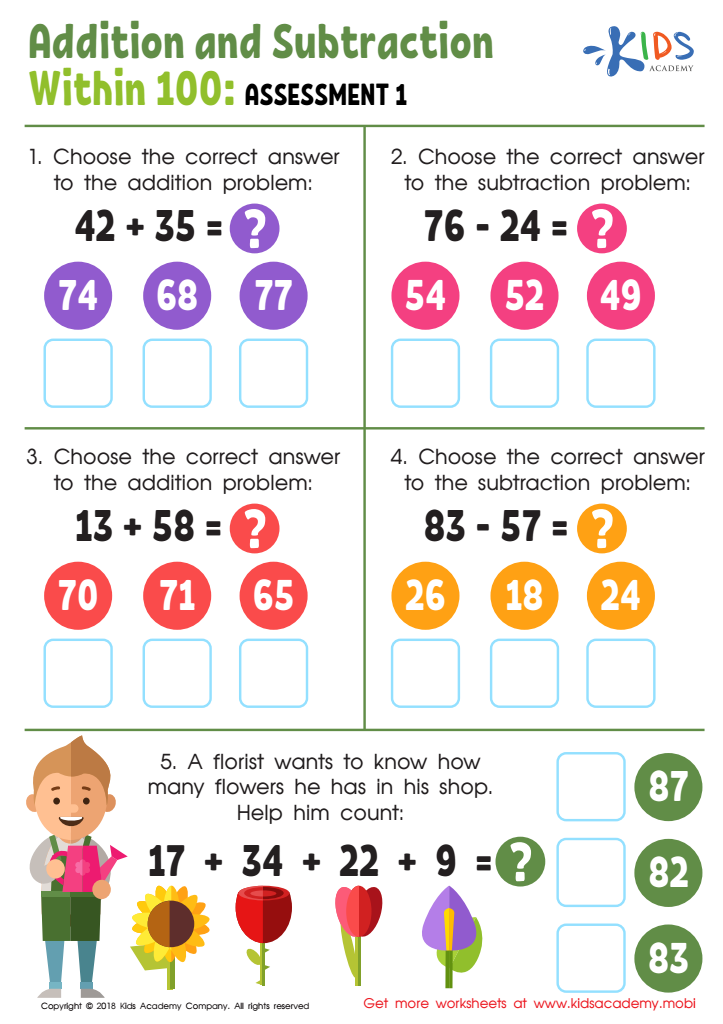
Addition and Subtraction Within 100 Worksheet
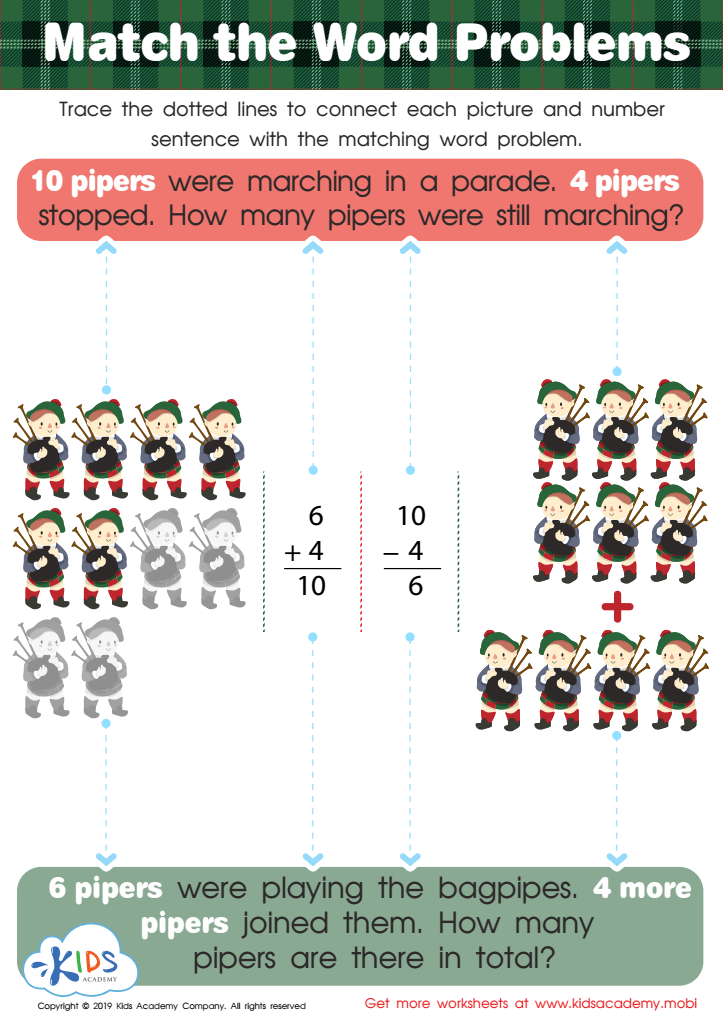
Match the Word Problems Worksheet
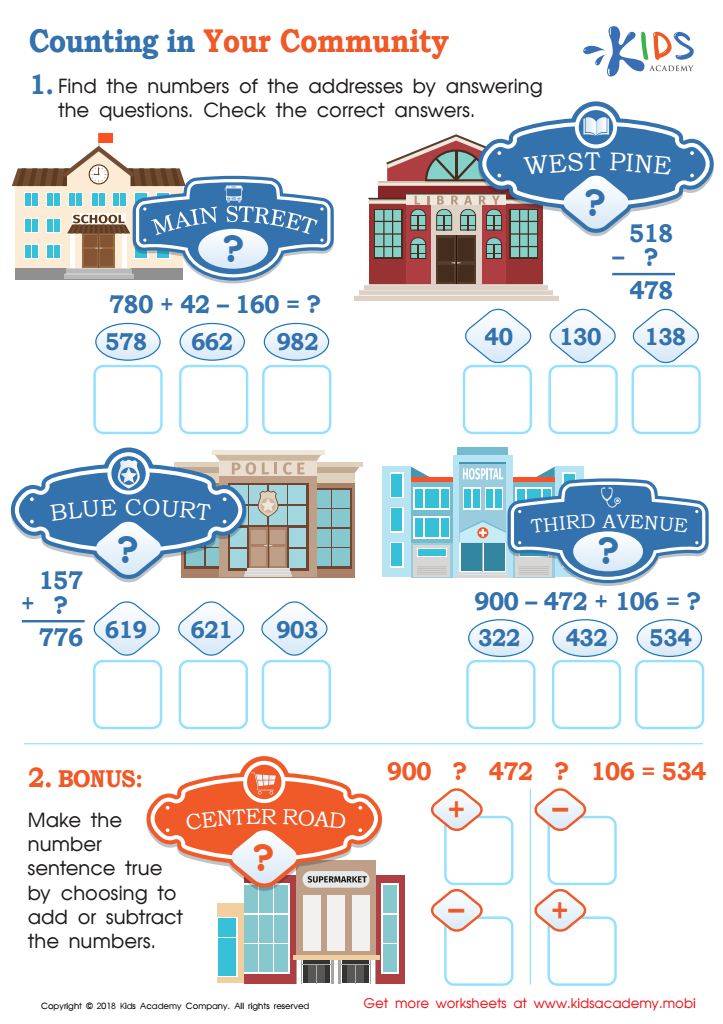
Counting in Your Community Worksheet
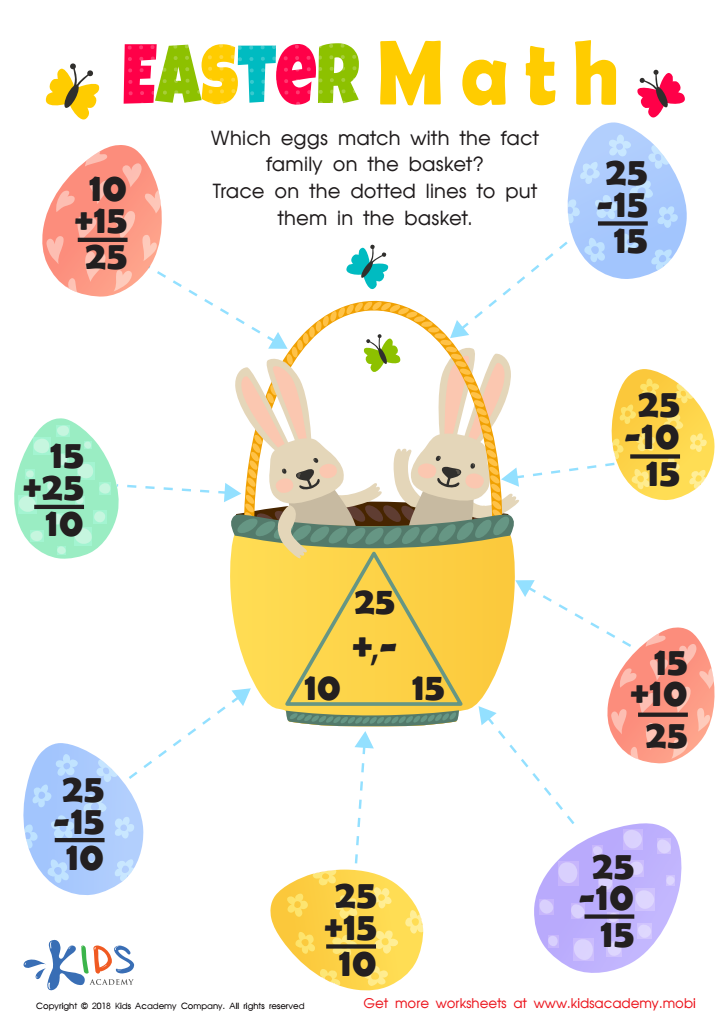
Fact Families: Easter Math Worksheet
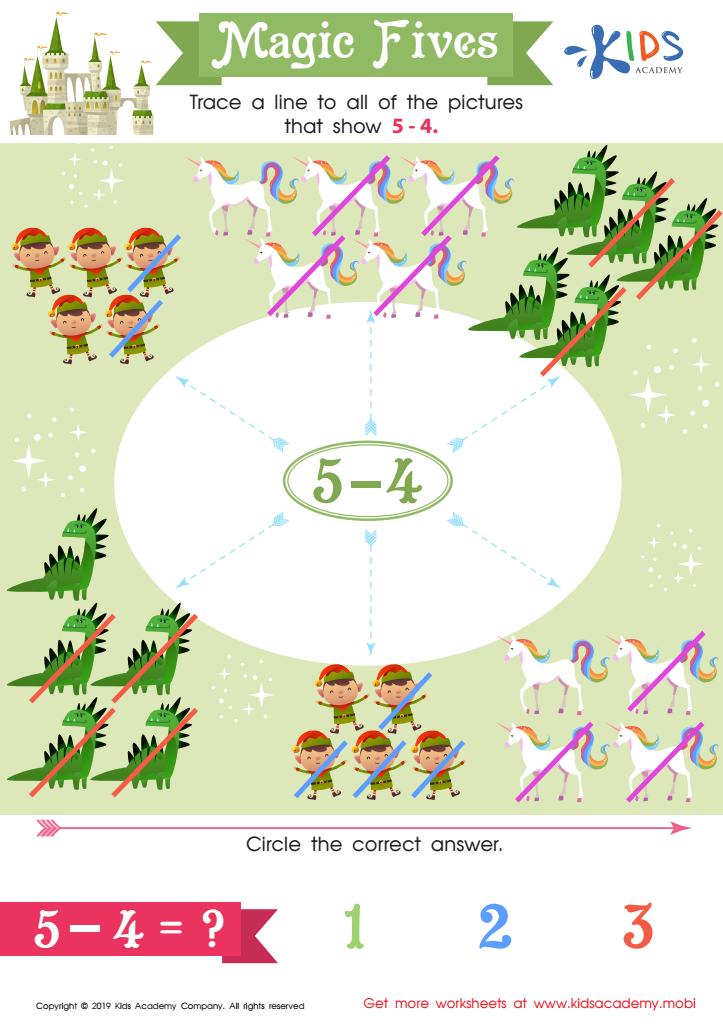
Magic Fives Worksheet
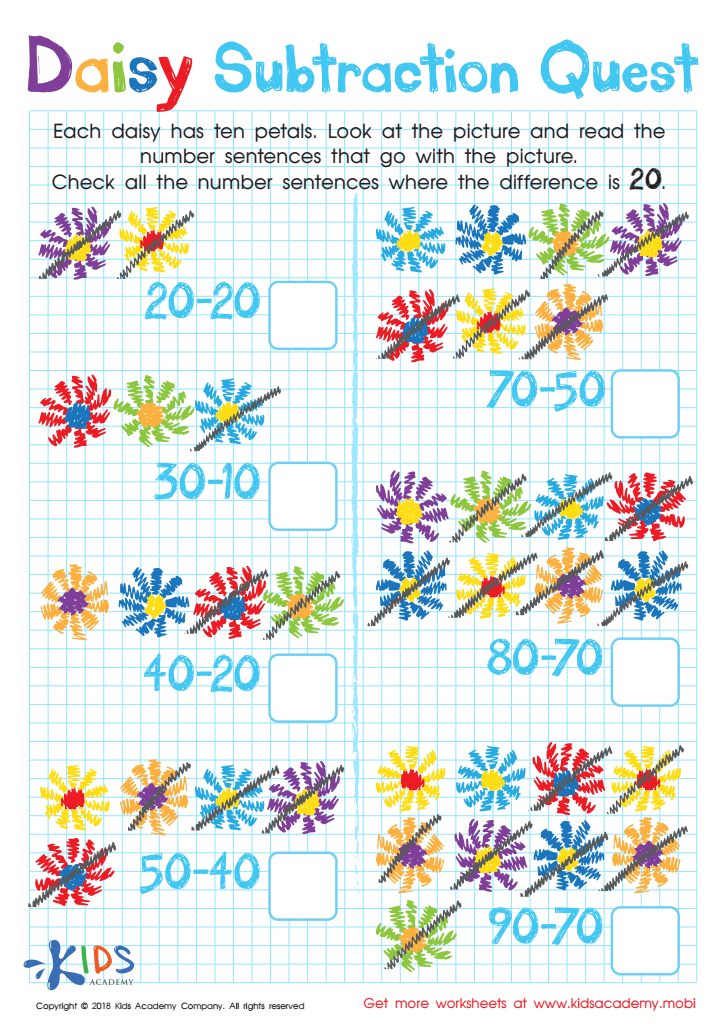
Daisy Subtraction Quest Worksheet
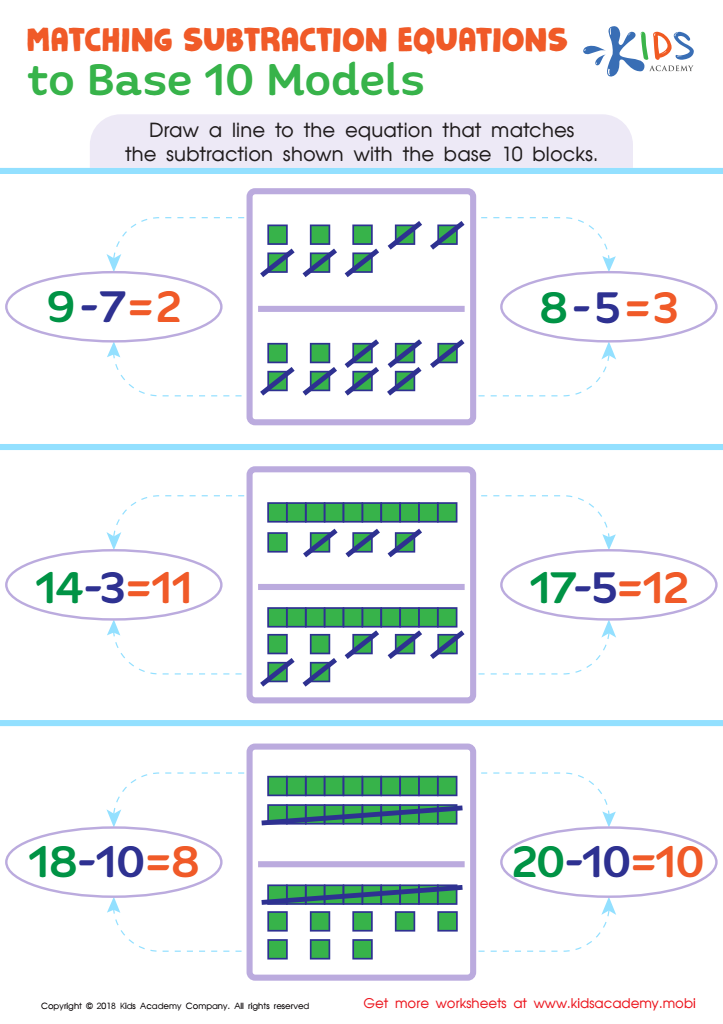
Matching Subtraction Equations To Base 10 Models Worksheet
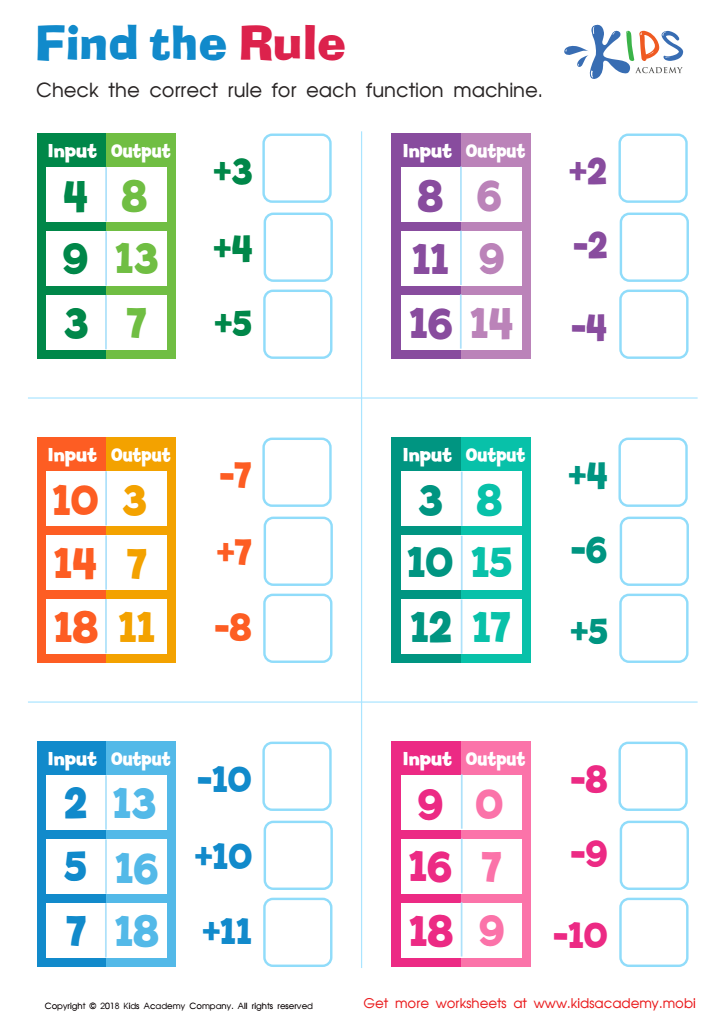
Find the Rule Worksheet
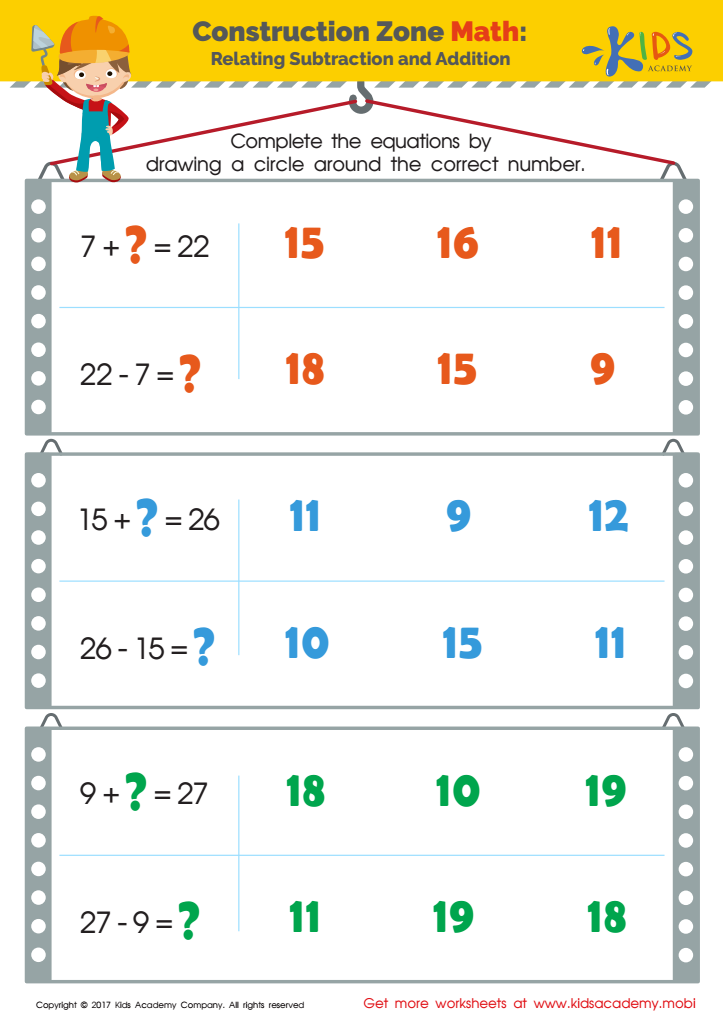
Related Addition and Subtraction Facts Worksheet
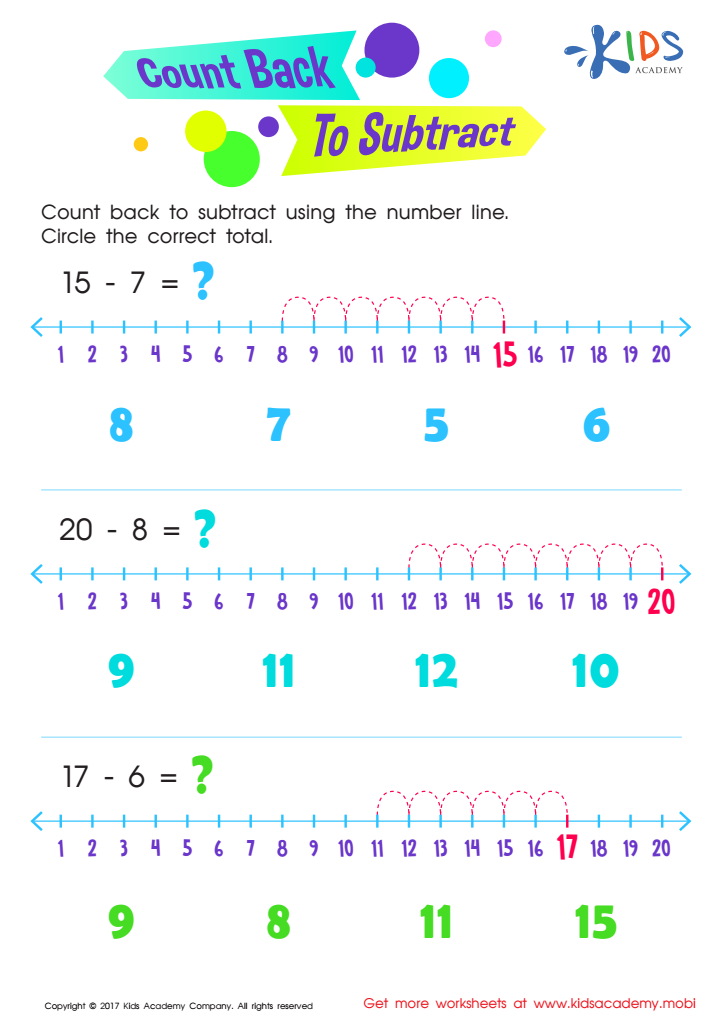
Count Back to Subtract Substraction Worksheet
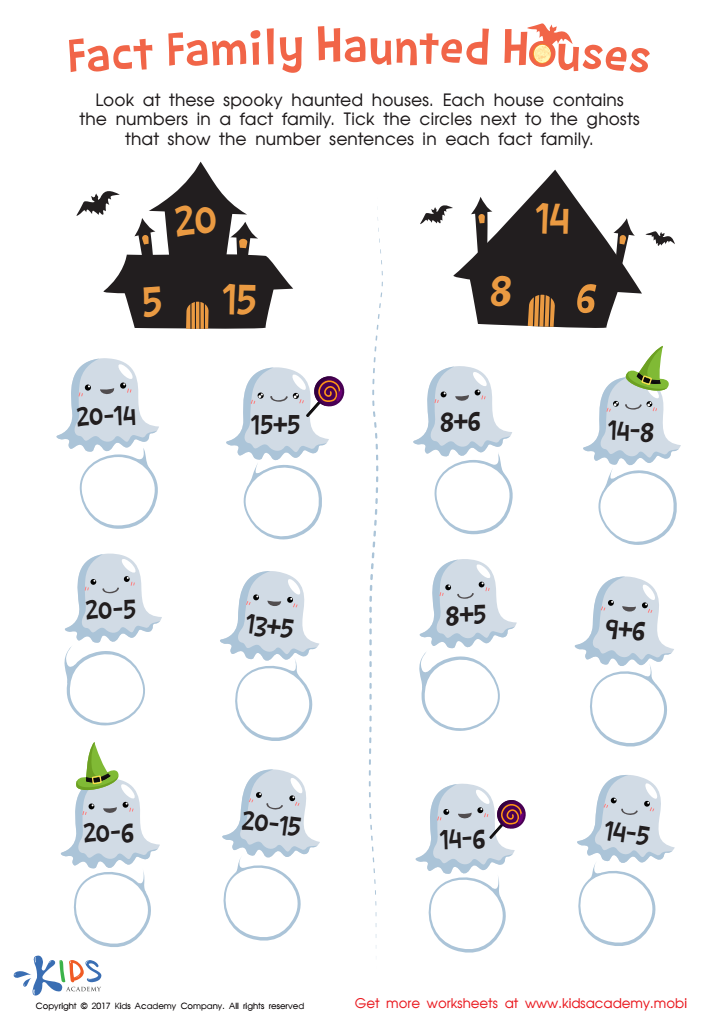
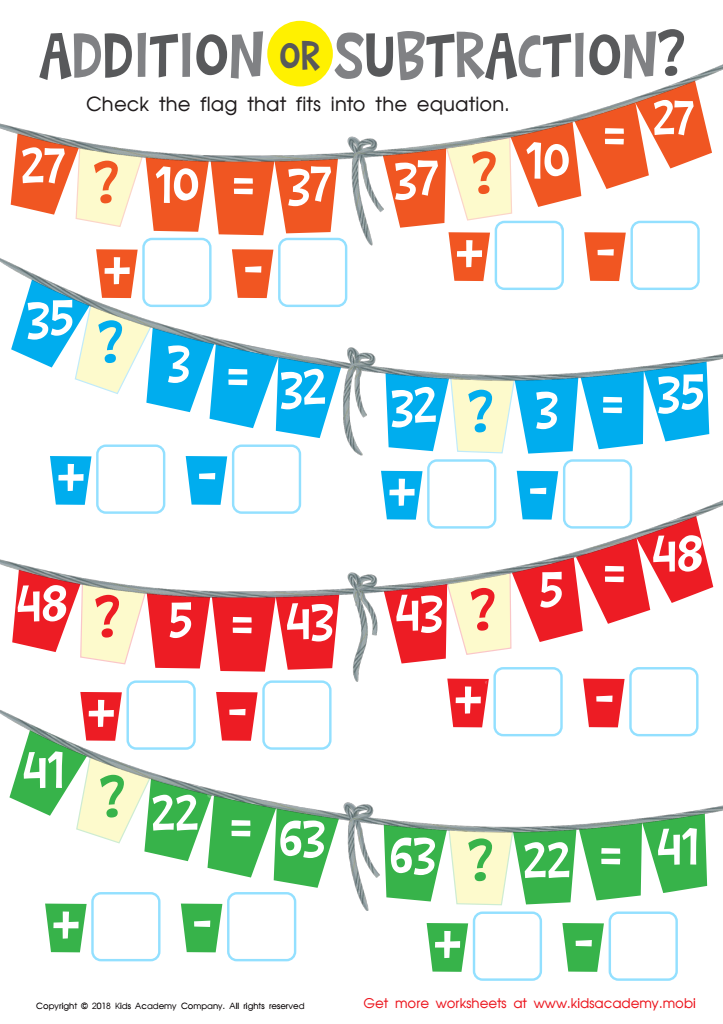
Addition or Subtraction? Worksheet
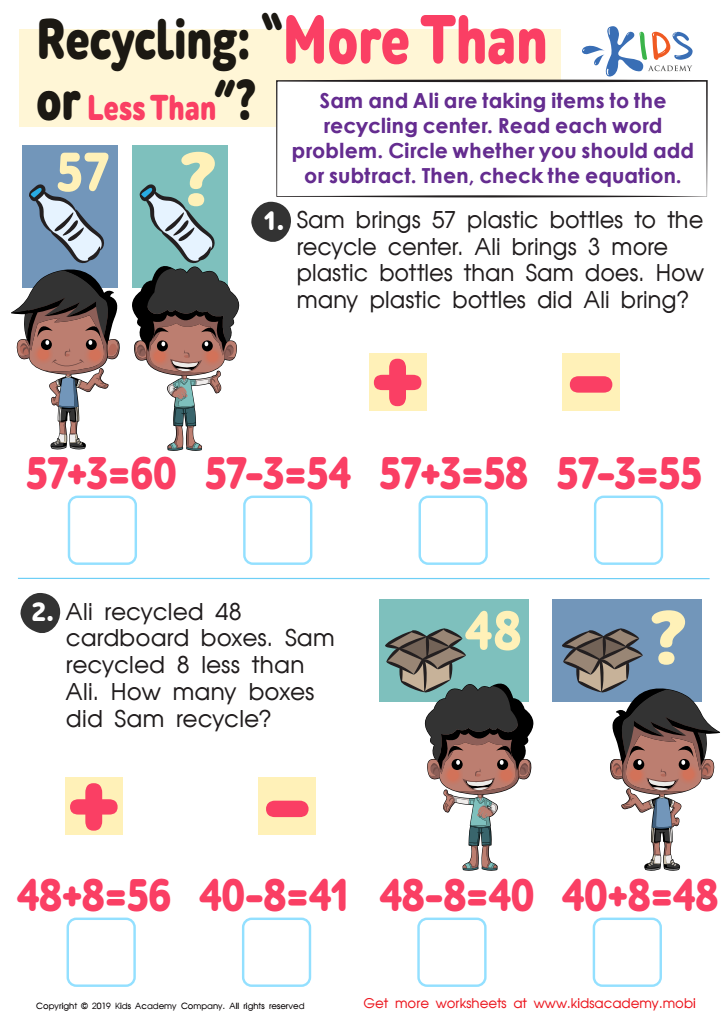
Recycling - More or Less Worksheet








Understanding normal subtraction is a critical foundational skill for children ages 5-7. Parents and teachers should care about this because it forms the basis for early math proficiency, which is essential for more advanced mathematical concepts. At this stage, kids are developing their number sense and learning how numbers relate to one another. By grasping subtraction, they not only learn how to "take away" or "remove" objects but also start understanding the concept of difference and comparison.
Being able to subtract fluently allows children to handle everyday tasks involving numbers, such as counting down time, breaking larger problems into manageable steps, and distributing items fairly among peers. This builds their confidence and problem-solving skills. Additionally, early math skills are strongly linked to academic success in later years. Research shows that early numeracy skills are a strong predictor of later achievement in math and other areas, emphasizing the importance of these skills in early education.
Subtraction also encourages logical thinking and perseverance, as children often need to work through various strategies to find the correct solution. Engaging with subtraction problems helps stimulate their cognitive development, nurturing their ability to think analytically and empathize with multiple perspectives, vital skills in both academic and social contexts.