Normal Worksheets for Ages 5-8 - Page 70
1722 filtered results
-
From - To
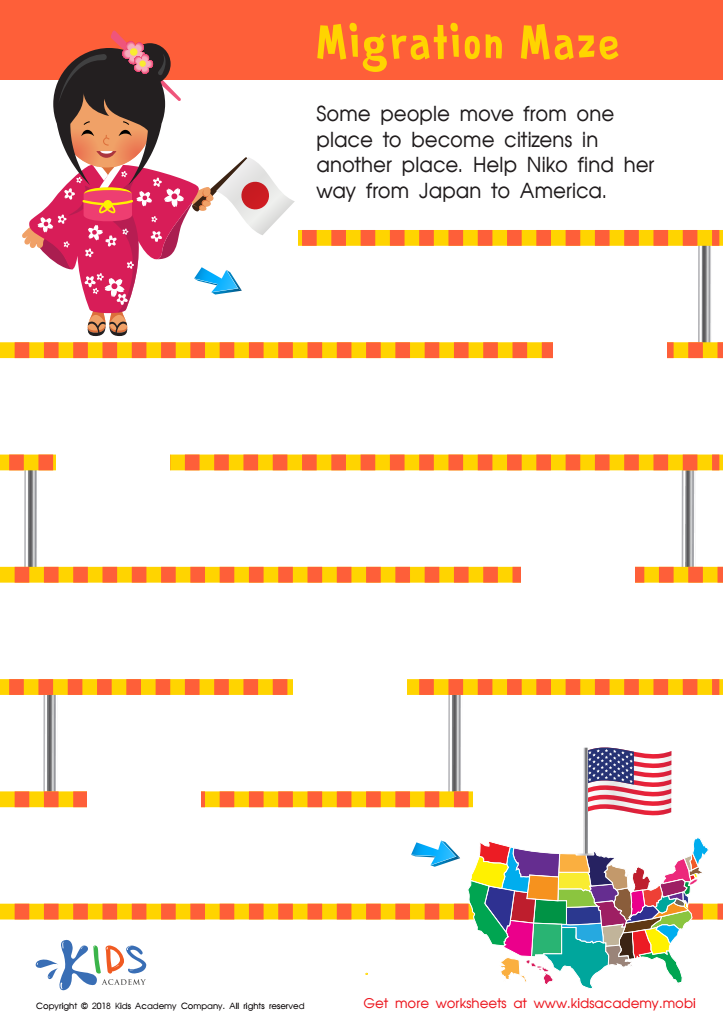
Migration Maze Worksheet
 Assign to My Students
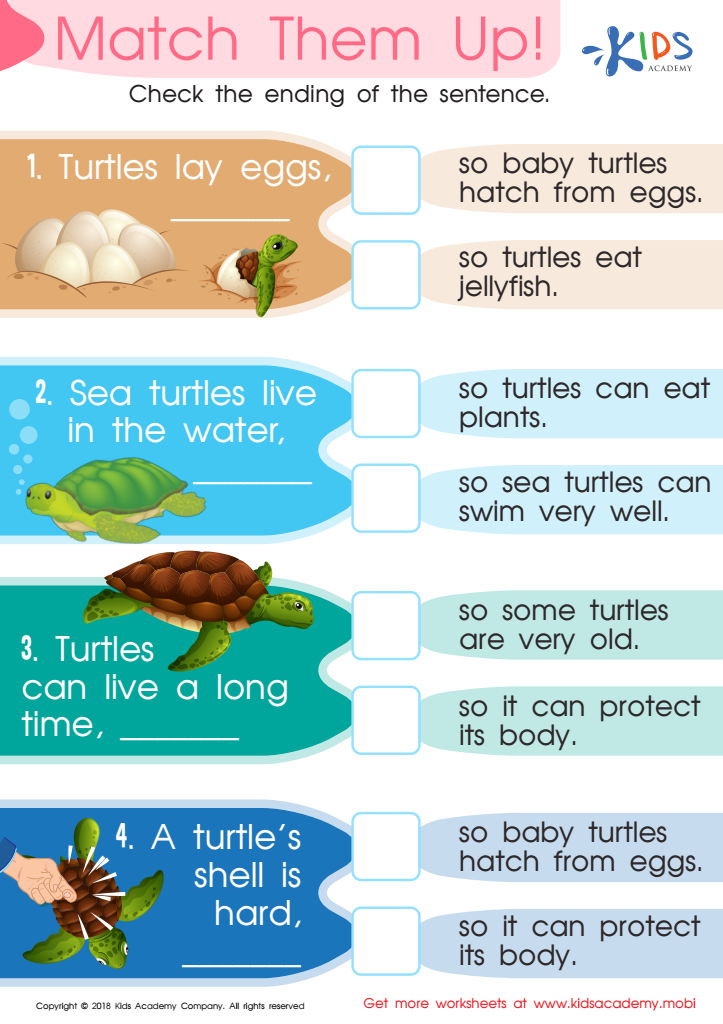
Match Them Up Worksheet
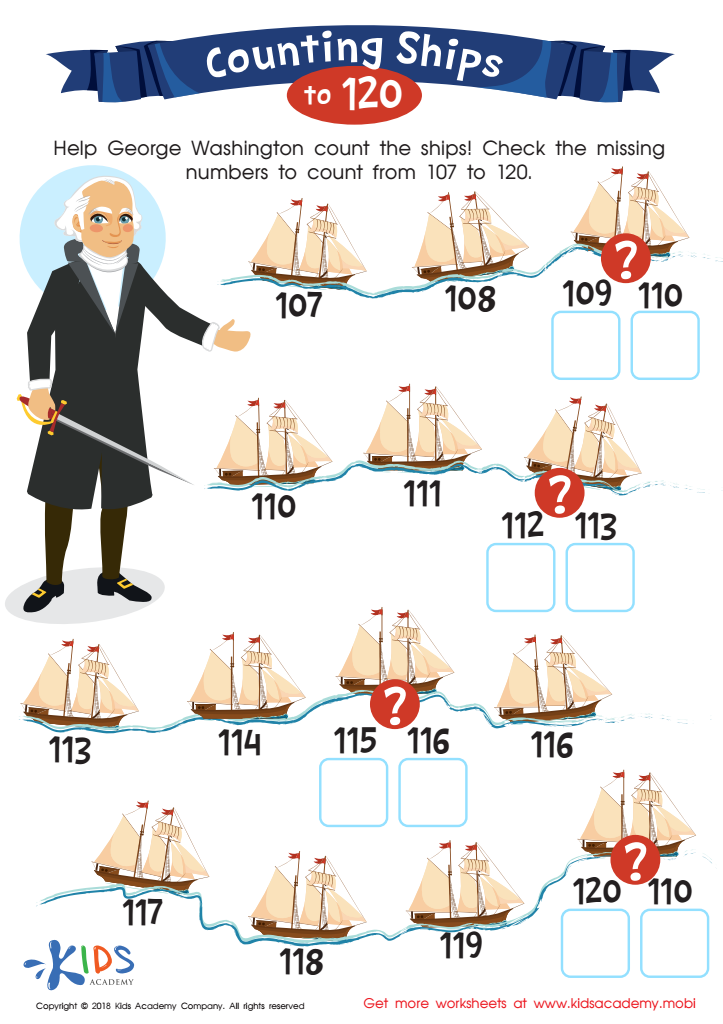
Counting Ships to 120 Worksheet
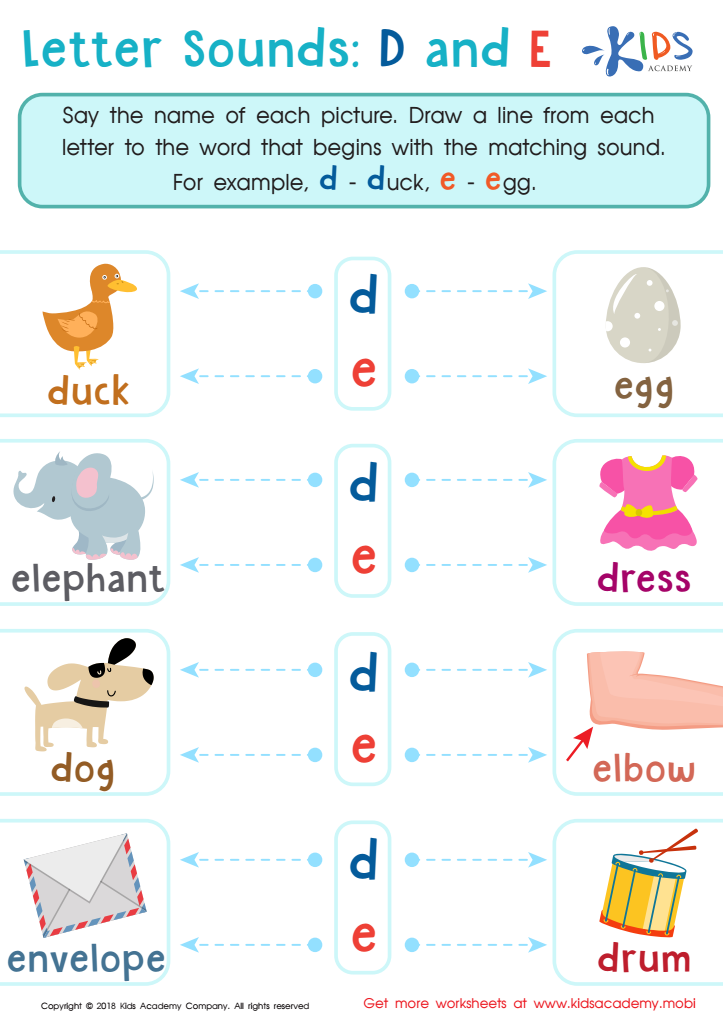
Letter D and E Sounds Worksheet
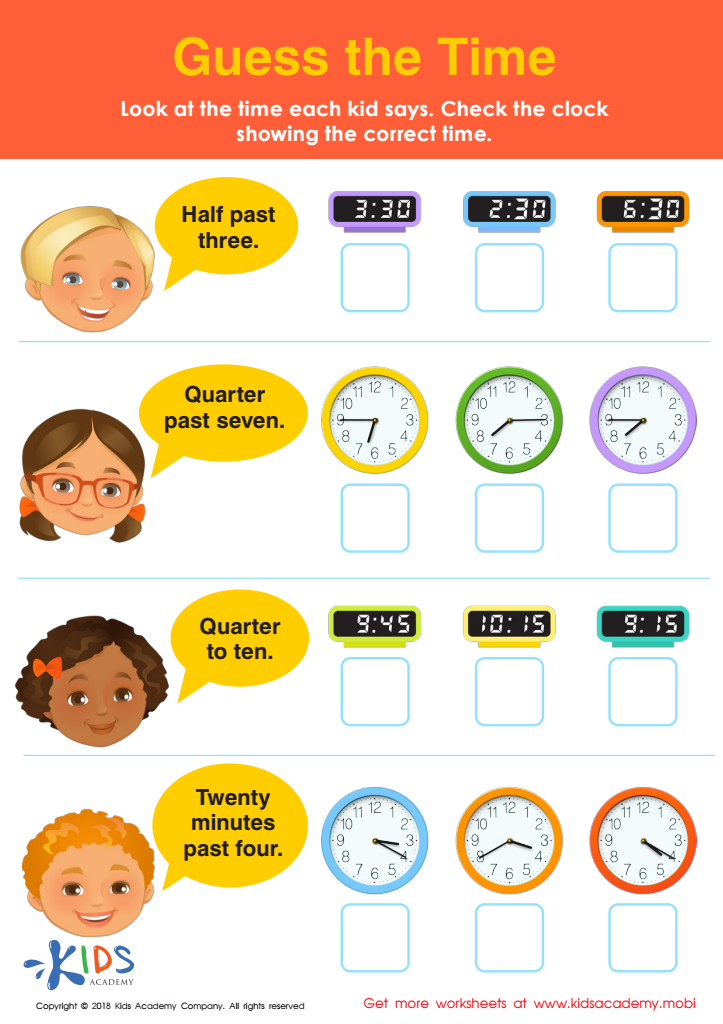
Guess the Time Worksheet
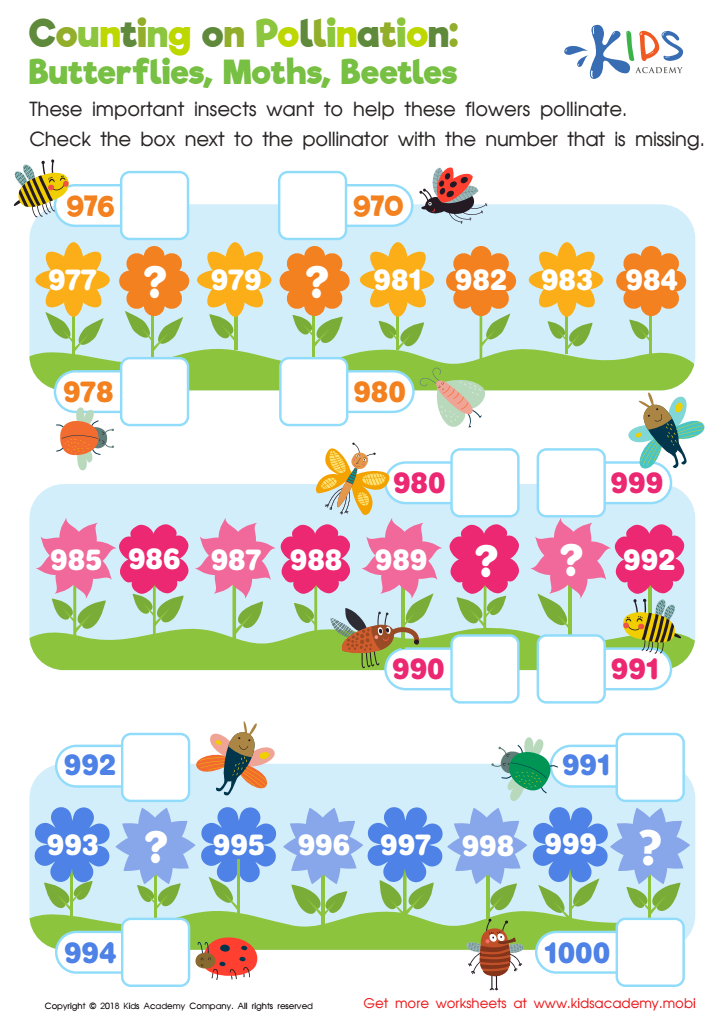
Counting on Pollination: Butterflies, Moths, Beetles Worksheet

Rearrange the Sounds Worksheet
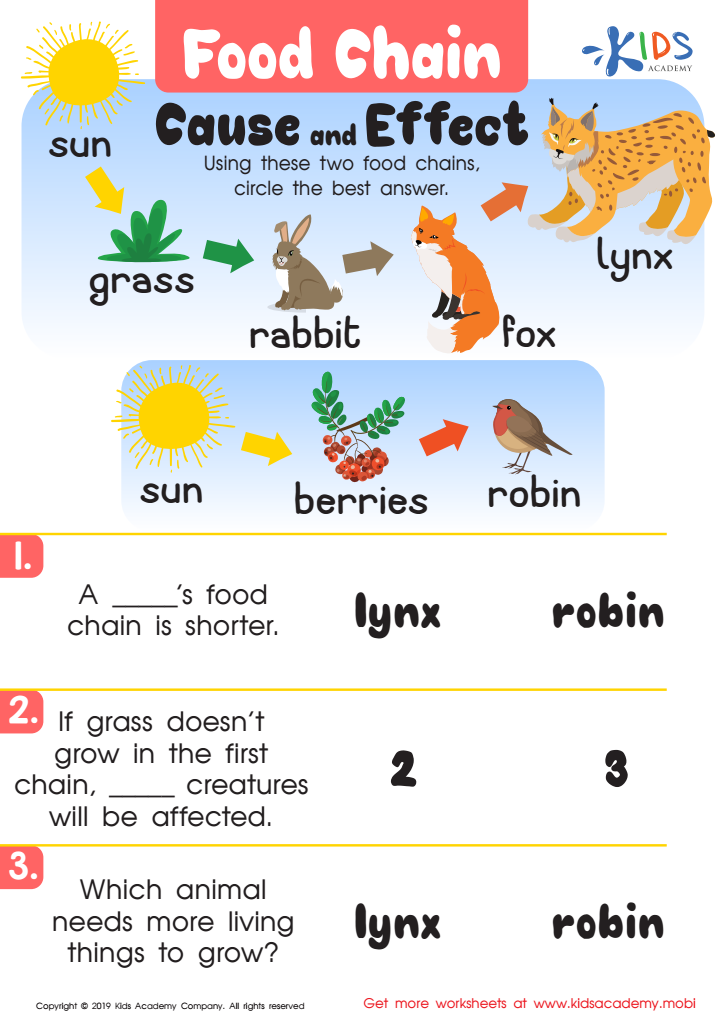
Food Chain Cause Worksheet
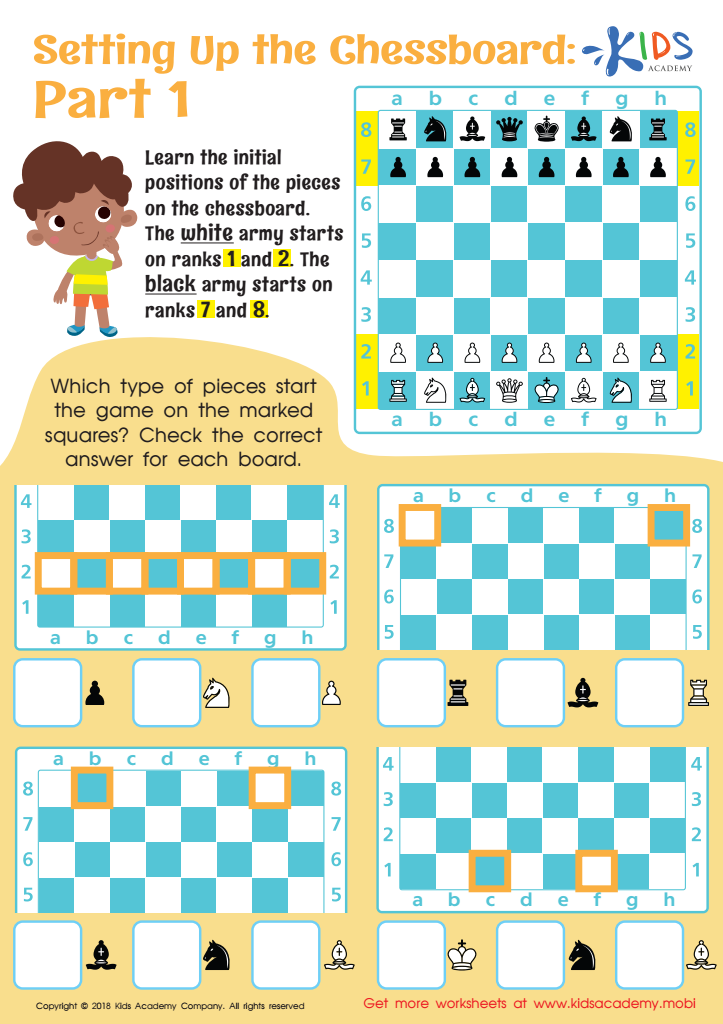
Setting up the Chessboard: Part 1 Worksheet
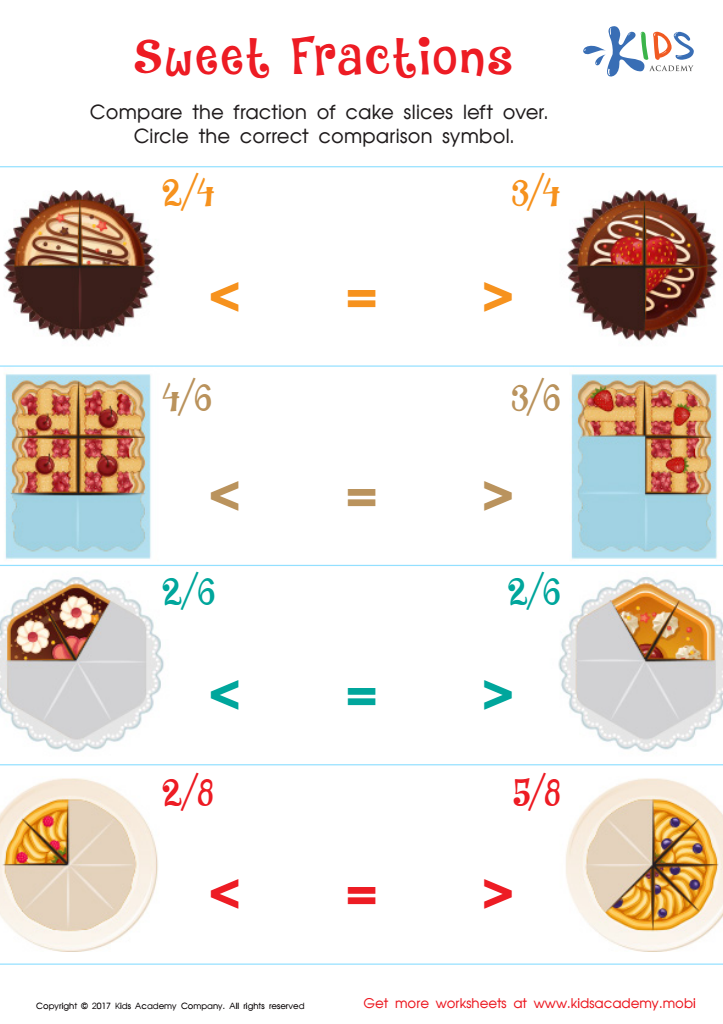
Compare Fractions Worksheet
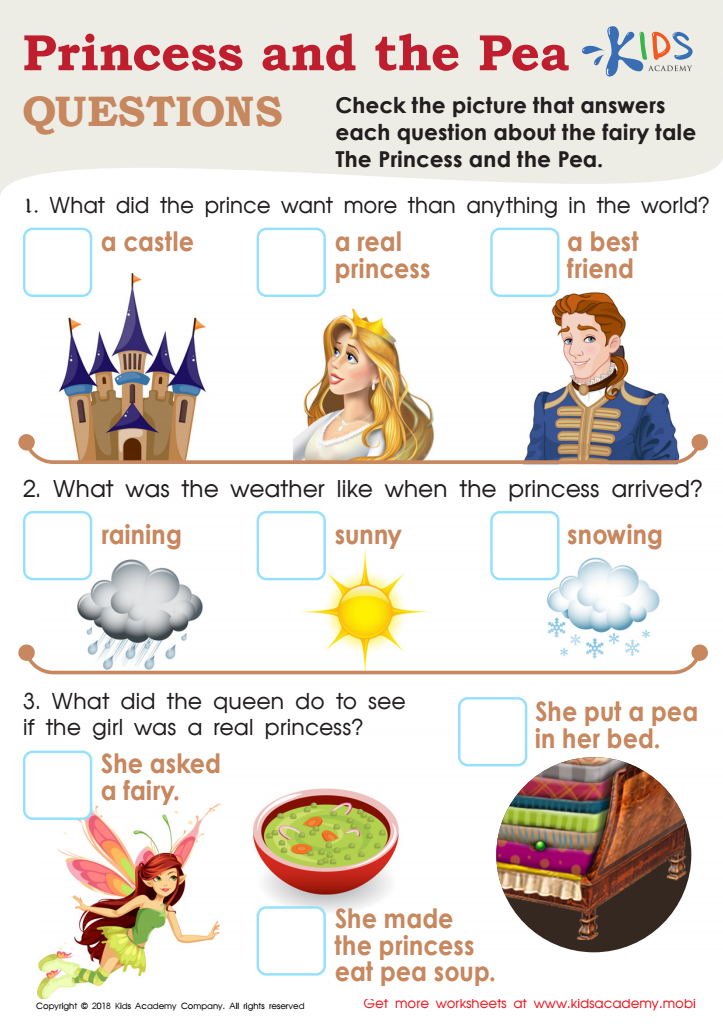
Princess and the Pea Questions Worksheet
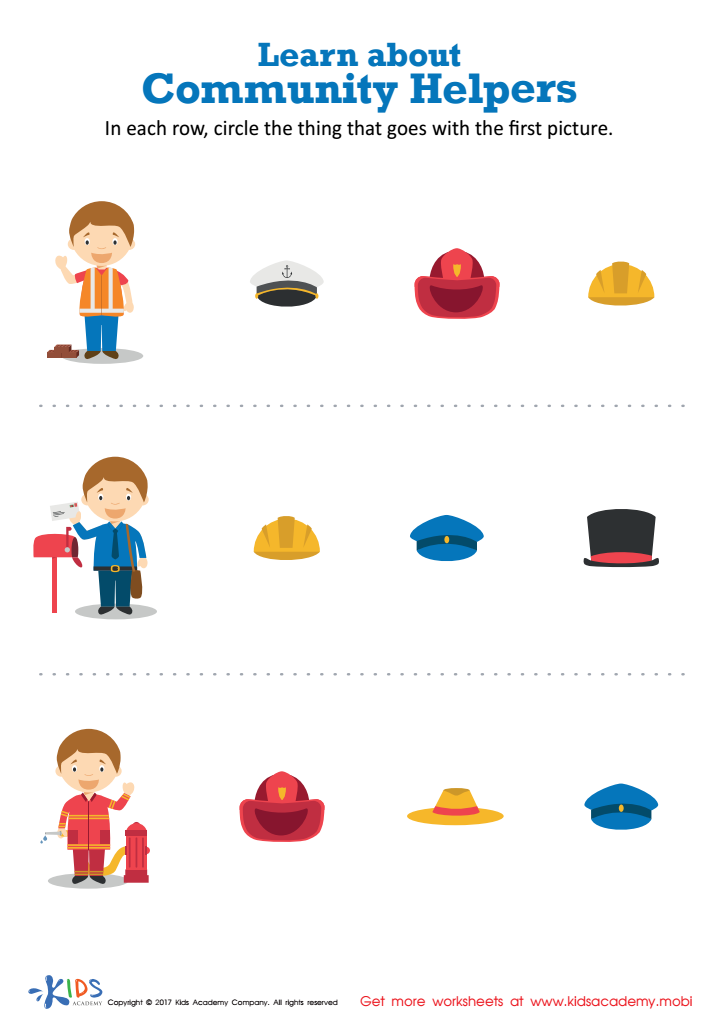
Learn about Community Helpers Printable
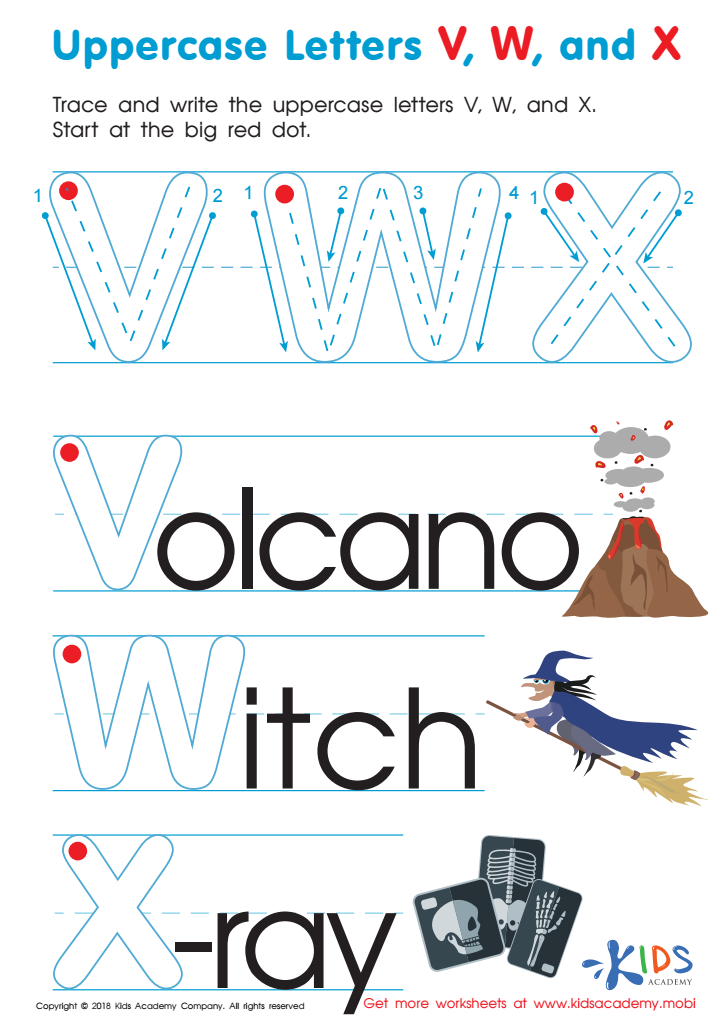
Uppercase Letters V, W, and X Worksheet
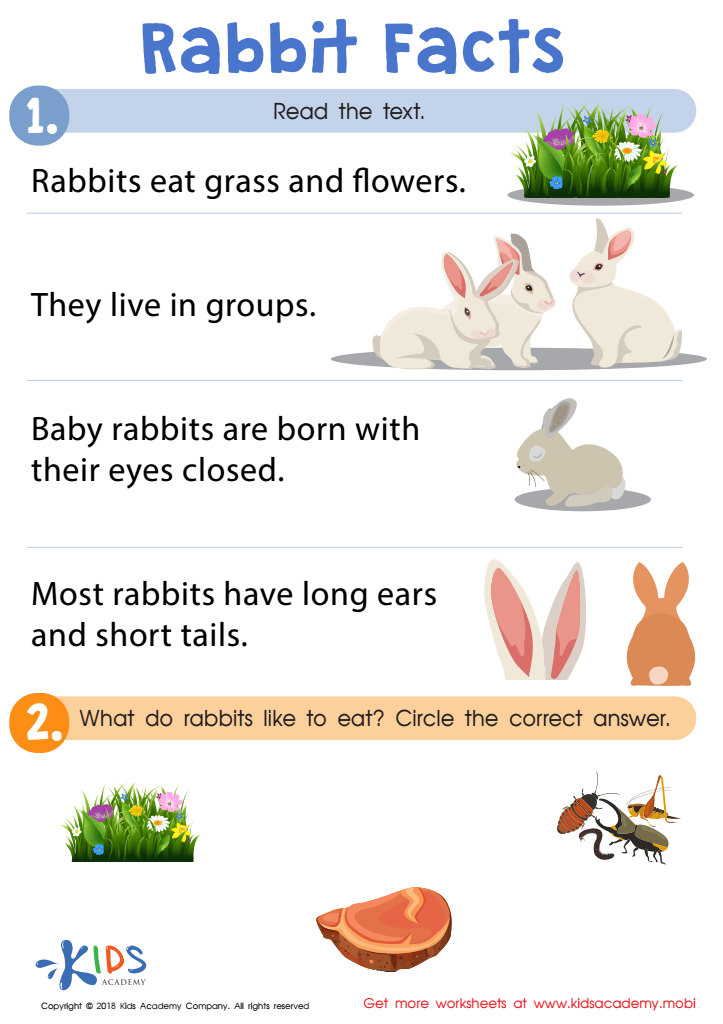
Rabbit Facts Worksheet
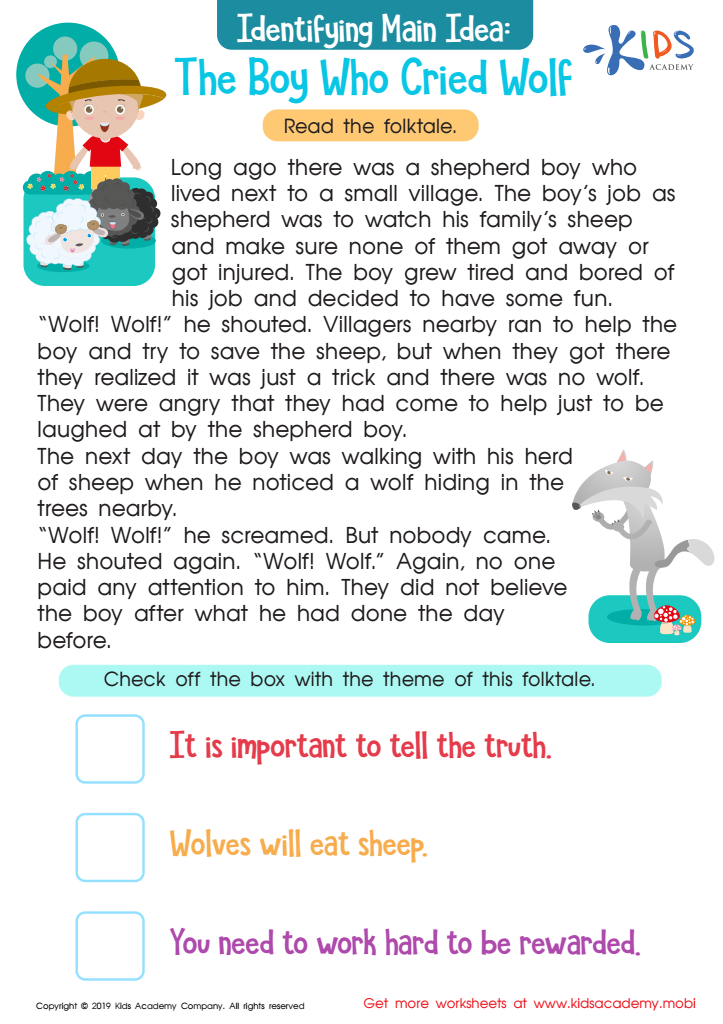
The Boy Who Cried Wolf Part 2 Worksheet
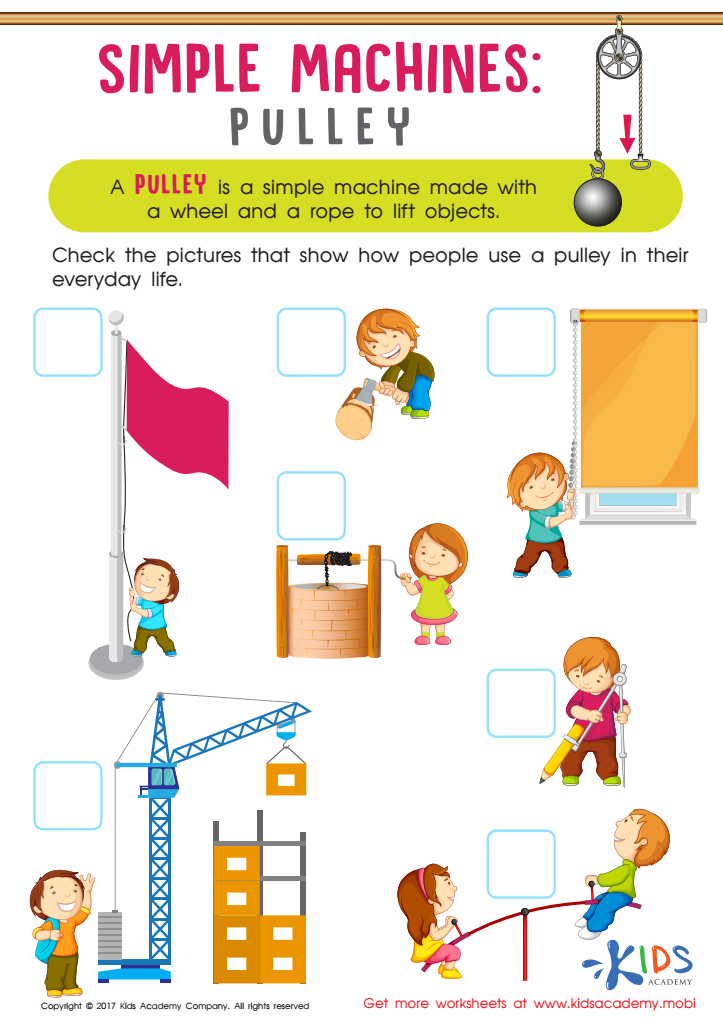
Simple Machines Pulley Worksheet
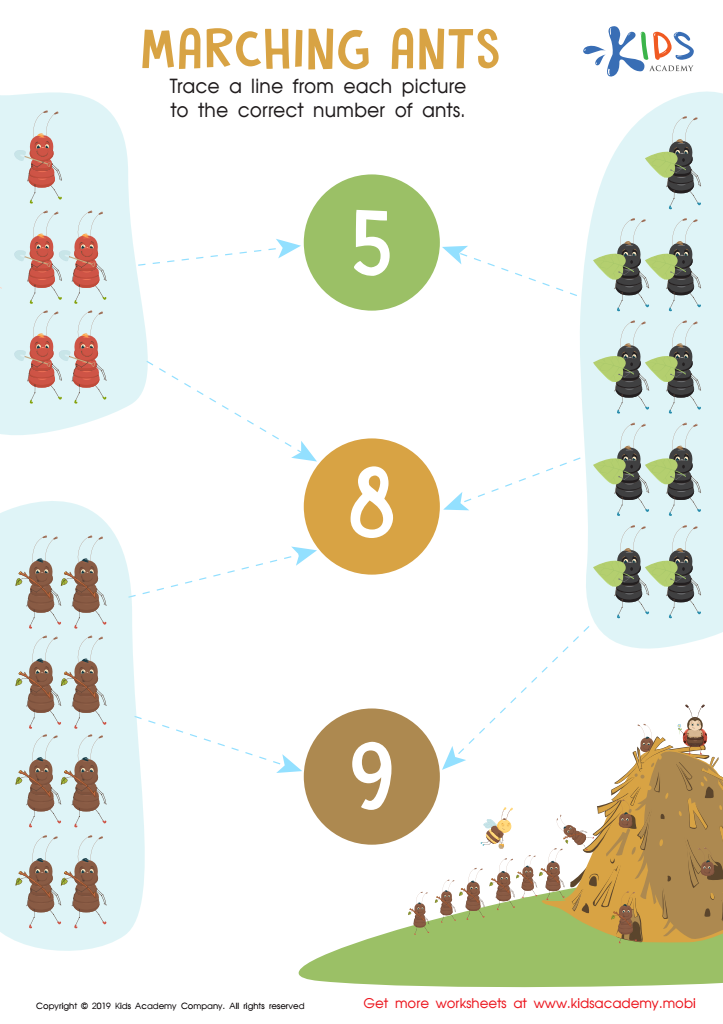
Marching Ants Worksheet
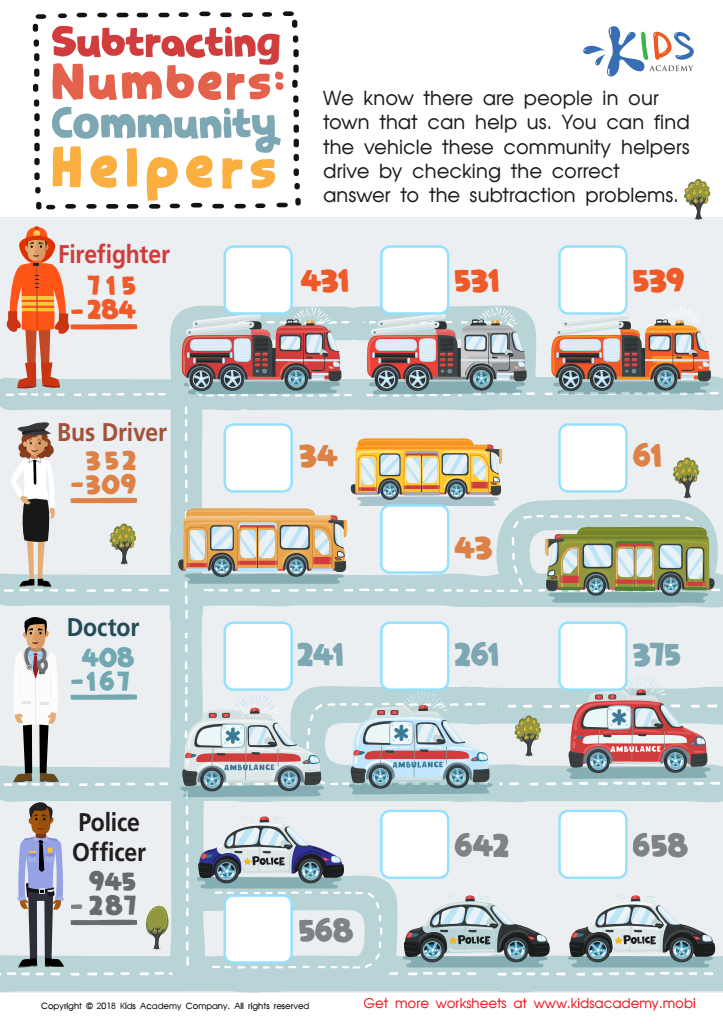
Subtracting Numbers: Community Helpers Worksheet

Hemispheres Worksheet
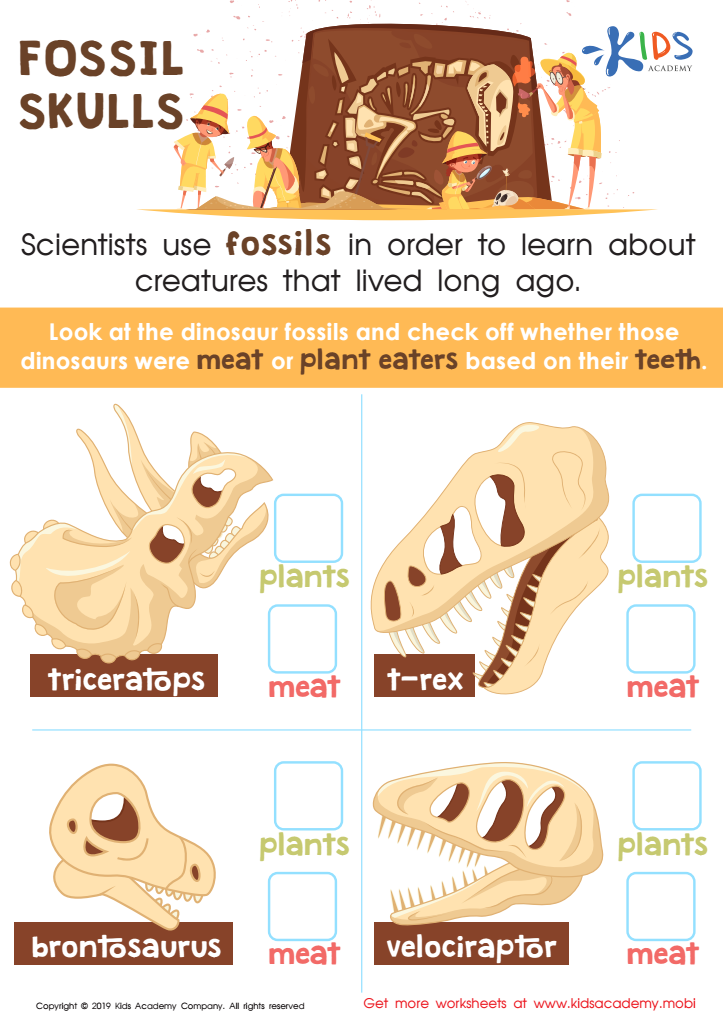
Fossil Skulls Worksheet

Noisy Maze Worksheet
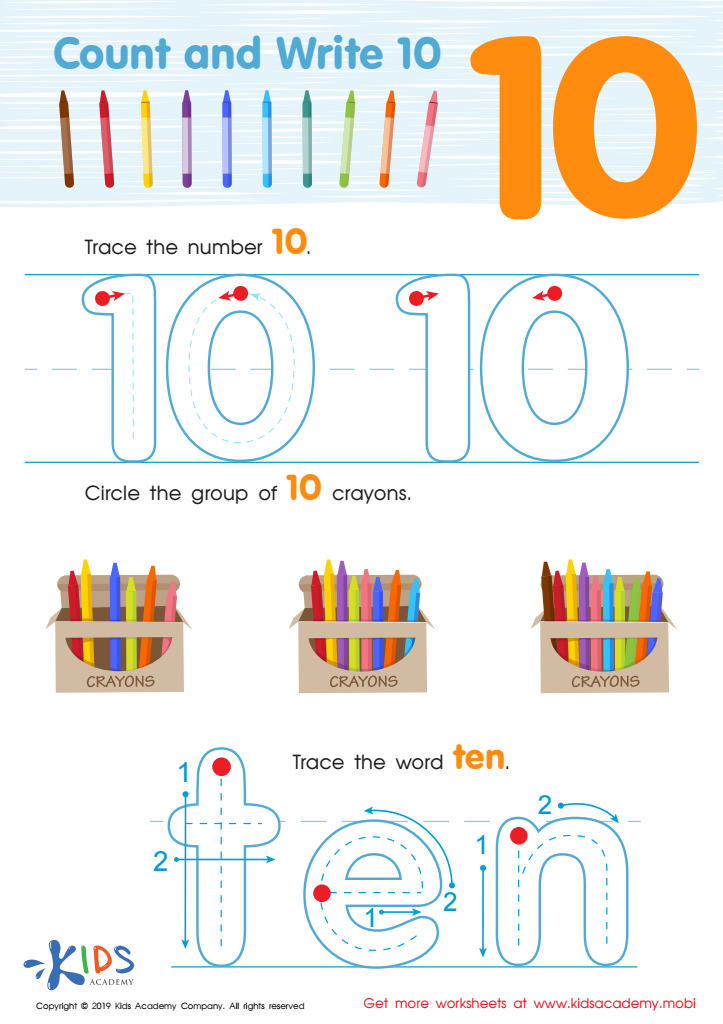
Count and Write 10 Worksheet
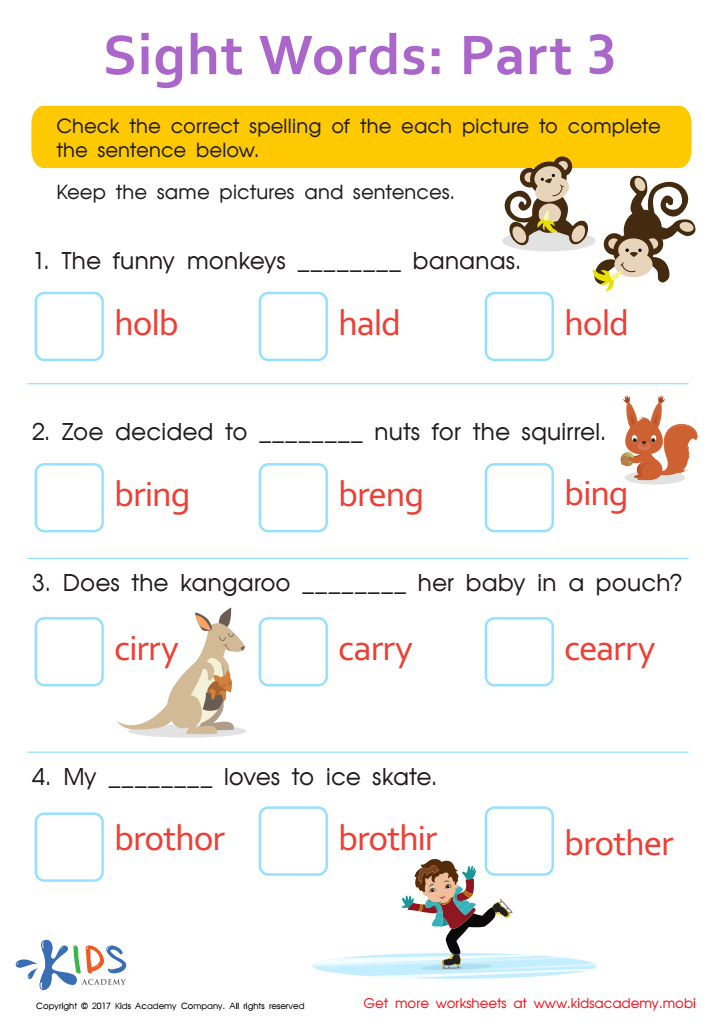
Hold, Bring, Carry, Brother Sight Words Worksheet
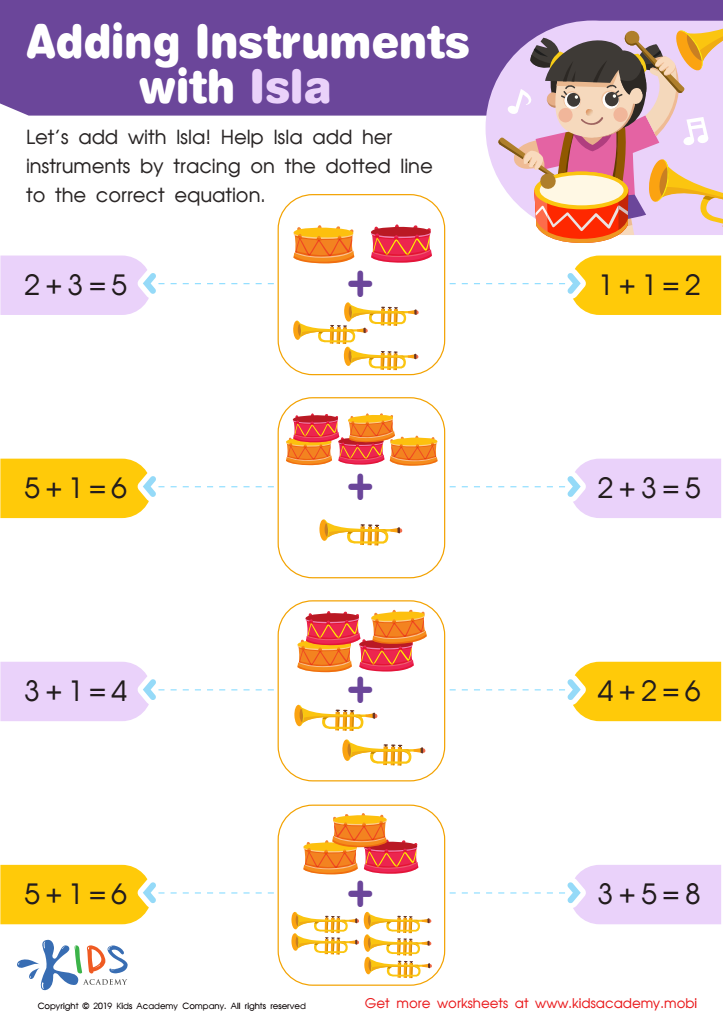
Adding Instruments with Isla Worksheet



.jpg)




Parents and teachers should care about normal development for ages 5-8 because this stage is critical for forming foundational skills and habits that can impact a child’s lifelong learning and emotional well-being. During these years, children experience significant growth in cognitive, social, emotional, and physical domains. Understanding what is considered "normal" development helps adults identify appropriate expectations, celebrate milestones, and address any potential challenges.
Socially, children begin to develop relationships, understand empathy, and navigate the complexities of friendship. Emotionally, they start to manage their feelings better, learn about self-regulation, and build resilience. Cognitively, this is when their learning capacity expands; they start to grasp basic numeracy, literacy, and problem-solving skills.
If parents and teachers are aware of these developmental norms, they can better support the child's growth by providing suitable learning experiences, fostering a positive environment, and encouraging exploration and play. Recognizing variances in development can also help adults intervene early with customized support if a child shows signs of delay or struggles in specific areas. Ultimately, being informed about normal development allows caregivers to nurture happy, confident, and competent children who are set up for future success in school and life.








