Spelling practice Normal Phonics Worksheets for Ages 5-8 - Page 2
47 filtered results
-
From - To
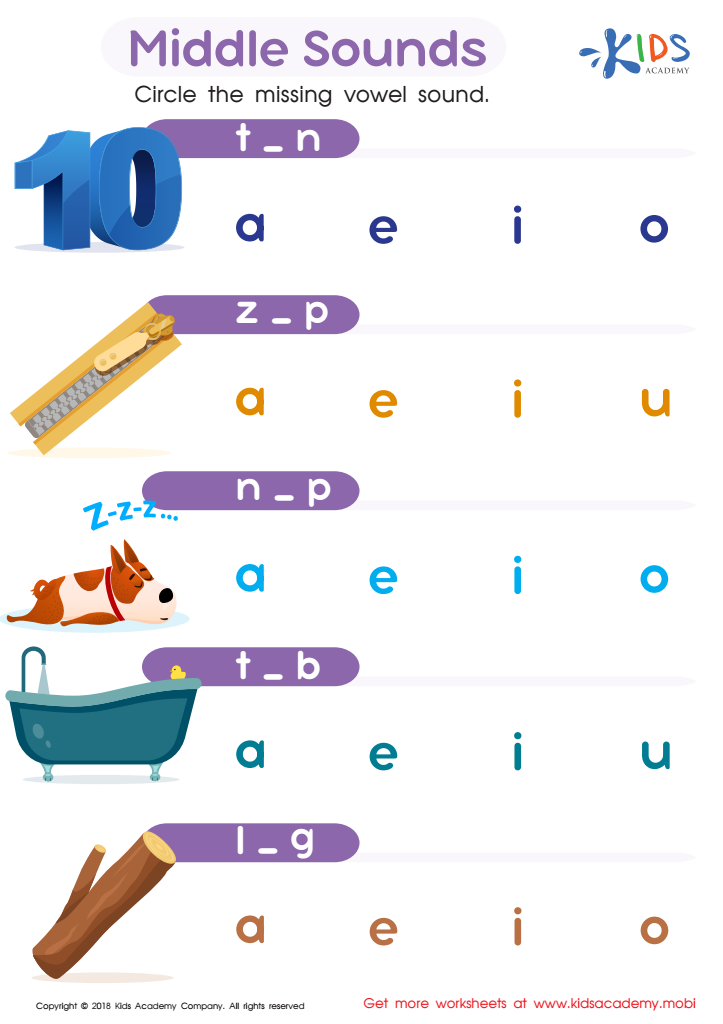
Middle Sounds Worksheet
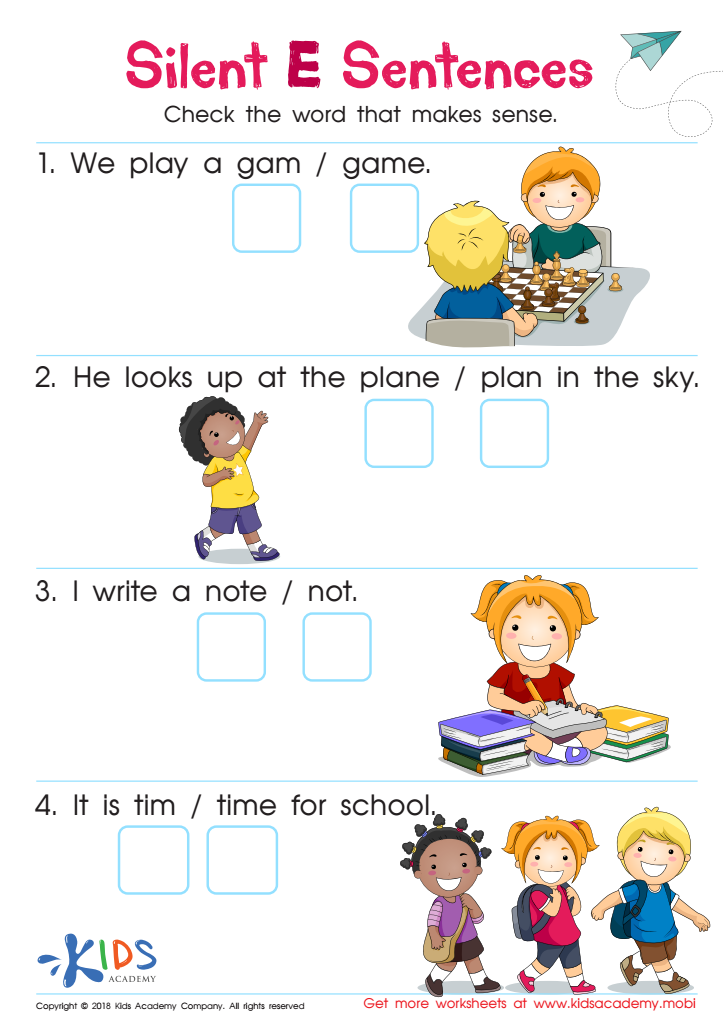
Silent E Sentences Worksheet
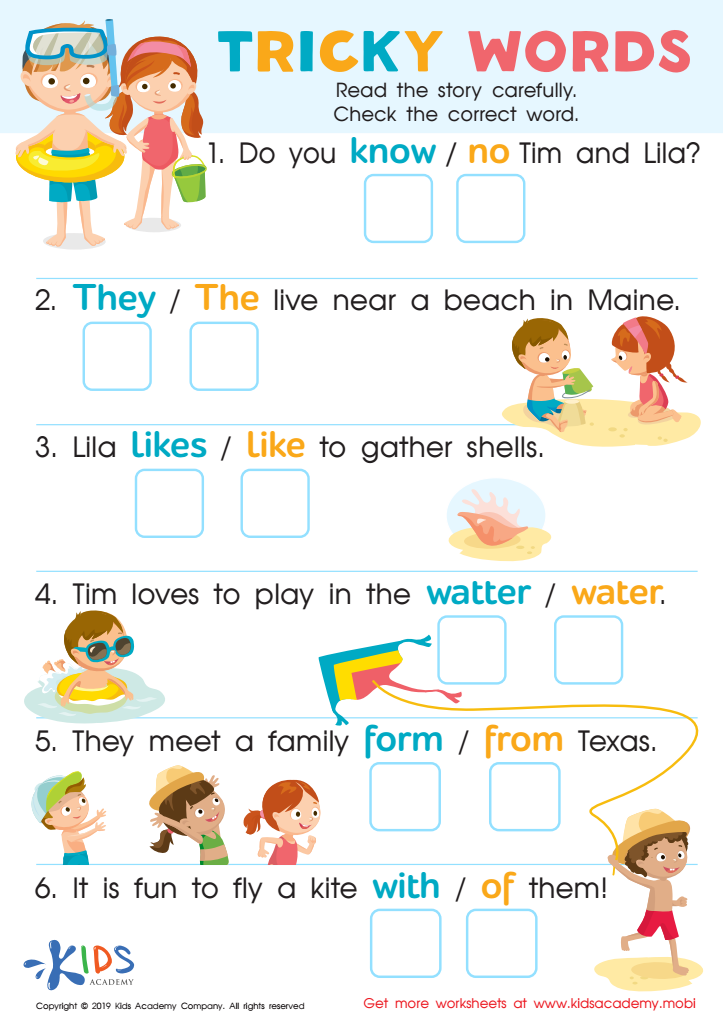
Tricky Words Worksheet
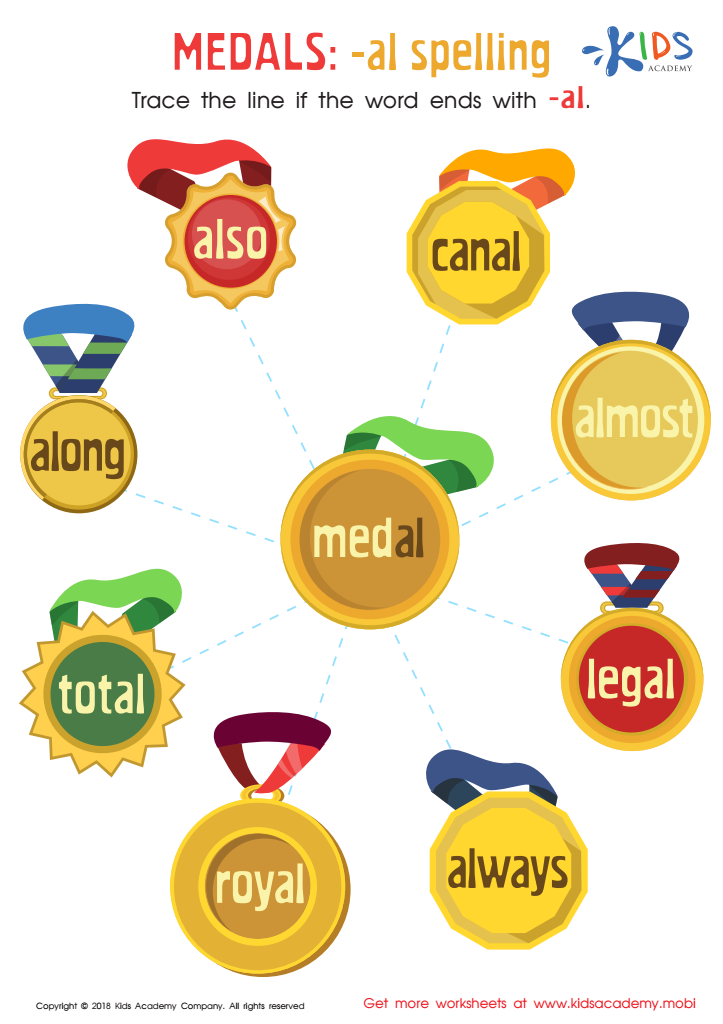
Medals: Al Spelling Worksheet
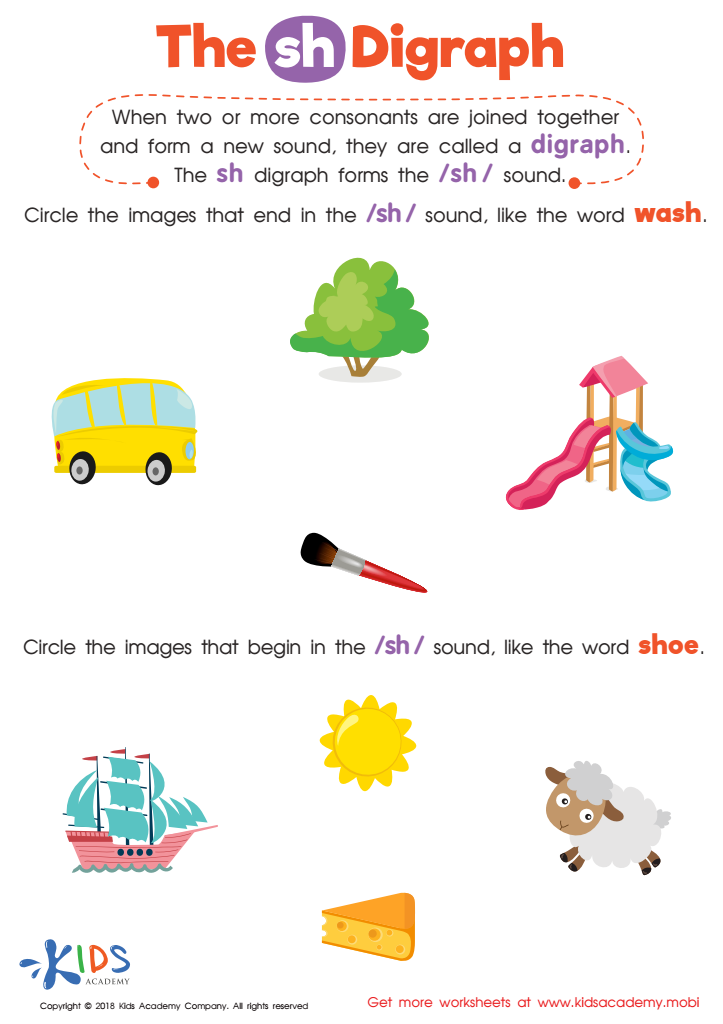
The SH Digraph Worksheet
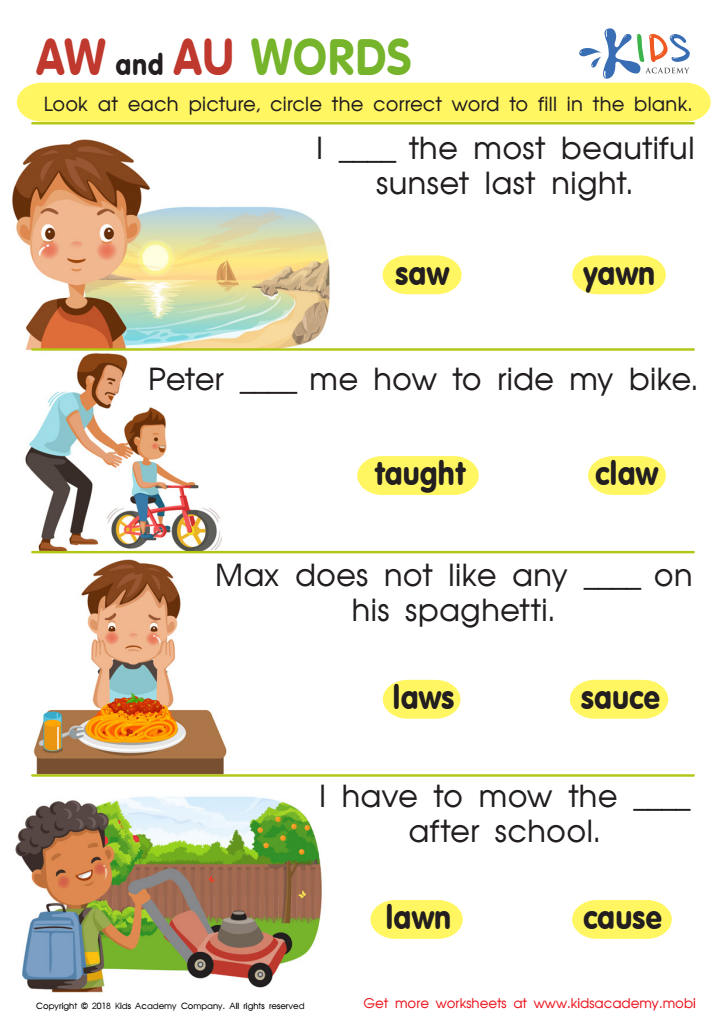
Reading: AW and AU Words Worksheet
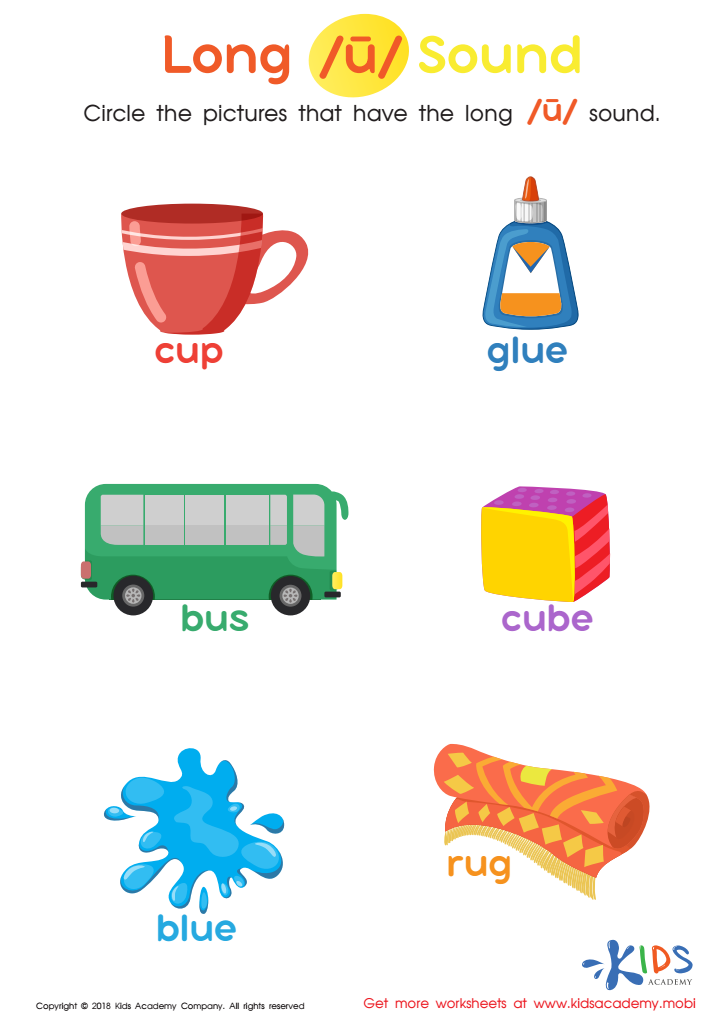
Long «u» Sound Worksheet
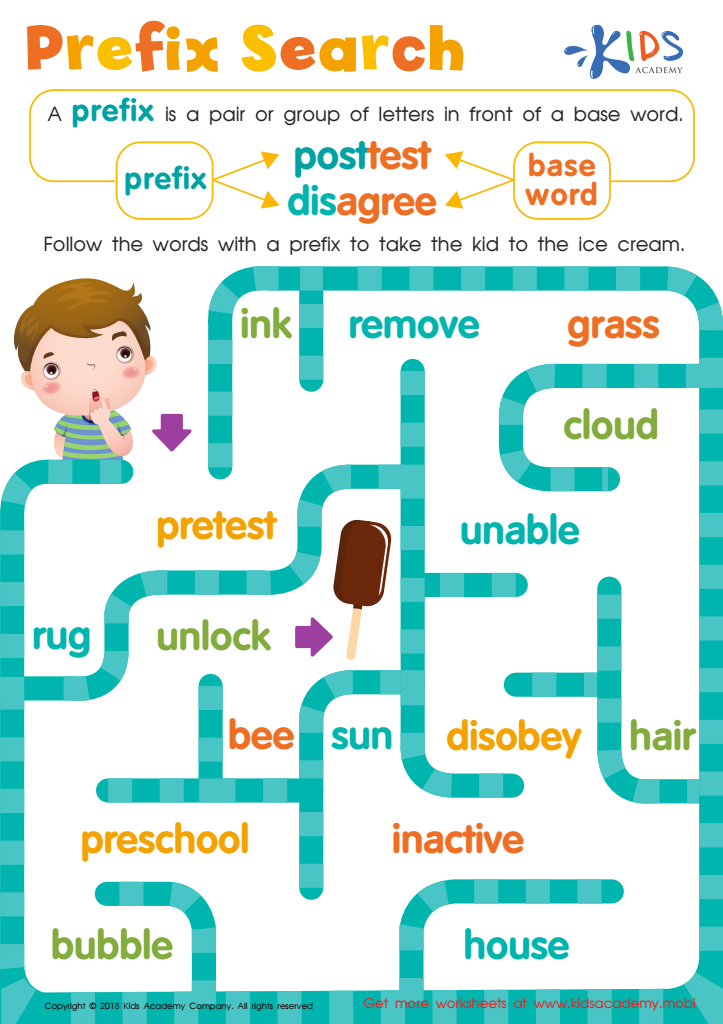
Reading: Prefix Search Worksheet
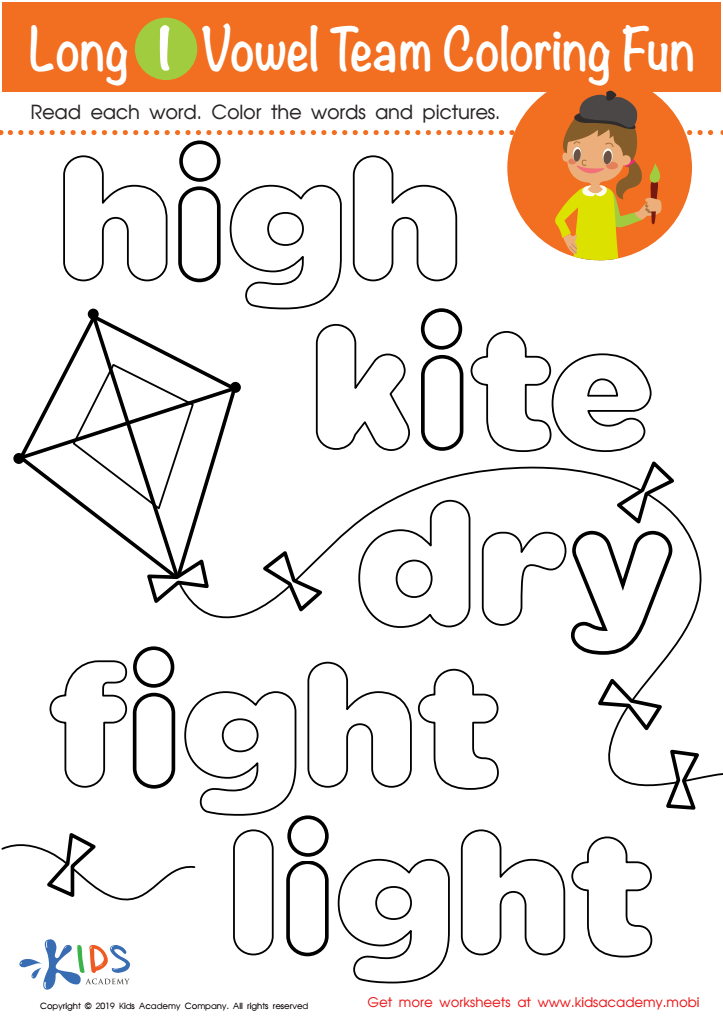
Long I Vowel Team Coloring Worksheet
 Assign to My Students
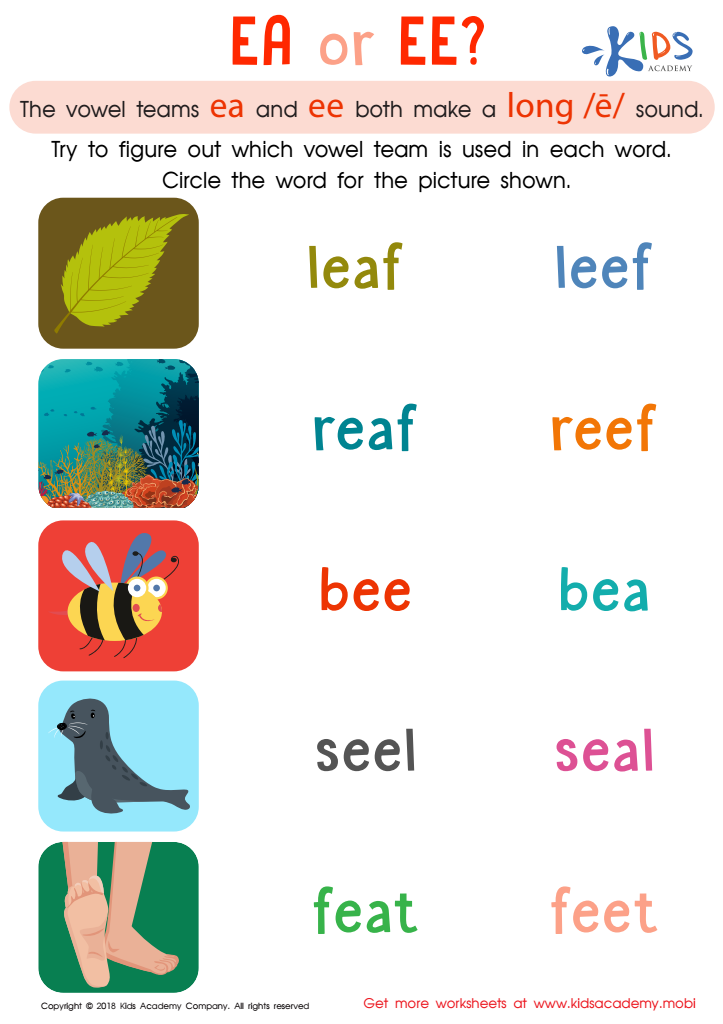
Reading: EA and EE Worksheet
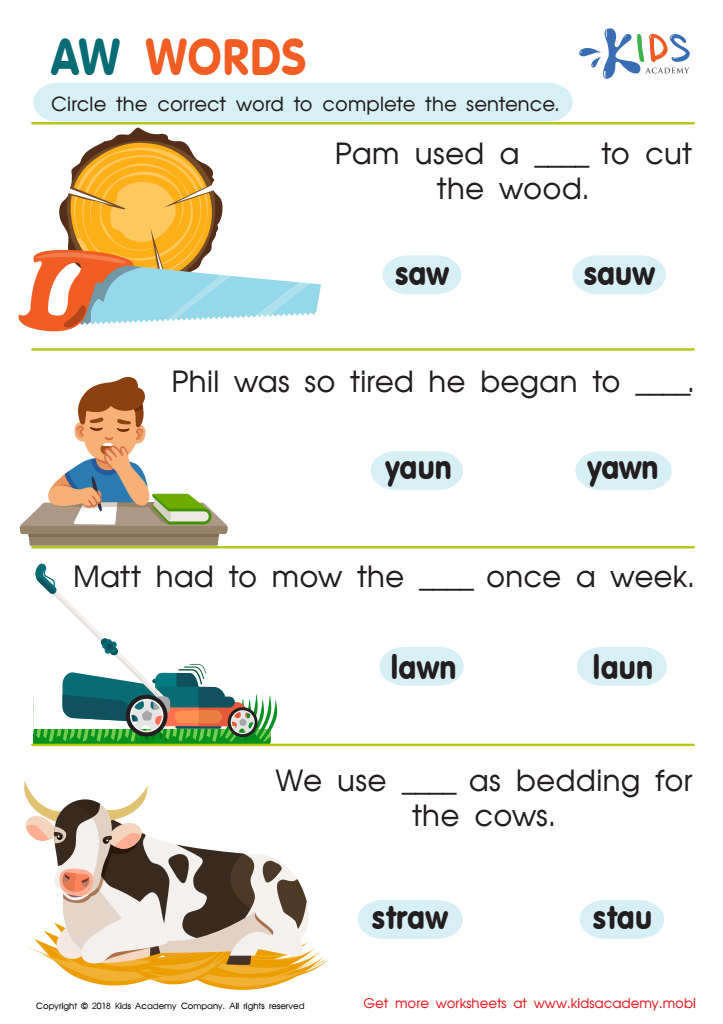
Reading: AW Words Worksheet
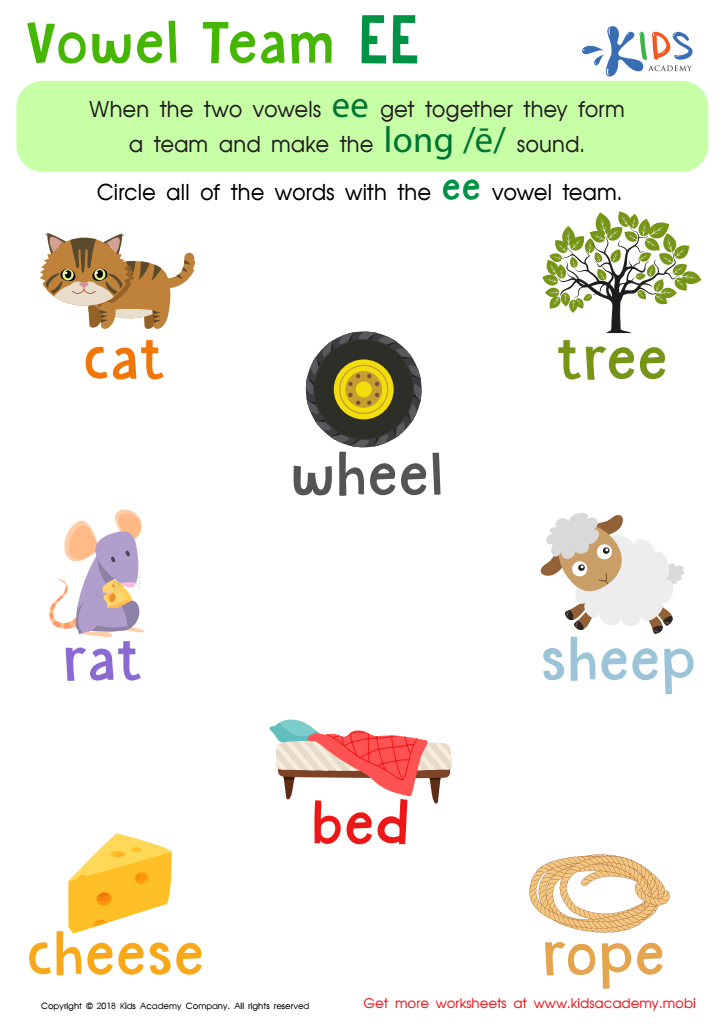
Reading: Vowel Team EE Worksheet
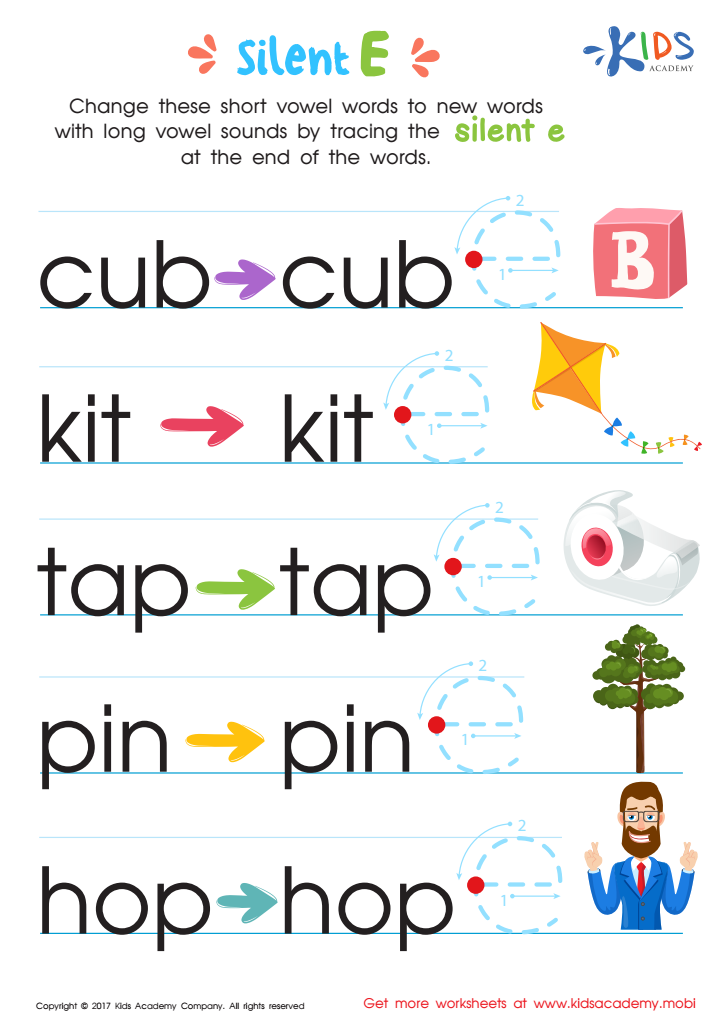
Silent E Words Worksheet
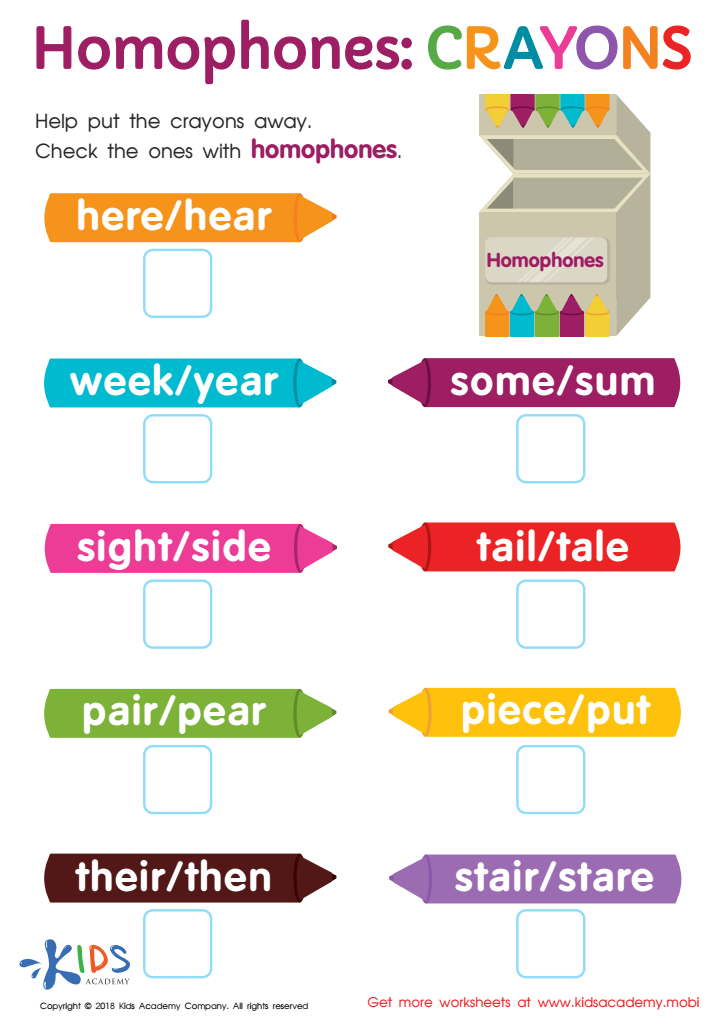
Homophones: Crayons Worksheet
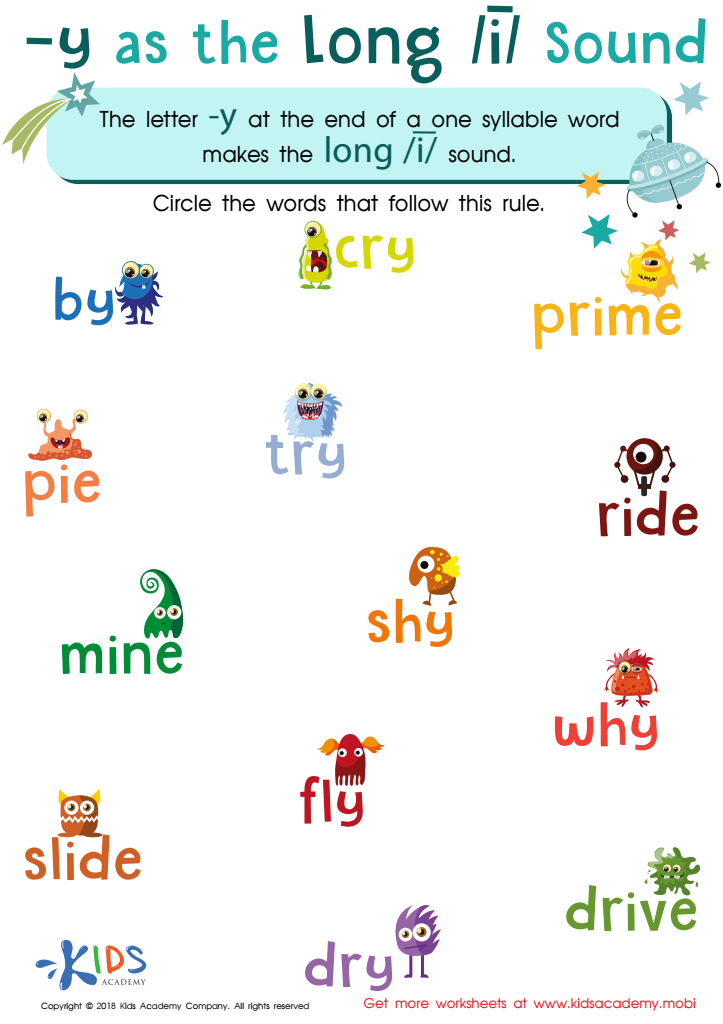
Reading: Y as Long I Worksheet
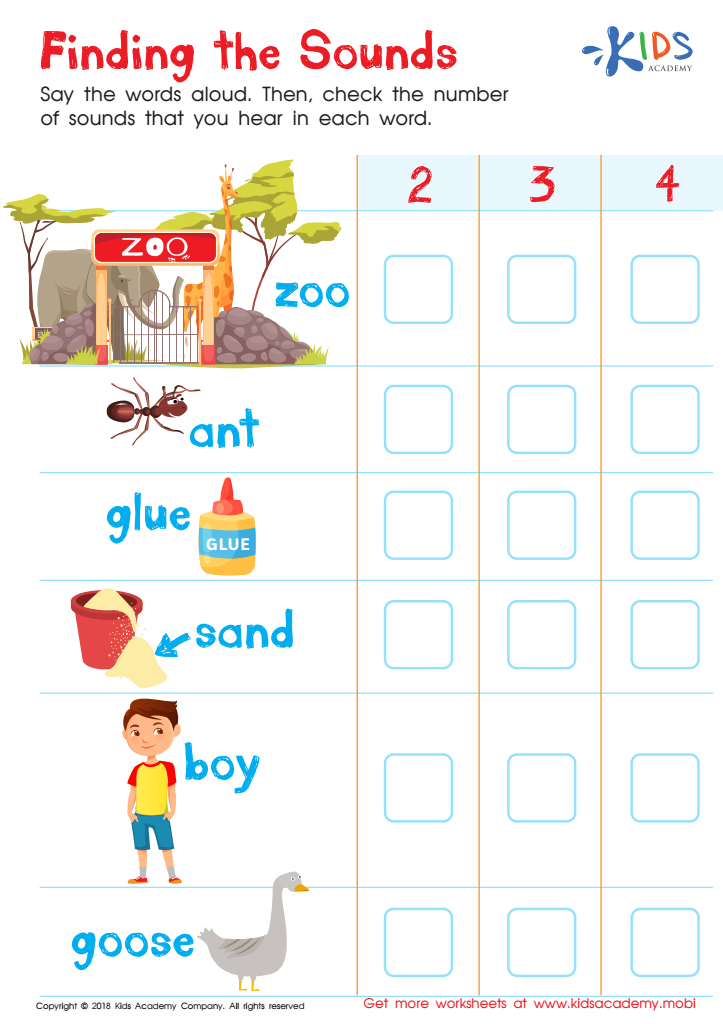
Finding the Sounds Worksheet
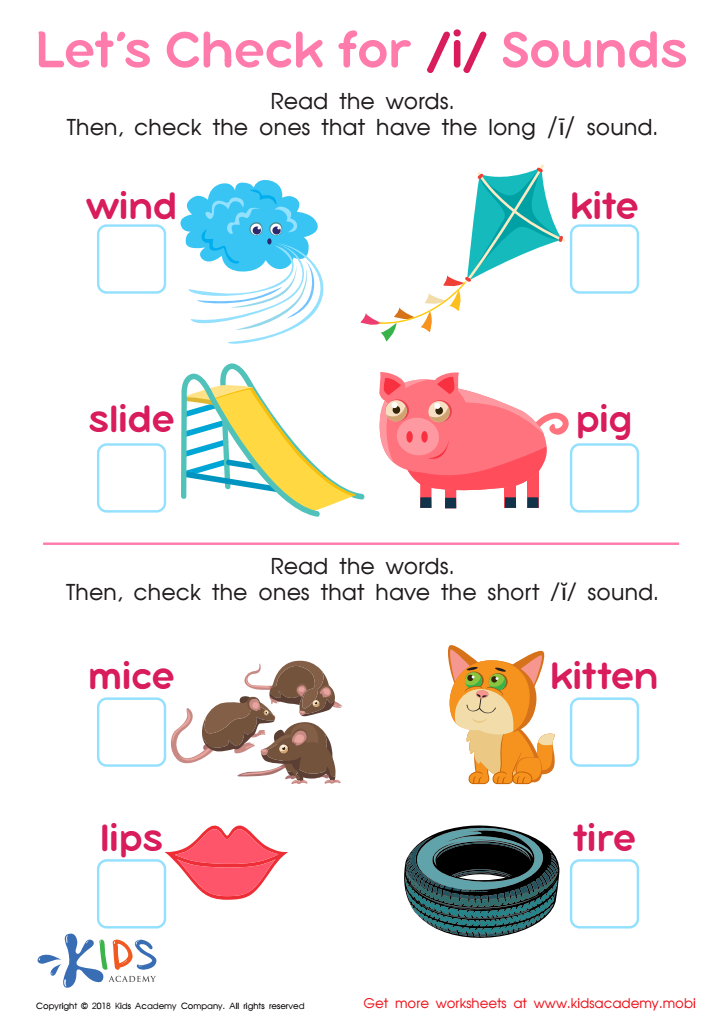
Let's Check for «i» Sounds Worksheet
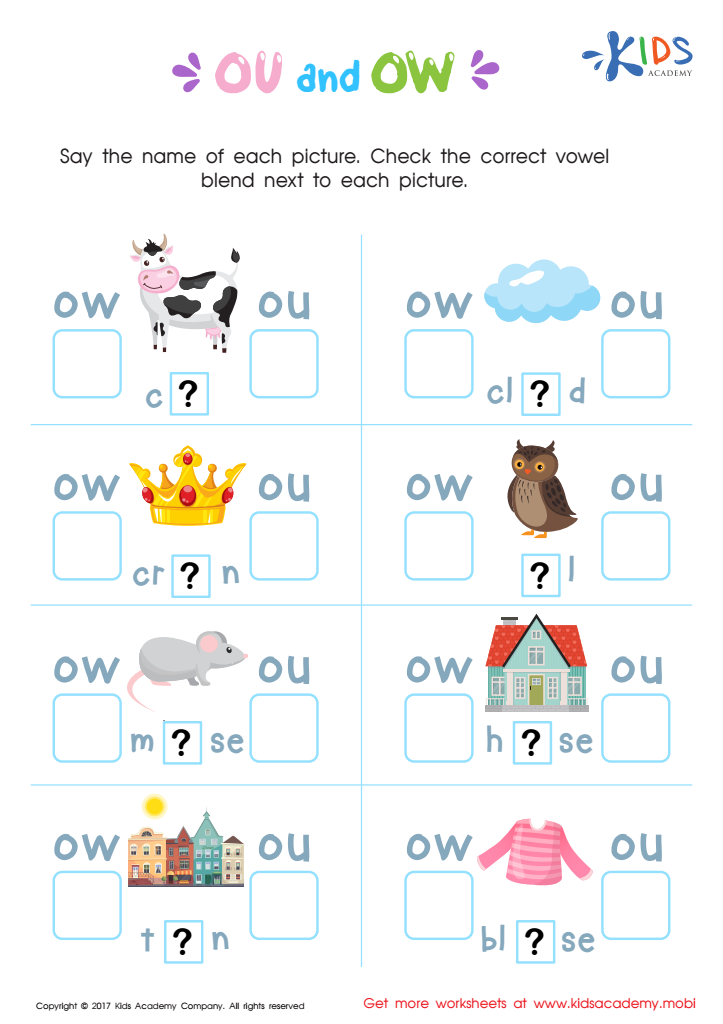
OU and OW Words Worksheet
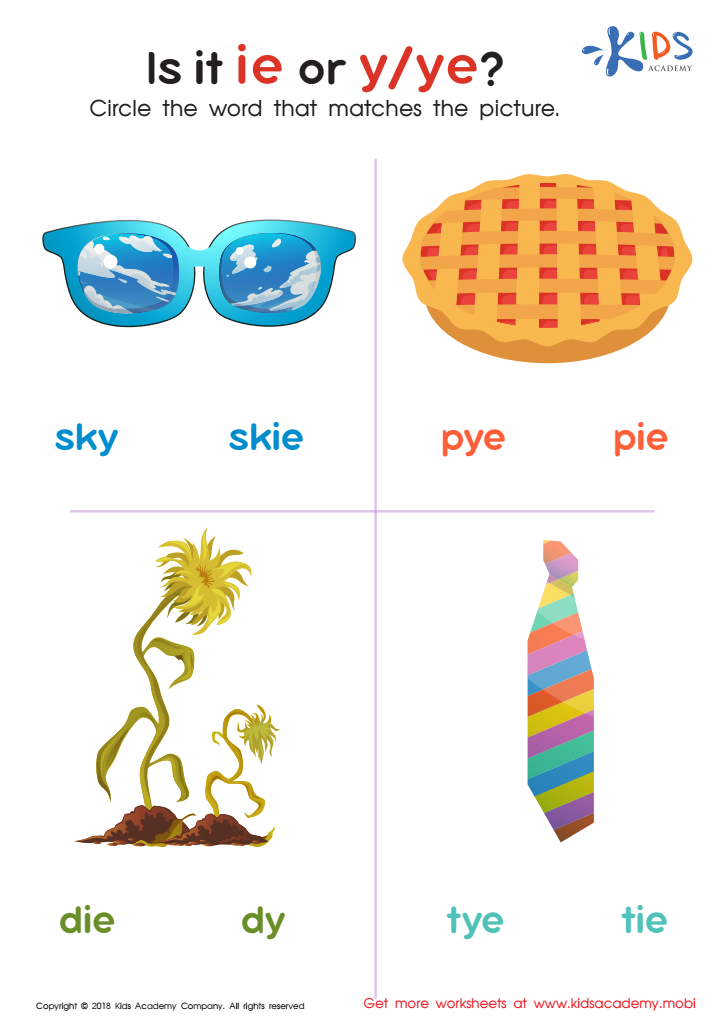
Is It IE or Y/Ye? Worksheet
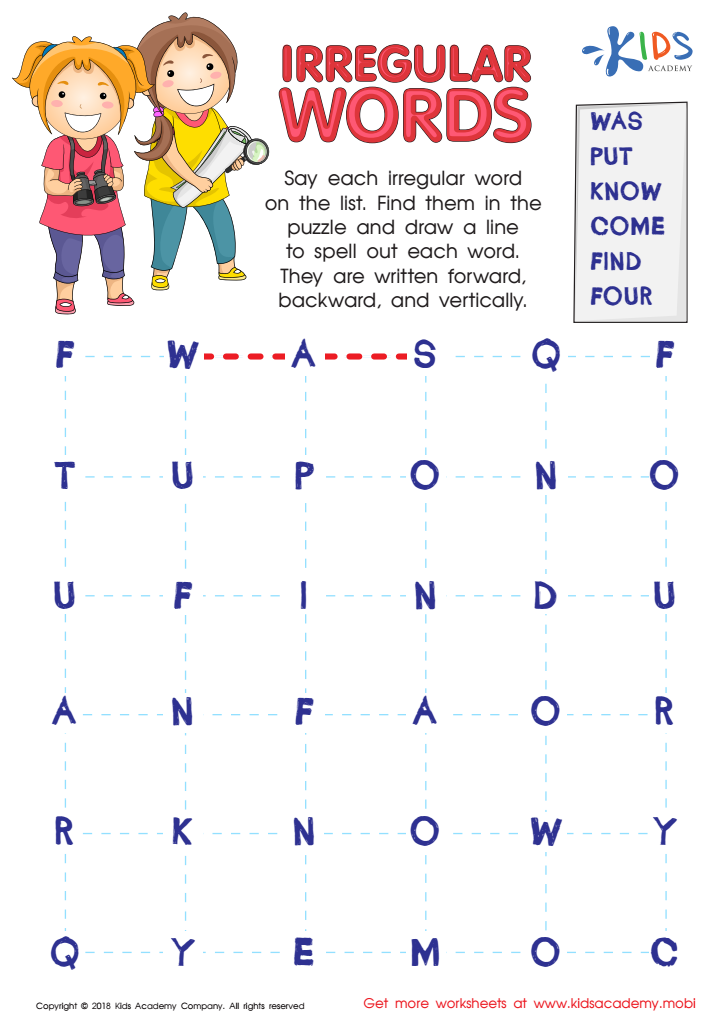
Irregular Words Worksheet
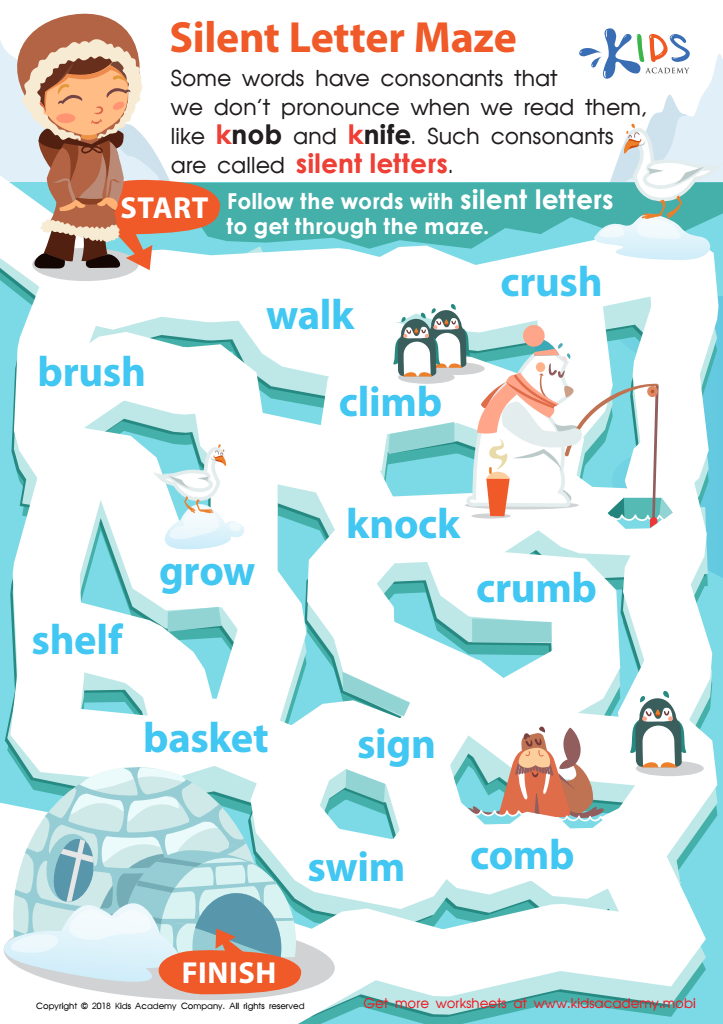
Silent Letter Maze Worksheet
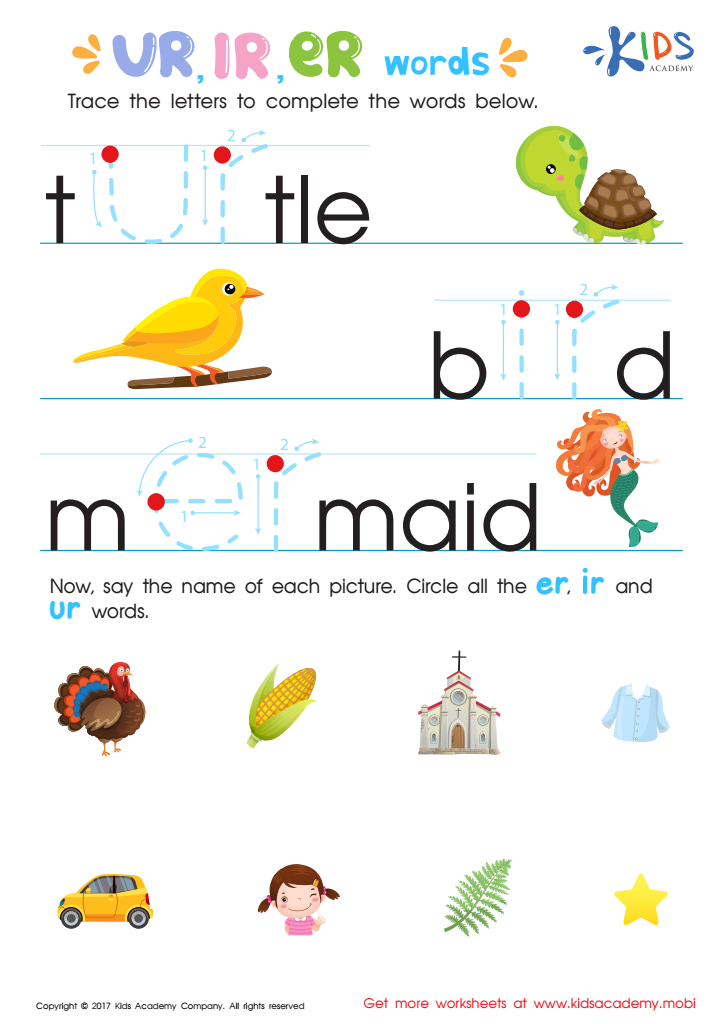
IR UR ER Words Worksheet
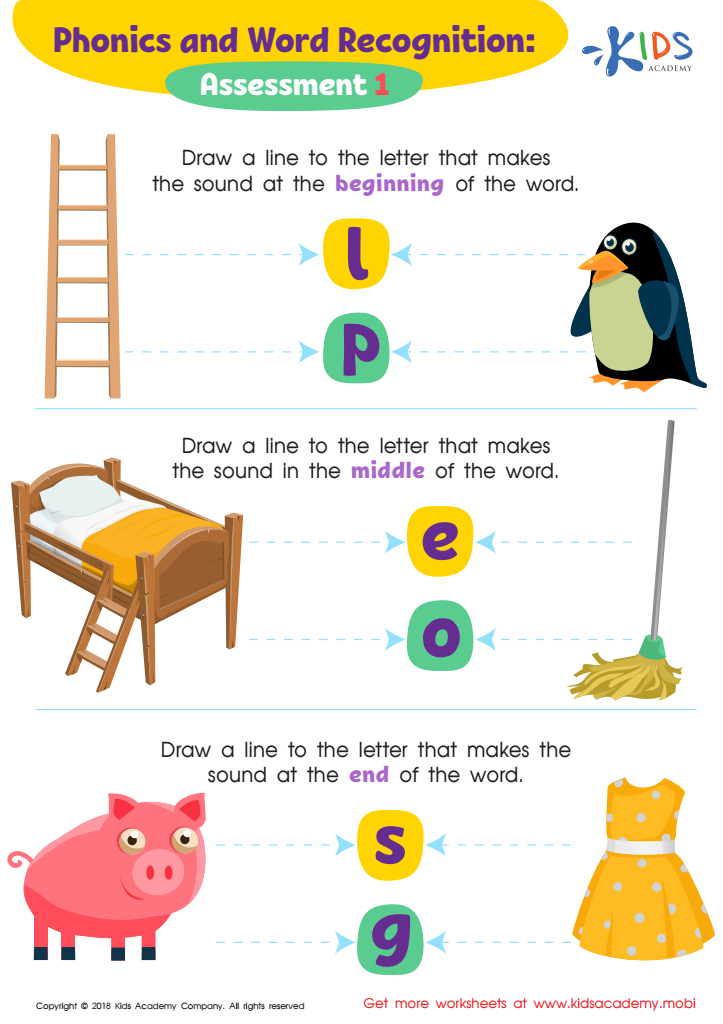
Phonics and Word Recognition: Assessment 1 ELA Worksheet








Parents and teachers should prioritize spelling practice through Normal Phonics for children ages 5-8 because it forms the foundation of literacy skills vital for academic success. Spelling teaches children the connections between letters and sounds, enhancing their decoding abilities and enabling them to read words more fluently. By understanding phonics, children develop an awareness of word structure, which aids in their writing and comprehension skills.
Moreover, consistent spelling practice helps build a sense of confidence in young learners. Mastering phonics fosters a love for reading and writing, encouraging children to engage with literature more frequently. This engagement not only expands their vocabulary but allows them to express themselves more effectively.
Emphasizing phonics also supports phonemic awareness—the cognitive skill required for distinguishing and manipulating sounds in spoken words, which is crucial for mastering language. Children who solidify these skills early are likely to experience better academic performance as they progress through school.
Additionally, in a rapidly changing digital world where written communication remains a key competency, fluency in spelling through phonics establishes clear communication and expression essential for future success. Ultimately, investing time in spelling practice through Normal Phonics can unlock students' potential and set them on a path toward lifelong learning.







