Alphabet Recognition Normal Worksheets for Ages 5-8 - Page 2
44 filtered results
-
From - To
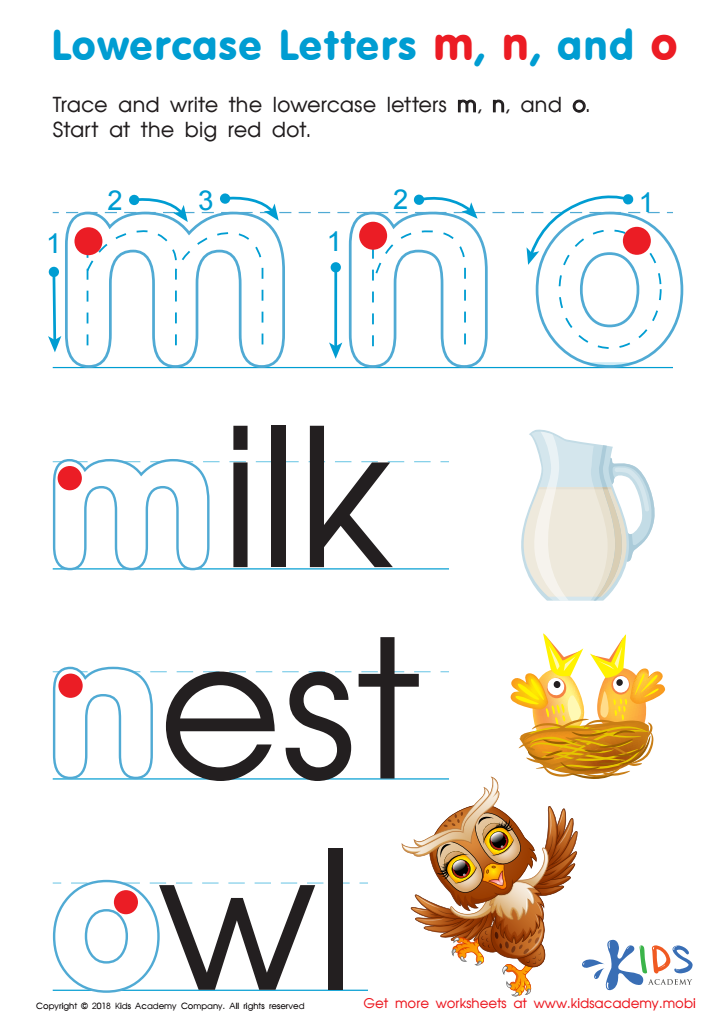
Lowercase Letters m n o Worksheet
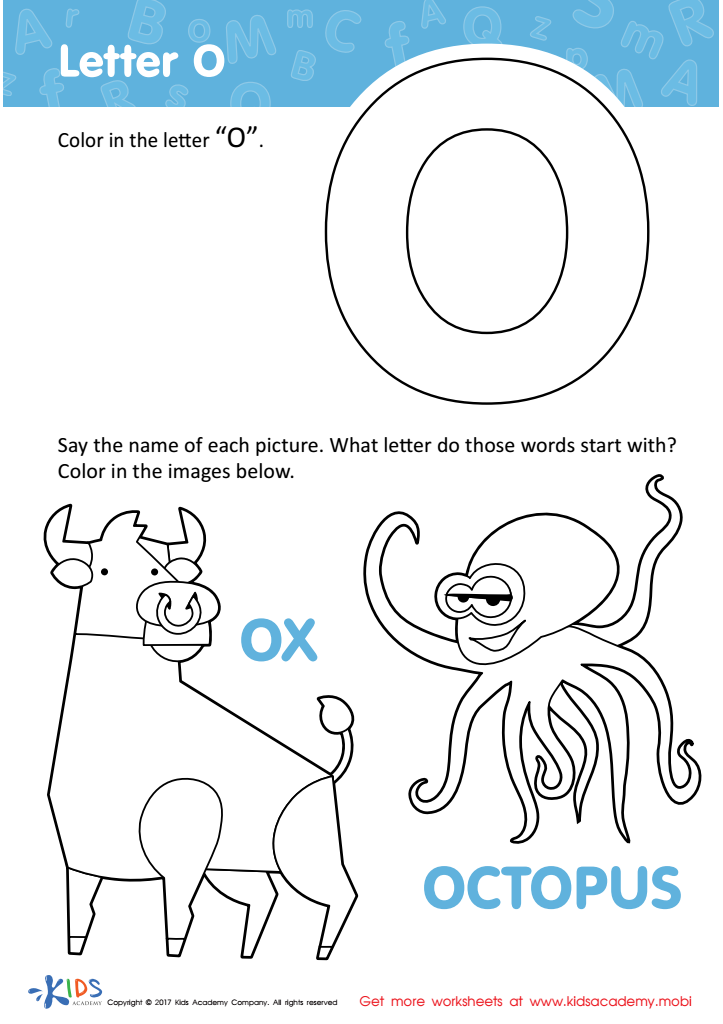
Letter O Coloring Sheet
 Assign to My Students
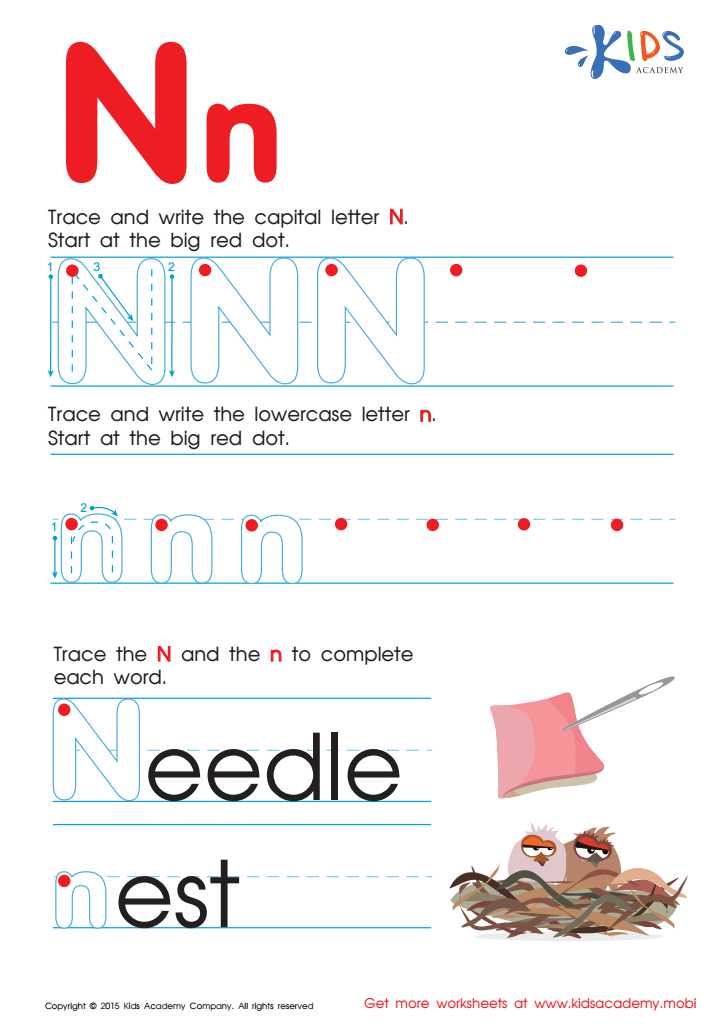
Letter N Tracing Page
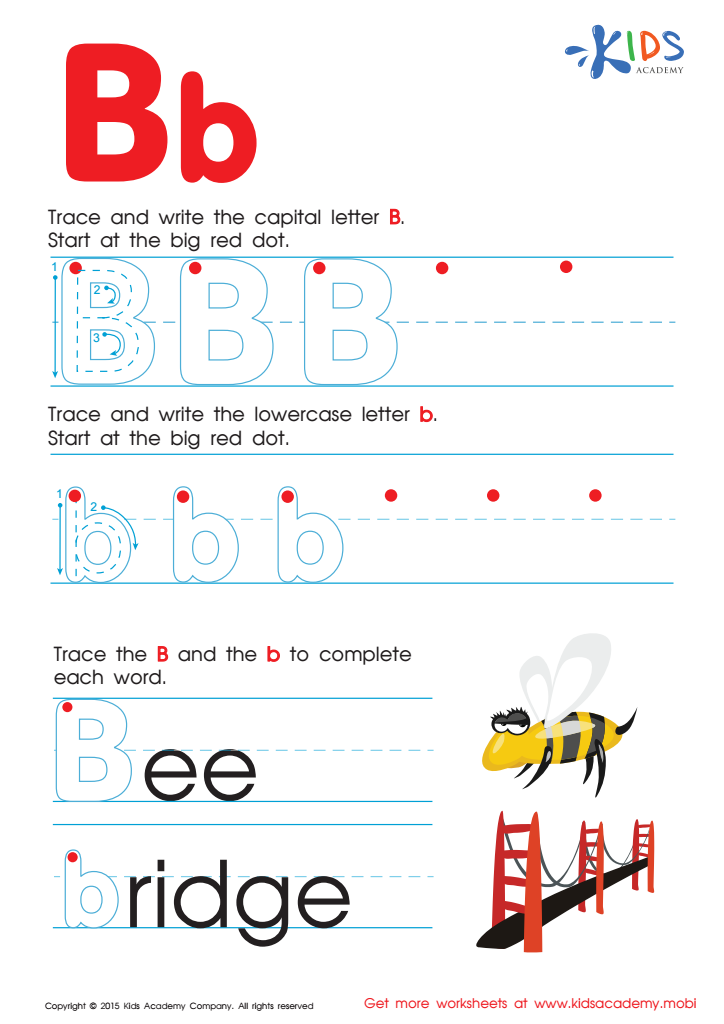
Letter B Tracing Page
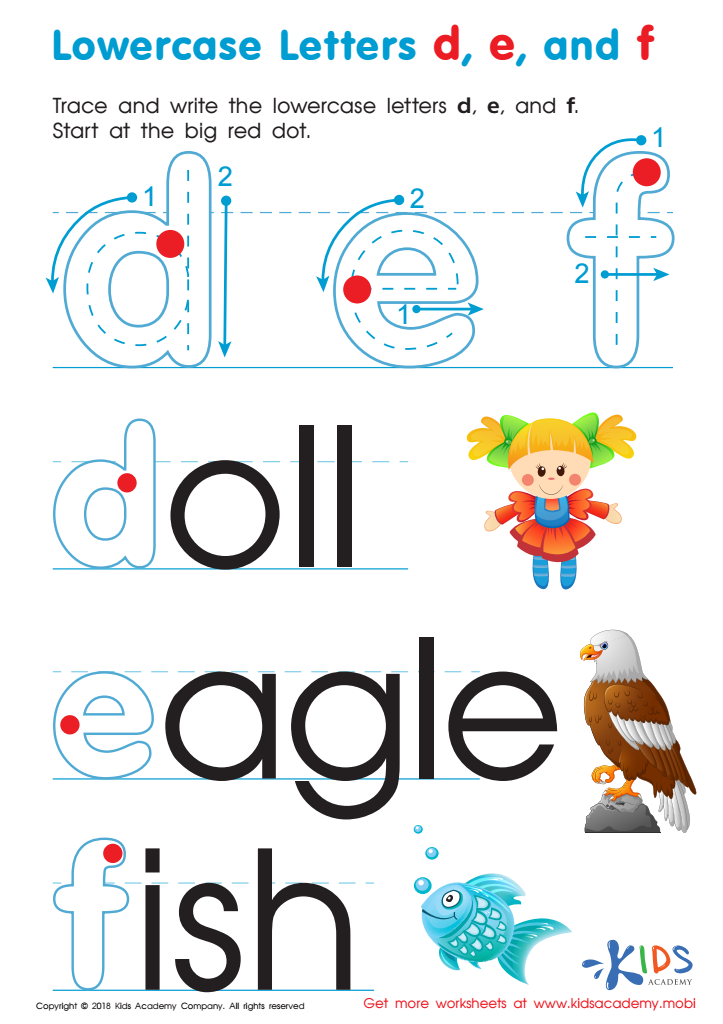
Lowercase Letters d e f Worksheet
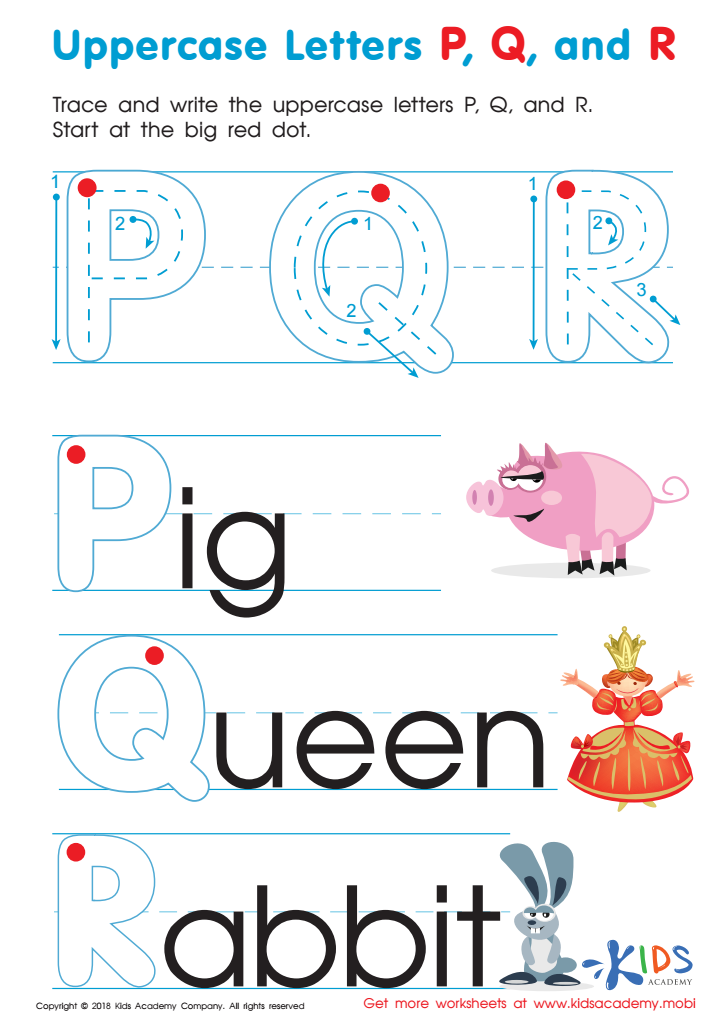
Uppercase Letters P, Q, and R Worksheet
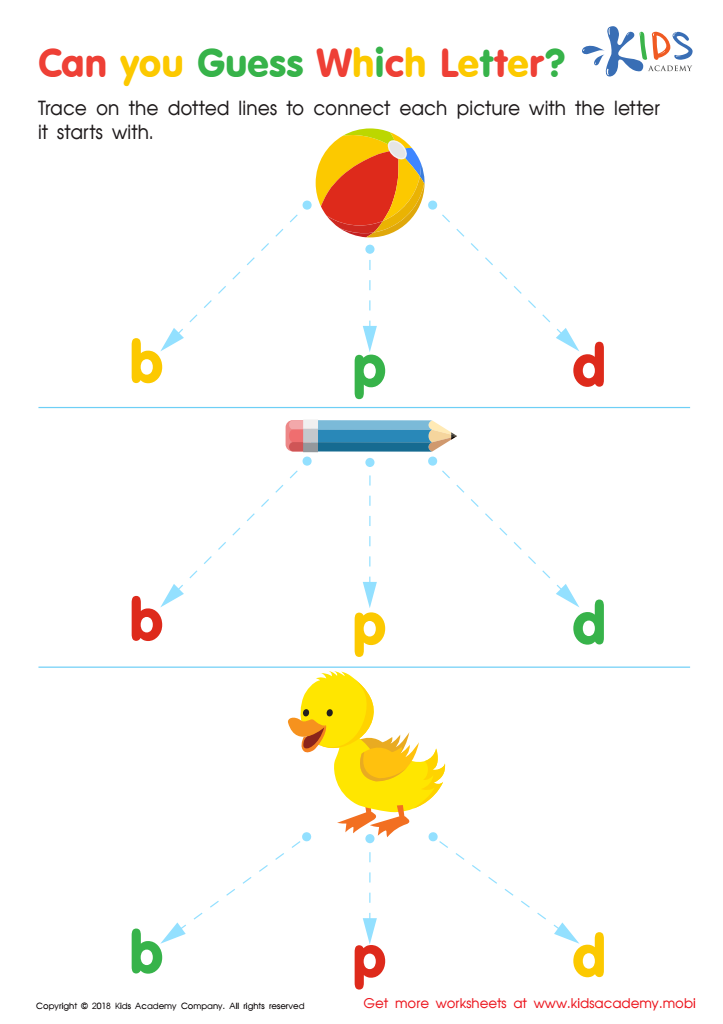
Can you Guess Which Letter? Worksheet

Letter E Tracing Page
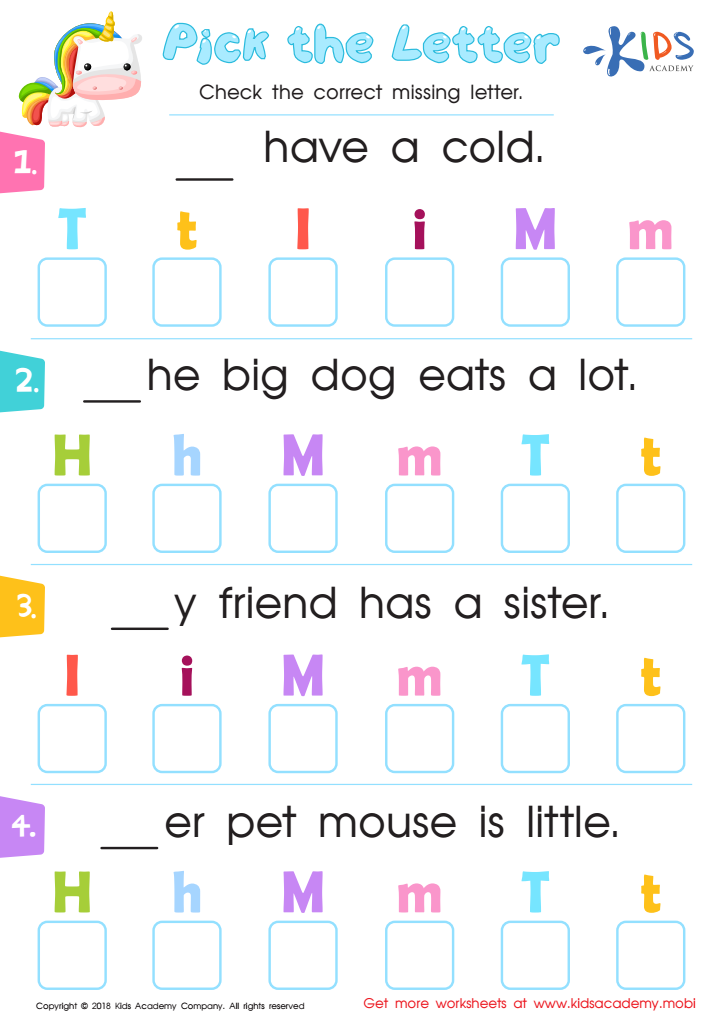
Pick the Letter Worksheet
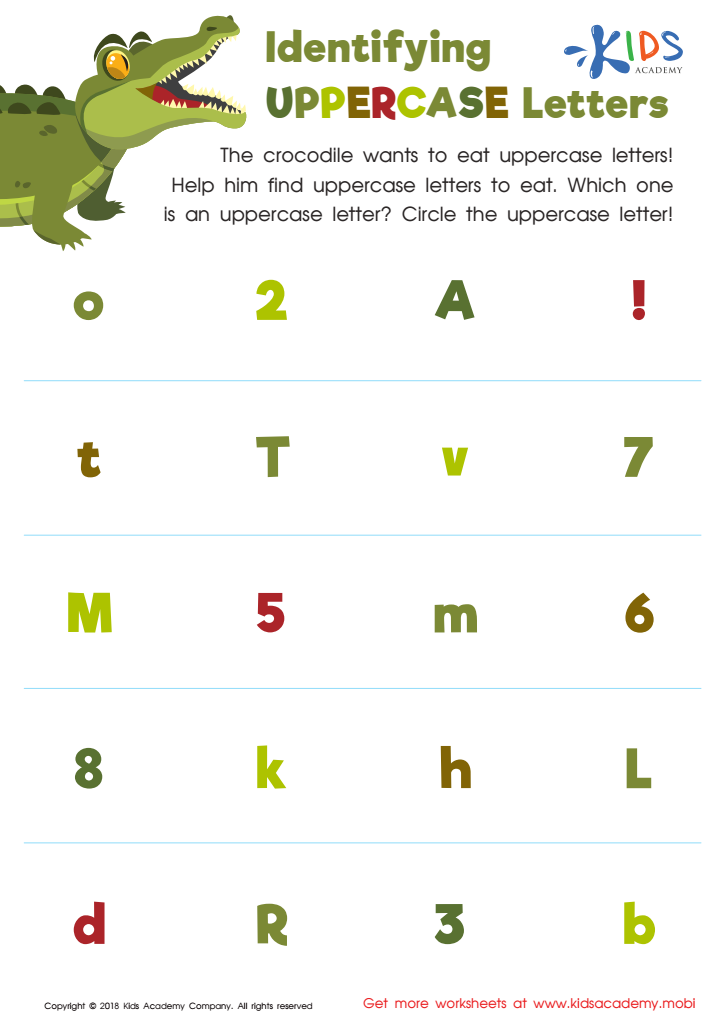
Identifying Uppercase Letters Worksheet
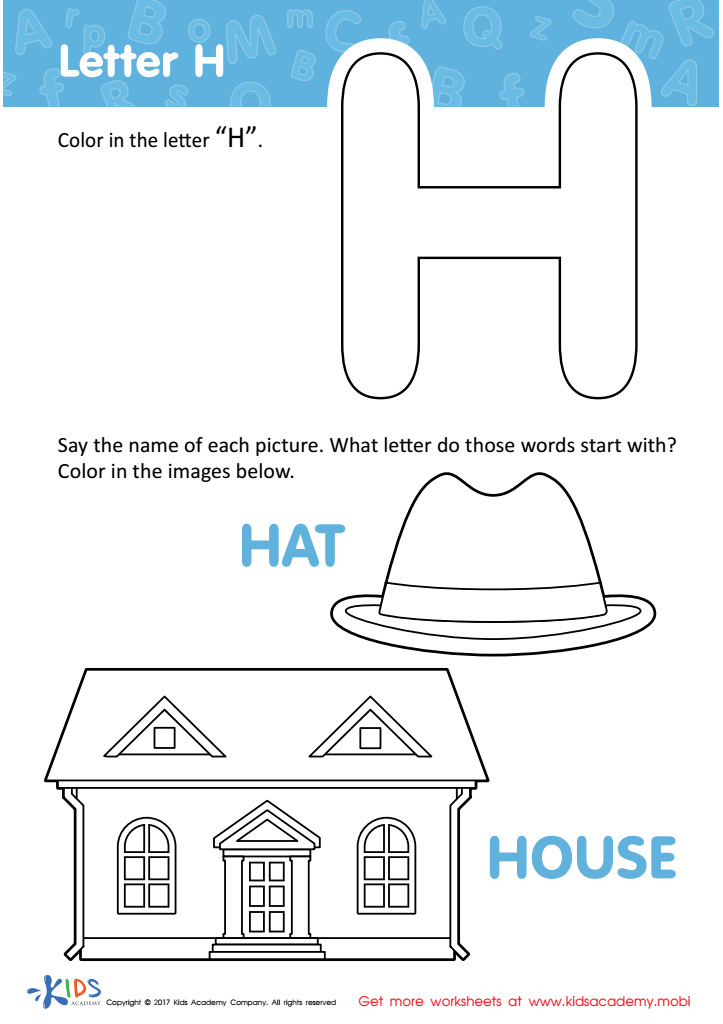
Letter H Coloring Sheet
Assign to My Students
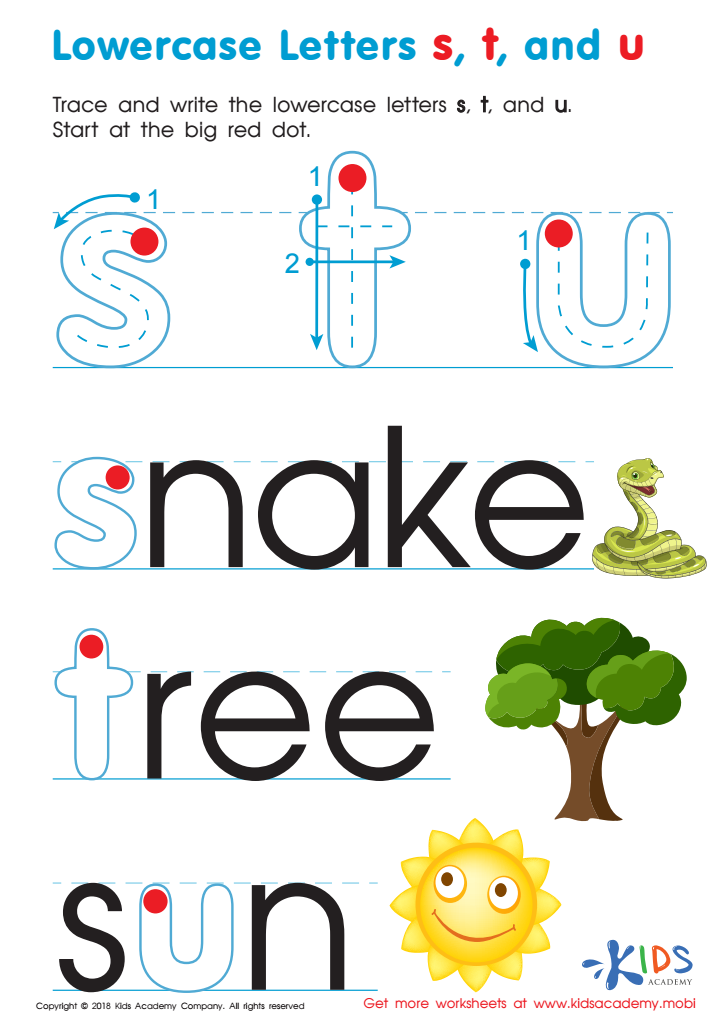
Lowercase Letters s t u Worksheet
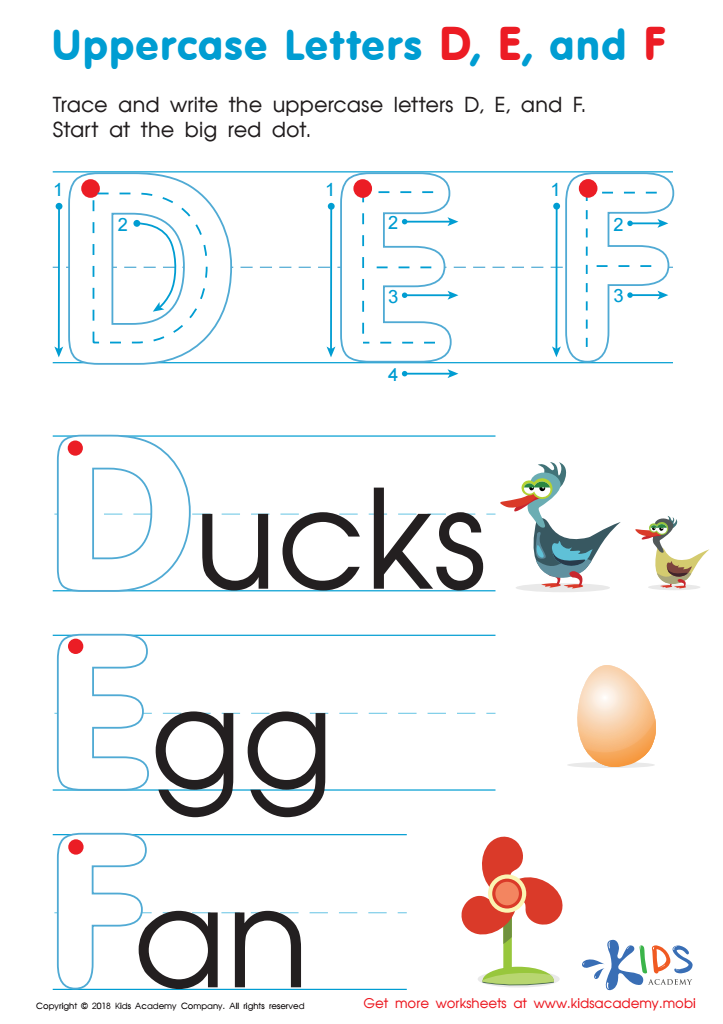
Uppercase Letters D, E, and F Worksheet
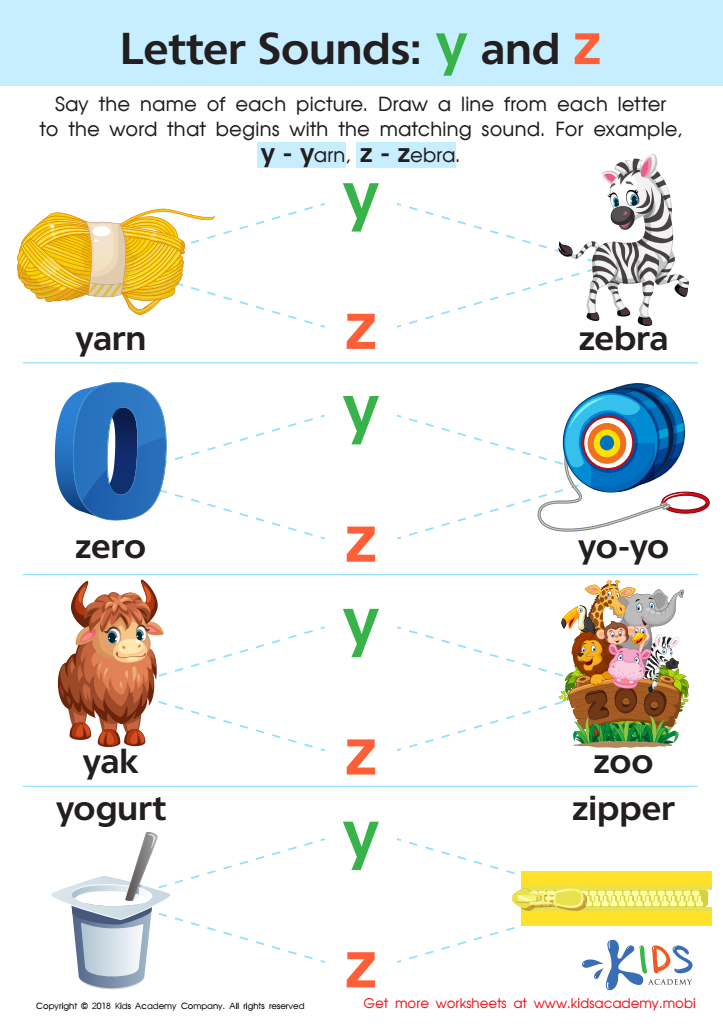
Letter Y and Z Sounds Worksheet

Uppercase Letters Y Z Worksheet

Letter F Coloring Sheet
Assign to My Students
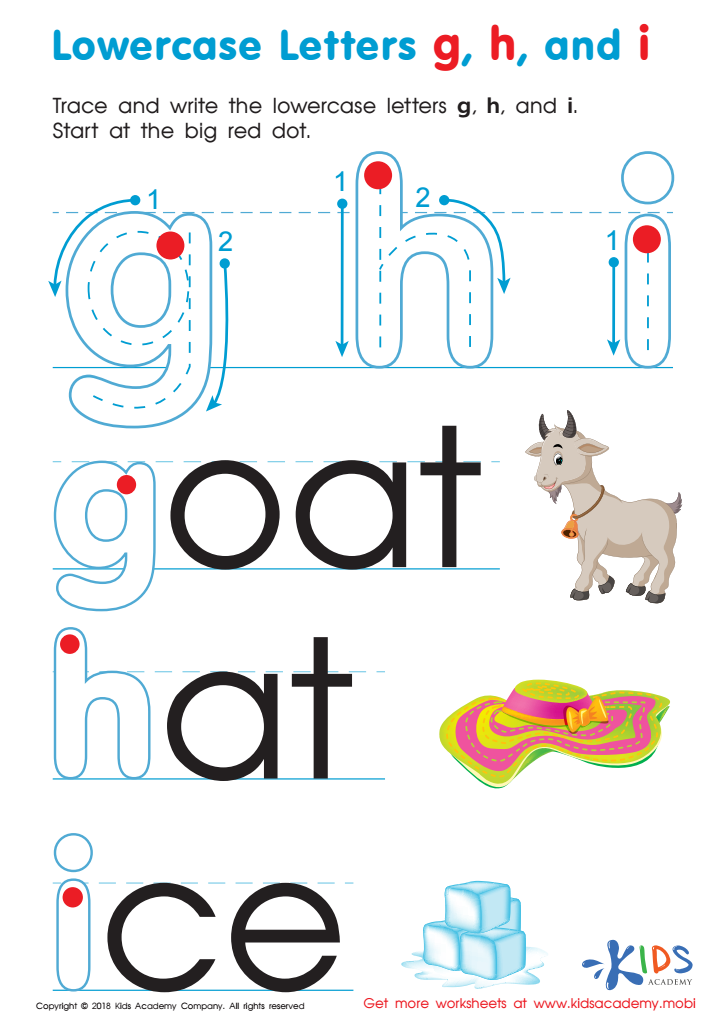
Lowercase Letters g h i Worksheet
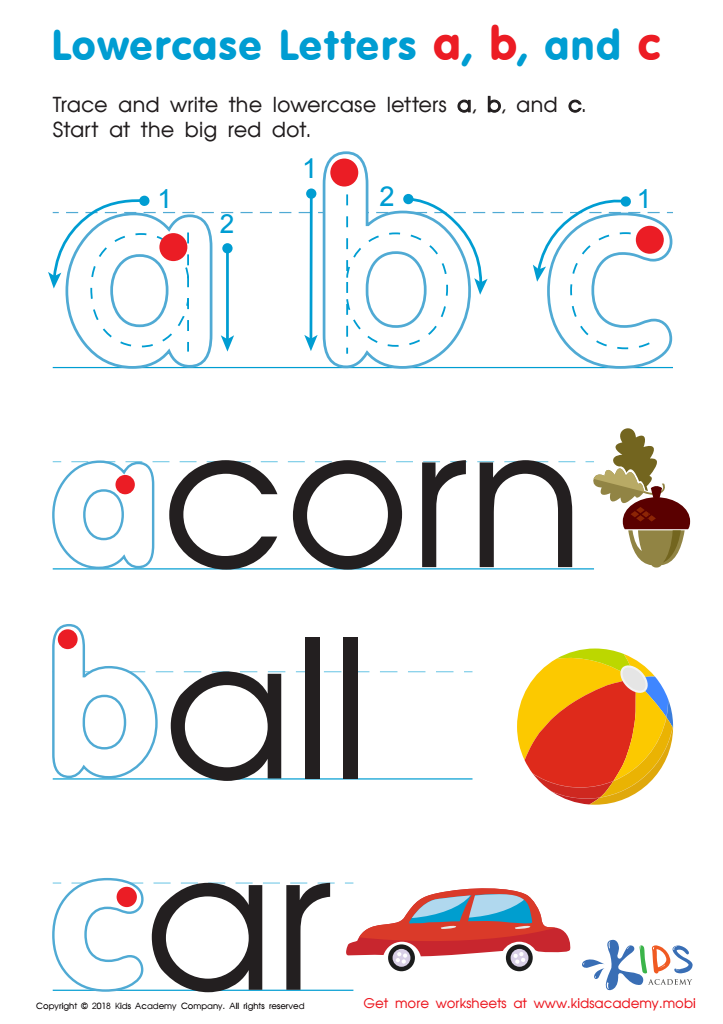
Lowercase Letters a b c Worksheet
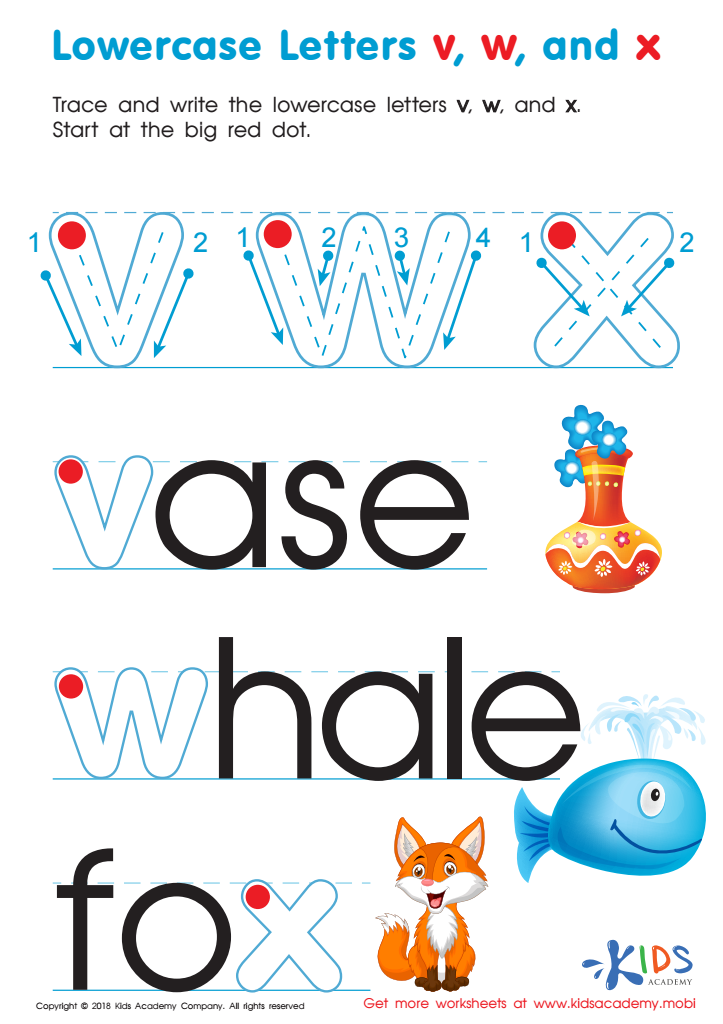
Lowercase Letters v w x Worksheet
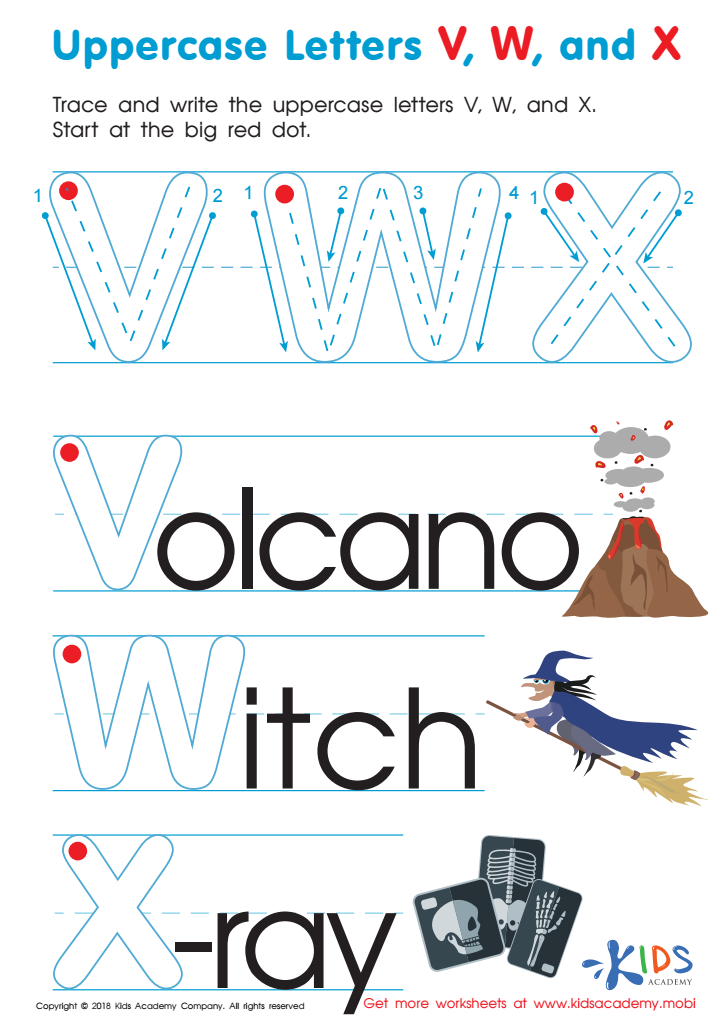
Uppercase Letters V, W, and X Worksheet


.jpg)





Alphabet recognition is pivotal for children aged 5 to 8, serving as a foundational skill for literacy development. At this age, children are transitioning from pre-reading skills to reading proficiency, and recognizing letters is a crucial first step. When parents and teachers prioritize alphabet recognition, they empower children to decode written language, leading to improved reading and writing skills.
Understanding the alphabet aids children in grasping phonics, which is essential for sounding out words. This skill not only supports literacy but also enhances spelling, vocabulary development, and comprehension. Furthermore, recognizing letters boosts children’s confidence as they become more active participants in reading activities.
The normalization of alphabet recognition ensures that every child receives the support necessary for their learning journey. Teachers can tailor instruction to meet individual needs, while parents can reinforce these skills at home through playful activities. Involving children in an engaging literacy-rich environment fosters their enthusiasm for learning.
Ultimately, parents and teachers should care about alphabet recognition because it lays the groundwork for lifelong literacy and learning success. A strong grasp of letters can lead to academic achievement, positive self-esteem, and a love for reading that flourishes throughout a child’s life.








