Enhance your child's reading skills with our "Improve Reading Comprehension Normal Worksheets for Ages 5-8." Designed to help young readers grasp key concepts, develop critical thinking, and boost comprehension, these worksheets offer a diverse range of engaging activities. Each lesson is tailored to gradually increase in complexity, ensuring your child grows confident in their reading abilities. With colorful illustrations and fun exercises, children will discover the joy of reading while honing their skills. Ideal for both classroom and home use, our worksheets support and encourage continuous learning. Explore our collection today and watch your child's reading comprehension soar!

Check out this FREE "Improve reading comprehension" Trial Lesson for age 5-8!

Plant Life Cycle

Favorites
With answer key
Interactive
  • 5-8
  • Improve reading comprehension
  • Normal
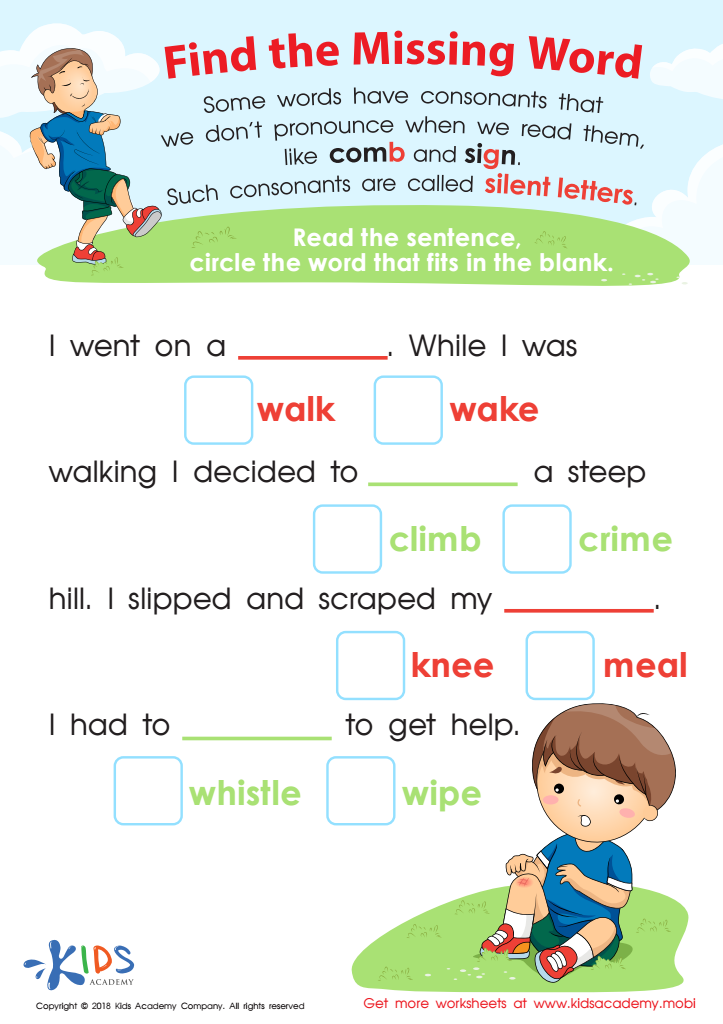
Find The Missing Word Worksheet

Find The Missing Word Worksheet

Master silent letters like "b" and "k" with this illustrated worksheet! Read the sentences and fill in the blanks with the correct word, checking the box. Read all the way to the bottom and review words containing silent letters. A great way to help your little learner tackle a tough topic!
Find The Missing Word Worksheet
Worksheet
Severe Weather Worksheet

Severe Weather Worksheet

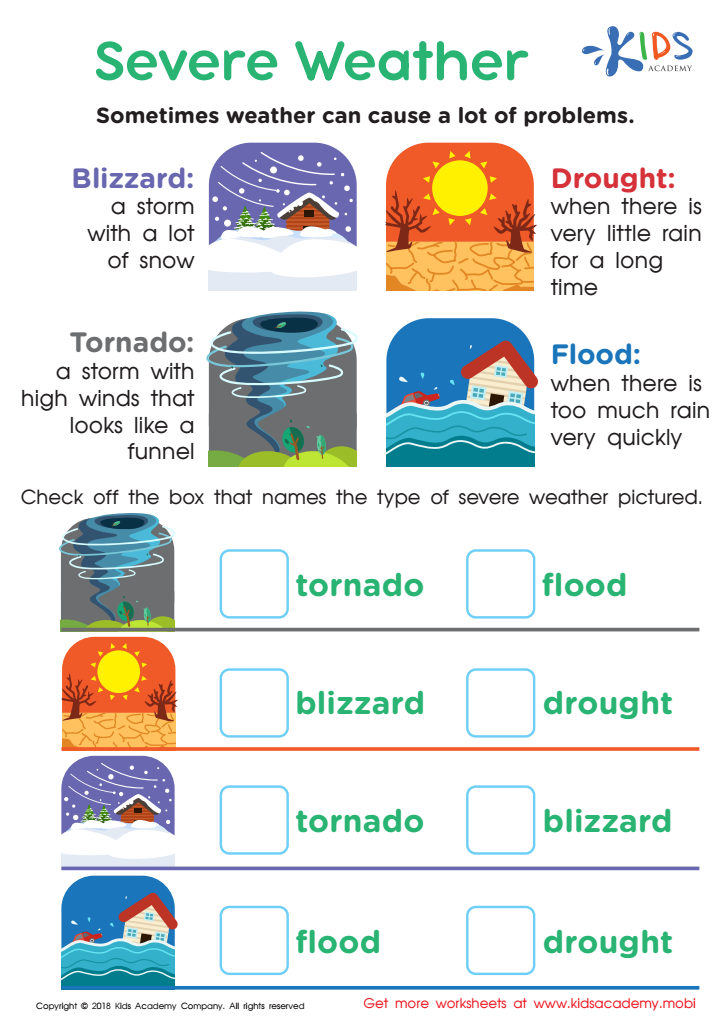
Weather can be dangerous, so teach your kids to stay safe with this interactive weather worksheet. Review the descriptions of tornadoes, blizzards, floods, and drought and match them with the colorful pictures. Tick the boxes to correctly identify each image and complete the sheet.
Severe Weather Worksheet
Worksheet
Plant life cycle worksheet

Plant Life Cycle Printable

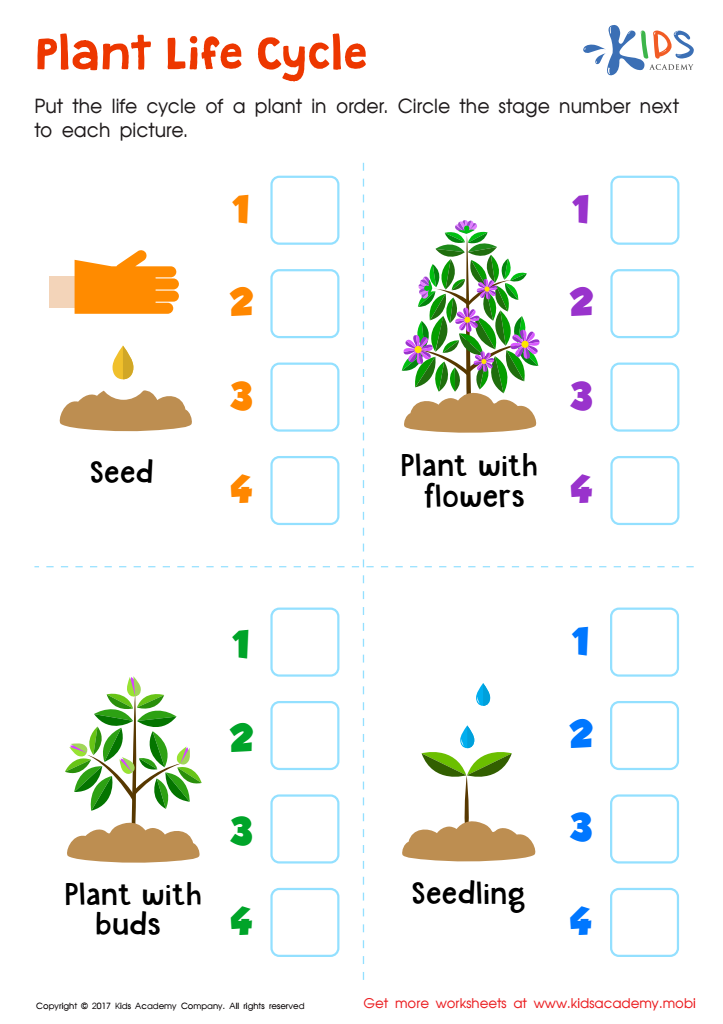
Let kids explore plants' growth stages with this fun plant life cycle worksheet! They'll strengthen their sequencing skills by ordering the cycle from seed to flower. Make the learning experience even more memorable by growing a flower afterward.
Plant Life Cycle Printable
Worksheet
Synonyms or Antonyms: Assessment Worksheet

Synonyms or Antonyms: Assessment Worksheet

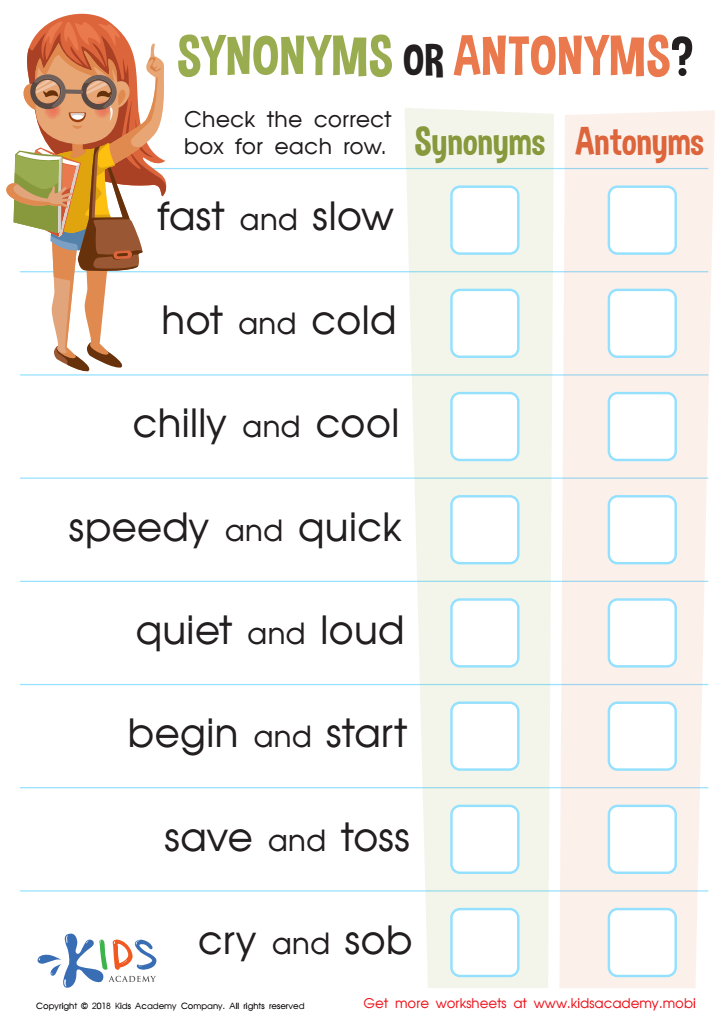
Test your child's knowledge with this fun worksheet! Ask them to read the words and select if they are synonyms or antonyms - e.g. 'happy' is a synonym and 'bad' is an antonym. For an extra challenge, ask them to provide two synonyms and two antonyms for each word.
Synonyms or Antonyms: Assessment Worksheet
Worksheet
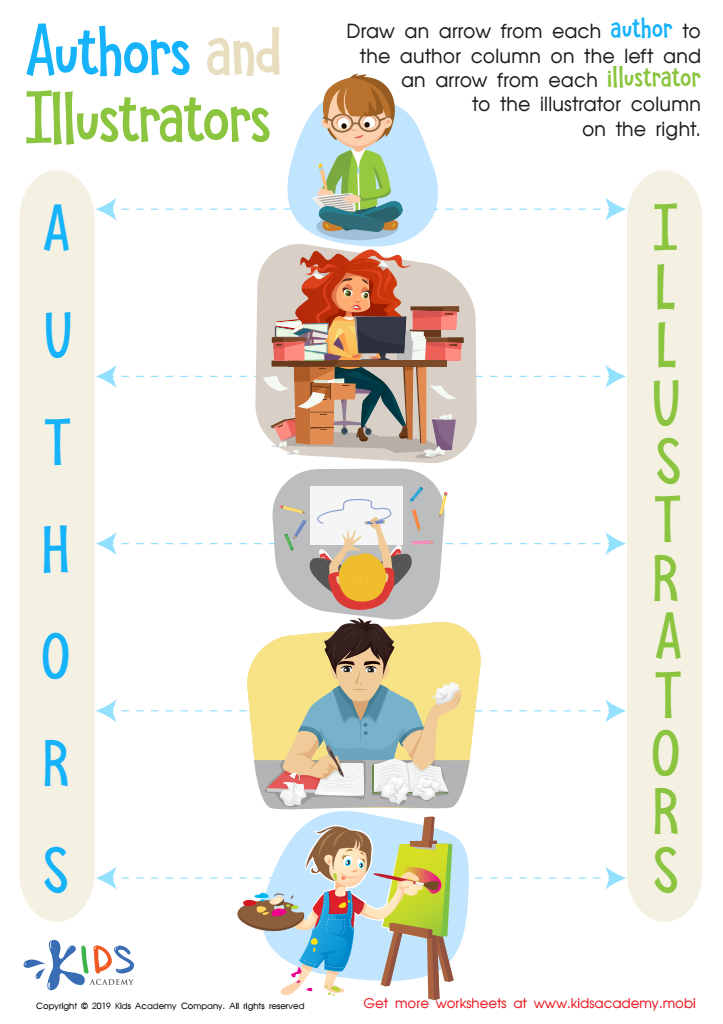
Authors and Illustrators Worksheet

Authors and Illustrators Worksheet

This free PDF provides a simple and fun way to understand the roles of authors and illustrators for beginning readers. It offers concrete pictures of what each one does and traceable lines for children to decide whether they are an author or an illustrator. It will help build their critical thinking skills and foster a better understanding of the book-making process.
Authors and Illustrators Worksheet
Worksheet
Find the Title Worksheet

Find the Title Worksheet

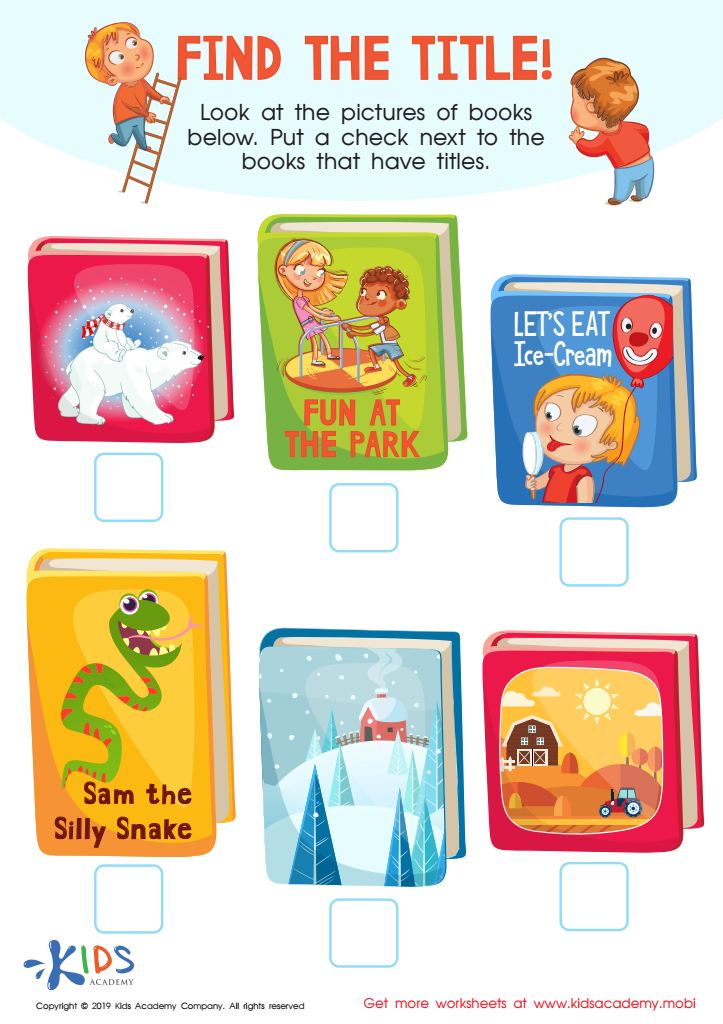
Help your kids to identify the colors of the books on this worksheet. Ask them to spot the differences between the six books, such as which ones have titles printed on their covers. Ask them to put a check next to the books with titles. This activity will promote your kids' thinking skills.
Find the Title Worksheet
Worksheet
Using Subheadings Worksheet

Using Subheadings Worksheet

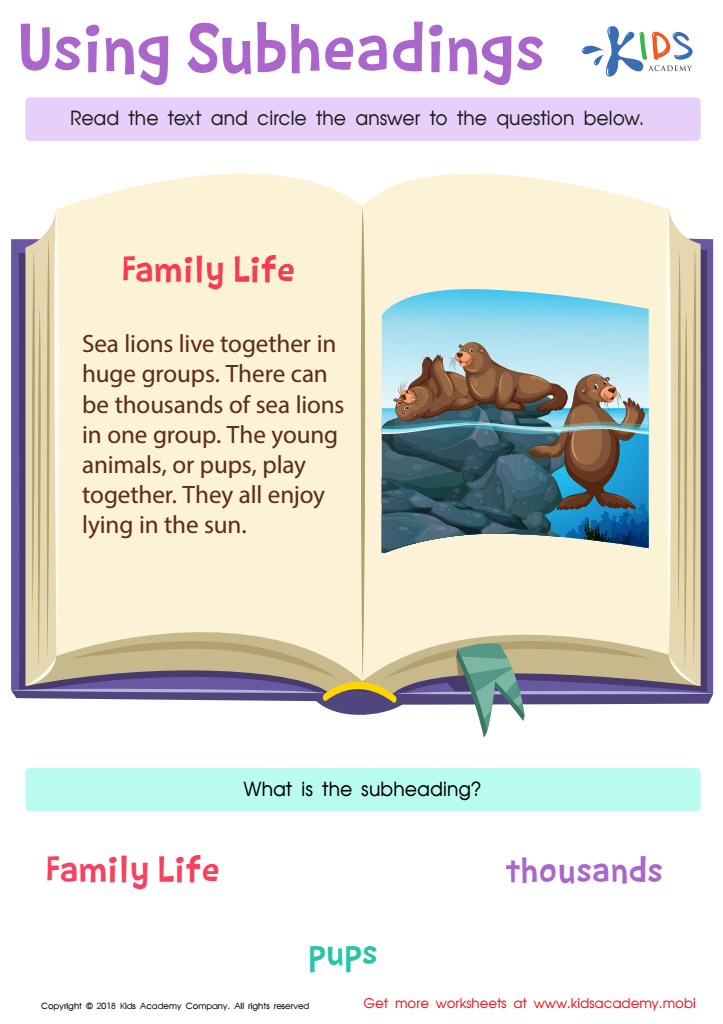
Writers must follow many rules to make their work organized and easier to read. Subheadings are usually in bold font and centered at the top of the page. Read the text to your kids and have them circle the correct answer.
Using Subheadings Worksheet
Worksheet
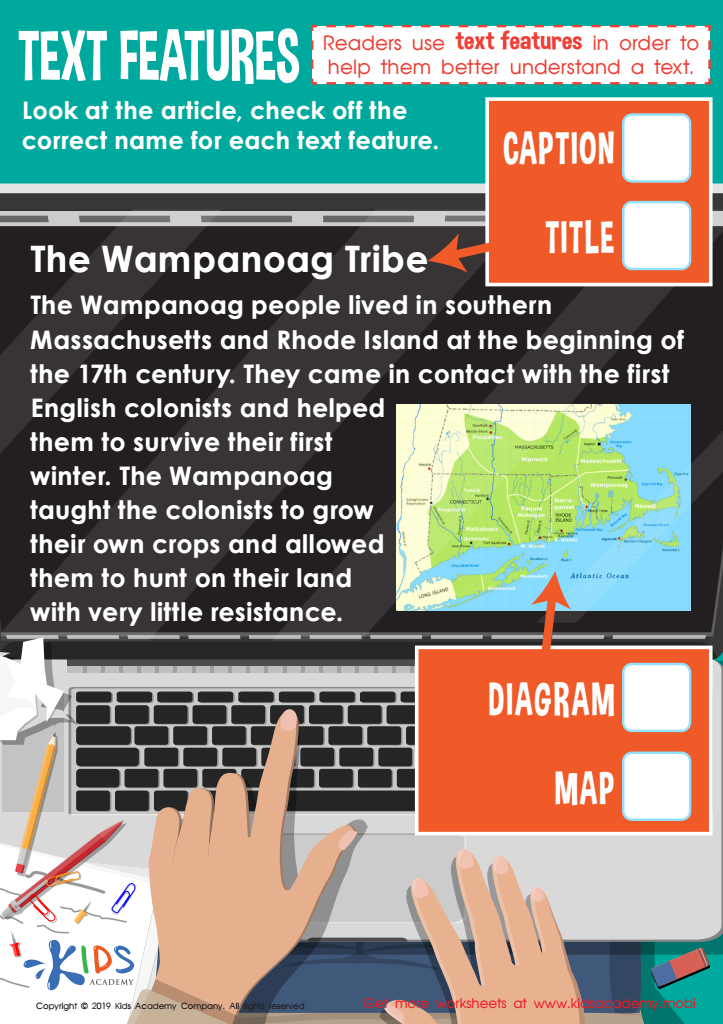
Text Features Worksheet

Text Features Worksheet

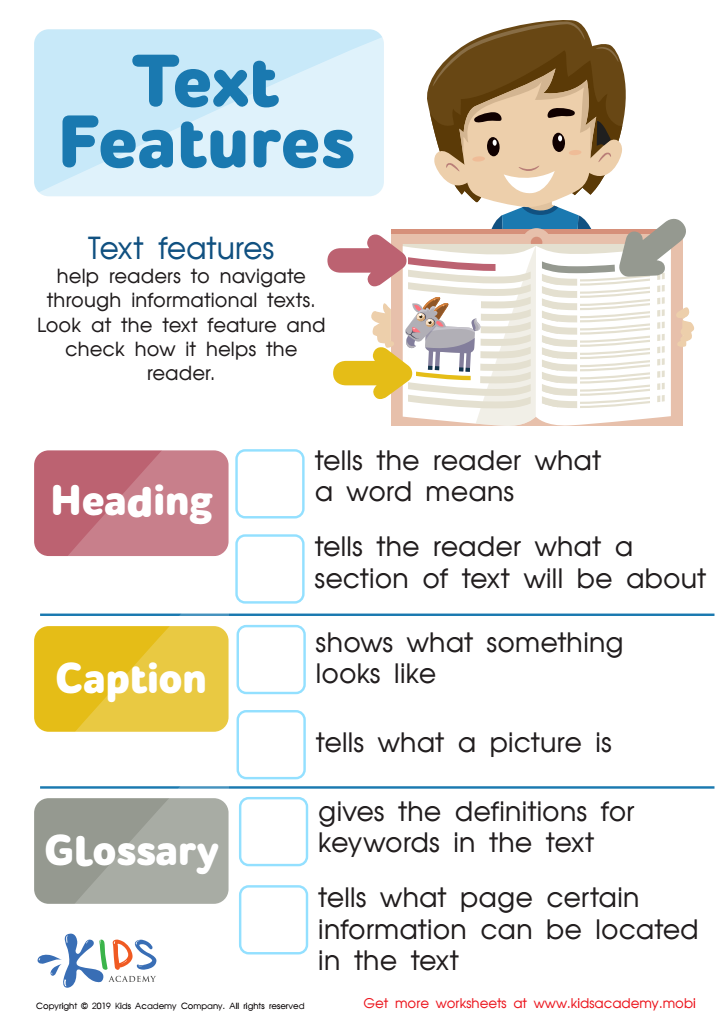
Help your kids get better at processing and analyzing texts by getting them to practice. Our worksheet with text features will help them find their way. This will help them understand how the features assist in finding information. Encourage practice, and they'll be able to improve quickly.
Text Features Worksheet
Worksheet
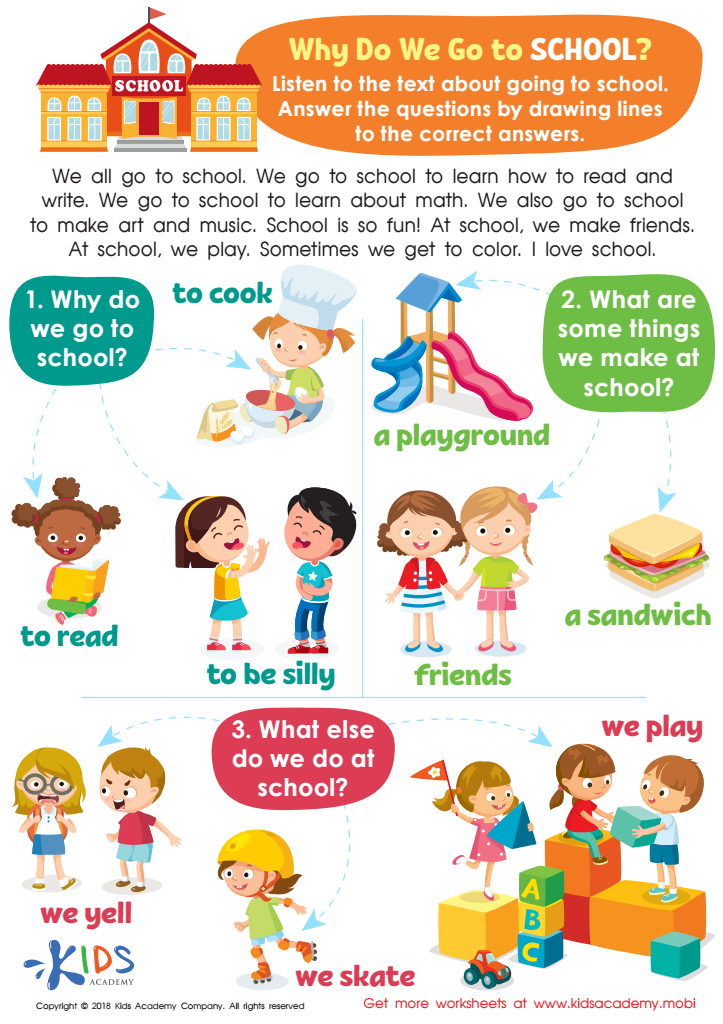
Why Do We Go To School? Worksheet

Why Do We Go To School? Worksheet

Ask your kids why they go to school and what they learn. Explain that some schools specialise in certain subjects like music or art. Show them the pictures and help them answer the questions by drawing lines to the correct answers. School is important and helps us learn, even though it may not feel enjoyable at times.
Why Do We Go To School? Worksheet
Worksheet
More About Abraham Lincoln Worksheet

More About Abraham Lincoln Worksheet

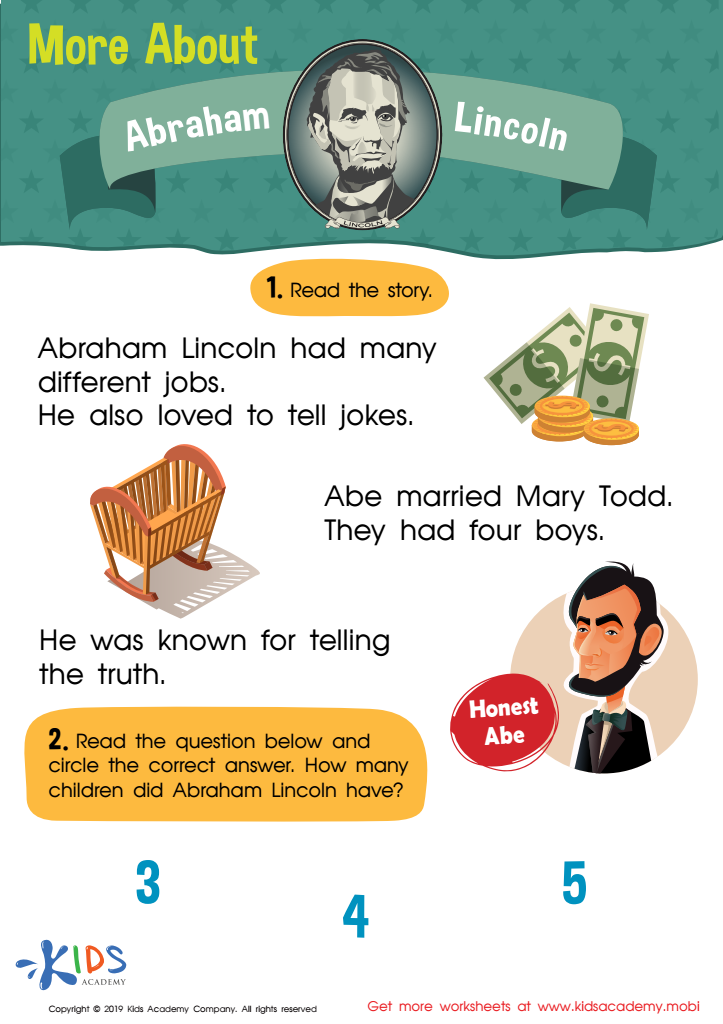
Read the short story in the worksheet with your kids. Show them the pictures representing the sentences, then ask the questions and help them circle the correct answer. Make sure they are actually paying attention and learning from the stories.
More About Abraham Lincoln Worksheet
Worksheet
First Person Worksheet

First Person Worksheet

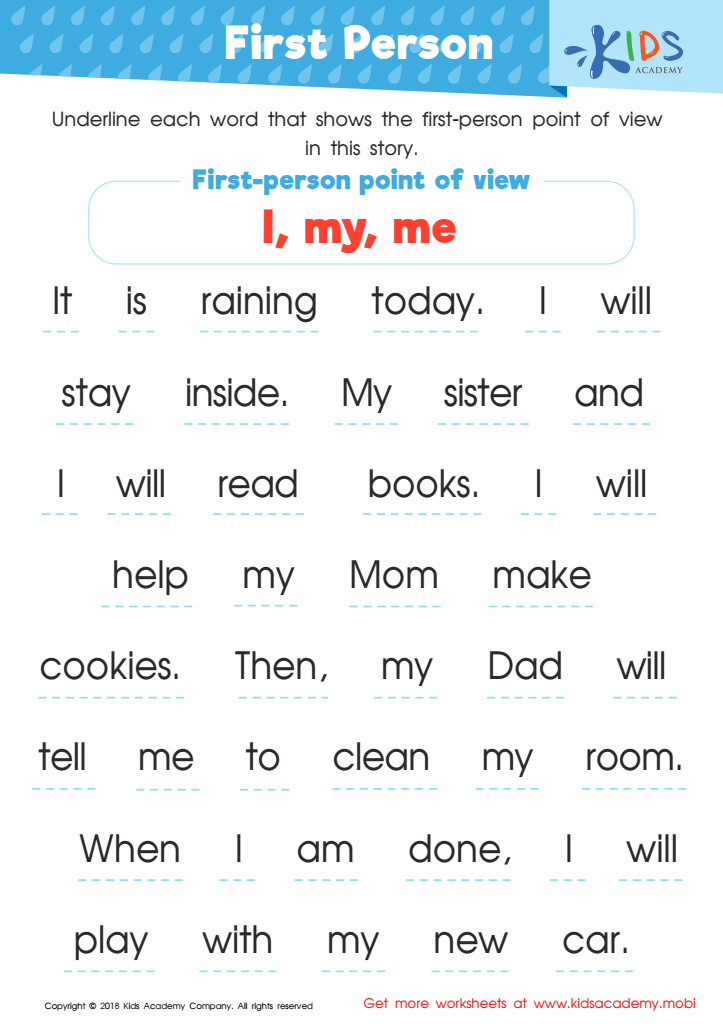
Teachers help students understand and recognize why authors choose different points of view. This worksheet focuses on first person point of view and its pronouns (I, me and my). Students will read a story, then circle each first-person pronoun. Through this activity, they'll practice identifying the POV in a text.
First Person Worksheet
Worksheet
Text Features Worksheet

Text Features Worksheet

Encourage your child to read- it'll pay off! Reading teaches us new words, spelling, and information on various topics. Plus, readers use text features- such as tables, indexes, and diagrams- to help comprehend. Read the worksheet with your child and help them identify and understand the different features.
Text Features Worksheet
Worksheet


Parents and teachers should prioritize improving reading comprehension for children ages 5-8 because it forms the cornerstone of their overall academic success and lifelong learning. At this young, impressionable age, children are not just learning to read—they are transitioning to reading to learn. A strong foundation in reading comprehension helps them better understand and engage with a variety of subjects such as math, science, and social studies.

When children comprehend what they read, they can follow instructions more accurately, solve problems more effectively, and communicate their ideas more clearly. This leads to increased confidence and a positive attitude toward learning, which are critical during their formative years. Furthermore, good reading skills are linked to enhanced cognitive development and improved critical thinking skills.

Neglecting reading comprehension at this age can result in academic struggles, decreased self-esteem, and a detrimental gap in knowledge that can persist throughout their educational journey. Conversely, children who develop strong reading skills are more likely to perform well in school, enjoy learning, and possess the literacy skills necessary for future opportunities. Hence, by ensuring effective reading comprehension strategies, parents and teachers can pave the way for a child's overall success and well-being.