Number Recognition Normal Worksheets for Ages 5-8 - Page 2
132 filtered results
-
From - To
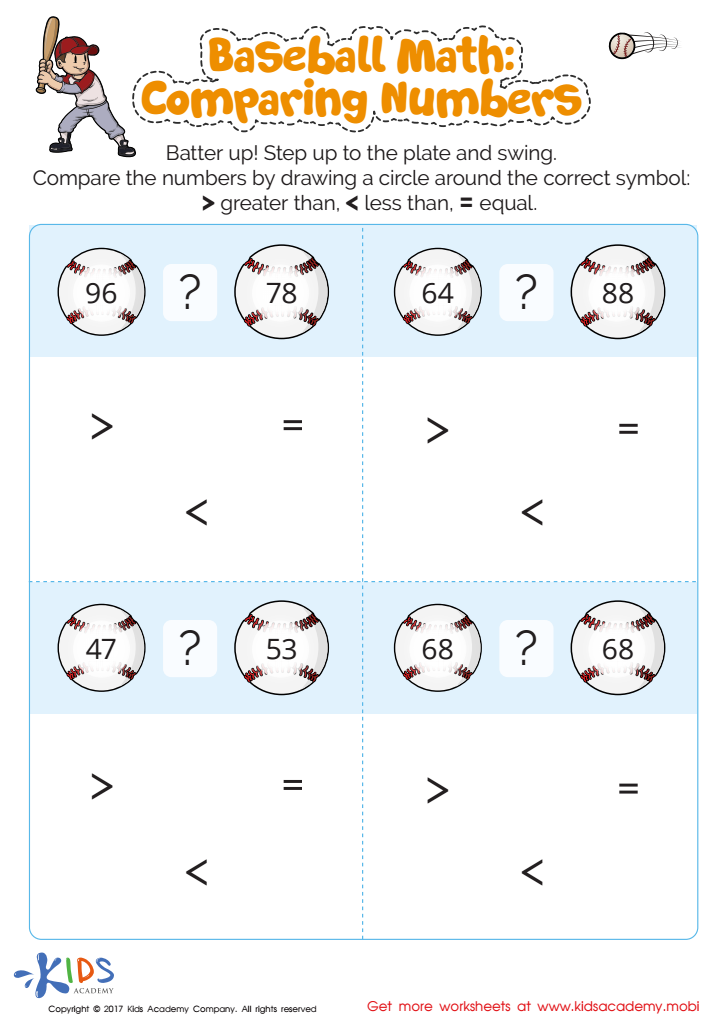
Compare Numbers Printable
 Assign to My Students
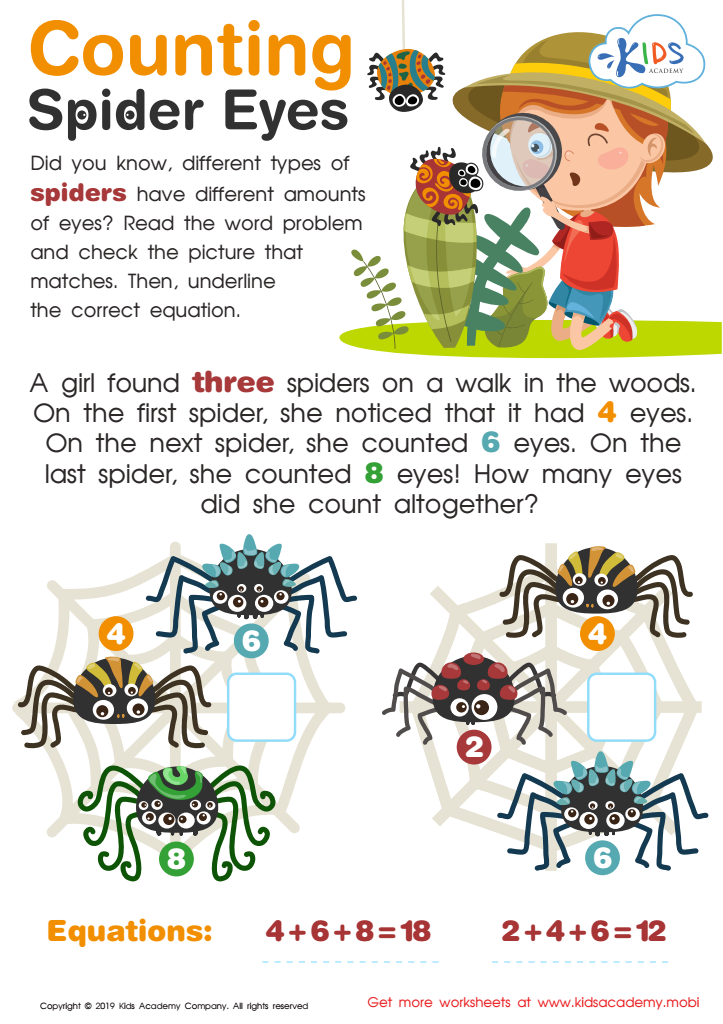
Counting Spider Eyes Worksheet
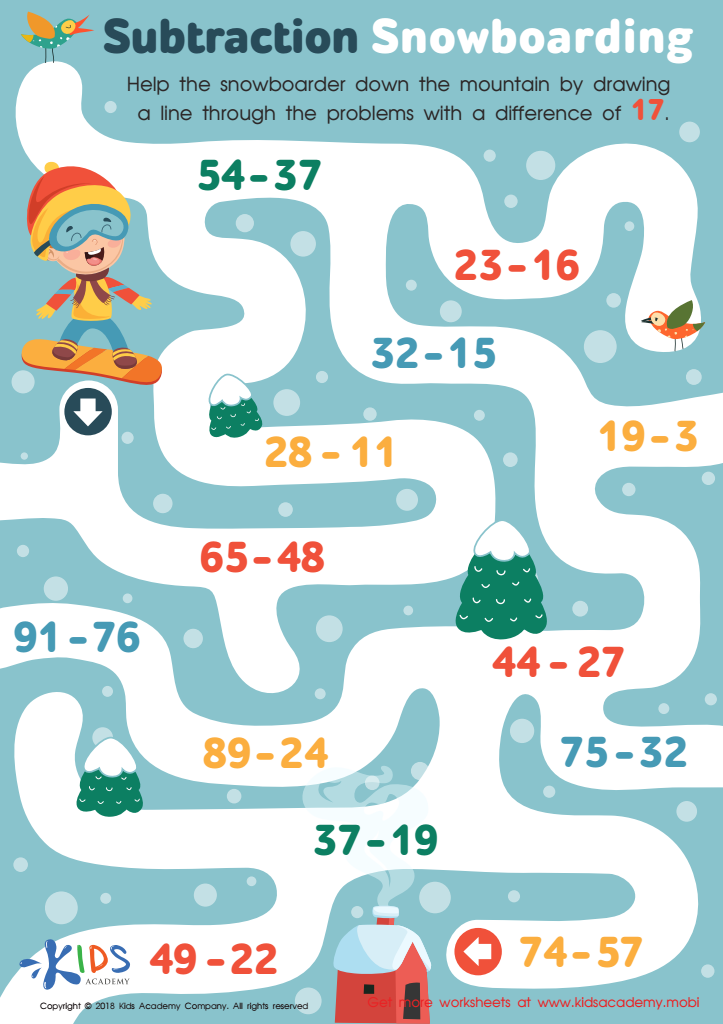
Subtraction Snowboarding Worksheet
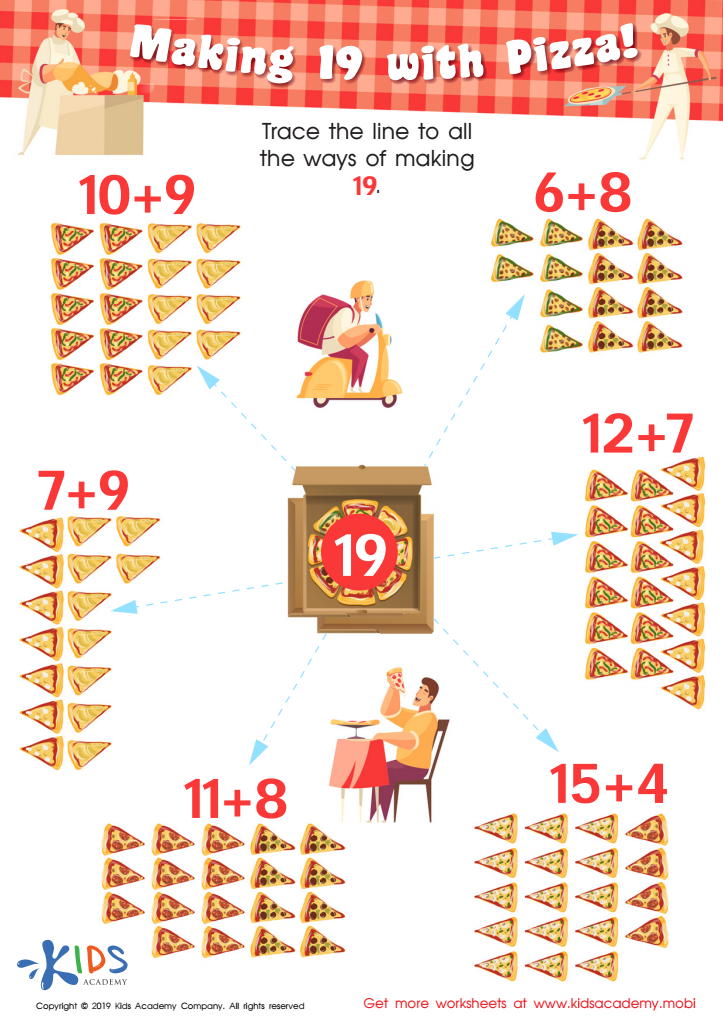
Making 19 with Pizza! Worksheet
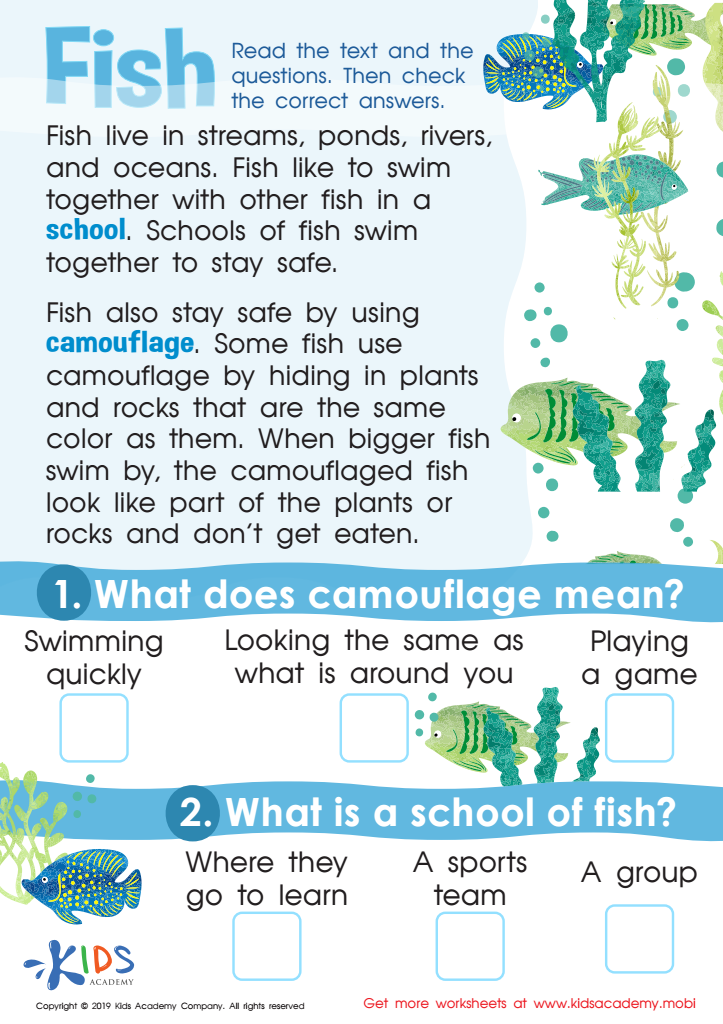
Fish Worksheet
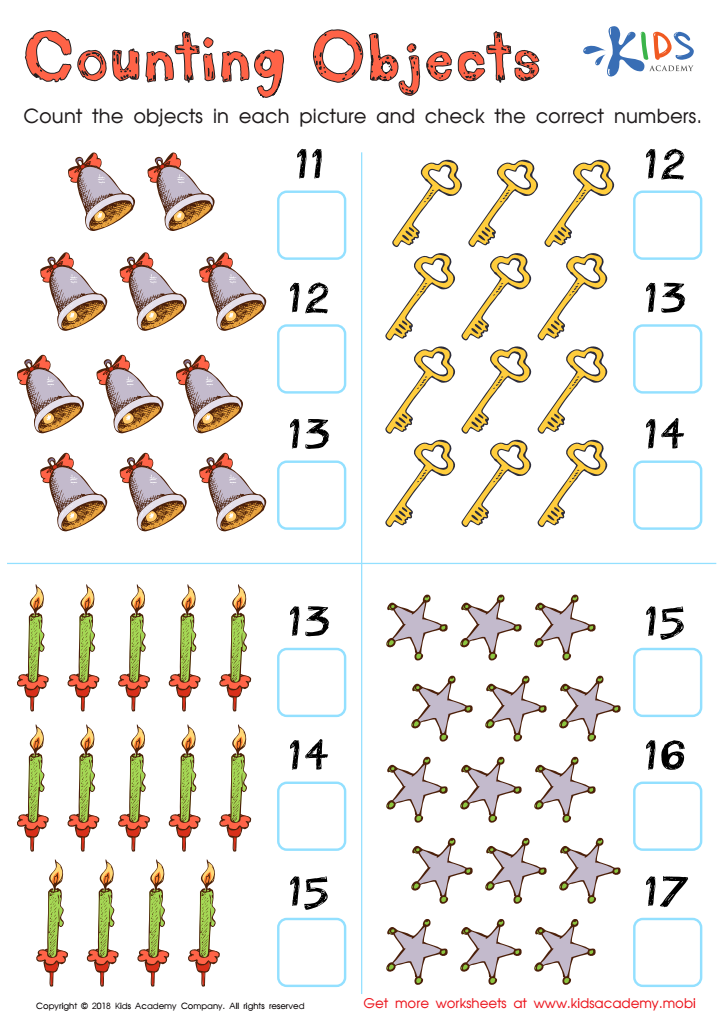
Counting Numbers Worksheet For Kindergarten
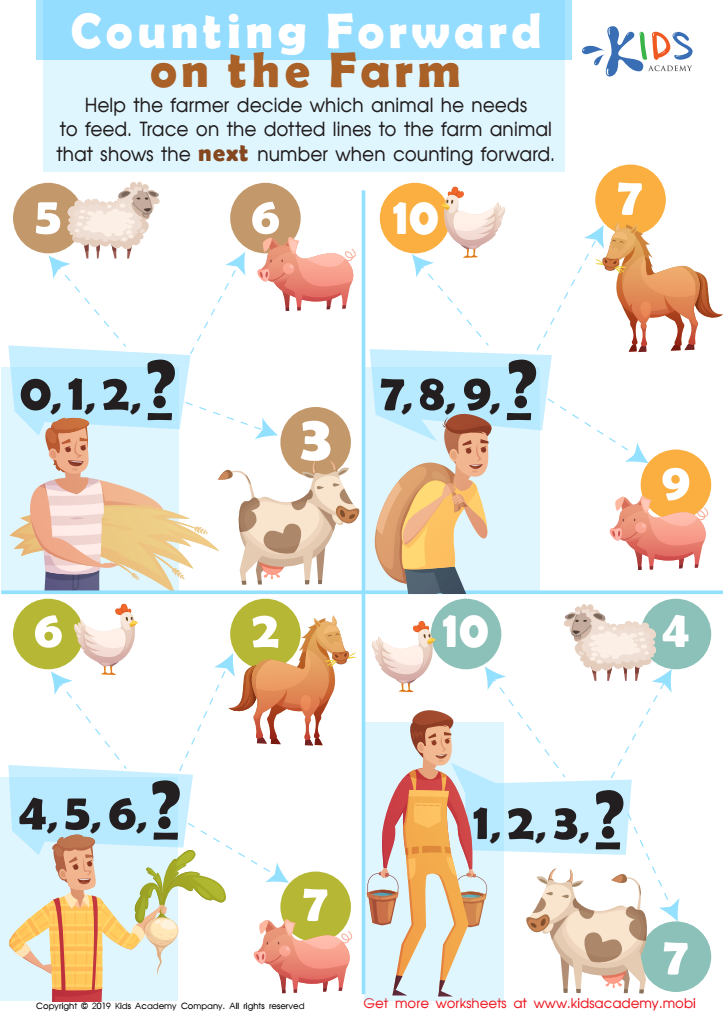
Counting Forward On the Farm Worksheet
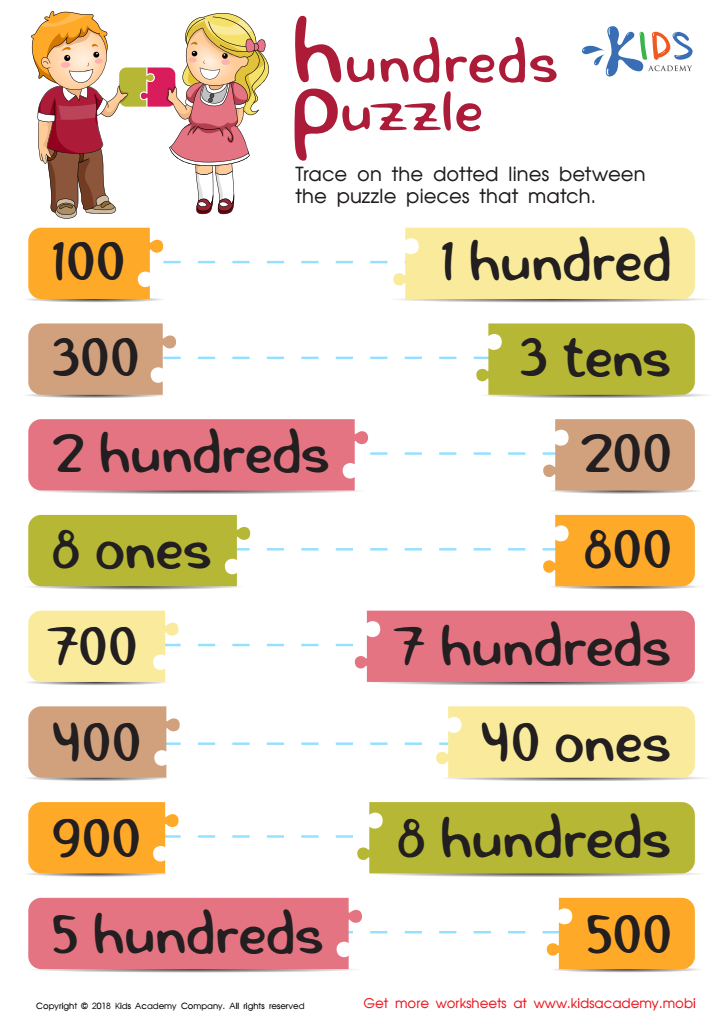
Hundreds Puzzle Worksheet
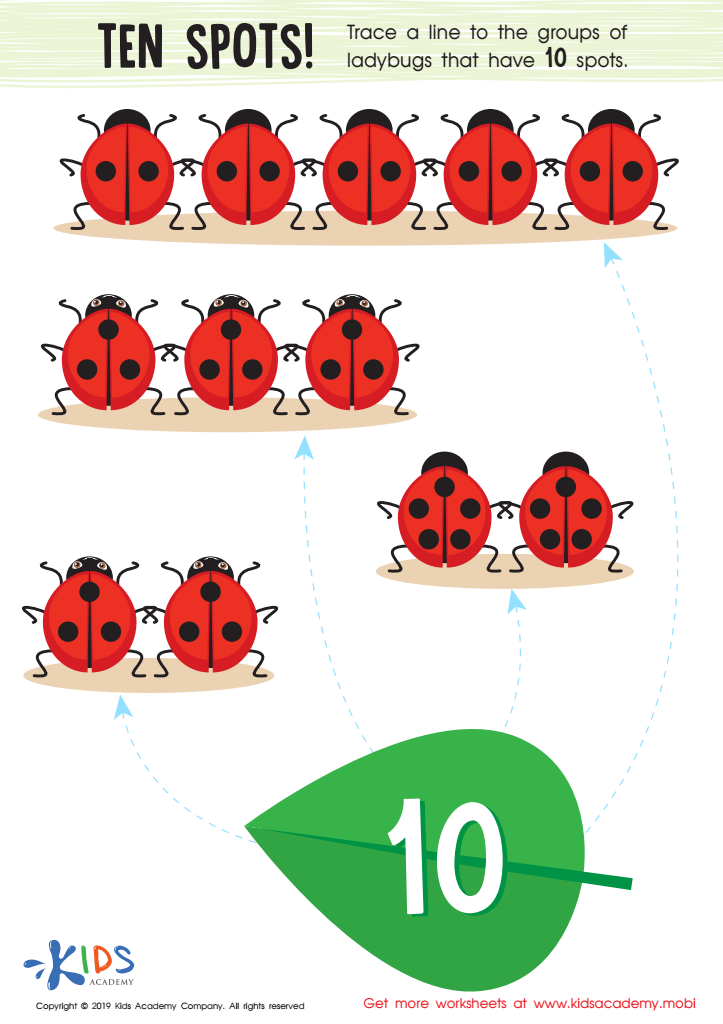
Ten Spots Worksheet
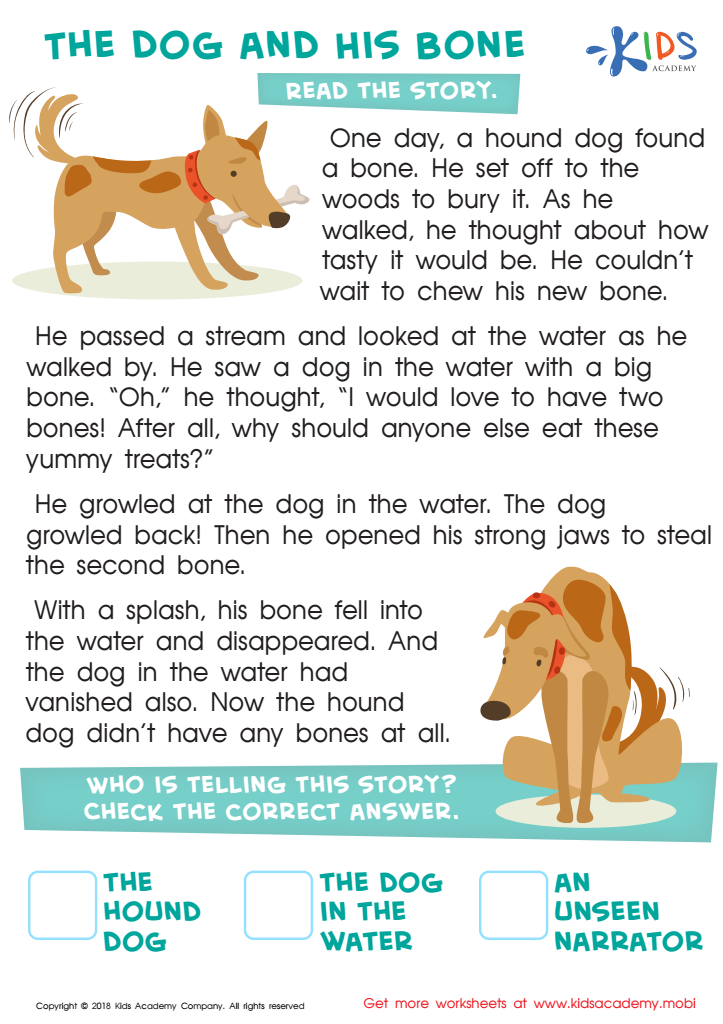
The Dog and His Bone Worksheet
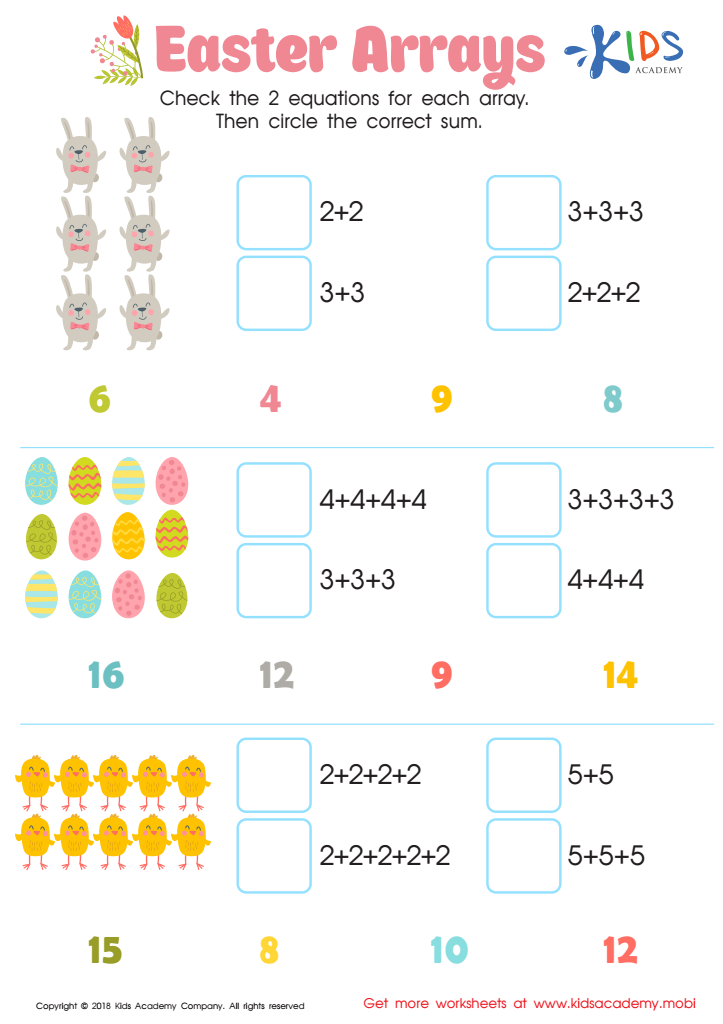
Easter Arrays Worksheet
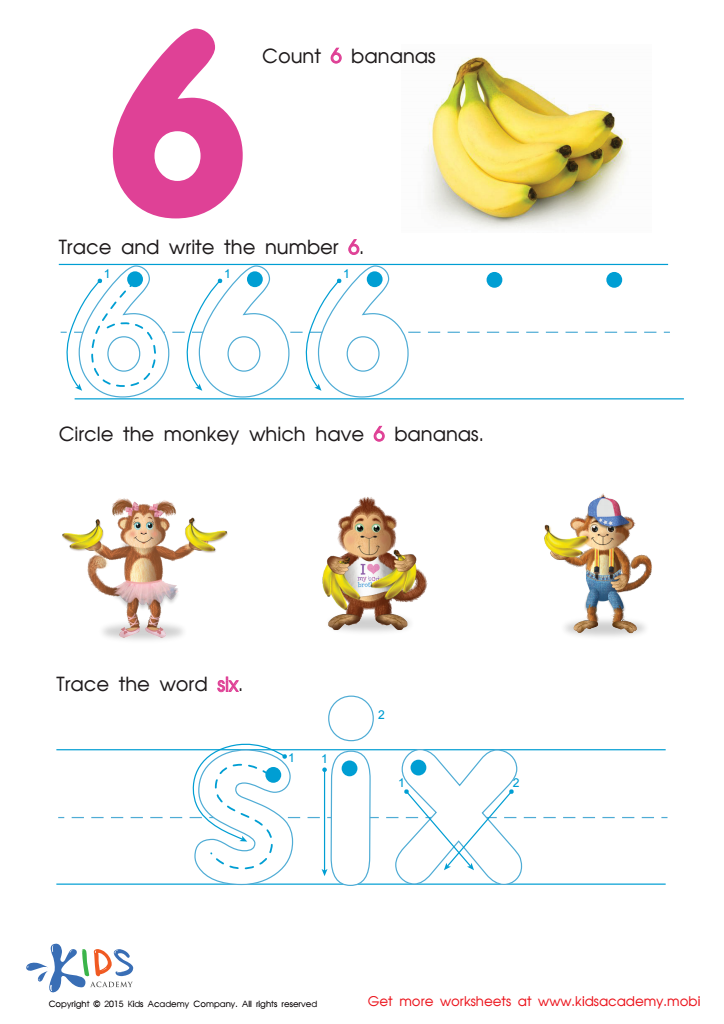
Tracing And Writing Number 6 Worksheet
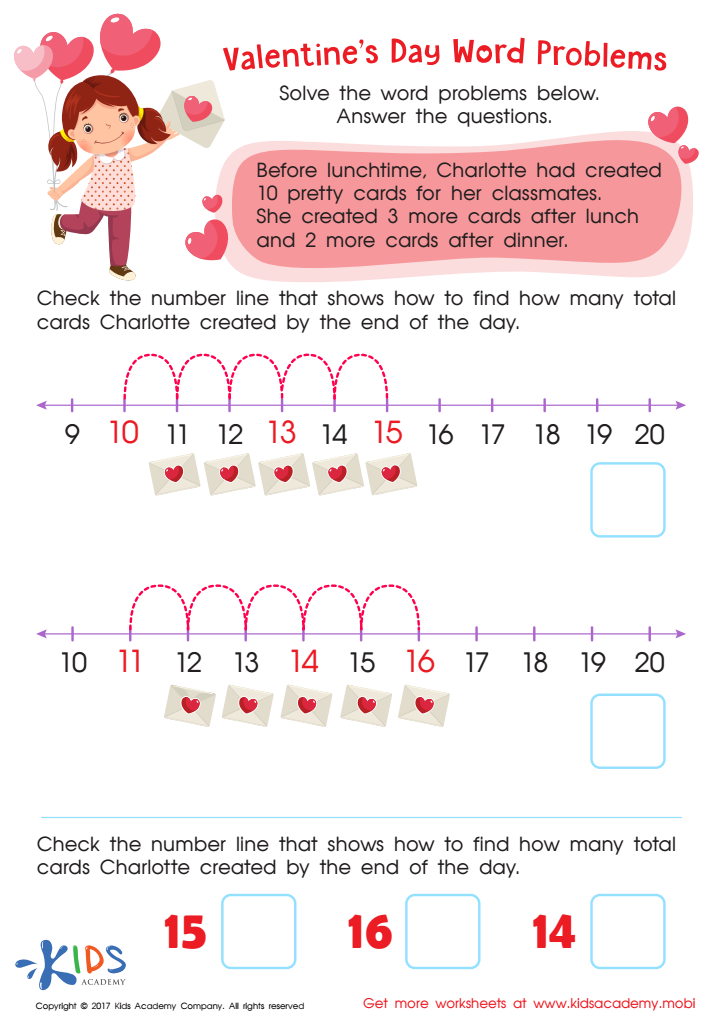
Valentines Day Word Problem Worksheet

At the Zoo: Counting Practice Worksheet
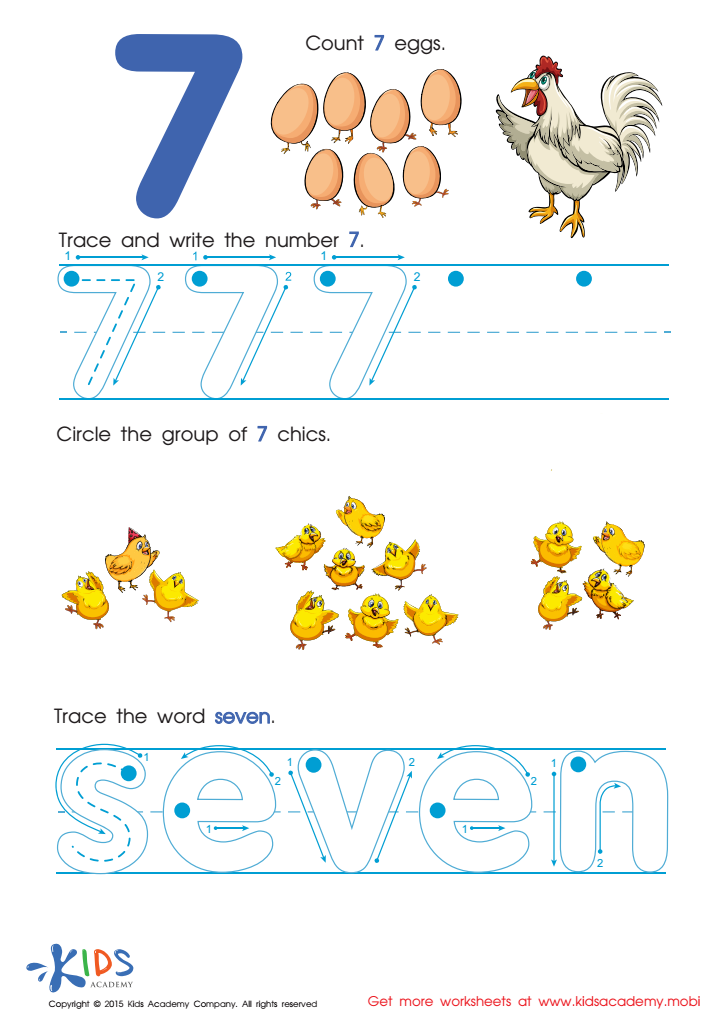
Trace And Write Number 7 with Fun Worksheet
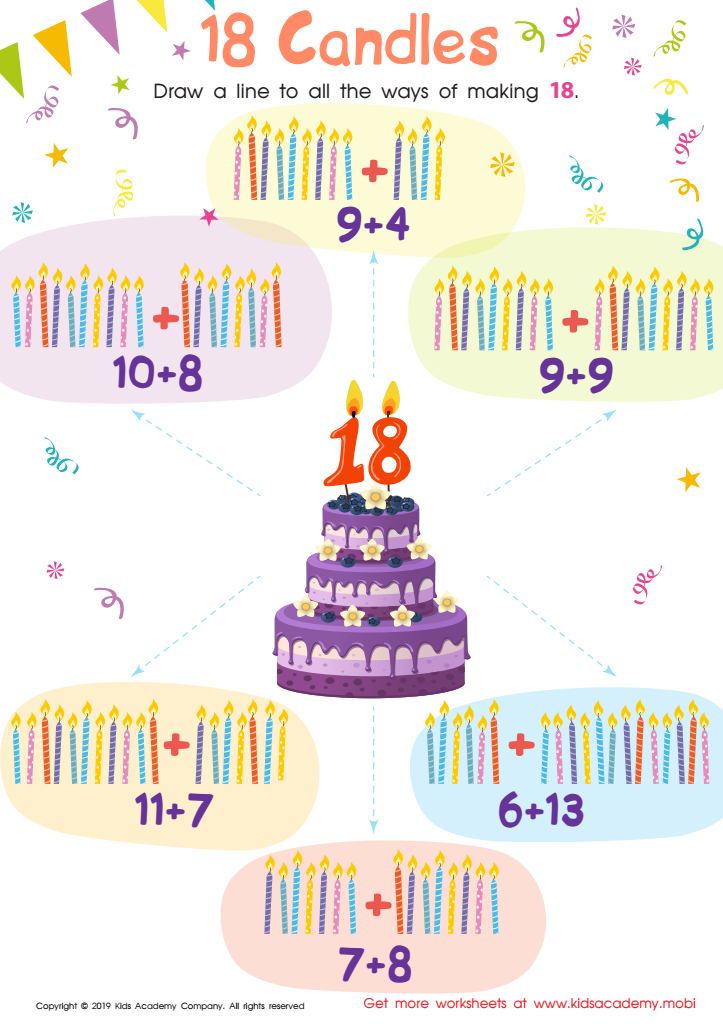
18 Candles Worksheet
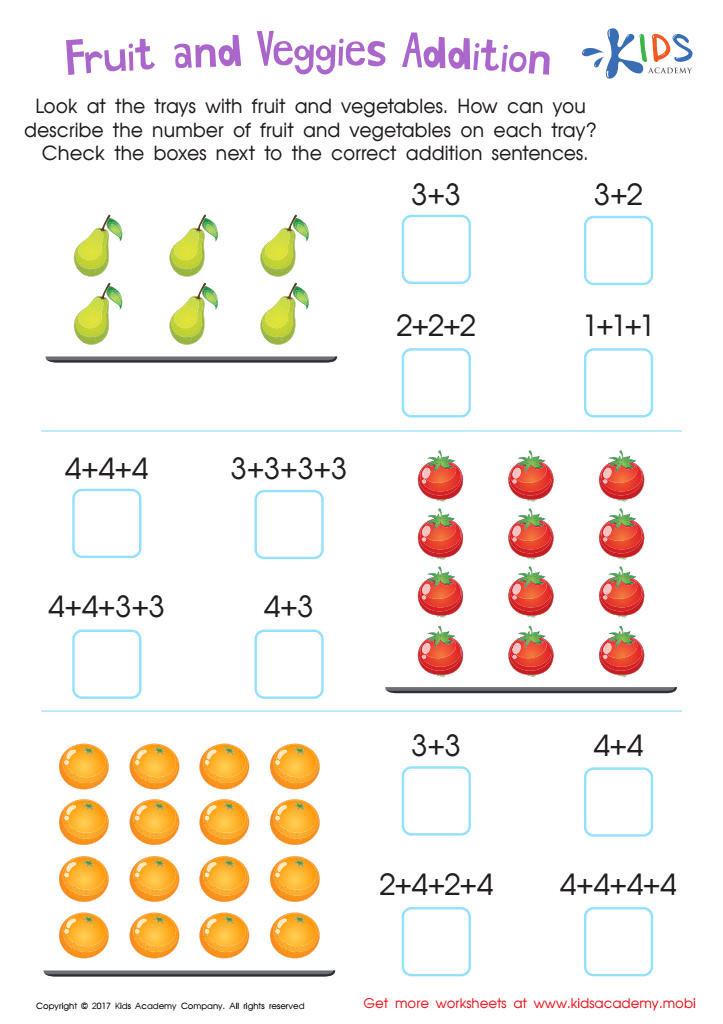
Fruit and Veggies Worksheet

Tracing And Learning to Write Number 9 Worksheet
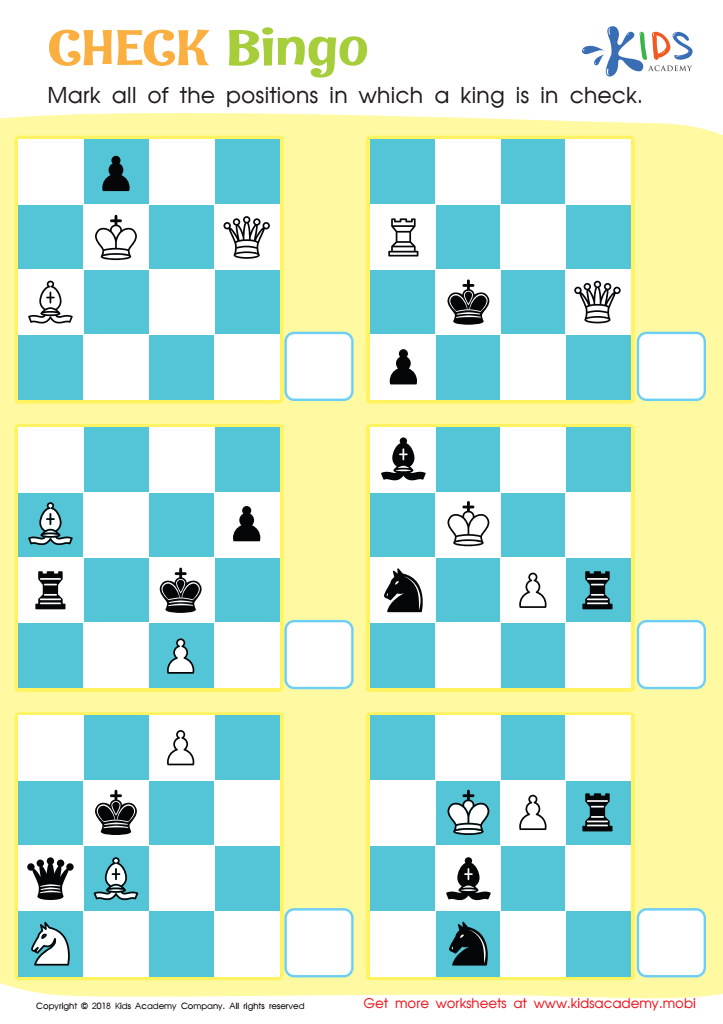
Check Bingo Worksheet
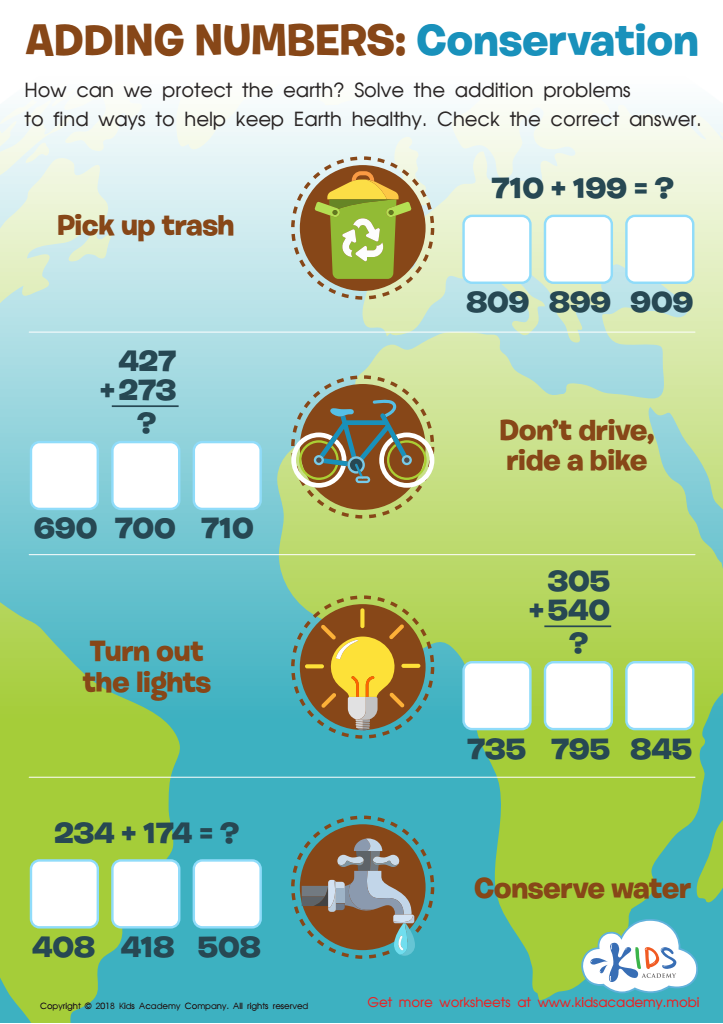
Adding Numbers: Conservation Worksheet
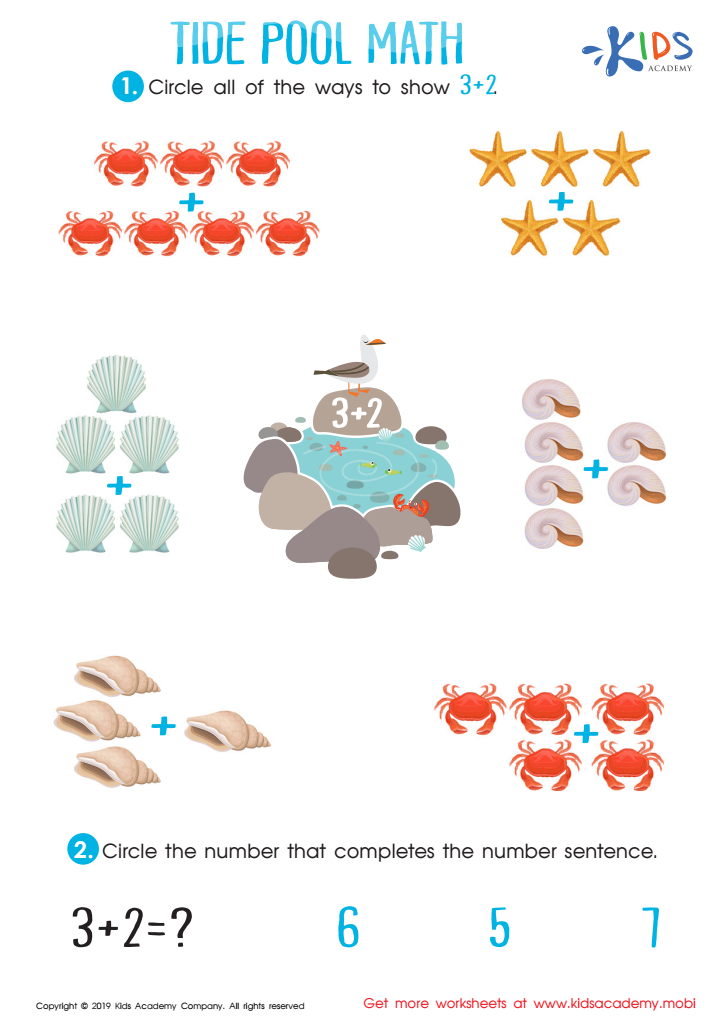
Tide Pool Math Worksheet
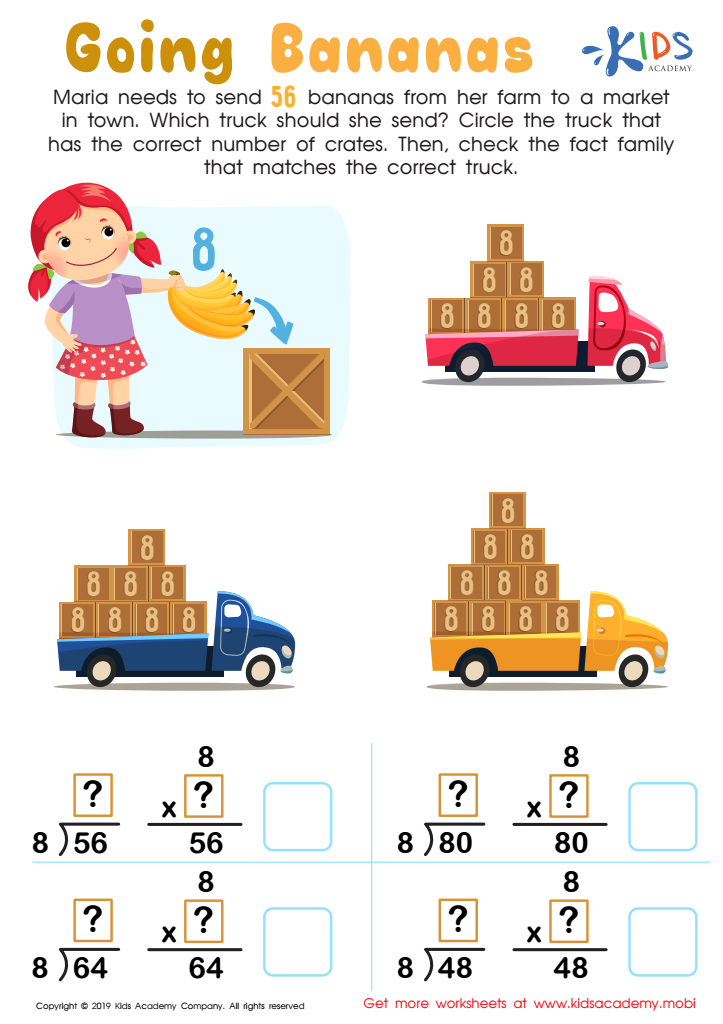
Going Bananas Worksheet








Parents and teachers should prioritize number recognition in children aged 5-8 as it forms the bedrock for future mathematical learning and everyday problem-solving skills. During these formative years, children’s brains are highly adaptable and capable of absorbing foundational concepts that will support their cognitive development. Number recognition not only involves identifying and naming numbers but also understanding their value and how they relate to quantities and other numbers.
When children can recognize numbers accurately, they gain confidence with simple tasks like counting, comparing, and ordering objects, which are essential skills for more advanced mathematical concepts like addition, subtraction, multiplication, and understanding place value.
Moreover, number recognition is pivotal for everyday activities. Understanding numbers aids in daily activities such as telling time, managing money, and measuring ingredients for a recipe, fostering independence and practical life skills. It also boosts a child's confidence and eagerness to tackle new challenges.
In an increasingly data-driven world, early competency in mathematics opens doors to future STEM opportunities and career prospects. By laying a strong foundation early on, parents and teachers help ensure that children not only achieve academic success but also build a positive attitude toward learning and problem-solving.








