Story sequencing Normal Worksheets for Ages 5-8
19 filtered results
-
From - To
Discover our "Story Sequencing Normal Worksheets for Ages 5-8" at Kids Academy! These engaging and educational printables are designed to help young learners enhance their reading comprehension and logical thinking skills. Each worksheet presents a series of illustrations or text segments that children must arrange in the correct order, helping them understand narrative flow and build critical storytelling abilities. Perfect for use at home or in the classroom, our story sequencing worksheets support active learning and make mastering sequence concepts enjoyable for kids aged 5 to 8. Empower your child’s educational journey today with Kids Academy!
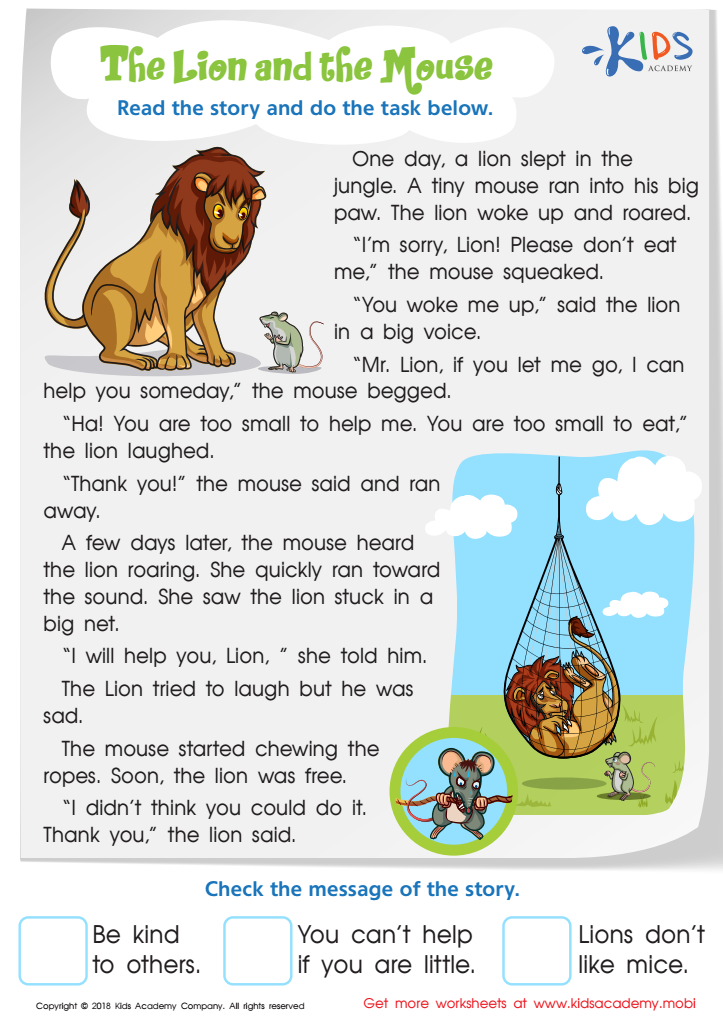
The Lion and the Mouse Worksheet
 Assign to My Students
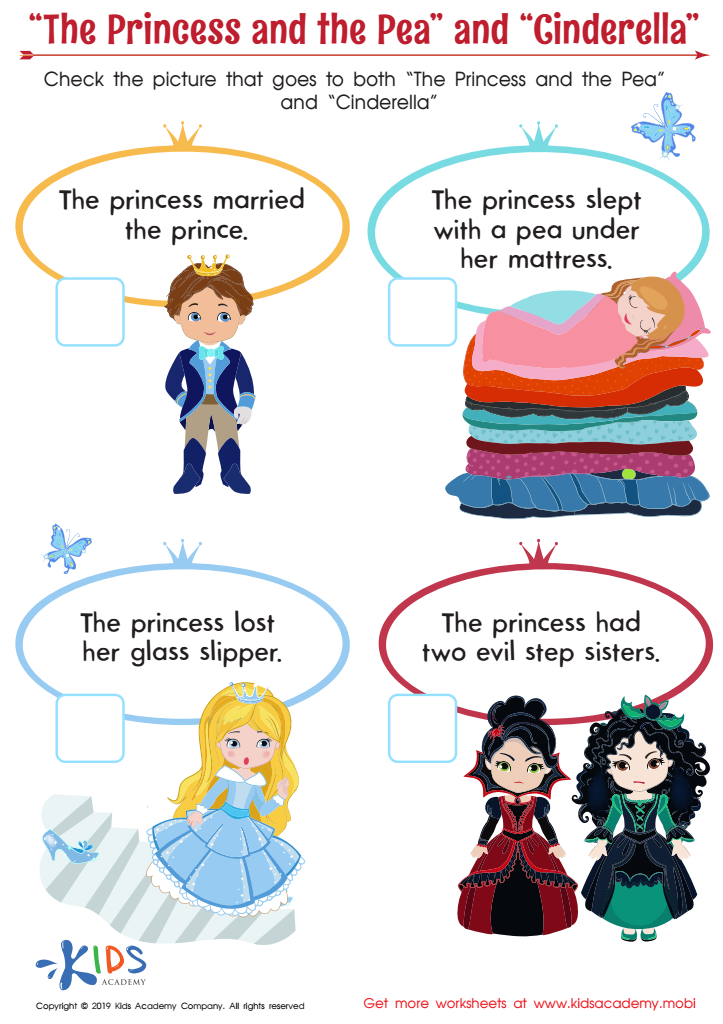
“The Princess and the Pea” and “Cinderella” Worksheet
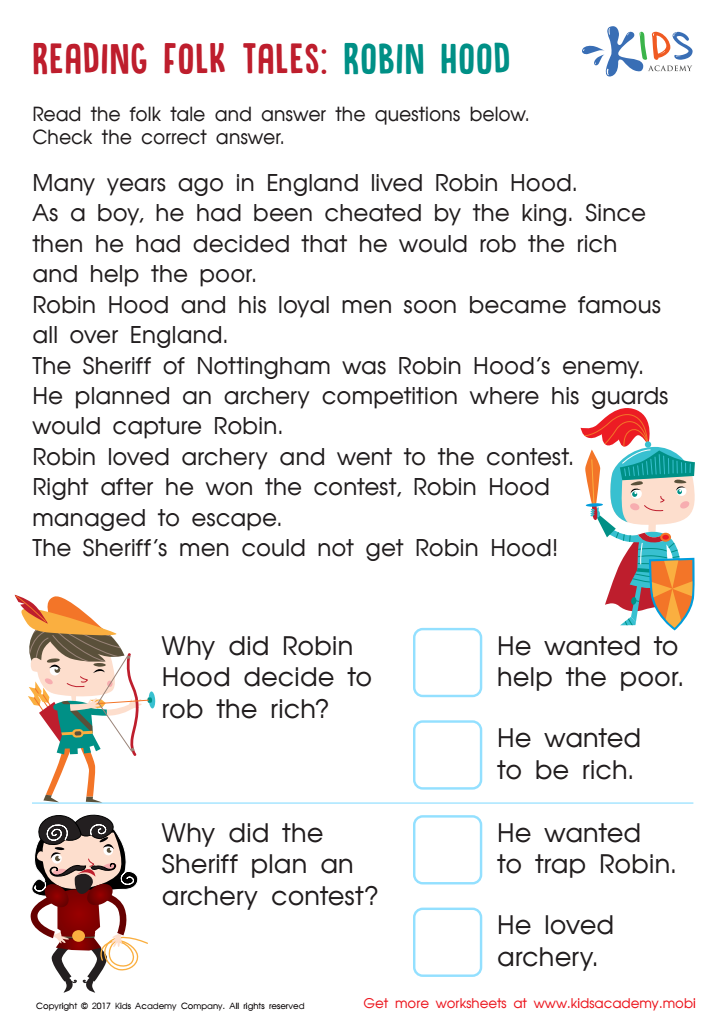
Robin Hood Folktale Worksheet
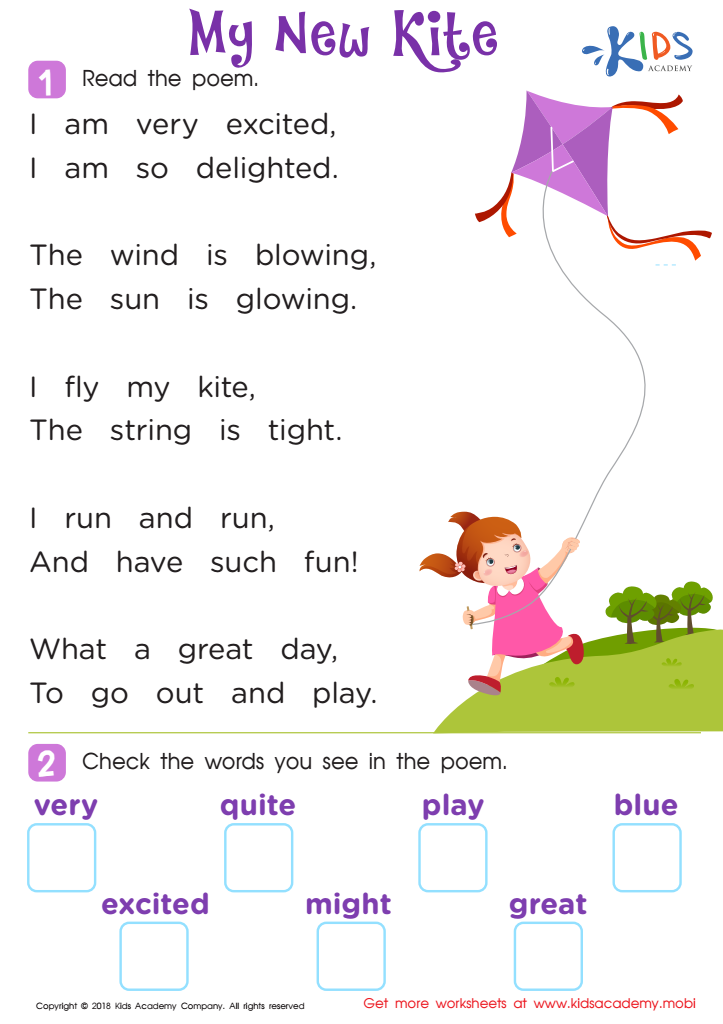
Poem: My New Kite Worksheet
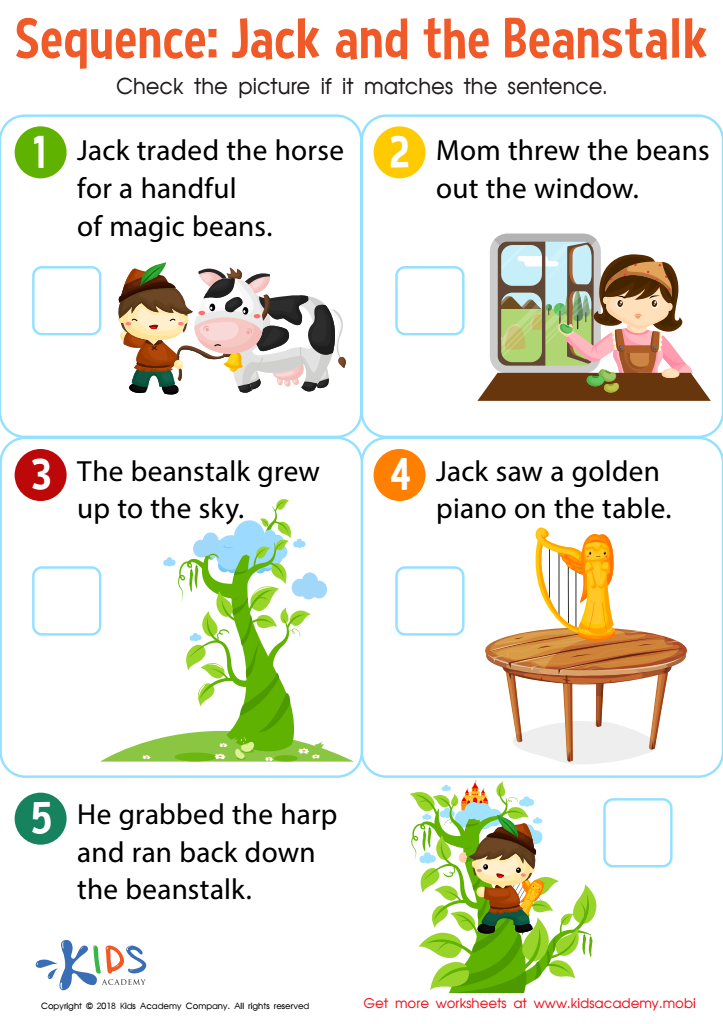
Sequence: Jack and The Beanstalk Worksheet
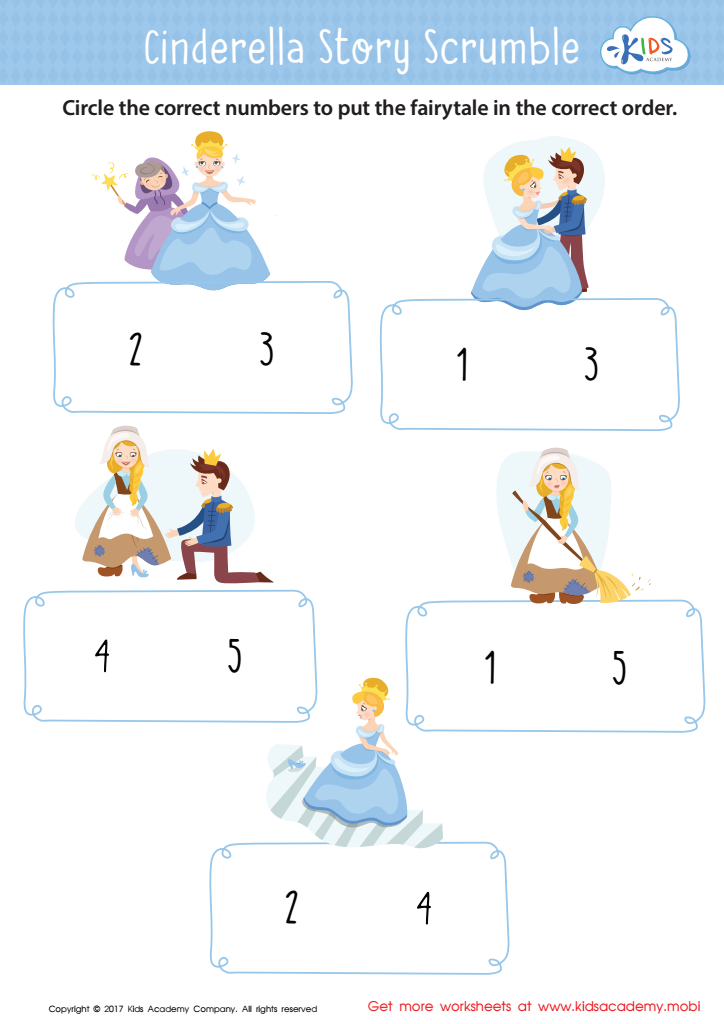
Cinderella Story Sequencing Worksheet
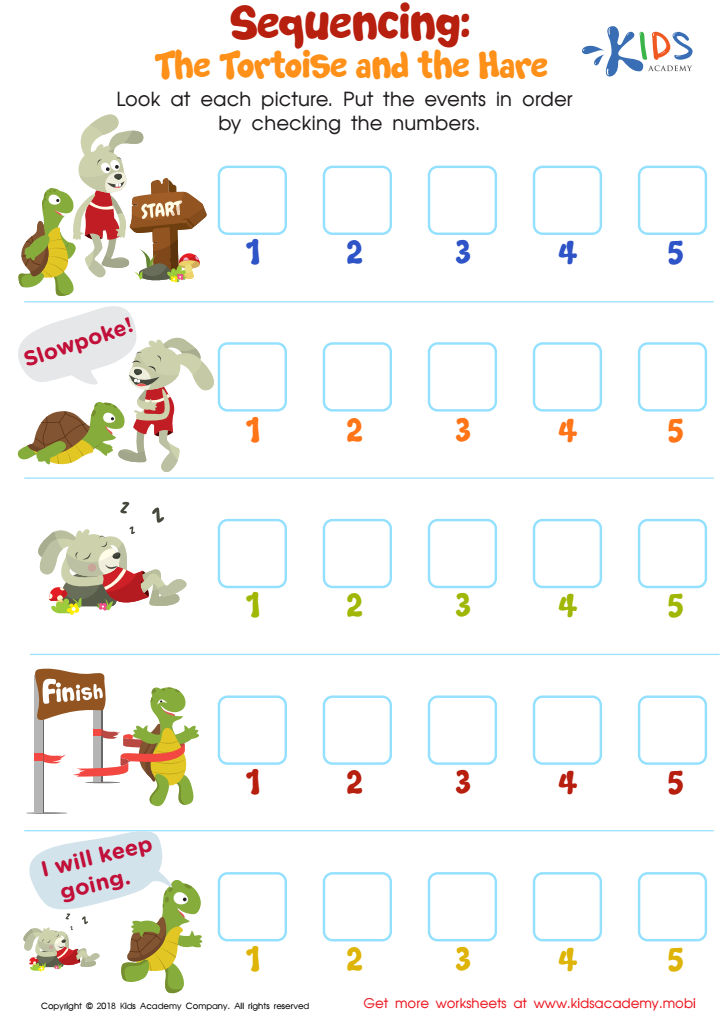
Sequencing: The Tortoise and the Hare Worksheet
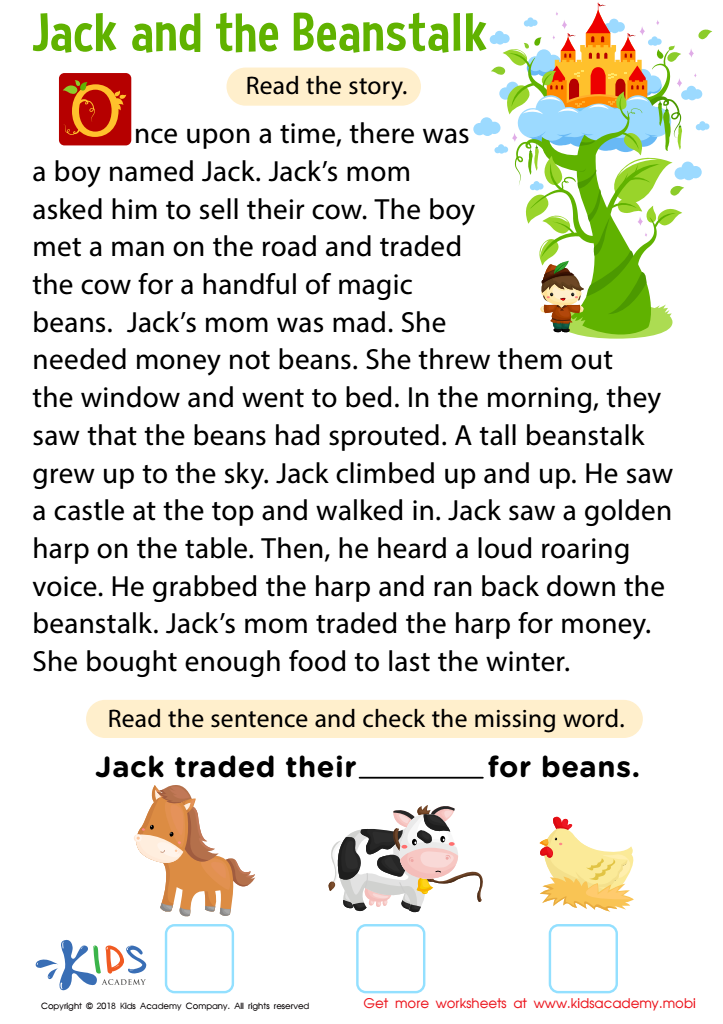
Jack and Beanstalk Worksheet
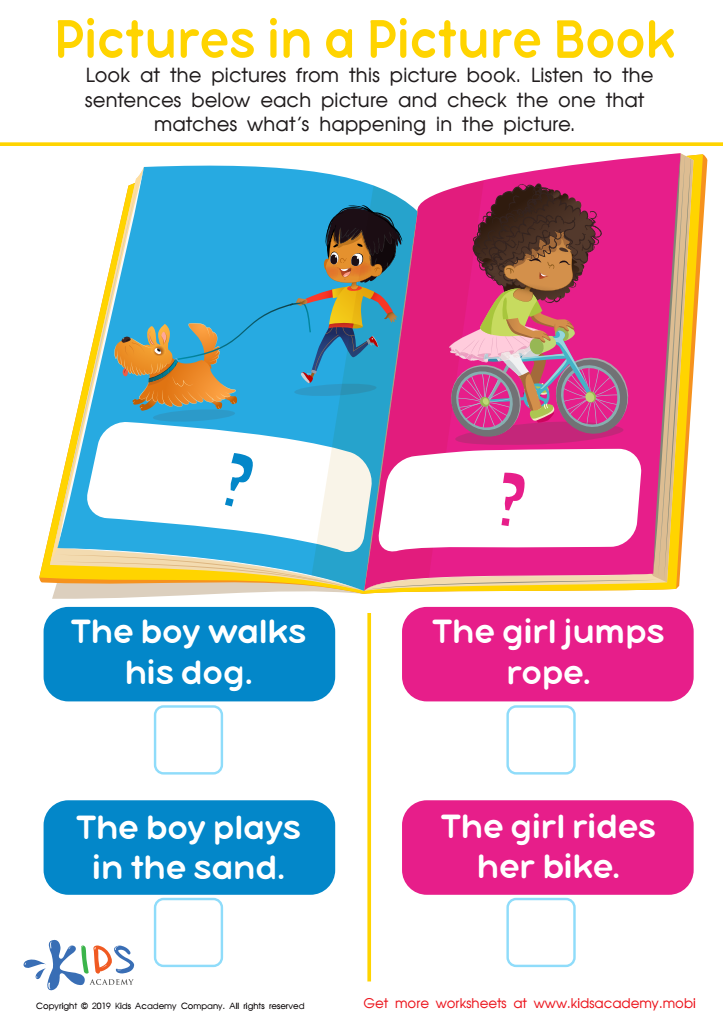
Picture in Books Worksheet
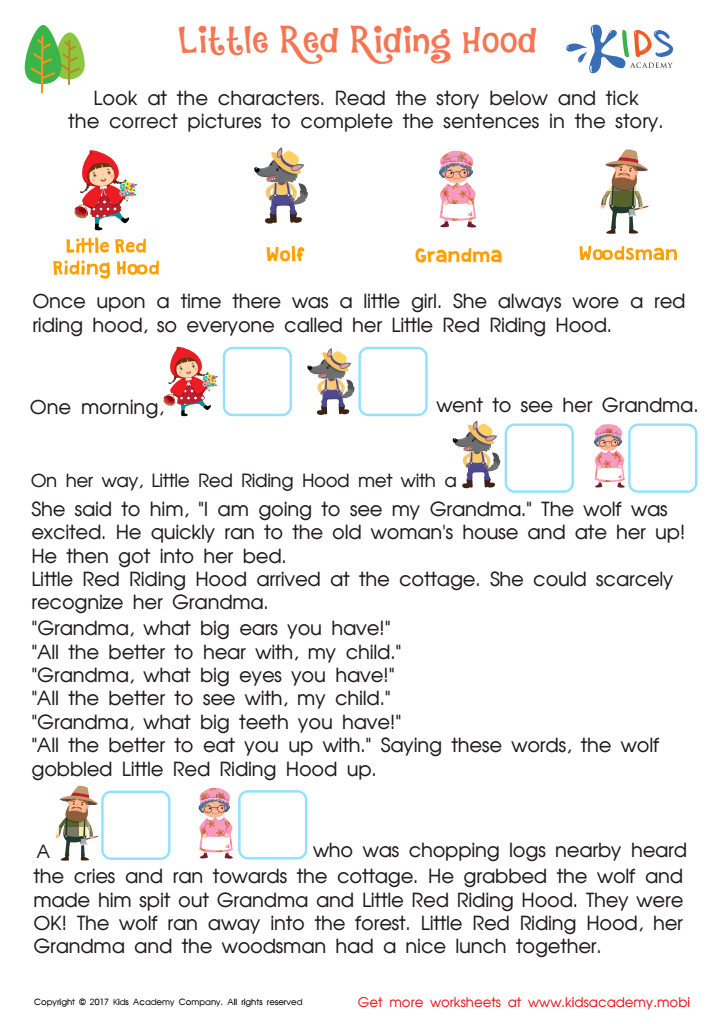
Little Red Riding Hood Printable
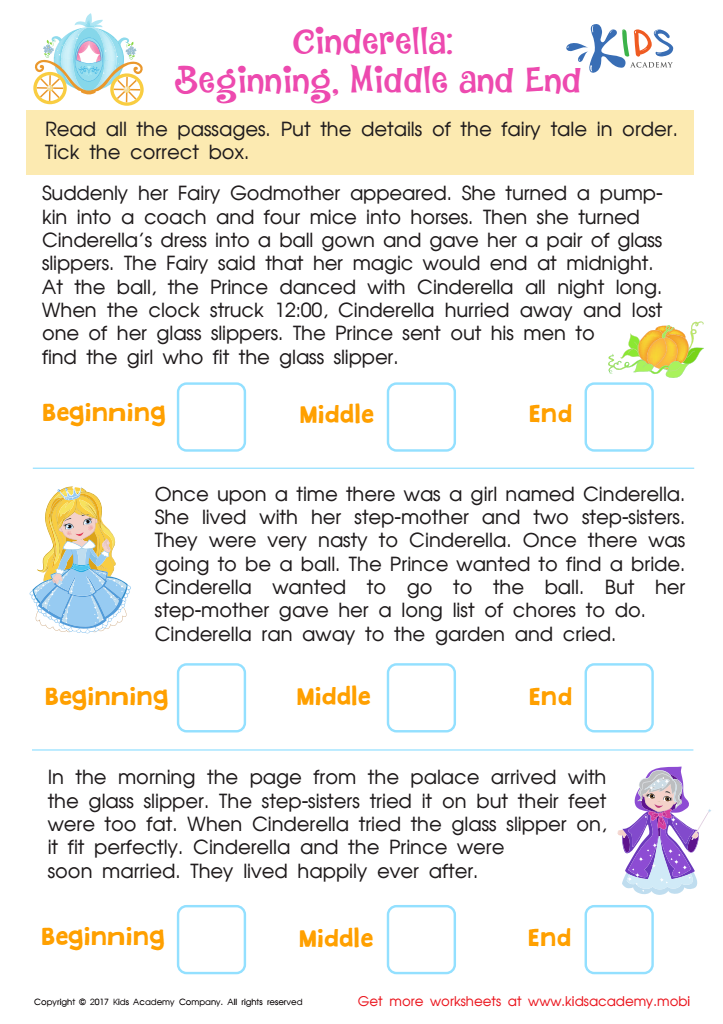
Cinderella: Beginning, Middle and End Worksheet
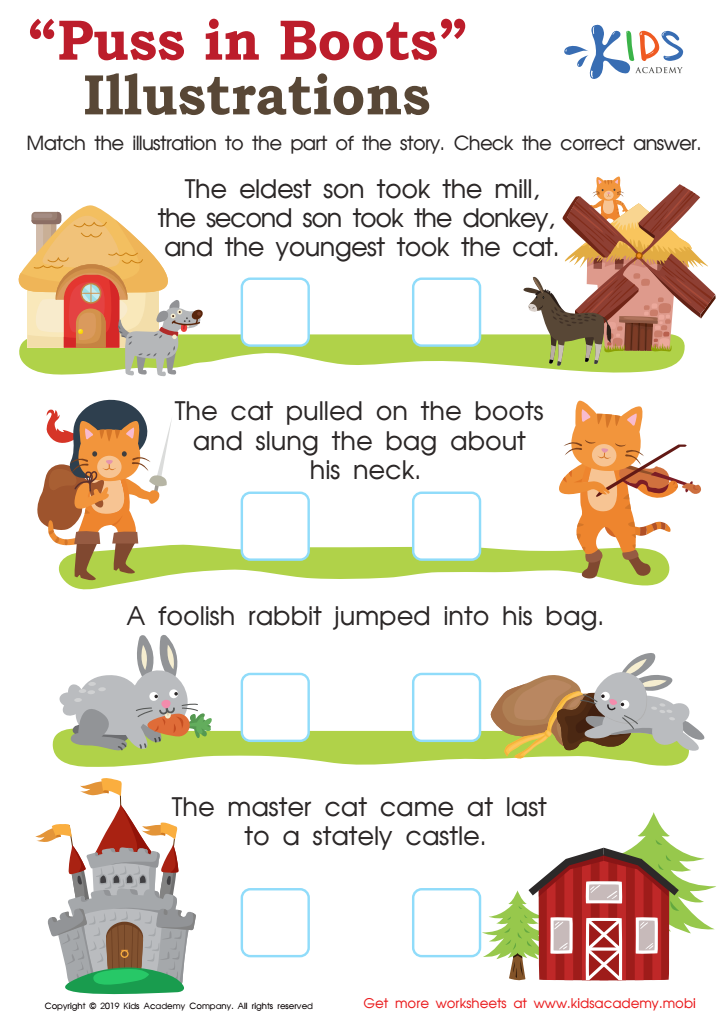
Puss in Boots Illustrations Worksheet
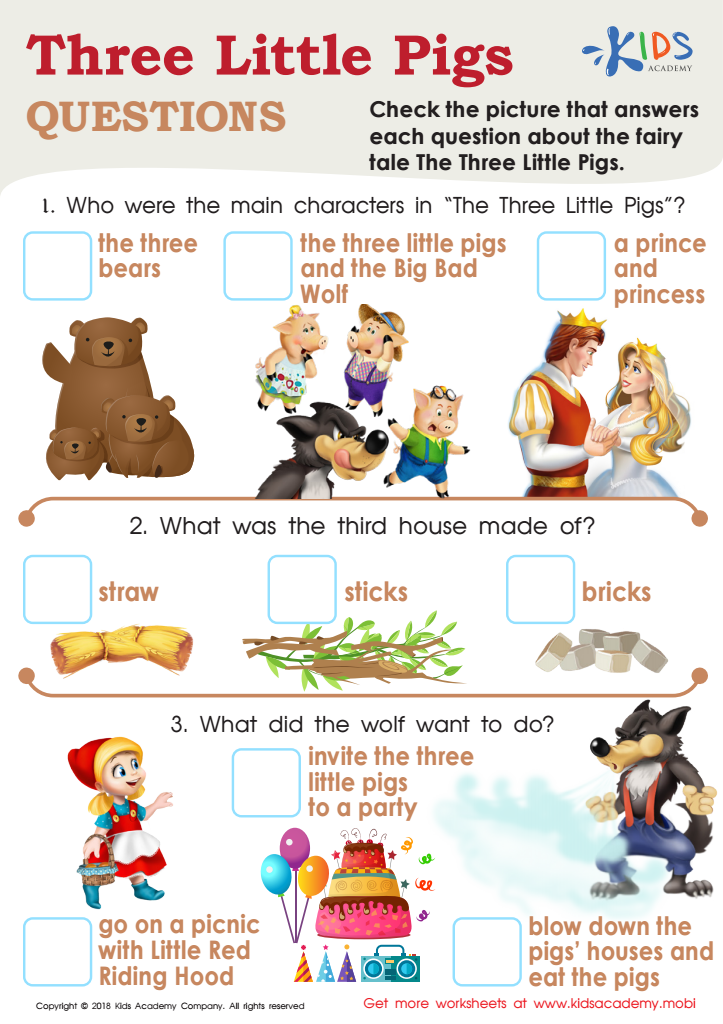
Three Little Pigs Questions Worksheet
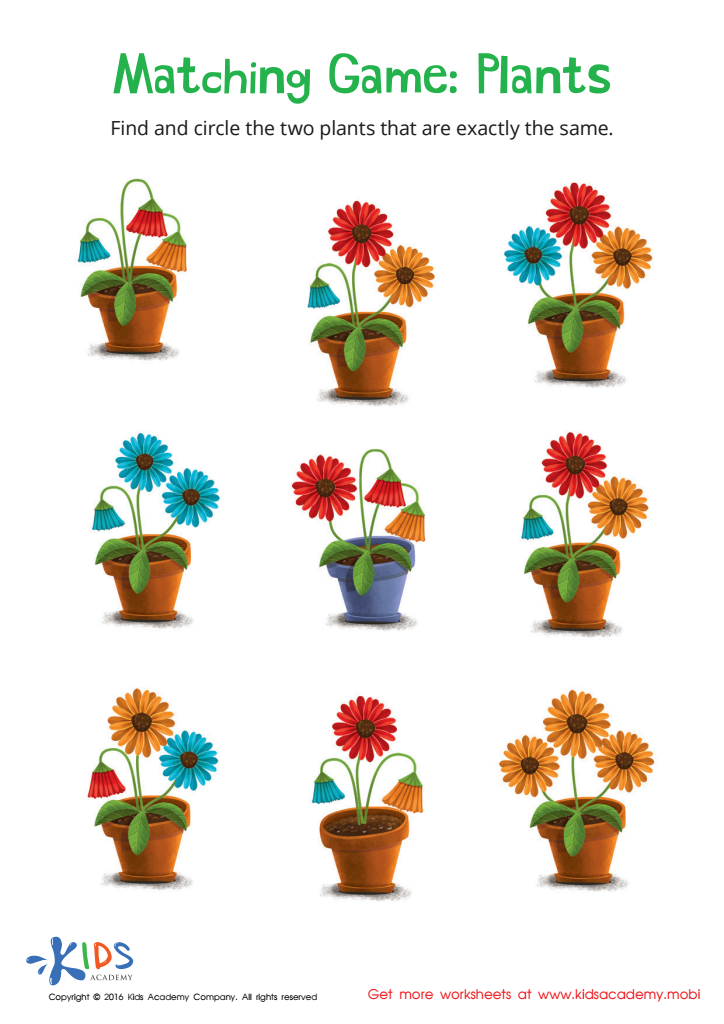
Matching: Plants Worksheet
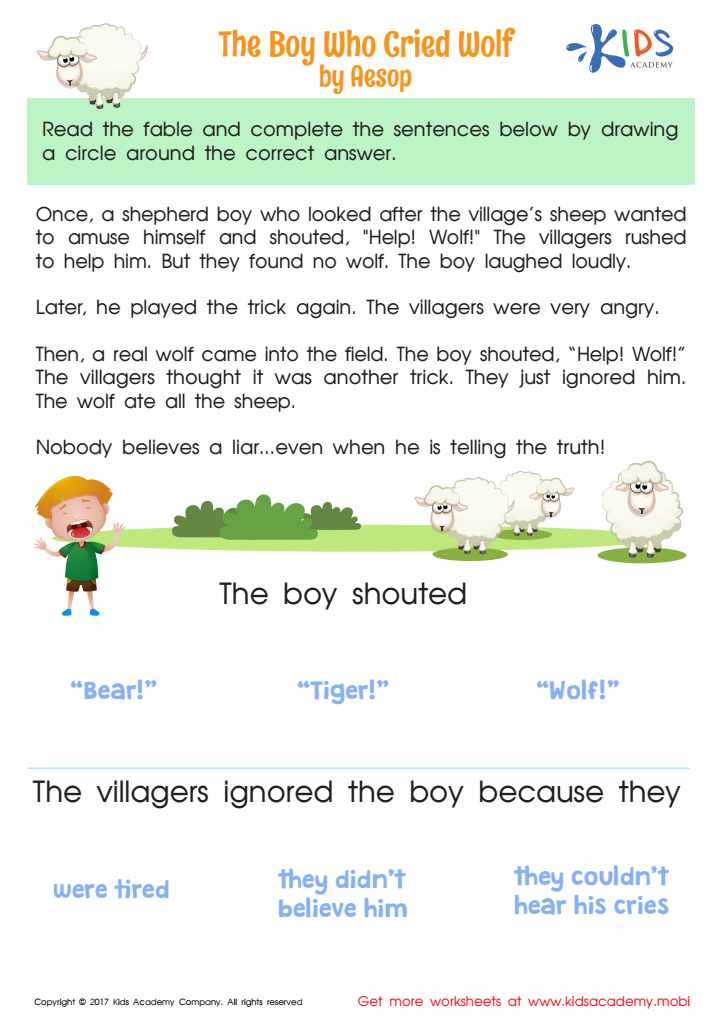
The Boy Who Cried Wolf Worksheet
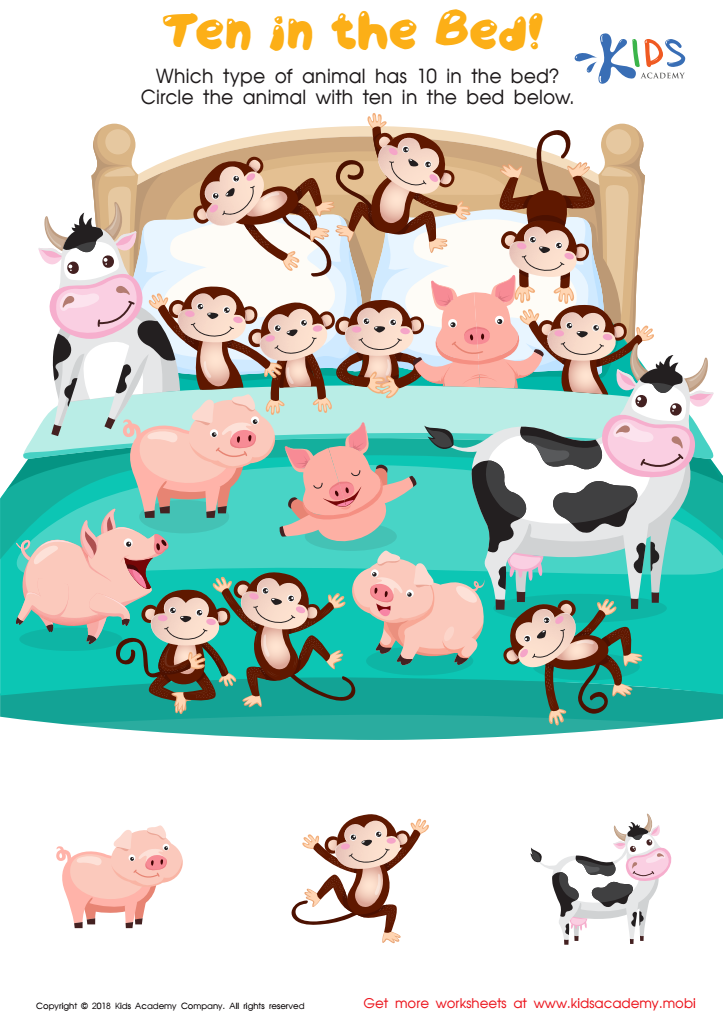
Ten in the Bed Worksheet
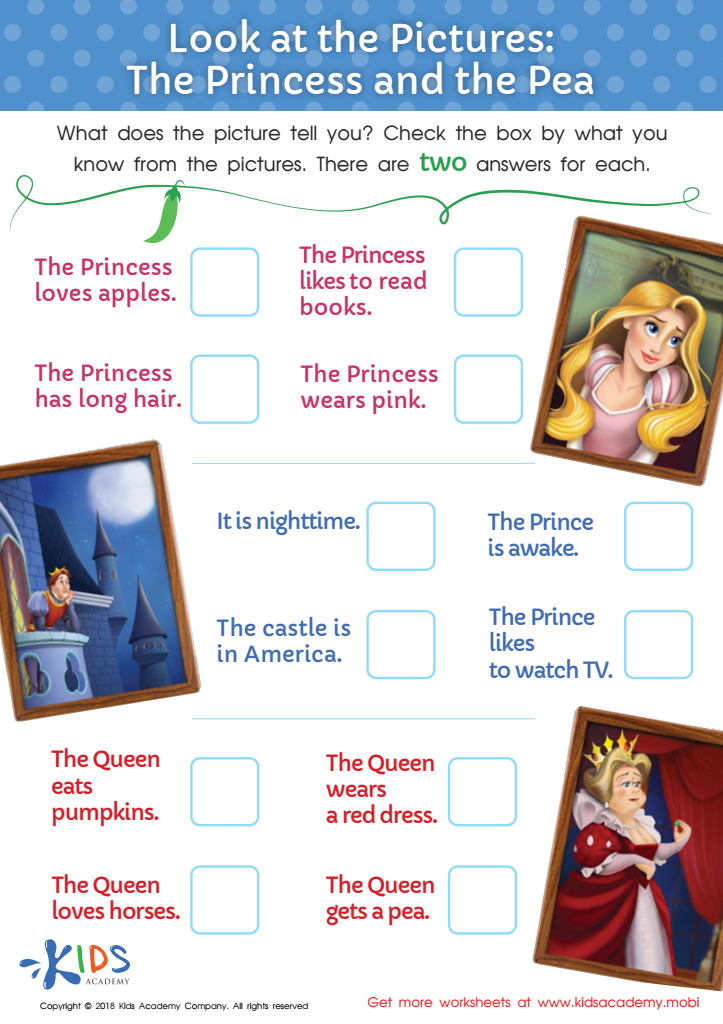
Look at the Pictures: The Princess and the Pea Worksheet
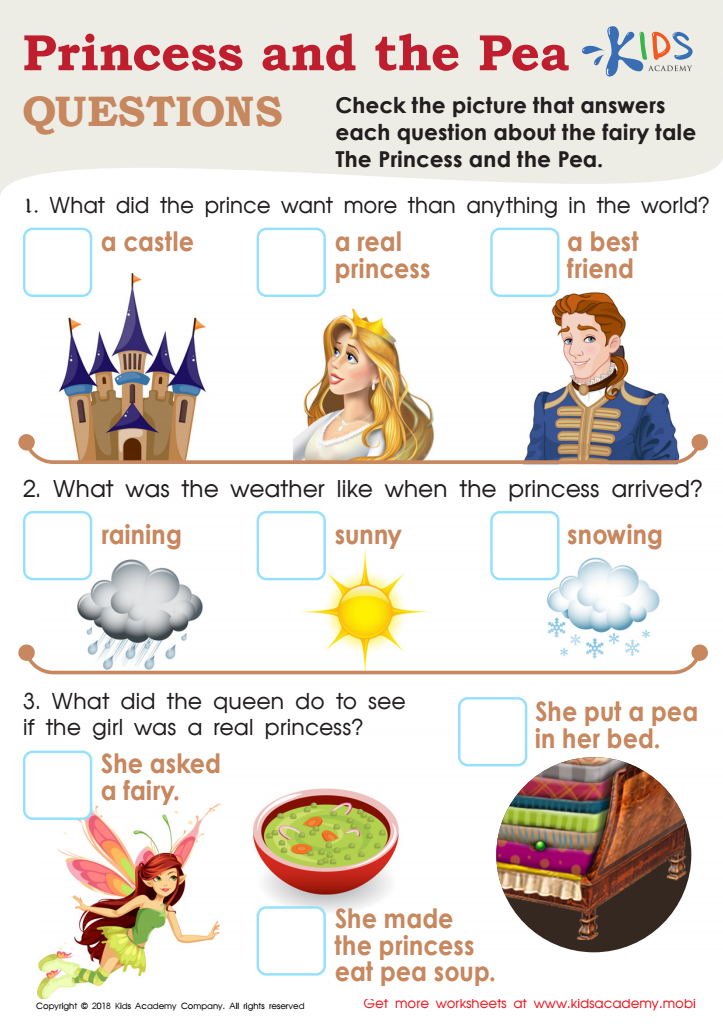
Princess and the Pea Questions Worksheet
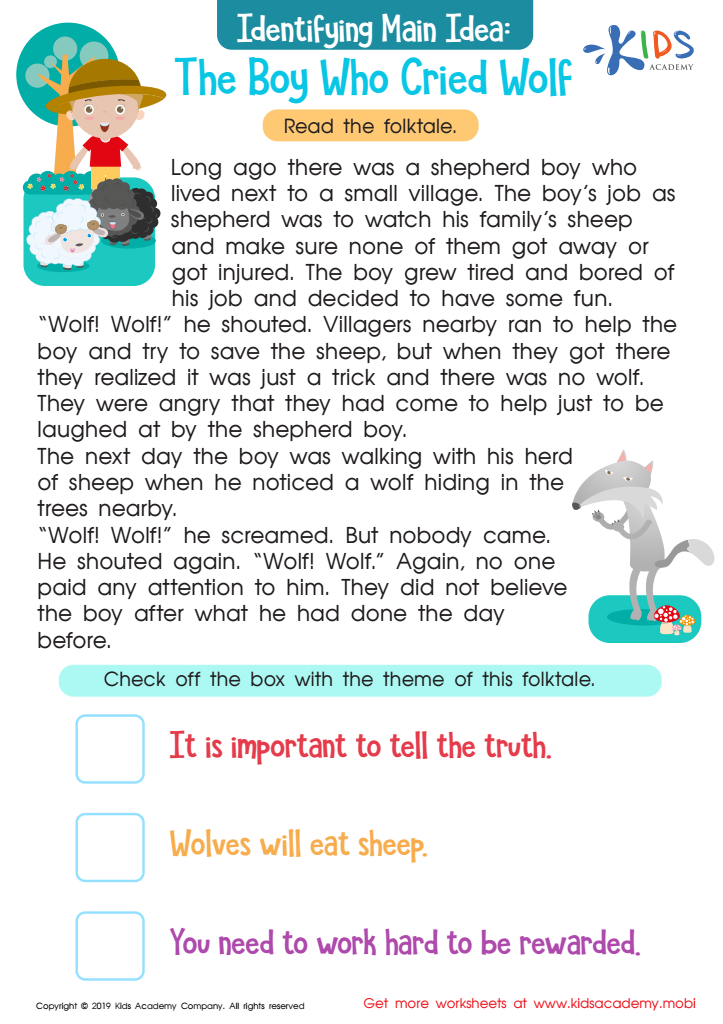
The Boy Who Cried Wolf Part 2 Worksheet








Story sequencing is crucial for children aged 5-8 because it lays the foundational skills necessary for reading comprehension and effective communication. By understanding the order of events in a story, children can comprehend narratives more easily, enhancing their ability to follow plots in books and conversations. This skill directly impacts their academic success and fosters a love for reading.
For parents and teachers, emphasizing story sequencing helps kids build essential critical thinking and problem-solving abilities. By arranging story events in chronological order, children learn to recognize cause-and-effect relationships, predict outcomes, and articulate their thoughts coherently. These skills are fundamental in all areas of learning, from mathematics to science.
Moreover, sequencing activities often stimulate imagination and creativity. Through storytelling sessions, children use their inventive thinking to contribute and create narrative structures, broadening their cognitive horizons. Socially, these activities promote cooperative play and discussion, teaching children empathy as they understand different character perspectives.
Therefore, focusing on story sequencing isn’t just about reading better; it’s about holistic development. When children grasp the basics of sequencing, they are better equipped to handle complex tasks in their future educational journeys. Parents and teachers should integrate sequencing into daily activities to nurture well-rounded, confident, and articulate young learners.








