Normal Math Worksheets for Ages 5-8
557 filtered results
-
From - To
Normal Math Worksheets for Ages 5-8
Explore engaging and educational math worksheets tailored for children aged 5-8 at Kids Academy. Our comprehensive collection is designed to make learning math fun and effective, covering essential topics like addition, subtraction, patterns, and number recognition. Each worksheet provides age-appropriate challenges that can help young learners develop critical thinking and problem-solving skills. Perfect for classroom or home use, our printable worksheets are a fantastic resource for teachers and parents looking to enhance their children's math abilities with well-structured activities and vibrant designs. Visit Kids Academy to start fostering a love for math in your child today!
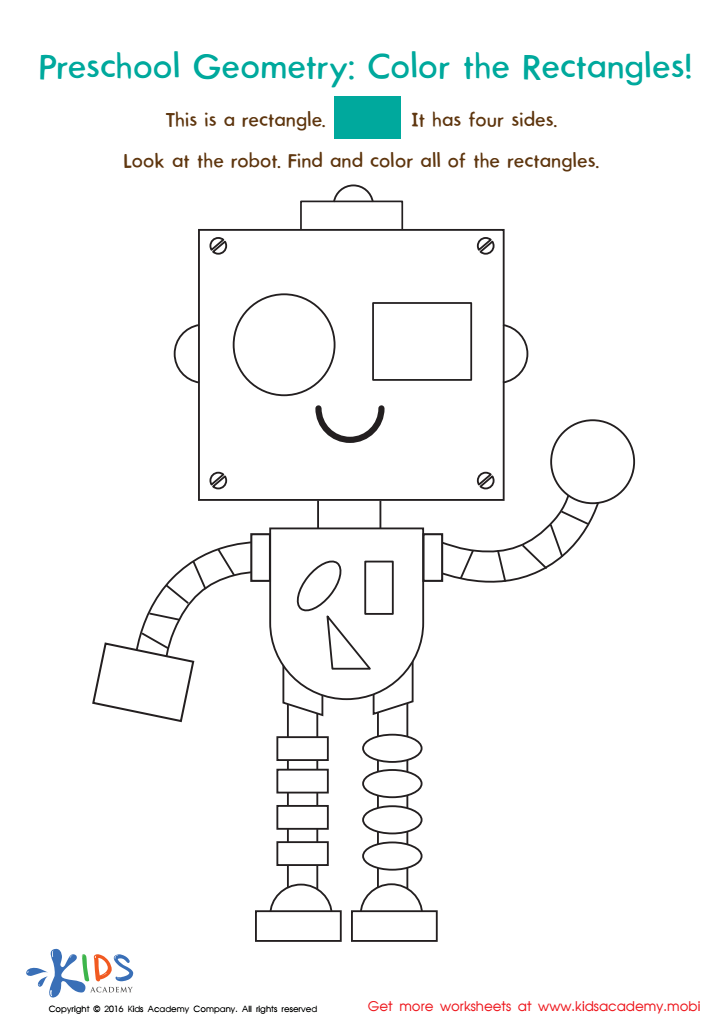
Geometry Worksheet
 Assign to My Students
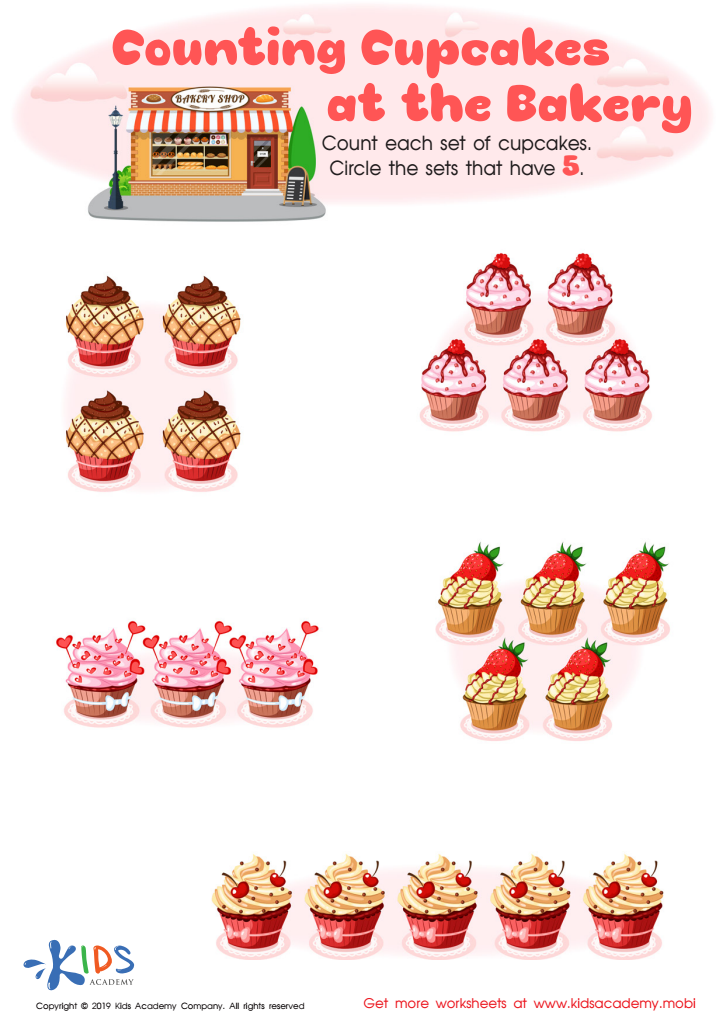
Counting Cupcakes Worksheet
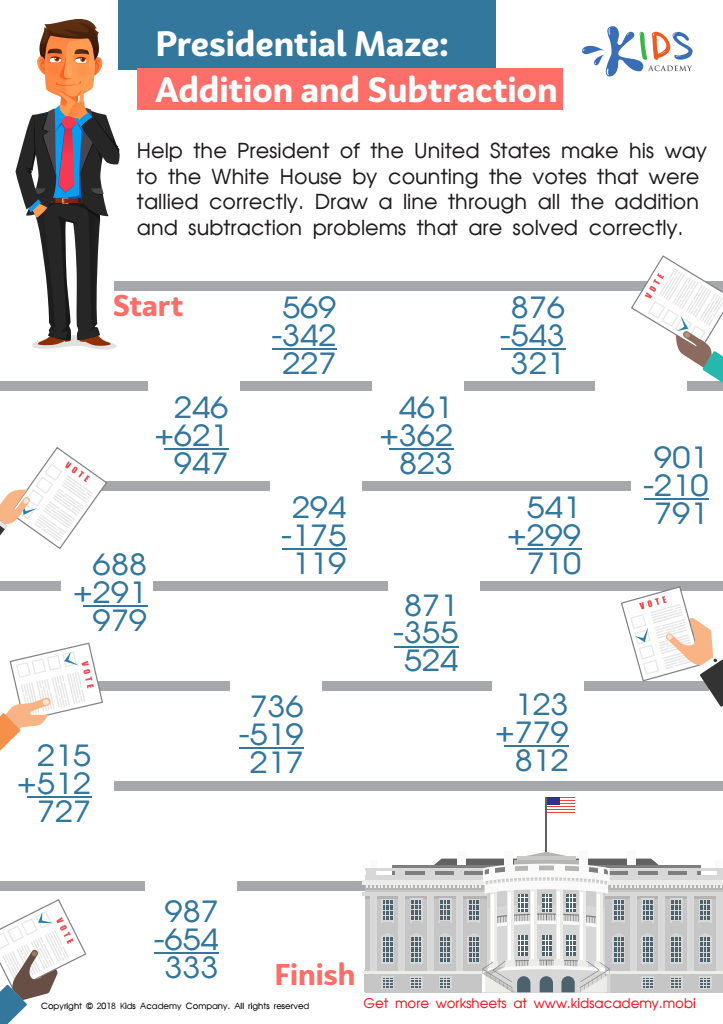
Presidential Maze: Addition and Subtraction Worksheet
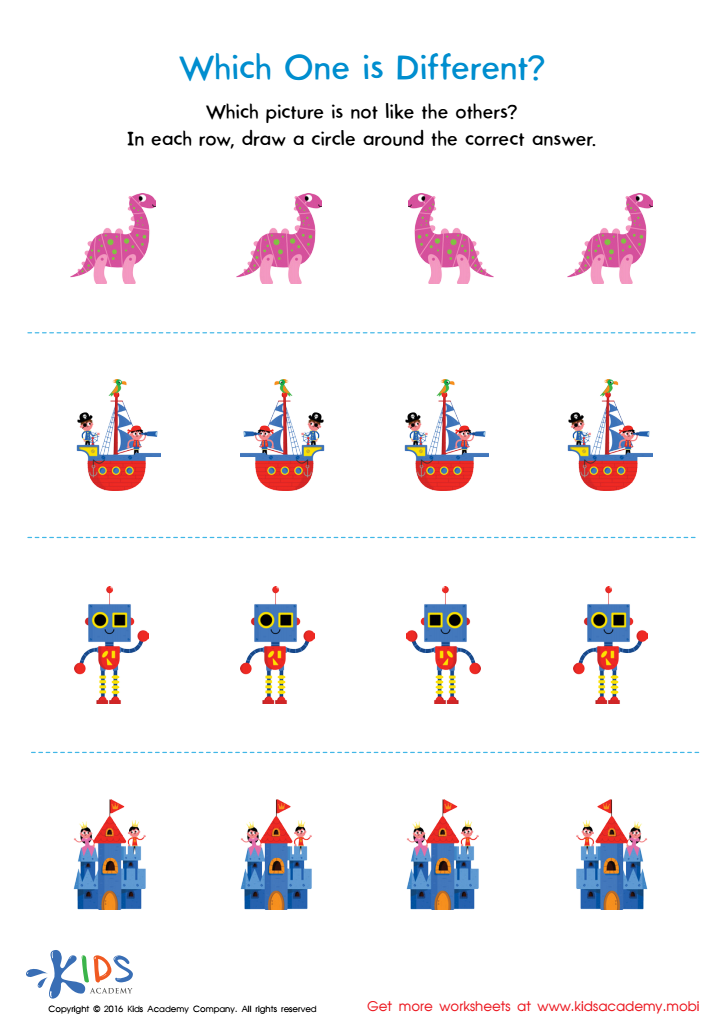
Which One Is Different Worksheet
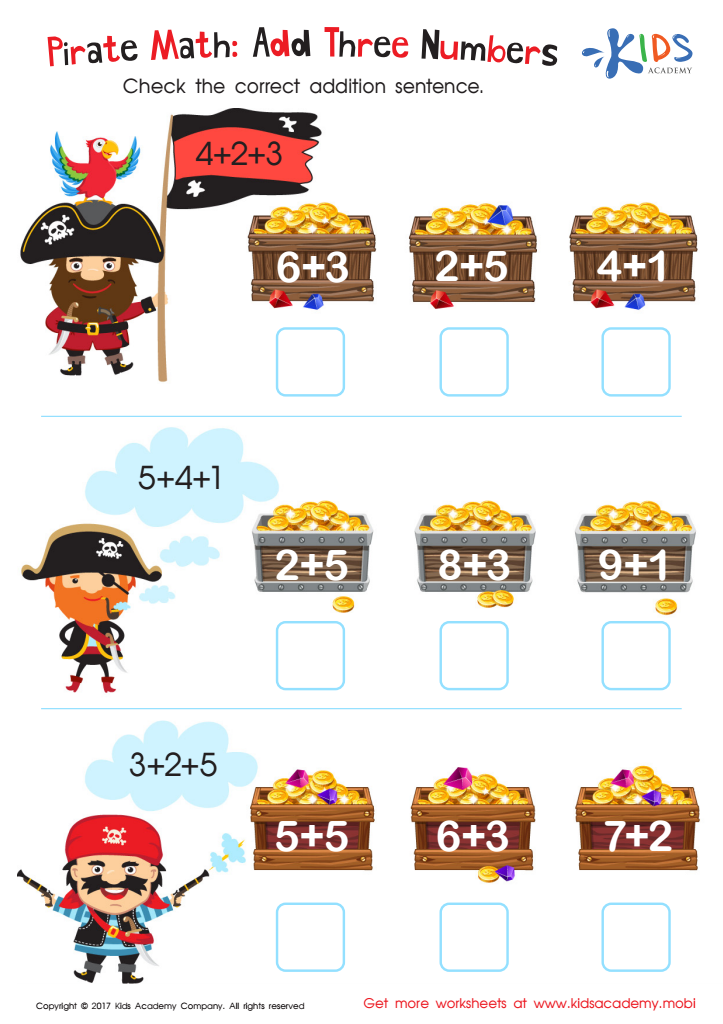
Pirate Math Printable
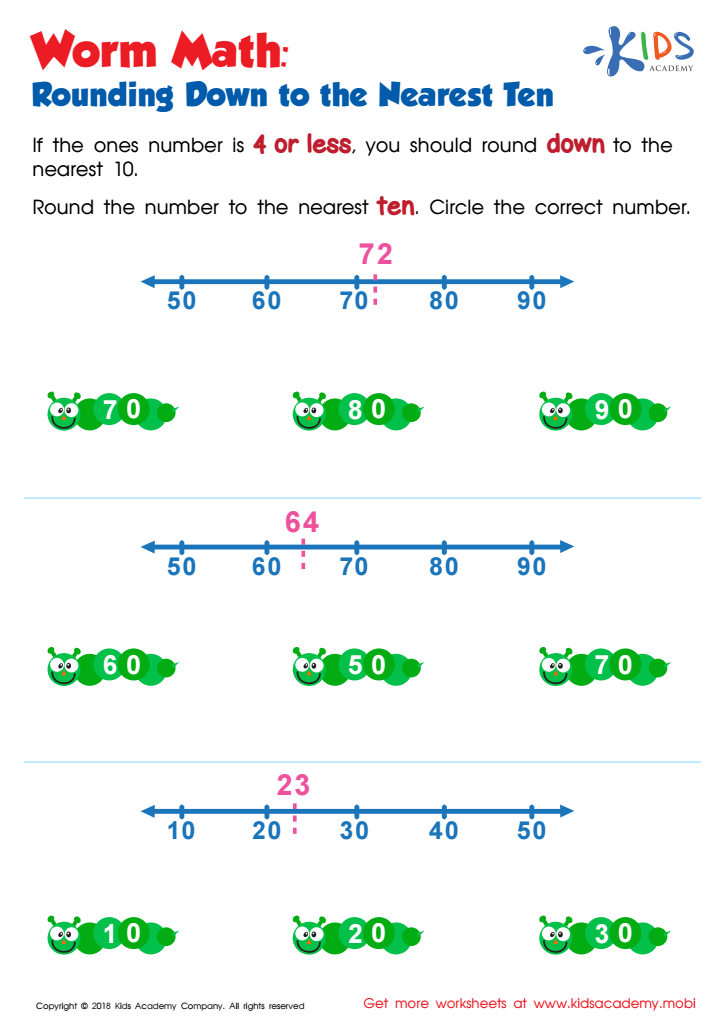
Worm Math Rounding Down to the Nearest Ten Worksheet
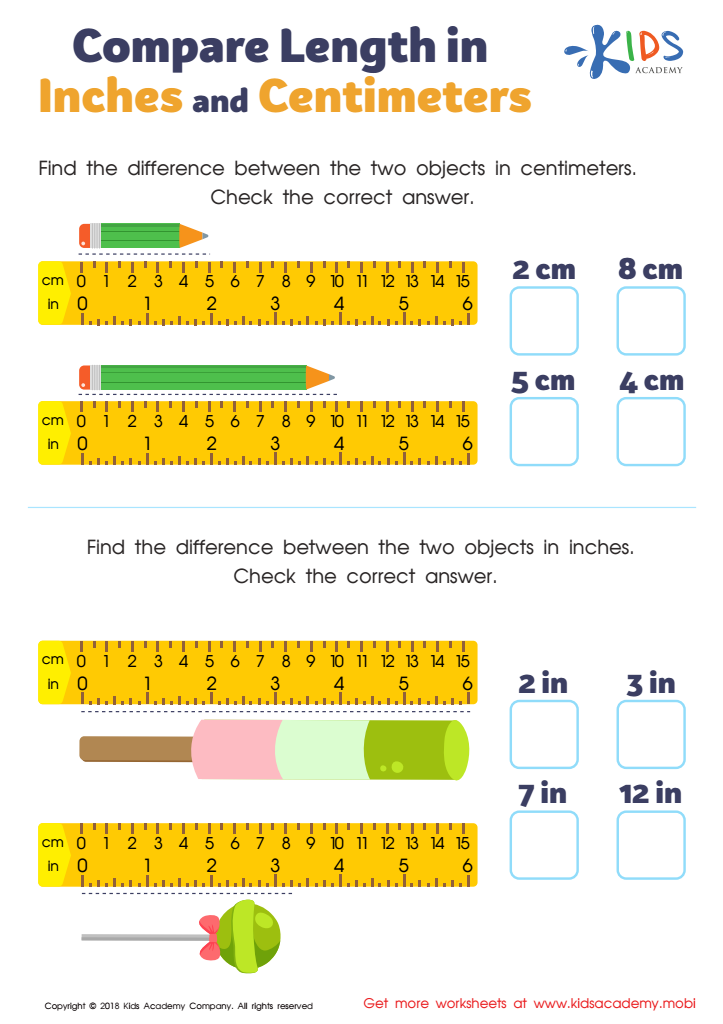
Compare Length in Inches and Centimeters Worksheet
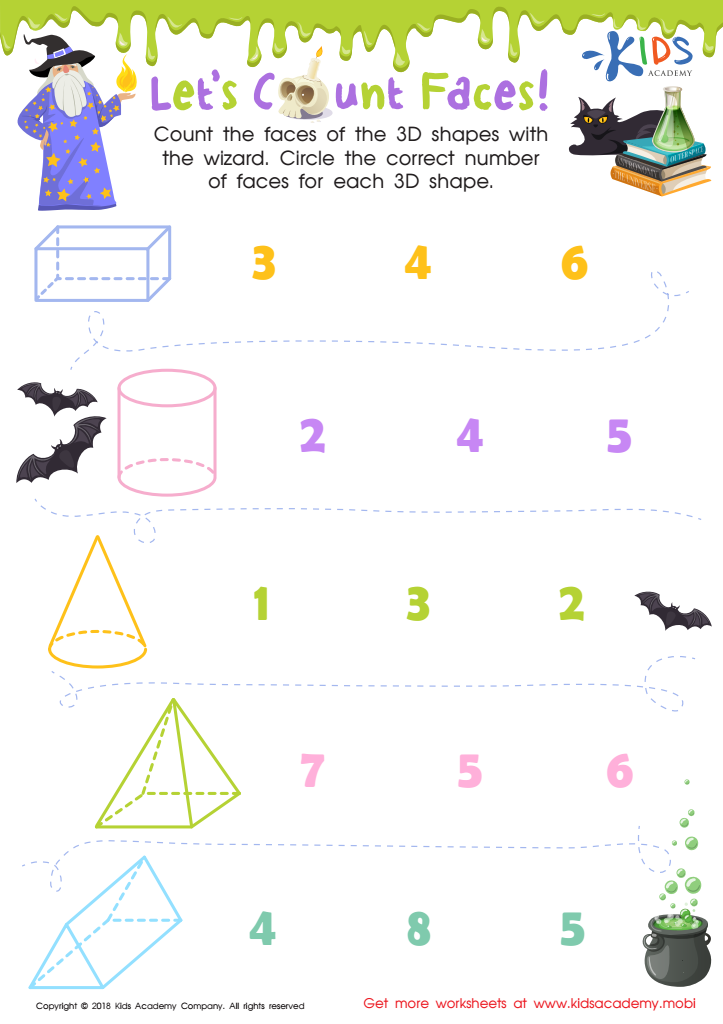
Let's Count Faces! Worksheet
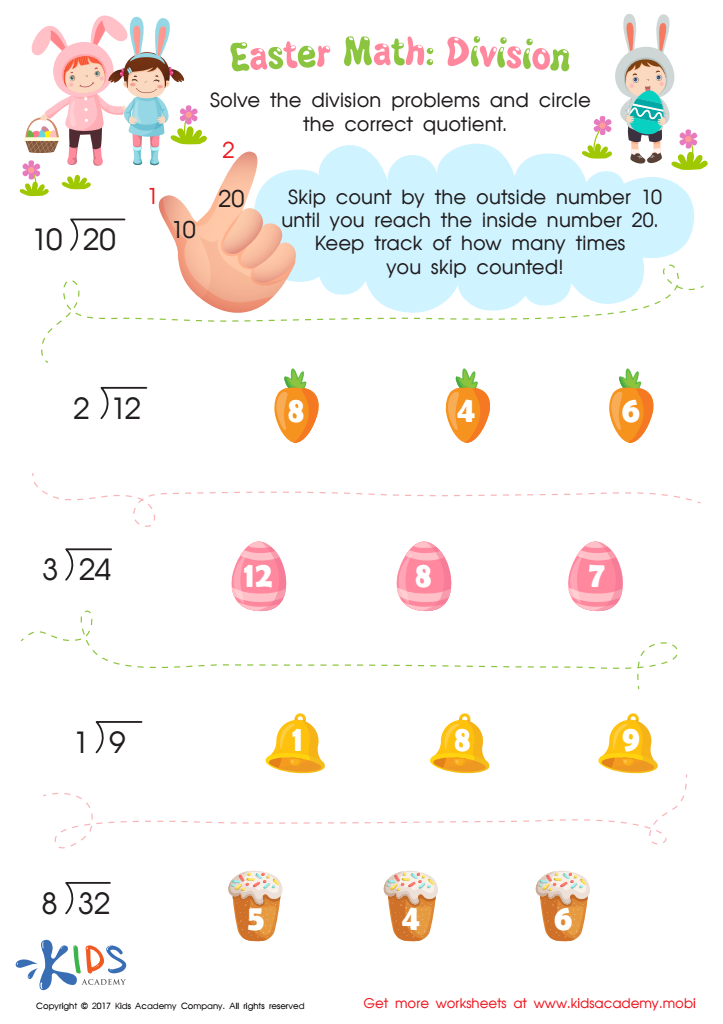
Division Worksheet
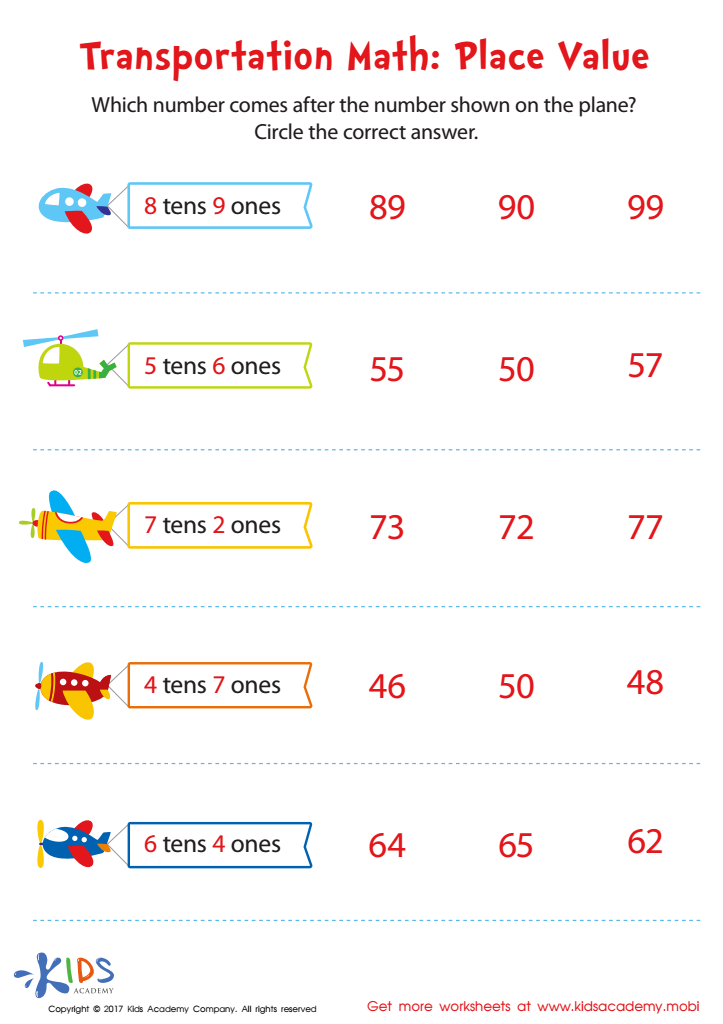
Transportation Math Printable
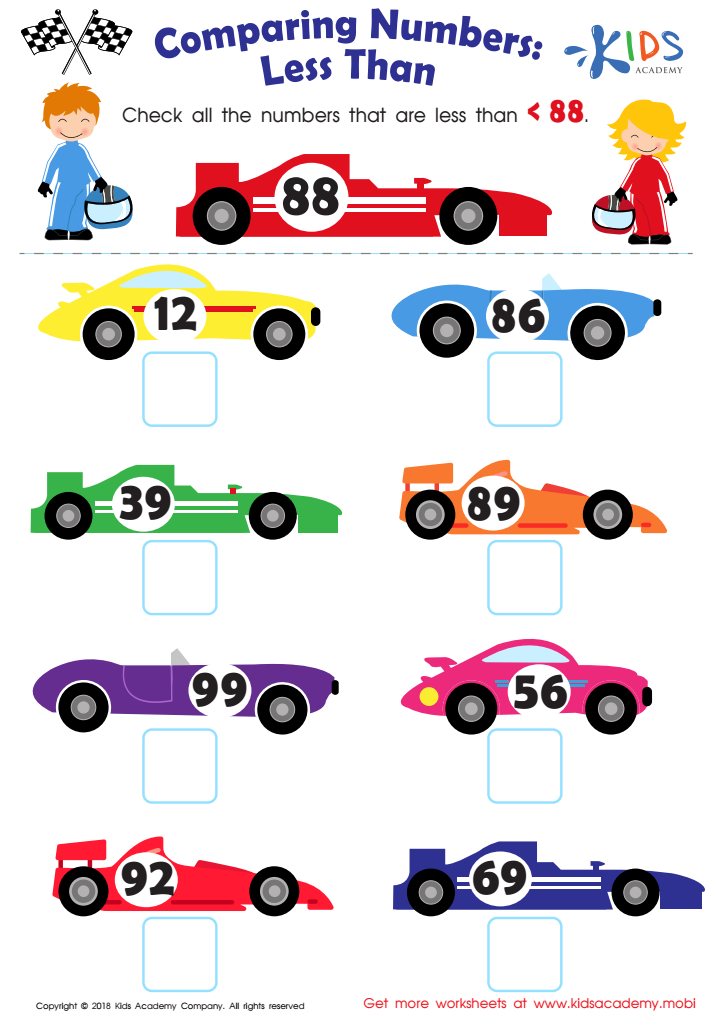
Less Than Worksheet
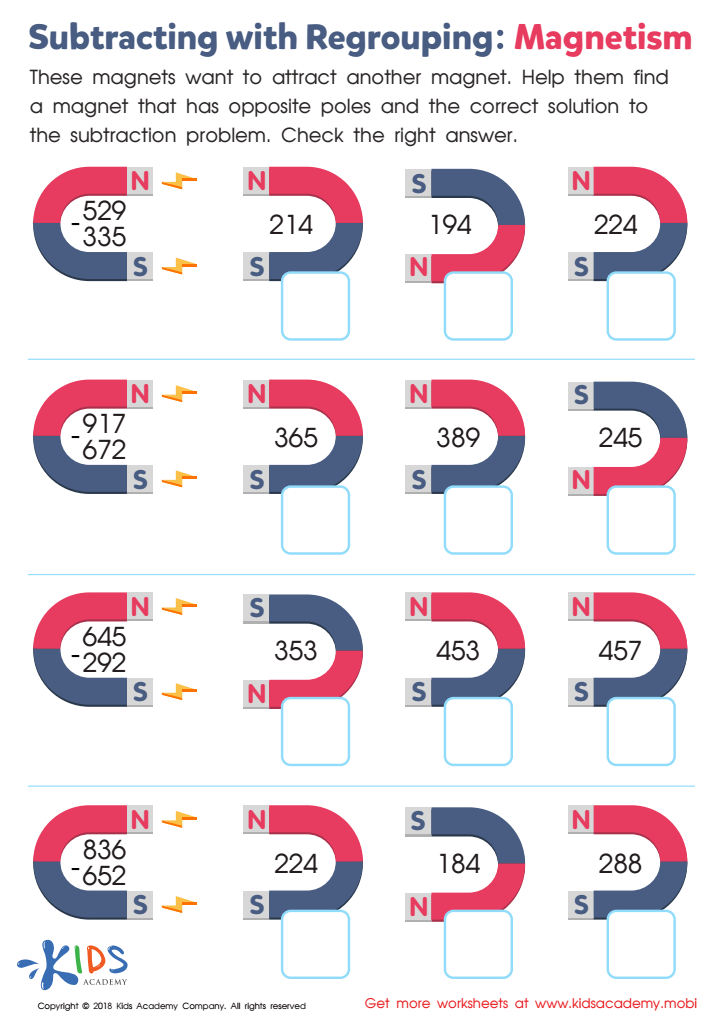
Subtracting with Regrouping: Magnetism Worksheet
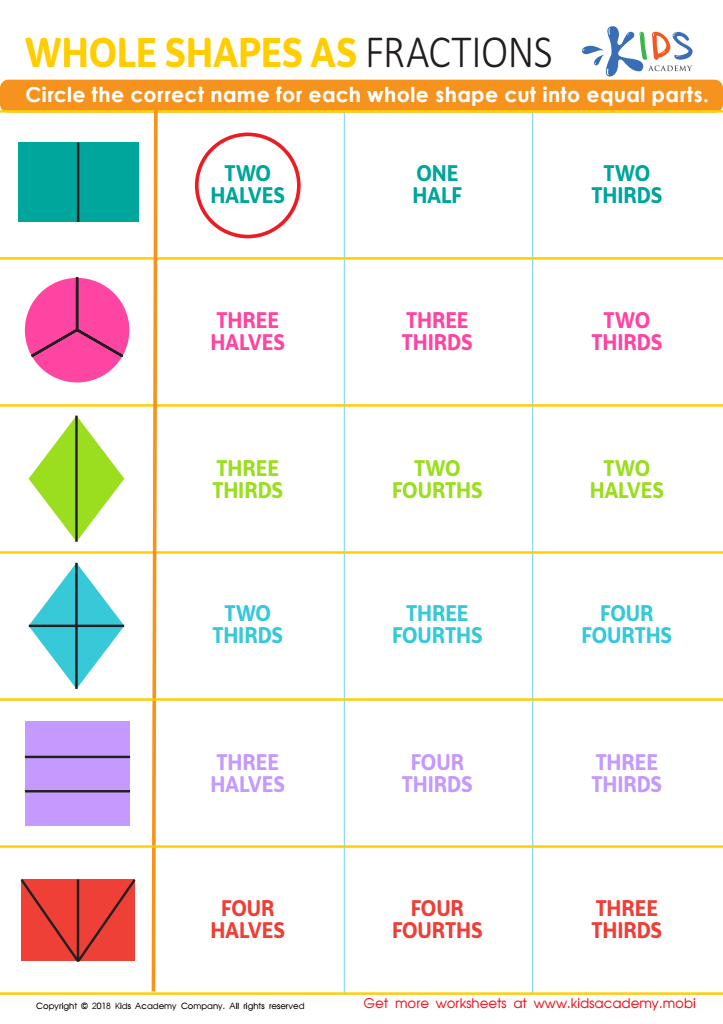
Whole Shapes as Fractions Worksheet
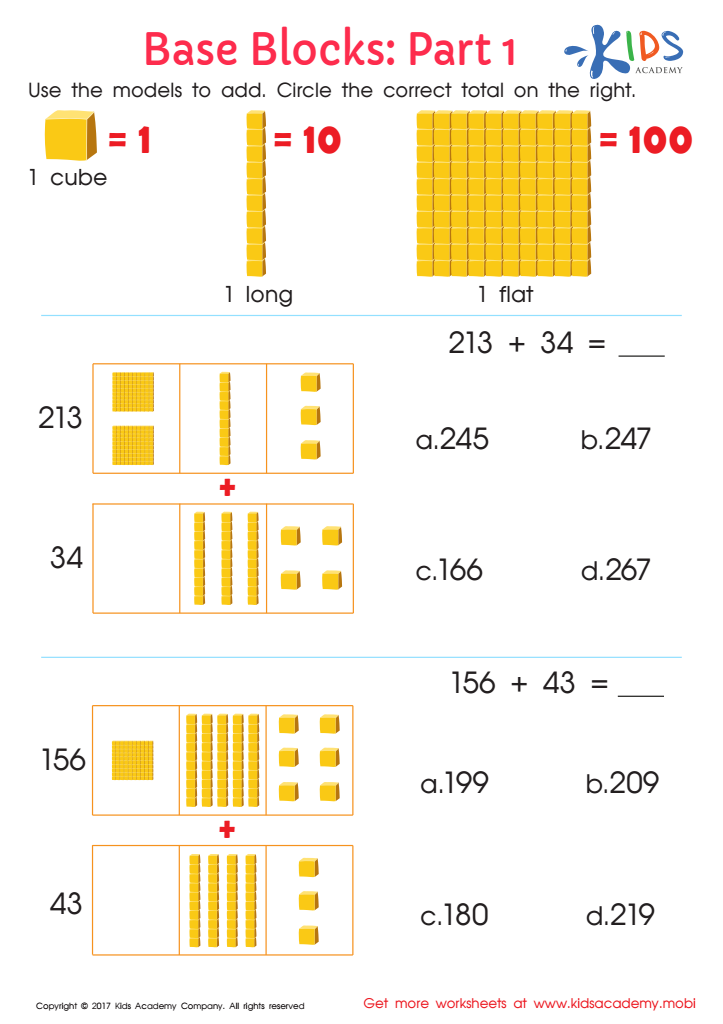
Base Ten Blocks Worksheet: Part 1
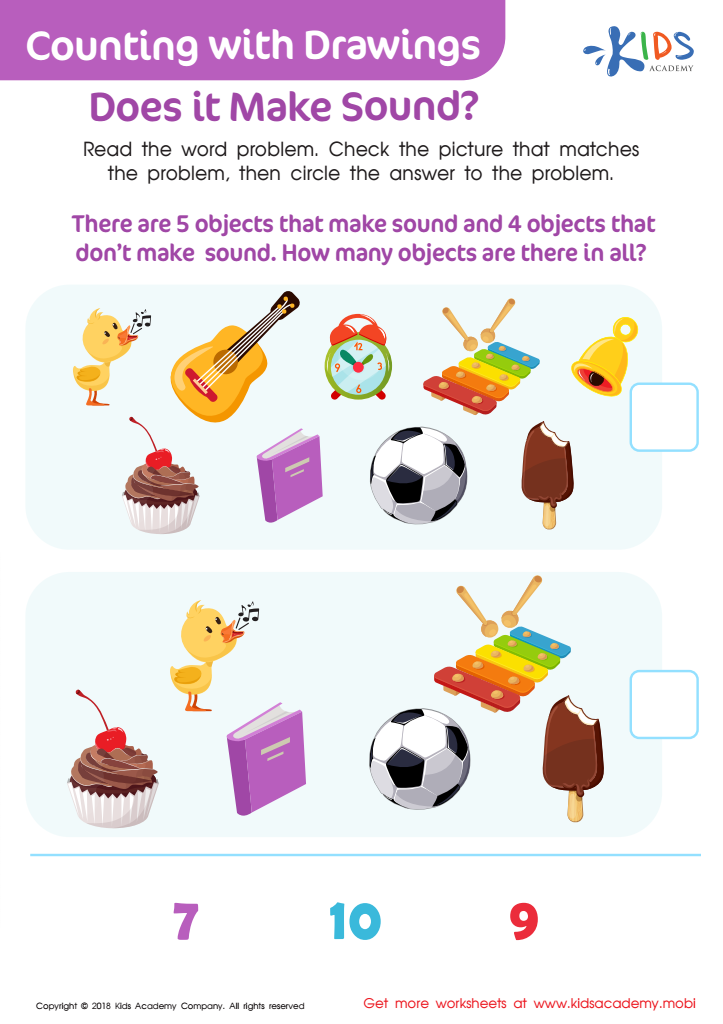
Counting With Drawings. Does It Make Sound? Worksheet
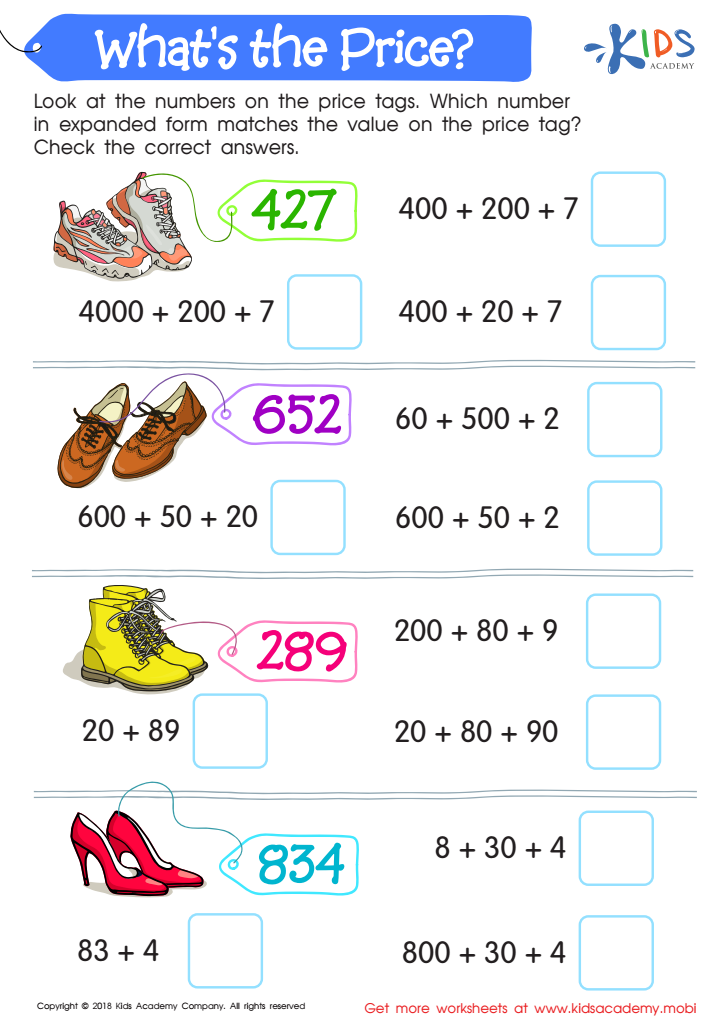
What's the Price? Worksheet
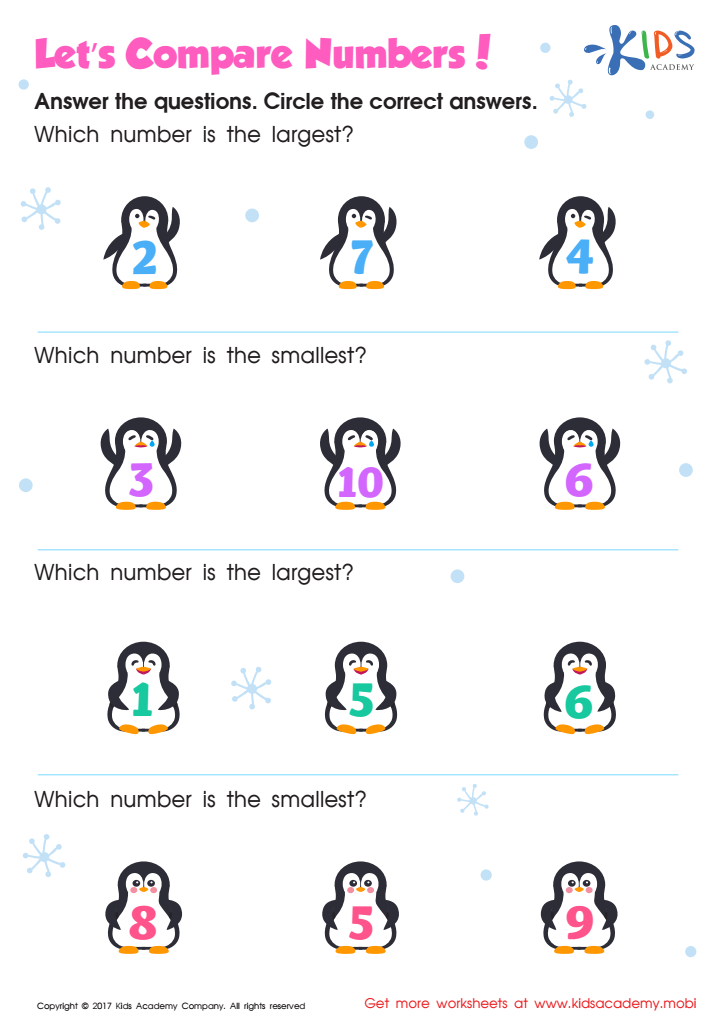
Comparing Numbers 1–10 Worksheet Kindergarten
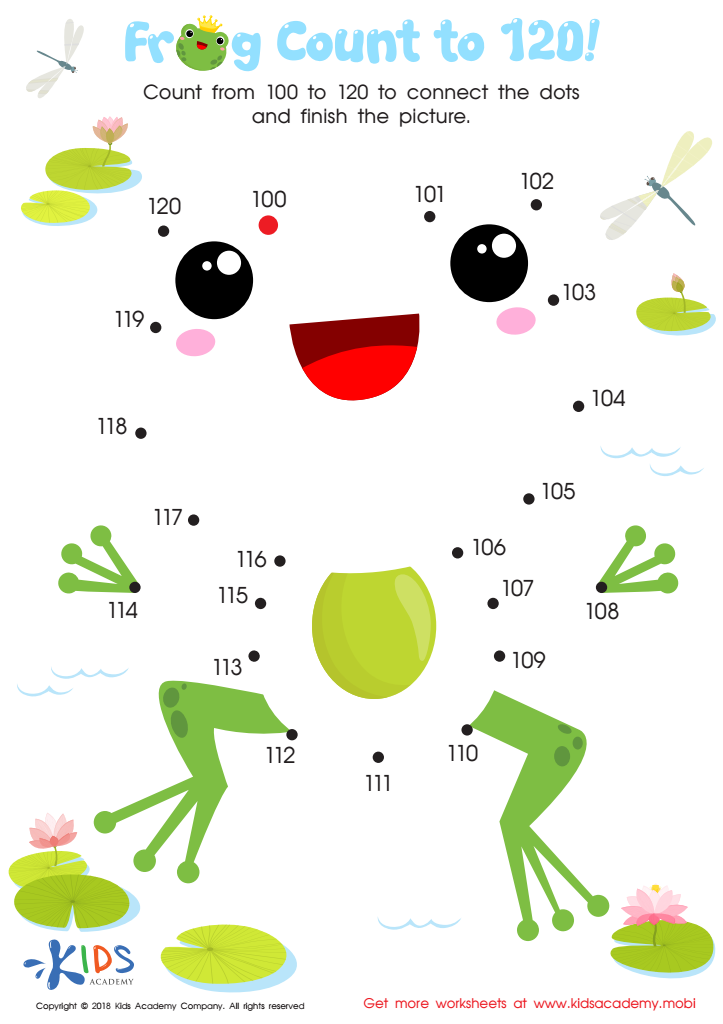
Frog Count to 120 Worksheet
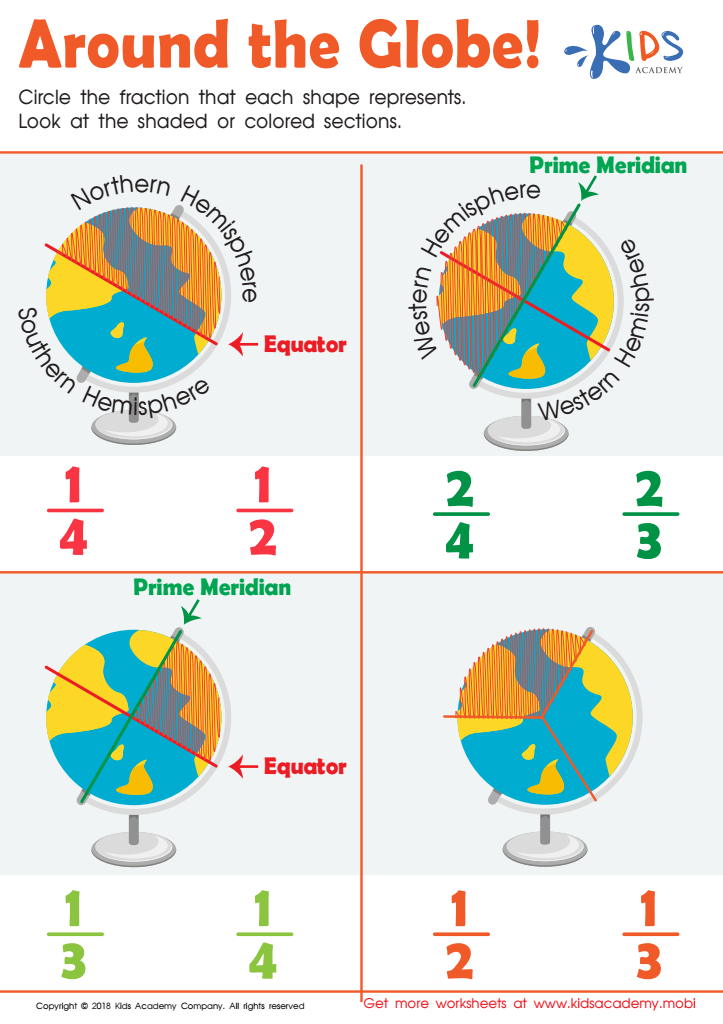
Around the Globe Worksheet
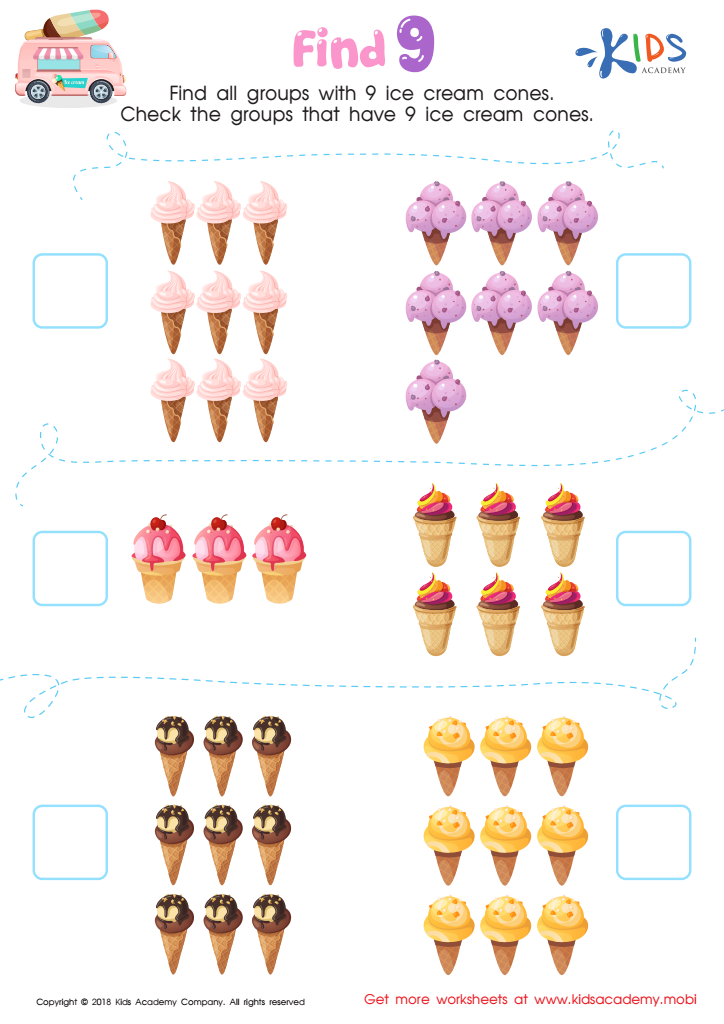
Find 9 Worksheet
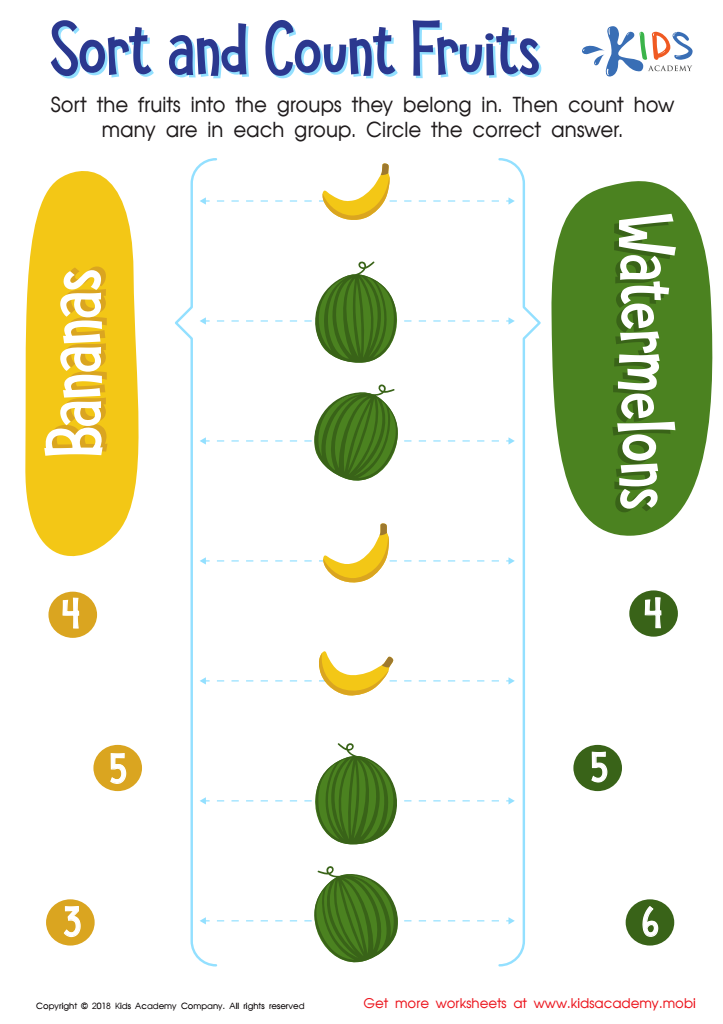
Sort and Count Fruits Worksheet
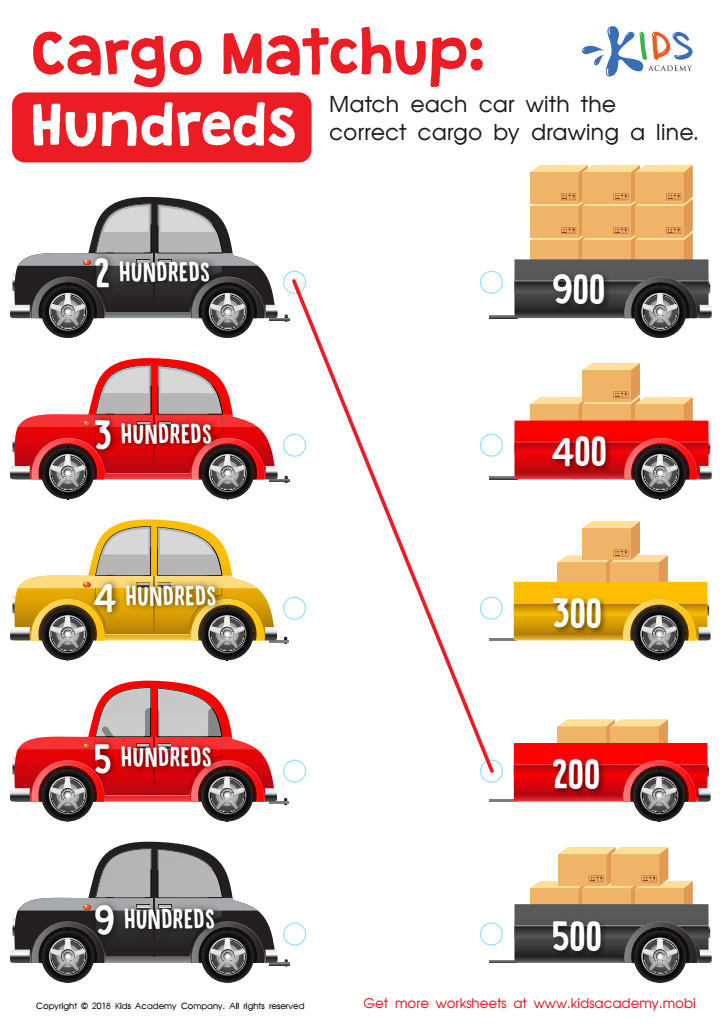
Cargo Matchup: Hundreds Worksheet
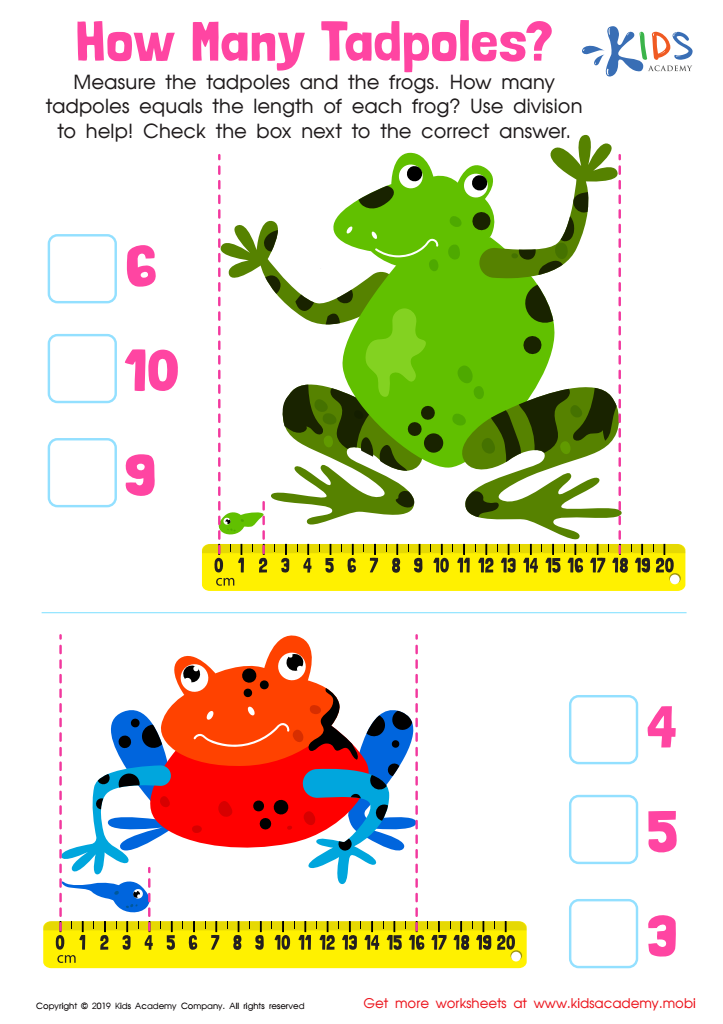
How Many Tadpoles Worksheet
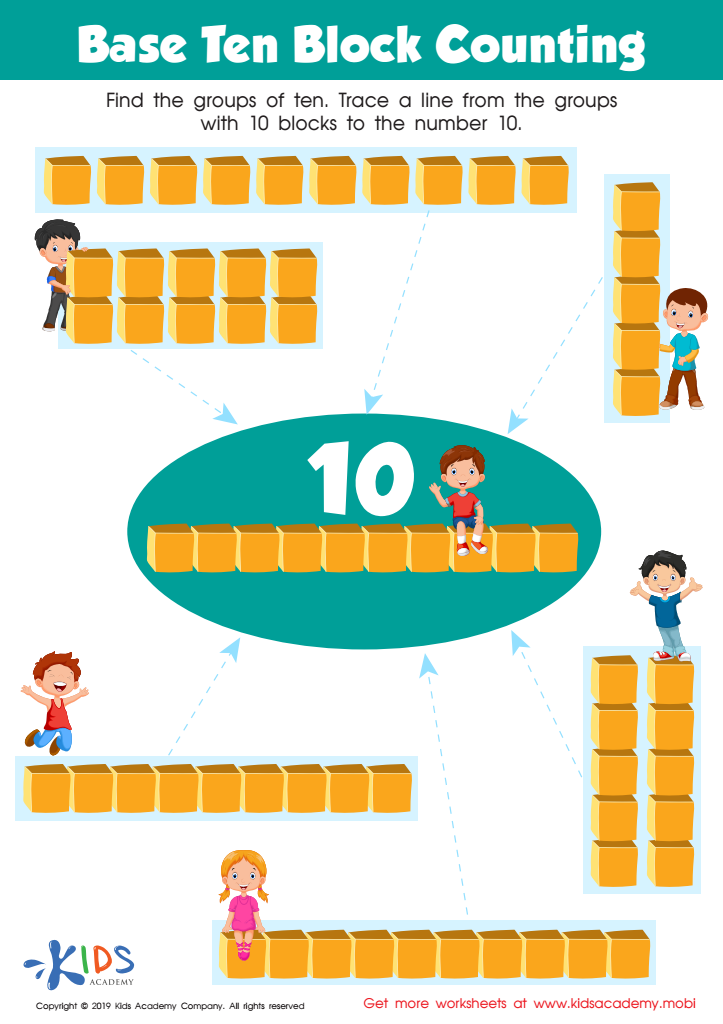
Base Ten Block Counting Worksheet






Parents and teachers should care about teaching normal math to children aged 5-8 because it establishes a foundation for future academic success and everyday problem-solving skills. During these critical early years, young minds are highly receptive to learning basic math concepts such as counting, addition, subtraction, shapes, and patterns. These foundational skills are essential not only for advanced mathematical understanding but also for developing logical thinking and reasoning abilities.
Early math education fosters cognitive development and helps children understand the world around them. By engaging with math concepts, children enhance their number sense, which is invaluable for tasks ranging from handling money to understanding time. Additionally, proficiency in early math has been linked to better outcomes in other academic areas, including literacy. This happens because learning to count and recognize patterns parallels skills used in reading, such as sequencing and recognizing common patterns in word structures.
Furthermore, incorporating math in playful and everyday contexts encourages a positive attitude toward the subject, reducing anxiety and increasing confidence as they grow. This early confidence sets a precedent for how they approach math and problem-solving in later years. Thus, parents and teachers provide a critical service in nurturing a child’s early math skills, ultimately with long-lasting impacts on their educational journey and everyday activities.








