Normal Math Worksheets for Ages 5-8 - Page 6
557 filtered results
-
From - To
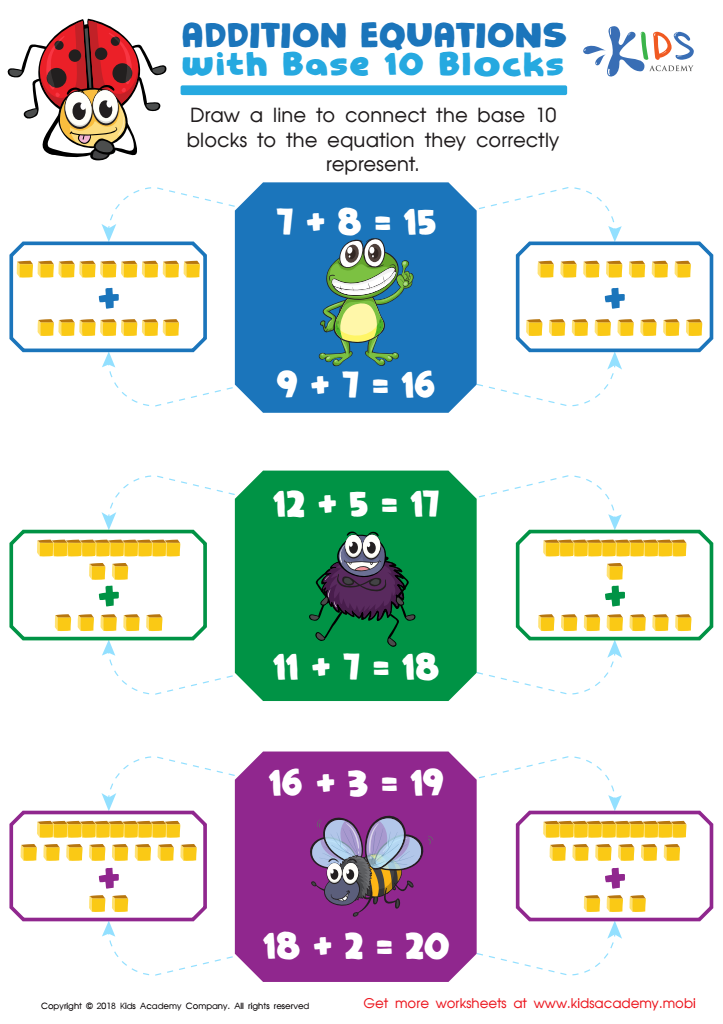
Addition Equations With Base 10 Blocks Worksheet
 Assign to My Students
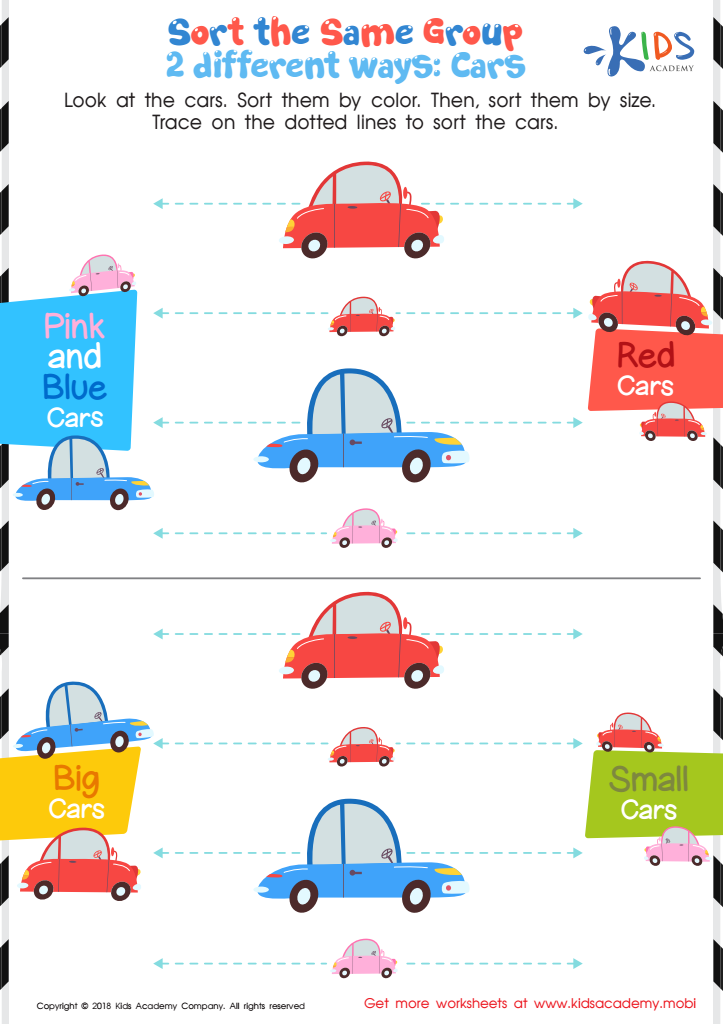
Sort the Same Group 2 Different Ways: Cars Worksheet
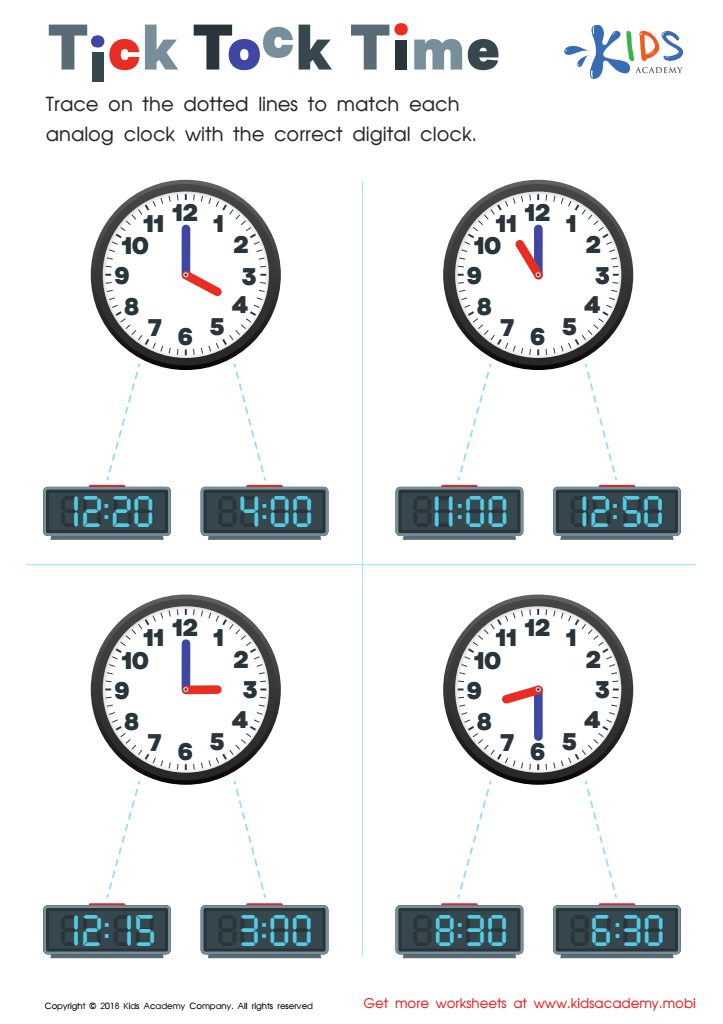
Tick Tock Time Worksheet
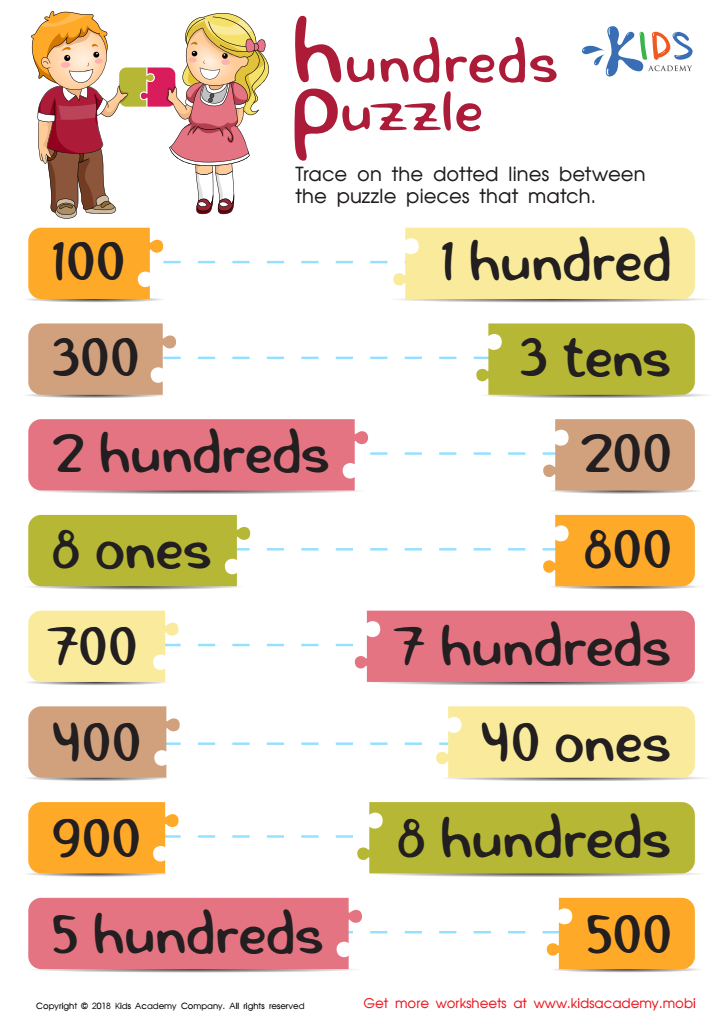
Hundreds Puzzle Worksheet
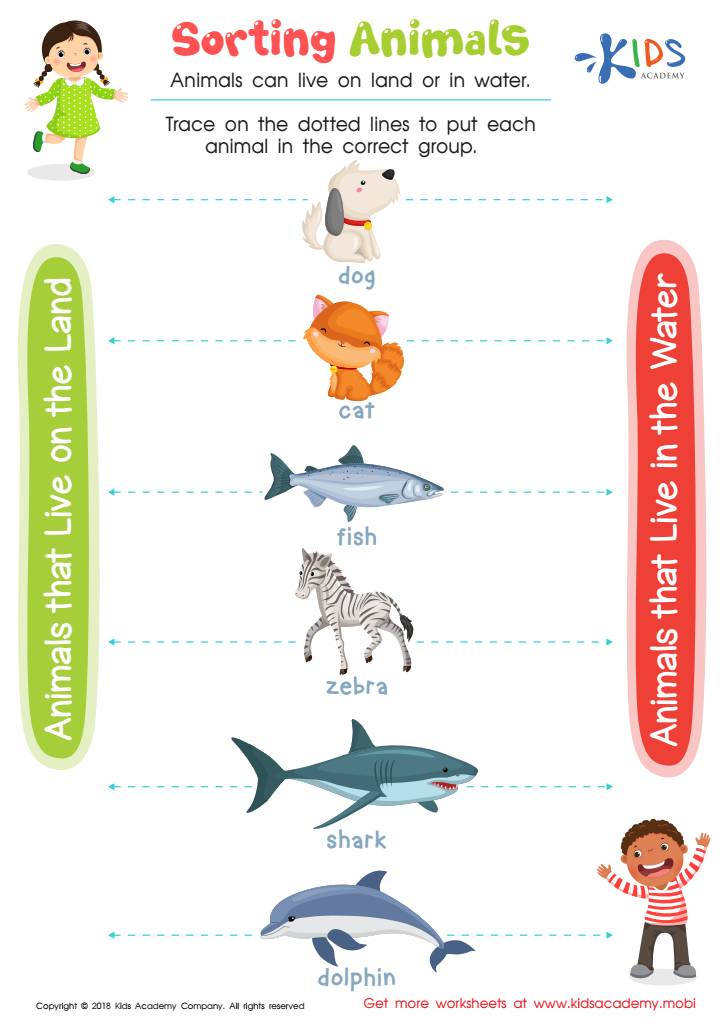
Sorting Animals Worksheet
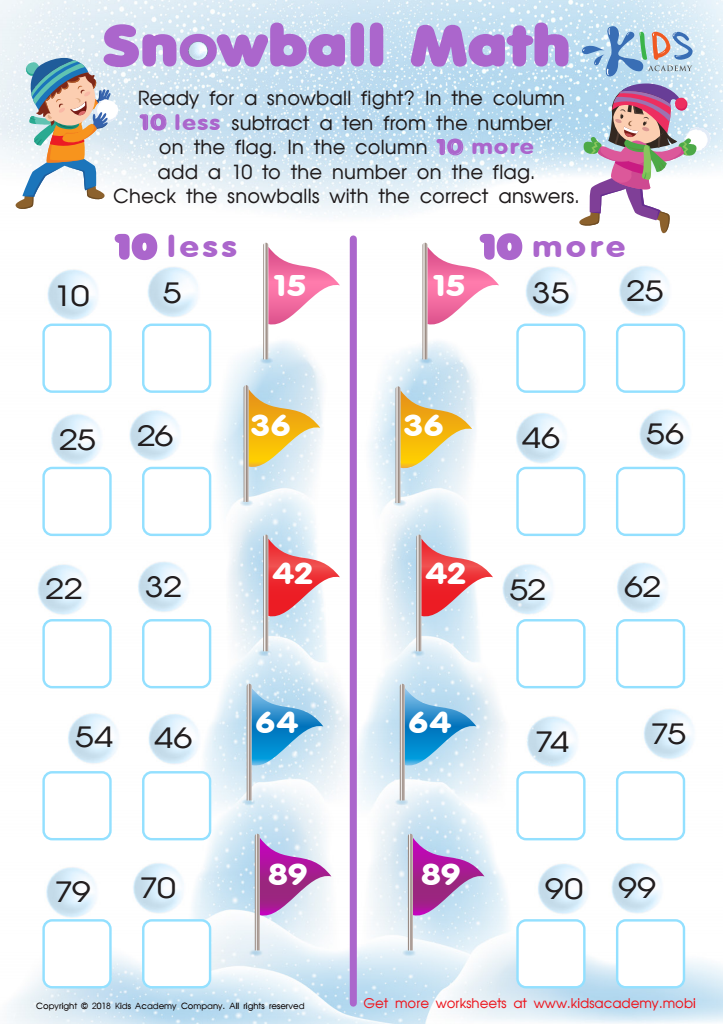
Snowball Math Worksheet
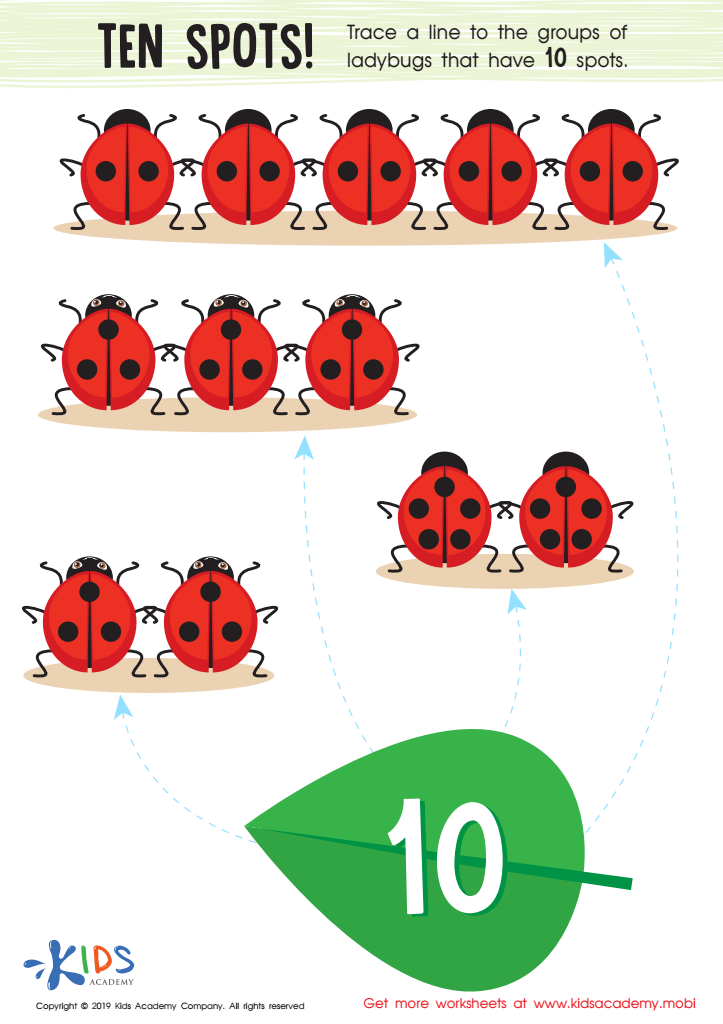
Ten Spots Worksheet
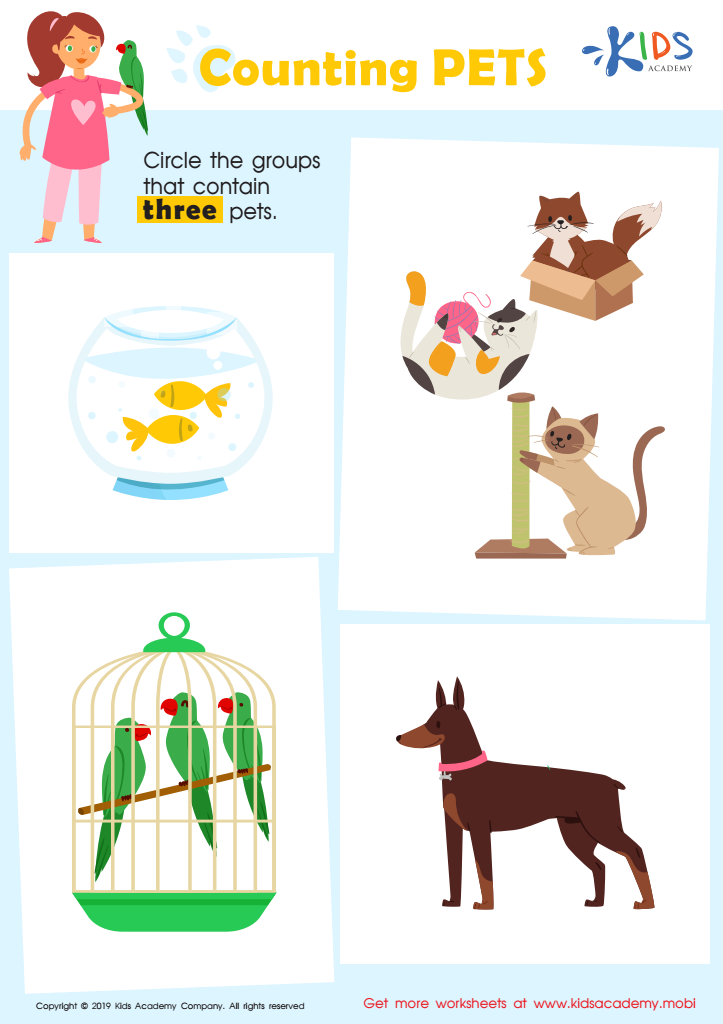
Counting Pets Worksheet
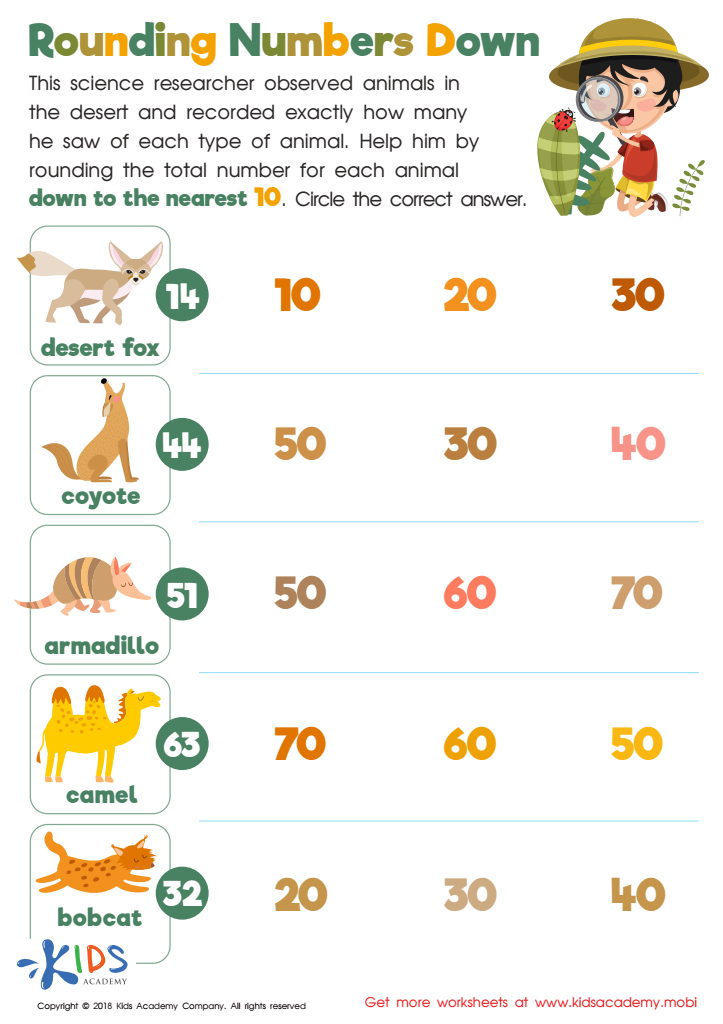
Rounding Numbers Down Worksheet
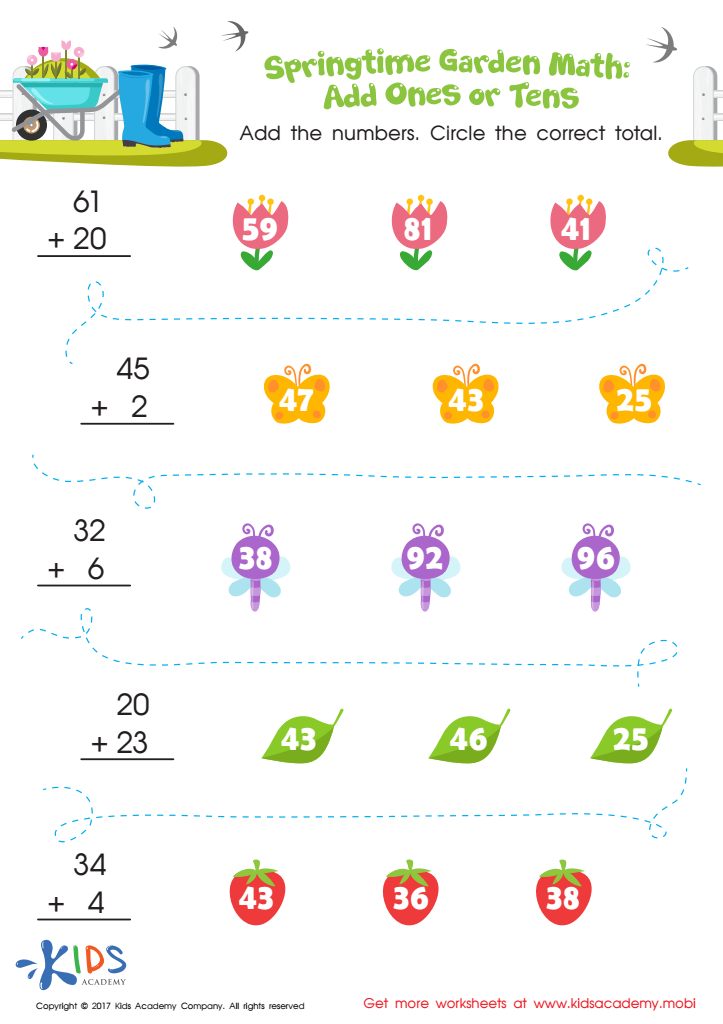
Springtime Garden Math Worksheet
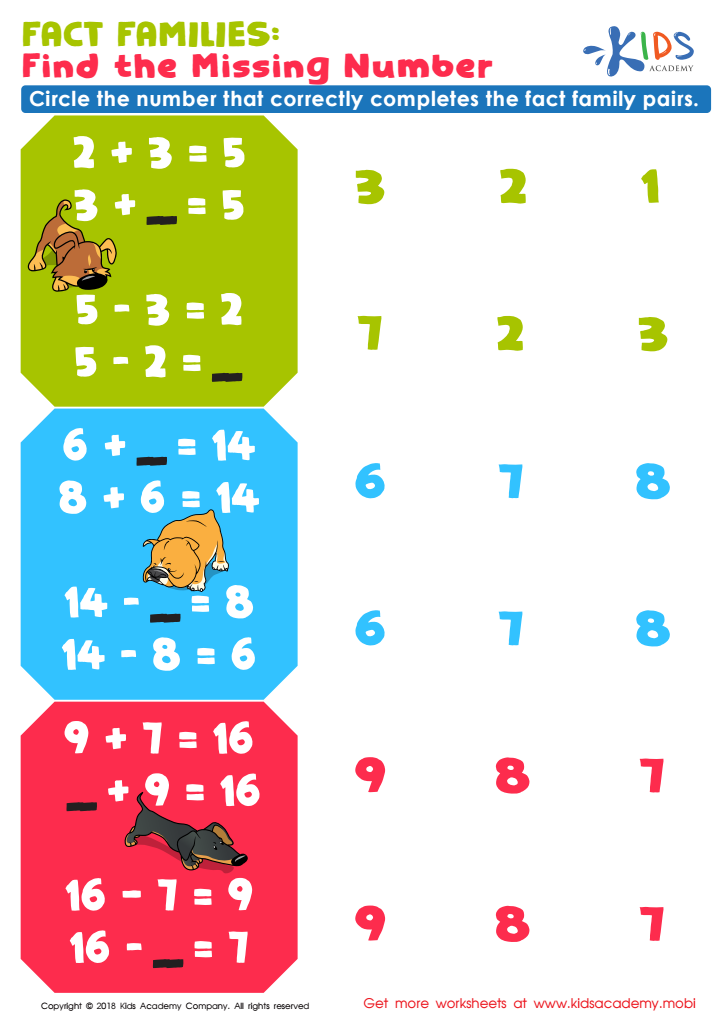
Fact Families: Find Missing Number Worksheet
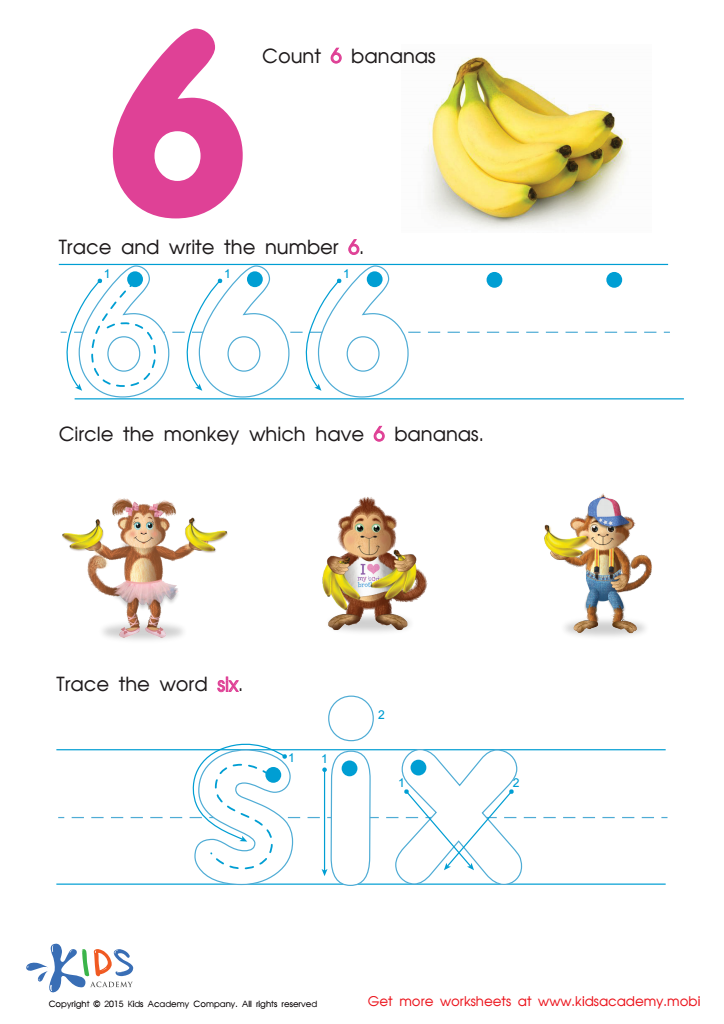
Tracing And Writing Number 6 Worksheet
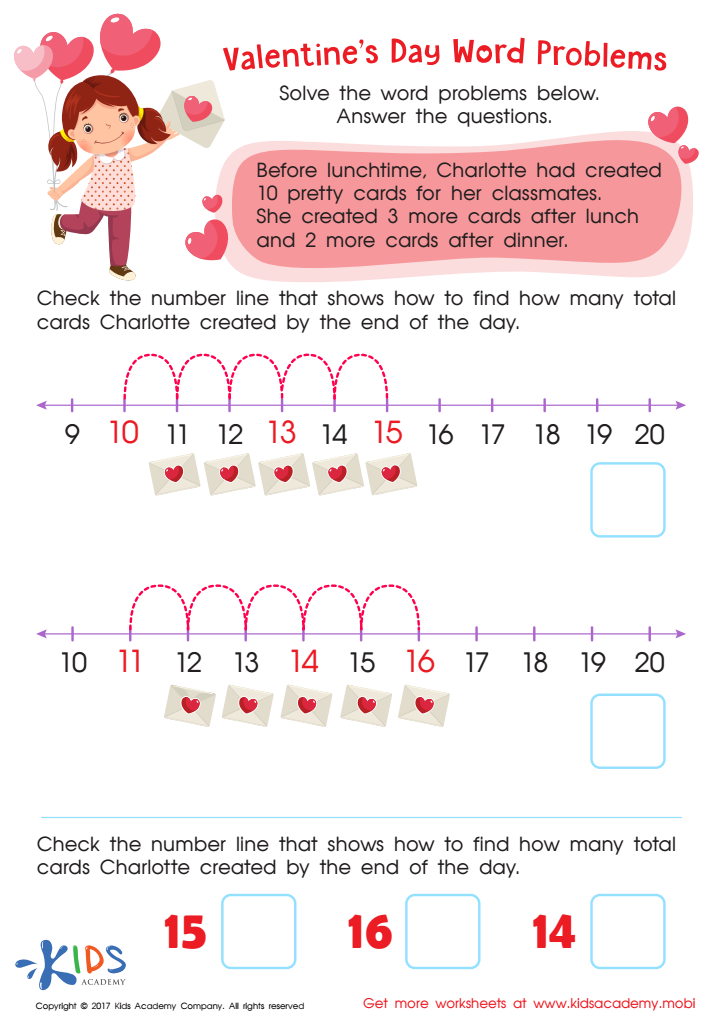
Valentines Day Word Problem Worksheet
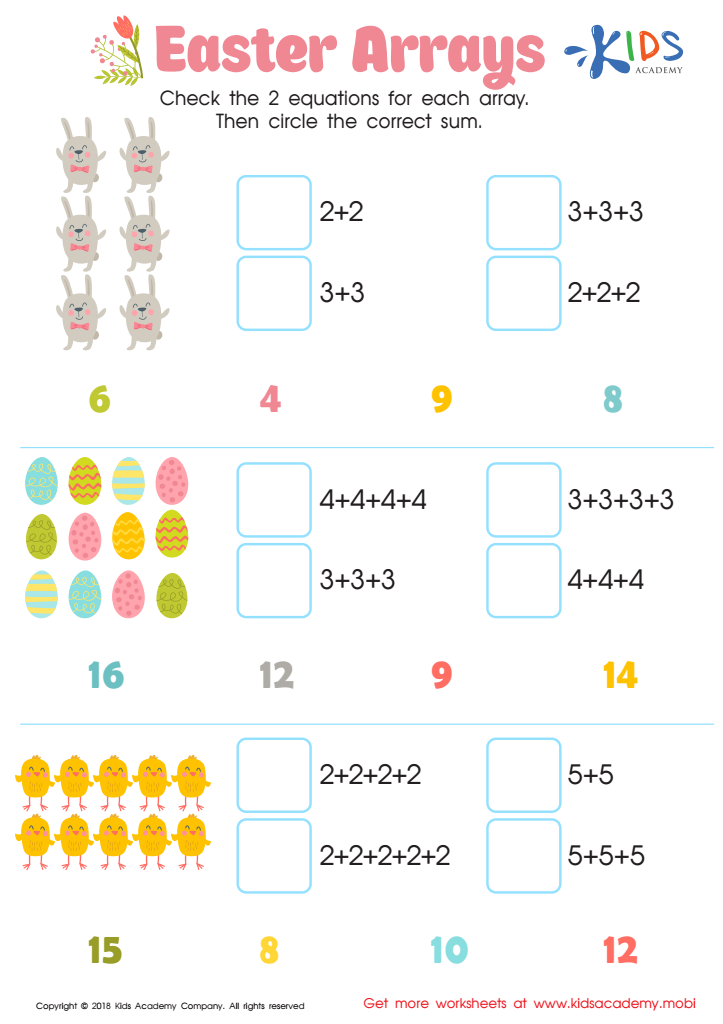
Easter Arrays Worksheet
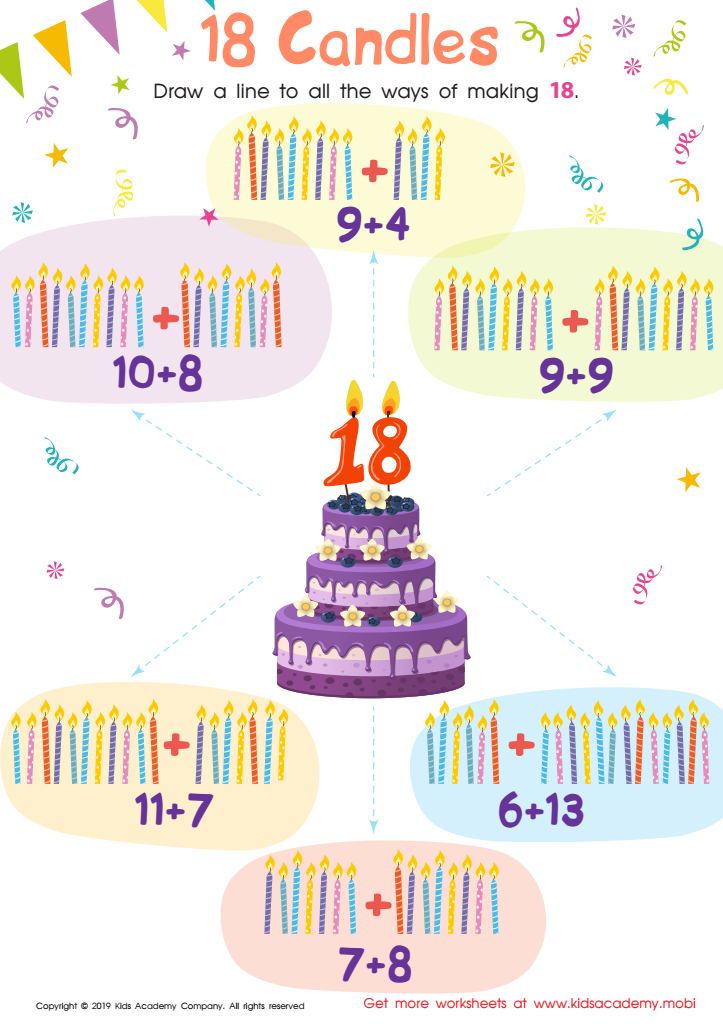
18 Candles Worksheet
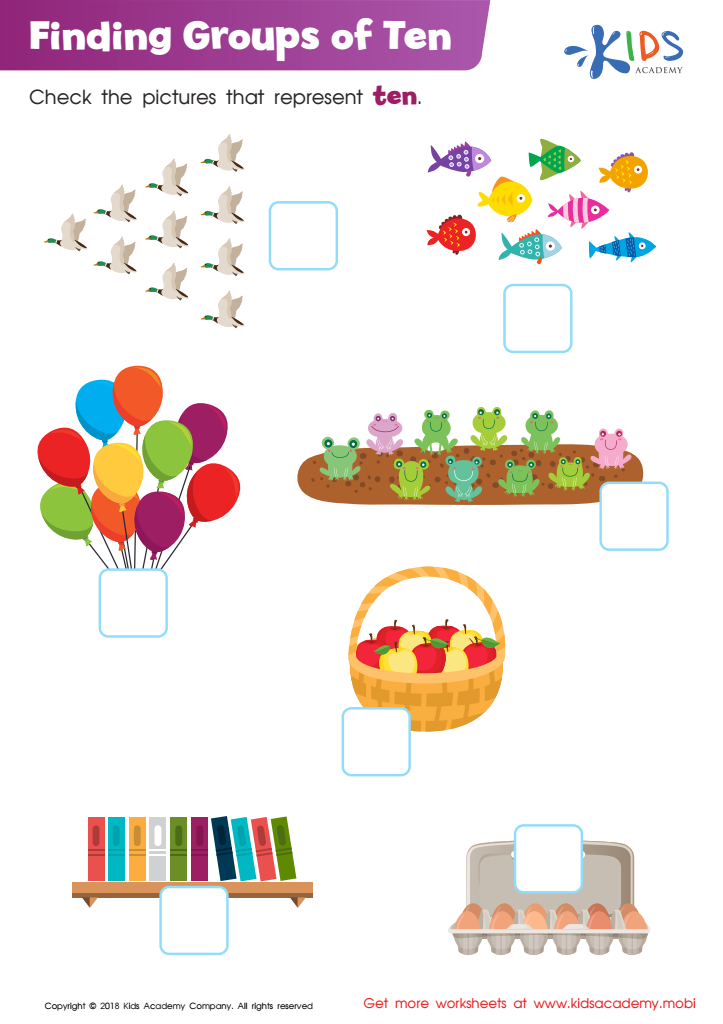
Finding Groups of Ten Worksheet
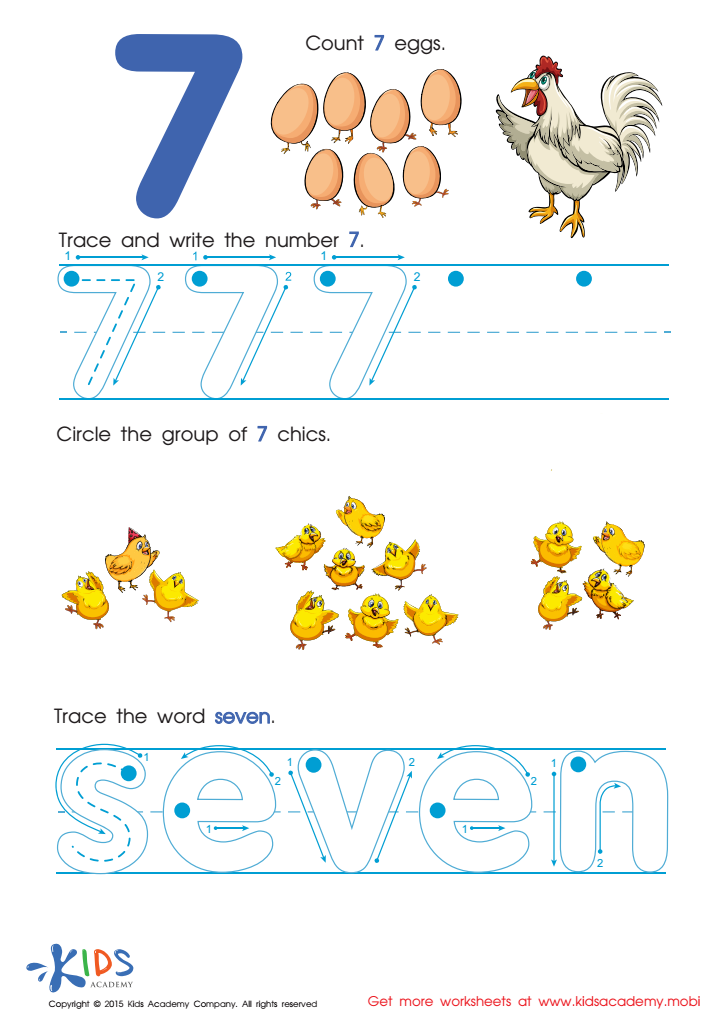
Trace And Write Number 7 with Fun Worksheet
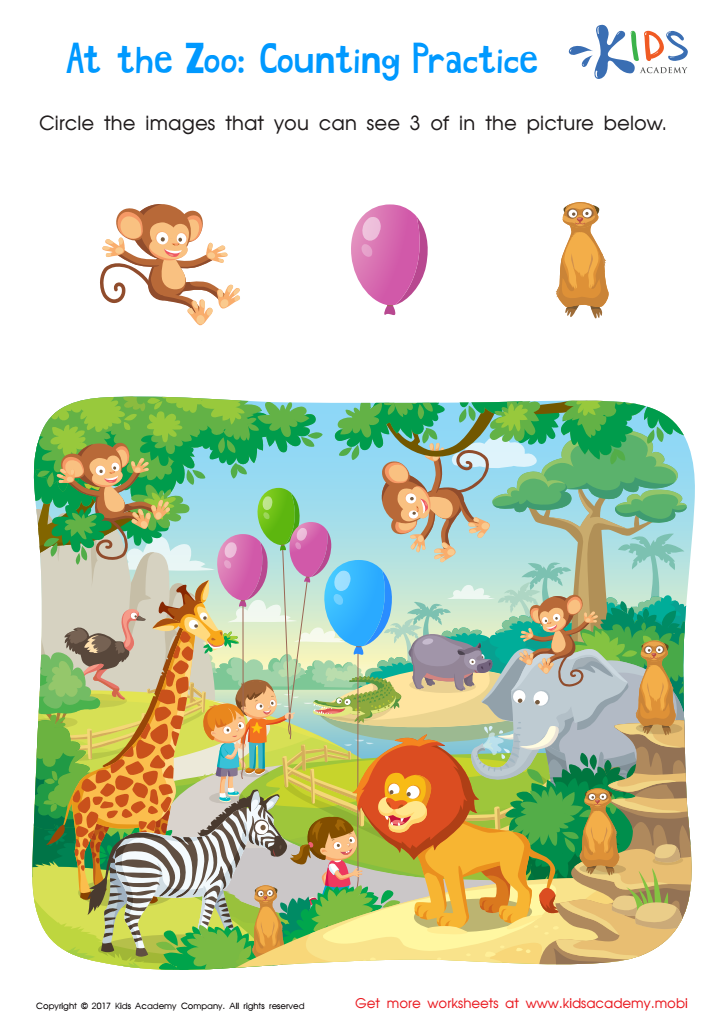
At the Zoo: Counting Practice Worksheet
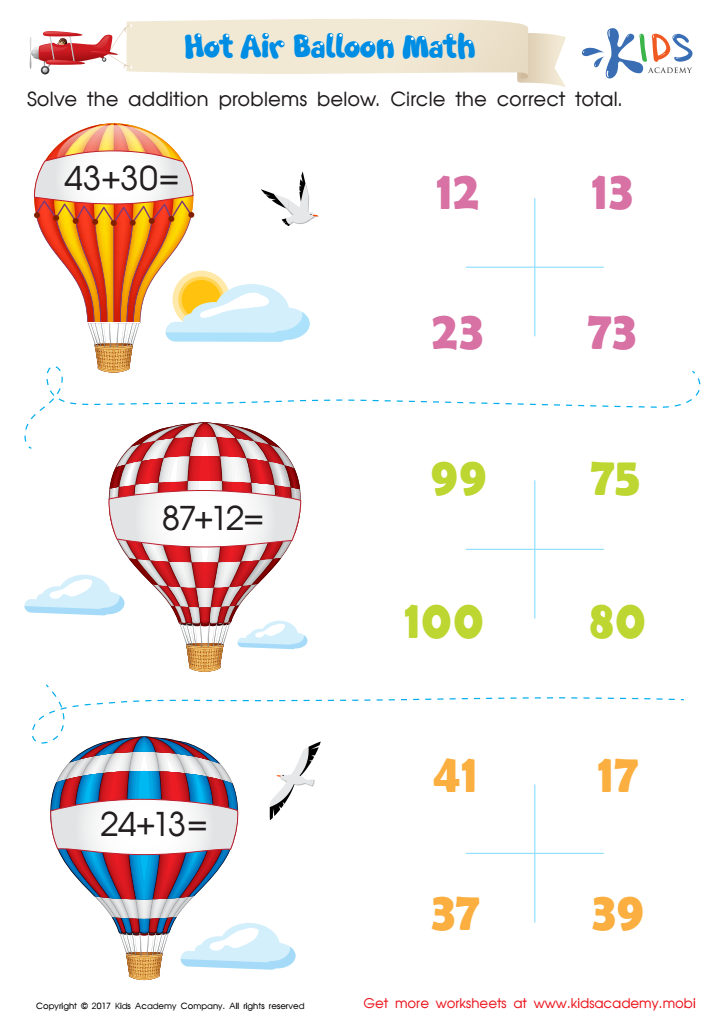
Hot Air Balloon Math Worksheet
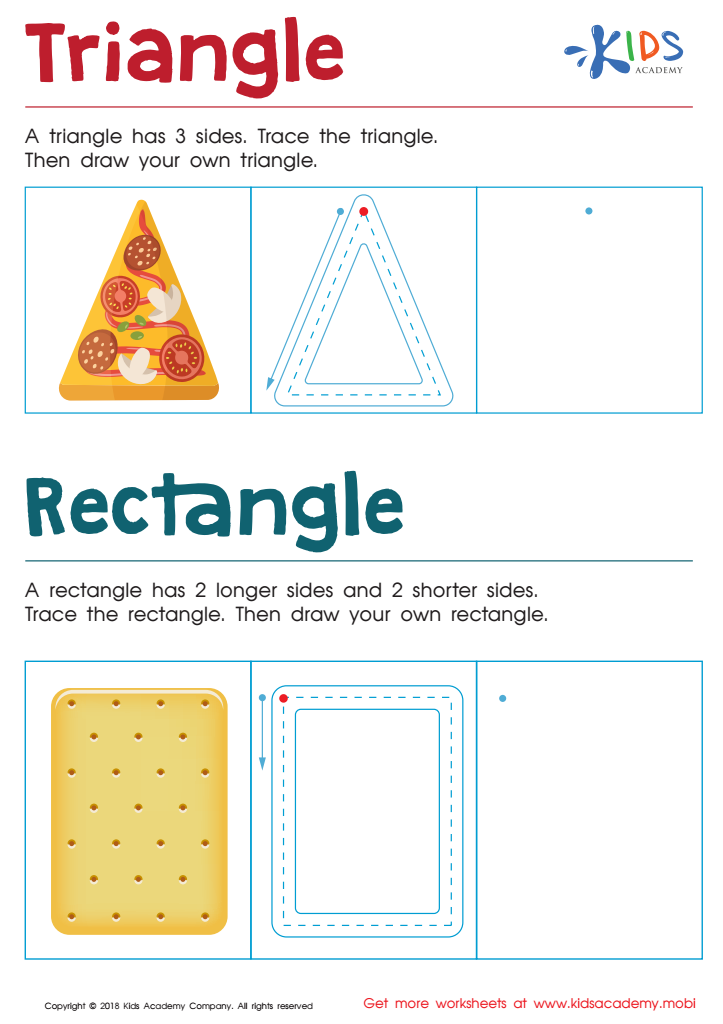
Triangle Rectangle Worksheet
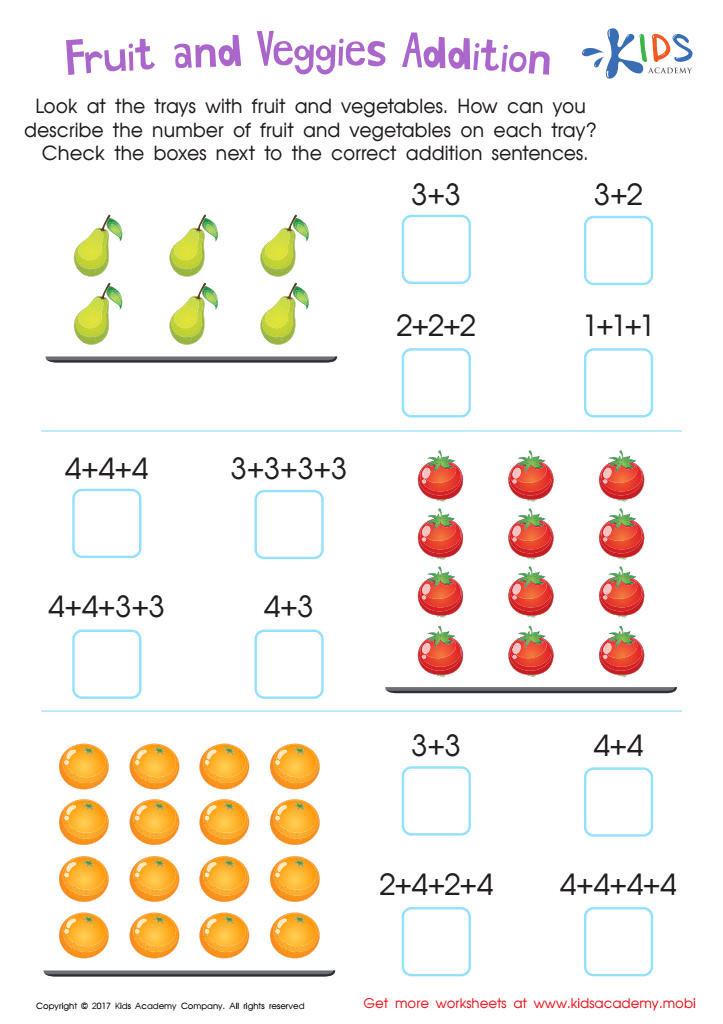
Fruit and Veggies Worksheet
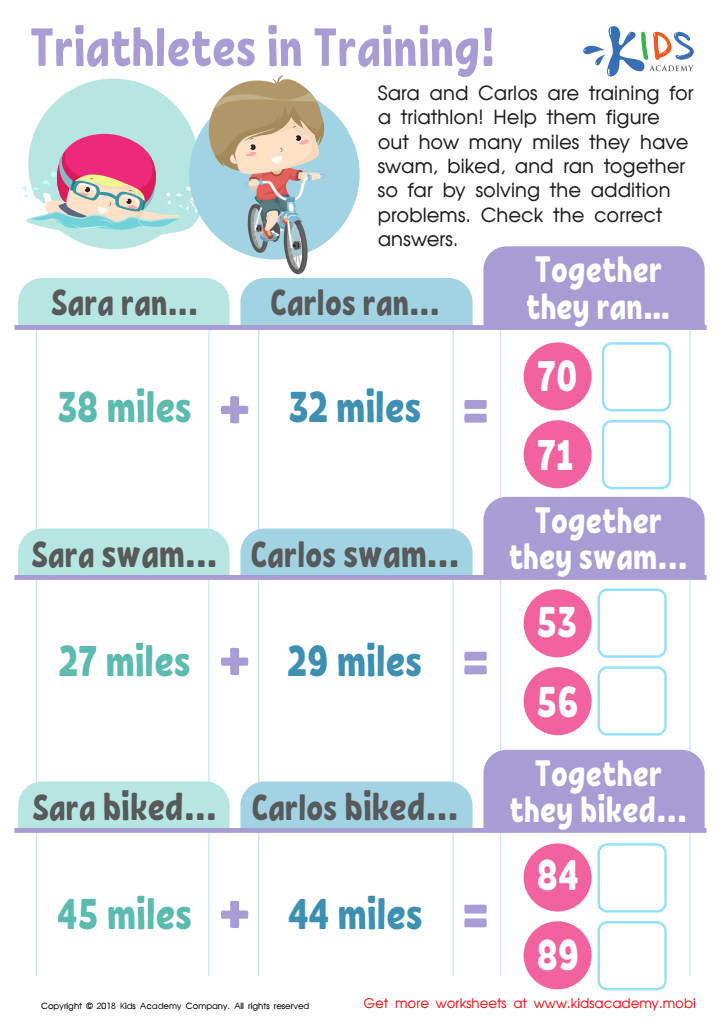
Triathletes in Training Worksheet
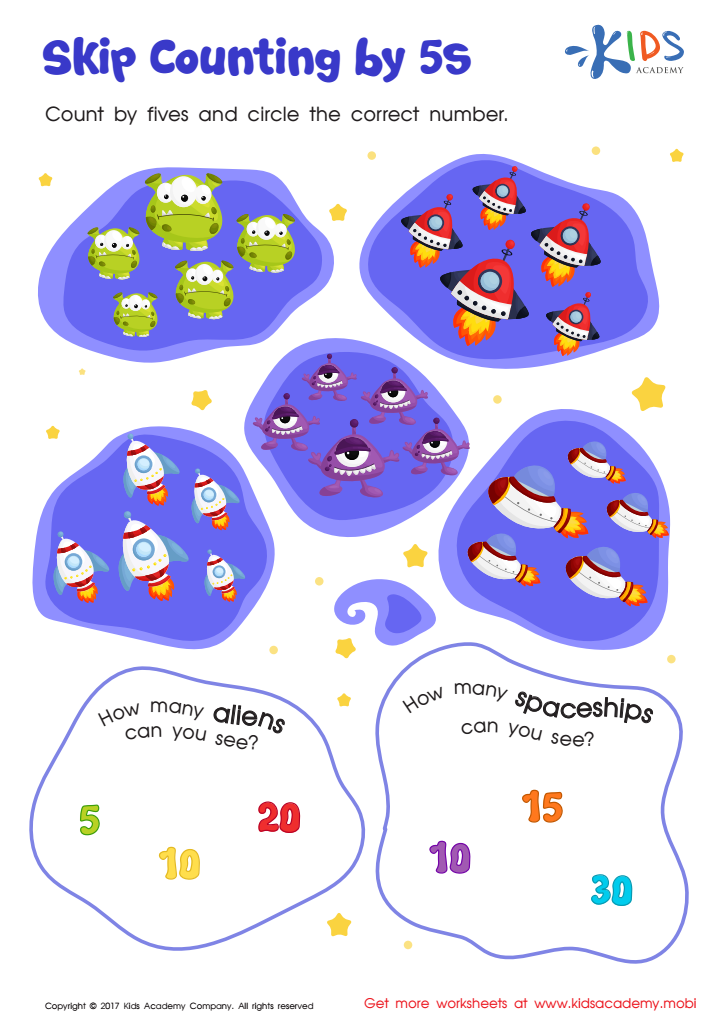
Skip Counting by 5s: Aliens and Spaceships Printable
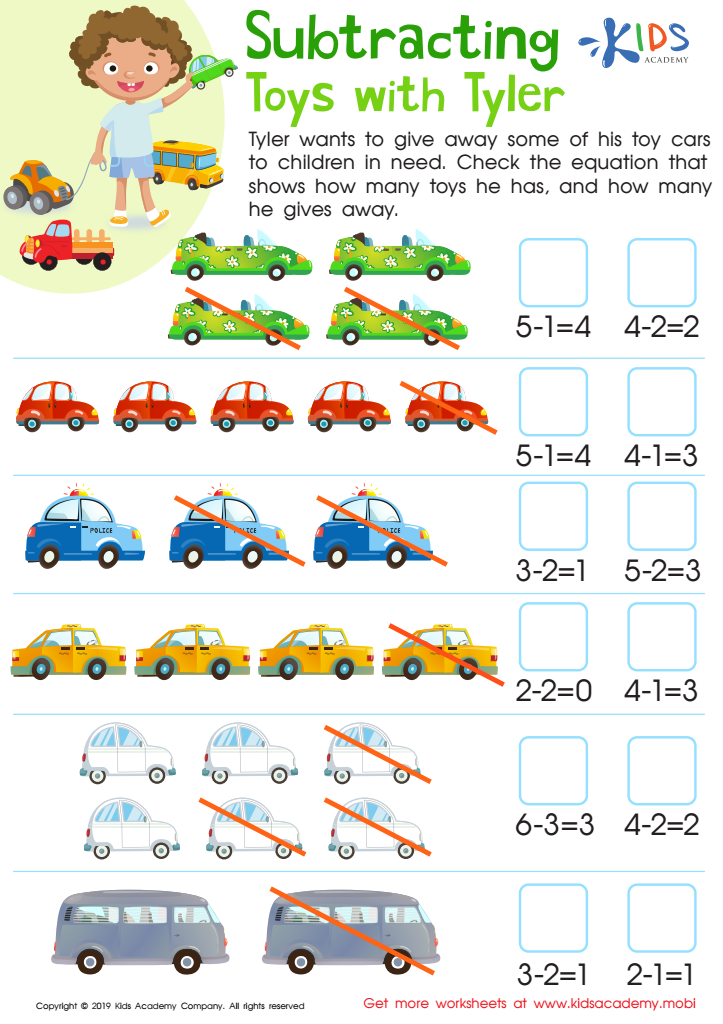
Subtracting Toys with Tyler Worksheet


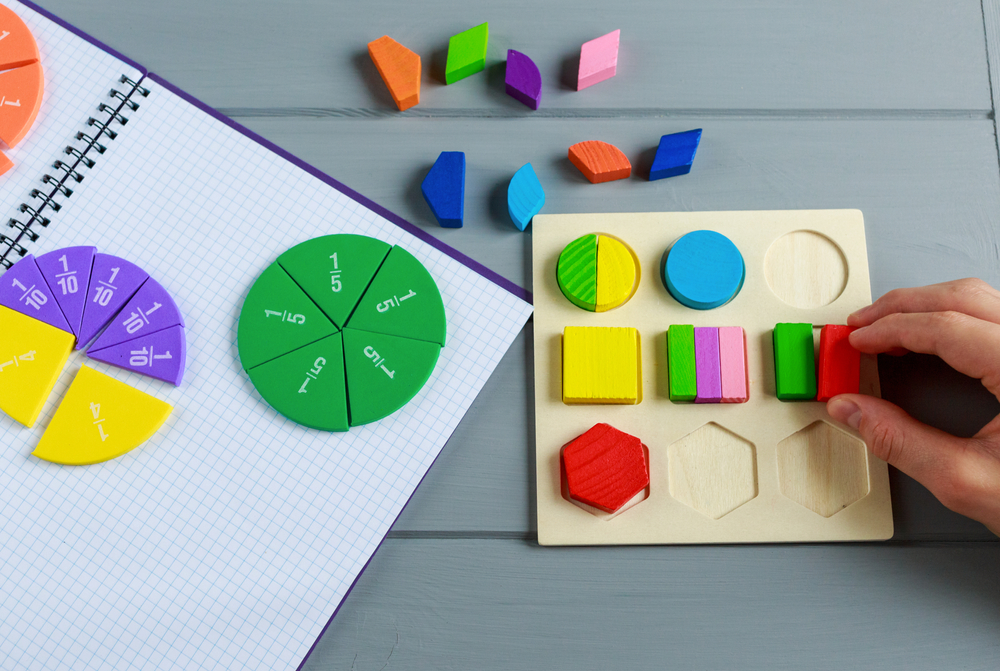





Parents and teachers should care about teaching normal math to children aged 5-8 because it establishes a foundation for future academic success and everyday problem-solving skills. During these critical early years, young minds are highly receptive to learning basic math concepts such as counting, addition, subtraction, shapes, and patterns. These foundational skills are essential not only for advanced mathematical understanding but also for developing logical thinking and reasoning abilities.
Early math education fosters cognitive development and helps children understand the world around them. By engaging with math concepts, children enhance their number sense, which is invaluable for tasks ranging from handling money to understanding time. Additionally, proficiency in early math has been linked to better outcomes in other academic areas, including literacy. This happens because learning to count and recognize patterns parallels skills used in reading, such as sequencing and recognizing common patterns in word structures.
Furthermore, incorporating math in playful and everyday contexts encourages a positive attitude toward the subject, reducing anxiety and increasing confidence as they grow. This early confidence sets a precedent for how they approach math and problem-solving in later years. Thus, parents and teachers provide a critical service in nurturing a child’s early math skills, ultimately with long-lasting impacts on their educational journey and everyday activities.








