Color Identification Normal Math Worksheets for Ages 5-8
12 filtered results
-
From - To
Unlock your child's potential with our engaging Color Identification Normal Math Worksheets designed for ages 5-8. These printable activities combine vibrant colors with foundational math skills, helping young learners recognize and name colors while mastering essential concepts. Each worksheet encourages creativity and critical thinking, making learning both fun and effective. As children sort, categorize, and incorporate colors into their math problems, they enhance their cognitive abilities and boost their confidence in mathematics. Perfect for parents and educators alike, our worksheets are an invaluable resource for supporting early childhood education. Start your child's learning journey today with colorful, interactive math challenges!
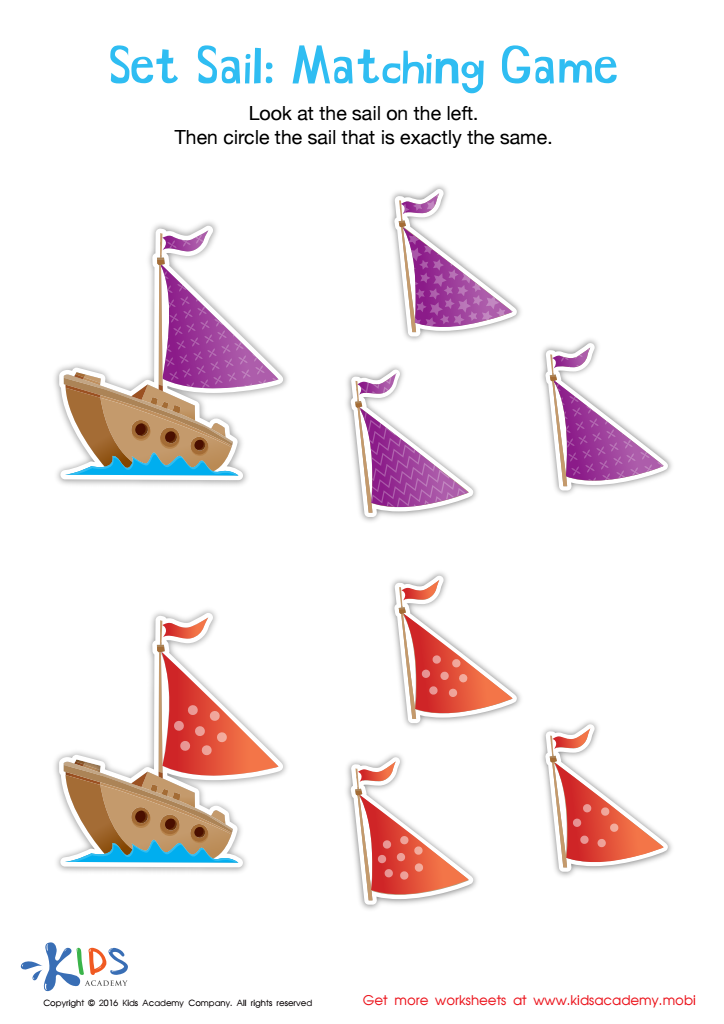
Set Sail Worksheet
 Assign to My Students
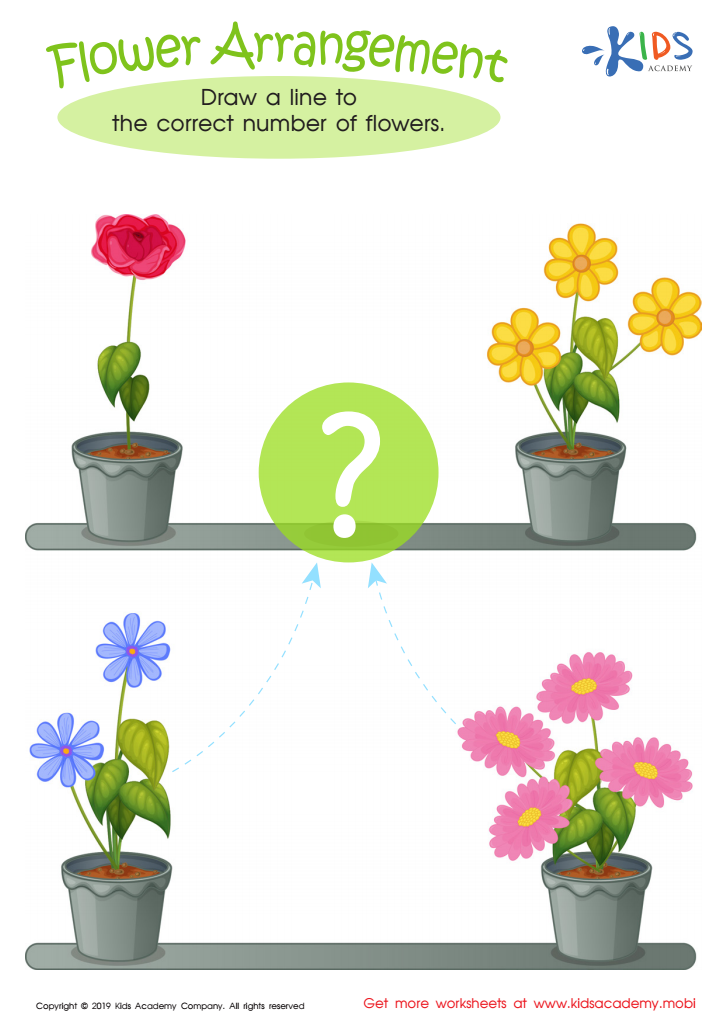
Flower Arrangement Worksheet
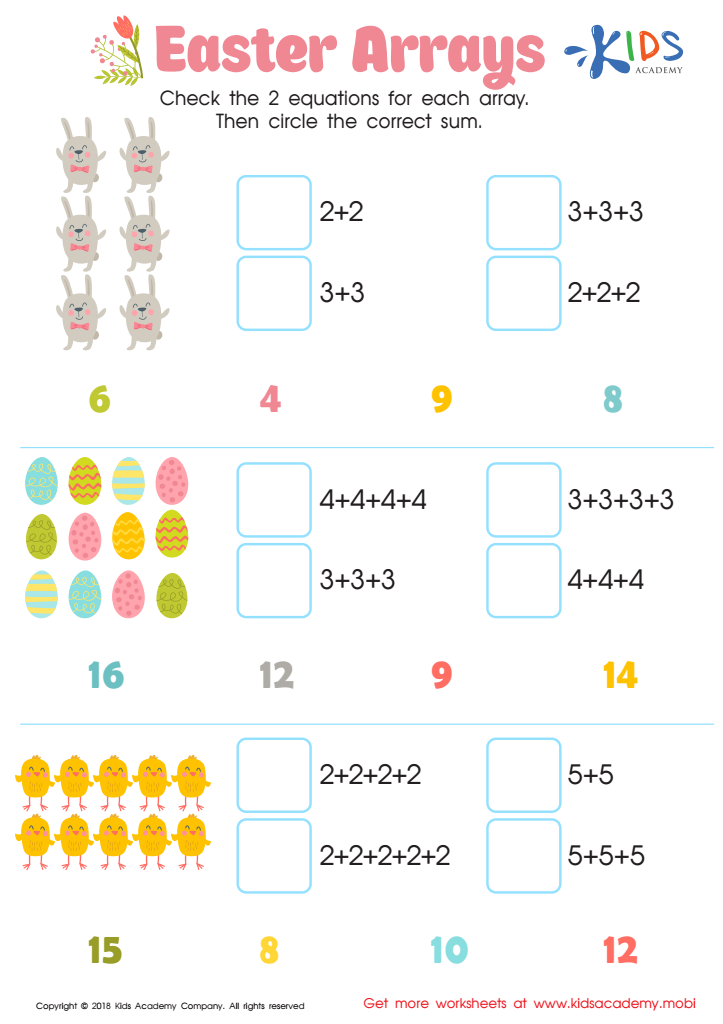
Easter Arrays Worksheet
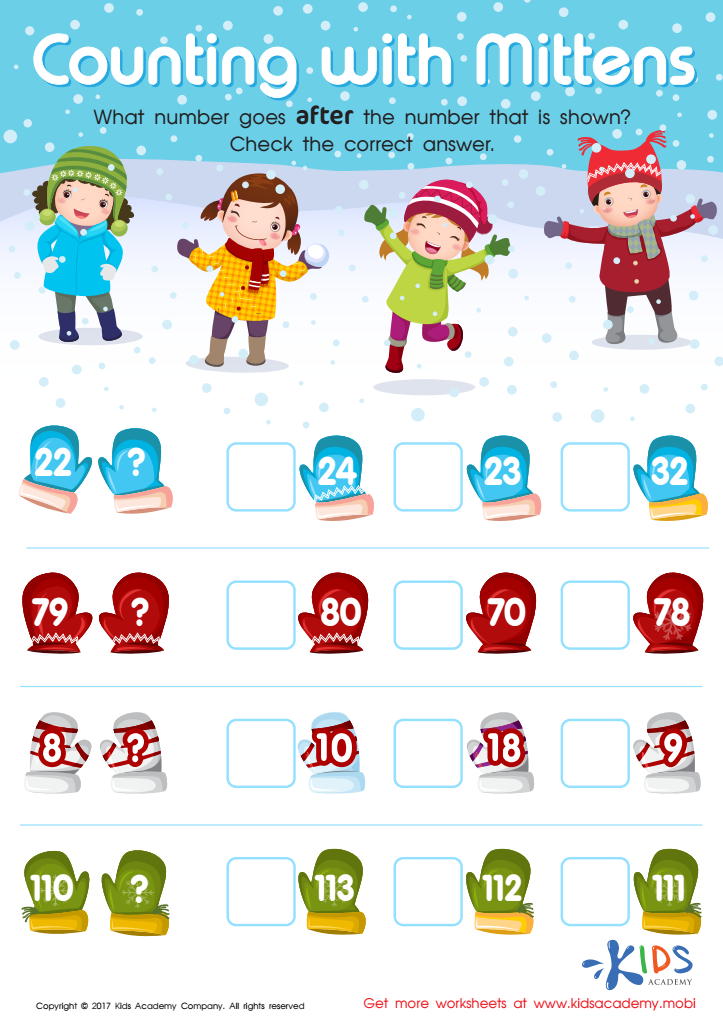
Counting with Mittens Worksheet
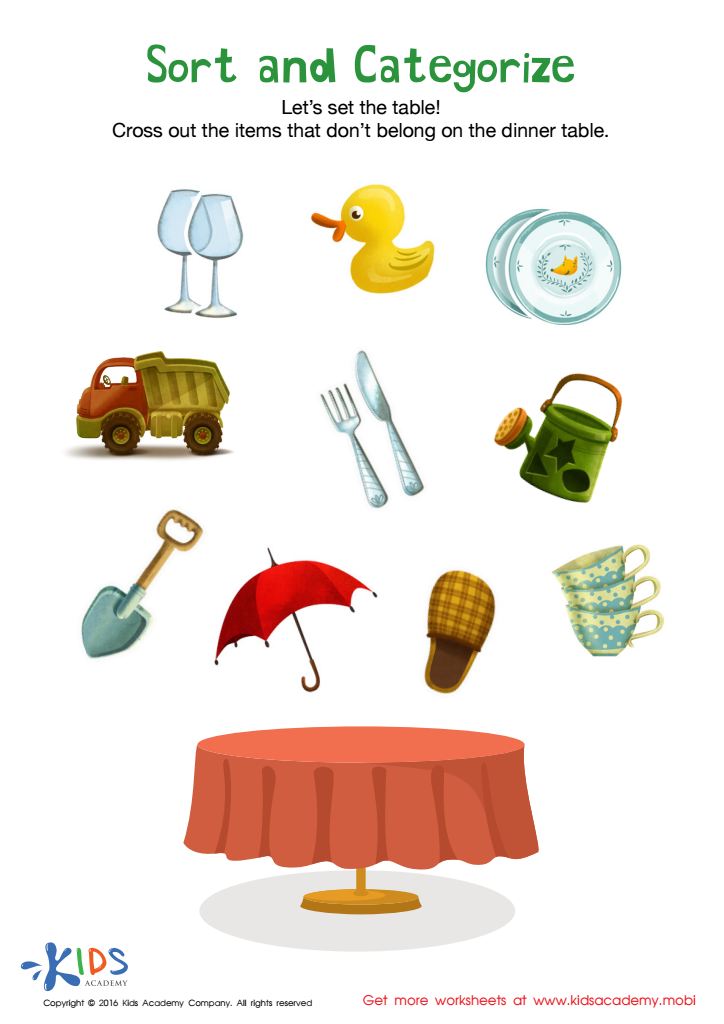
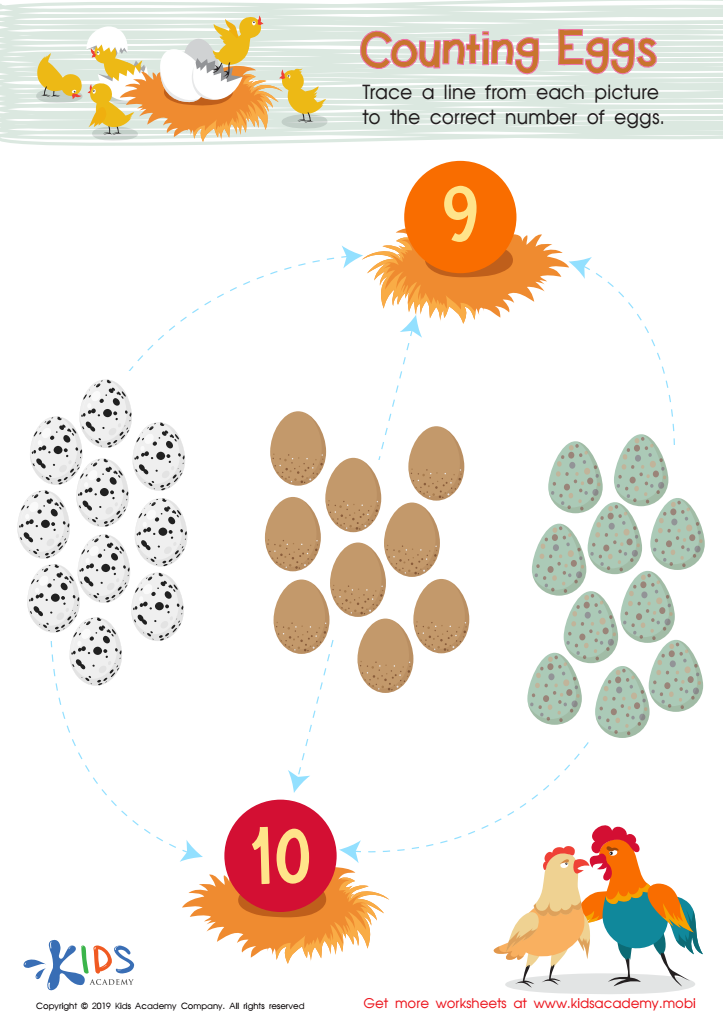
Counting Eggs Worksheet
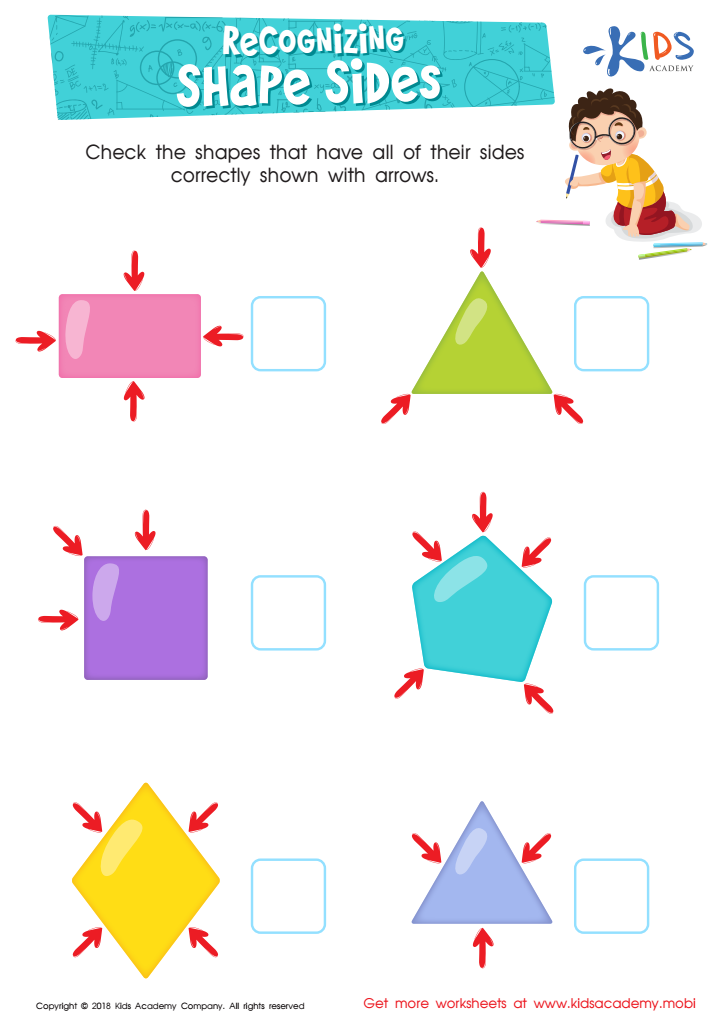
Recognizing Shape Sides Worksheet
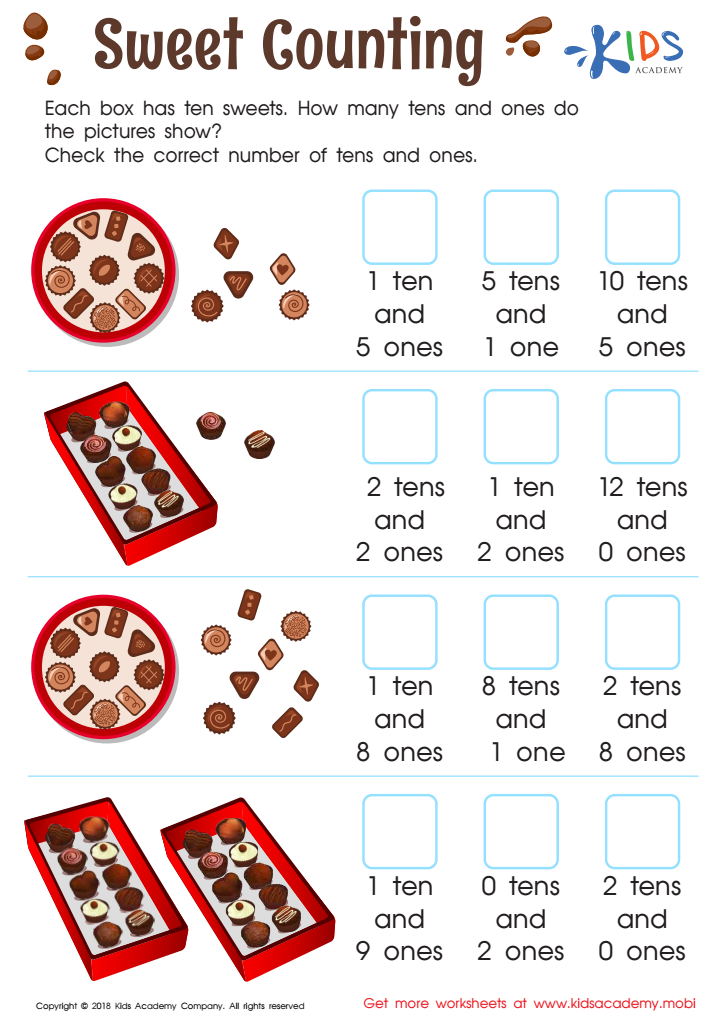
Sweet Counting - Part 2 Worksheet
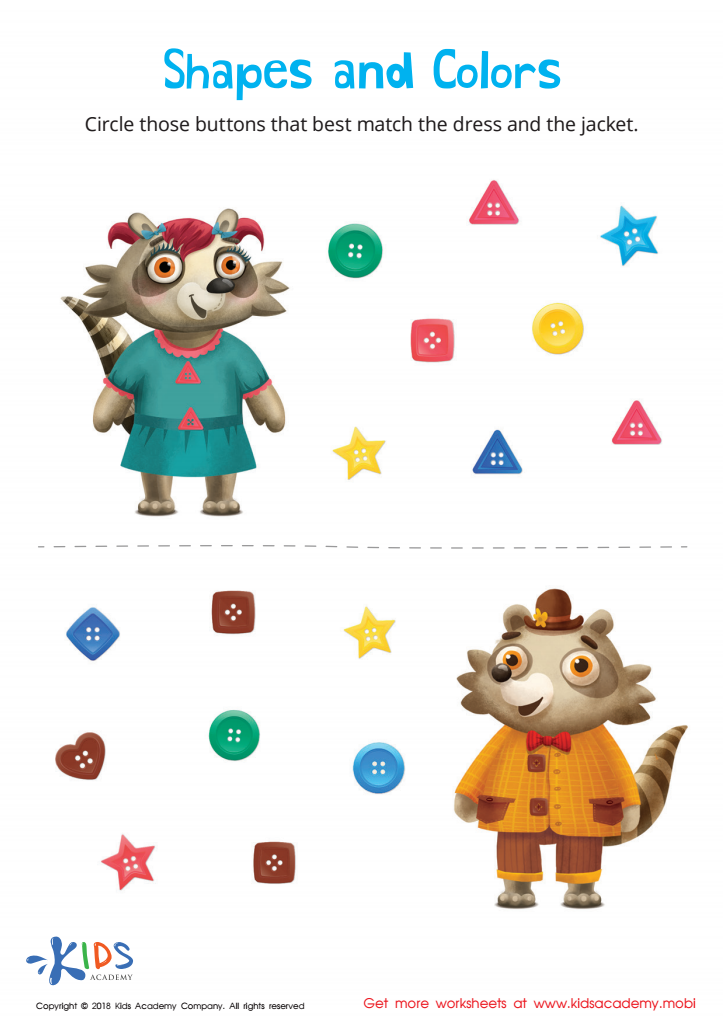
Shapes and Colors Worksheet
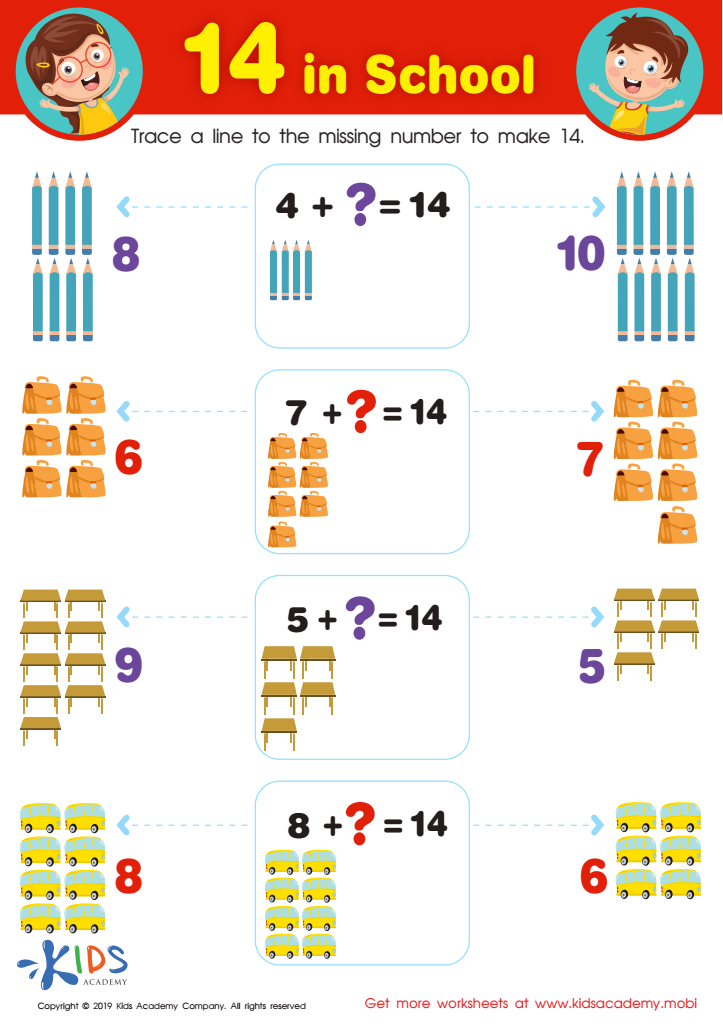
14 in School Worksheet
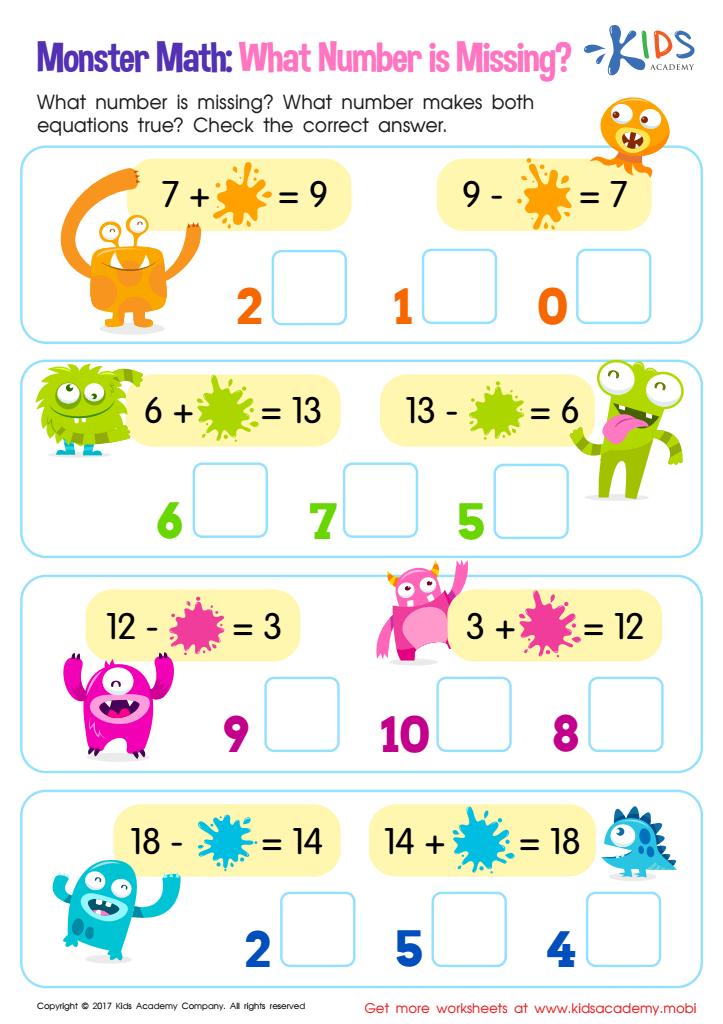
Missing Number: Monster Math Worksheet
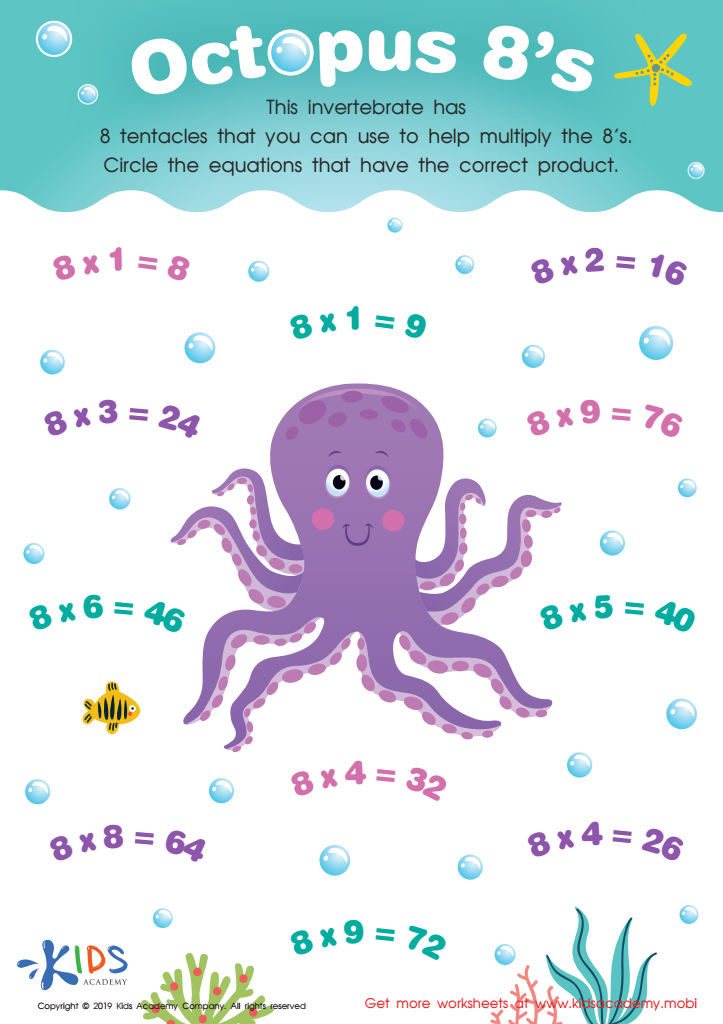
Octopus 8’s Worksheet







.jpg)
Understanding color identification is a crucial foundational skill for children aged 5-8, forming an integral part of their early learning journey. Parents and teachers should care because recognizing colors not only enhances a child's vocabulary but also aids in various cognitive and social development aspects.
Color identification helps in improving observational skills, allowing children to engage with their environment more critically. It lays the groundwork for mathematical concepts as children begin to sort, categorize, and compare objects based on color—a fundamental aspect of early math. For example, they learn to group blocks by color, a skill that fosters logical reasoning and critical thinking.
Moreover, mastering color identification can support emotional and social development. Children often express preferences for specific colors, which can provide insights into their personality and feelings. Collaborative activities centered around colors—such as art projects or games—encourage teamwork and communication.
Additionally, foundational math experiences include measurements and patterns often represented in color. The more proficient children are at identifying colors, the more adept they become at grasping these broader math concepts. Therefore, prioritizing color identification not only supports immediate educational outcomes but also nurtures lifelong learning skills, making it essential for parents and teachers to emphasize its importance.








