Problem-Solving Skills Normal Matching Worksheets for Ages 5-8
5 filtered results
-
From - To
Unlock your child's potential with our Problem-Solving Skills Normal Matching Worksheets designed for ages 5-8. These engaging activities cultivate critical thinking and logical reasoning through fun matching exercises. Perfectly tailored for developing minds, each worksheet challenges kids to identify relationships between objects and concepts, enhancing their problem-solving capabilities. Aligned with educational standards, our printable worksheets foster essential skills in a fun, interactive way. Whether used in the classroom or at home, they provide a solid foundation for future academic success. Spark creativity, improve focus, and build confidence with our expertly crafted resources. Transform learning into an enjoyable adventure today!
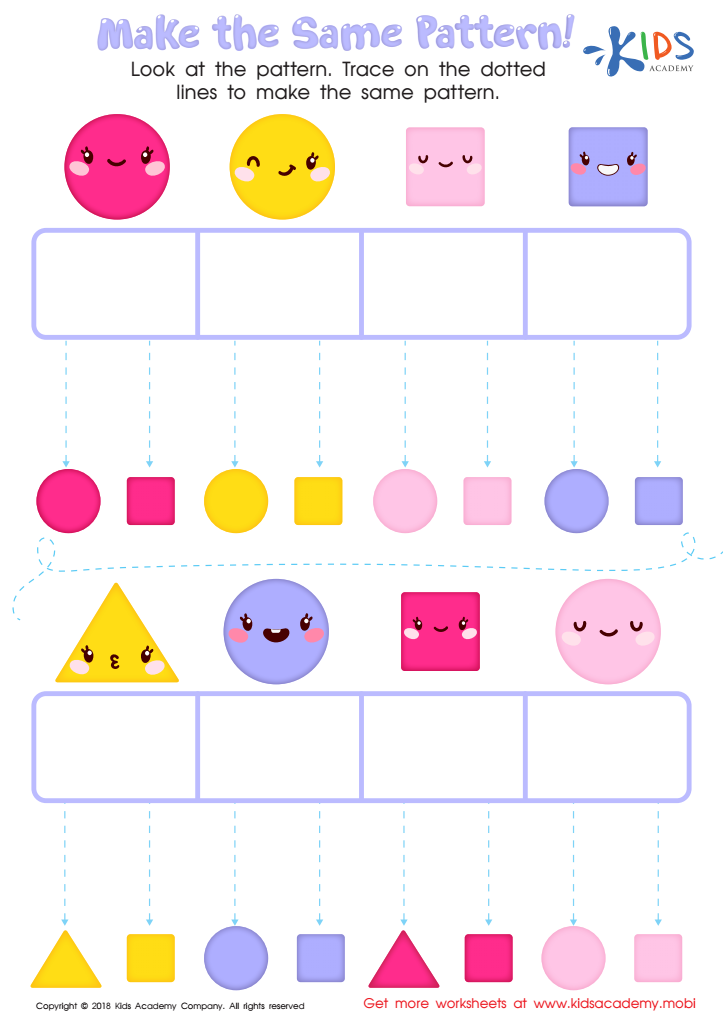
Make the Same Pattern Worksheet
 Assign to My Students
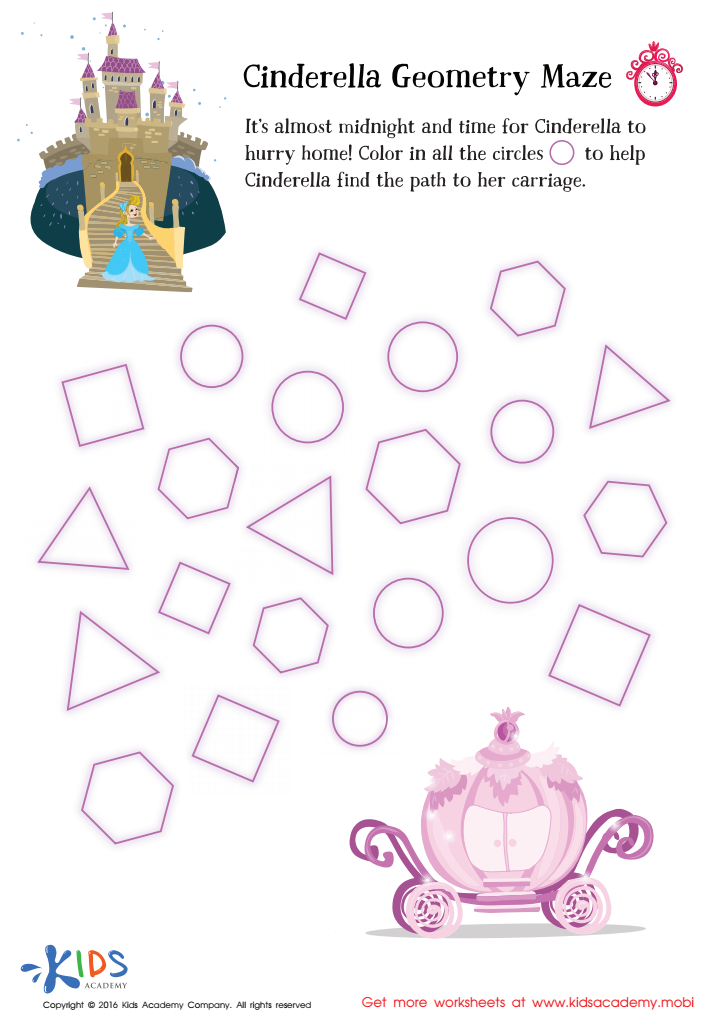
Cinderella Geometry Maze Worksheet
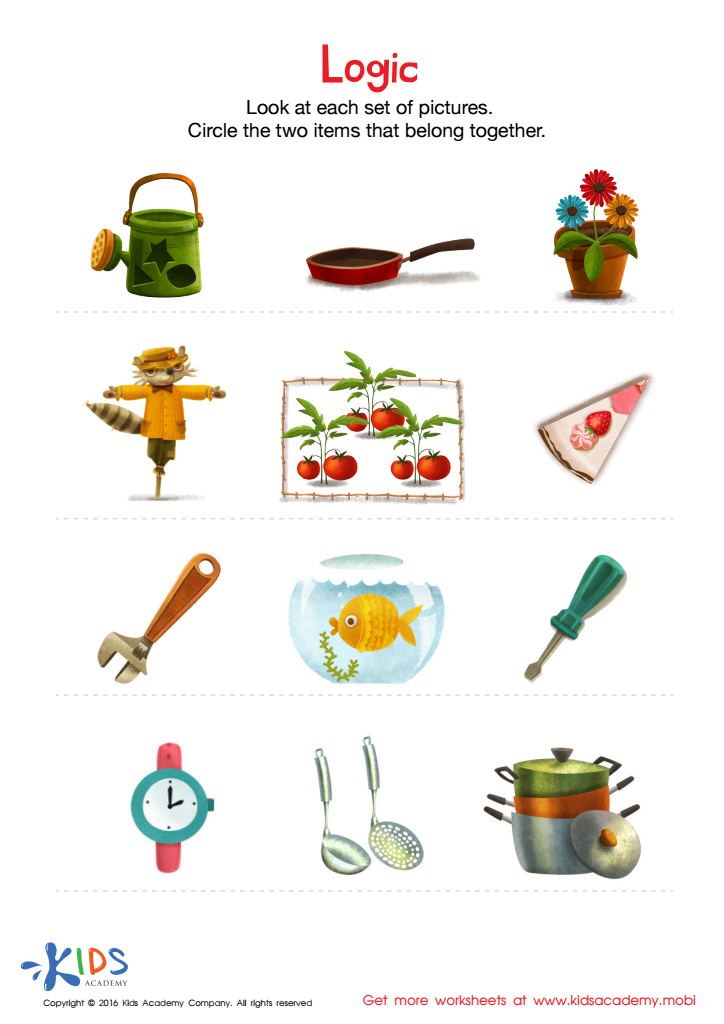
Logic Game Sorting Worksheet
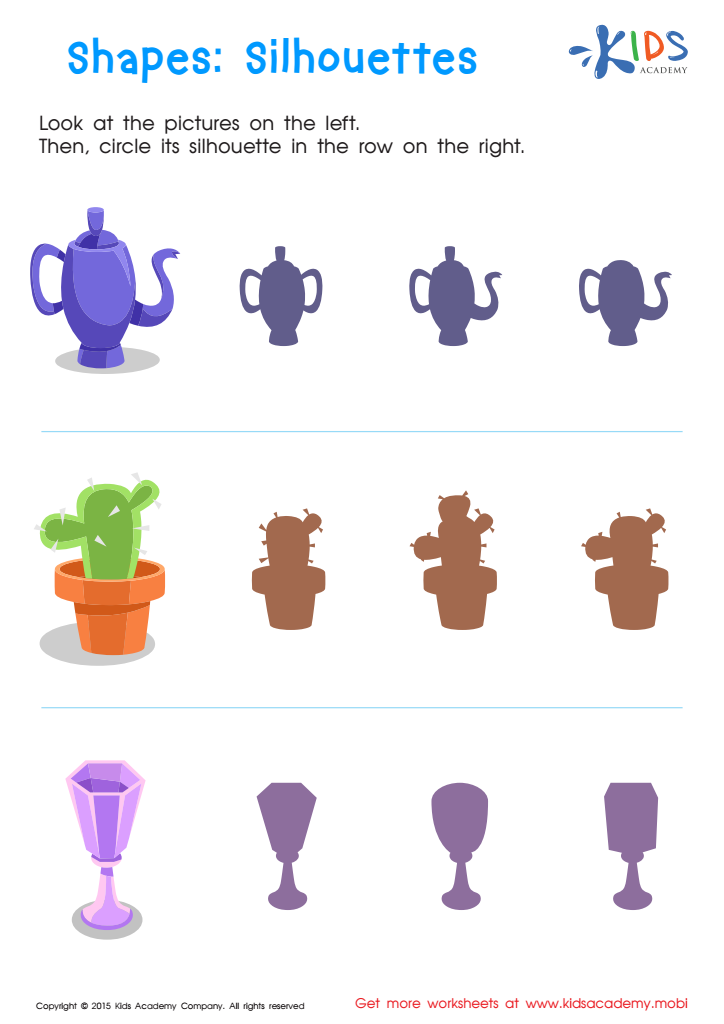
Silhouettes – Shapes Worksheet
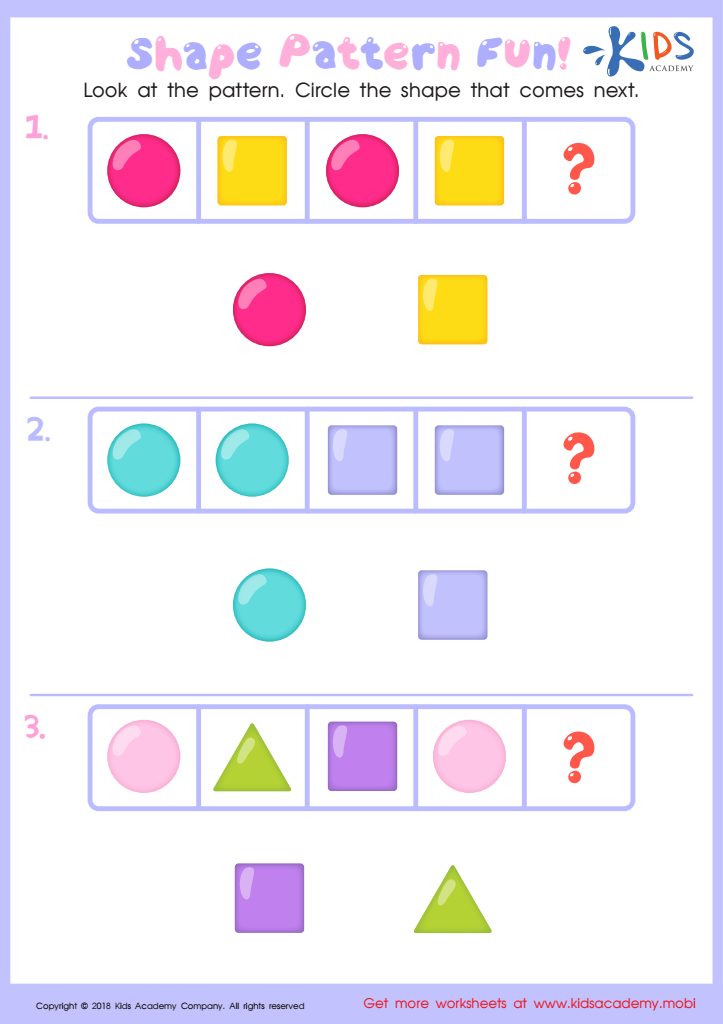
Shape Pattern Fun Worksheet








Problem-solving skills are fundamental for young children's development, especially between the ages of 5 and 8, as they lay the groundwork for cognitive, social, and emotional growth. During these formative years, children begin to integrate themselves more deeply into social and learning environments. Problem-solving skills enable them to navigate challenges, make decisions, and think critically, all of which are essential for academic success and personal well-being.
For parents and teachers, fostering these skills helps children learn to approach difficulties methodically and creatively. This can translate to improved academic performance, as problem-solving enhances skills in mathematics, science, reading comprehension, and more. It also helps children build resilience; when they encounter obstacles, they are better equipped to handle setbacks constructively rather than becoming frustrated or disheartened.
Socially, problem-solving skills are pivotal in managing relationships. Children learn to understand different perspectives, negotiate conflicts, and collaborate effectively with peers. These abilities are crucial in developing empathy and fostering harmonious relationships.
Moreover, early problem-solving experiences instill confidence and independence. As children realize they can devise solutions on their own, their self-esteem grows, making them more willing to take on new challenges. For long-term personal and academic growth, parents and teachers should prioritize nurturing problem-solving skills during early childhood.








