Vocabulary expansion Normal Animals Worksheets for Ages 5-8
5 filtered results
-
From - To
Explore our engaging Vocabulary Expansion Normal Animals Worksheets designed specifically for children ages 5-8! These printable resources help young learners enhance their language skills while discovering the fascinating world of animals. Featuring colorful illustrations and age-appropriate activities, our worksheets encourage kids to learn new words, improve comprehension, and develop their vocabulary in a fun and interactive way. Each worksheet aligns with educational standards, making it a perfect addition to any classroom or homeschooling curriculum. Bring the joy of learning to life as students explore the diversity of the animal kingdom while expanding their vocabulary with these delightful worksheets!
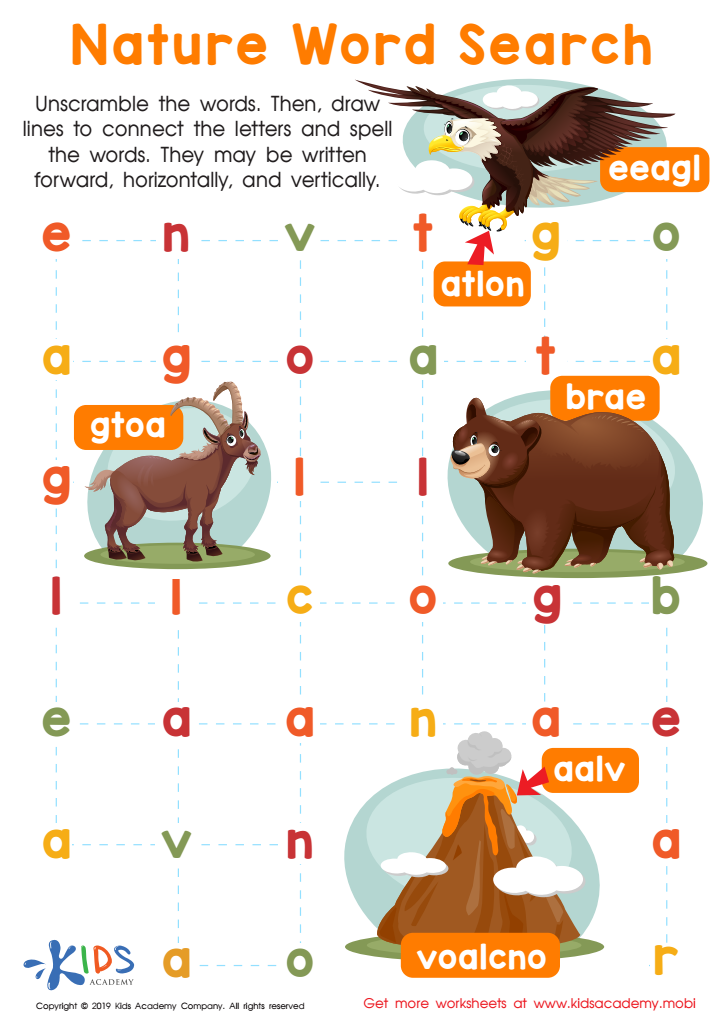
Nature Word Search Worksheet
 Assign to My Students
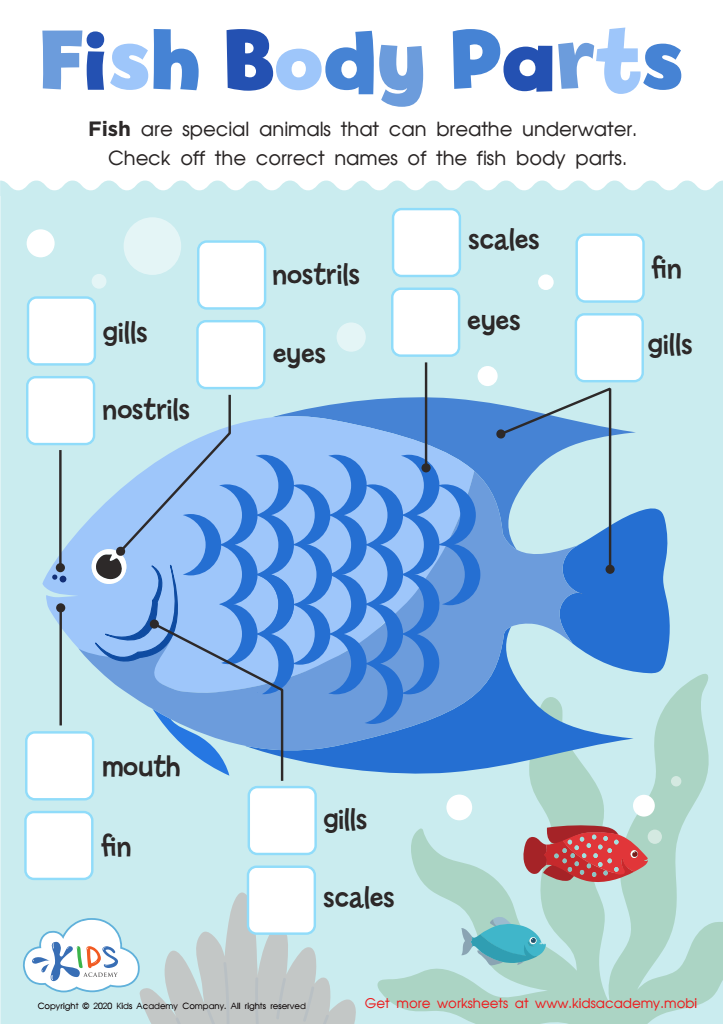
Fish Body Parts Worksheet
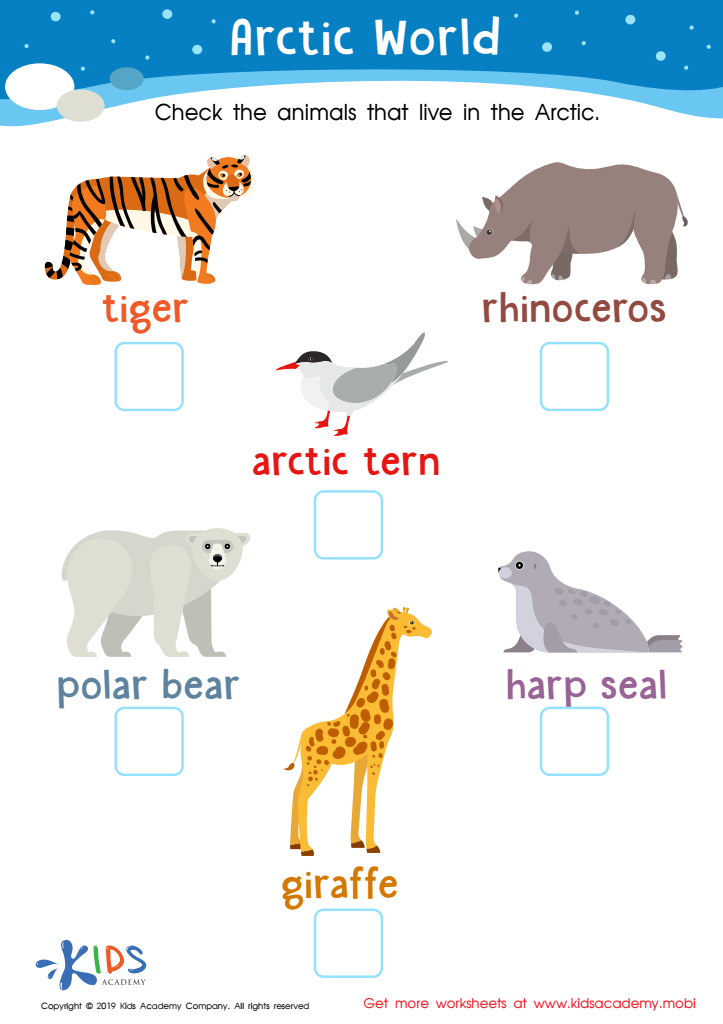
Arctic World Worksheet
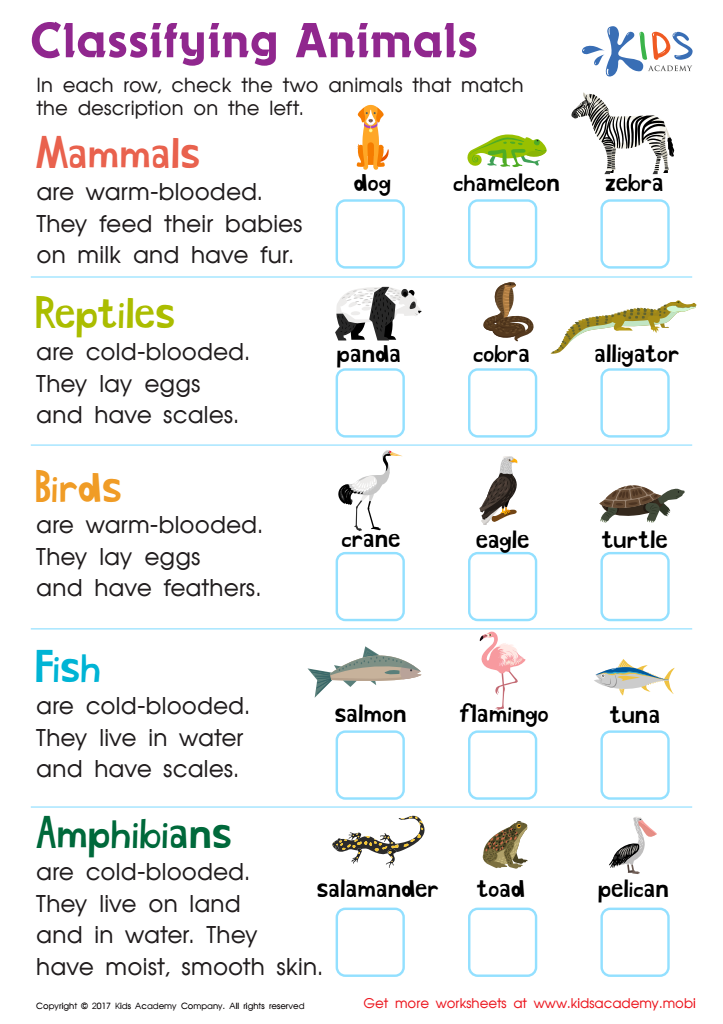
Classifying Animals Worksheet
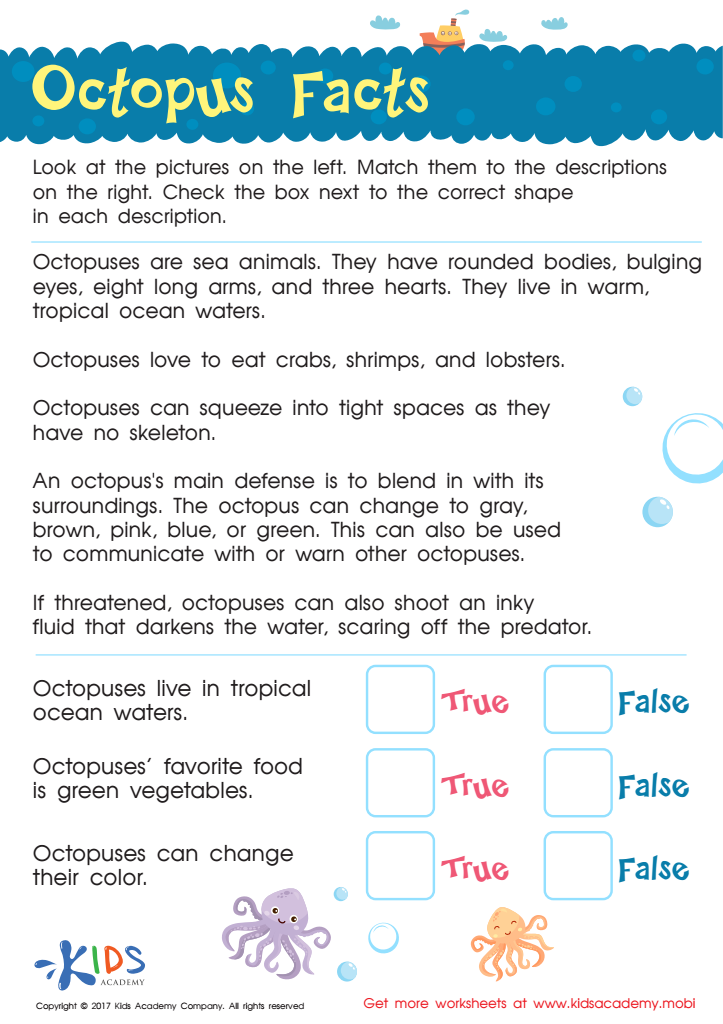
Octopus Facts Worksheet For Kids








Parents and teachers should prioritize vocabulary expansion focused on "Normal Animals" for children aged 5-8 for several compelling reasons. First, this age group is in a critical stage of language development where exposure to diverse vocabulary can shape their future communication skills. By introducing terms related to common animals, children can improve their descriptive language, which enhances their storytelling abilities, writing, and overall expression.
Furthermore, vocabulary linked to familiar animals can spark curiosity and engagement in science and nature, fostering a lifelong love for learning. Understanding animal names, characteristics, and habitats enables children to relate their experiences to the world around them, enriching their observational skills and comprehension.
Moreover, learning about normal animals can improve social skills. When children engage in discussions or storytelling about their favorite animals, they learn to communicate effectively, share ideas, and listen to others. This interaction builds confidence and social camaraderie.
Finally, a solid vocabulary contributes significantly to academic success. Children with a rich vocabulary are better prepared for reading fluency and comprehension, giving them an edge in educational settings. Overall, investing in vocabulary expansion for this topic is essential for healthy cognitive and social development in young learners.








