Normal Worksheets for Ages 5-9 - Page 4
1722 filtered results
-
From - To
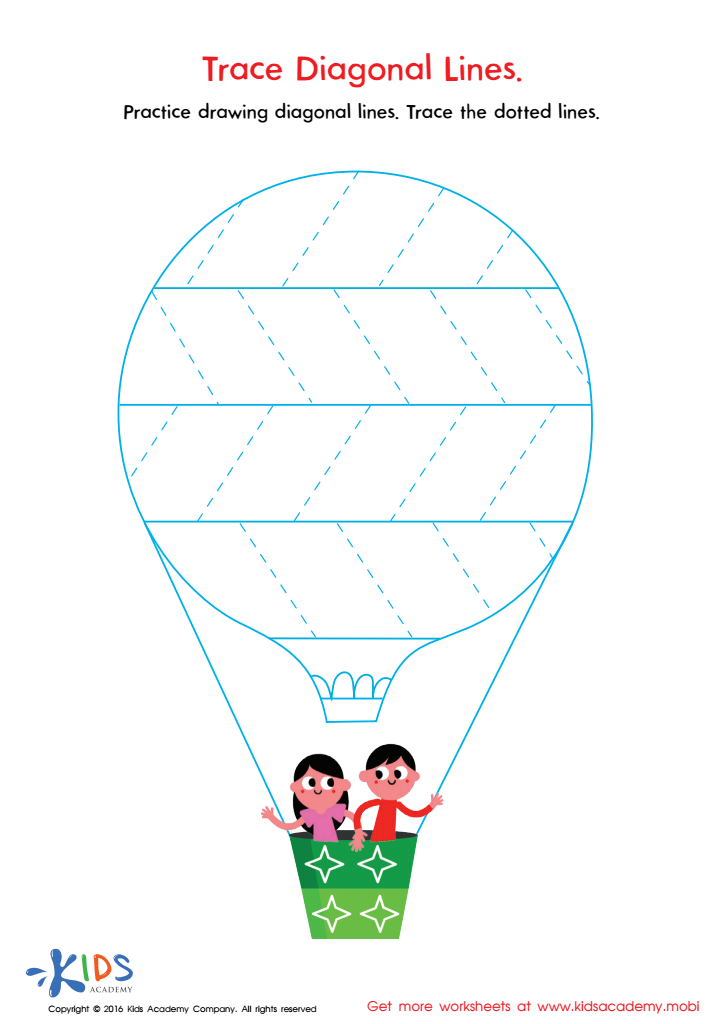
Trace Diagonal Lines Worksheet
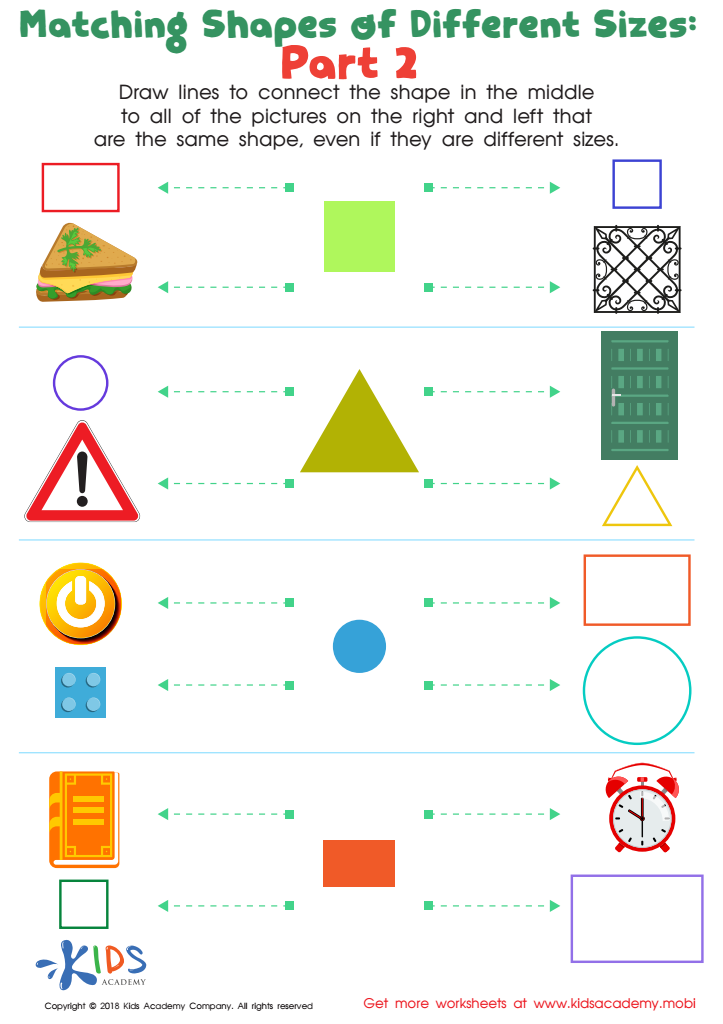
Geometry: Part 2 Worksheet
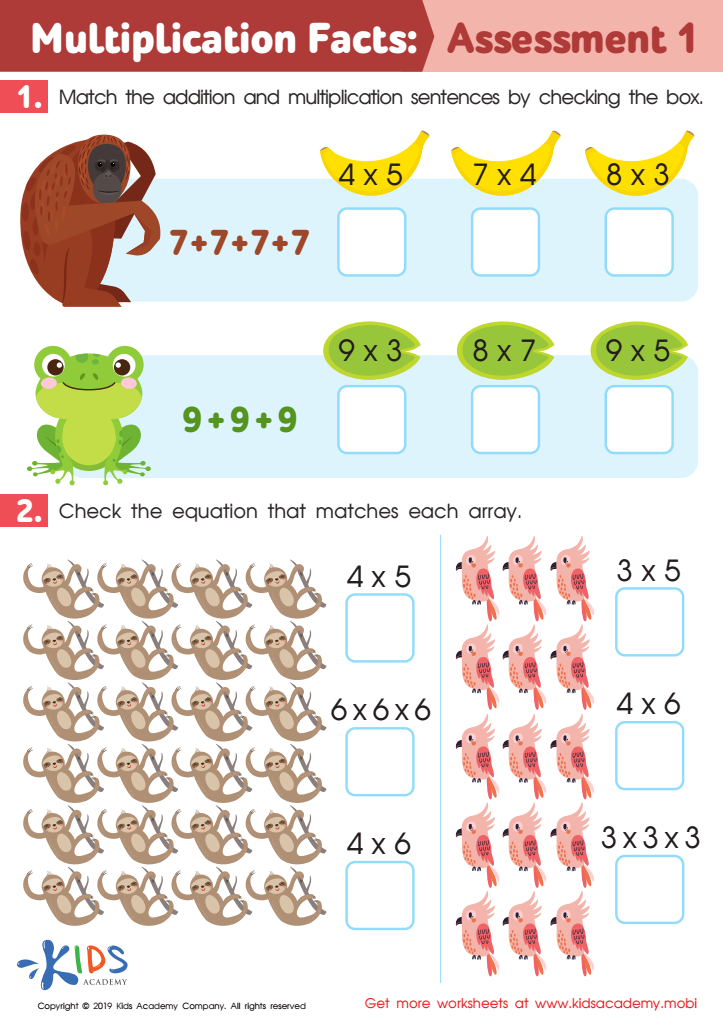
Multiplication Facts: Assessment 1 Worksheet
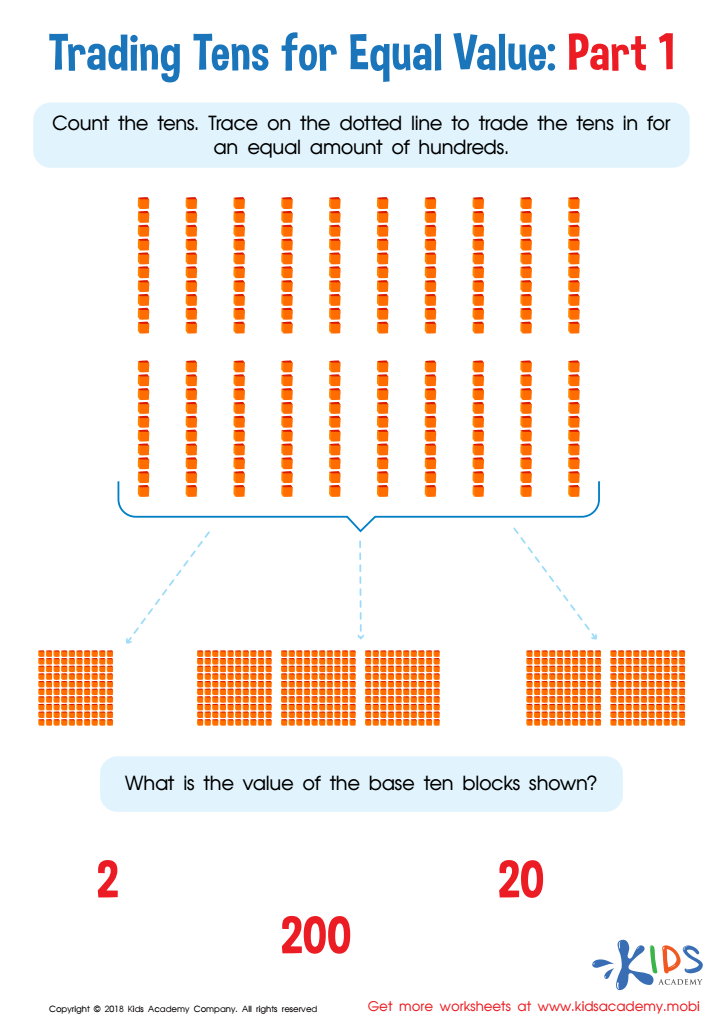
Trading Tens for Equal Value Worksheet: Part 1
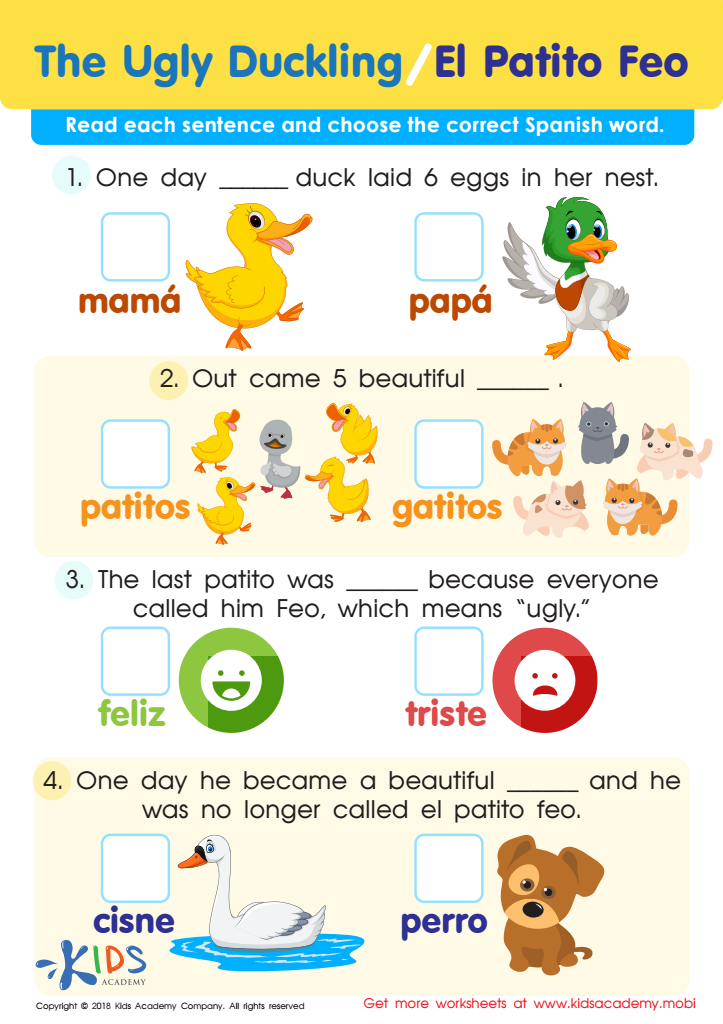
The Ugly Duckling / El Patito Feo Worksheet
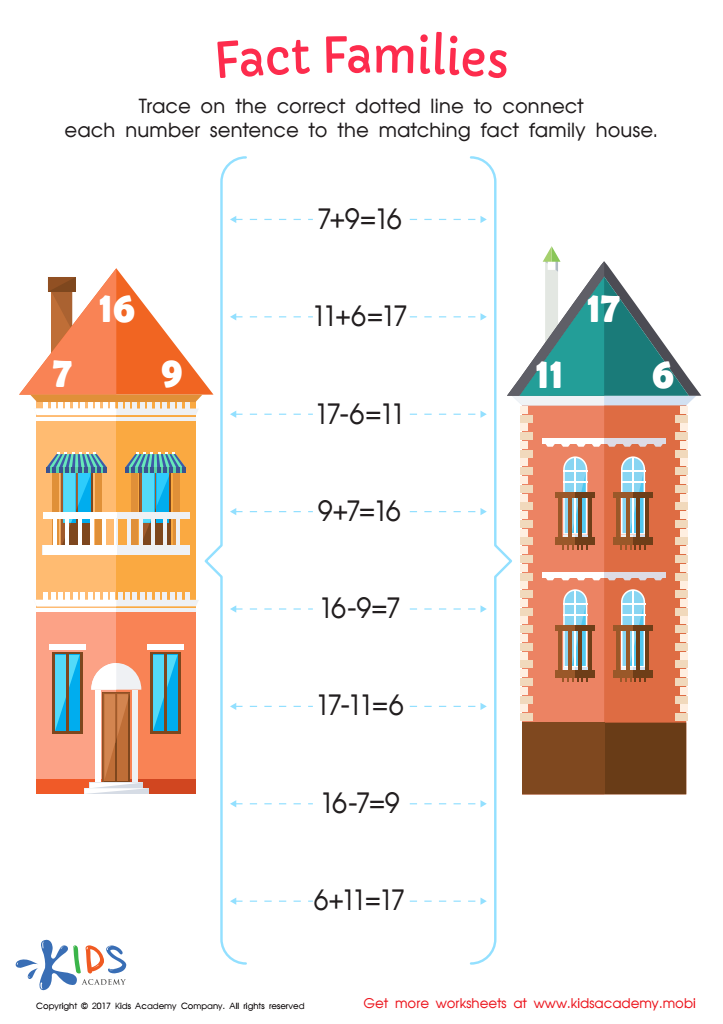
Fact Families — Add and Subtract Worksheet
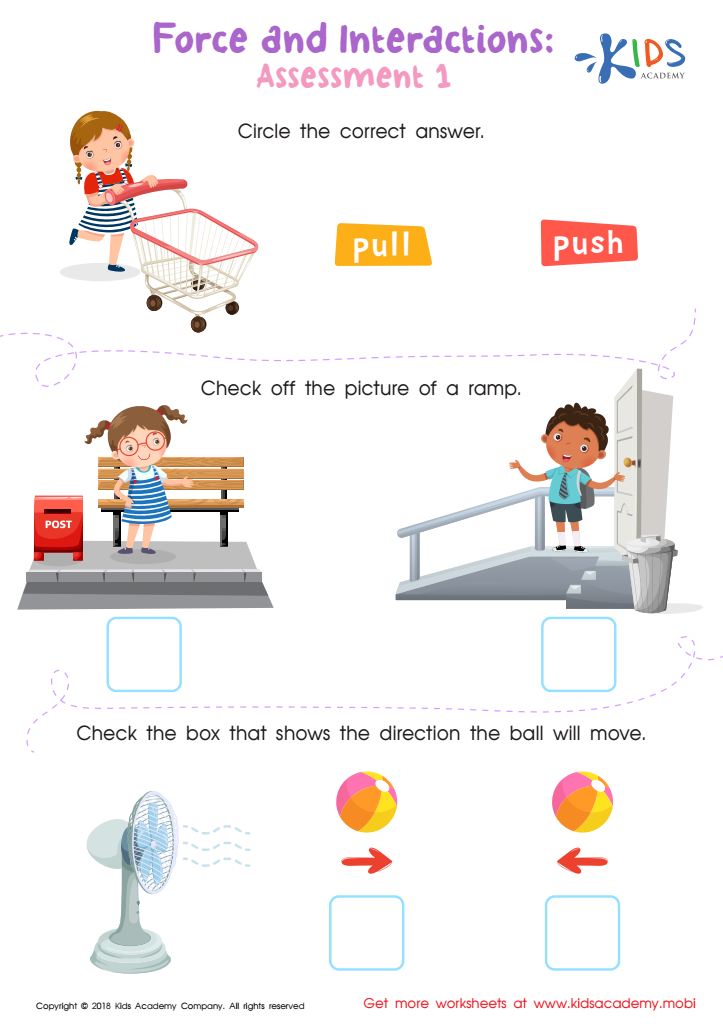
Force and Interactions: Assessment 1 Worksheet
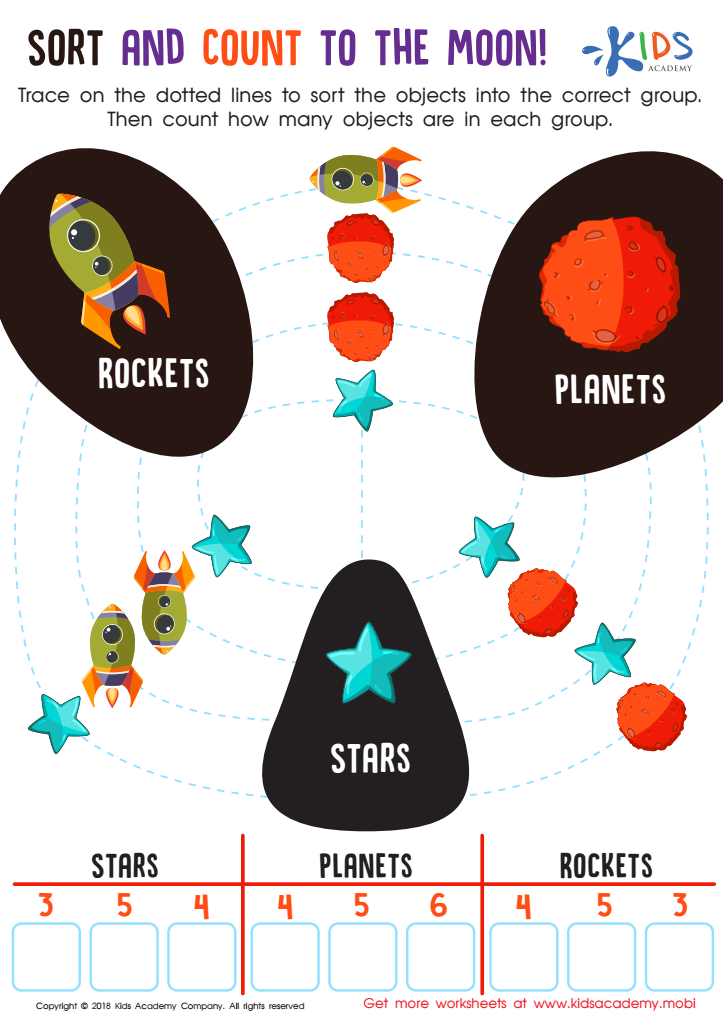
Sort and Count to the Moon Worksheet
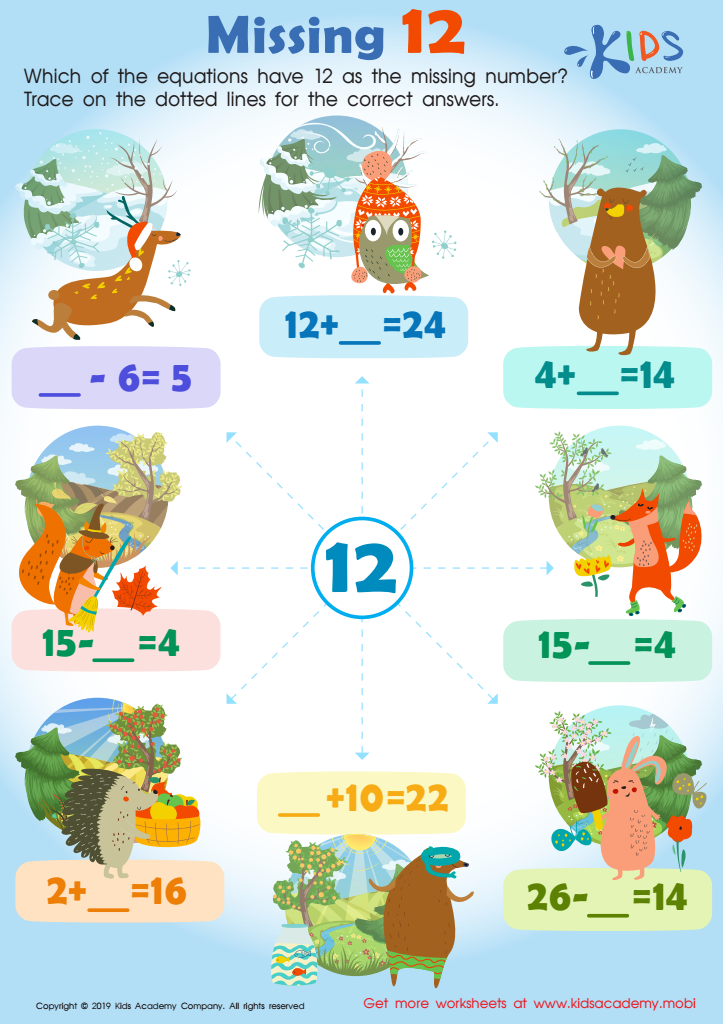
Missing 12 Worksheet
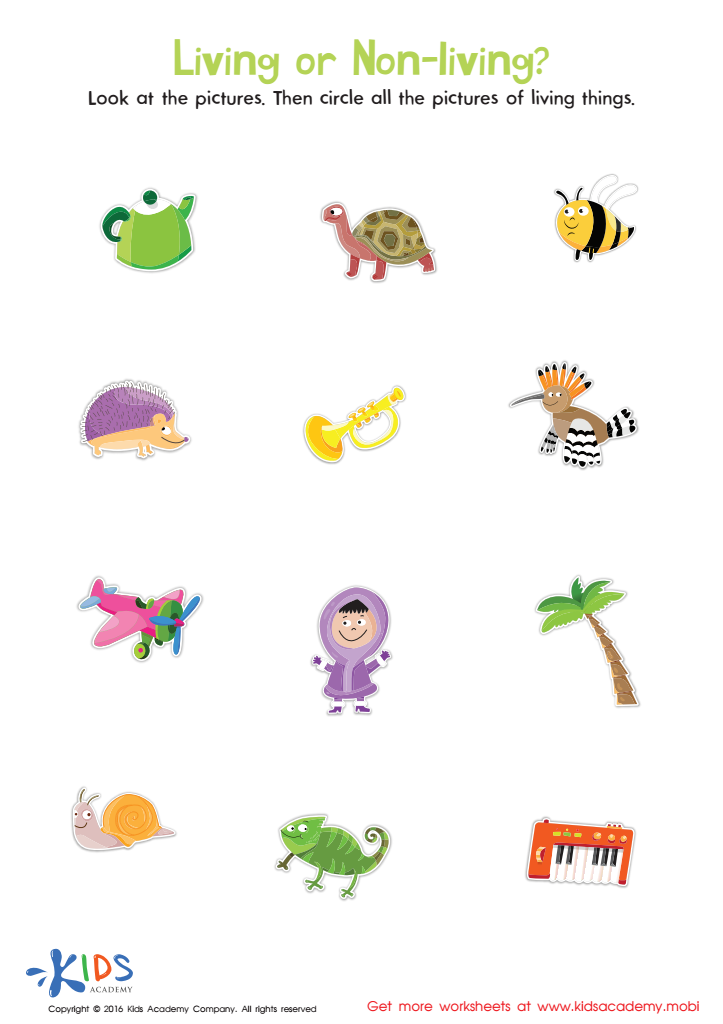
Identifying Living and Non–living Things Sorting Worksheet
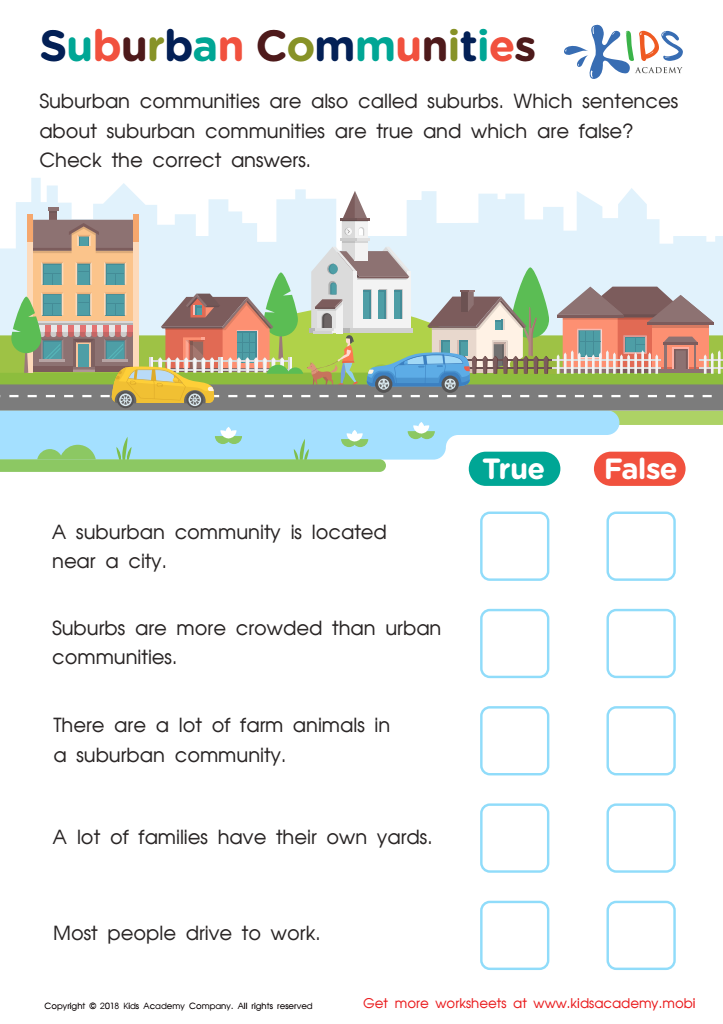
Suburban Communities Worksheet
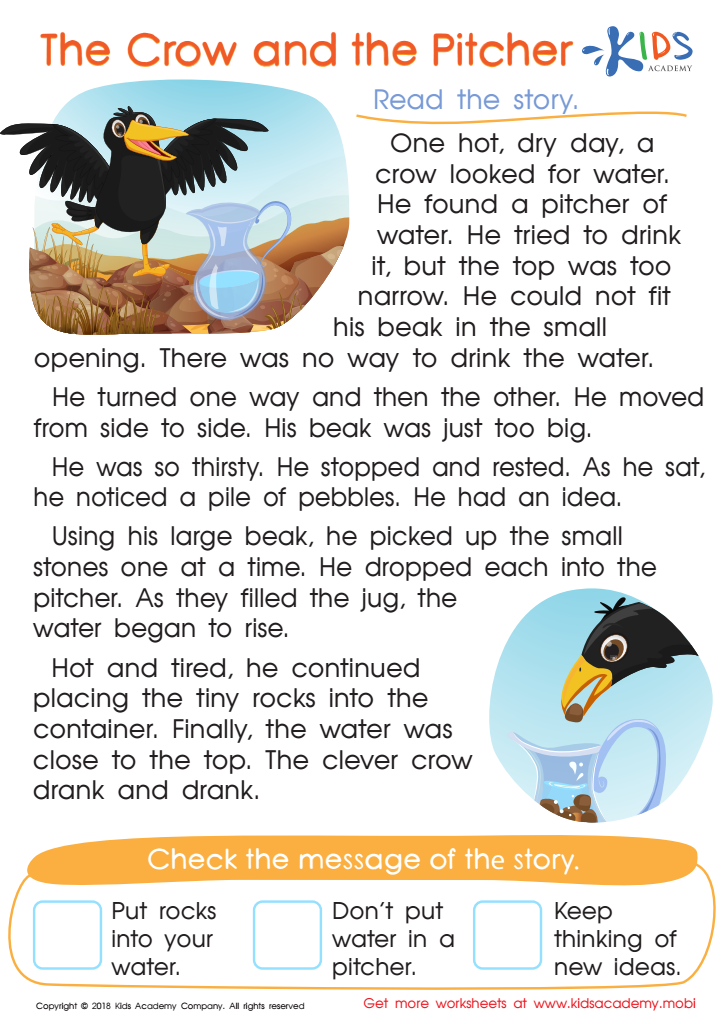
The Crow and the Pitcher Worksheet
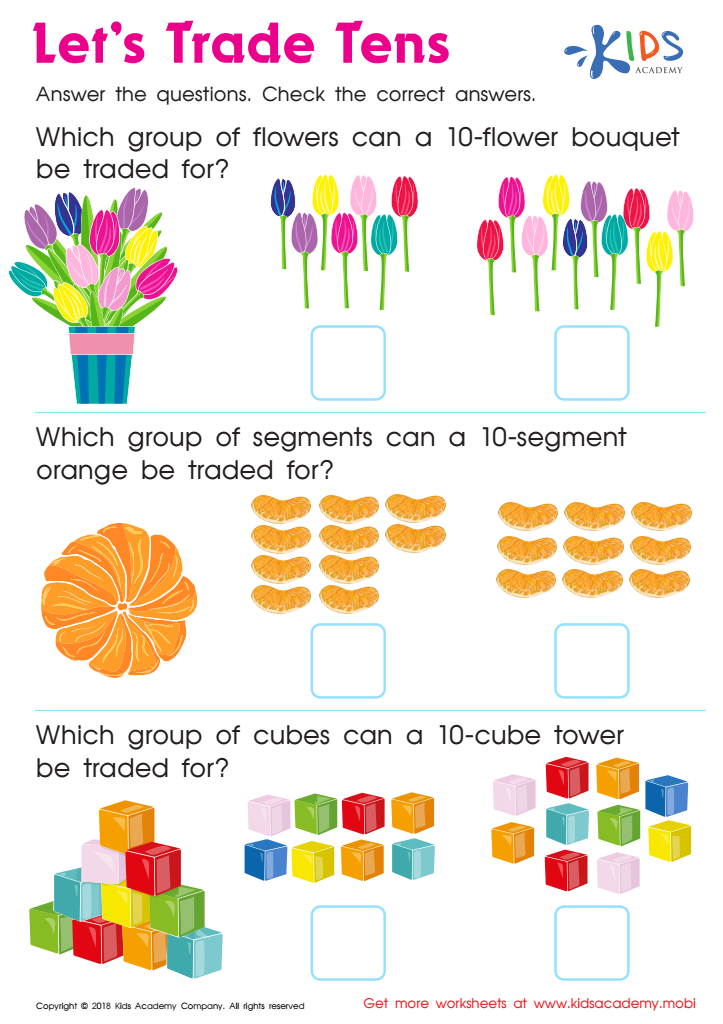
Lets Trade Tens Worksheet
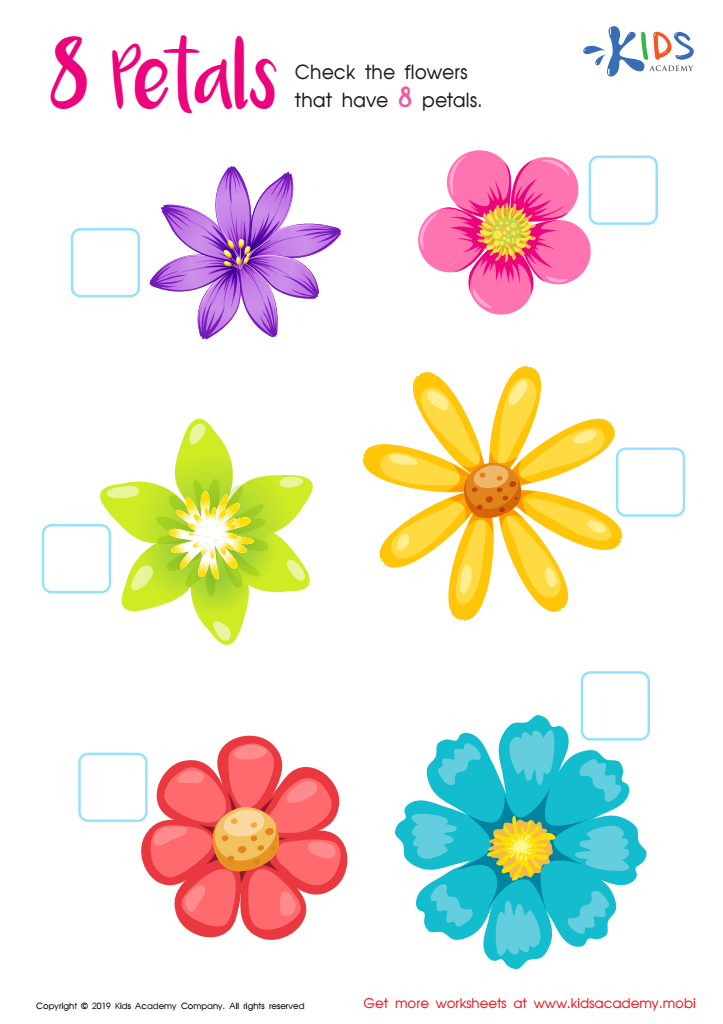
8 Petals Worksheet
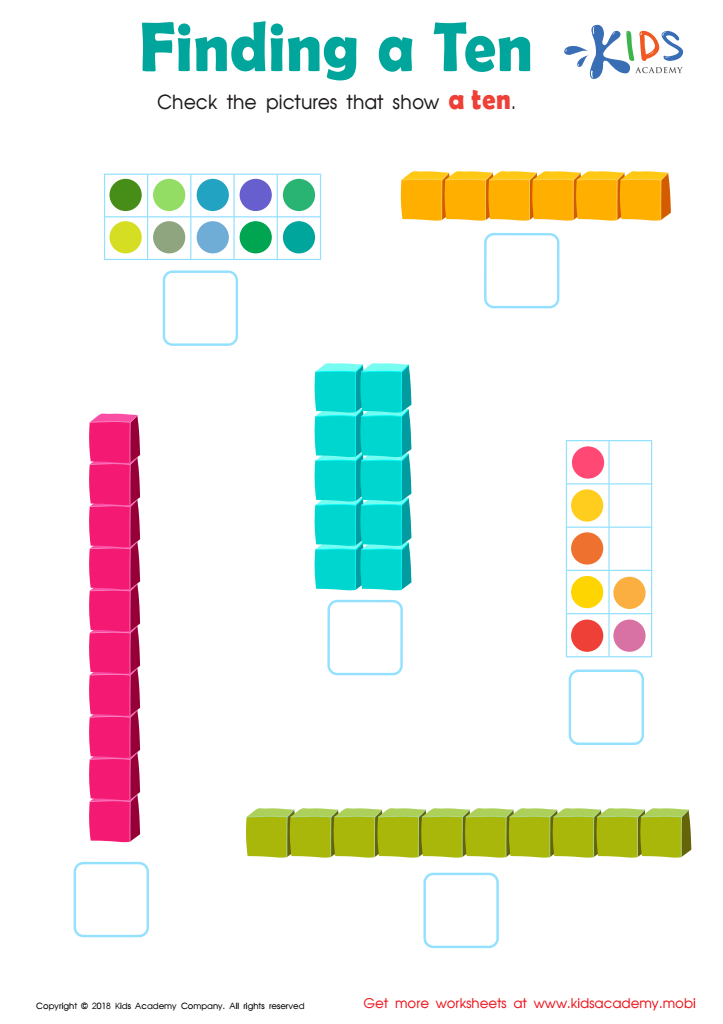
Finding a Ten Worksheet
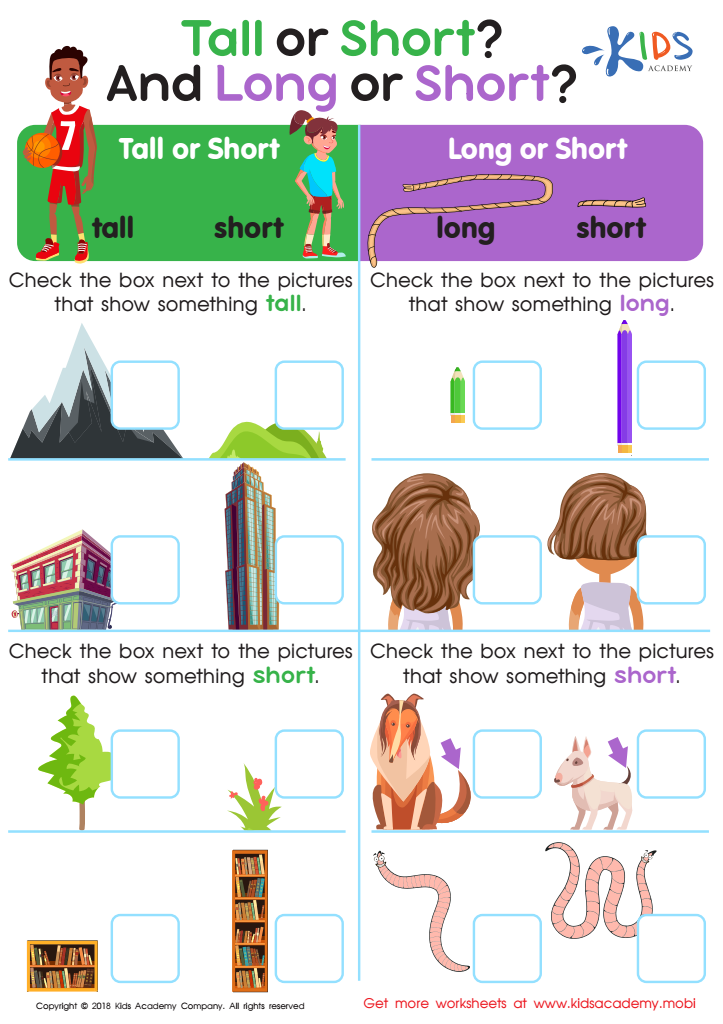
Tall or Short and Long or Short? Worksheet
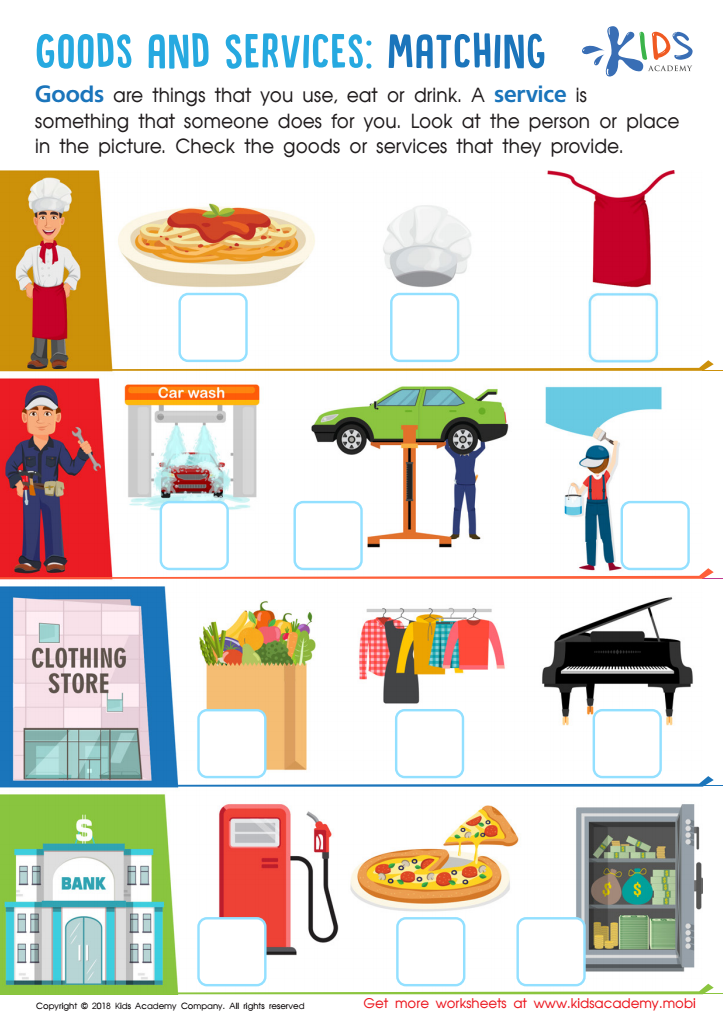
Goods and Services: Matching Worksheet
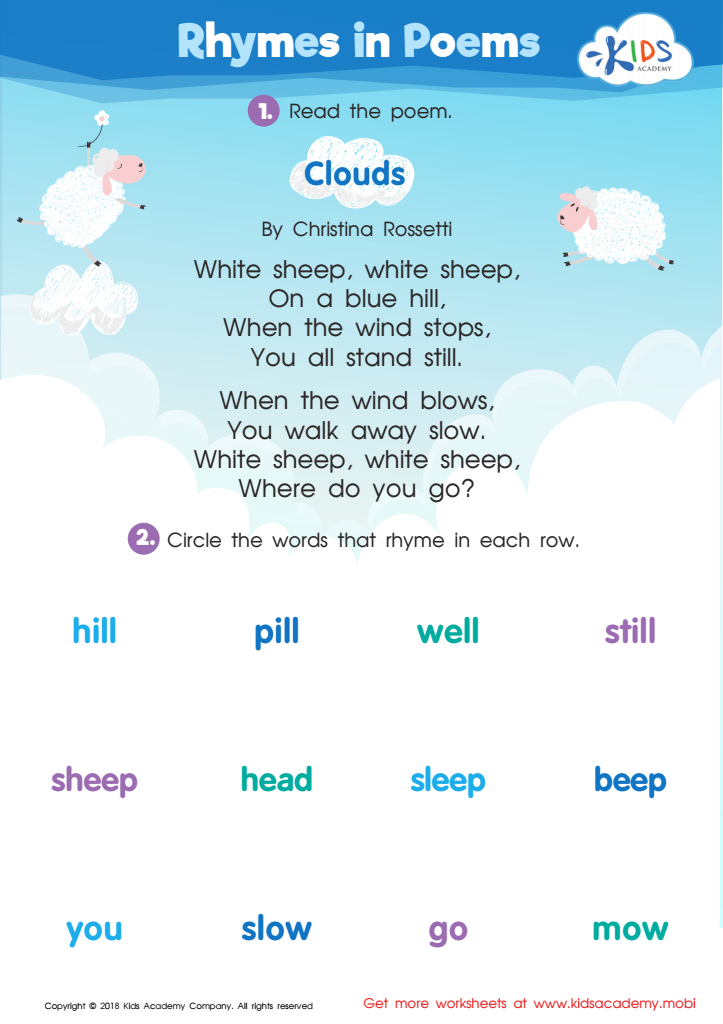
Rhymes in Poems Worksheet
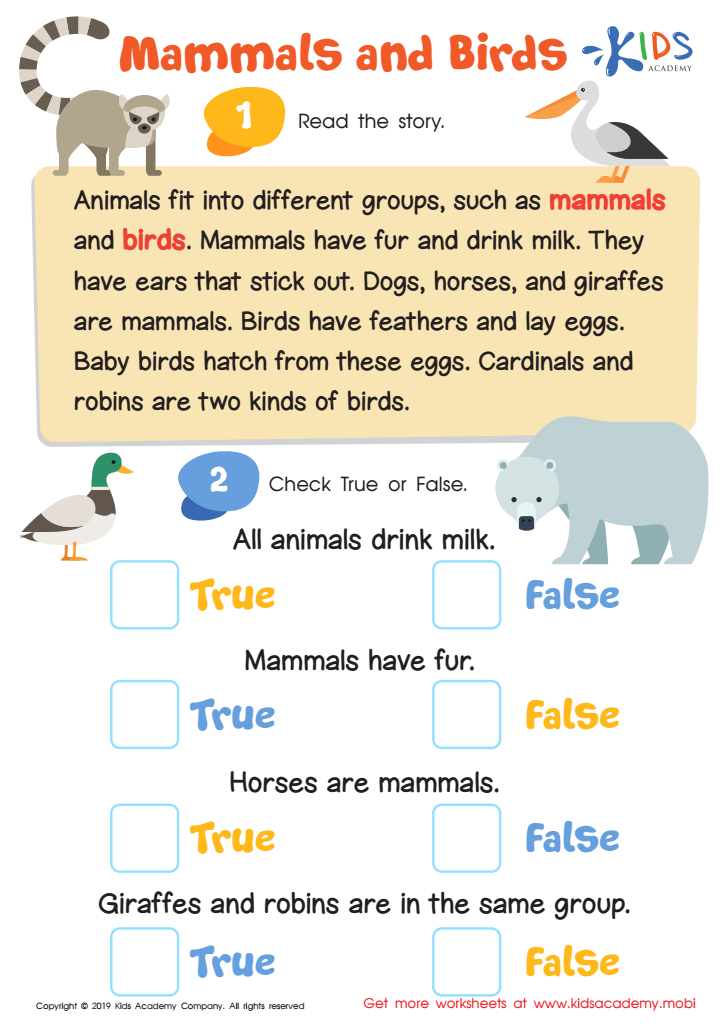
Mammals and Birds Worksheet
Free Printable Grizzly Bear Coloring Page
 Assign to My Students
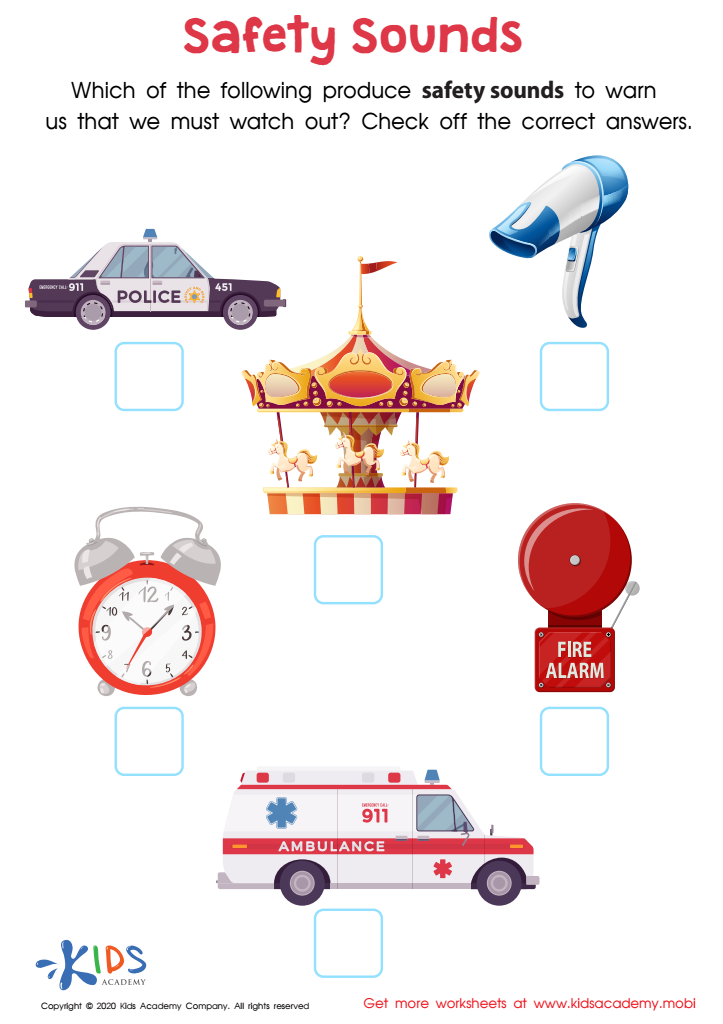
Safety Sounds Worksheet
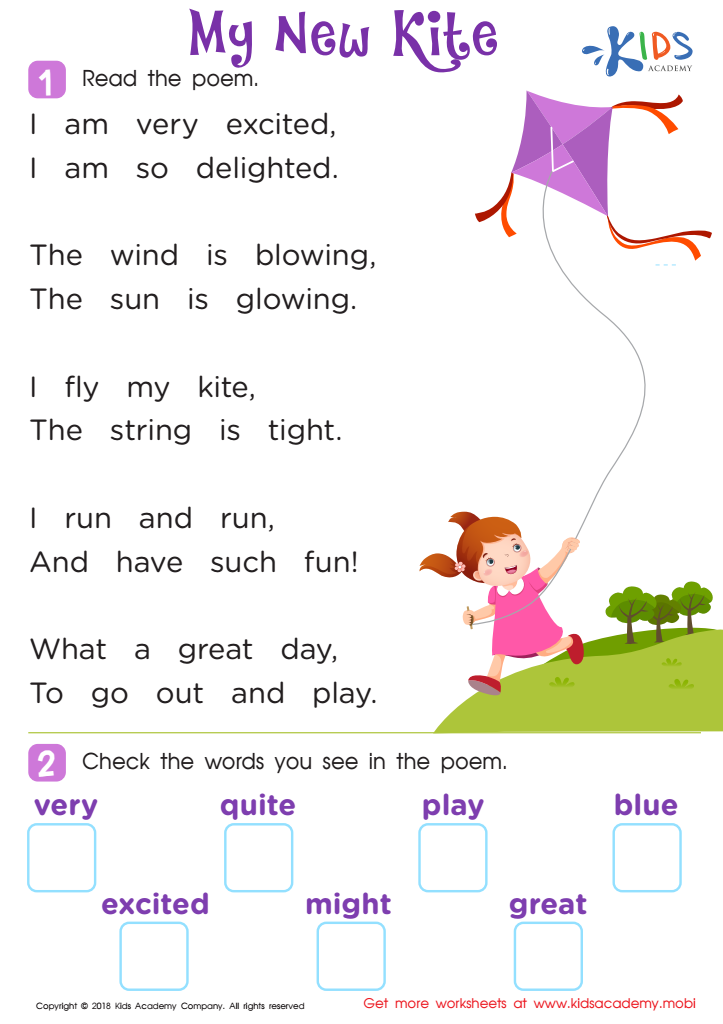
Poem: My New Kite Worksheet
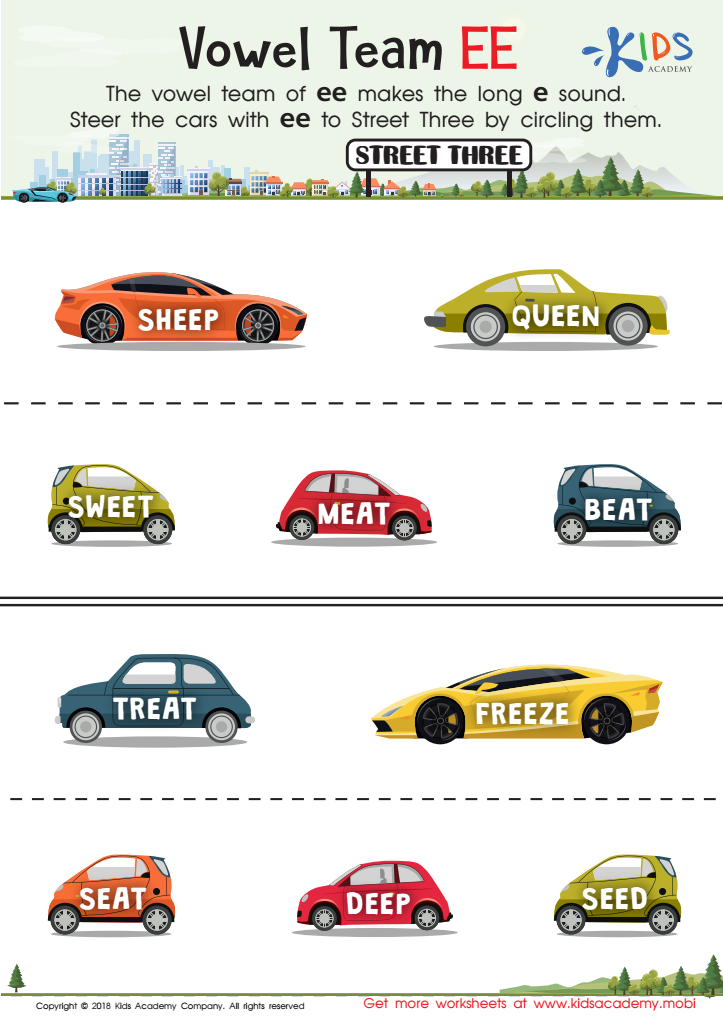
Vowel team ee Worksheet
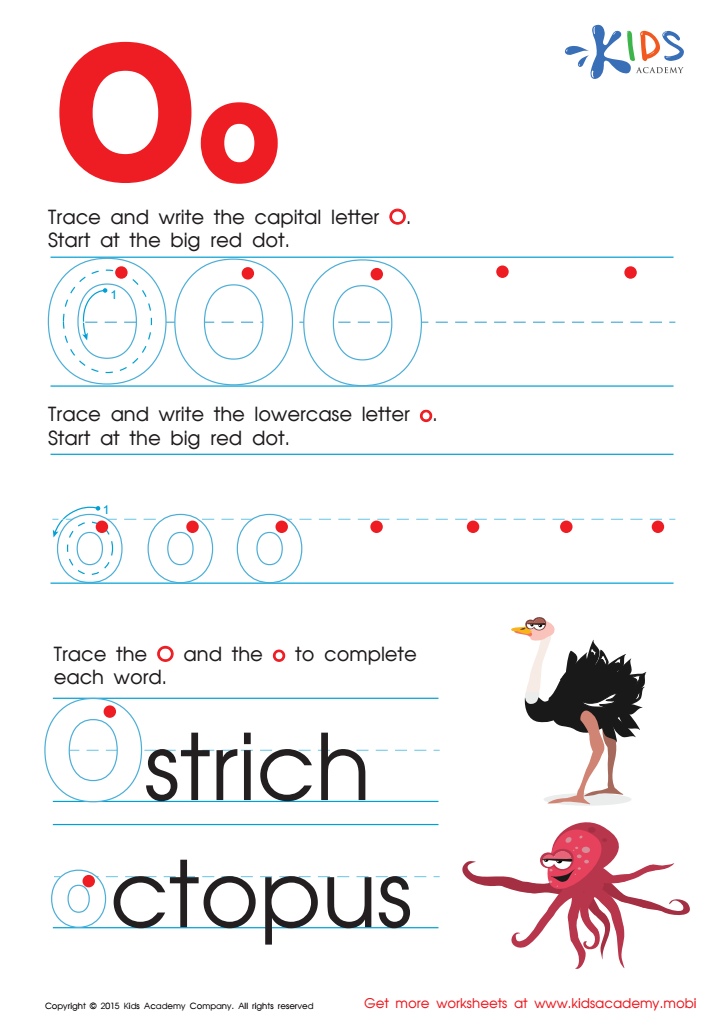
Letter O Tracing Page





.jpg)

Understanding what is "normal" for children ages 5-9 is crucial for both parents and teachers to ensure the healthy development of the child. Children go through significant cognitive, emotional, social, and physical changes during these years.
First, knowing developmental milestones helps identify any potential delays or problems. If a child isn't meeting age-appropriate milestones, early intervention can be key to addressing issues effectively. For example, if a 7-year-old struggles significantly with reading while their peers do not, pinpointing this early can allow for special instructional methods or evaluations to avoid future academic downfalls.
Secondly, understanding normal development fosters better emotional support. These years involve the development of self-esteem, social skills, and coping mechanisms. Recognizing the typical emotional behavior for these ages, such as a 5-year-old's tantrums or a 9-year-old’s desire for peer approval, enables tailored emotional support that helps children navigate their feelings.
Additionally, parents and teachers who are awareness of these norms can create developmentally appropriate learning environments. Structured yet flexible curricula that align with children's cognitive capabilities will keep them engaged and eager to learn.
In summary, knowing what to expect developmentally from children ages 5-9 enables timely interventions, emotional support, and a conducive learning environment, all critical for shaping well-rounded individuals.








