Normal Middle Vowel Worksheets for Ages 5-9
4 filtered results
-
From - To
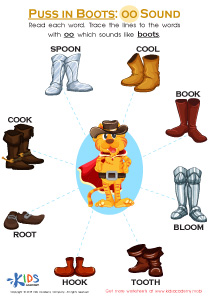
Enhance your child's reading and writing skills with our engaging Normal Middle Vowel Worksheets, designed specifically for ages 5-9. These entertaining worksheets offer a variety of activities that help young learners identify and practice middle vowel sounds in words. Children will improve their phonetic awareness through fun exercises such as fill-in-the-blank, matching activities, and word searches. Ideal for home or classroom use, these worksheets provide a solid foundation in early literacy skills. Encourage your child's learning and boost their confidence as they master middle vowels with our interactive and visually appealing resources tailored for early education. Start downloading today!
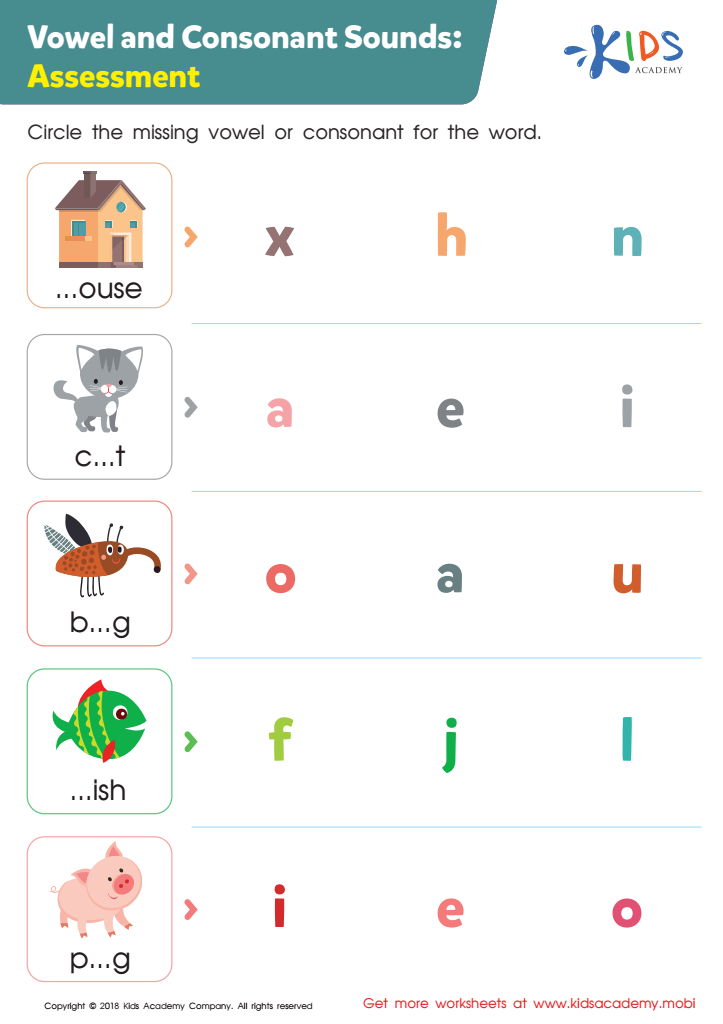
Vowel and Consonant Sounds: Assessment Worksheet
 Assign to My Students
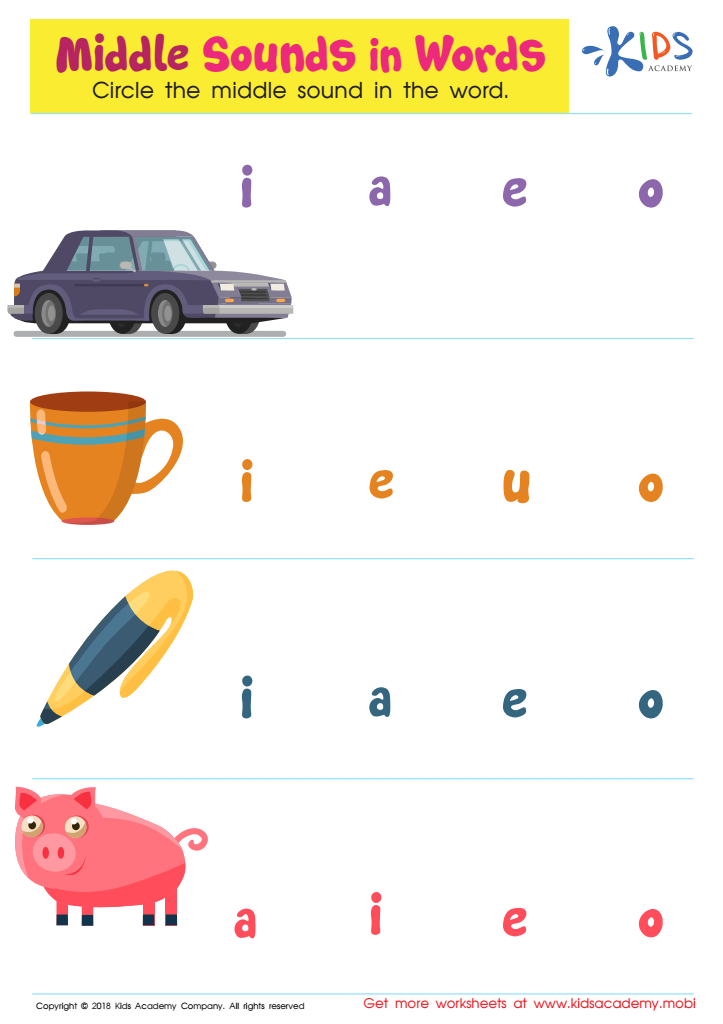
Middle Sounds in Words Worksheet
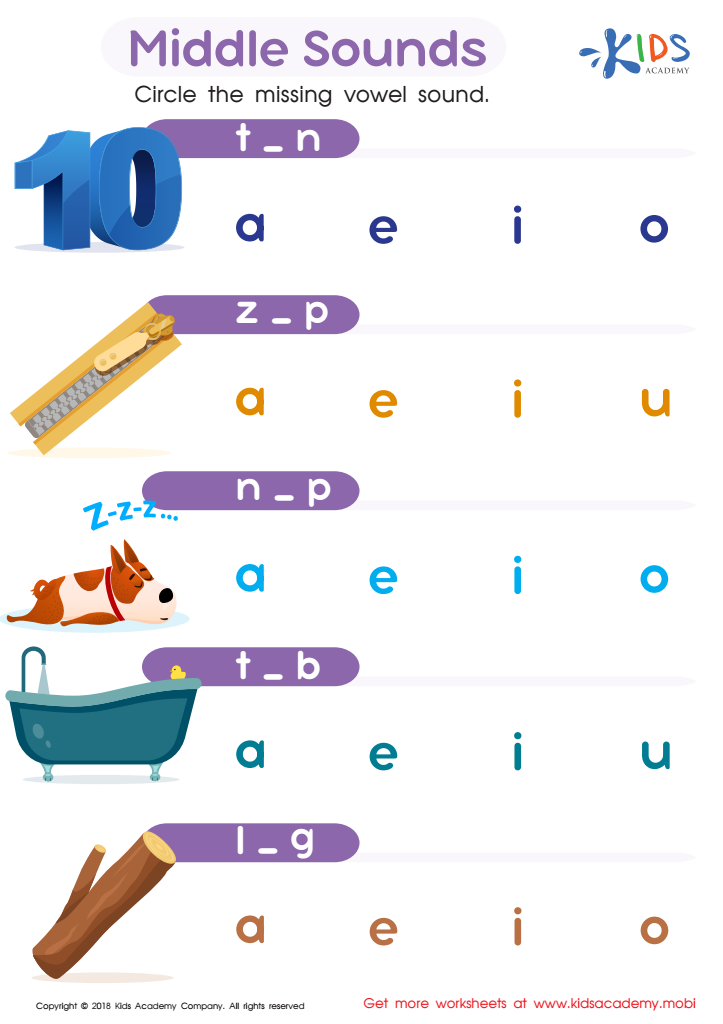
Middle Sounds Worksheet
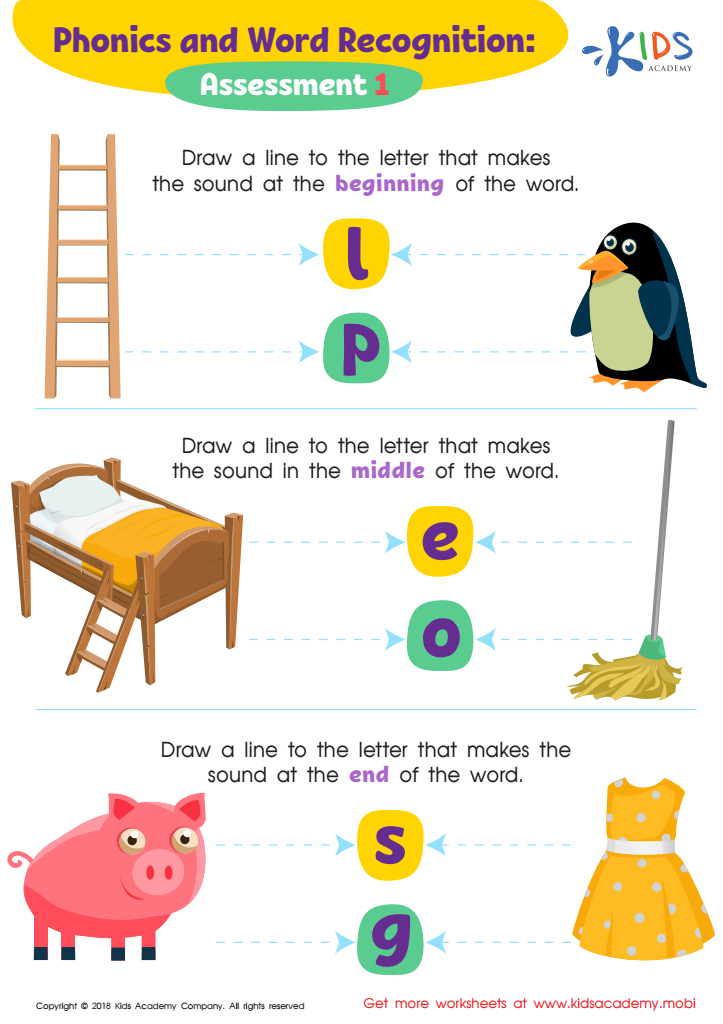
Phonics and Word Recognition: Assessment 1 ELA Worksheet



Normal middle vowels play a crucial role in early literacy development for children aged 5-9. These vowels, often found in simple words, are essential for building phonemic awareness, which is the ability to hear, identify, and manipulate individual sounds in words. Mastery of these sounds enables children to decode words more easily, leading to better reading fluency and comprehension.
When children understand middle vowels, they can recognize patterns in words, which aids in their spelling abilities and vocabulary growth. For instance, identifying the difference in sounds in the words "cat" and "set" helps them grasp the importance of vowel sounds in word construction.
Moreover, focusing on middle vowels engages children in phonics activities and games, making learning fun and interactive. This increased engagement fosters a love for reading, which is vital for lifelong learning.
Parents and teachers should care about normal middle vowels because they lay the foundation for literacy skills that will benefit children throughout their academic journey. Effective early intervention in understanding these vowels can lead to improved reading strategies, enabling children to excel in their learning environments and enhance their confidence in using language.