Normal Vowels Worksheets for Ages 5-9 - Page 4
82 filtered results
-
From - To
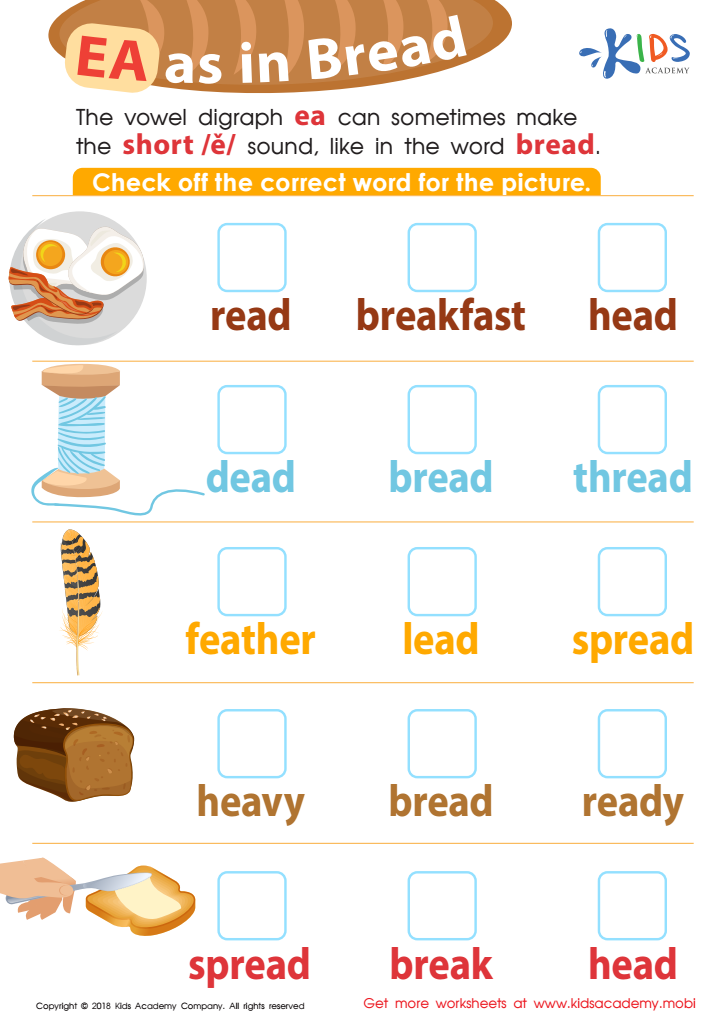
Reading: EA as in Bread Worksheet
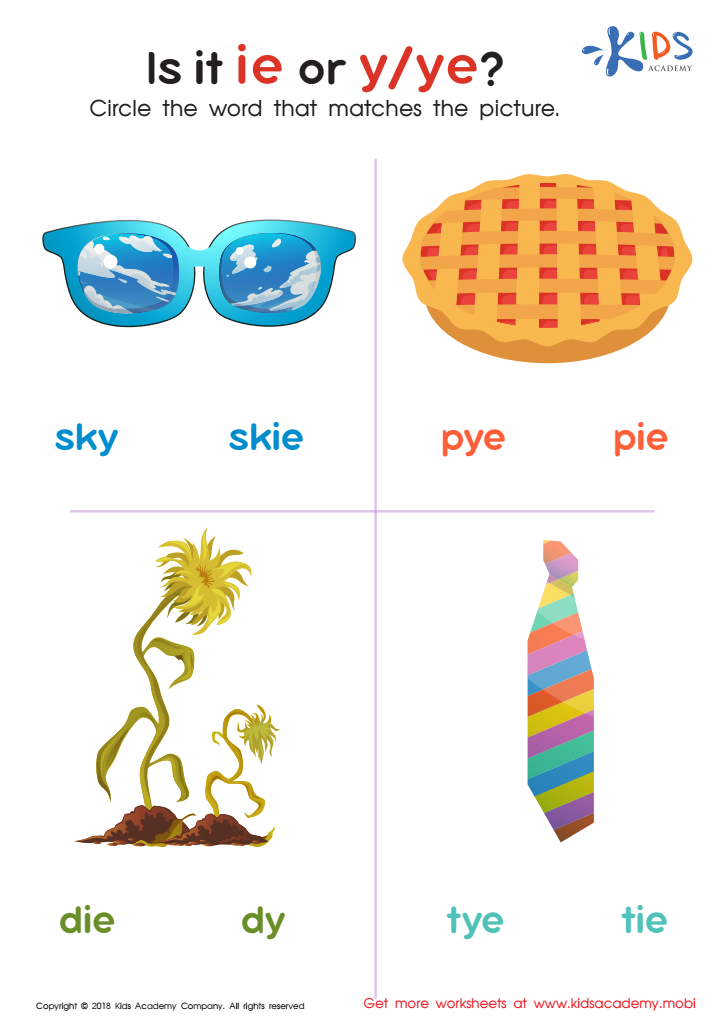
Is It IE or Y/Ye? Worksheet
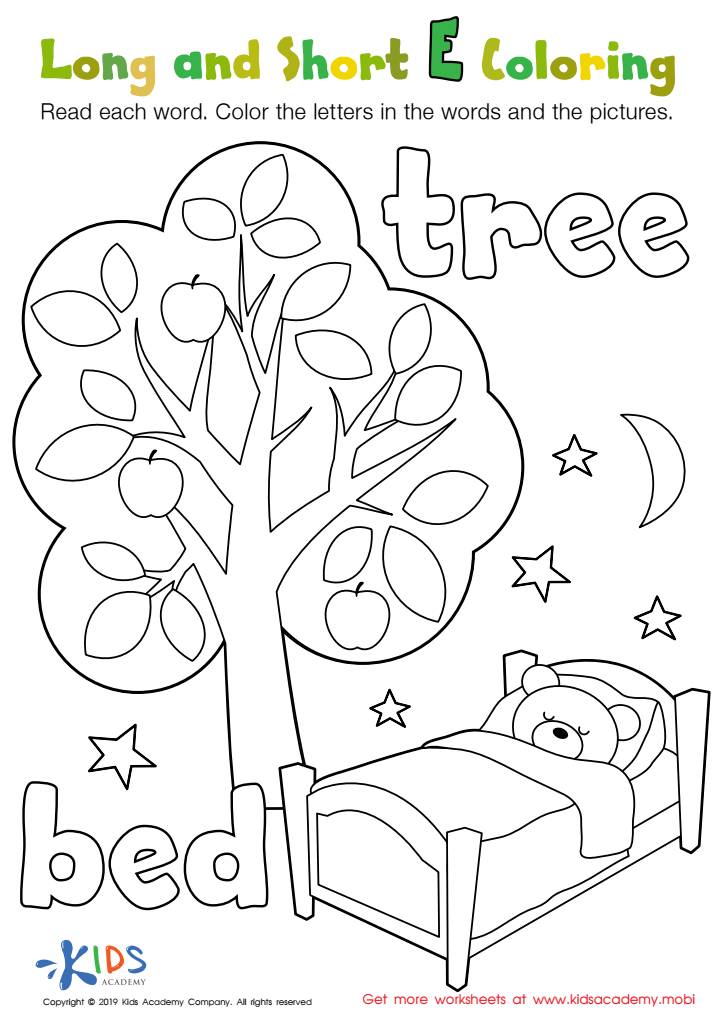
Long and Short E Worksheet
 Assign to My Students
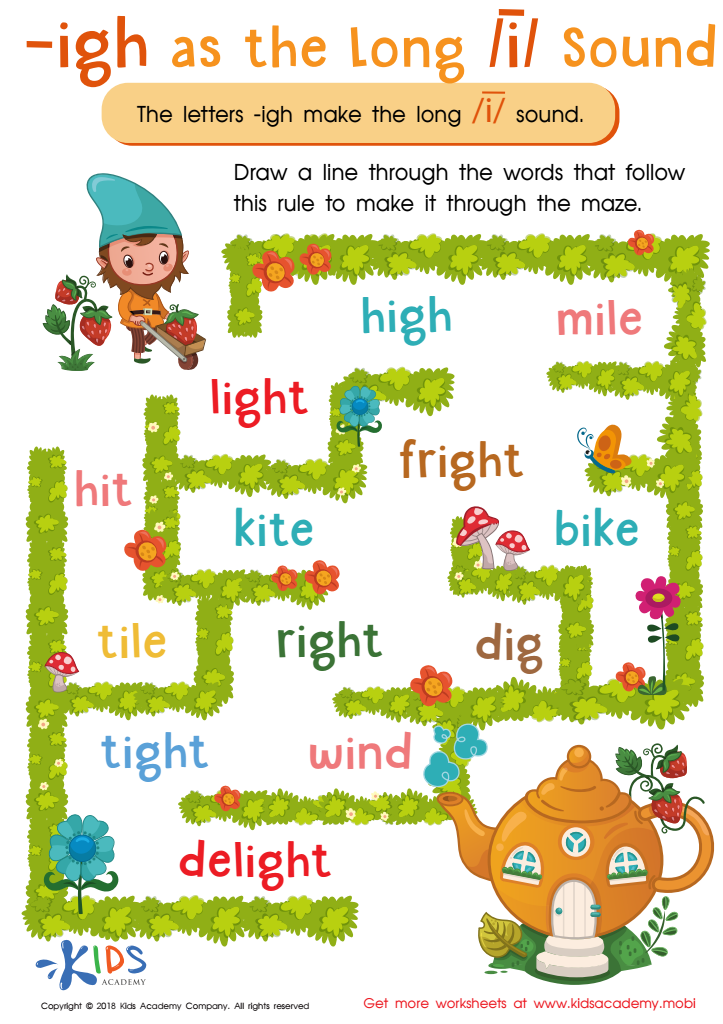
Reading: IGH as Long I Worksheet
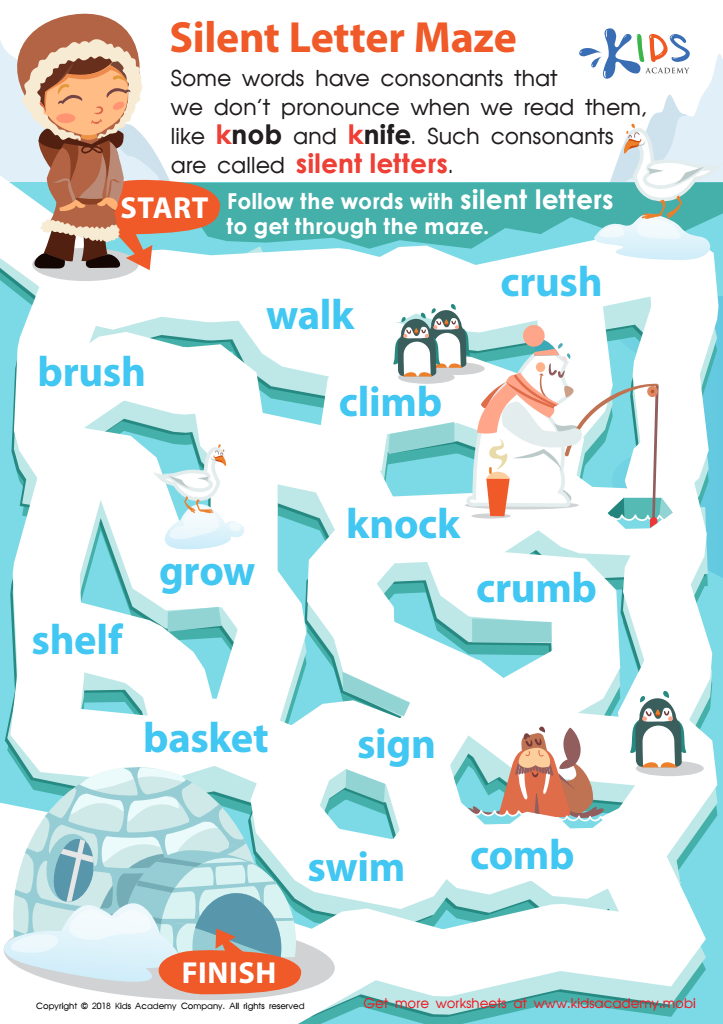
Silent Letter Maze Worksheet
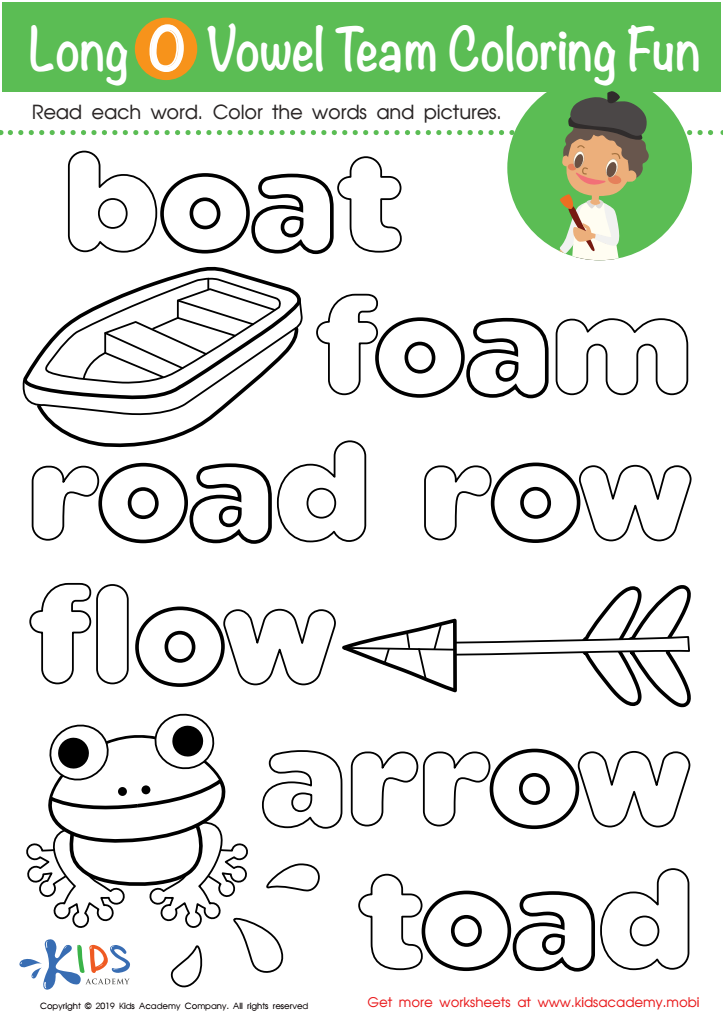
Long O Vowel Team Coloring Worksheet
Assign to My Students
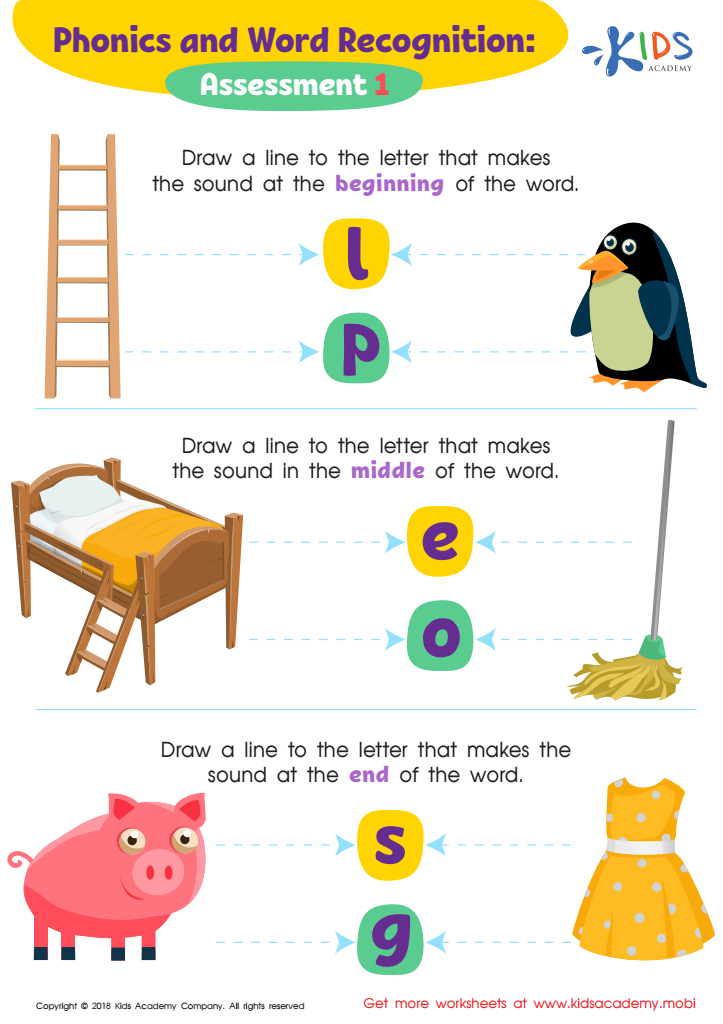
Phonics and Word Recognition: Assessment 1 ELA Worksheet
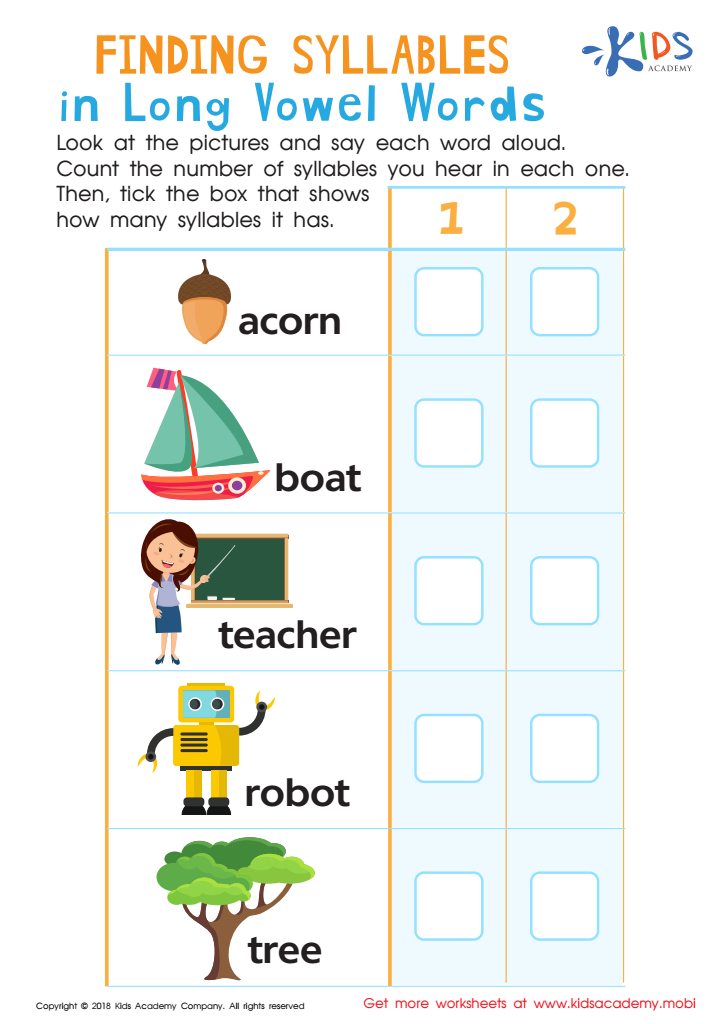
Finding Syllables in Long Vowel Words Worksheet
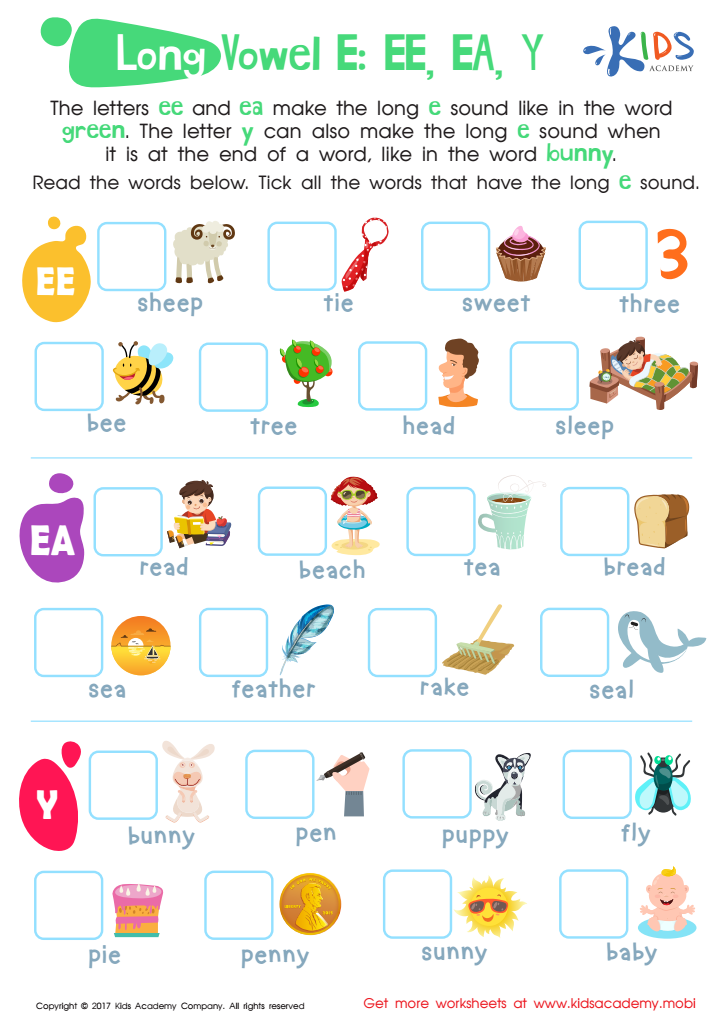
Long Vowel E Printable





When teaching children aged 5-9, understanding normal vowels is essential for their reading and writing development. Normal vowels—A, E, I, O, U—are foundational to phonics and language acquisition. These sounds are critical for encoding (spelling) and decoding (reading) words. By mastering the normal vowels, children gain skills necessary for word formation and pronunciation, which are vital for literacy development.
Parents and teachers should care about normal vowels because they provide the building blocks for language comprehension. Children who recognize vowel sounds can blend them quickly to formulate words, leading to improved reading fluency. Moreover, strong vowel comprehension increases reading confidence and encourages a love for literature, setting the stage for lifelong learning.
Engaging with normal vowels can foster a supportive learning environment, allowing children to experiment with sounds, rhymes, and patterns. This exploration nurtures creativity and critical thinking skills. Furthermore, when adults prioritize vowel instruction, they demonstrate the importance of communication and literacy, reinforcing the concept that reading impacts all areas of life. Thus, focusing on normal vowels ultimately contributes to children’s academic success and personal growth. By caring about vowel sounds, parents and educators empower young learners to thrive in language arts and beyond.






