Color Identification Normal Worksheets for 5-Year-Olds
17 filtered results
-
From - To
Discover our engaging Color Identification Normal Worksheets designed specifically for 5-year-olds! Perfect for early learners, these worksheets make learning about colors fun and interactive. Children will explore vibrant colors through various activities, enhancing their color recognition skills while enjoying the process. Our thoughtfully crafted exercises encourage creativity, critical thinking, and fine motor skills, ensuring a well-rounded learning experience. Ideal for both classroom settings and at-home learning, these printable resources are easily accessible and can be tailored to meet each child’s pace. Help your little ones develop essential color identification skills while sparking their imagination! Get started today!
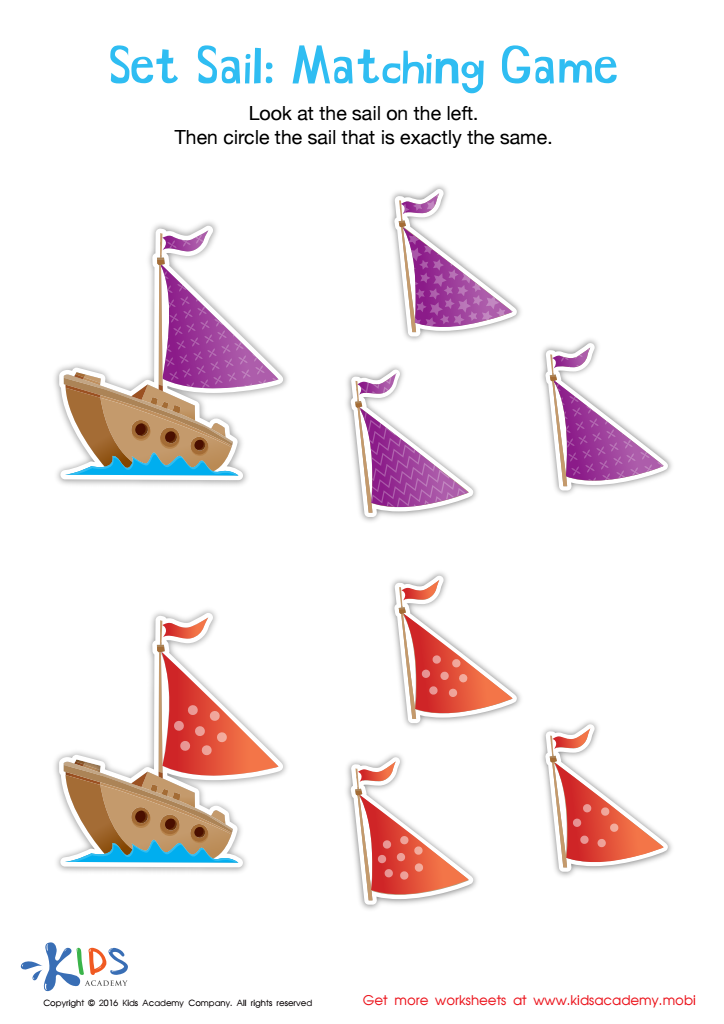
Set Sail Worksheet
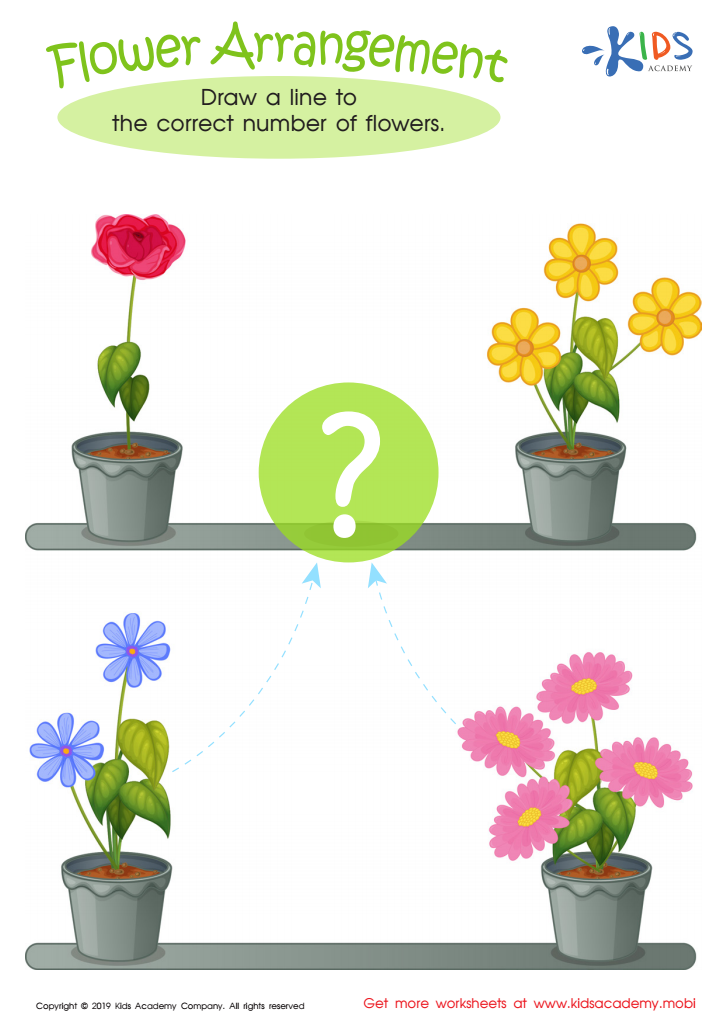
Flower Arrangement Worksheet
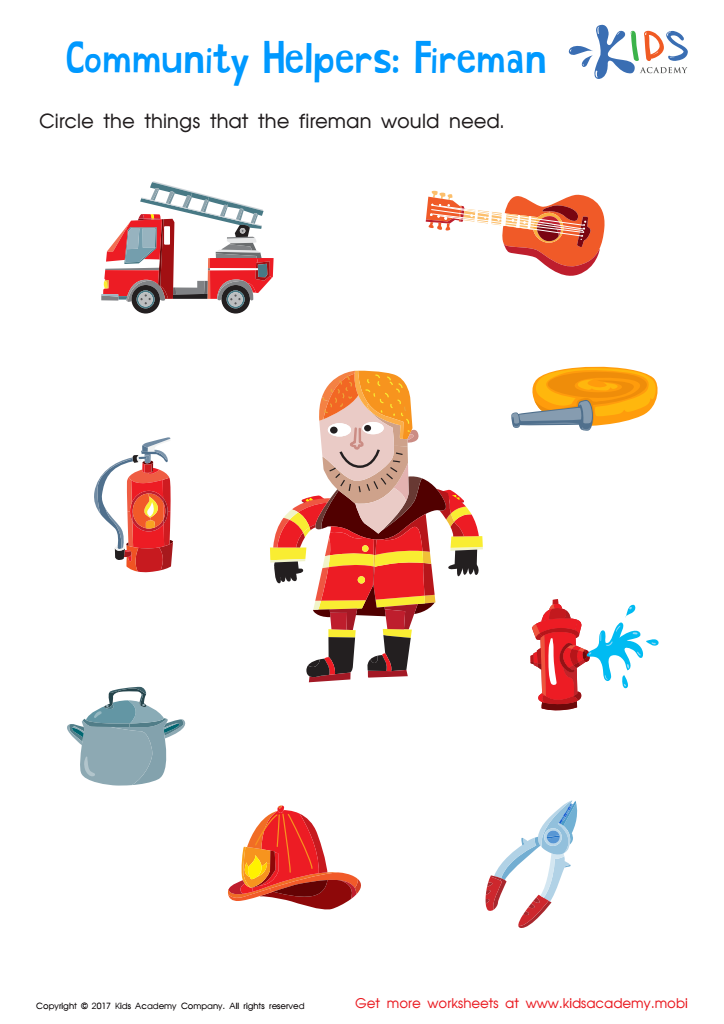
Fireman Worksheet
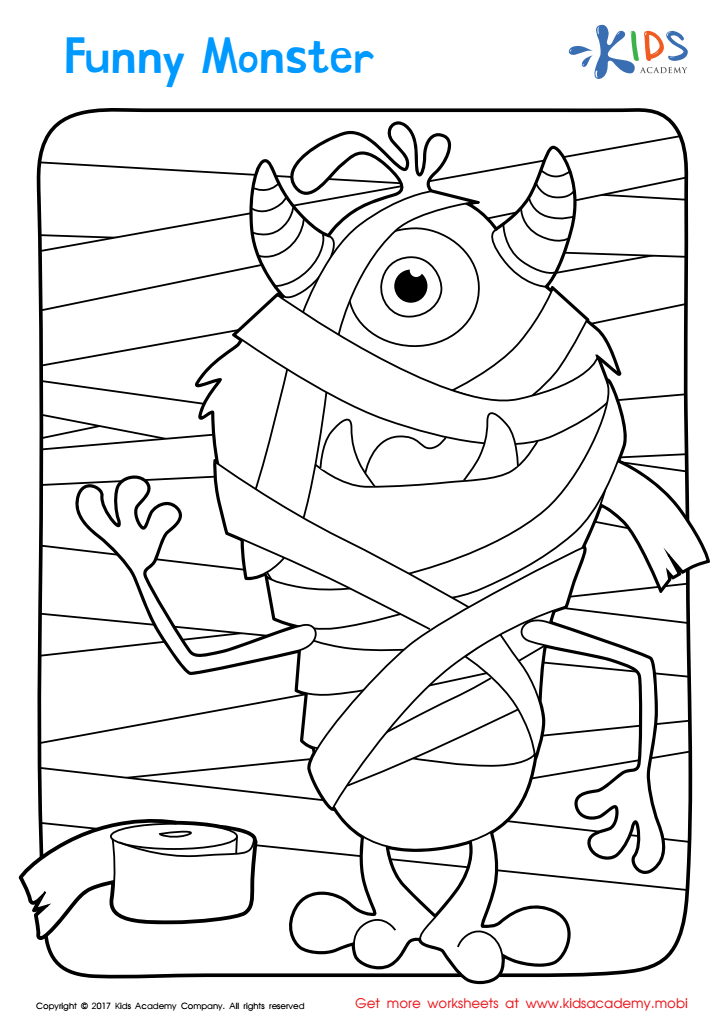
Halloween: A Funny Monster Worksheet
 Assign to My Students
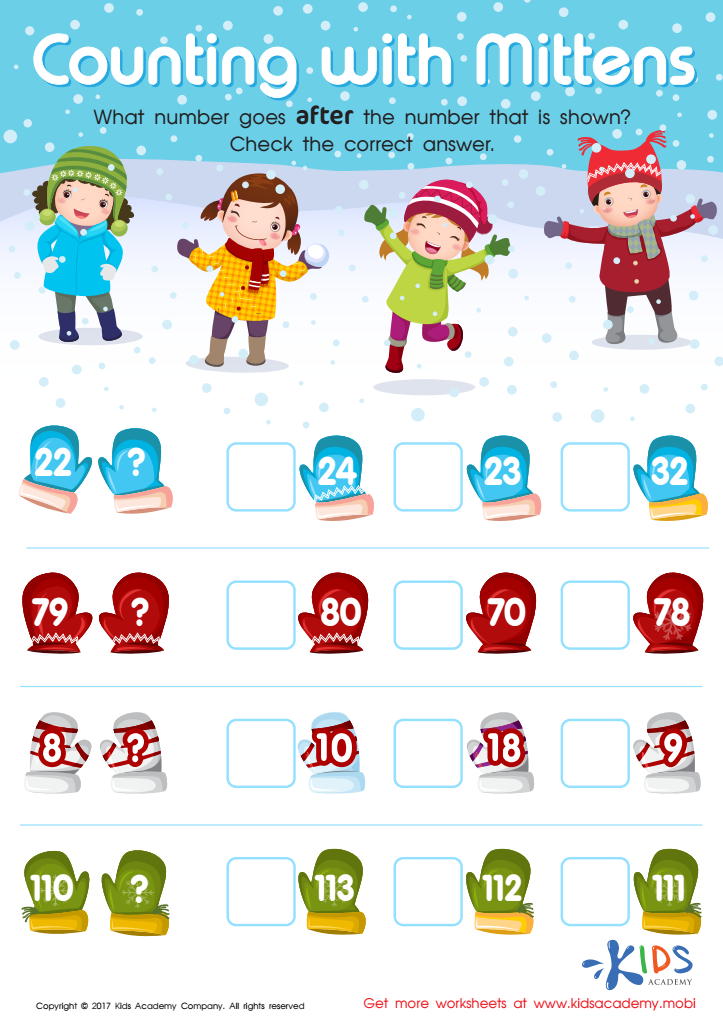
Counting with Mittens Worksheet
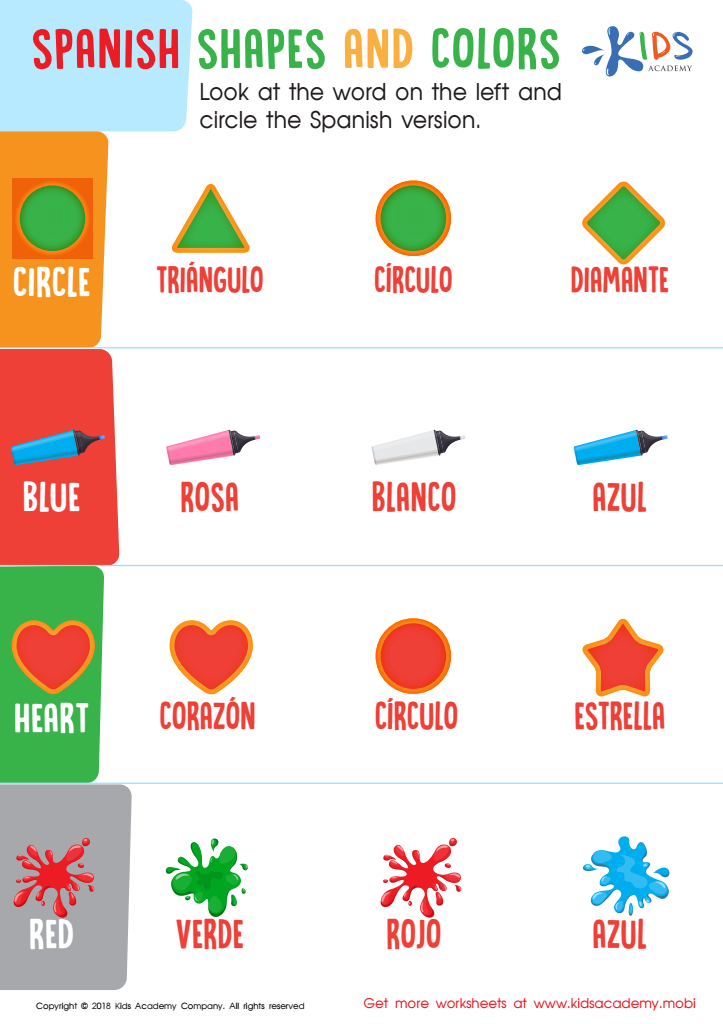
Spanish Shapes and Colors Worksheet
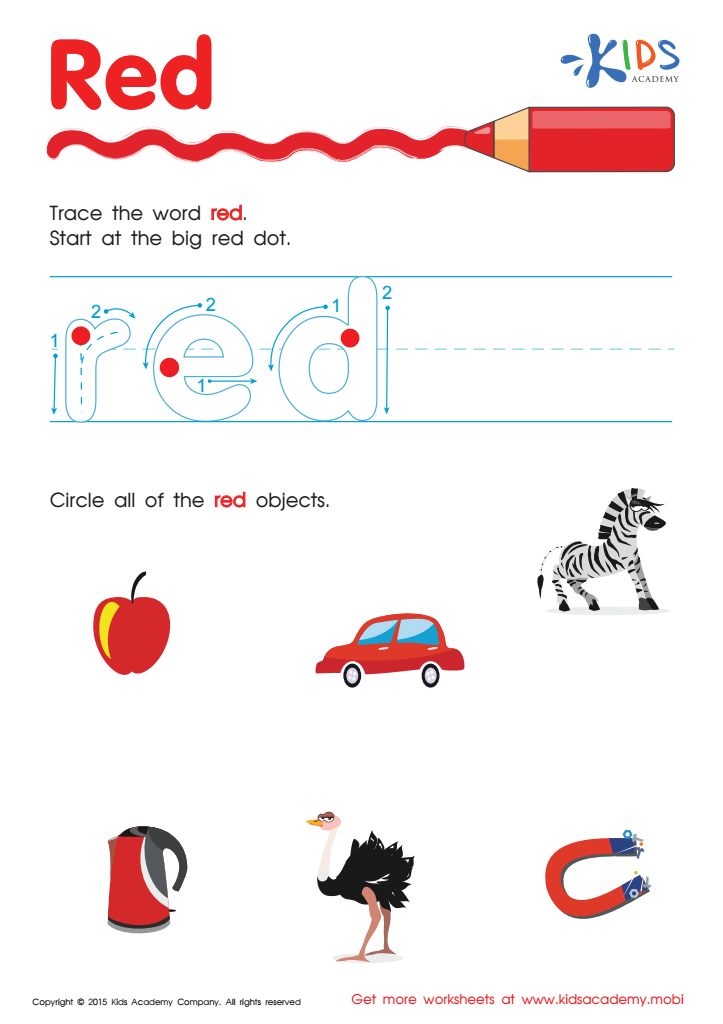
Red Tracing Color Words Printable
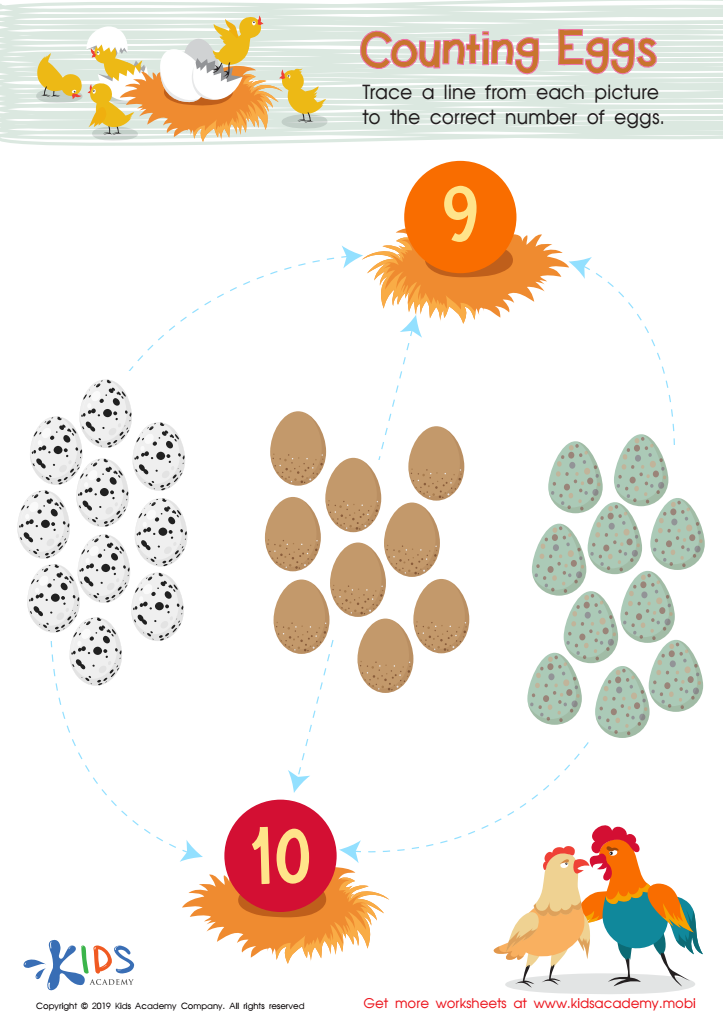
Counting Eggs Worksheet
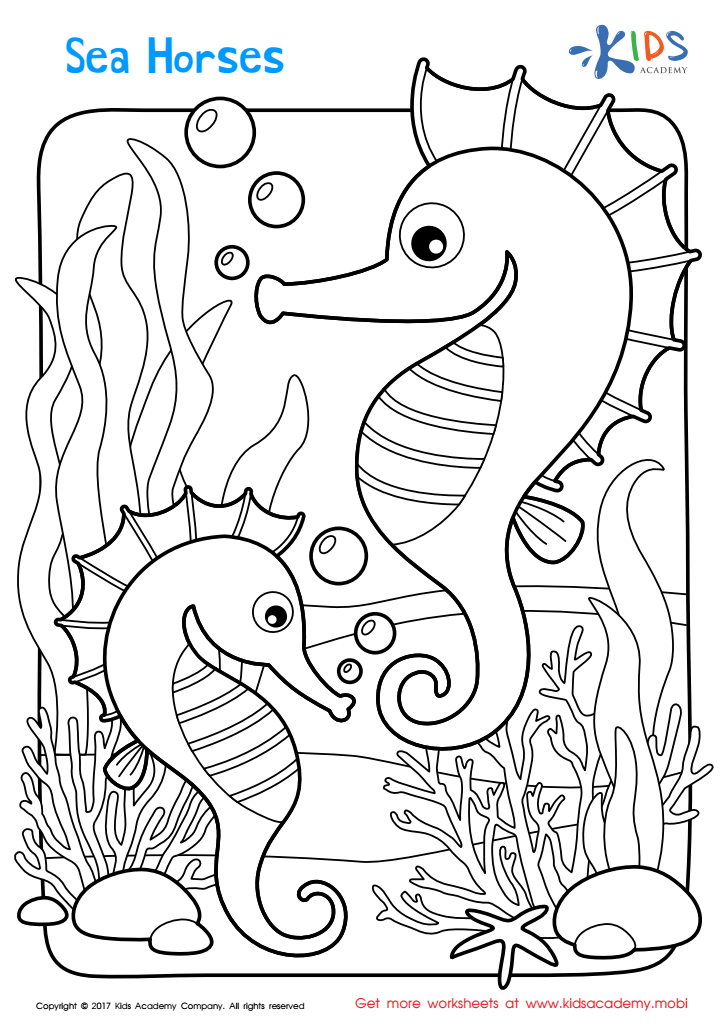
Sea Horses Printable
Assign to My Students
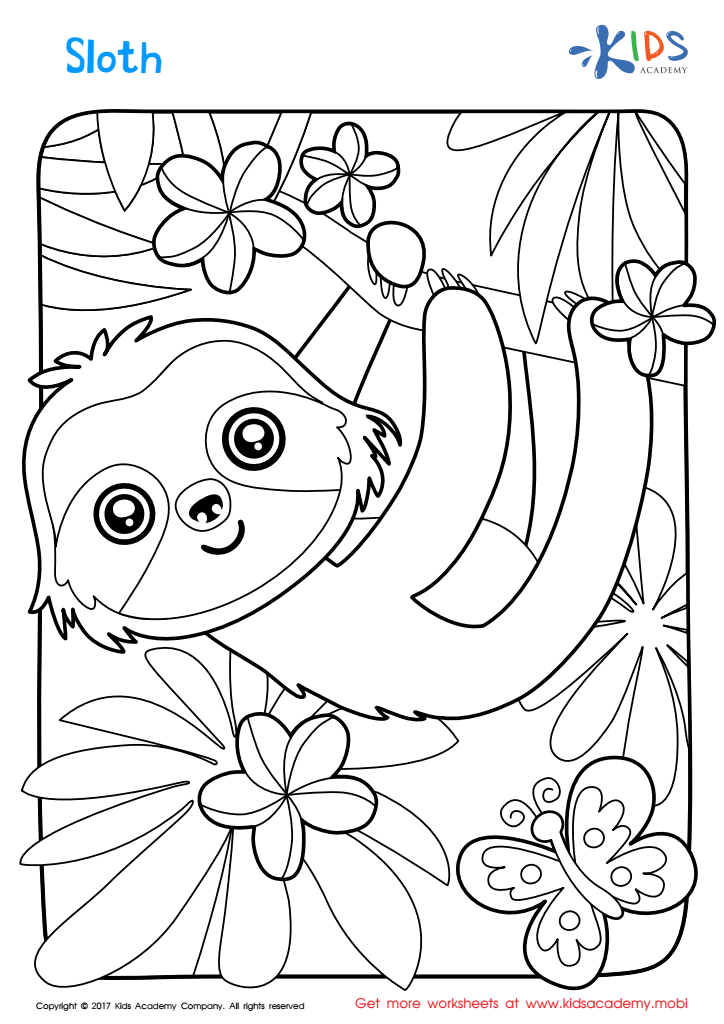
Sloth Worksheet
Assign to My Students
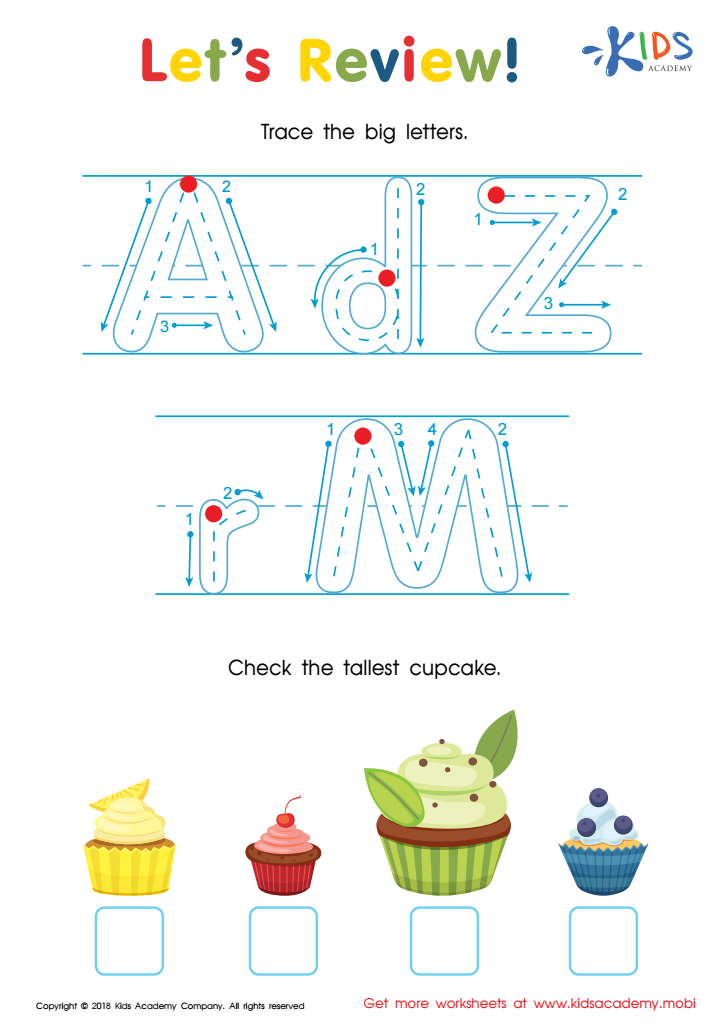
Let's Review! Big Letters Worksheet
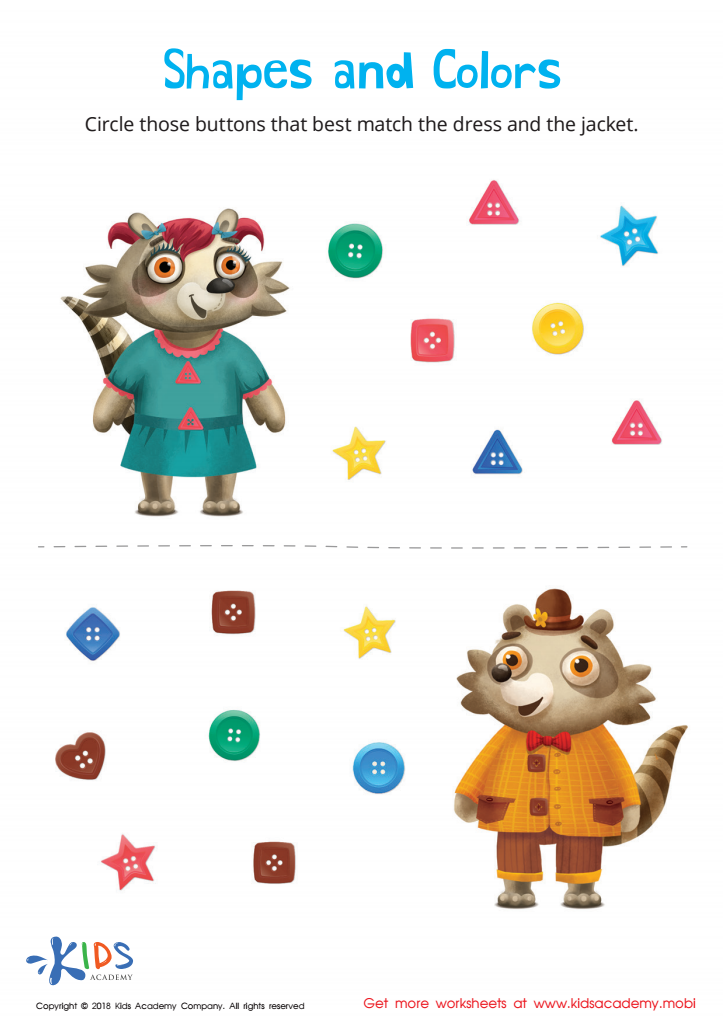
Shapes and Colors Worksheet
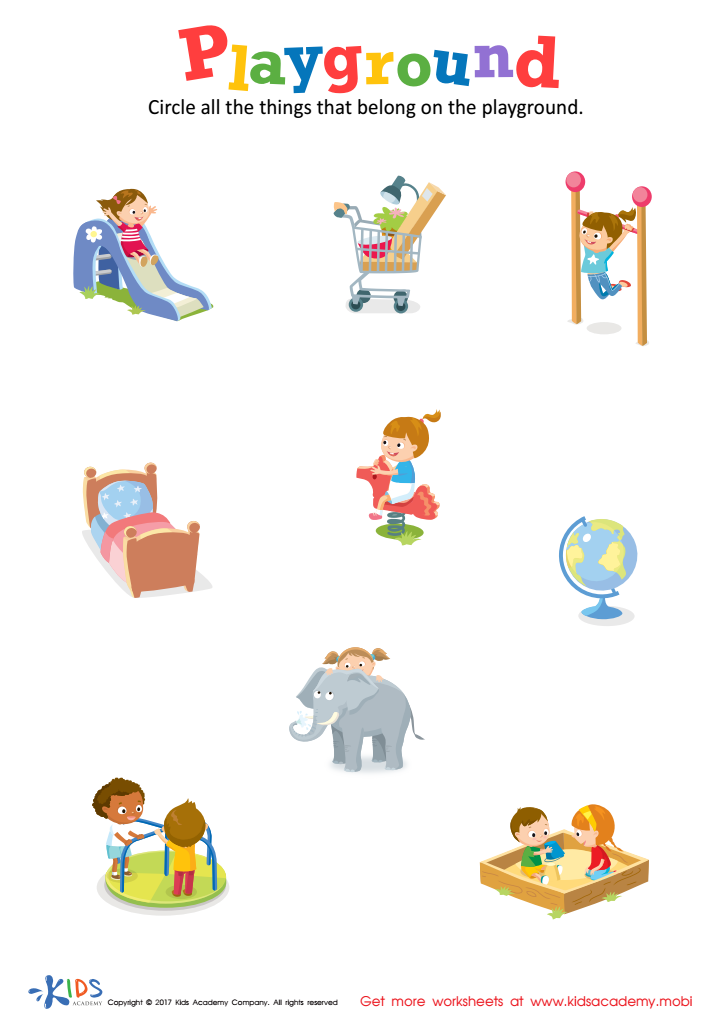
Playground Worksheet
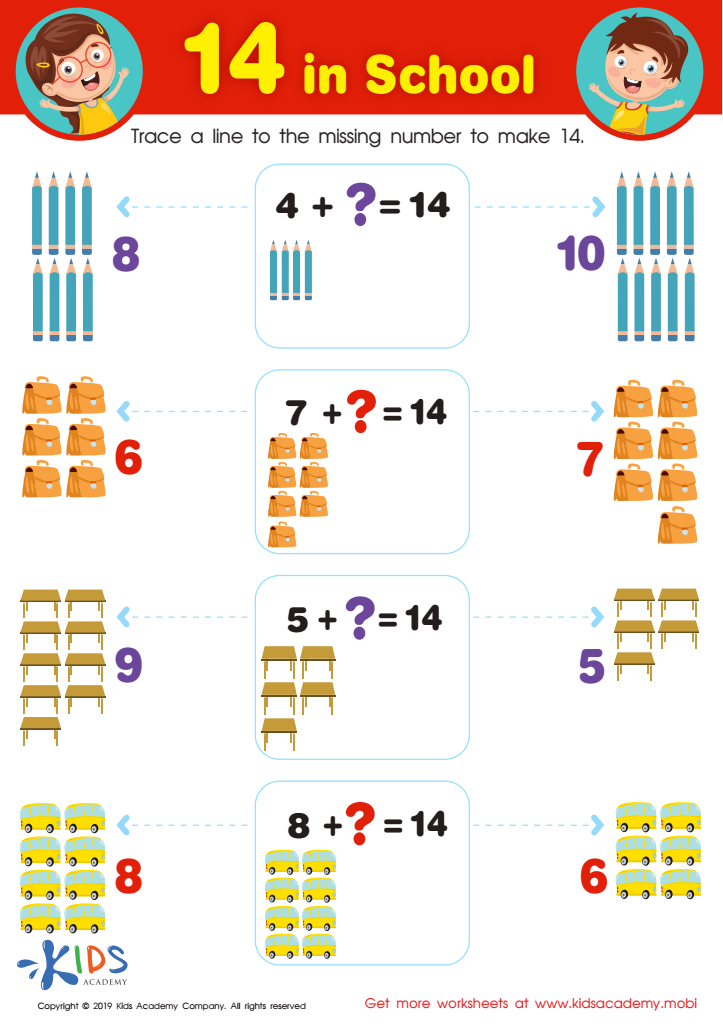
14 in School Worksheet
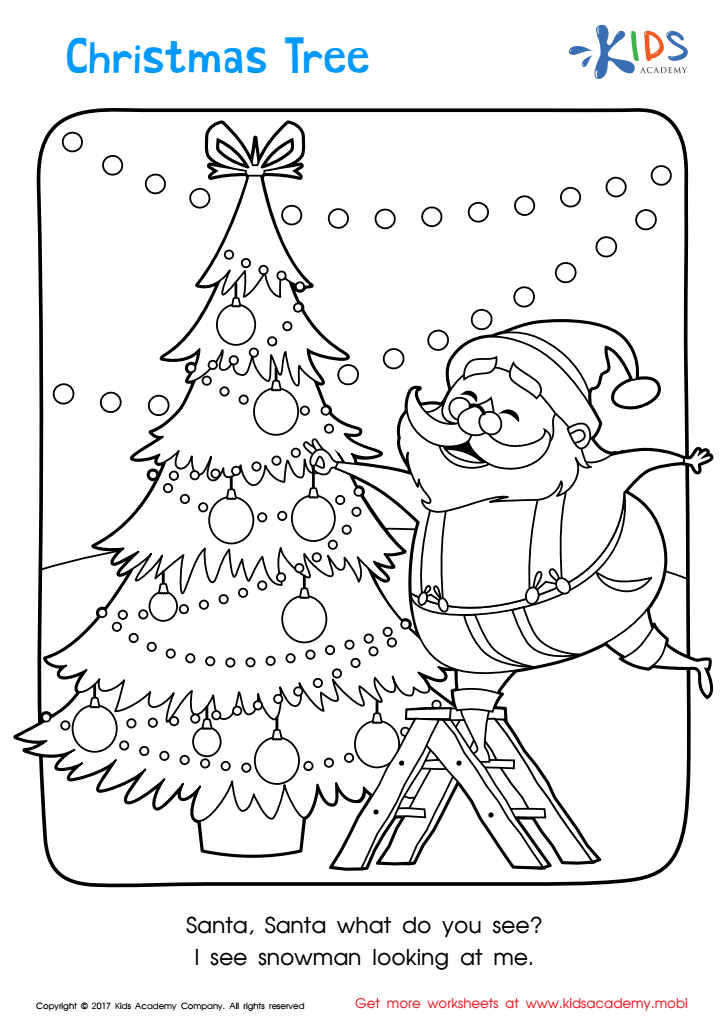
Christmas: Christmas Tree Printable
Assign to My Students


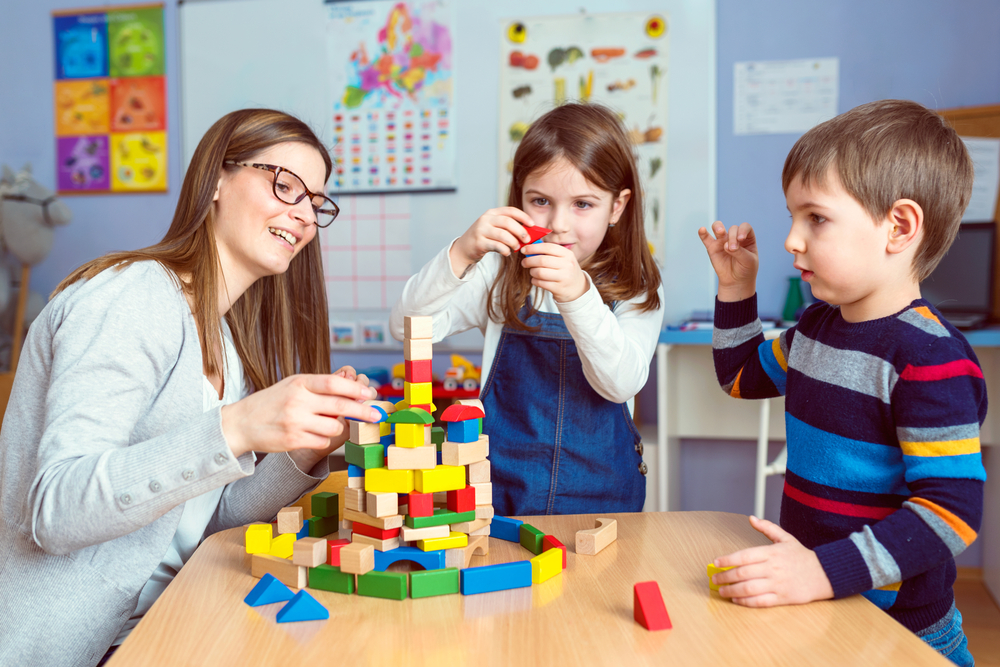





Color identification is a crucial developmental milestone for 5-year-olds, and both parents and teachers should prioritize it for several reasons. First, recognizing and naming colors enhances a child's vocabulary and cognitive skills. It supports their language development, allowing them to articulate their thoughts and feelings more effectively.
Second, understanding colors plays a significant role in early literacy. Many educational materials, books, and activities use color-coded systems to draw attention to specific concepts. When children can identify colors, they can follow instructions and engage meaningfully in learning activities.
Additionally, color identification fosters essential social skills. Kids often express preferences for colors when interacting with peers, which facilitates conversation and cooperation in collaborative tasks.
Moreover, colors are more than just visual aspects; they can be tied to emotional understanding. For example, children may learn that the color blue can represent sadness or the warmth of red can symbolize love. Helping them understand these associations nurtures emotional intelligence.
In summary, mastering color identification equips children with necessary tools for communication, collaboration, and emotional comprehension, laying a solid foundation for further learning and social interactions. Therefore, parents and teachers should actively encourage this developmental milestone.








