Logical Reasoning Normal Worksheets for 5-Year-Olds
15 filtered results
-
From - To
Unlock your child's potential with our Logical Reasoning Normal Worksheets for 5-Year-Olds from Kids Academy. These engaging worksheets are designed to develop critical thinking and problem-solving skills in young learners. With a fun mix of puzzles, matching games, and pattern recognition activities, your child will enjoy learning while building a solid foundation in logical reasoning. Our age-appropriate worksheets not only captivate their interest but also enhance their cognitive abilities, setting them up for future academic success. Give your 5-year-old a head start today with these expertly-crafted and educationally enriching activities. Visit Kids Academy for more details!
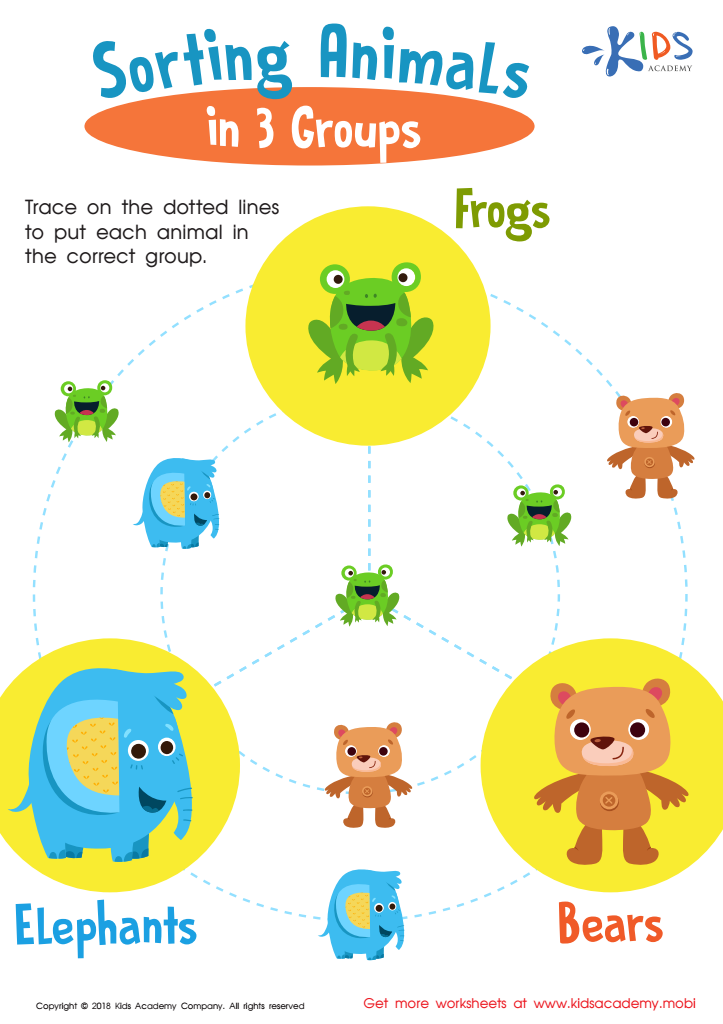
Sorting Animals in 3 Groups Worksheet
 Assign to My Students
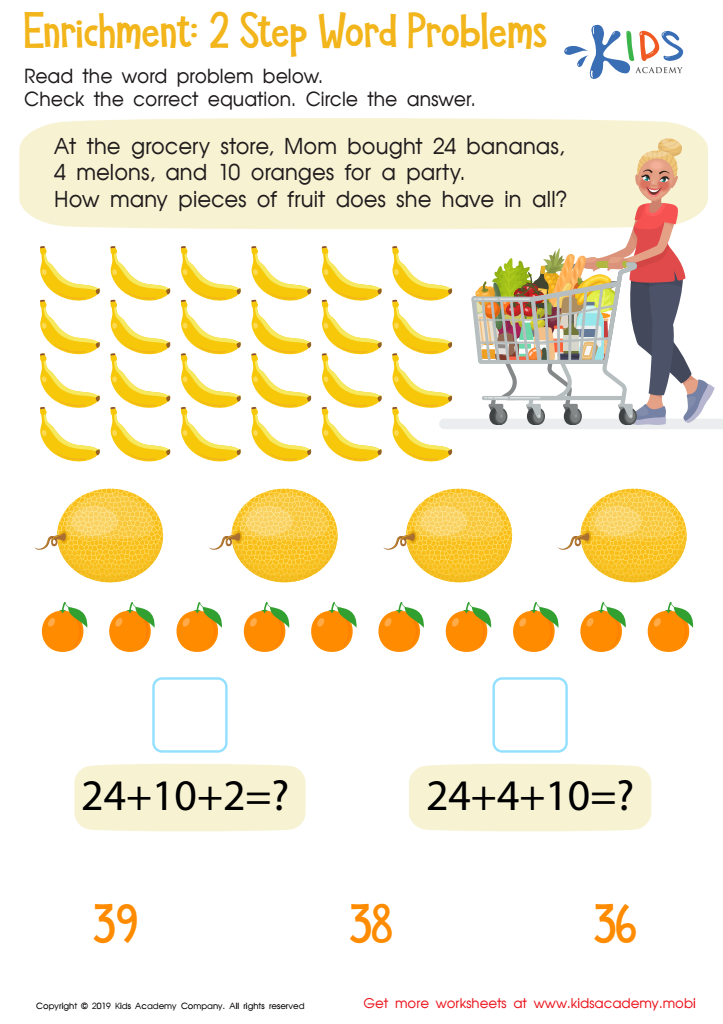
Enrichment -2 Step Word Problems Worksheet
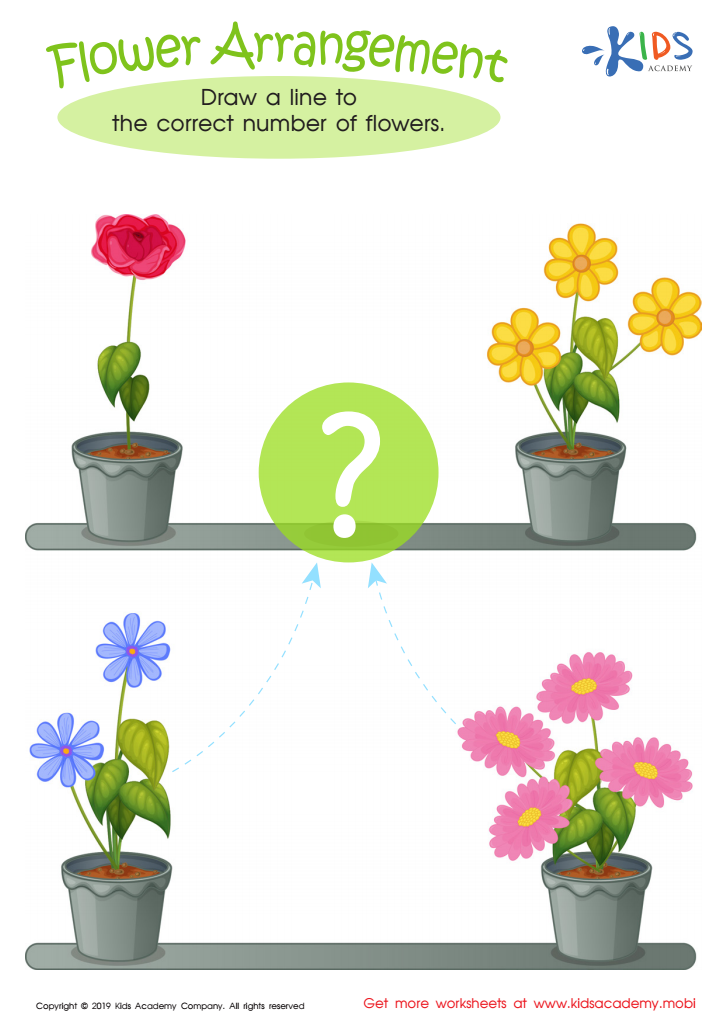
Flower Arrangement Worksheet
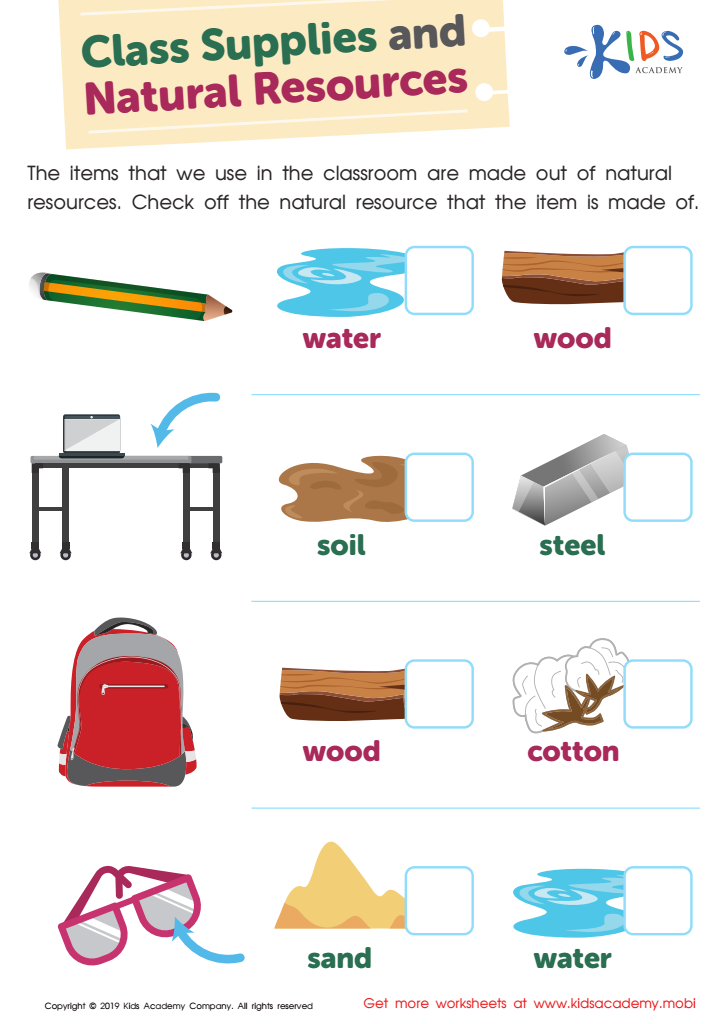
Class Supplies and Natural Resources Worksheet
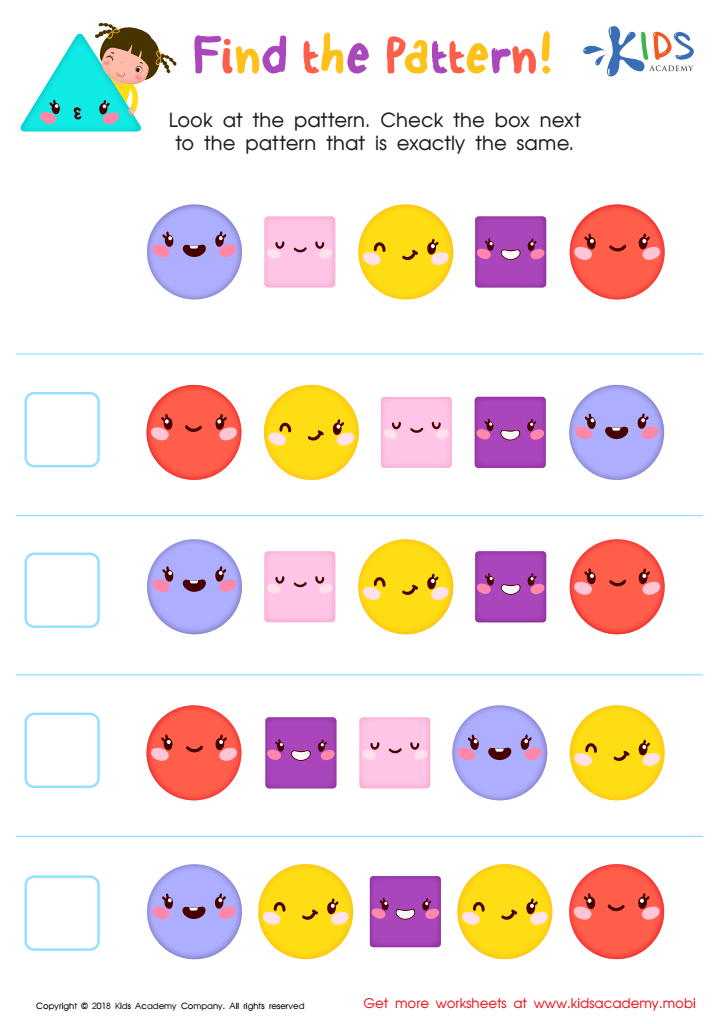
Find the Pattern Worksheet
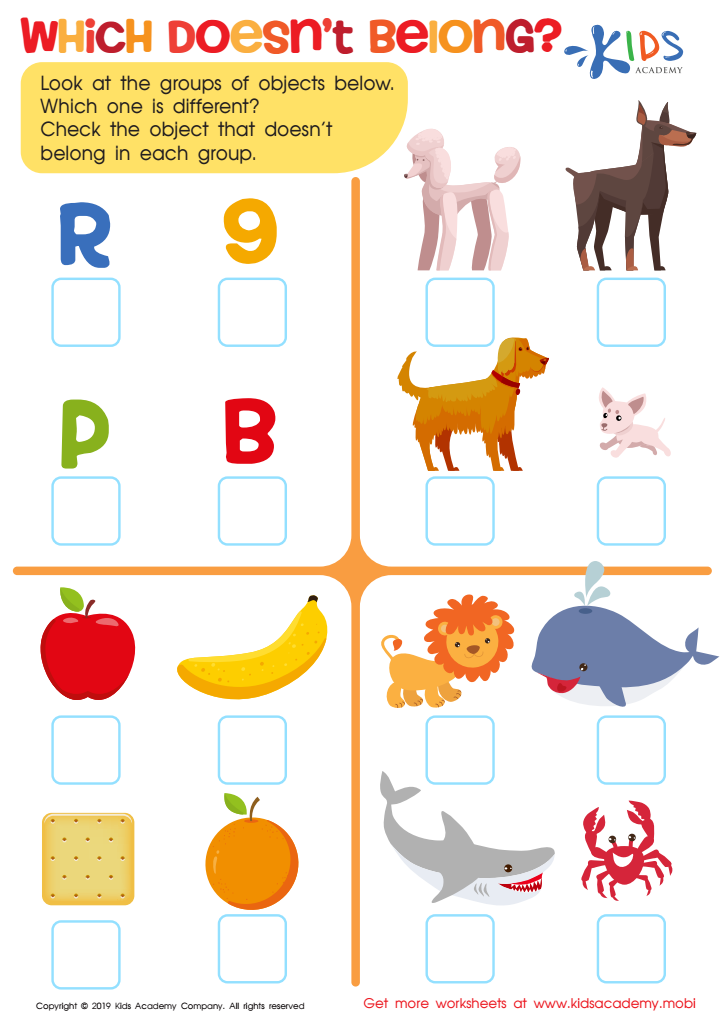
Which Doesn't Belong? Worksheet
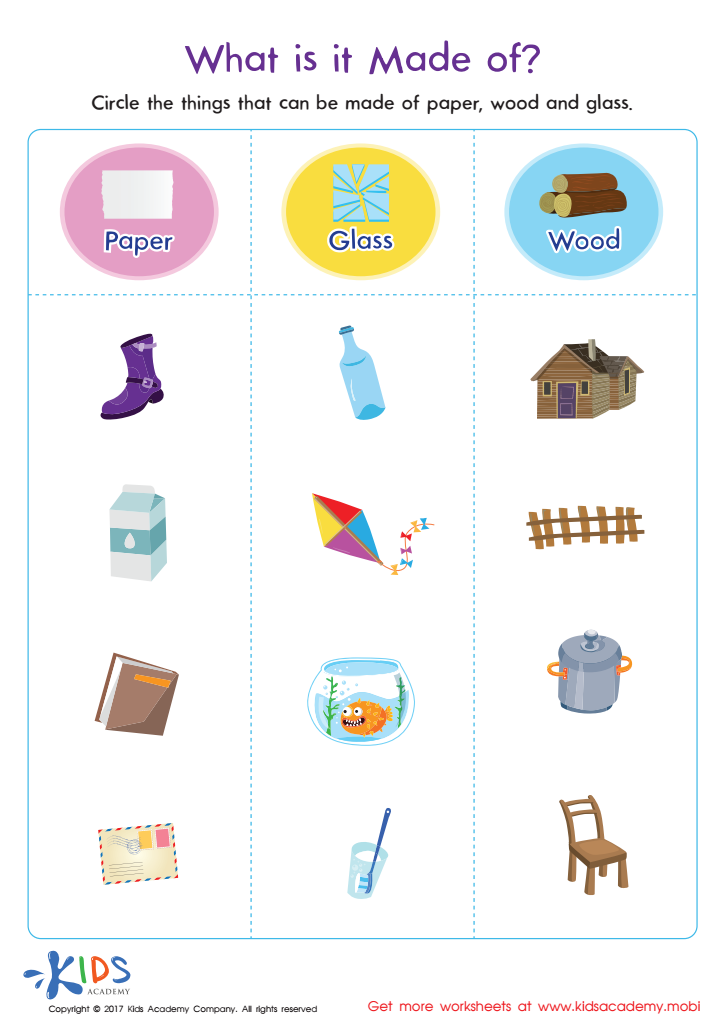
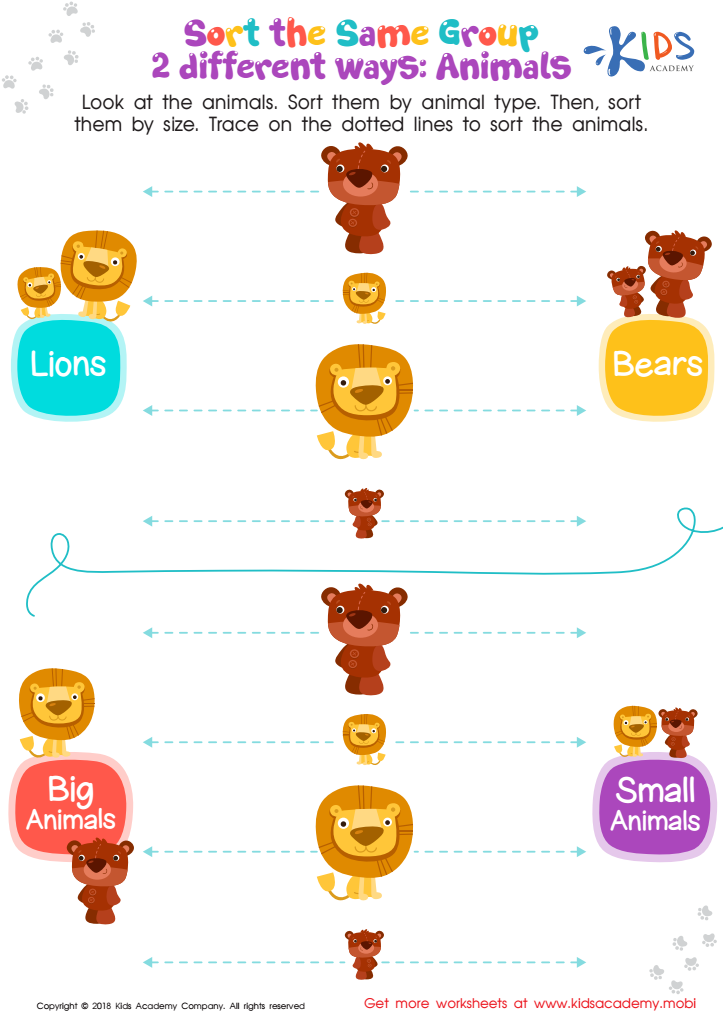
Sort the Same Group 2 Different Ways: Animals Worksheet
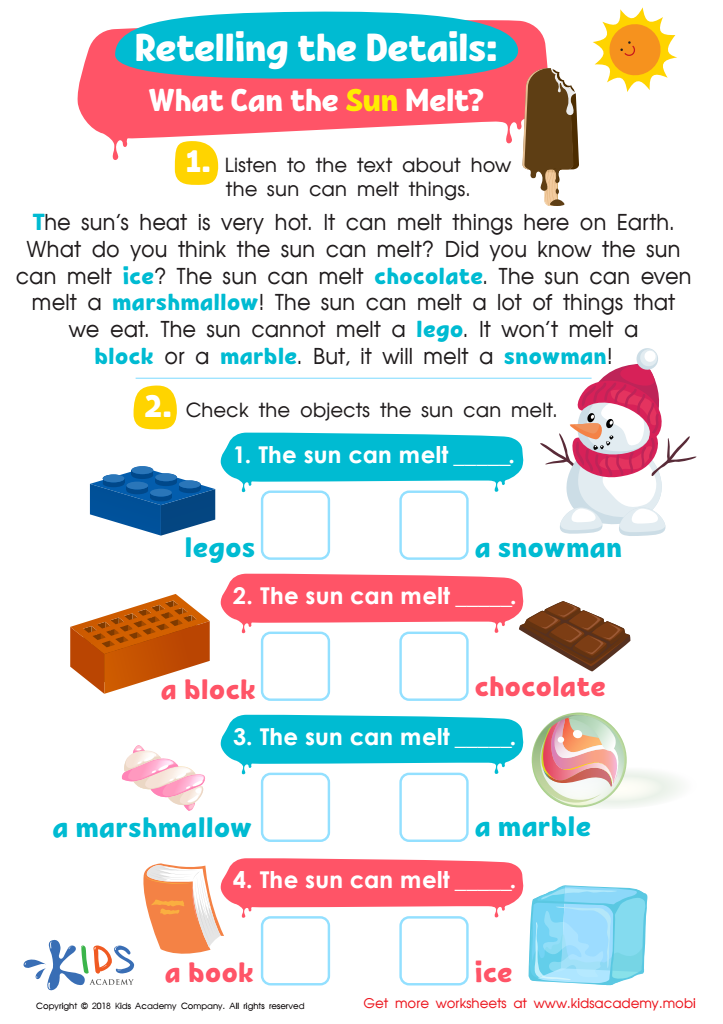
Retelling the Details: What Can the Sun Melt? Worksheet
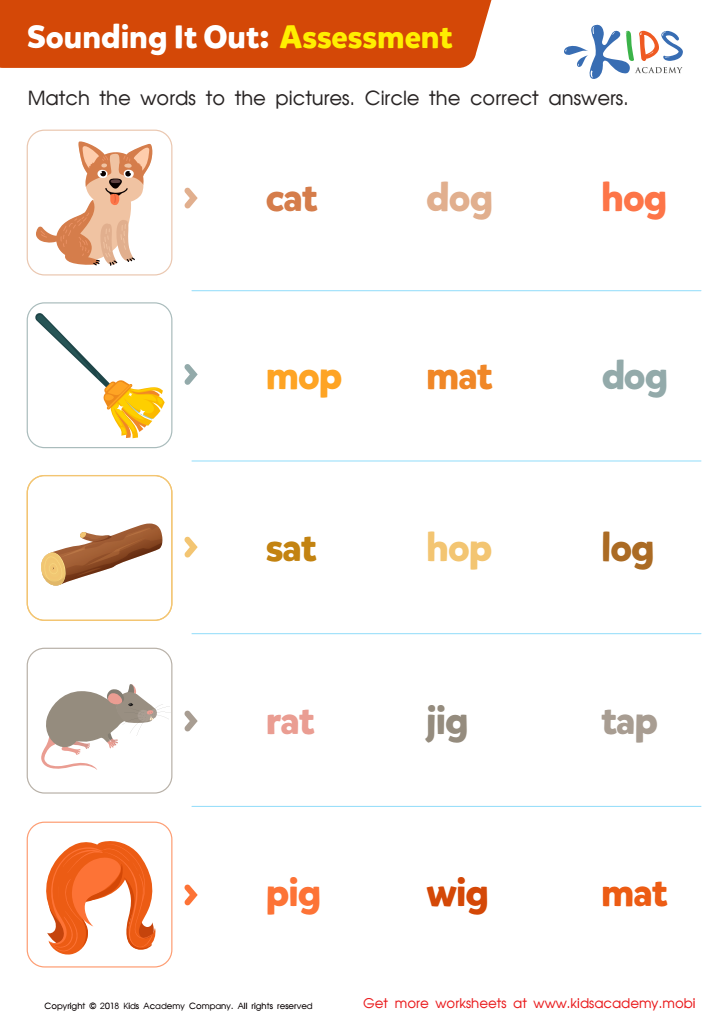
Sounding it Out: Assessment Worksheet
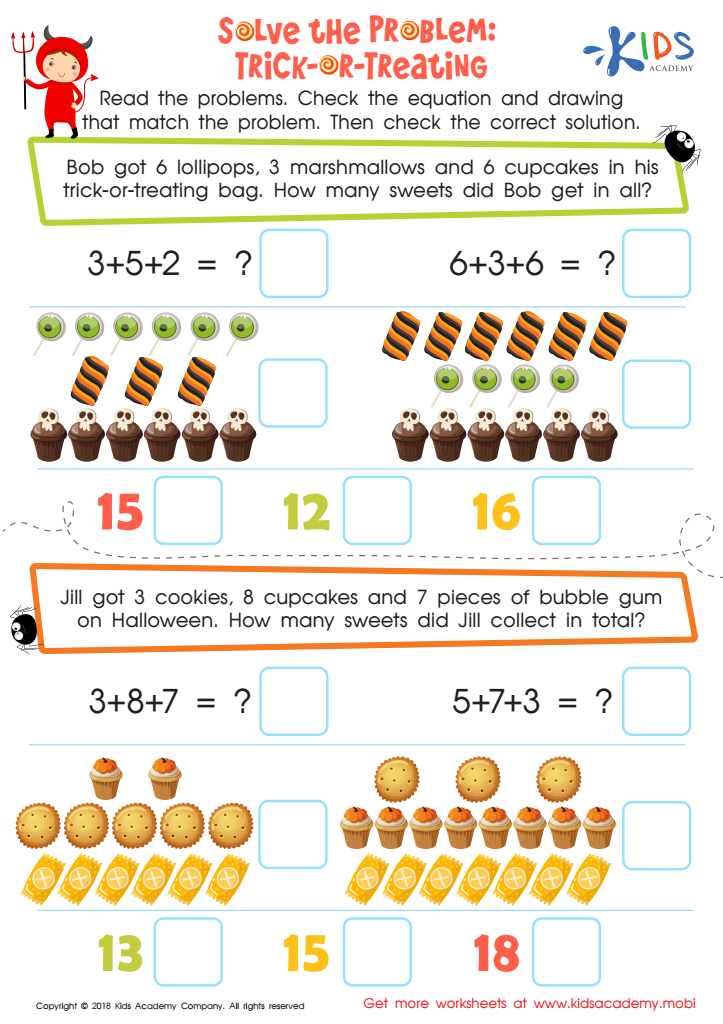
Solve the Problem: Trick–or–treating Worksheet
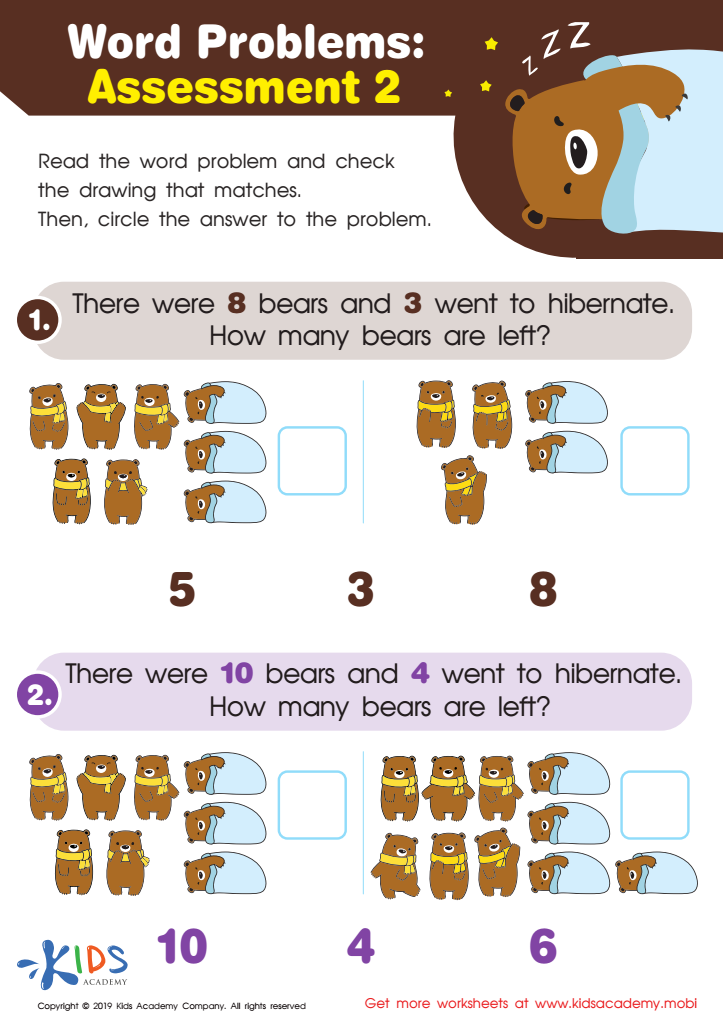
Word Problems: Assessment 2 Worksheet
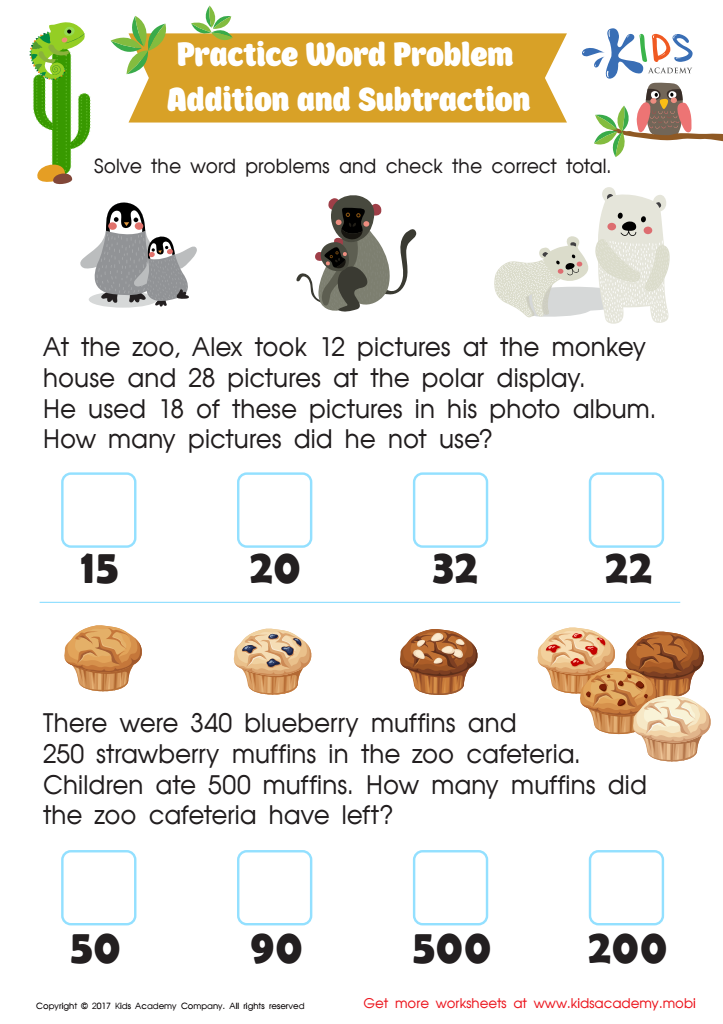
Addition and Subtraction: Word Problems Worksheet
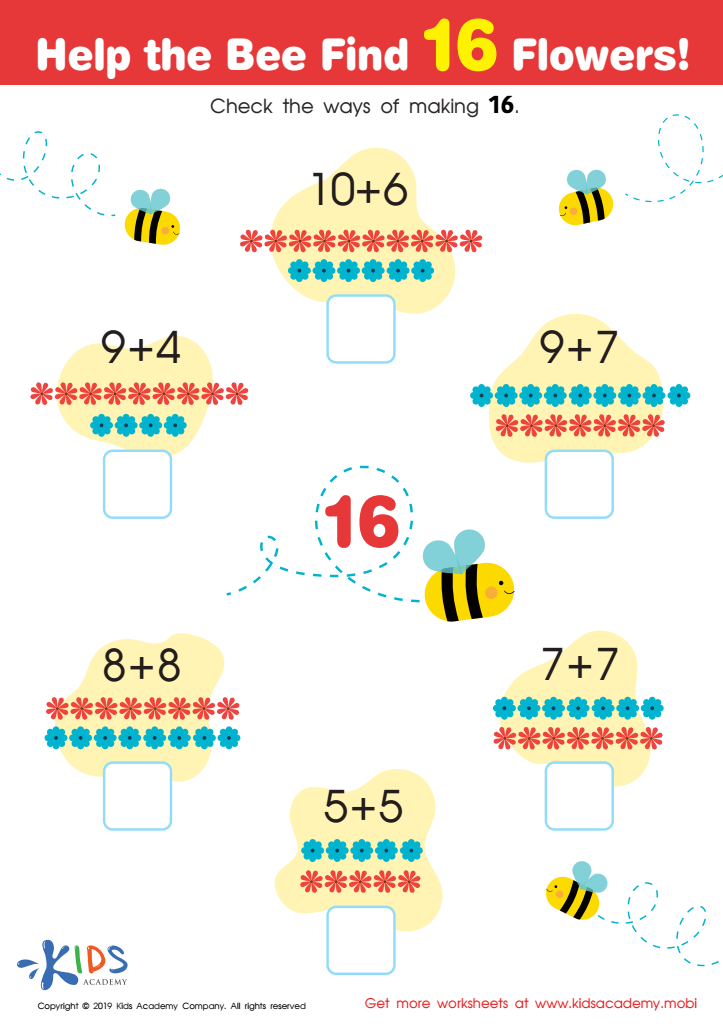
Help the Bee Find 16 Flowers Worksheet
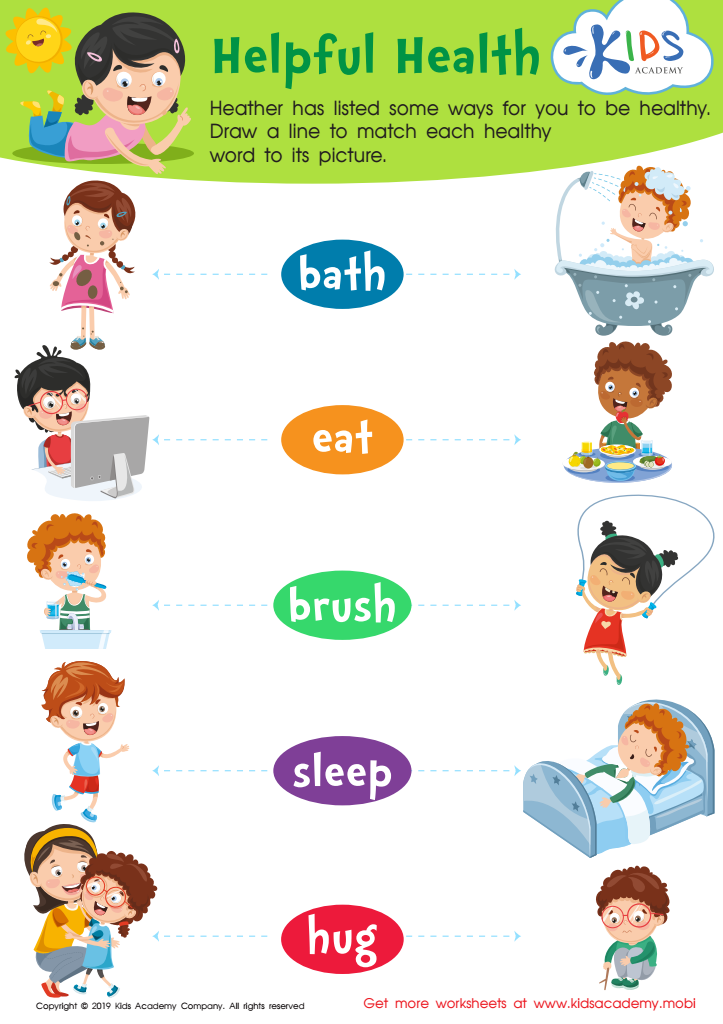
Helpful Health Worksheet








Parents and teachers should care about fostering logical reasoning in 5-year-olds because it lays the foundation for critical thinking and problem-solving skills essential in all areas of life. At this age, children are rapidly developing cognitive abilities, and introducing logical reasoning helps structure their thoughts and understand cause-and-effect relationships. This foundational skill enhances their ability to grasp basic concepts in mathematics, science, and literacy, setting the stage for future academic success.
Logical reasoning encourages children to ask questions, explore possible solutions, and make informed decisions, all of which are vital skills in navigating everyday challenges. It also improves their ability to follow instructions, recognize patterns, and comprehend sequences, facilitating smoother learning experiences. Early development of these skills promotes confidence and independence, as children become more adept at tackling tasks and understanding the world around them.
Moreover, engaging in logical reasoning activities—such as puzzles, simple games, and storytelling—strengthens social skills. When children discuss their thought processes and solutions with peers or adults, they learn to articulate their ideas, listen to others, and negotiate different perspectives.
In summary, nurturing logical reasoning in young children equips them with the essential cognitive tools for academic achievement and everyday problem-solving, fostering well-rounded, capable, and confident individuals.








