Logical thinking Normal Worksheets for 5-Year-Olds
6 filtered results
-
From - To
Enhance your child's cognitive skills with our carefully designed Logical Thinking Normal Worksheets for 5-Year-Olds. These engaging and educational activities foster critical thinking, problem-solving, and reasoning abilities vital for early learning. Age-appropriate and visually appealing, the worksheets guide young minds through fun puzzles, matching games, sequencing tasks, and more. Developed by experienced educators, these resources ensure children enjoy the learning journey while building a strong foundation for future academic success. Perfect for classroom use or at-home enrichment, our worksheets promote logical thinking in an enjoyable, accessible way. Visit our webpage to start nurturing your child's logical thinking today!
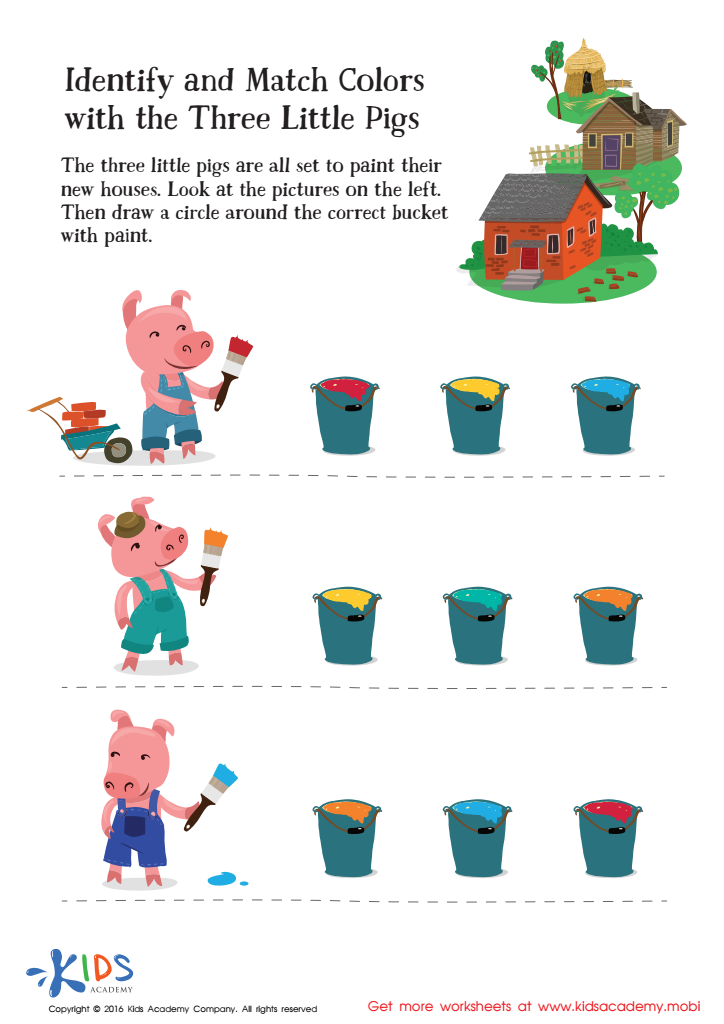
Fairy Tale Worksheet: Identify and Match Colors with Three Little Pigs
 Assign to My Students
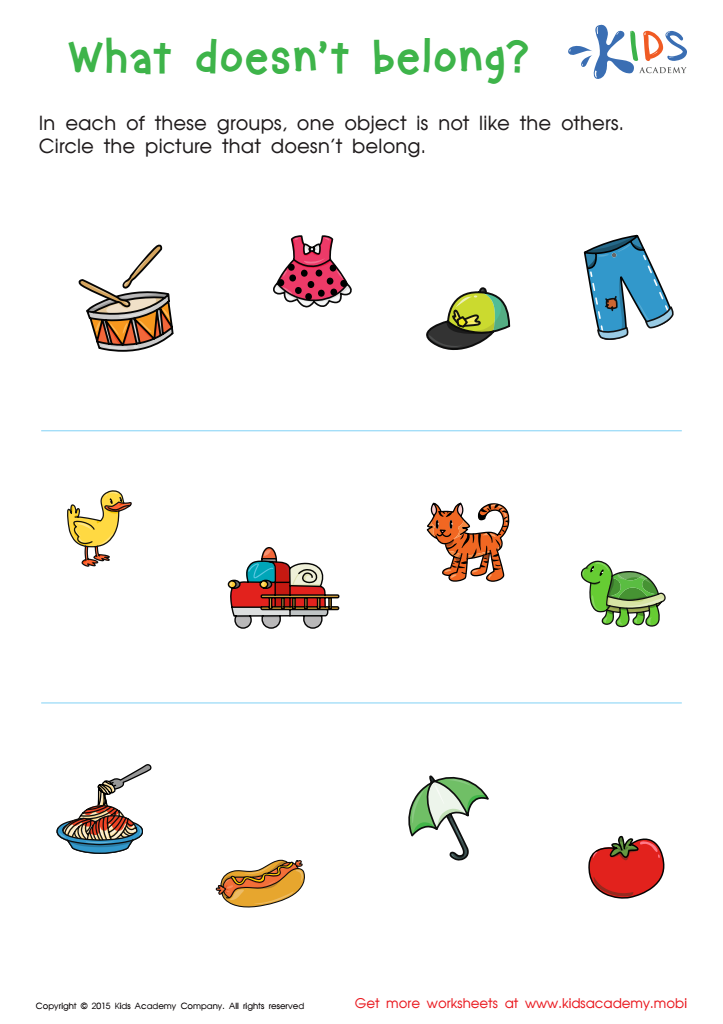
First Words: What Doesn't Belong Worksheet

Cinderella Geometry Maze Worksheet
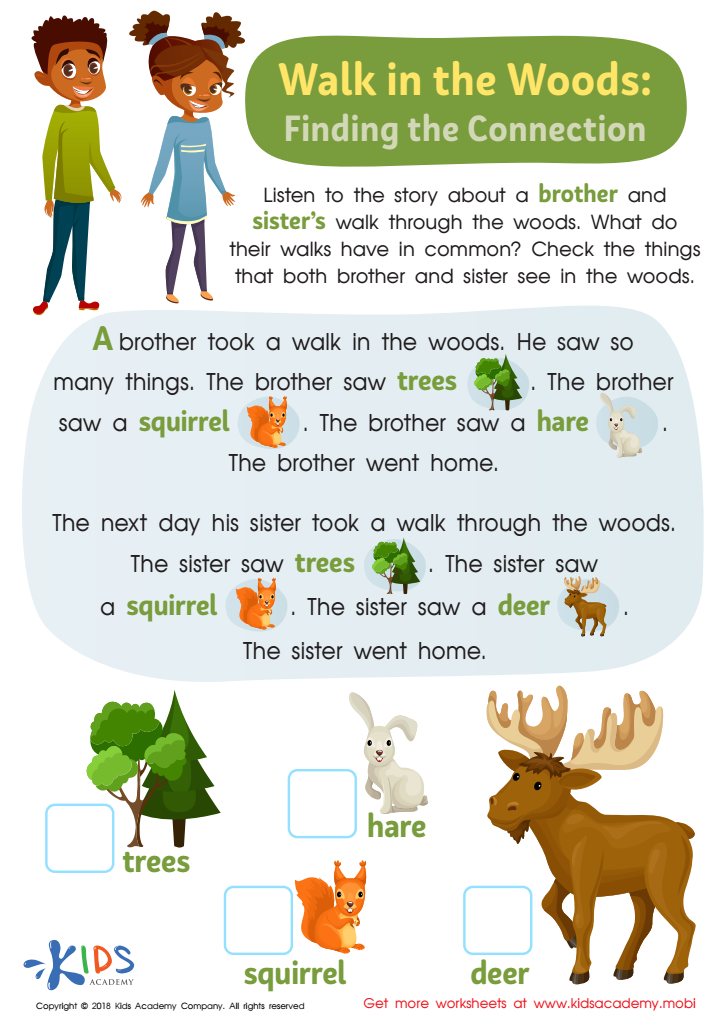
Walk In the Woods: Finding Connections Worksheet

Draw a Line to the Picture Books Worksheet
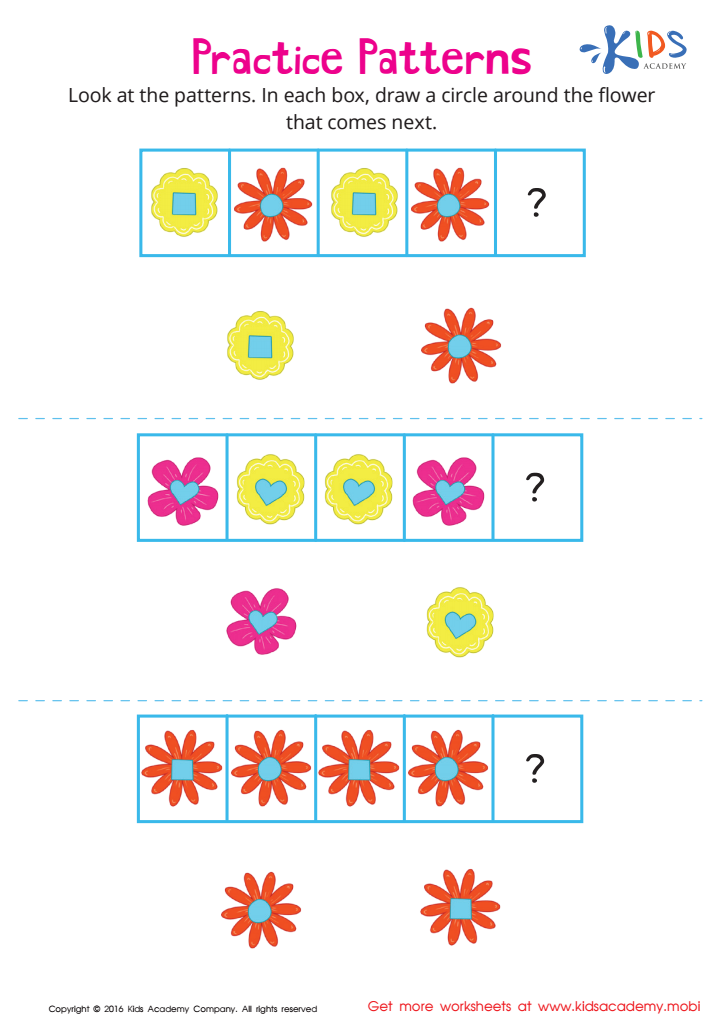







Logical thinking is an essential skill that serves as the foundation for problem-solving and decision-making. At the age of five, children are just beginning to form this skill, and both parents and teachers play crucial roles in nurturing its development.
During early childhood, logical thinking helps children understand the cause-and-effect relationships in their environment. It enables them to make sense of their world by categorizing and organizing information, which is foundational for academic subjects like math and science. For instance, when a child learns that adding blocks to a tower makes it taller, they are engaging in basic logical reasoning.
Additionally, developing logical thinking skills can enhance a child's ability to follow instructions and complete tasks independently. It cultivates critical thinking, allowing them to approach problems systematically and come up with effective solutions. Matching exercises, patterning games, and simple puzzles are effective ways to strengthen these skills in young children.
Moreover, strong logical thinking skills help children develop emotional intelligence. By recognizing patterns in social interactions, they can navigate complex social situations more effectively, leading to better peer relationships.
In summary, nurturing logical thinking in five-year-olds is crucial for comprehensive cognitive development. It lays the groundwork for future academic success and helps children become more competent and confident individuals. Parents and teachers should prioritize activities that challenge and stimulate logical thought processes.








