Vocabulary Building Normal Worksheets for 5-Year-Olds
19 filtered results
-
From - To
Enhance your 5-year-old's language skills with our engaging Vocabulary Building Normal Worksheets! Designed specifically for early learners, these worksheets focus on expanding vocabulary in a fun and interactive way. Children will explore new words through various activities, including matching, fill-in-the-blanks, and fun illustrations that promote comprehension. Our worksheets encourage critical thinking and creativity, helping young learners connect words with their meanings. Ideal for home or classroom use, these resources provide a solid foundation for language development. Spark your child's interest in language as they build confidence in communication with our exciting vocabulary-building activities today!
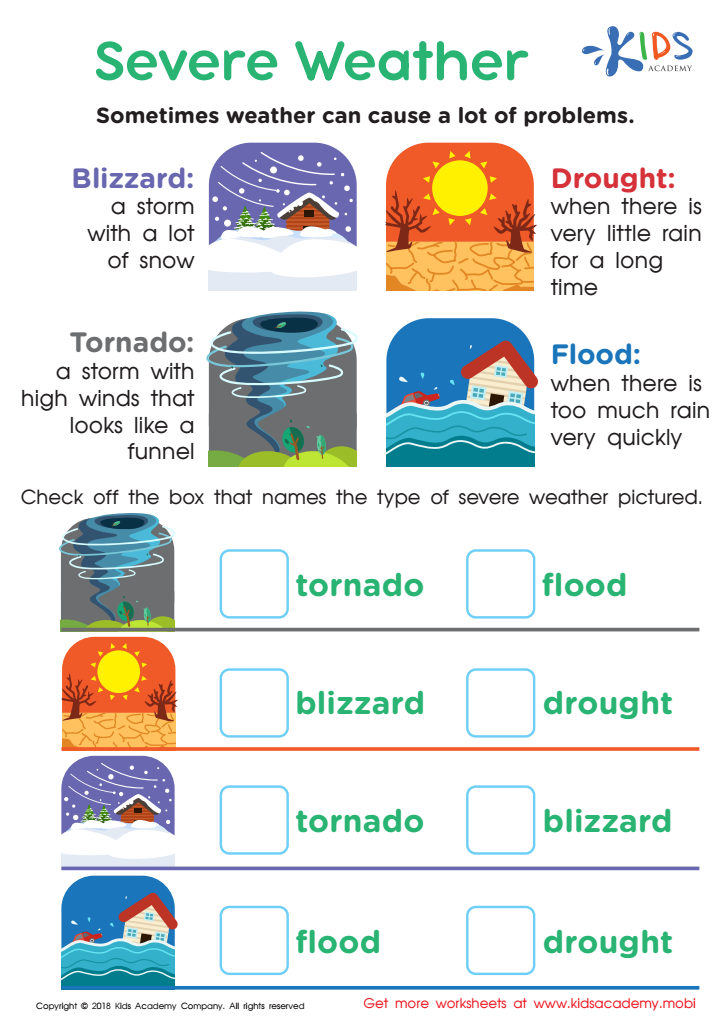
Severe Weather Worksheet
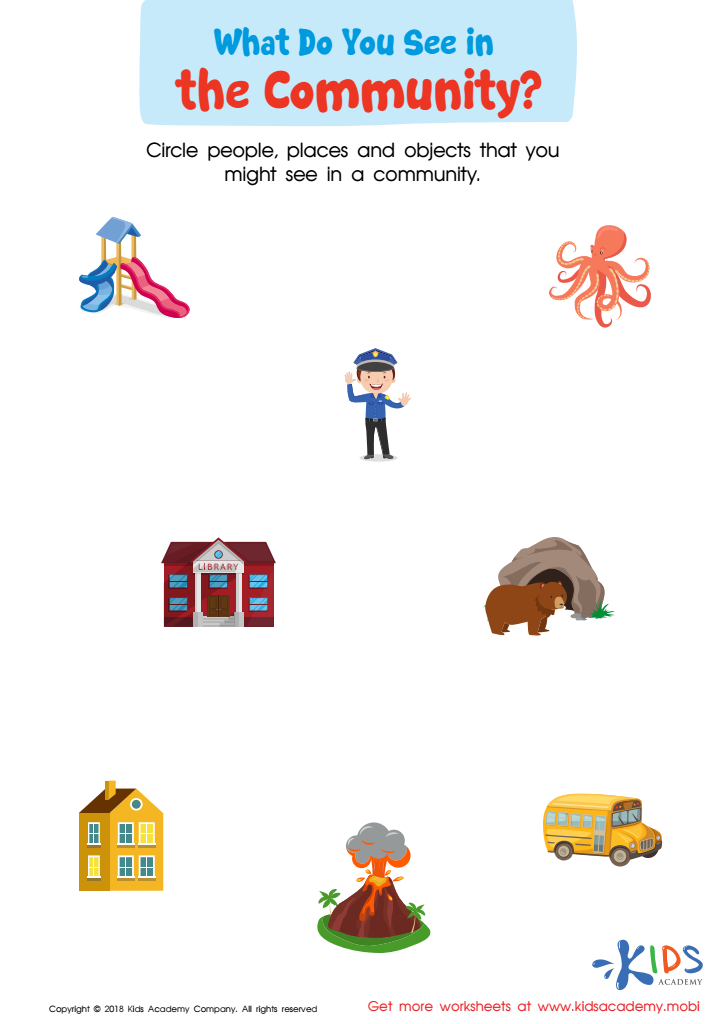
What Do You See in the Community Worksheet
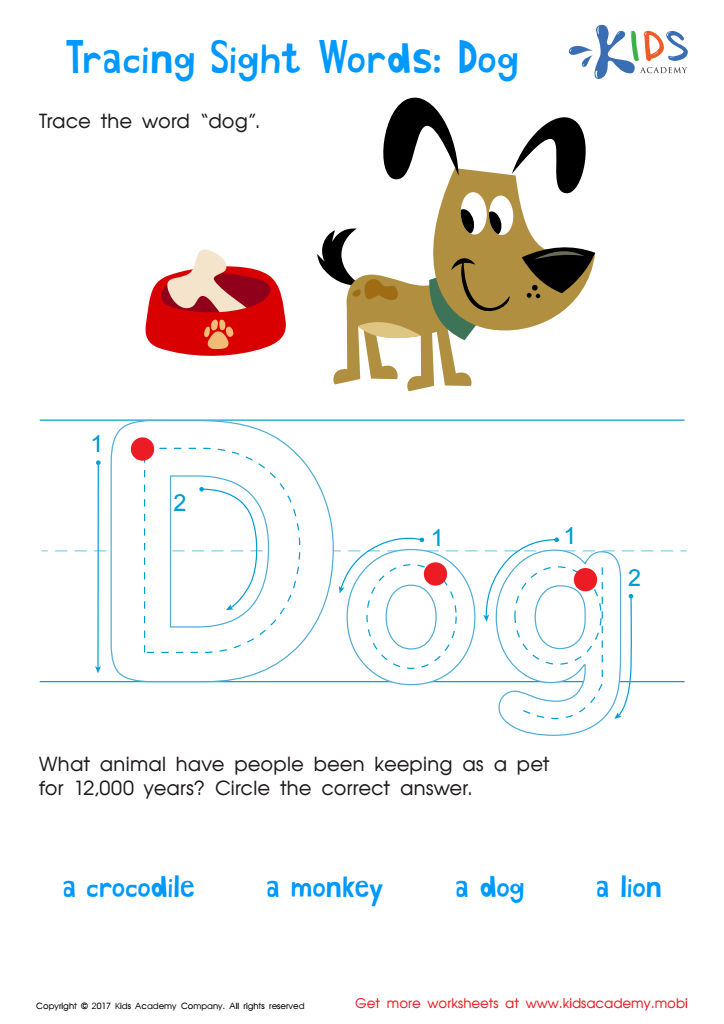
Dog Worksheet Sight Words Worksheet
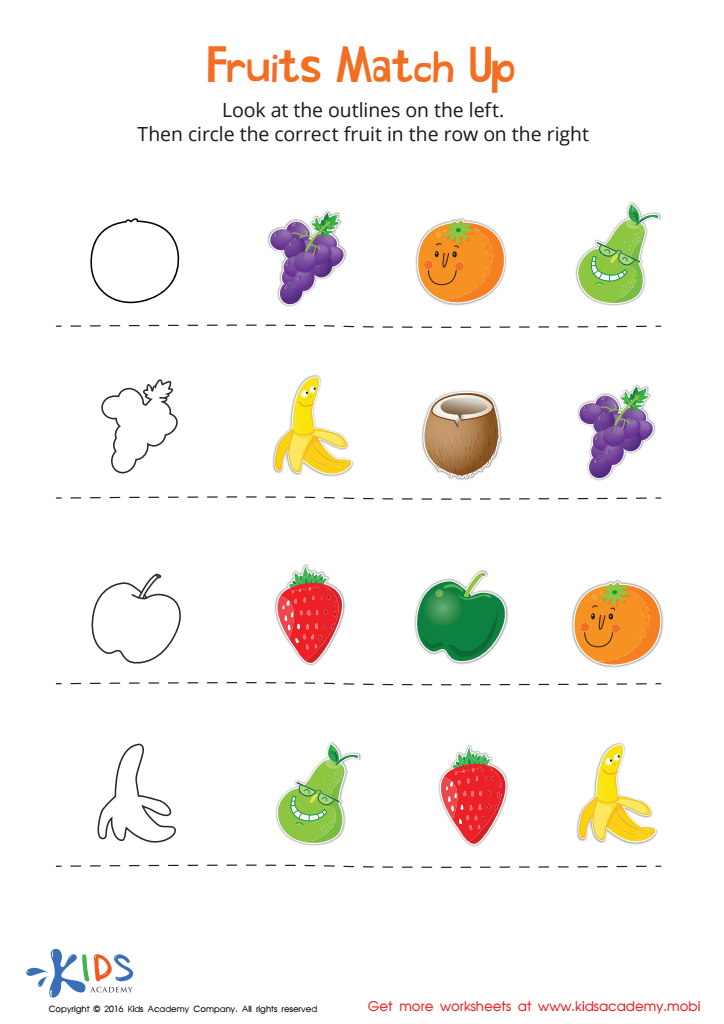
Fruits Match Up Worksheet
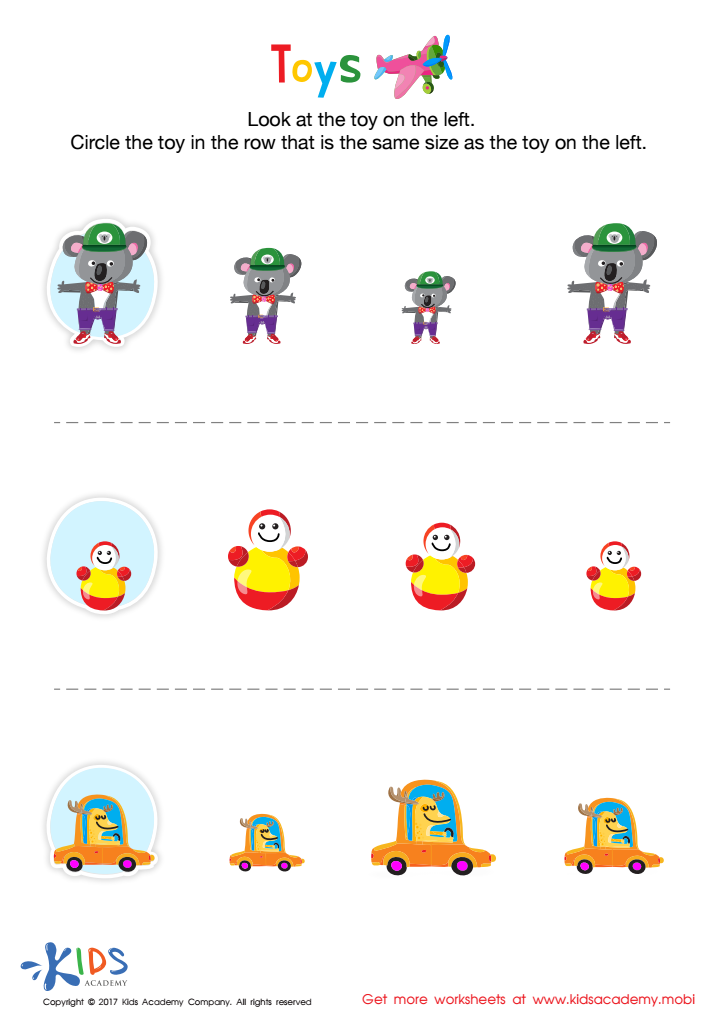
Matching: Classifying Toys by Size Worksheet
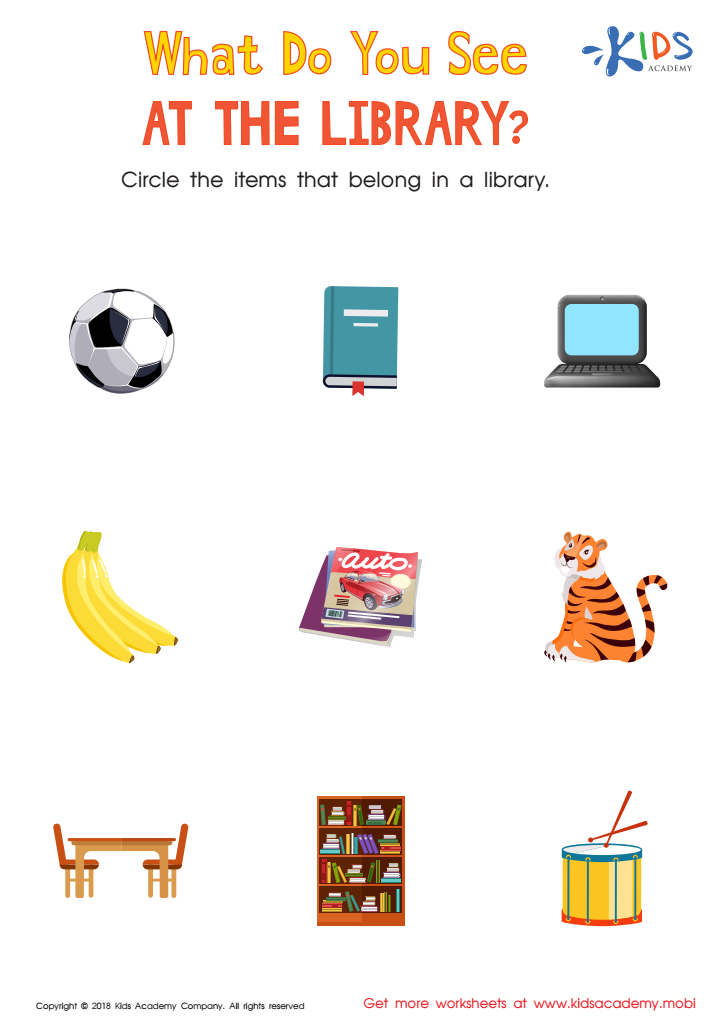
What Do you See at the Library? Worksheet
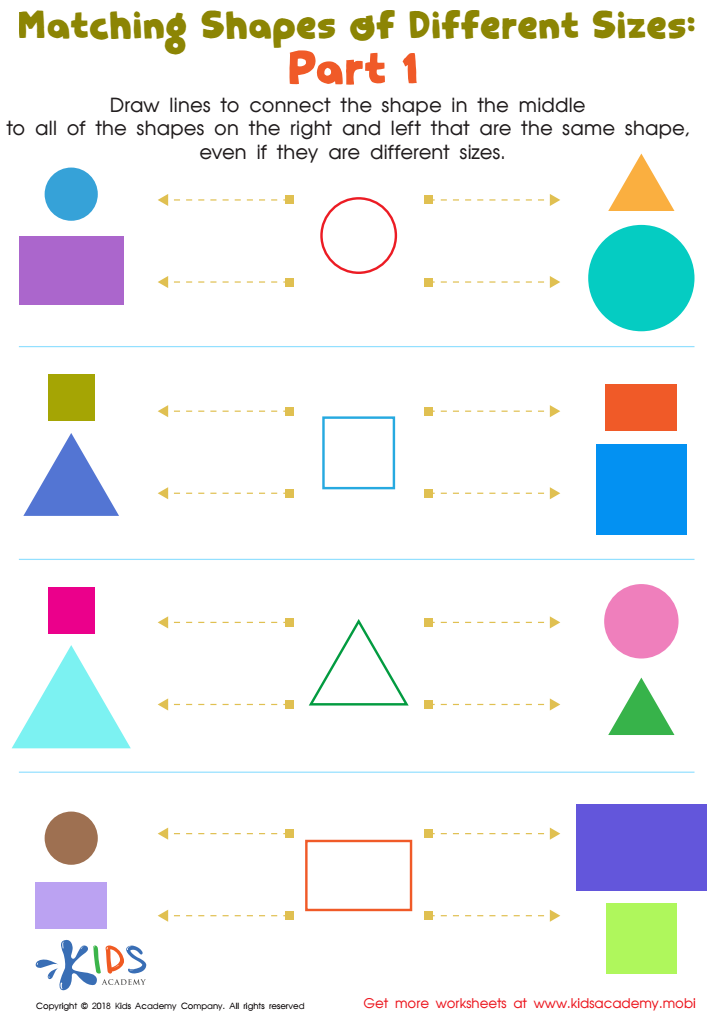
Geometry: part 1 Worksheet
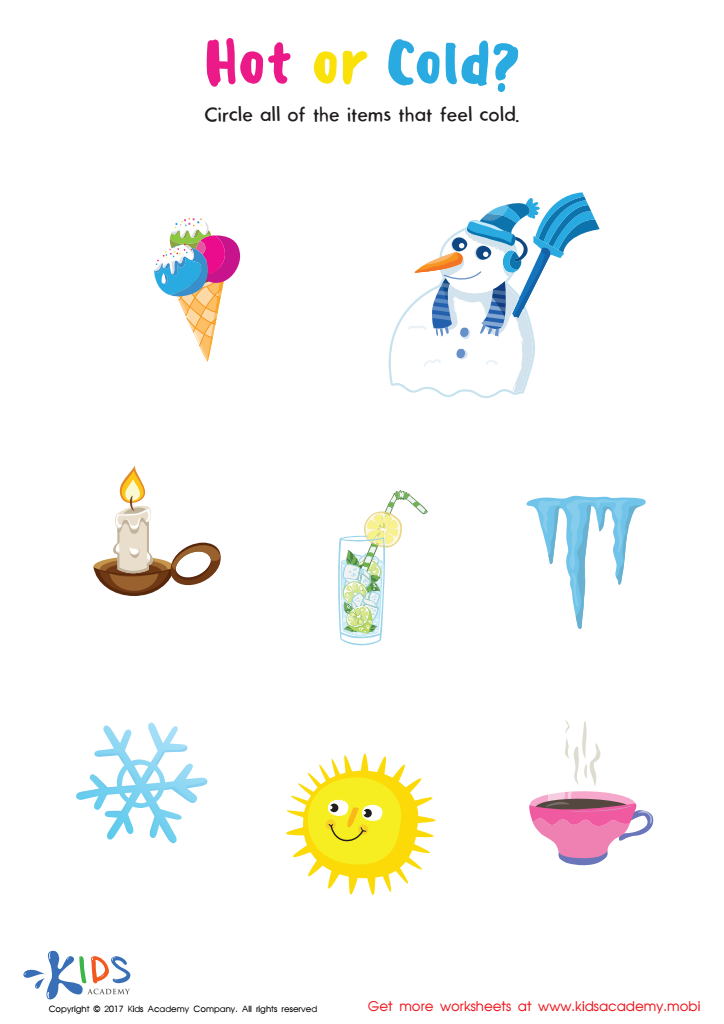
Hot or Cold Printable
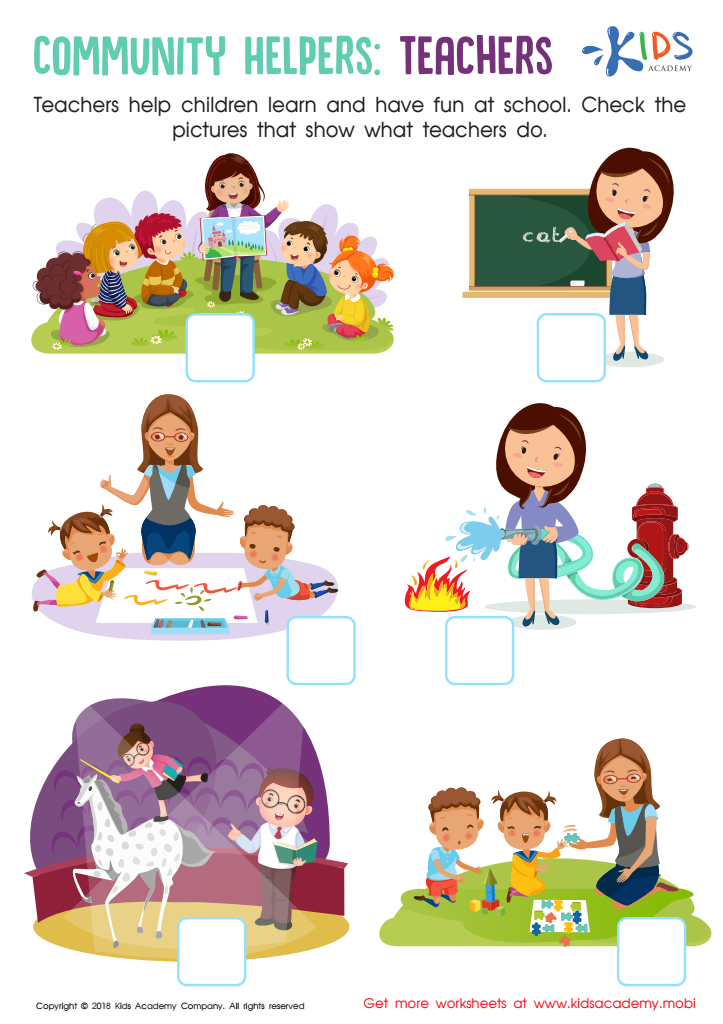
Teachers Community Helpers Worksheet
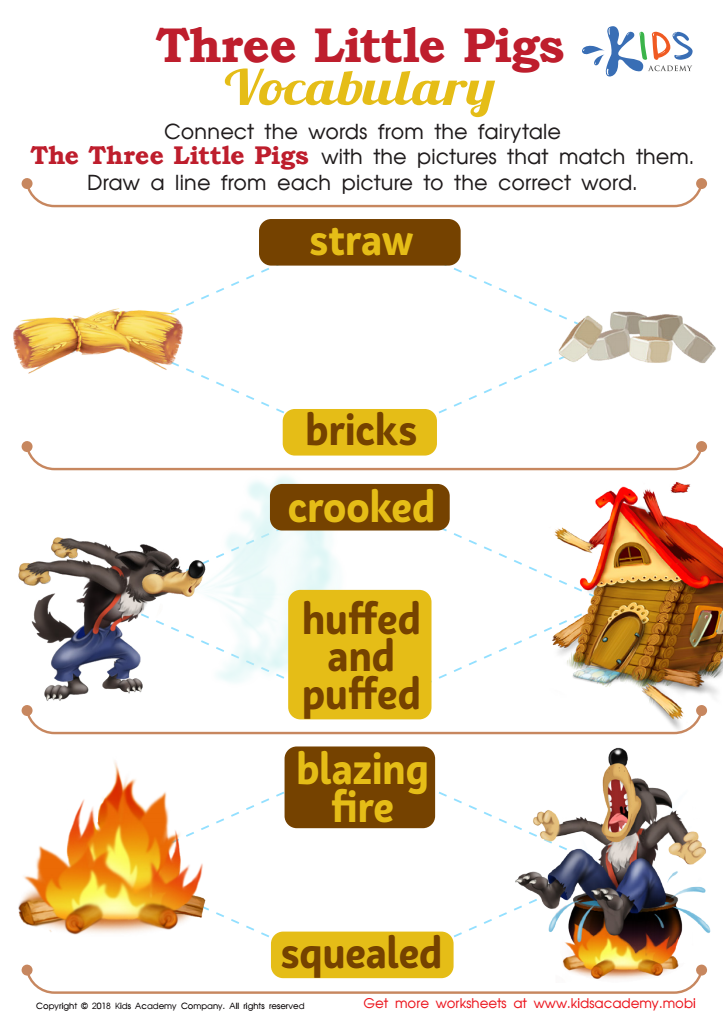
Three Little Pigs Vocabulary Worksheet
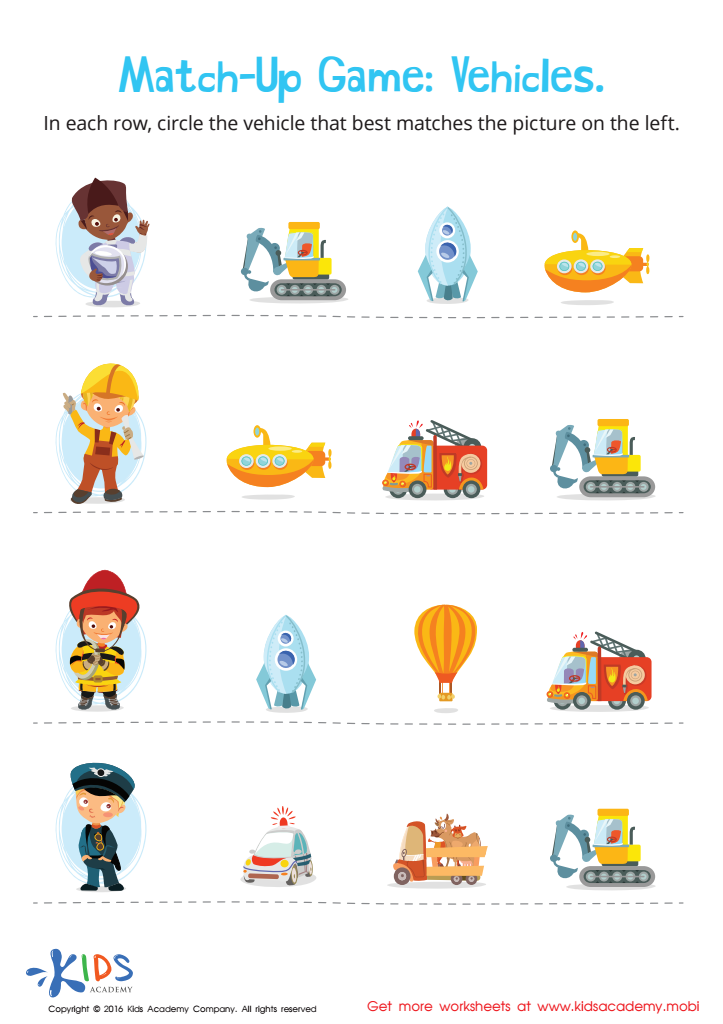
Vehicles Worksheet
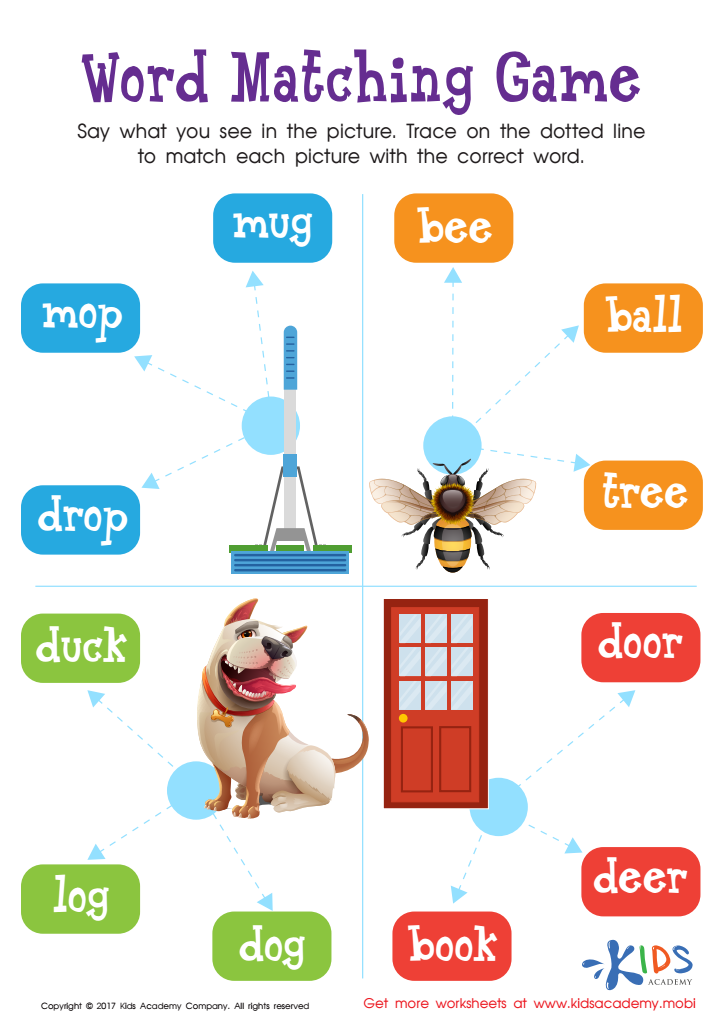
Word Matching Game Worksheet
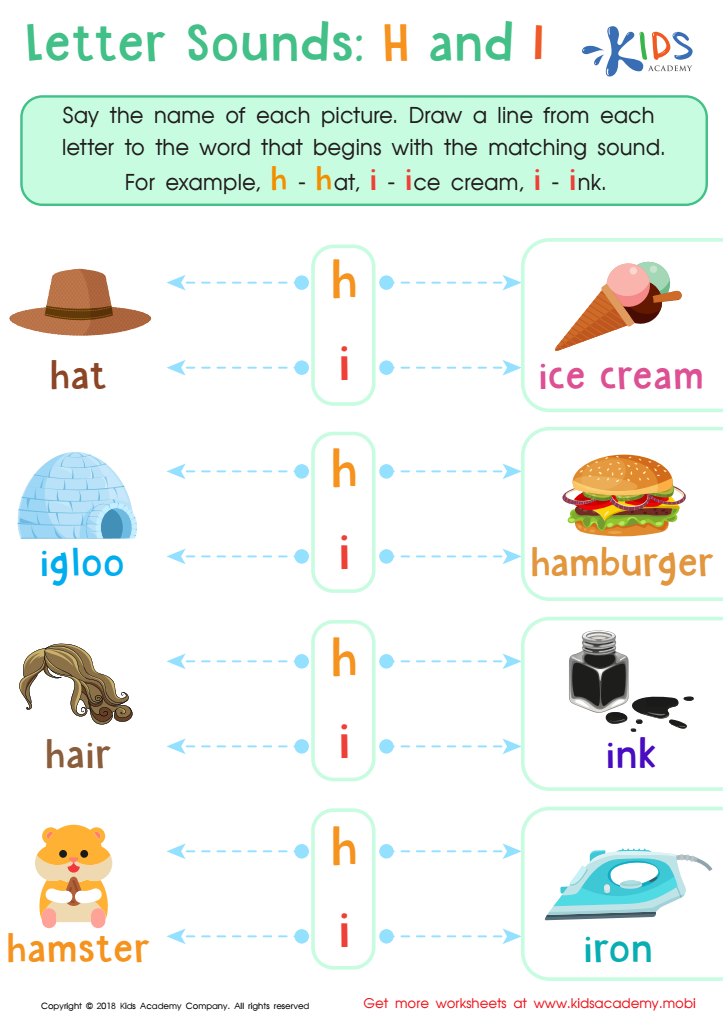
Letter H and I Sounds Worksheet
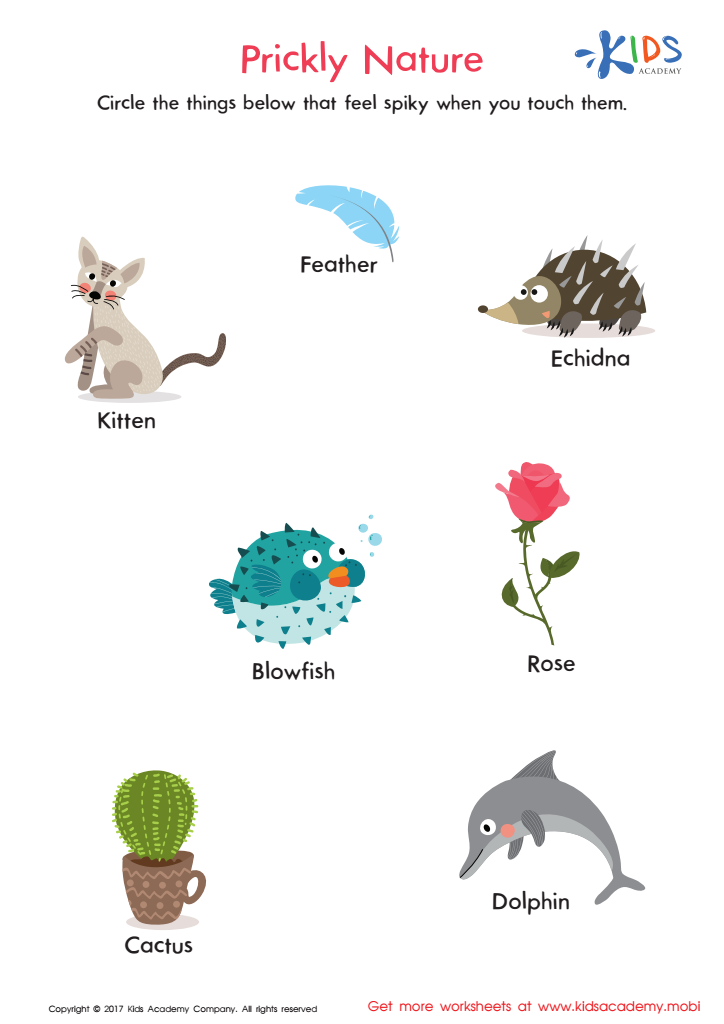
Prickly Nature Worksheet
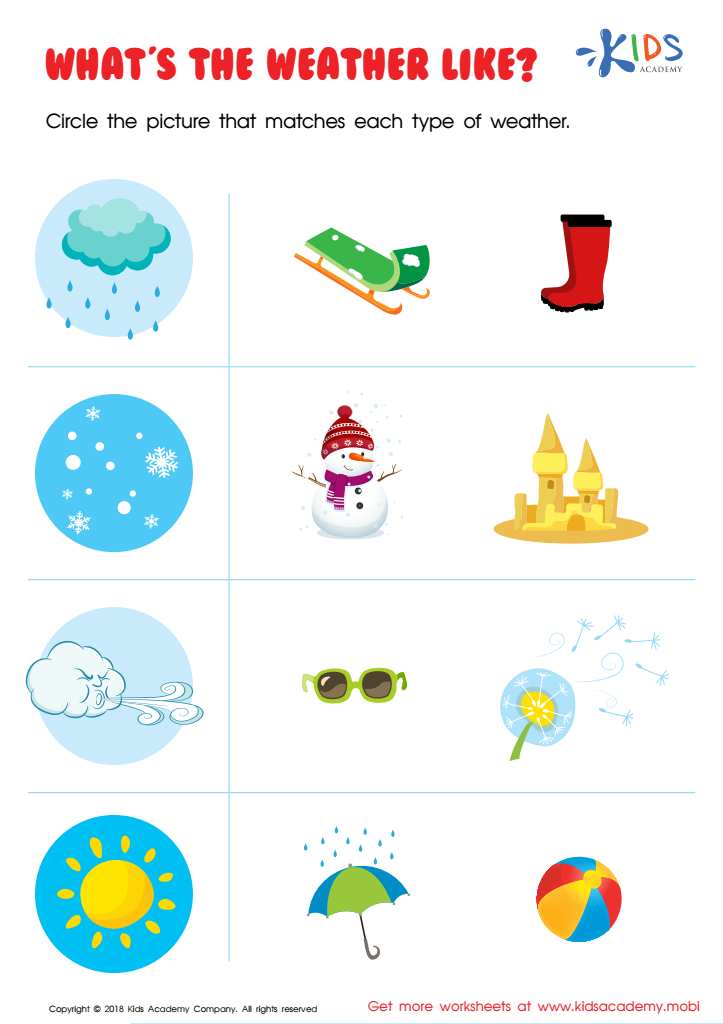
What's the Weather Like? Worksheet
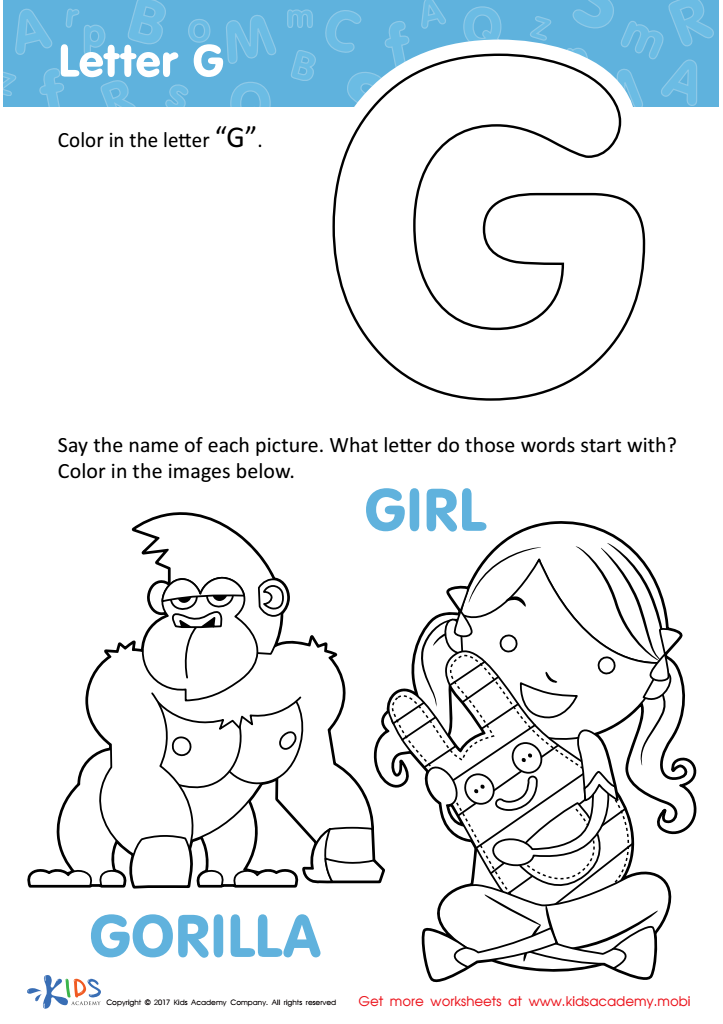
Letter G Coloring Sheet
 Assign to My Students
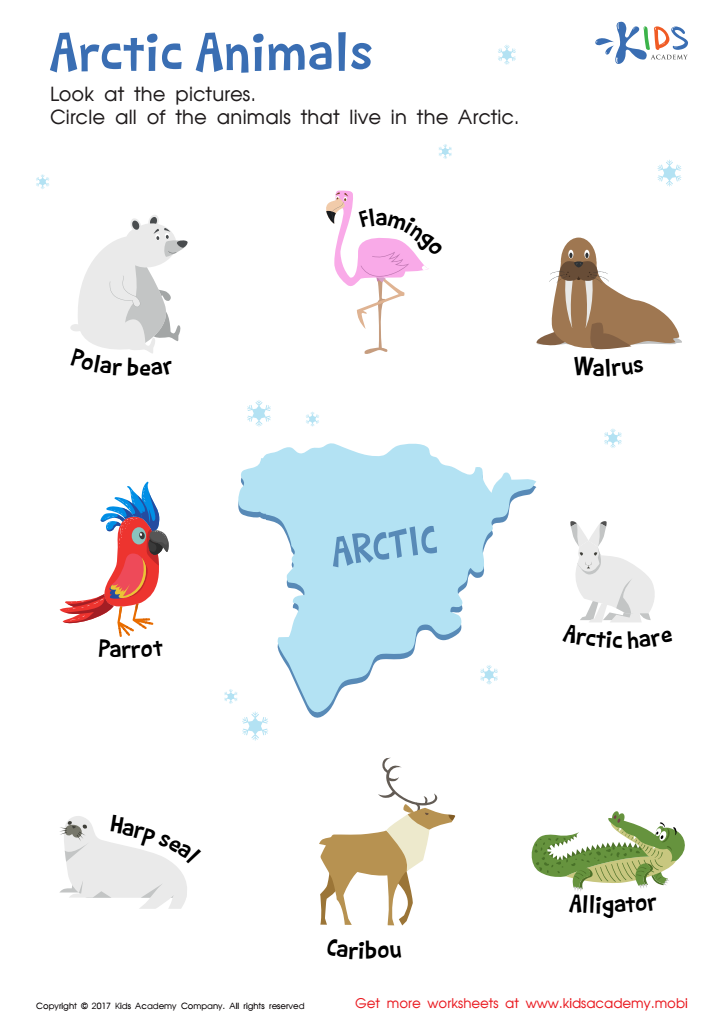
Arctic Animals Worksheet
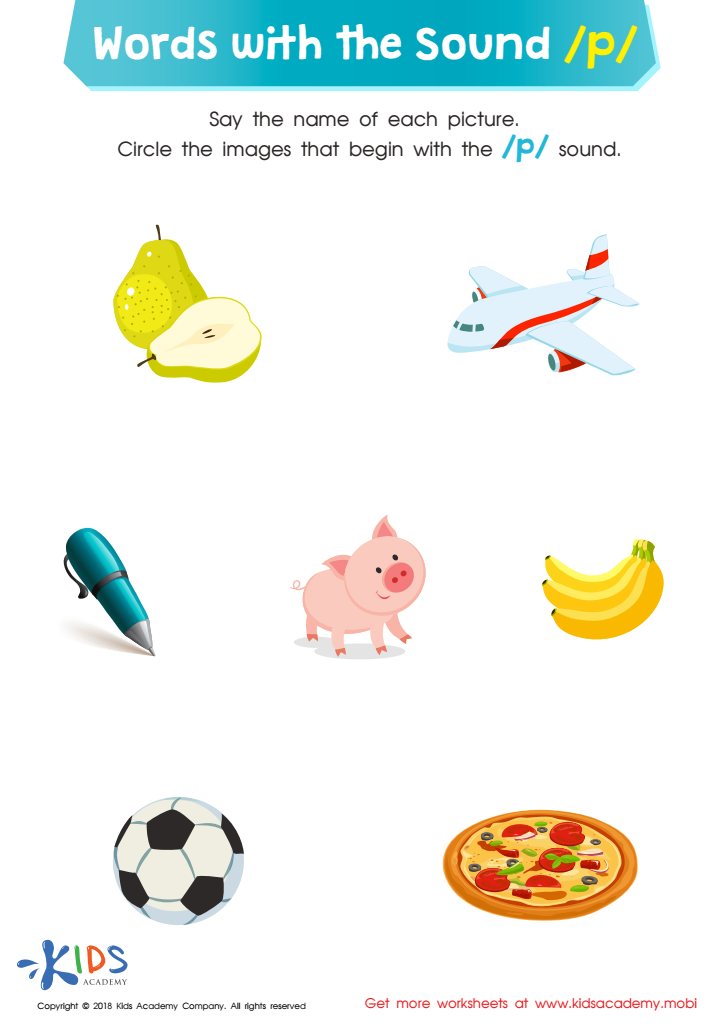
Words with sound p Reading Worksheet







Vocabulary building is essential for 5-year-olds as it lays the foundation for their overall literacy and communication skills. At this age, children experience rapid brain development, making them particularly receptive to language acquisition. A rich vocabulary enhances their ability to express thoughts and emotions, facilitating better interactions with peers and adults.
Parents and teachers play a crucial role in fostering this development by engaging children in age-appropriate conversations, reading stories, and introducing new words in context. A robust vocabulary not only aids in comprehension during reading but also strengthens critical thinking skills by enabling children to make connections and express abstract ideas.
Moreover, a strong vocabulary is closely linked to academic success; children with a broader vocabulary tend to excel in reading and writing proficiency later on. This early investment in language development can significantly impact future learning opportunities, shaping a child's self-esteem and enthusiasm for education.
Beyond academics, vocabulary building encourages socialization and helps children understand the world around them. By prioritizing vocabulary development, parents and teachers equip children with essential tools for lifelong learning, effective communication, and confident self-expression. Understanding the importance of this developmental stage is critical for parents and educators alike.








