Fine Motor Skills Normal Worksheets for Ages 6-7 - Page 4
119 filtered results
-
From - To
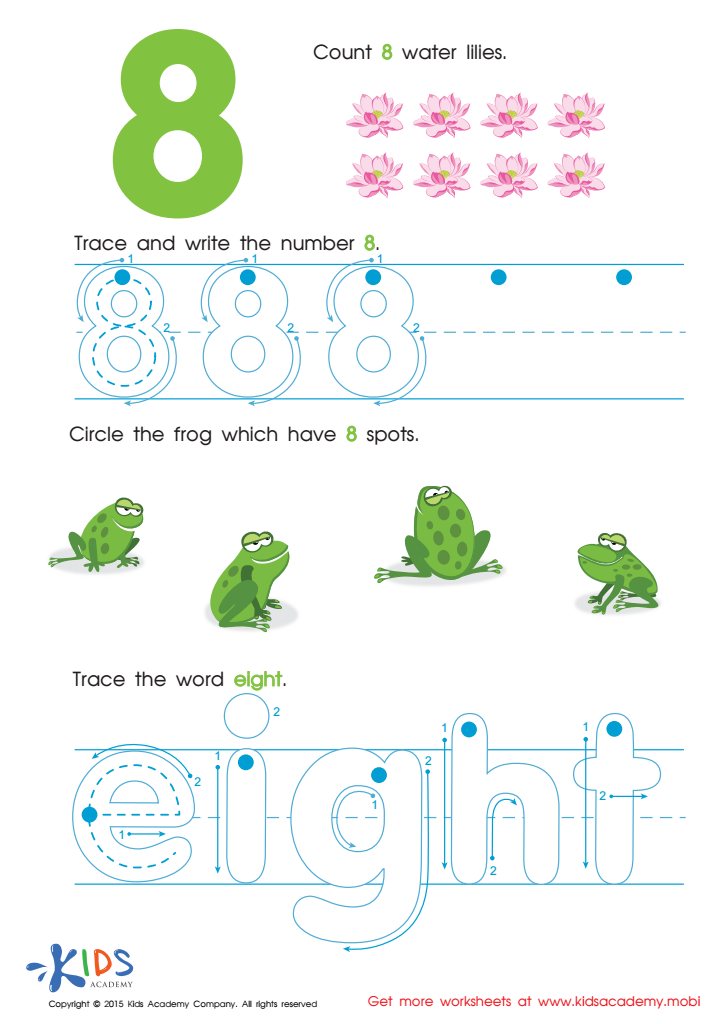
Learn Number 8 Easily Worksheet
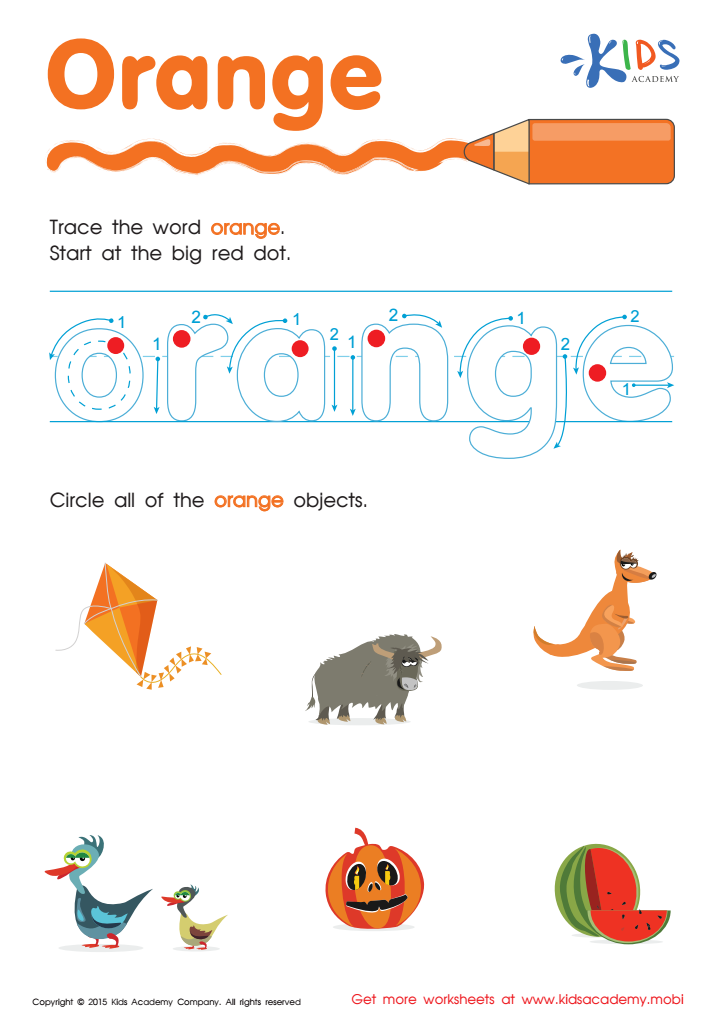
Orange Tracing Color Words Worksheet
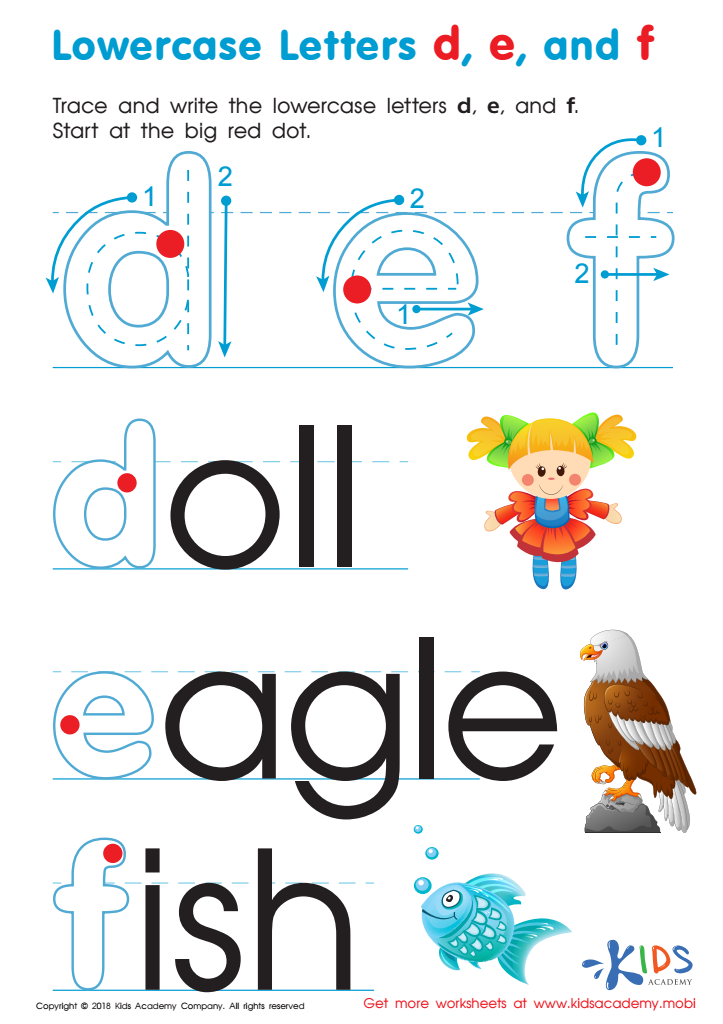
Lowercase Letters d e f Worksheet
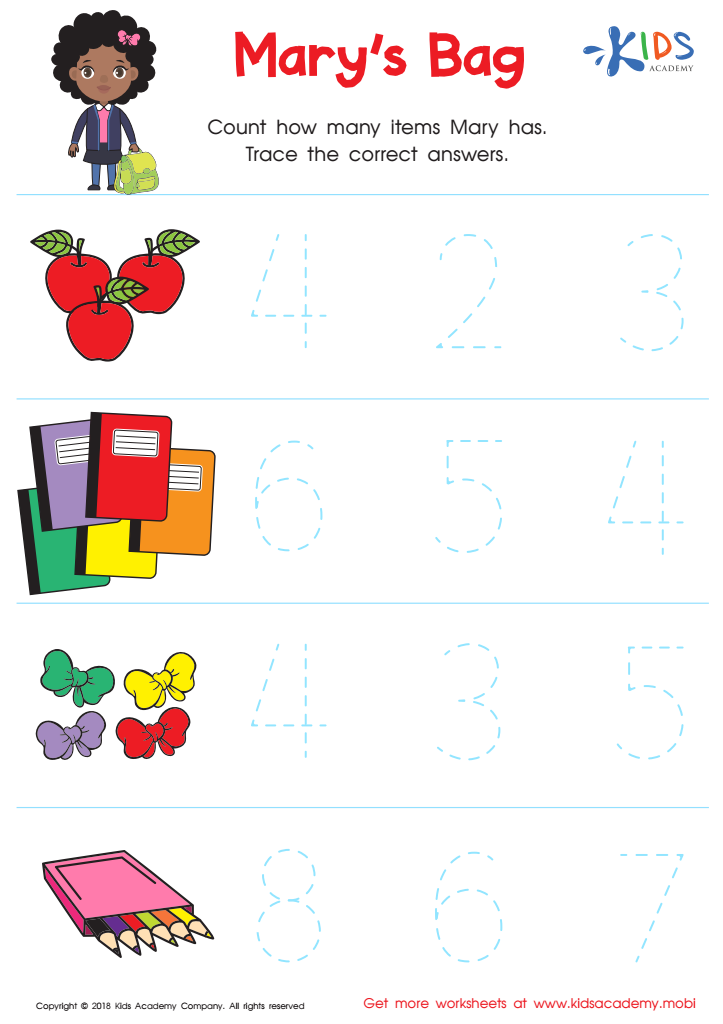
Kindergarten Number Tracing: Mary's Bag Worksheet
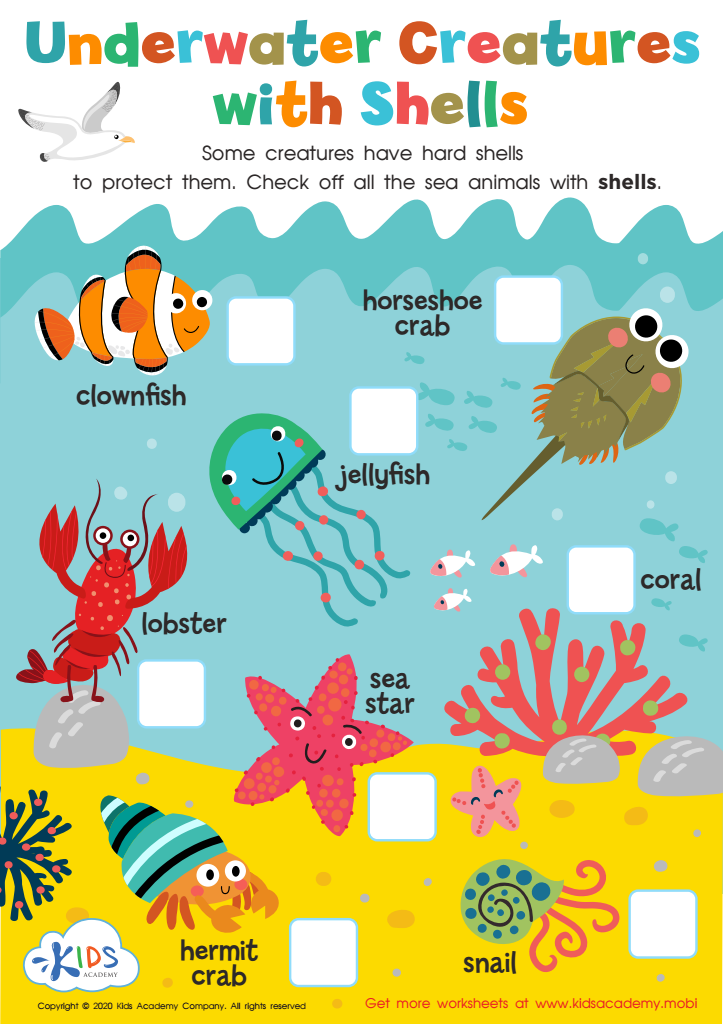
Underwater Creatures with Shells Worksheet

Three–Dimensional Shapes: Cylinder Worksheet
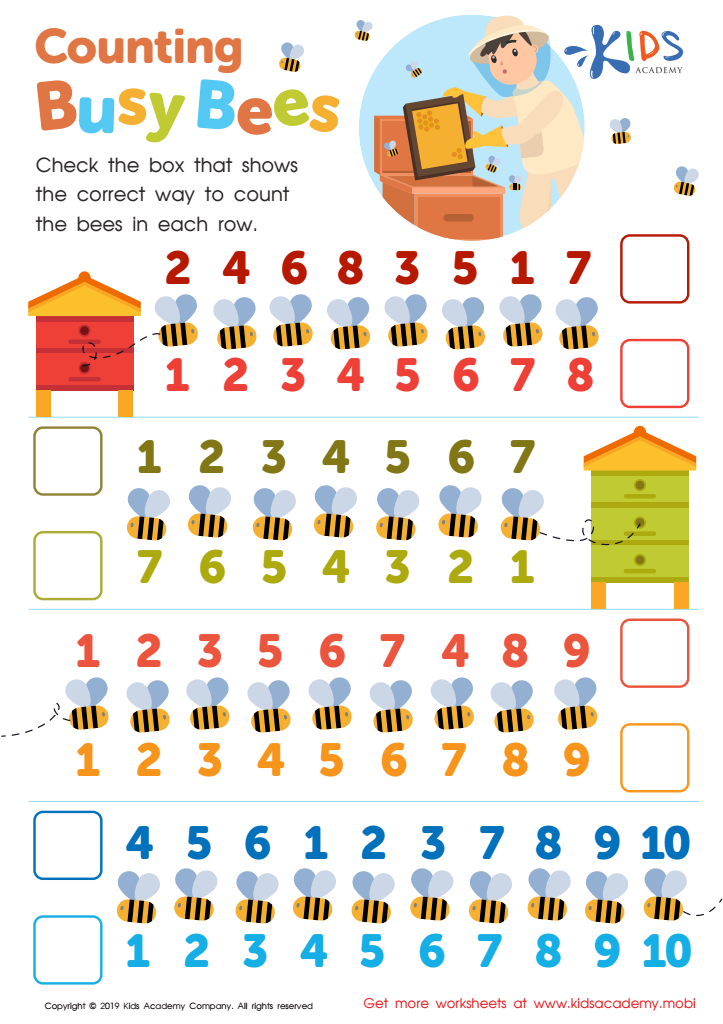
Counting Busy Bees Worksheet
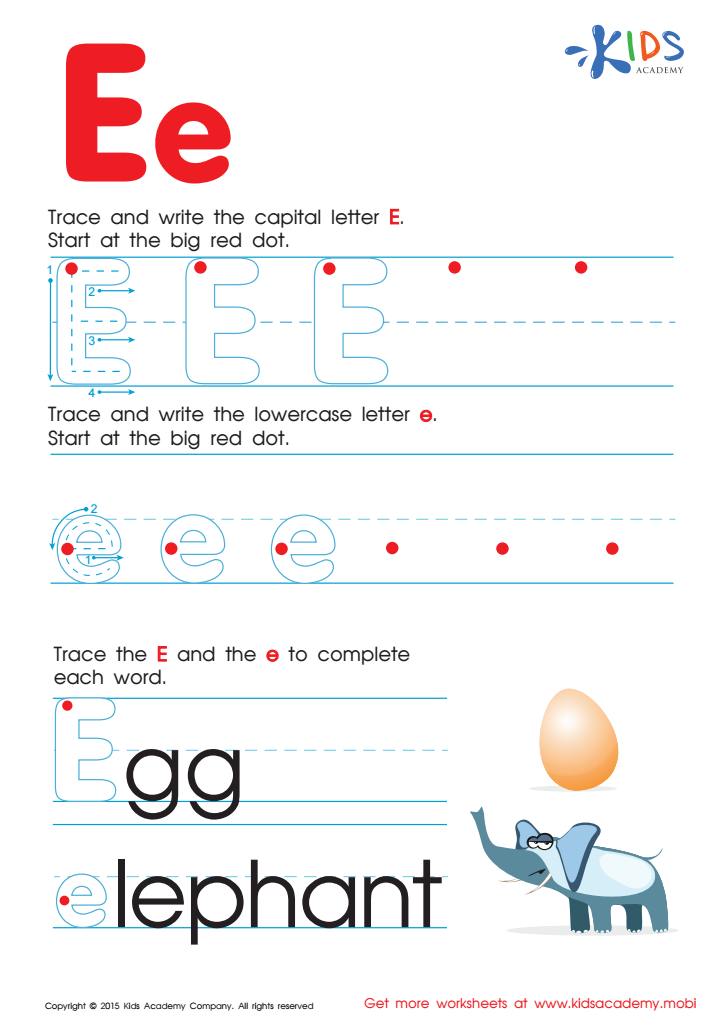
Letter E Tracing Page
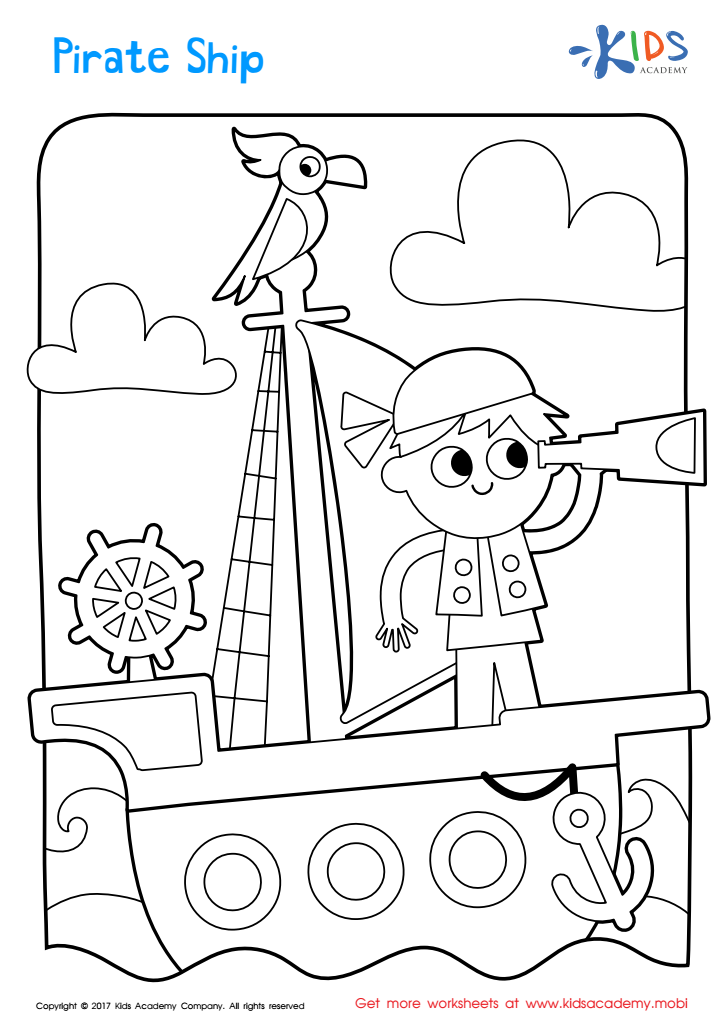
Pirate Ship Coloring Page
 Assign to My Students
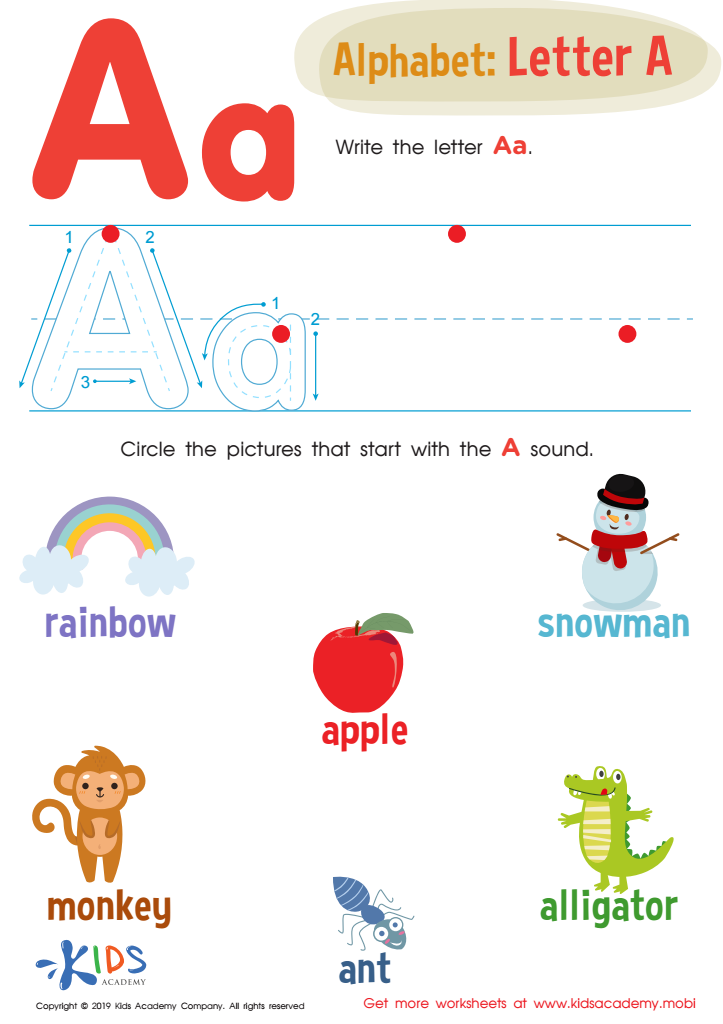
Letter A Tracing Worksheet

White Tracing Color Words Worksheet
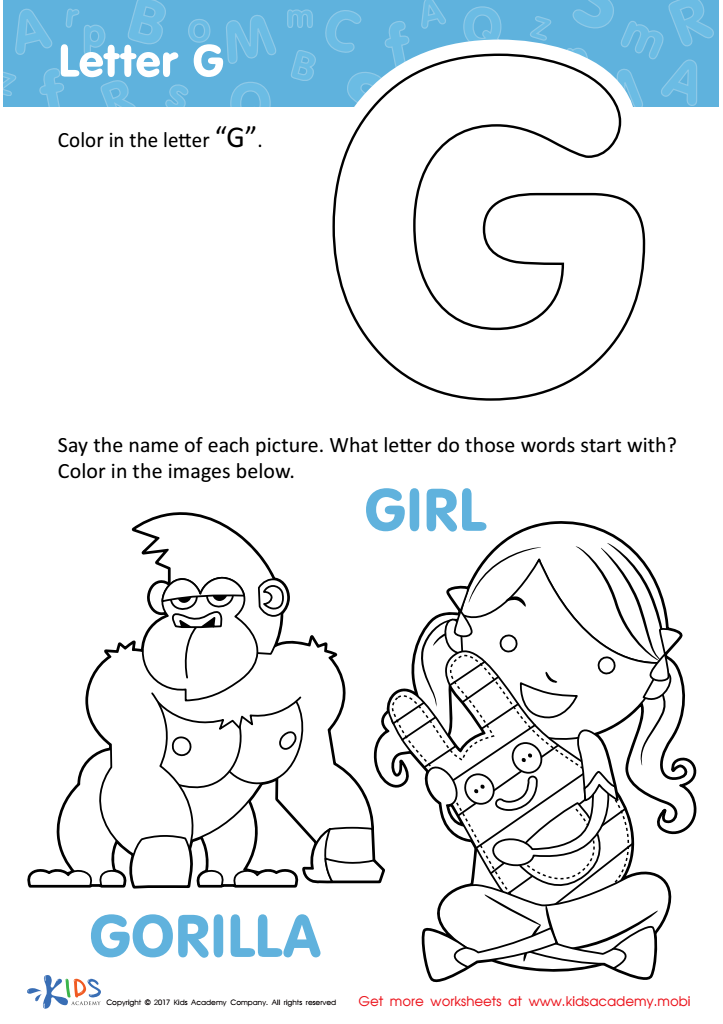
Letter G Coloring Sheet
Assign to My Students
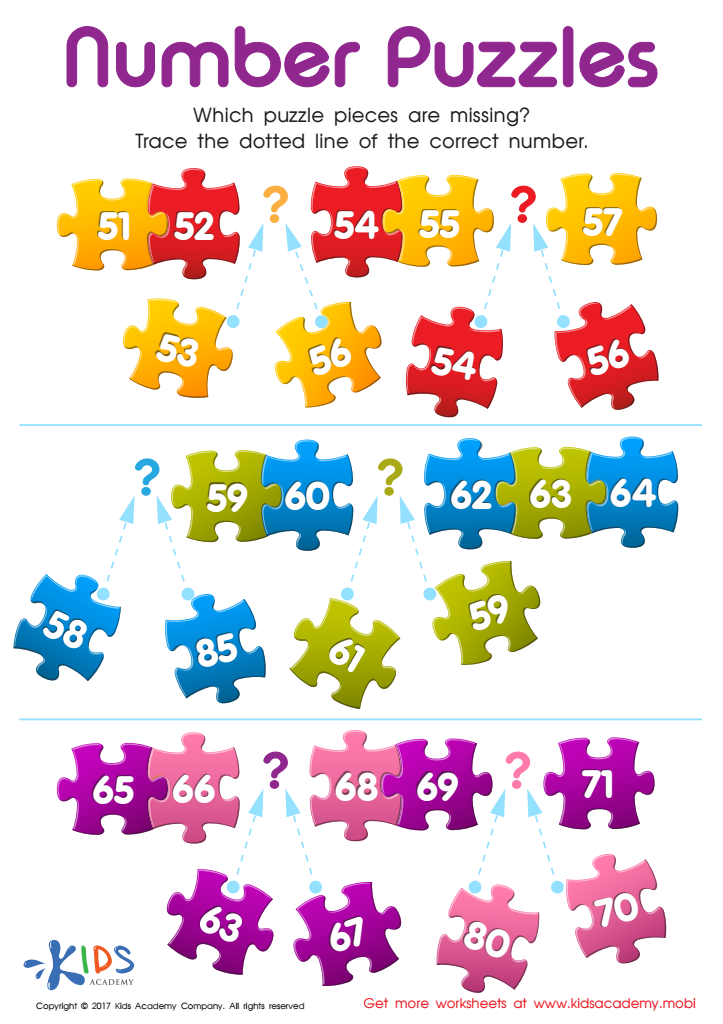
Number Puzzles Worksheet
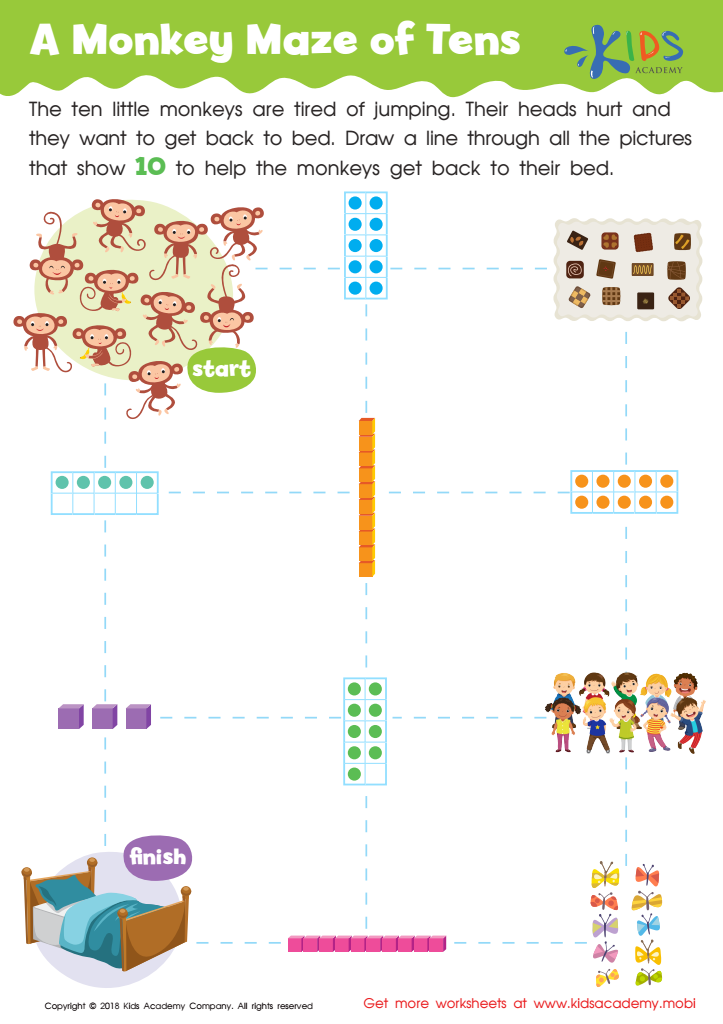
A Monkey Maze of Tens Worksheet
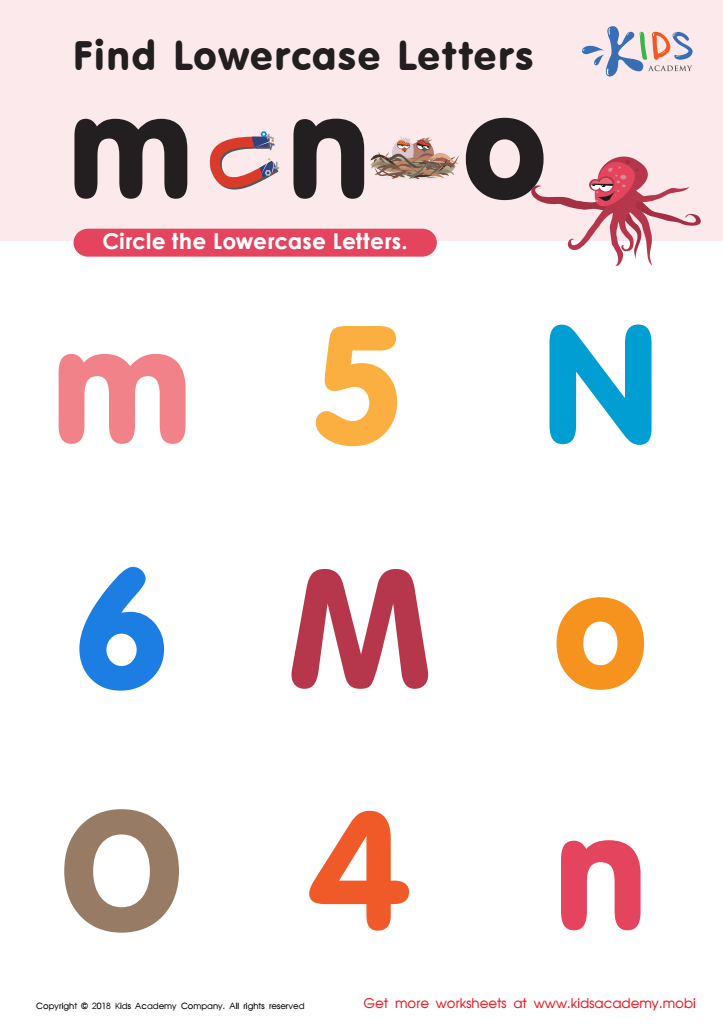
Find Lowercase Letters m n o Worksheet
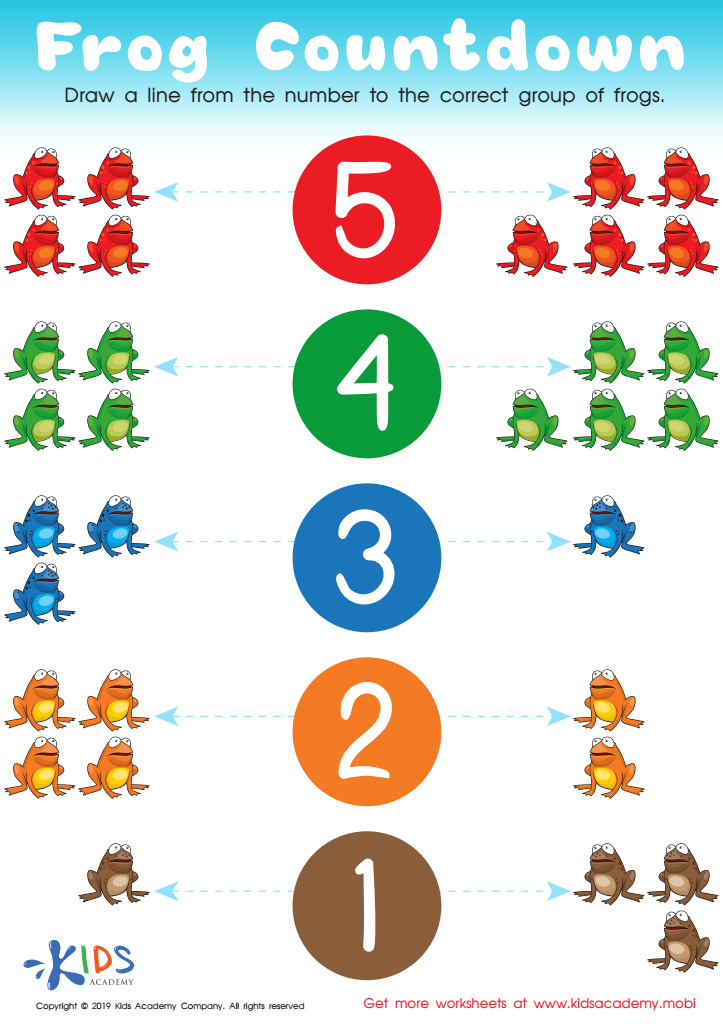
Frog Countdown Worksheet
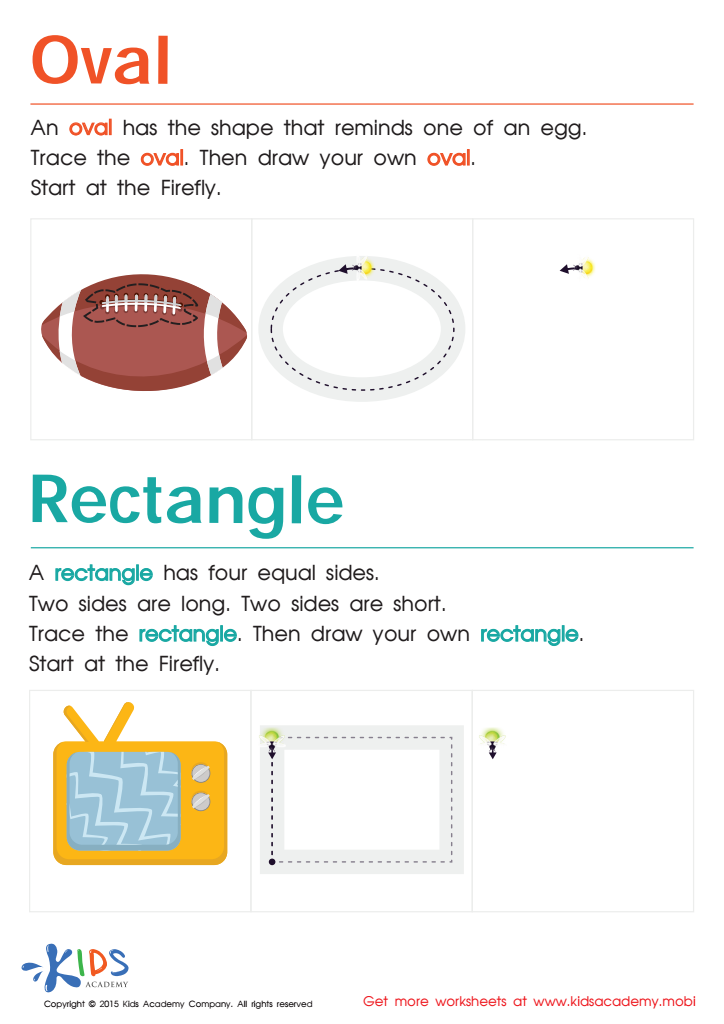
Easy Drawing of Ovals And Rectangles Worksheet
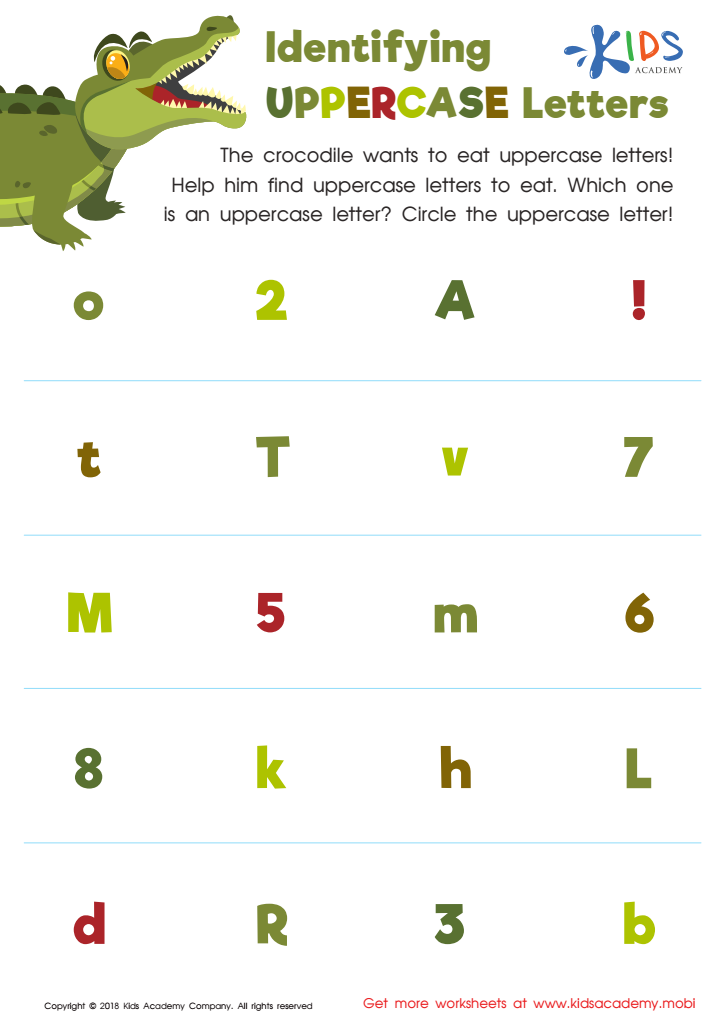
Identifying Uppercase Letters Worksheet
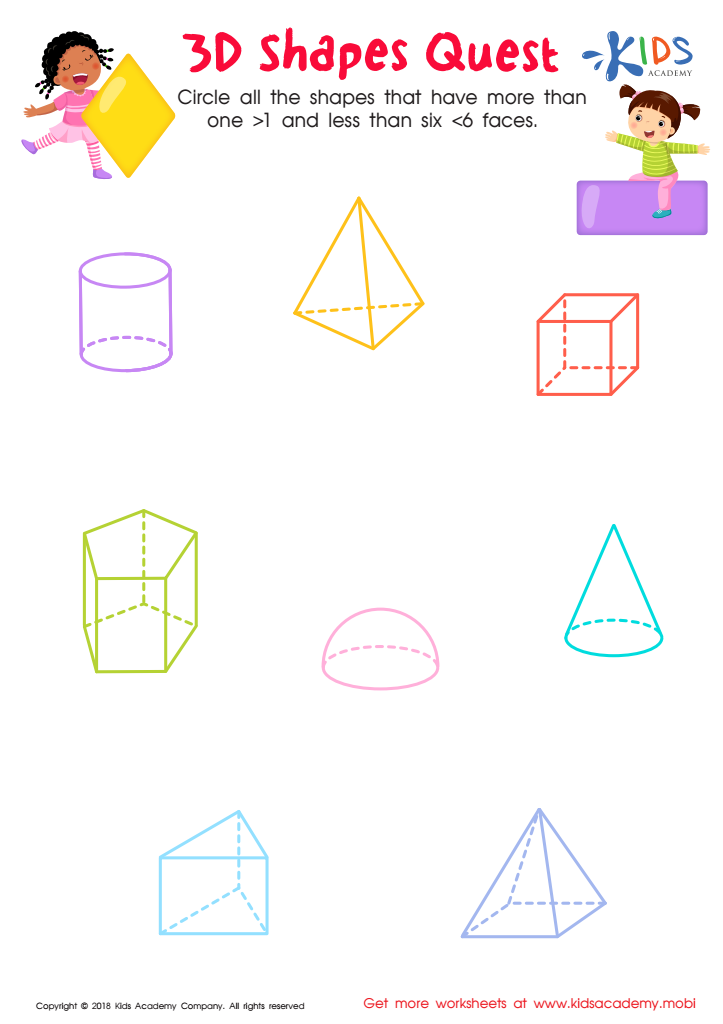
3D Shapes Quest Worksheet

Letter J Coloring Sheet
Assign to My Students
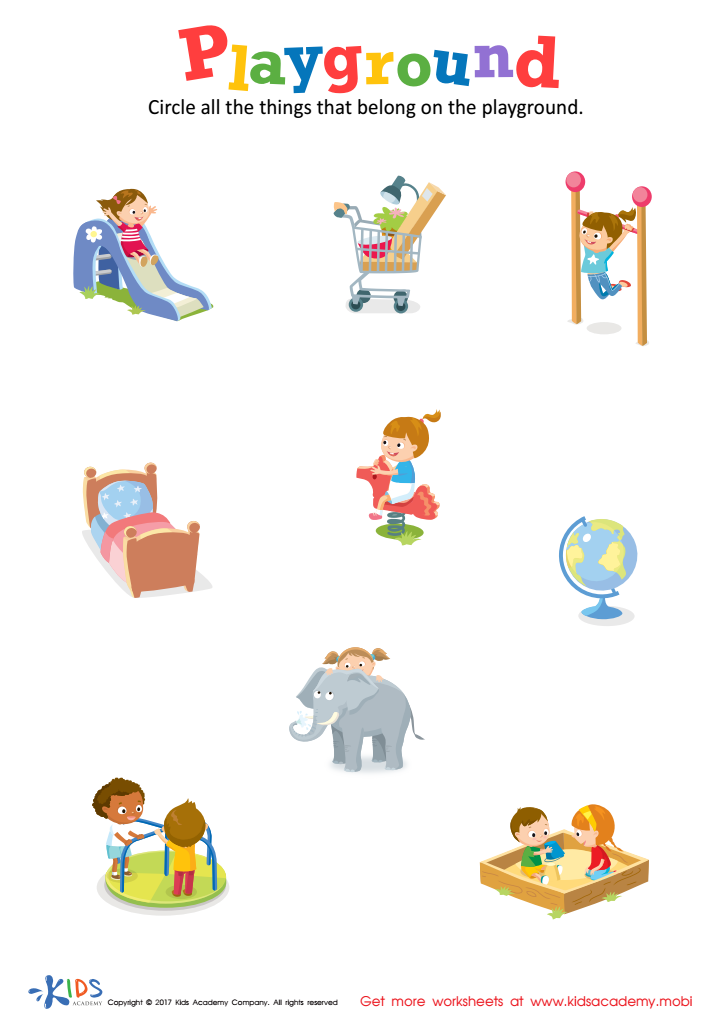
Playground Worksheet
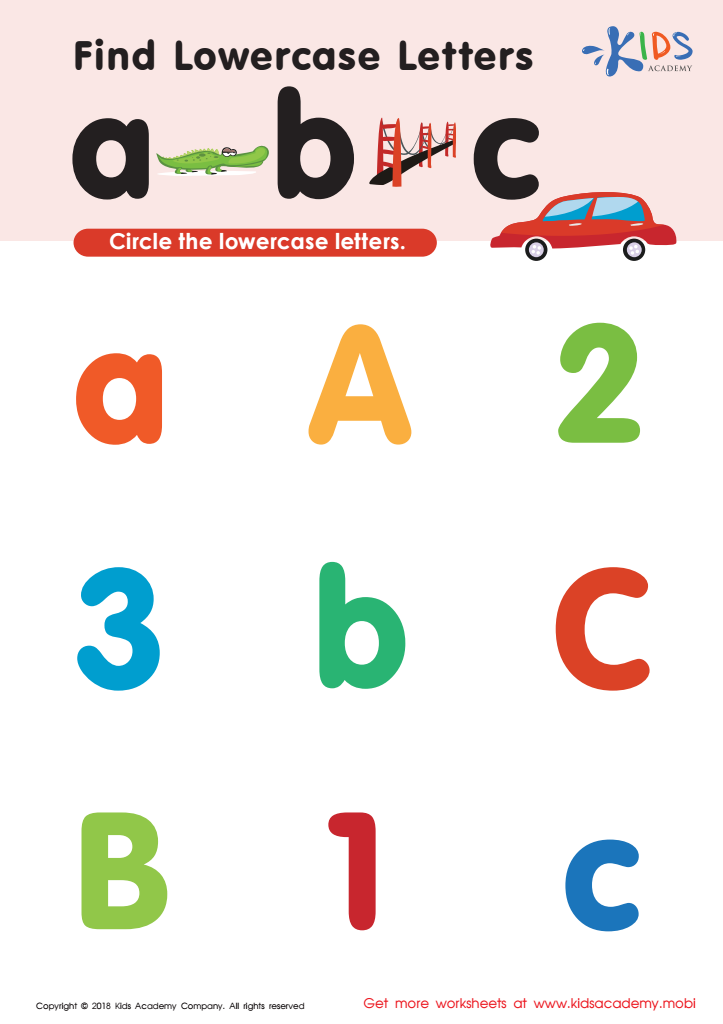
Find lowercase letters a b c Worksheet
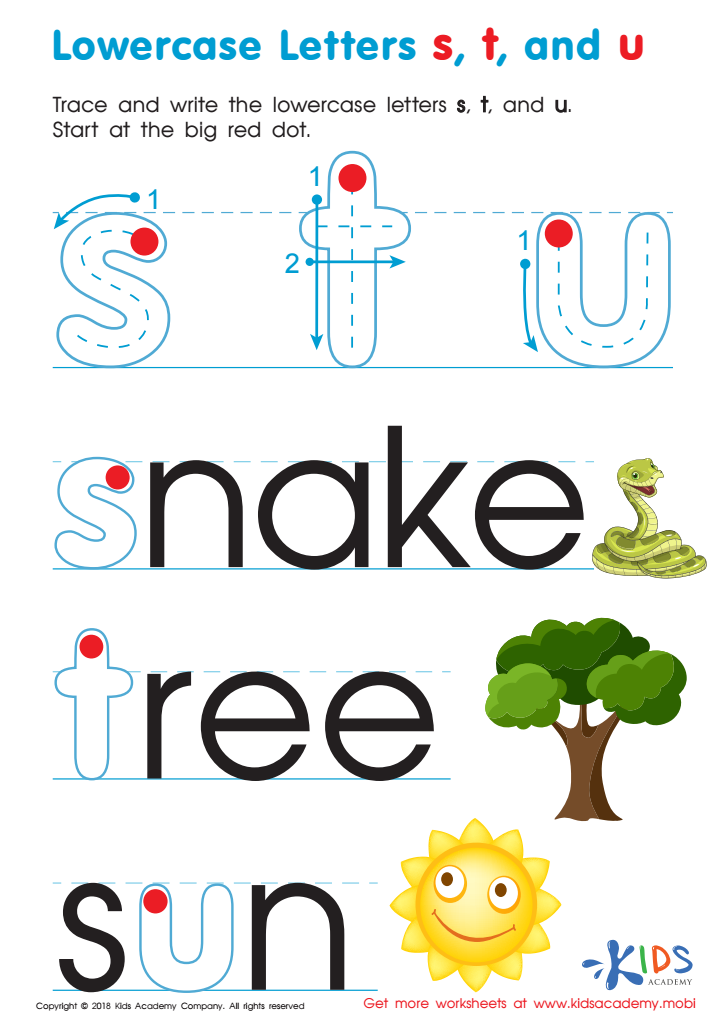
Lowercase Letters s t u Worksheet
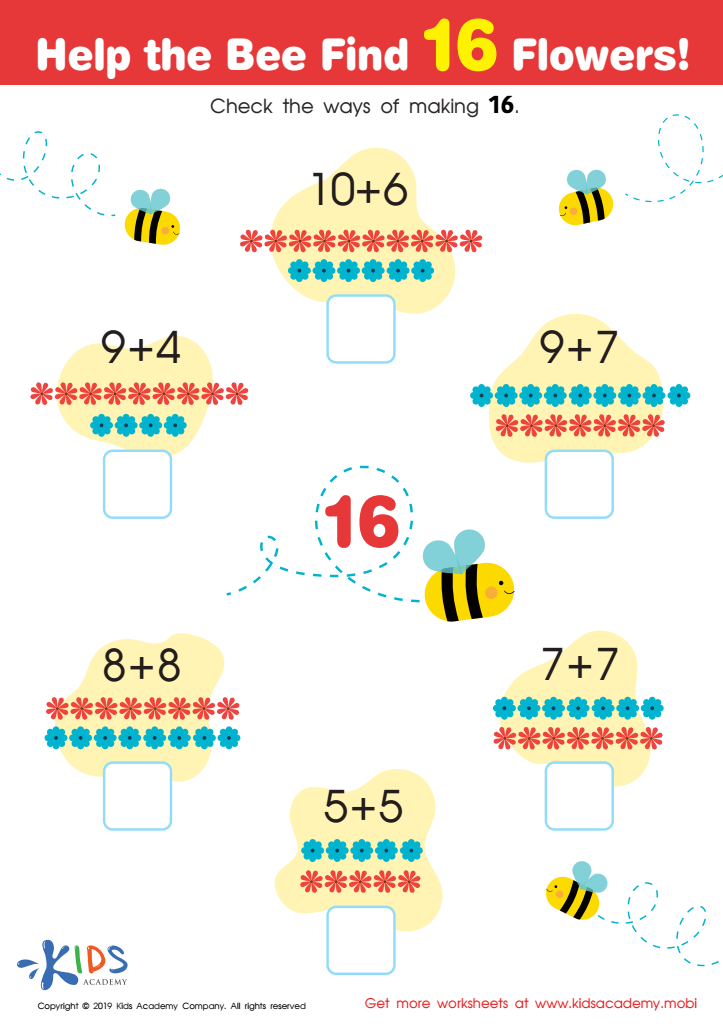
Help the Bee Find 16 Flowers Worksheet








Fine motor skills, the ability to use small muscle movements for tasks like grasping, holding, and manipulating objects, play a crucial role in the development of children aged 6-7. Parents and teachers should care about these skills because they are foundational for a child’s independence and academic success.
At this age, children are expected to perform tasks that require refined motor coordination, such as writing, drawing, cutting with scissors, and using tools. Mastery of fine motor skills can enhance their confidence, allowing them to express themselves creatively and complete school assignments with ease. Moreover, these skills are integral to daily activities—tying shoelaces, buttoning clothes, and managing utensils during meals—all necessary for self-care and independence.
Additionally, fine motor skills are closely linked to cognitive development. They help improve hand-eye coordination and concentration, contributing to better performance in subjects like math and science where precise manipulation is required.
Finally, supporting fine motor development can alleviate potential frustrations for both children and teachers, leading to a more positive learning environment. Recognizing the importance of fine motor skills will help create opportunities for engaging activities that foster growth in this critical area.








