Pattern recognition Normal Worksheets for Ages 6-7
8 filtered results
-
From - To
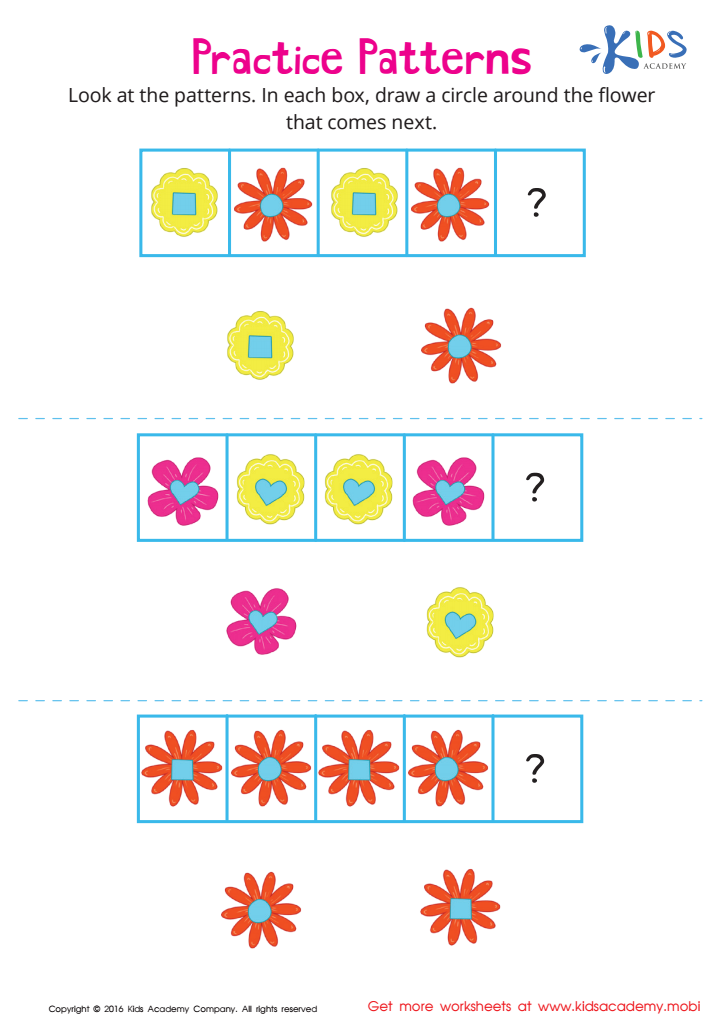
Boost your child's cognitive skills with our Pattern Recognition Normal Worksheets designed for ages 6-7. These engaging activities help young learners identify, analyze, and complete various patterns, enhancing their critical thinking and problem-solving abilities. Packed with vibrant graphics and diverse exercises, these worksheets make learning fun and interactive. They are perfect for building foundational math skills and improving visual perception. Ideal for both classroom and home use, our worksheets adapt to each student’s pace, ensuring comprehensive understanding and progress. Empower your child’s learning journey with Kids Academy's expertly crafted pattern recognition worksheets.
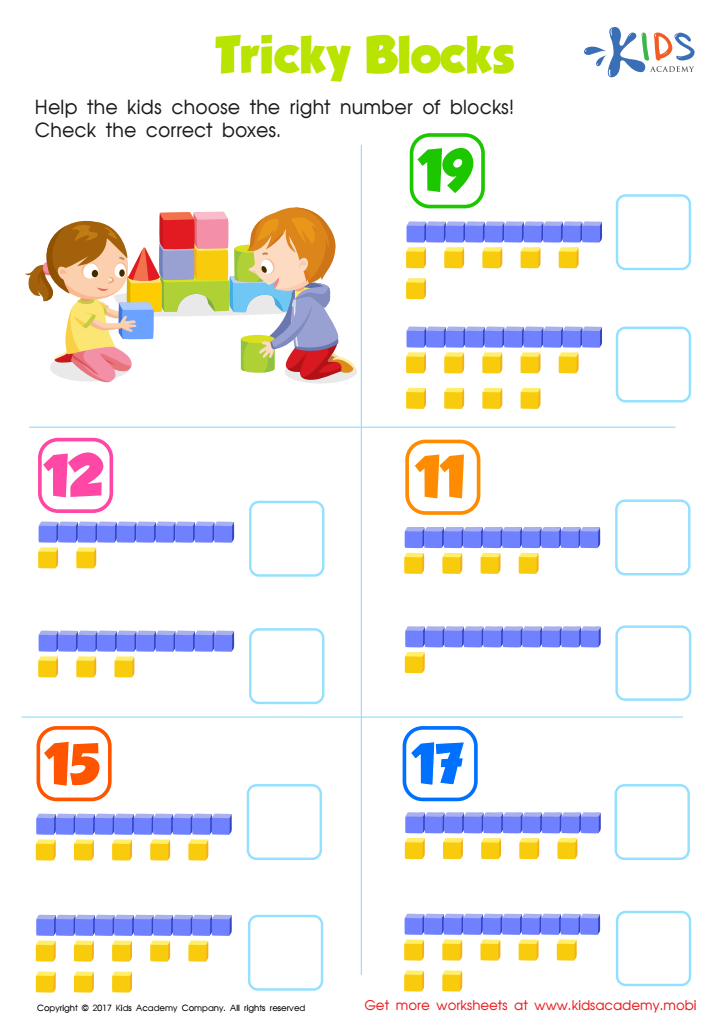
Tricky Blocks Worksheet
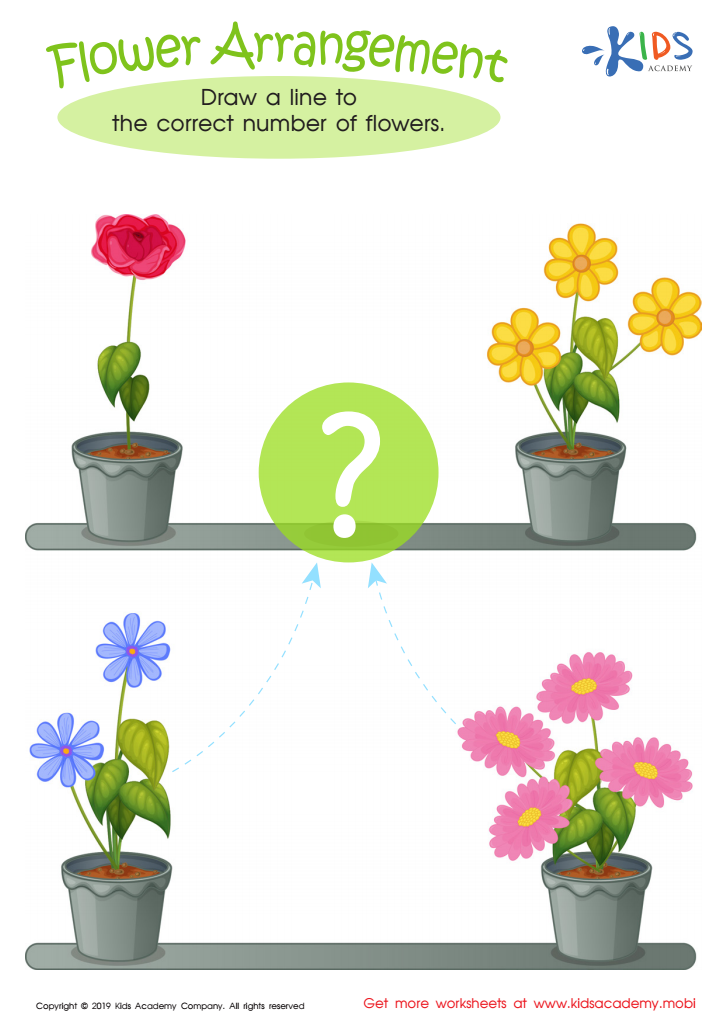
Flower Arrangement Worksheet
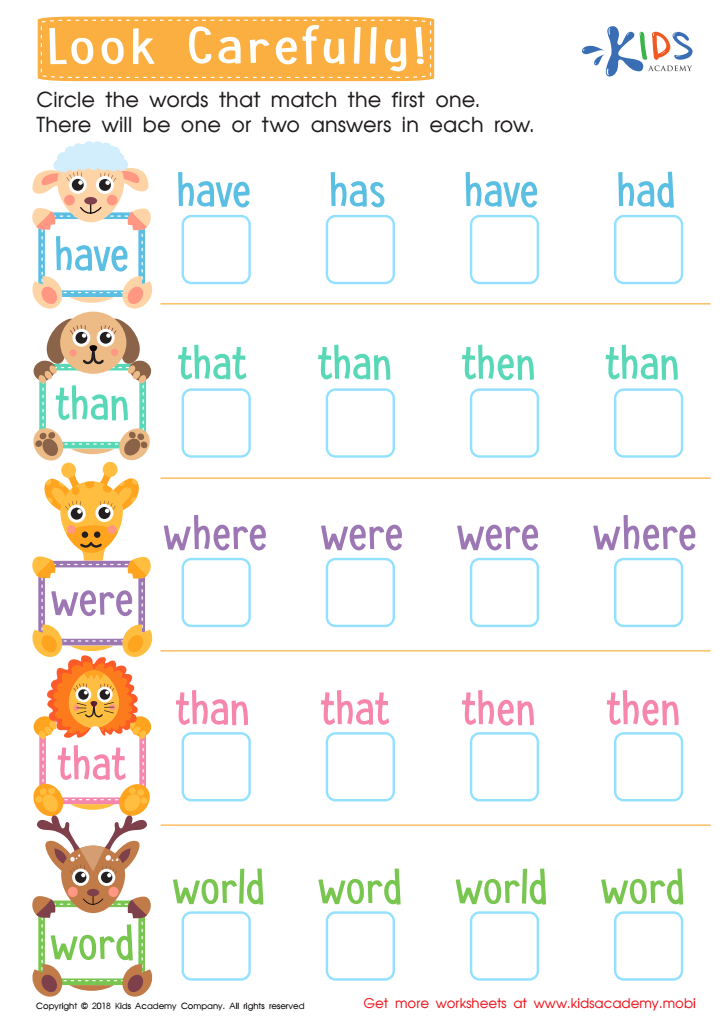
Look Carefully Worksheet
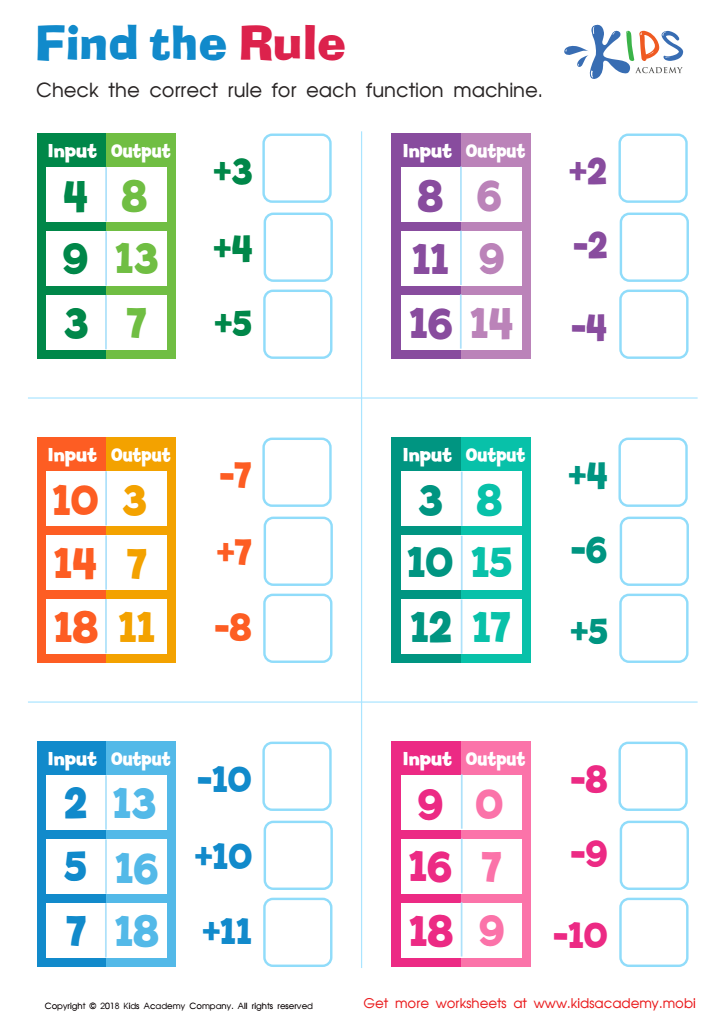
Find the Rule Worksheet
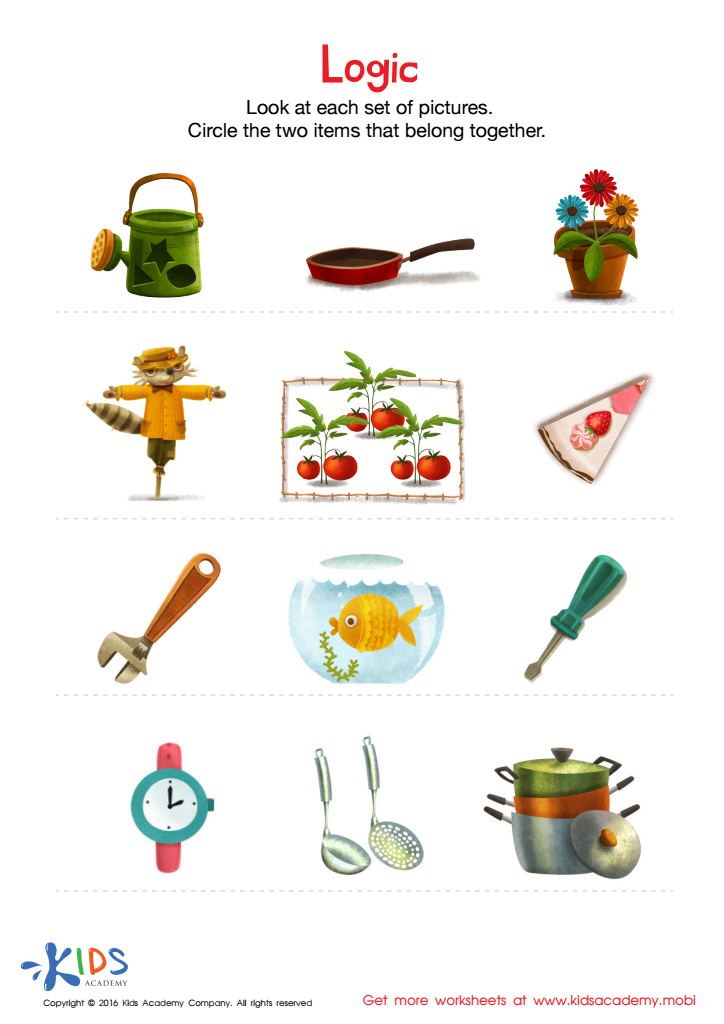
Logic Game Sorting Worksheet
Christmas: Christmas Tree Printable
 Assign to My Students
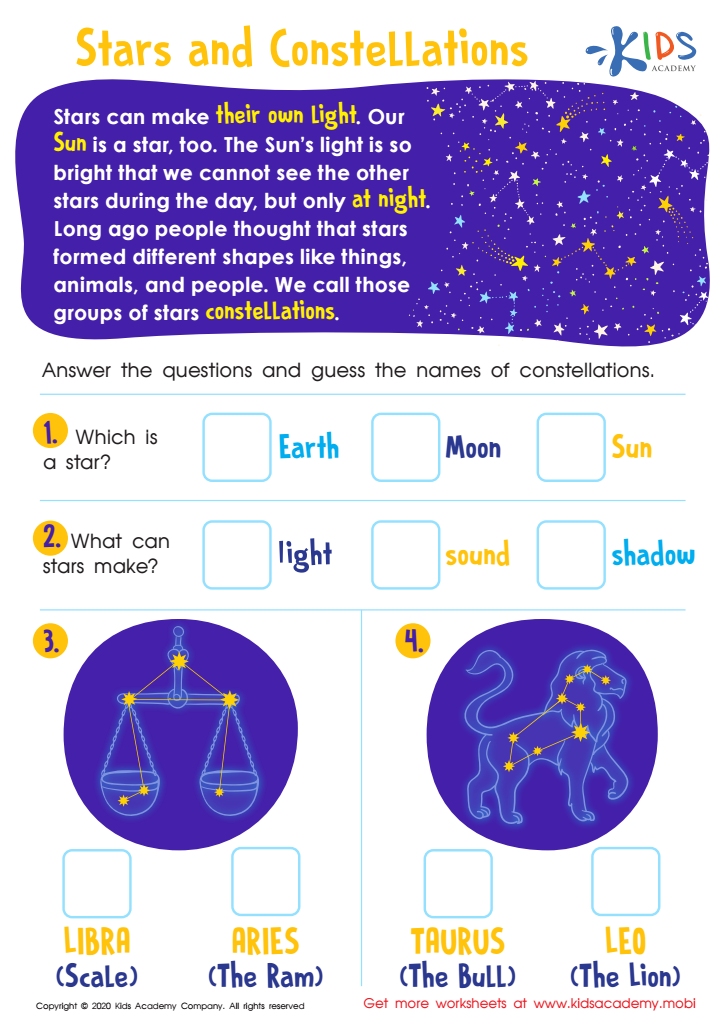
Stars and Constellations Worksheet





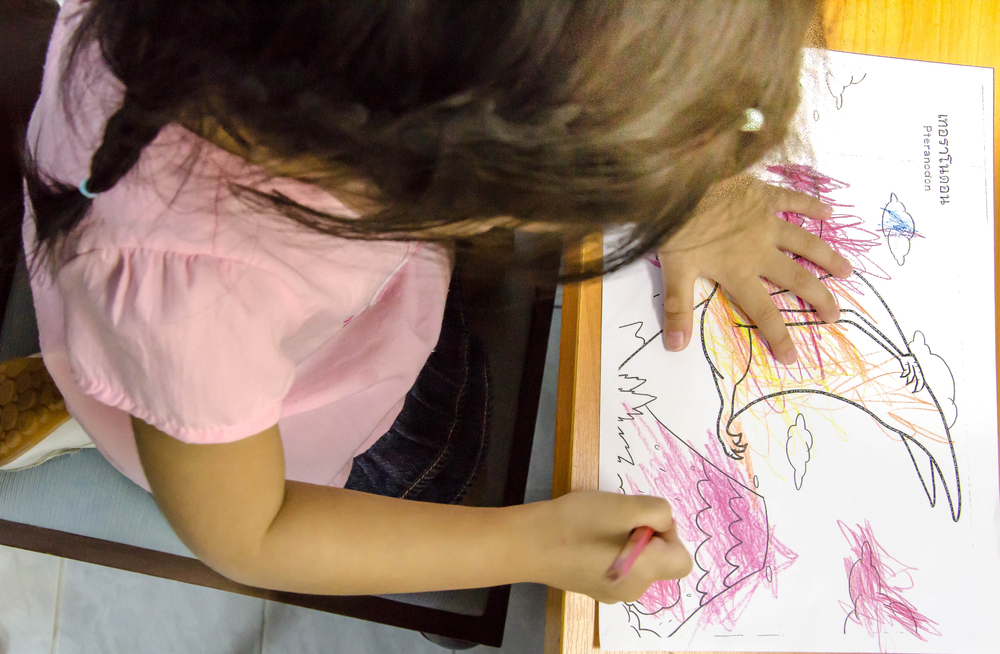


Pattern recognition is a foundational cognitive skill that's crucial for children aged 6-7. At this developmental stage, children are rapidly learning to identify, classify, and make sense of the world around them. Recognizing patterns helps kids develop critical thinking and problem-solving skills, essential for all areas of learning.
For parents and teachers, fostering pattern recognition aids significantly in early mathematics and literacy. For instance, understanding sequences and patterns is a prerequisite for grasping basic math concepts such as sorting, ordering, counting, addition, and subtraction. Similarly, in literacy, recognizing visual and auditory patterns helps children learn phonics, spelling, and reading comprehension by identifying recurring sounds, syllables, and word structures.
Moreover, pattern recognition promotes cognitive benefits beyond academics. It enhances memory by encouraging children to notice regularities, bolsters their ability to make predictions, and aids in logical thinking and reasoning. This skill also nurtures creativity, as kids start to see connections between seemingly unrelated elements and can construct more complex and imaginative thoughts and ideas.
By supporting pattern recognition, parents and teachers help children build a strong cognitive foundation that prepares them for more complex concepts as they continue to grow and learn. This engagement promotes a lifelong love of learning, essential for a child's academic and personal success.








