Visual Learning Normal Worksheets for Ages 6-7
6 filtered results
-
From - To
Discover our engaging Visual Learning Normal Worksheets designed specifically for children aged 6-7! These carefully crafted worksheets enhance key skills through vibrant illustrations and hands-on activities, making learning fun and interactive. Tailored for early learners, they cover essential subjects like math, reading, and critical thinking, fostering a strong educational foundation. Whether at home or in the classroom, our worksheets help children explore their creativity and understanding while building visual recognition abilities. Perfect for reinforcing concepts and making lessons memorable, these resources encourage active participation and promote independent learning. Unlock your child’s potential with our Visual Learning Normal Worksheets today!
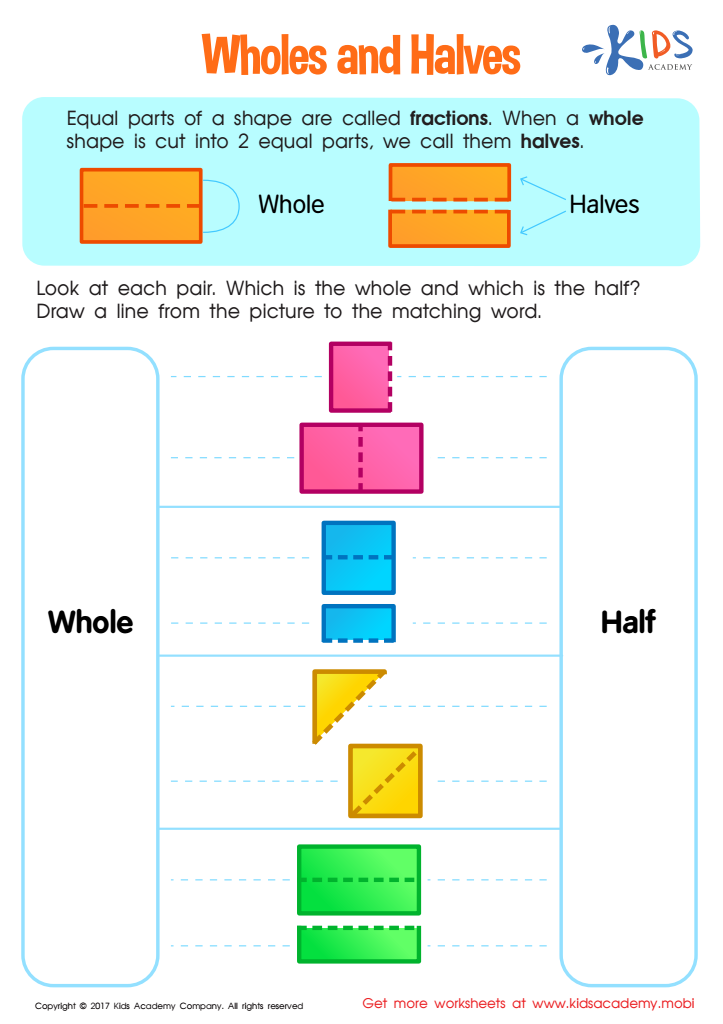
Wholes and Halves Worksheet
 Assign to My Students
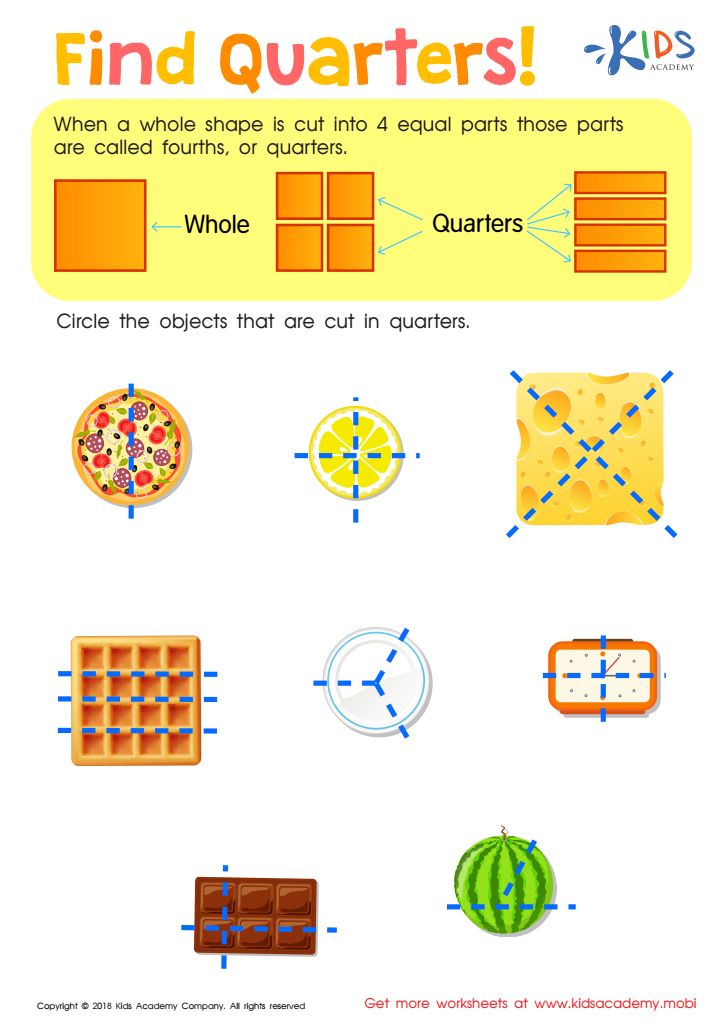
Find Quarters Worksheet
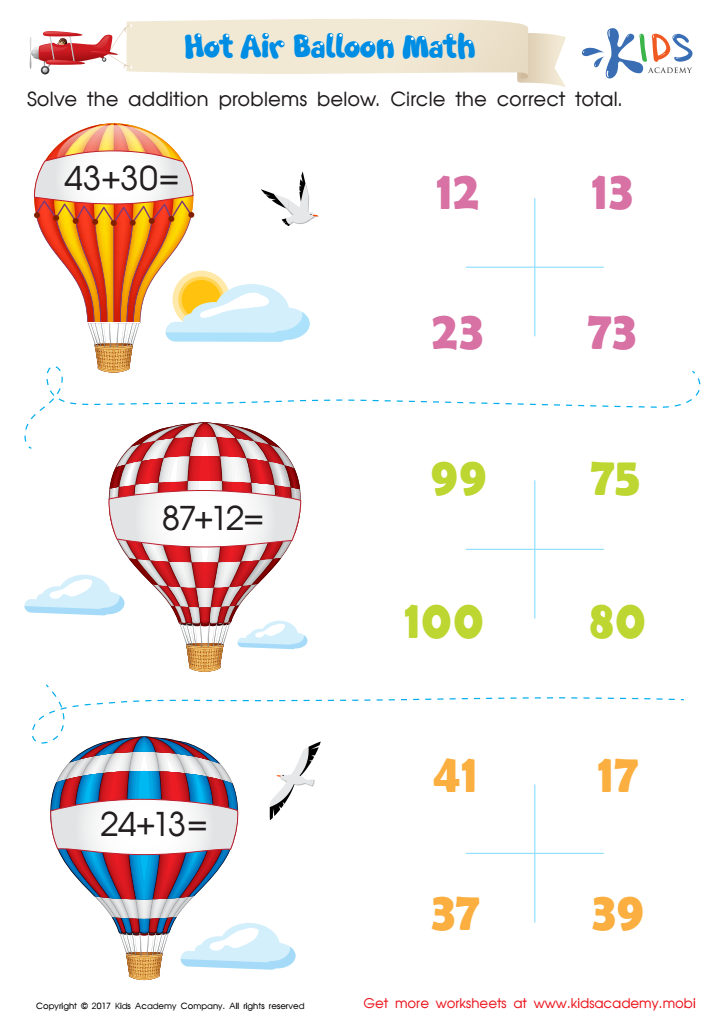
Hot Air Balloon Math Worksheet
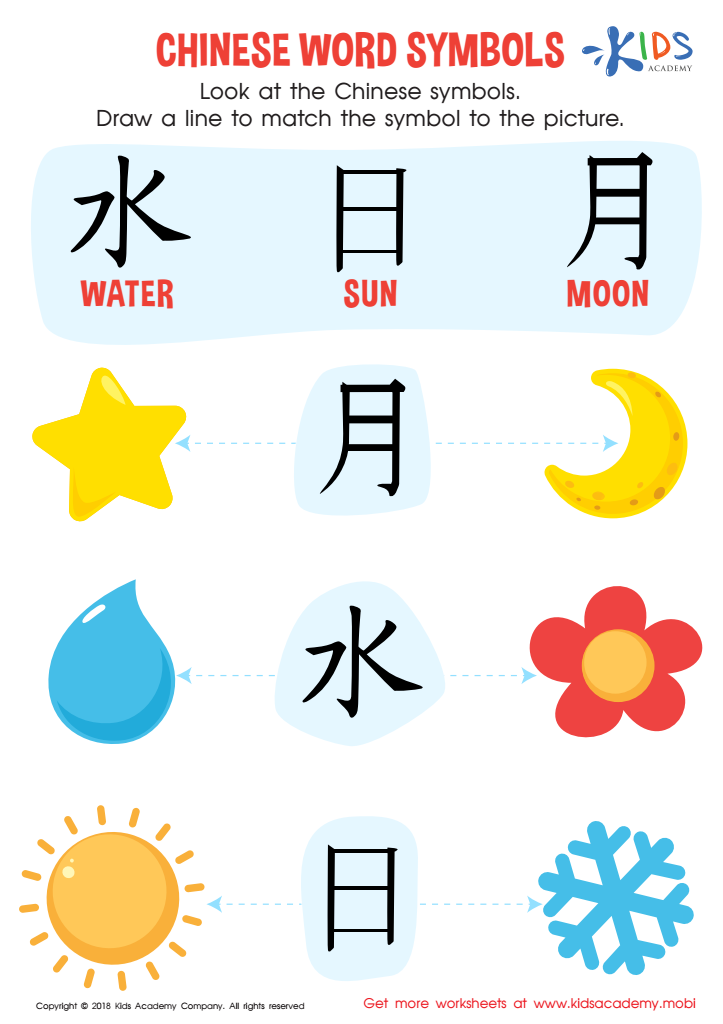
Chinese Word Symbols Worksheet
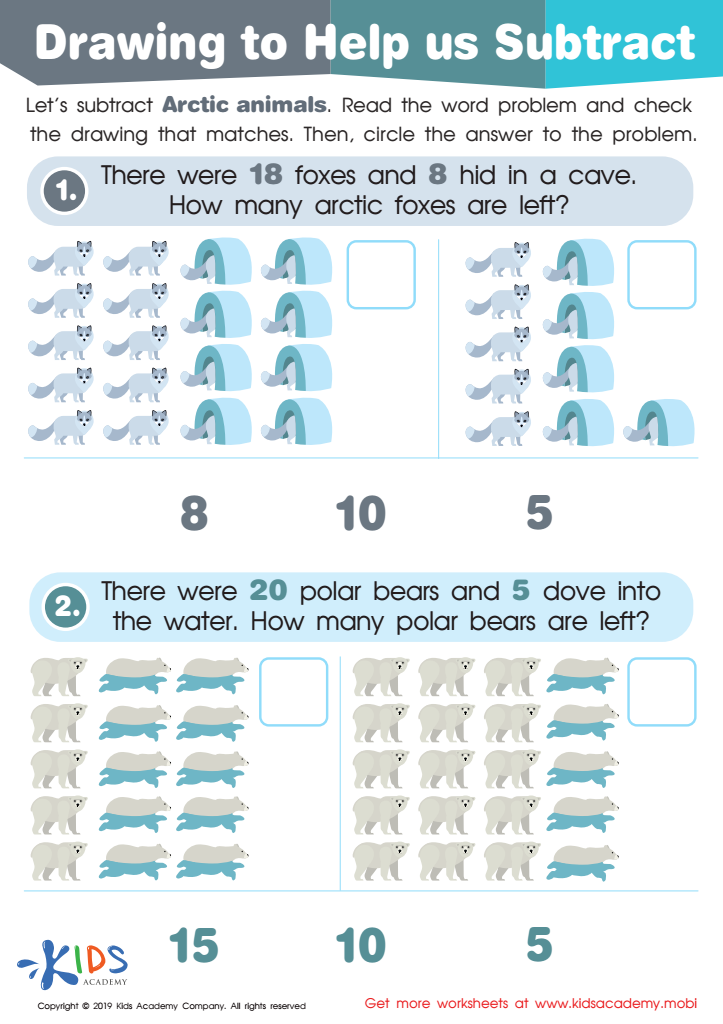
Drawing to Help Us Subtract Worksheet
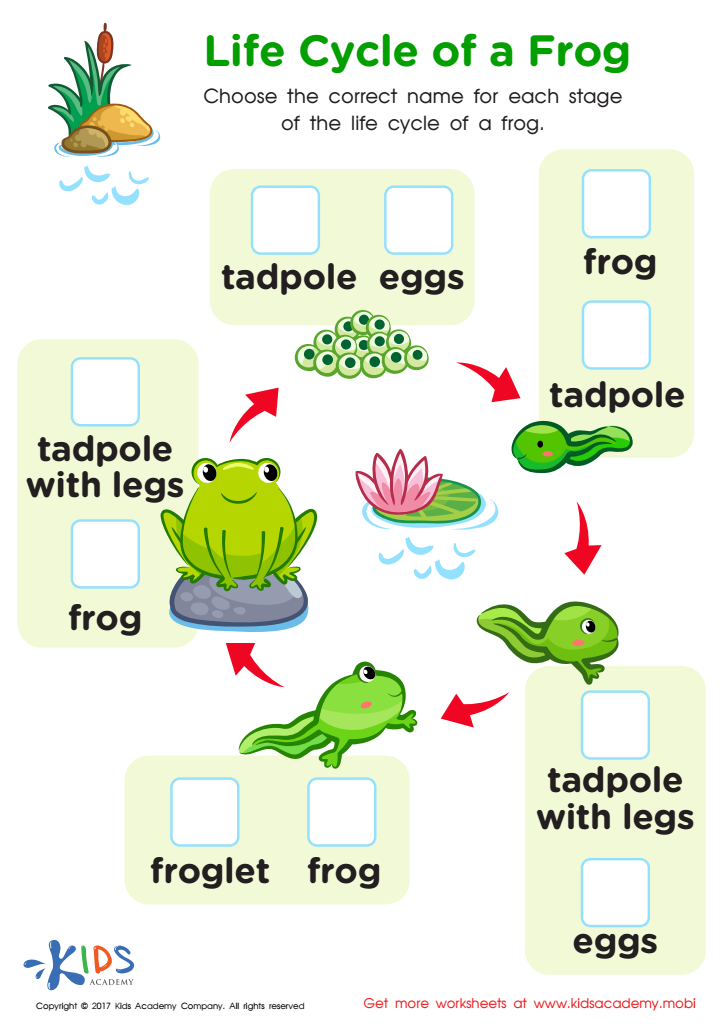
Life Cycle Frog Printable








Visual learning is a crucial element in the education of children aged 6 to 7, as it aligns with their developmental stage and enhances cognitive abilities. At this age, children are typically more responsive to visual stimuli, which makes visual learning particularly effective in helping them grasp foundational concepts. Utilizing charts, pictures, diagrams, and other visual aids aids in their understanding and retention of information.
Parents and teachers should recognize that engaging children in visual learning fosters critical thinking and creativity. As they interpret images, they are encouraged to connect ideas and develop stronger analytical skills. Visual learning also caters to diverse learning styles, ensuring that children who may struggle with traditional reading and writing methods still have pathways to access and understand content effectively.
Moreover, visual aids can make learning enjoyable and interactive, promoting enthusiasm and motivation in young learners. By incorporating visual learning strategies, educators can create a vibrant classroom environment where students feel confident to explore, ask questions, and take risks in their learning journey. Ultimately, focusing on visual learning can lay a strong foundation for academic success and lifelong learning habits in children.








